Support

Leh

About

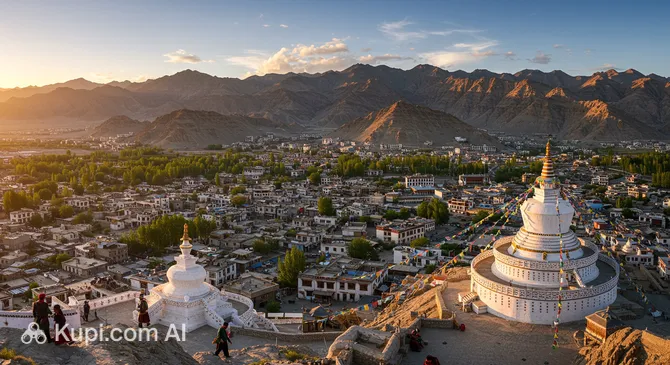
Perched high in the Himalayas, Leh is a mesmerizing destination that serves as the joint capital and largest town of the Ladakh region in India. Known for its stark, moon-like landscapes and vibrant cultural heritage, this high-altitude city offers a unique atmosphere that blends ancient traditions with breathtaking natural beauty. With a population of approximately 30,000 residents, it acts as the bustling hub for travelers exploring the rugged terrain of the north.

Leh. Source: Kupi.Binoculars

Geographically, the city is situated at an altitude of over 3,500 meters, surrounded by majestic mountain ranges. The climate here is characterized by long, harsh winters and pleasant, sunny summers, making the warmer months the ideal time for exploration. Its strategic location once made it a crucial stopover on ancient trade routes, and delving into the history of Leh reveals its fascinating past as a center where caravans from Central Asia converged.

Visitors are often captivated by the imposing Leh Palace, a nine-story royal residence that offers panoramic views of the town and the Stok Kangri mountains. Another spiritual and visual highlight is the Shanti Stupa, a white-domed Buddhist stupa that provides a peaceful retreat and stunning sunset vistas. Whether you are wandering through the colorful local markets or seeking spiritual solace in centuries-old monasteries, Leh promises an unforgettable journey into the heart of the Himalayas.

Weather Overview

Due to its high elevation in the Himalayas, the region experiences a distinct cold desert climate characterized by extreme cold and aridity. Winters are particularly severe and long; during January and February, the average temperature hovers around -20°C, with minimums frequently dropping below -25°C. Travelers visiting during this time must be prepared for freezing conditions that persist throughout the day.

The summer months provide a milder and more accessible window for tourism, though conditions remain cool. August is typically the warmest month, with average highs reaching approximately 15.8°C. While significant rainfall is rare—monthly precipitation often stays around 1mm to 2mm—you can expect overcast skies or light moisture, as the summer season records a surprising number of wet days. For a comprehensive forecast to help you pack the right gear, be sure to check the current weather in Leh.

Interesting Facts

Beyond the breathtaking vistas and spiritual serenity, this high-altitude city hides several intriguing details that surprise many visitors. From architectural marvels to natural phenomena, the region offers stories that go far deeper than its scenic surface.

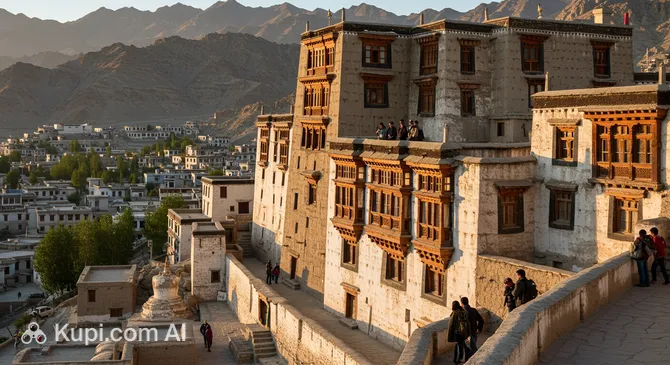
Leh Palace. Source: Kupi.Binoculars
  • The imposing Leh Palace is widely recognized as a precursor to the famous Potala Palace in Lhasa, Tibet. Built in the 17th century, this nine-story royal residence is a rare example of medieval Tibetan architecture designed to keep the interior warm during freezing winters and cool in the summer.

  • Just outside the city limits lies the famous Magnetic Hill, a "gravity hill" that creates a baffling optical illusion. Travelers often stop here to experience the phenomenon where vehicles parked in neutral appear to roll uphill against gravity, a trick played by the layout of the surrounding landscape.

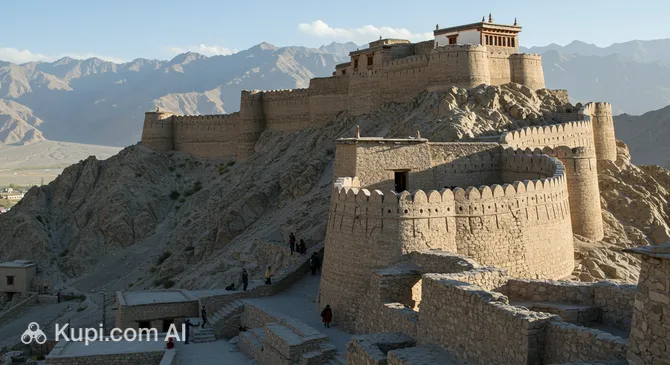
  • Unlike many other strongholds in India, the Zorawar Fort is uniquely constructed from sun-dried mud bricks and local stones held together by a special clay mortar. This eco-friendly fortification was built to house the troops of General Zorawar Singh, often referred to as the "Napoleon of India."

  • Leh was historically a vital crossroads on the ancient Silk Road, serving as a bustling trade market where caravans from Central Asia exchanged goods like indigo, silk, and wool. This legacy is still visible today in the presence of double-humped Bactrian camels in the region, descendants of the pack animals used by early traders.

How to Get There

Reaching this high-altitude destination is an adventure in itself, with air travel being the most practical method for most visitors due to the region's rugged and isolated terrain. For a detailed breakdown of routes and tips, you can read more about how to get to Leh. The flight into the valley is renowned for offering some of the most spectacular aerial views of the Himalayas.

The primary gateway is Leh Airport (IXL), officially known as Kushok Bakula Rimpochee Airport. It is located just 3.4 km from the city center, making it incredibly convenient. A taxi ride to the main town typically takes only about 15 minutes. As one of the highest commercial airports in the world, it is a vital lifeline for the region. Travelers flying directly here should plan for a day of rest to acclimatize to the high altitude.

Another popular option for those interested in a scenic road trip is to fly into Srinagar International Airport (SXR) in Srinagar. Although it is approximately 259 km away, this airport serves as the starting point for the legendary Srinagar-Leh Highway. The journey from Srinagar by bus or taxi is a breathtaking experience that usually spans two days with a stopover, allowing for gradual acclimatization. Alternatively, Bhuntar Airport in Kullu serves as a hub for those wishing to traverse the famous Manali-Leh Highway.

For clarity, here is a summary of the main airports:

Airport Name City Passenger Traffic Km from City
Srinagar International Airport Srinagar Large 259.4
Leh Airport Leh Medium 3.4
Gaggal Airport Dharamshala Medium 252.2
Bhuntar Airport Kullu Small 255.5

Main Attractions

Dominating the town from a rocky ridge, Leh Palace is an iconic symbol of the region's royal heritage. Built in the 17th century, this nine-story structure is often compared to the Potala Palace in Lhasa due to its similar architectural style. Visitors can explore its maze of corridors, ancient prayer rooms, and exhibition spaces that display royal jewelry and ceremonial dresses. The palace rooftop is particularly popular for its commanding views of the bustling town below and the snow-capped Stok Kangri mountains in the distance.

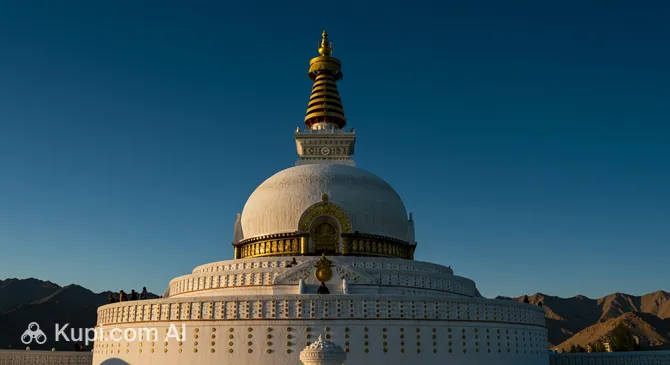
Shanti Stupa. Source: Kupi.Binoculars

Another spiritual and visual landmark is the Shanti Stupa, a magnificent white-domed Buddhist monument situated on a hilltop in Changspa. Constructed to promote world peace and prosperity, it holds relics of the Buddha at its base. The steep climb to the top is rewarded with one of the best panoramic views in the valley. It is an especially magical place to visit during sunrise or sunset, when the changing light illuminates the surrounding landscape in golden hues.

Zorawar Fort. Source: Kupi.Binoculars

For a dive into the military history of the region, the Zorawar Fort stands as a testament to the strategic importance of Ladakh. Built by the legendary General Zorawar Singh, this fortification is unique for its construction using sun-dried bricks and local clay. Inside, a well-curated museum houses a collection of artifacts, including old coins, stamps, and weapons used during historical campaigns. It offers a fascinating contrast to the many monasteries in the area and provides deep insight into the Dogra dynasty's legacy.

Local Cuisine

The culinary landscape of Leh is a delightful reflection of its Tibetan heritage and its position on the ancient Silk Road. The food here is hearty, warming, and designed to sustain energy in the high-altitude climate. The most ubiquitous dish is undoubtedly Thukpa, a thick noodle soup with vegetables or meat that serves as the ultimate comfort food for locals and travelers alike. Equally popular are Momos, steamed dumplings filled with minced meat, vegetables, or cheese, which are widely available everywhere from street stalls to sit-down restaurants and are often served with a spicy chili sauce.

For those eager to dive deeper into traditional Ladakhi flavors, Skyu is a must-try. This heavy stew consists of thumb-sized pieces of wheat dough cooked slowly with root vegetables and meat, making it a favorite during the cold winter months. Another staple is Tingmo, a soft, fluffy steamed bread without filling, which is typically eaten with spicy curries or stews to soak up the rich flavors. The cuisine here is generally mild but rich in nutrients, perfect for the rugged environment.

Beverages in Leh are as unique as the food. A signature drink is Butter Tea, locally known as Gur Gur Cha. Made with tea leaves, yak butter, and salt, this pink-hued drink is savory rather than sweet and is essential for keeping the body warm and hydrated. On the alcoholic side, you might encounter Chang, a traditional home-brewed barley beer that is mild and often served at social gatherings. For a refreshing non-alcoholic option, fresh Apricot juice, made from the region's abundant organic orchards, is incredibly sweet and popular in the summer.

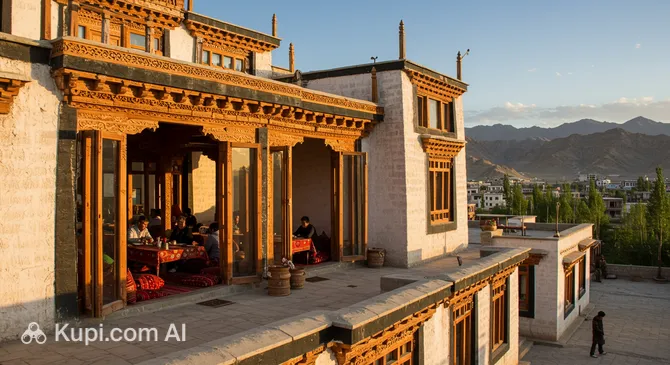
The Bodhi Tree Hotel. Source: Kupi.Binoculars

The dining culture in Leh is a vibrant mix of traditional eateries and traveler-friendly cafes. The Main Bazaar and Changspa Road are lined with "German Bakeries" offering yak cheese sandwiches, apple pies, and freshly brewed coffee, catering to the international crowd. For a more relaxed dining experience that combines local hospitality with a diverse menu, The Bodhi Tree Hotel features a restaurant where visitors can enjoy both local specialties and global favorites in a comfortable setting.

Travel Tips

Visiting Leh is a bucket-list experience for many, but traveling to this high-altitude desert requires a bit more preparation than your average holiday. To ensure your journey to the "Land of High Passes" is smooth, safe, and respectful of the local culture, here are some essential practical tips to keep in mind.

  1. Clothing and Gear: The weather in Ladakh can be unpredictable, so dressing in layers is the golden rule. Even in summer, nights can get chilly, so bring a warm fleece, a windproof jacket, and thermal innerwear. Since the sun is exceptionally strong at this altitude, high-SPF sunscreen, sunglasses, and a hat are non-negotiable to prevent severe sunburn. When visiting monasteries, dress modestly; shoulders and knees should be covered.
  2. Transportation: Public transport within the city is limited, so most tourists rely on taxis. Note that ride-hailing apps like Uber or Ola do not operate here. Instead, Leh has a strong taxi union with fixed rates for various sightseeing points, which ensures fair pricing but leaves little room for bargaining. Renting a motorbike (often a Royal Enfield) is a very popular way to explore, but ensure you are comfortable riding on rugged mountain terrain.
  3. Finances: The currency is the Indian Rupee (INR). While credit cards are accepted at major hotels and some upscale restaurants, cash is king in smaller shops, cafes, and local markets. ATMs are available in the Main Bazaar, but they can run out of cash or have long queues, especially during peak season. It is wise to carry sufficient cash with you. Tipping is appreciated but not mandatory; rounding up the bill or leaving a small amount for good service is standard.
  4. Health and Safety: The biggest concern for visitors is Acute Mountain Sickness (AMS). It is crucial to spend the first 24 to 48 hours resting to let your body acclimatize to the low oxygen levels; avoid strenuous activity and alcohol during this time. The SNM Hospital in Leh is well-equipped to handle high-altitude related ailments. Pharmacies are available in the main market, but carrying a personal medical kit with basic painkillers and rehydration salts is recommended.
  5. Communication: English is widely spoken and understood by people in the tourism industry, while Hindi is also common. A vital tip for connectivity: prepaid SIM cards from outside the region do not work in Ladakh due to security regulations. You must have a postpaid connection (BSNL, Airtel, or Jio work best) or purchase a local SIM card upon arrival using your passport and visa. Wi-Fi is available in most hotels but can be slow or intermittent.
  6. Local Etiquette: The magic word in Ladakh is "Julley" (pronounced joo-lay). It serves as hello, goodbye, thank you, and please. Using it with a smile will instantly warm up interactions with locals. Always remove your shoes before entering a monastery or a local home. If you encounter a stupa or a mani wall (stone wall with prayers), always walk around it in a clockwise direction as a sign of respect.
  7. What to Avoid: Do not take photographs of local people, especially monks or women, without asking for permission first. Avoid using single-use plastics; Ladakh has a fragile ecosystem, and the region is making strong efforts to ban plastic bags and bottles. Refill your water bottle at your hotel or designated filtered water stations instead.
  8. Inner Line Permits: While you can explore the city of Leh freely, visiting popular outer areas like Nubra Valley, Pangong Tso, or Tso Moriri requires an Inner Line Permit (ILP). These can be obtained online or easily arranged through local travel agents and hotels in the city center. Carry multiple photocopies of your permit and ID, as you will need to submit them at various checkpoints.

By respecting these guidelines and taking the time to adjust to the altitude, you will find Leh to be an incredibly welcoming and spiritually uplifting destination. Pack your sense of adventure, stay hydrated, and get ready to be charmed by the warm hospitality of the Ladakhi people.

Entertainment & Nightlife

Entertainment in Leh is distinct from the high-energy nightlife found in metropolitan cities. Instead of thumping nightclubs and neon-lit dance floors, the evening scene here is defined by a relaxed, bohemian atmosphere that perfectly complements the serene Himalayan surroundings. As the sun sets behind the mountains, the town transforms into a cozy hub of illuminated cafes, garden restaurants, and warm gathering spots where travelers from around the world share stories over hot drinks and good food.

The heartbeat of Leh’s evening activity is undoubtedly Changspa Road. This winding lane, lined with poplar trees, is the backpacker district of the city and comes alive after dark with the soft glow of fairy lights and the sound of acoustic guitars. It is the perfect place to enjoy a laid-back evening. Many venues here feature low seating, open-air garden sections, and live music performances that range from traditional Ladakhi folk songs to classic rock covers. The Main Bazaar is another bustling area where you can enjoy a late evening stroll, shop for souvenirs, and soak in the vibrant street life before the shops close.

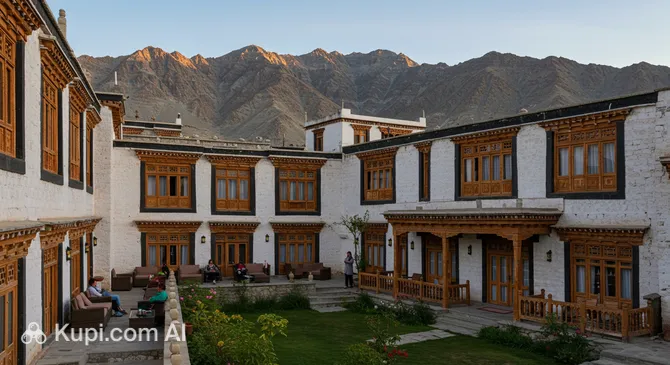
For those seeking a more refined evening experience with comfortable amenities, the Hotel Singge Palace offers a pleasant setting to unwind. Many of the higher-end hotels in Leh feature well-stocked bars and elegant dining halls where you can enjoy a quiet drink in a heated environment, which is a luxury during the crisp nights. Similarly, The Bodhi Tree Hotel remains a popular choice for its inviting ambiance and excellent food, providing a warm refuge from the cold outside.

Hotel Singge Palace. Source: Kupi.Binoculars

Practicality is key when planning a night out in this high-altitude desert. The town sleeps early; most cafes and restaurants begin to wind down by 10:00 PM or 11:00 PM. Alcohol is available but not served in every restaurant due to licensing regulations, so it is best to check beforehand or stick to hotel bars. The dress code is strictly casual and practical—temperatures drop significantly at night, so wearing a heavy jacket, beanie, and warm layers is essential even if you are just going for dinner.

Safety in Leh is generally very high, and the town is welcoming to tourists. However, walking alone late at night on unlit streets can be tricky due to uneven terrain and the presence of territorial stray dogs, which are known to be aggressive after dark. It is advisable to carry a flashlight and a stick if walking, or simply take a taxi back to your accommodation. Taxis are not always readily available on the streets late at night, so arranging a ride in advance or asking your restaurant to call one for you is a smart move.

During the daylight hours, entertainment shifts towards cultural and historical exploration. While you won't find large amusement parks, the city offers engaging experiences like the Hall of Fame museum, run by the Indian Army, which provides a moving insight into the region's history. Visitors can also spend time exploring local art galleries or attending traditional cultural shows that frequently take place in the town center during the peak tourist season.

Parks & Museums

While Leh is geographically a high-altitude cold desert, the city surprises visitors with its dedicated pockets of greenery and rich repositories of history. The local museums serve as gateways to understanding the region's legacy as a Silk Road hub, while its natural areas offer serene spots to admire the stark, dramatic beauty of the Himalayas.

One of the most significant cultural venues is the Central Asian Museum, conveniently located near the Main Bazaar. Housed in a traditional stone tower within the Tsas Soma garden, this museum focuses on the region's history as a pivotal trading center. Its four floors display manuscripts, currency, and artifacts from the caravan trade, offering a fascinating glimpse into the era when Leh connected India with Central Asia and Tibet. The surrounding Tsas Soma garden itself is a rare green respite in the city center, acting as a community courtyard where travelers can rest under the shade of trees.

For a blend of military history and cultural heritage, the Hall of Fame is a top attraction located on the airport road. Managed by the Indian Army, this well-maintained museum honors the soldiers of the region but also features an extensive section dedicated to Ladakhi culture, traditional attire, and the unique flora and fauna of the high Himalayas. Another historical gem is the museum located inside the Zorawar Fort. This site offers a focused look at the 19th-century Dogra dynasty, displaying a collection of vintage stamps, coins, and weaponry within a fortress made of sun-dried bricks.

Although the arid climate limits the presence of lush botanical gardens, the Sindhu Ghat serves as a beautiful natural recreational area. Located on the banks of the Indus River, known locally as the Singhe Khababs, this riverfront promenade is perfect for a peaceful evening walk or a picnic. The sight of the mighty river flowing against the backdrop of barren mountains provides a calming contrast to the dusty town streets.

For a truly authentic experience, venture into the narrow lanes of the Old Town to find the Ladakh Arts and Media Organisation (LAMO) center. Housed in the restored 17th-century Munshi House, this art space frequently hosts exhibitions, screenings, and talks on local heritage. Climbing up to its terrace offers a spectacular, less-crowded view of the Leh Palace and the labyrinthine mud-brick houses of the old city below.

Getting Around

The public transport system in Leh is relatively simple and functional, designed to serve the needs of a high-altitude town rather than a sprawling metropolis. There is no metro, tram, or railway network within the city. Instead, the local transportation infrastructure relies entirely on road-based options, primarily consisting of government-run buses, private mini-buses, and a robust network of taxis that operate as the primary means of transit for visitors.

For budget travelers, the local bus service operated by the Jammu and Kashmir State Road Transport Corporation (JKSRTC) and private cooperatives is the most economical choice. These buses depart mainly from the New Bus Stand and connect the town center with nearby villages and major monasteries like Thiksey and Hemis. While they are incredibly cheap, they can be infrequent and crowded. Mini-buses are also available for shorter commutes within the town and its immediate outskirts, offering a slightly faster alternative to the larger standard buses.

The payment system across all modes of transport is strictly cash-based. There are no travel cards, digital passes, or mobile apps for ticketing. When taking a bus, you simply board and pay the conductor directly; carry small denominations of the local currency (Indian Rupee) as change is often scarce. Bus fares are very low, typically costing just a few rupees for short distances. For taxis, payment is made directly to the driver at the end of the journey.

Taxis are the most convenient and popular way for tourists to navigate the region. Unlike in many other cities, ride-hailing apps do not operate here. Instead, the Ladakh Taxi Union regulates the industry strictly. You will find taxi stands at key locations, including the airport and the city center. The union publishes an official rate card each year listing fixed prices for various destinations, eliminating the need for bargaining. You can hire a cab exclusively or look for "shared taxis" at the stands, which are a great way to split costs with other travelers heading in the same direction.

Another dominant form of transport for visitors is renting a motorbike or scooter. The city is famous for its biking culture, and numerous rental agencies line the streets offering everything from automatic scooters to powerful Royal Enfield motorcycles. This option provides the freedom to explore at your own pace. To rent one, you will need a valid driving license and a security deposit. It is highly recommended to test the bike thoroughly before heading out, as the terrain can be challenging.

When planning your travel, keep in mind that public transport operating hours are generally limited to daylight hours. Buses and shared taxis usually stop running by early evening, around 7:00 PM or 8:00 PM. Since the town is compact, walking is a viable option for getting around the main bazaar and restaurant areas, but due to the high altitude and thin air, even short walks can feel strenuous. Always allow extra time to get from one point to another without rushing.

Accommodation

Leh offers a diverse array of accommodation options suited to every type of traveler, ranging from budget-friendly hostels and family-run homestays to comfortable mid-range hotels and luxury resorts. One of the most unique ways to experience the region is by staying in a traditional Ladakhi homestay, where visitors can enjoy local hospitality and home-cooked meals. For those seeking more conventional comforts, the city has seen a rise in boutique properties that provide modern amenities, including central heating, which is a significant plus in the cold desert climate.

When choosing a location, the experience can vary significantly depending on the neighborhood. Changspa Road is particularly popular among backpackers and those seeking tranquility; it is lined with apple orchards, garden cafes, and is close to the Shanti Stupa. In contrast, the Main Bazaar and Fort Road areas are ideal for travelers who prioritize convenience, as they are bustling with activity and located near the main taxi stands, shops, and restaurants. Upper Leh offers a quieter alternative with spectacular views of the town and the Stok Kangri mountain range.

For visitors looking for a well-established property that blends traditional architecture with modern service, the Hotel Singge Palace is a notable option. As one of the oldest and most reputed hotels in the area, it caters to those seeking a higher standard of comfort, featuring amenities like heated rooms and extensive dining facilities. It serves as a good example of the upscale accommodation available for families and travelers willing to spend a bit more for a premium experience.

Regarding logistics, the tourist season in Ladakh is short and intense, primarily running from May to September. It is highly recommended to book your accommodation in advance during these months, as the best places sell out quickly. Prices cover a wide spectrum; you can find simple guesthouses for a very low cost, while luxury tents and resorts command top-tier rates. While most hotels and larger guesthouses are listed on major online booking platforms, many smaller, authentic homestays may still operate via direct phone bookings or local recommendations.

Nearby Cities

For those looking to explore the surroundings, Leh serves as an excellent base for day trips to several interesting nearby locations. While the town itself is captivating, the Indus Valley is dotted with ancient villages, historical monasteries, and scenic spots that can be easily visited in a single day.

Just a short drive from the city lies the town of Shey, the former summer capital of Ladakh. It is renowned for the Shey Palace and its adjoining monastery, which houses a massive copper and gold-plated statue of the Shakyamuni Buddha. The ruins of the ancient fortress here offer a glimpse into the region's royal past, and the small lake nearby adds to the serenity of the landscape.

Another essential stop is Thiksey, located approximately 19 kilometers east of Leh. The village is dominated by the Thiksey Monastery, a stunning architectural marvel that bears a striking resemblance to the Potala Palace in Tibet. Visitors often arrive early to witness the mesmerizing morning prayer ceremony, where monks chant in unison against a backdrop of drums and cymbals. The complex also houses a 15-meter-high statue of Maitreya, the future Buddha.

Further along the Indus River is Hemis, home to the largest and wealthiest monastery in Ladakh. Hidden inside a gorge, it feels more secluded than other sites and is famous for its vibrant annual festival dedicated to Guru Padmasambhava. The museum here is particularly impressive, displaying a rich collection of thangkas, artifacts, and weapons that date back centuries.

City Population Distance (km)
Bir 146709 247
Dharamshala 53000 244
Lilh 47973 220
Palampur 40385 246
Saho 28306 213

These nearby destinations offer a glimpse into the diverse culture and landscapes of the region.

Shopping & Souvenirs

Shopping in Leh offers a delightful departure from the generic mall culture found in many large cities. Instead of high-street fashion brands, visitors will find a treasure trove of authentic Himalayan handicrafts, Tibetan artifacts, and locally produced goods. The experience is vibrant and colorful, reflecting the rich cultural tapestry of Ladakh. Whether you are looking for warm woolens to combat the chill or intricate art pieces to decorate your home, the town's markets provide a unique window into the artistic heritage of the region.

The heartbeat of the local shopping scene is the Main Bazaar. Recently renovated and pedestrianized, this bustling street is lined with rows of shops selling everything from traditional clothing and trekking gear to dried fruits and souvenirs. It is the perfect place to stroll without the worry of traffic, soaking in the atmosphere while browsing through curios. Another key area is Changspa Road, which caters more to the traveler crowd with its boutique stores offering silver jewelry, handmade journals, and bohemian clothing.

Travelers expecting large, glass-fronted shopping malls will not find them here. Leh retains a traditional charm, and its retail landscape is dominated by standalone shops, small complexes, and open-air markets rather than modern department stores. The closest equivalent to a shopping center would be the small arcades within the main market area, where multiple vendors operate under one roof, but the scale remains intimate and local.

For a truly immersive experience, the Tibetan Refugee Market on Old Leh Road is a must-visit. This market is famous for its wide array of souvenirs, including prayer wheels, singing bowls, and colorful prayer flags. It is also an excellent spot to find semi-precious stone jewelry, particularly items featuring turquoise and coral, which are significant in local culture. Additionally, the Moti Market near the bus stand is a well-known hub for buying traditional woolens, pearls, and other local trinkets.

When it comes to souvenirs, Pashmina shawls are the most sought-after item. Made from the wool of Changthangi goats, these shawls are incredibly soft and warm; however, it is important to buy from reputable government emporiums or trusted shops to ensure authenticity. Thangkas (traditional Buddhist paintings on cotton or silk) make for exquisite wall hangings. Foodies should definitely pick up some local apricots (fresh, dried, or as oil) and seabuckthorn juice, which are organic specialties of the region.

Most shops in the city typically open around 10:00 AM and close by 8:00 PM. While some larger stores and emporiums may accept credit cards, connectivity issues can sometimes cause transaction failures. Therefore, cash remains the most reliable mode of payment. ATMs are available in the main town, but they can run dry during peak tourist seasons, so carrying sufficient cash is advisable. Bargaining is common in street markets and smaller stalls, but government-run handicraft centers usually have fixed prices.

Tax-free shopping or VAT refund schemes for tourists are generally not applicable or widely available in Leh. The prices you see are typically final, inclusive of any local taxes. Visitors should focus on the value and uniqueness of the handmade goods rather than expecting a formal tax-refund process at the end of their trip.
Reached the end of the page?

That means the route is fully explored