Support

Gar

About

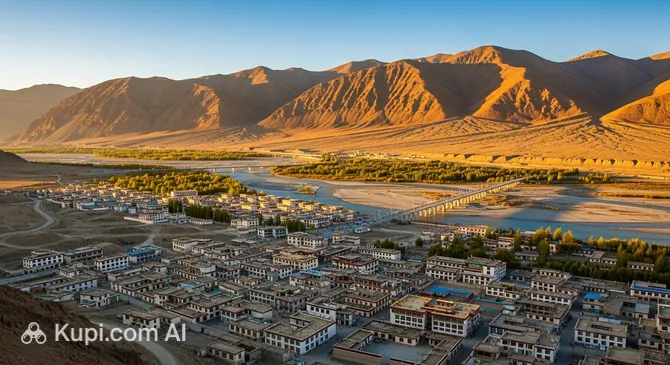
Gar, frequently referred to as Shiquanhe, serves as the vital administrative center of the Ngari Prefecture in the Tibet Autonomous Region. Located in the far western reaches of China, this town is an essential hub for travelers and pilgrims venturing into one of the most remote and high-altitude areas on Earth. Standing at an elevation of over 4,200 meters, Gar offers a unique blend of modern infrastructure amidst the stark, breathtaking beauty of the Tibetan Plateau.

Gar. Source: Kupi.Binoculars

Geographically, the town is situated at the confluence of the Indus and Gar rivers, providing a lifeline in the arid high-mountain desert climate. While the settlement itself appears modern with its paved streets and buildings, the region is steeped in ancient significance. A look into the history of Gar and its surrounding areas reveals its long-standing role as a strategic point on trade routes connecting Tibet with neighboring regions.

For most visitors, Gar is the primary gateway to some of the most revered sites in Asia, including the sacred Mount Kailash and the pristine Lake Manasarovar. The town provides crucial amenities, hotels, and supplies, making it an indispensable stop for acclimatization before heading deeper into the wilderness. Whether you are passing through on a pilgrimage or seeking the raw beauty of the high Himalayas, Gar offers a welcoming respite and a fascinating glimpse into life on the "Roof of the World."

Weather Overview

Travelers planning a trip to this high-altitude region should be prepared for a cold and arid climate, typical of the Tibetan Plateau. The weather is generally harsh, with long, freezing winters and short, cool summers. Due to the elevation, temperatures can fluctuate significantly, so packing layers is essential regardless of the season.

Winter is the dominant season, with January seeing average temperatures around -16.2°C and extreme lows reaching down to -22.3°C. In contrast, the summer months bring milder conditions; July is the warmest time of year with average highs of approximately 15.9°C. While rainfall volume remains very low year-round, July and August experience the most frequent precipitation, often manifesting as light showers or snow. For a detailed forecast and monthly averages to help plan your packing, you can check the weather in Gar before your journey.

Interesting Facts

Beyond the main attractions, Gar holds many fascinating secrets related to its extreme location and rapid development. Hidden amidst the vast Tibetan Plateau, this high-altitude settlement offers more than just a stopover for pilgrims and travelers.
  • Astronomer's Paradise: Due to its high elevation, thin dry air, and minimal light pollution, the area surrounding Gar is home to the Ngari Observatory. This facility is considered one of the premier sites for astronomical observation in the Northern Hemisphere, allowing scientists and stargazers to witness a night sky of unparalleled clarity.

  • The Lion Spring: The town is commonly known as Shiquanhe, which translates to "Lion Spring River." This name comes from the river that flows through the city, the Sengge Zangbo, which is celebrated as the primary headwater of the mighty Indus River.

  • A City in the Sky: Gar is served by the Ngari Gunsa Airport, which sits at an elevation of over 4,200 meters. It ranks among the highest civilian airports in the world, requiring pilots to undergo specialized training to manage the challenging landing conditions caused by the thin atmosphere.

  • A Modern Mirage: Despite being located in one of the most remote and barren regions on Earth, the town surprises visitors with its modern infrastructure. In a relatively short period, it has transformed from a small settlement into a functional urban center with paved roads and solar-powered streetlights, standing in stark contrast to the wild, high-altitude desert that surrounds it.

How to Get There

Reaching Gar, also known as Shiquanhe, is an adventure into the heart of the Tibetan Plateau. Due to its remote location in western China, travel options are limited but spectacular, offering views of some of the world's highest landscapes. For travelers planning their journey, it is essential to prepare for high altitudes and long distances. You can find detailed information and all ways to reach the city in our dedicated transport guide.

The most direct way to access the region by air is via Ngari Gunsa Airport (NGQ). Located in the city of Shiquanhe, this airport is the primary hub for the area. It is situated approximately 44.6 km from the center of Gar. Travelers should expect a travel time of about 1.5 hours by taxi or bus to reach the town center. The airport handles a moderate volume of visitors, serving as a vital link for tourists visiting Mount Kailash and Lake Manasarovar. You can find more details on the Ngari Gunsa Airport page.

Currently, the city of Gar does not have its own railway station, and there are no immediate rail connections directly to the town. The challenging high-altitude terrain has historically made railway construction difficult in this specific part of the plateau. Most travelers arriving by train will take the Qinghai-Tibet Railway to Lhasa or Shigatse (Xigaze) and then proceed to Gar by road. This overland journey involves traveling on the G219 national highway, a route famous for its stunning rugged beauty, though it requires significant travel time.

Main Attractions

As the administrative heart of the Ngari Prefecture, Gar (Shiquanhe) is primarily known as the essential gateway to Western Tibet's vast, mystical landscapes. While the town itself is a modern logistical hub, it serves as the launching pad for some of the most profound spiritual and natural sites in Asia. Visitors typically use Gar as a base to explore the sacred mountains, holy lakes, and ancient ruins that define this high-altitude region.

Undoubtedly the most famous attraction accessible from Gar is Mount Kailash (Gang Rinpoche). Revered as a sacred site by four major religions—Buddhism, Hinduism, Jainism, and Bon—this distinctive pyramid-shaped peak is considered the center of the universe by many. Pilgrims travel thousands of kilometers to perform the "kora," a ritual circumambulation of the mountain. Even for non-believers, the sight of the snow-capped summit rising dramatically against the deep blue sky is a humbling and unforgettable experience.

Located near Mount Kailash is the breathtaking Lake Manasarovar, one of the highest freshwater lakes in the world. Known in Tibetan as Mapam Yumtso, meaning "Invincible Turquoise Lake," it holds immense spiritual significance. The water is believed to purify one's soul, and the lake's serene, mirror-like surface reflects the surrounding snow peaks, creating a scene of absolute tranquility. It is a prime spot for photography and meditation, offering a stark contrast to the arid landscapes typical of the region.

For history enthusiasts, a journey to the Ruins of the Guge Kingdom is essential. Located in Zanda County, a drive away from Gar, this archaeological wonder sits amidst a spectacular clay forest landscape. The ruins date back to the 10th century and offer a haunting glimpse into a once-prosperous civilization that controlled the trade routes between India and Tibet. Visitors can explore the remains of palaces, fortress walls, and temples adorned with exquisite, well-preserved murals that hint at the artistic mastery of the era.

Closer to the town itself, the region offers unique opportunities for astronomy enthusiasts at the Ngari Dark Sky Park. Due to the high altitude, thin atmosphere, and virtually non-existent light pollution, this area offers some of the clearest night skies on Earth. It is one of the few places where the Milky Way can be seen with astonishing clarity and depth, making it a premier destination for astrophotography and stargazing.

Local Cuisine

The local cuisine in Gar (Shiquanhe) is a reflection of life on the high Tibetan Plateau, designed to provide warmth and energy in the harsh, high-altitude climate. The food culture here is a fascinating blend of traditional Tibetan staples and the spicy, robust flavors of Sichuan cuisine, brought by migrants to this administrative hub. For travelers, dining here offers a chance to taste hearty meals that sustain the locals through freezing winters and long days.

At the heart of the local diet is Yak meat, which is lean, nutritious, and ubiquitous in the region. You will often find it air-dried as a snack or stewed with potatoes and radishes in a warming curry. Another must-try is Tsampa, the staple food of Tibet made from roasted barley flour mixed with butter tea to form a dough; it is simple, filling, and rich in calories. For a comforting meal, order a plate of Momos, steamed or fried dumplings filled with meat or vegetables, or a bowl of Thukpa, a hot noodle soup that is perfect for combating the evening chill.

Beverages in Gar are as much about survival as they are about taste. The most iconic drink is Yak Butter Tea (Po Cha), a salty, creamy mixture of tea leaves, yak butter, and salt that helps prevent dehydration and altitude sickness. If the salty taste is too intense, Sweet Tea is a popular alternative found in many teahouses. For those looking to celebrate or relax, Chang is the local barley wine; it is mild, slightly sour, and has a low alcohol content, often served at festivals and gatherings.

The dining scene in Shiquanhe is more diverse than in the remote villages of Ngari. While traditional teahouses serve as the primary social hubs where locals gather for hours, the town also boasts numerous restaurants offering authentic Sichuan dishes. The spicy, oily nature of Sichuan food is incredibly popular here, as the heat from the chili peppers is believed to help the body withstand the cold. Whether you choose a humble street-side eatery or a larger restaurant, the atmosphere is typically casual and welcoming.

Travel Tips

Visiting Gar (Shiquanhe) is a journey to the "Roof of the World," and due to its extreme altitude and remote location, it requires more preparation than the average destination. To ensure your adventure in this ruggedly beautiful corner of Tibet is as smooth and enjoyable as possible, we have compiled a list of essential guidelines to help you navigate the unique challenges of the region.

  1. Clothing and Gear: The weather in Gar is unpredictable and harsh, even in summer. You must pack layers, including thermal underwear, a heavy down jacket, and a windbreaker, as temperatures drop drastically at night. The solar radiation at 4,200 meters is intense, so high-quality sunglasses, a wide-brimmed hat, and high-SPF sunscreen are mandatory to prevent severe sunburn and snow blindness.

  2. Transportation: Within the town of Gar itself, taxis are the most convenient way to get around. However, for visiting surrounding attractions like Mount Kailash or the Guge Kingdom, public transport is non-existent. You will almost certainly need to hire a 4WD vehicle with a local driver. Note that foreign tourists in the Tibet Autonomous Region are generally required to have a tour guide and a dedicated vehicle rather than renting a car for self-driving.

  3. Finances: While digital payments like WeChat Pay and Alipay are widely accepted even in small shops, internet connectivity can sometimes be spotty. It is crucial to carry a sufficient amount of cash in Chinese Yuan (RMB), particularly small denominations. ATMs are available in Gar, but they may not always accept international cards, so it is safer to withdraw the bulk of your cash in larger cities like Lhasa before heading west.

  4. Health and Safety: The biggest concern here is Acute Mountain Sickness (AMS). Gar sits at over 4,200 meters, which is significantly higher than Lhasa. Take it easy for the first 24 hours, avoid alcohol, and drink plenty of water. Portable oxygen canisters are readily available in local pharmacies and convenience stores; buying one or two for emergencies is a wise precaution.

  5. Communication: English is rarely spoken in Gar outside of high-end hotels or by tour guides. Mandarin Chinese and Tibetan are the main languages. It is highly recommended to download an offline translation app to communicate basic needs. If you need a local SIM card, purchase one in a major city beforehand, as getting one in Gar as a foreigner can sometimes be bureaucratically complex.

  6. Local Etiquette: Religious devotion is part of daily life here. When visiting temples or passing prayer wheels, always move in a clockwise direction. If you enter a monastery, remove your hat and sunglasses, and never point your finger directly at statues or monks; instead, gesture with an open palm. Dress modestly by covering your arms and legs.

  7. What to Avoid: Do not photograph government buildings, military checkpoints, or police stations. Gar is a strategically important border town, and security is tight; taking photos of sensitive infrastructure can lead to the confiscation of your camera or legal trouble. Also, avoid strenuous exercise immediately upon arrival to prevent triggering altitude sickness.

  8. Permits are Key: Unlike other parts of China, visiting Gar requires specific paperwork beyond a visa. You will need the Alien's Travel Permit (issued by the Public Security Bureau) in addition to the standard Tibet Travel Permit. These are typically arranged by your travel agency, but always double-check that your guide has these documents on hand before you leave Lhasa, as there are multiple checkpoints along the road.

By keeping these practical tips in mind, you can focus less on logistics and more on the stunning, stark landscapes that make Ngari Prefecture so special. With the right gear and a respectful approach to local customs, your time in Gar will be a safe and unforgettable experience on the Tibetan Plateau.

Entertainment & Nightlife

Entertainment and nightlife in Gar (Shiquanhe) are defined by the town's unique location on the "Roof of the World." Unlike the bustling metropolises of eastern China, you will not find rowdy nightclubs or sprawling bar districts here. Instead, the evening atmosphere is subdued and relaxed, largely due to the extreme altitude of 4,200 meters, which tends to discourage heavy partying. The nightlife scene primarily revolves around social dining, traditional teahouses, and the popular Chinese pastime of Karaoke (KTV).

The center of activity after dark is typically found along the main thoroughfares, such as Hebei Road and the streets surrounding the central Shiquanhe Cultural Square. As the sun sets, these areas light up with neon signs from local eateries and shops. The vibe is casual and communal, with locals and travelers gathering to share warmth and conversation. For those looking to experience the local version of a "night out," KTV lounges are the go-to venues. These private karaoke rooms offer a place to sing, drink beer, and socialize in a heated, comfortable environment, serving as the town's primary substitute for Western-style clubs.

A more serene and awe-inspiring form of night entertainment can be found at the Ngari Dark Sky Park. Located just a short drive from the town center, this is one of the premier locations in Asia for astronomy. Due to the thin air and lack of light pollution, the park offers night sky tours where you can view the Milky Way with the naked eye or through professional telescopes. It provides a stark, beautiful contrast to the neon lights of the town and is a must-visit for anyone spending the night in Gar.

For food lovers, the "nightlife" often involves exploring the late-night restaurants that serve spicy Sichuan cuisine and hearty Tibetan dishes. While there isn't a designated "night market" in the traditional tourist sense, the concentration of restaurants near the Shiquanhe River bridge stays open late, offering steaming hot pots and barbecue skewers (chuan'r). It is the perfect place to mingle with locals and warm up after a day of travel.

During the day, entertainment in Gar is low-key, serving mostly as a time for preparation and rest. Visitors can enjoy a leisurely walk along the banks of the Shiquanhe River, which flows through the heart of the city, or visit small local markets to stock up on supplies. While there are no major amusement parks or large museums within the town itself, the surrounding landscape offers endless opportunities for photography and scenic drives.

Practical Tips and Safety: When enjoying an evening out in Gar, keep the altitude in mind. Alcohol affects the body much more potently at 4,200 meters, and hangovers can be severe and dangerous, potentially triggering altitude sickness. Moderation is key. The town is generally very safe for night walks, though the temperatures drop rapidly after sunset, so heavy coats are essential even in summer. Taxis are the easiest way to get around at night; they are inexpensive and can be flagged down on the main streets, though few drivers speak English, so having your destination written in Chinese is helpful.

Parks & Museums

While Gar (Shiquanhe) is primarily a logistical hub located in a high-altitude desert, it offers surprising pockets of greenery and cultural depth for those willing to look. The city does not boast the extensive botanical gardens found in lower-elevation metropolises, but its public spaces and cultural institutions provide a vital window into the history and geography of the Ngari Prefecture.

Shiquanhe River Scenic Zone
The most refreshing natural area in the city is the green belt stretching along the banks of the Shiquanhe River (Lion Spring River). In a region characterized by arid, dusty landscapes, this riverside area serves as a lush oasis where willows and poplars have been painstakingly planted to combat the desert environment. It is a favorite spot for locals to take evening strolls and offers tourists a pleasant, oxygen-rich environment to acclimatize. The contrast between the flowing blue waters and the barren, brown mountains in the distance makes for excellent photography, especially during the golden hour.

Ngari Dark Sky Park
Although situated slightly outside the main urban core, this park is the region's premier natural reserve—not for flora, but for the cosmos. It is an internationally recognized conservation area dedicated to protecting the pristine night sky from light pollution. For nature lovers, this "park" offers a connection to the universe that is impossible to find in most other cities. Visitors can explore the outdoor exhibition areas during the day to learn about astronomy and return at night for an unparalleled view of the Milky Way.

Ngari Museum (Ali Museum)
For history enthusiasts, the Ngari Museum is the cultural crown jewel of the city. This modern facility houses a fascinating collection of artifacts that trace the history of Western Tibet, from the ancient Zhangzhung civilization to the mysterious Guge Kingdom. Inside, visitors can examine centuries-old thangkas (Buddhist paintings), gold and silver statues, and pottery unearthed from nearby archaeological sites. It provides essential context before travelers head out to visit the actual ruins of Guge, helping them understand the artistic and historical significance of what they will see in the desert.

Shiquanhe Cultural Square
While not a museum in the traditional sense, this central square acts as a living gallery of local life. It is the heartbeat of the city where major festivals and public dances are held. In the evenings, you can witness locals performing the "Guozhuang" dance (a traditional circle dance), offering an authentic and interactive display of Tibetan culture that is open to everyone. It is a fantastic place to observe the blend of traditional customs and modern life in this remote outpost.

Insider Tip: If you visit the Ngari Museum, try to go in the morning when the lighting in the exhibition halls is best and the facility is quieter. Afterward, a walk along the Shiquanhe River bridge offers a unique vantage point: look downstream to see where the "Lion Spring" begins its long journey to become the Indus River, a geographical connection that spans across Asia.

Getting Around

Due to the relatively small size and remote location of Gar (Shiquanhe), the city does not possess the complex public transport networks found in China's major metropolises. There are no metro systems, trams, or trolleybuses operating here. The urban area is compact, and for many travelers, the transport system is essentially defined by taxis and walking. Understanding this simple infrastructure is key to navigating the administrative center of the Ngari Prefecture without stress.

The most convenient and popular way to get around the city is by taxi. Taxis are abundant on the main streets and are generally inexpensive compared to larger cities. In Shiquanhe, it is common for taxis to operate on a flat-rate basis for trips within the city limits, usually costing just a few RMB, though drivers may use meters for longer distances. It is also customary in this region for taxis to pick up additional passengers along the way if they are heading in the same direction, so do not be surprised if you end up sharing your ride with a local resident.

For budget-conscious travelers, there is a limited local bus service, but it is primarily designed for local commuters rather than tourists. Route maps are rarely available in English, and stops may not be clearly marked. While tickets are extremely cheap (typically 1-2 RMB), the infrequency of the service and the language barrier make taxis a far more efficient option for visitors. However, the Long-Distance Bus Station is a vital facility for travelers, serving as the main hub for coaches heading to Lhasa, Kashgar, or nearby counties like Zanda and Burang.

When it comes to paying for transport, digital wallets are the standard. Apps like WeChat Pay and Alipay are widely accepted by taxi drivers, shops, and restaurants throughout the city. You will often see a QR code sticker in the taxi which you can scan to pay the fare. Despite the prevalence of digital payments, it is highly recommended to carry small denomination cash (CNY). Internet connectivity can occasionally be unstable due to the remote location, and having coins or small notes ensures you can always pay for a bus ride or a short taxi trip without delay.

For tourists planning to visit attractions outside the immediate city center, such as Mount Kailash or the Guge Kingdom ruins, public transport is not a viable option. The standard practice is to hire a private vehicle with a driver or join an organized tour. These can be arranged through travel agencies or hotels in Gar. Car-sharing apps like Didi are not reliable in this remote area, and renting a car for self-driving is generally not permitted for international tourists in the Tibet Autonomous Region.

Finally, walking is a feasible alternative for exploring the town center, as many shops, restaurants, and hotels are clustered together. However, visitors must remember that Gar sits at an altitude of over 4,200 meters. Physical exertion feels much more intense here, and walking even short distances can leave you breathless if you are not yet acclimatized. If you choose to walk, move slowly, carry water, and take a taxi if you start to feel fatigued.
Accommodation

As the administrative and logistical hub of the Ngari Prefecture, Gar (Shiquanhe) offers the most reliable and comfortable accommodation options in Western Tibet. While the range of choices is not as extensive as in Lhasa, the town has seen significant development in recent years. Travelers can generally find a selection of mid-range hotels and standard guesthouses designed to meet the basic needs of tourists and pilgrims before they head further into the wilderness. High-end luxury resorts are virtually non-existent here, but the best hotels in town offer amenities comparable to a standard 3-star or 4-star level elsewhere.

The most convenient area to stay is in the town center, particularly along the main commercial streets such as Hebei Road and near the intersection with the Xinjiang-Tibet Highway. Staying in this central zone places you within walking distance of restaurants, supermarkets, and pharmacies, which is crucial for stocking up on supplies. Hotels near the Shiquanhe River are also popular, offering slightly quieter surroundings and pleasant views of the water against the backdrop of the arid mountains.

For international travelers, the booking process in Gar differs significantly from other destinations. Since foreign tourists visiting the Tibet Autonomous Region are required to be on an organized tour, accommodation is typically arranged by your travel agency. However, if you have input into your itinerary, it is advisable to request hotels that provide supplemental oxygen and reliable heating or electric blankets, as nights can be bitterly cold even in summer. Ensure that your chosen hotel is licensed to accept foreign guests, as not all establishments in Gar have the necessary permits.

Booking Tips and Prices: The peak tourist season in Gar runs from June to September, coinciding with the best weather for the Mount Kailash pilgrimage. During these months, demand is high, and prices for a standard room can rise significantly, often ranging from mid-range to expensive relative to the facilities provided. It is essential to confirm your booking well in advance. While some hotels are listed on major online platforms, many transactions and confirmations are best handled directly through your tour operator to ensure compliance with local regulations and availability.

Nearby Cities

For those looking to explore the wider region, Gar serves as a strategic stopover connecting to several fascinating destinations. While the vast distances of the Tibetan Plateau and Xinjiang mean these locations are more suited for onward travel or extended excursions rather than quick jaunts, they represent the next major hubs of culture and history accessible from this remote administrative center.

Shigatse is the second-largest city in the Tibet Autonomous Region and a significant cultural destination. It is home to the magnificent Tashilhunpo Monastery, the traditional seat of the Panchen Lama. Visitors traveling east from Gar often head here to immerse themselves in deep spiritual heritage and admire one of the grandest monastic complexes in Tibet.

To the north, across the Kunlun Mountains, lies Hotan, a historic oasis city on the southern edge of the Taklamakan Desert. Famous for its high-quality jade, silk, and carpets, Hotan offers a distinct contrast to the Tibetan highlands with its rich Uyghur culture and ancient Silk Road legacy. It is a key stop for those venturing into the Xinjiang region.

Further along the route into Xinjiang is the legendary city of Kashgar. Renowned for its vibrant Old City and the Id Kah Mosque, Kashgar has been a trading hub for millennia. Its bustling bazaars, unique architecture, and livestock markets provide an unforgettable glimpse into the diverse traditions of Central Asia.

City Population Distance (km)
Kashgar 920,000 857
Shache 851,374 705
Shigatse 798,153 913
Aksu 535,657 962
Hotan 322,300 512

These destinations offer a glimpse into the diverse culture and landscapes of the region, ranging from the spiritual heights of the Himalayas to the historic oases of the Silk Road.

Shopping & Souvenirs

Shopping:

Shopping in Gar (Shiquanhe) is a strictly functional affair rather than a leisure activity. As the last major logistical hub before heading into the vast, uninhabited stretches of the Ngari Prefecture, the town’s retail scene is focused on survival and supplies. You will not find luxury boutiques or sprawling shopping malls here. Instead, the streets are lined with practical general stores, supermarkets, and small shops selling outdoor gear, making it the perfect place to stock up before visiting Mount Kailash or Lake Manasarovar.

For those looking to take home a piece of Tibet, the local shops offer a variety of distinct souvenirs and handicrafts. The region is known for its jewelry featuring turquoise and red coral, materials that hold cultural significance for the local people. You can also find traditional Tibetan items such as prayer wheels, incense, and Thangkas (religious scroll paintings). However, buyers should be cautious and bargain politely, as prices for tourists can sometimes be inflated, and distinguishing authentic antiques from modern reproductions requires a keen eye.

One of the most popular local specialties to purchase is Yak meat products. Air-dried yak jerky is a favorite snack that is high in protein and keeps well during long journeys. Additionally, the region is a trade center for Cordyceps sinensis (caterpillar fungus), a highly valued ingredient in traditional Chinese medicine known for its immunity-boosting properties. While expensive, buying it here can be cheaper than in the coastal cities of China, though it is advisable to buy from reputable dealers to ensure quality.

Practical Tips for Shoppers:

  • Essentials First: If you are heading to high-altitude sites, this is your best chance to buy portable oxygen canisters, heavy winter coats, and sturdy trekking boots. The selection here is surprisingly good for outdoor equipment due to the steady stream of pilgrims and hikers.
  • Supermarkets: There are several well-stocked supermarkets in the town center where you can buy bottled water, instant noodles, chocolate, and toiletries. It is highly recommended to buy bulk water here, as prices skyrocket in the remote guesthouses near Mount Kailash.
  • Payment Methods: While larger supermarkets and established shops accept WeChat Pay and Alipay, smaller stalls and markets often prefer cash. Internet signals can be spotty, so carrying enough physical RMB (Chinese Yuan), especially in small denominations, is essential for smooth transactions.

Nearby cities

Reached the end of the page?

That means the route is fully explored