Support

Shigatse

About

Welcome to Shigatse, a captivating destination that serves as the second-largest city in the Tibet Autonomous Region. Located at the confluence of the Yarlung Tsangpo and Nyang rivers, this city offers a unique blend of breathtaking high-altitude landscapes and profound spiritual significance. As you travel through this remarkable part of China, you will discover a place where ancient traditions seamlessly coexist with the daily lives of its welcoming inhabitants.

Sitting at an elevation of roughly 3,840 meters (12,600 feet), Shigatse is known for its crisp air and stunning clear skies. The region is home to a substantial population, serving as a vital economic and cultural hub for the Tsang province. The city is not only a destination in itself but also serves as the primary gateway for adventurers heading towards the majestic Mount Everest Base Camp, making it a bustling stopover for mountaineers and trekkers from around the globe.
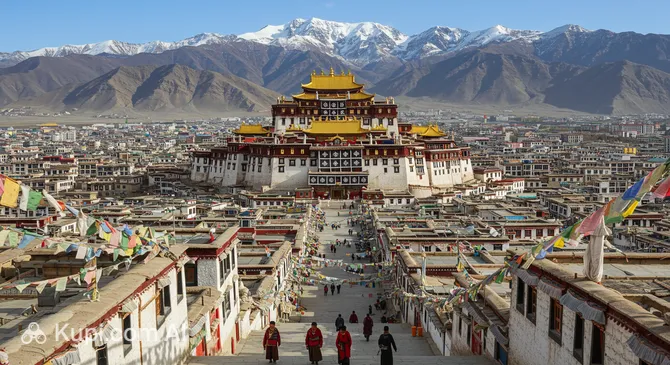
Shigatse. Source: Kupi.Binoculars

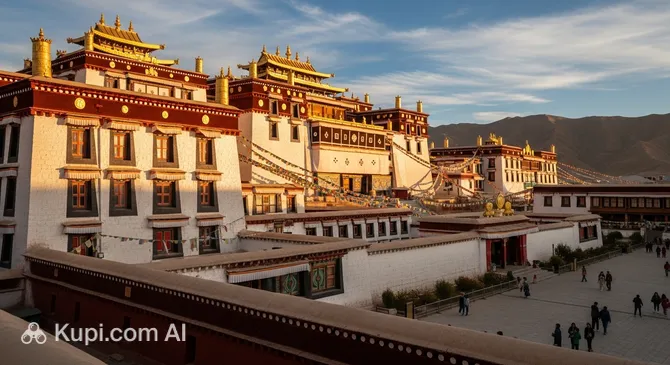
The history of Shigatse is rich and storied, spanning centuries as a center of religious and political power. One of the city's most significant landmarks is the renowned Tashilhunpo Monastery. Founded in 1447, this sprawling complex is the traditional seat of the Panchen Lama and features golden roofs that glimmer against the mountain backdrop. Visitors can explore its winding alleys, vibrant assembly halls, and the towering statue of the Future Buddha, which stands as a testament to the region's artistic heritage.

Beyond the monastery, the reconstructed Shigatse Dzong offers a commanding view of the city, reminiscent of the Potala Palace in Lhasa. For those seeking a taste of local life, the city's markets are filled with traditional Tibetan handicrafts, thangkas, and jewelry. Whether you are here to immerse yourself in Buddhist culture or to embark on an alpine expedition, Shigatse promises an unforgettable journey into the heart of the Himalayas.
Weather Overview

Shigatse experiences a high-altitude temperate semi-arid climate, characterized by plenty of sunshine and distinct seasonal changes. Due to its elevation, the air is thin and dry, leading to significant temperature fluctuations between day and night. Visitors should be prepared for cool weather year-round, with the warmest months offering comfortable conditions for outdoor exploration.

Winters are cold and extremely dry, with average temperatures in January dropping to around -4.9°C and nighttime lows reaching -11.3°C. In contrast, summers are mild and pleasant; June is typically the warmest month, with average highs of 18.4°C. While winter sees almost no precipitation, the summer months bring frequent "wet days"—July can have up to 28 days with some moisture—though the actual rainfall volume remains quite low.

For travelers planning their wardrobe and itinerary, understanding these patterns is crucial. You can expect mild, relatively damp summers and crisp, clear winters. To help you prepare for your specific travel dates, we recommend consulting the detailed guide to the weather in Shigatse for comprehensive monthly forecasts.

Interesting Facts

Beyond its spiritual allure, Shigatse holds a collection of fascinating details that often escape the casual observer. Dive into the lesser-known aspects of this high-altitude city to truly appreciate its unique significance in the Himalayan region.
Tashilhunpo Monastery. Source: Kupi.Binoculars
  • The "Original" Potala: The imposing Shigatse Dzong, which overlooks the city, bears a striking resemblance to the famous Potala Palace in Lhasa. Historical accounts suggest that the Potala was actually modeled after this older fortress, making Shigatse's stronghold the architectural prototype for Tibet's most iconic landmark.

  • Home of a Giant: The Tashilhunpo Monastery houses the world's largest gilded copper statue of the Future Buddha (Maitreya). Standing over 26 meters tall, this hollow statue was handcrafted by hundreds of artisans and is adorned with nearly 280 kilograms of gold and thousands of pearls and diamonds.

  • The Granary of Tibet: Despite the rugged, high-altitude terrain typically associated with the Himalayas, Shigatse is celebrated as the agricultural heart of the region. Located at the fertile confluence of the Yarlung Tsangpo and Nyang rivers, it produces a vast amount of highland barley, the staple grain used to make the local diet essentials, tsampa and barley wine.

  • A Massive Canvas: If you look towards the monastery, you will notice a colossal nine-story white wall built into the hillside. This unique structure is specifically designed to hang gigantic Thangkas (religious tapestries) during major festivals, allowing the holy images to be visible to thousands of devotees from across the city.

How to Get There

Reaching the high-altitude city of Shigatse is an integral part of the Tibetan travel experience, offering routes that traverse some of the most spectacular landscapes in the world. Whether you are arriving by air or traveling overland across the "Roof of the World," the journey requires some planning due to the region's remote location. For a comprehensive overview of logistics and transport options, you can read more about how to get to Shigatse in our detailed guide.

For travelers preferring to fly directly to the area, the most convenient option is Shigatse Peace Airport (IATA: RKZ). Located approximately 43 km from the city center, this dual-use military and civilian airport connects the city with major hubs like Chengdu. The drive from the airport to downtown Shigatse takes roughly 1 hour and 25 minutes by taxi or airport shuttle bus. While it is the closest facility, flight schedules can be limited compared to larger regional hubs.

Most international and domestic visitors choose to fly into Lhasa Gonggar Airport (IATA: LXA) in Lhasa, which serves as the primary gateway to the Tibet Autonomous Region. Although it is situated about 196 km away from Shigatse, it handles a much larger volume of passengers and offers frequent connections to major Chinese cities. The overland journey from Lhasa Gonggar to Shigatse is a scenic adventure in itself, typically taking around 5 hours and 15 minutes by road.

For clarity, here is a summary of the main airports in the wider region:

Airport Name City Passenger Traffic Km from City
Lhasa Gonggar Airport Lhasa Large 196.2
Xigaze Dingri Airport Zhongzhai Medium 216.0
Paro Airport Paro Medium 213.3
Shigatse Peace Airport Shigatse Medium 42.7
Pakyong Airport Gangtok Small 227.9

Main Attractions

Shigatse is a city where history and spirituality are woven into the very fabric of the streets. While it serves as a crucial stopover for those heading to Everest, the city itself boasts remarkable landmarks that offer a deep dive into Tibetan culture and architecture. From grand monastic complexes to bustling traditional markets, there is much to explore within the city limits.

The crown jewel of the city is undoubtedly the Tashilhunpo Monastery. Founded in 1447, it is historically significant as the traditional seat of the Panchen Lama. Unlike many other monasteries built on hilltops, Tashilhunpo sits at the foot of Drolmari Mountain, creating a sprawling complex of golden-roofed halls and cobbled lanes. Visitors are drawn here to witness the massive Thangka Wall and the awe-inspiring Hall of Maitreya, which houses the world's largest gilded copper statue of the Future Buddha. The daily circumambulation (kora) around the monastery offers a chance to walk alongside local pilgrims and enjoy panoramic views of the city.

Tashilhunpo Monastery. Source: Kupi.Binoculars

Perched high on a hilltop overlooking the urban sprawl is the imposing Shigatse Dzong. Often referred to as the "Little Potala," this fortress bears a striking resemblance to the iconic palace in Lhasa. Although the original 17th-century structure faced destruction in the past, the reconstructed fortress now stands as a proud symbol of the city. While the interior is generally not as extensively furnished as the Potala Palace, the hike up to the Dzong is rewarding for its breathtaking bird's-eye views of the Old Town and the surrounding valley.

For a quieter experience, travelers should visit the Summer Palace of the Panchen Lamas, locally known as Dechen Phodrang. Located a short distance from the main monastery, this site served as the warm-weather retreat for the spiritual leaders. Though less visited than Tashilhunpo, it offers a serene atmosphere with beautiful walled gardens and intricate murals that depict Buddhist history and folklore. It is an excellent spot to escape the crowds and enjoy a moment of reflection amidst traditional Tibetan architecture.

To feel the pulse of local life, a walk through the Shigatse Old Town is essential. Located near the base of the Dzong, this area is a maze of narrow alleys, traditional white-washed houses, and vibrant markets. Here, you can browse for authentic souvenirs such as prayer wheels, thangkas, and yak butter, or simply observe the daily routines of the residents. The area is particularly atmospheric in the late afternoon when the sun casts long shadows over the ancient streets.

Local Cuisine

The local cuisine in Shigatse is a hearty reflection of the Tibetan plateau's rugged environment, designed to provide warmth and energy in the high-altitude climate. The food here is distinct, relying heavily on barley, dairy, and meat, with flavors that are simple yet comforting. While you will find Sichuan and Western influences in the city, the authentic Tibetan dining experience remains the highlight for any gastronomic traveler.

No culinary journey in Shigatse is complete without trying Tsampa, the staple food of the region. Made from roasted highland barley flour mixed with yak butter tea, it is kneaded into a dough and eaten by hand. It is often accompanied by Yak meat, which is lean, rich in protein, and served in various forms—from air-dried jerky to savory stews with radish and potatoes. Another favorite is Momos, delicious dumplings filled with yak meat or vegetables, steamed or fried, and served with a spicy chili dip that warms you up instantly.

When it comes to beverages, the local tea culture is a central part of daily life. You must try Butter Tea (Po Cha), a savory, soup-like drink made with tea leaves, yak butter, and salt; it is an acquired taste for some but essential for hydration and energy. For those with a sweet tooth, Sweet Tea (Cha Ngarmo) is a milky, sugary alternative found in every teahouse. In the evenings, locals often enjoy Chang, a traditional homemade barley wine. It has a low alcohol content and a mild, slightly sour flavor, making it a popular social drink during festivals and gatherings.

The food culture in Shigatse revolves around traditional teahouses, which serve as vibrant social hubs where locals gather to gossip, play games, and enjoy affordable meals. For a more immersive experience, explore the streets surrounding the major religious sites, where small stalls sell fresh yogurt and street snacks. The night markets also offer a lively atmosphere, allowing you to sample sizzling potatoes and grilled meats while mingling with the friendly residents of this historic city.

Travel Tips

Visiting Shigatse requires a bit more preparation than the average destination, largely due to its high altitude and unique cultural landscape. To help you navigate the "Roof of the World" with ease and respect, we have compiled a list of essential practicalities for your journey.

  1. Clothing and Gear: Due to the high elevation (over 3,800 meters), the weather can change rapidly. Dress in layers so you can adapt to the strong midday sun and the sudden drop in temperature at night. A windproof jacket is essential. Since UV radiation is intense, bring high-quality sunglasses, sunscreen, and a wide-brimmed hat. For visiting the Tashilhunpo Monastery, ensure your shoulders and knees are covered; avoid wearing hats inside the chapels.

  2. Transportation: Within the city, taxis are the most convenient way to get around; they are plentiful and usually charge a fixed rate for trips within the downtown area. Cycle rickshaws are also available for short distances and offer a slower pace to see the streets. Note that international tourists generally cannot rent cars for self-driving in this region due to local regulations; travel between cities is typically done via a hired vehicle with a driver or an organized tour bus.

  3. Finances: The local currency is the Chinese Yuan (CNY), also known as Renminbi (RMB). Cash is king in Shigatse, especially in small shops, teahouses, and markets. While mobile payments like Alipay and WeChat Pay are ubiquitous, they require setup; international credit cards are rarely accepted outside of high-end hotels. It is wise to withdraw sufficient cash from ATMs at major branches like the Bank of China in Lhasa before arriving, or use the few capable ATMs in Shigatse center.

  4. Health and Safety: The primary concern here is altitude sickness. Move slowly, avoid strenuous activity upon arrival, and stay hydrated. Local pharmacies sell oxygen canisters and basic remedies, but English is rarely spoken, so bring a translation app or a guide. The air is extremely dry, so lip balm and heavy moisturizer are must-haves. Shigatse is generally very safe for tourists, but keep an eye on your belongings in crowded market areas.

  5. Communication: Mandarin Chinese and Tibetan are the main languages. English is not widely spoken outside of major hotels and by tour guides. It is highly recommended to download an offline translation app. Internet access is available in hotels, but be aware that many Western social media apps and websites may be inaccessible without roaming data; purchasing a SIM card in mainland China before entering the region is the most reliable option for connectivity.

  6. Local Etiquette: Respect for religious customs is paramount. Always walk clockwise around monasteries, stupas, and other sacred sites. When greeting locals, a slight bow and the phrase "Tashi Delek" (Hello/Good Luck) goes a long way. Do not point your feet at religious altars or people when sitting; sit cross-legged or tuck your feet underneath you.

  7. What to Avoid: Never take photographs of police stations, military personnel, or checkpoints, as this is strictly prohibited. Additionally, inside monasteries, always look for signage regarding photography; many chapels forbid it or require a small fee. Avoid touching the heads of children or locals, as the head is considered the most sacred part of the body.

  8. Additional Tip: Wake up early to join the locals on the Tashilhunpo Kora. This pilgrimage path around the monastery offers not only a spiritual experience but also some of the best panoramic views of the Shigatse Dzong and the waking city, all without the midday crowds.

By keeping these tips in mind, you will be well-equipped to handle the practical side of your trip, leaving you free to fully immerse yourself in the spiritual atmosphere and rugged beauty of Shigatse. Safe travels!

Entertainment & Nightlife

Entertainment in Shigatse is distinct from the high-energy nightlife found in China's coastal metropolises. Here, the evening atmosphere is more about cultural immersion, relaxation after a day of high-altitude trekking, and social gatherings in cozy environments. The city quiets down relatively early, but there are still plenty of ways to enjoy the night, ranging from traditional Tibetan performances to lively night markets.

For a truly authentic experience, you must visit a Nangma Hall. These are traditional Tibetan nightclubs that function as a mix of a cabaret, concert venue, and dance hall. Locals gather here to watch performers sing folk songs and dance in colorful traditional costumes. As the night progresses, the audience often joins in for line dances. The atmosphere is festive and welcoming, with patrons enjoying local snacks and beer. It is a fantastic way to see how modern Tibetans celebrate their heritage.

If you prefer a more familiar setting to unwind with a drink, the city center and the area surrounding the Tashilhunpo Monastery host several bars catering to travelers. The Third Eye Bar is a popular spot among international tourists, known for its relaxed vibe and Tibetan decor. Another well-regarded venue is the Songtsen Bar, which offers a cozy retreat where mountaineers and backpackers swap stories over Lhasa Beer or ginger tea. These venues typically close around midnight.

Food lovers should head to the Shigatse Night Market. As the sun sets, streets fill with stalls selling sizzling yak meat skewers, spicy potatoes, and hot pot. The aroma of spices fills the air, and it is the perfect place to grab a cheap, delicious late-night meal. The market is bustling with locals, giving you a glimpse into everyday life in the city. Prices here are very affordable, and the food is freshly cooked in front of you.

Practical Advice for Nightlife:

  • Time: Most venues are liveliest between 9:00 PM and 11:00 PM. Things wind down by 1:00 AM.
  • Dress Code: Casual. It gets very cold at night, so bring a warm jacket even if you are going indoors.
  • Alcohol and Altitude: Remember that alcohol effects are amplified at high altitudes (3,800m). Drink water between alcoholic beverages and pace yourself to avoid altitude sickness.
  • Safety: Shigatse is generally very safe at night. However, street lighting can be dim in some areas, and stray dogs are common, so it is best to stick to main roads or take a taxi. Taxis are easy to flag down and are inexpensive.

During the day, entertainment is more focused on sightseeing and nature. Apart from the major religious sites, you can enjoy a leisurely stroll in the local parks or visit the pedestrian streets near the Old Town for shopping. While the city lacks large amusement parks or Western-style theaters, the natural drama of the surrounding Himalayas and the vibrant street life provide a unique form of daily entertainment that defines the charm of Shigatse.

Parks & Museums

While Shigatse is primarily renowned for its spiritual monuments and high-altitude ruggedness, the city also offers pockets of greenery and institutions dedicated to preserving its rich heritage. Visitors exploring this historic hub can find serenity in its natural areas and gain a deeper understanding of the region's artistic and historical evolution through its cultural venues.

One of the few designated green spaces in the city is the Shigatse People's Park. Located in the downtown area, this park serves as a communal living room for the local residents. In the summer months, it is decorated with blooming flowers that contrast beautifully with the arid mountain backdrop. It is an excellent place for a leisurely stroll to observe locals enjoying picnics, practicing traditional dances, or simply soaking up the sun. The atmosphere here is relaxed and offers a welcome break from the bustling streets of the Old Town.

For a more rugged natural experience, the banks of the Nyang River offer scenic walking paths. As the river winds its way to meet the Yarlung Tsangpo, the surrounding wetlands and riverbanks provide a habitat for migratory birds, including the rare black-necked crane during winter. This natural area is perfect for photography enthusiasts looking to capture the reflection of the stark mountains in the water, particularly during the golden hours of sunrise and sunset.

When it comes to museums, the Tashilhunpo Monastery itself functions as a vast, living museum. Beyond its role as a place of worship, its halls preserve centuries of history. Visitors can view an incredible collection of artifacts, including precious sutras, thangkas (religious scroll paintings), and porcelain given as gifts by Chinese emperors throughout history. The intricate murals adorning the walls serve as an art gallery, depicting Buddhist tales and the history of the lineage of the Panchen Lamas.

Another significant site for culture lovers is the Shigatse Dzong. While primarily a fortress, the reconstructed castle stands as a monument to the city's administrative history. Inside, you can find exhibits detailing the architecture of the region and the history of the fortress itself. The structure dominates the skyline and offers an architectural insight into the defensive styles of ancient Tibet, closely paralleling the design of the Potala Palace in Lhasa.

For an authentic look at the lifestyle of the spiritual leaders, the Summer Palace of the Panchen Lamas (Dechen Phodrang) is a must-visit. Located just a short drive from the main monastery, this site is less crowded and features beautiful walled gardens that are rare in this high-altitude climate. The palace interiors are preserved to show the living quarters and reception rooms, offering an intimate glimpse into the private lives of the dignitaries who resided here.

Insider Tip: If you are interested in traditional craftsmanship, seek out the small workshops near the Gang Gyen carpet factory. Here, you can watch artisans weaving traditional Tibetan rugs using techniques passed down through generations. It is a "living museum" experience where you can see the creation of art in real-time and perhaps purchase a unique souvenir directly from the maker.

Getting Around

Navigating Shigatse is relatively straightforward compared to larger metropolises, as the urban center is compact and easy to explore. The public transport system is modest but efficient, designed primarily to serve the local population's daily needs. For visitors, the city is approachable, with most major points of interest located within a short distance of one another, making getting around a hassle-free experience.

The backbone of the local public transport is the bus network. Shigatse has several bus lines that connect the downtown area with the suburbs and the railway station. These buses are clean, safe, and run frequently throughout the day. While there is no metro or tram system, the buses cover the essential routes, including stops near the Tashilhunpo Monastery and the major market areas. Stops are usually marked, though route maps may only be available in Chinese and Tibetan, so having your destination written down in the local language is helpful.

For most tourists, taxis are the most convenient and popular alternative to buses. They are ubiquitous on the streets and can be easily hailed from almost anywhere in the city. Taxis in Shigatse generally operate on a flat-rate system for trips within the main city limits, making them extremely affordable and predictable. If you plan to travel further to the outskirts or the train station, drivers will typically use the meter or negotiate a fixed price before starting the journey.

A unique and charming way to travel short distances is by cycle rickshaw or pedicab. These three-wheeled vehicles are a common sight and offer a slower, more scenic pace, allowing you to take in the street life and architecture. They are particularly useful for navigating the narrow streets of the Old Town where cars might struggle. Fares should be negotiated with the driver before you hop in, as they do not have meters.

Regarding the payment system, cash remains the most reliable method for public transport. Buses typically operate on a self-service ticketing basis where you drop the exact fare—usually a very small amount like 1 or 2 RMB—into a box upon entry. Therefore, it is essential to carry plenty of small change and coins. While mobile payment apps like WeChat Pay and Alipay are widely accepted in shops and taxis, bus systems may not always support them, and international credit cards are not accepted for transport fares.

Public transport generally operates from early morning, around 7:00 AM, until early evening, winding down by 9:00 PM or 10:00 PM. Taxis are available 24 hours a day, though fewer are on the roads late at night. Since the city center is small, walking is often the best option for moving between hotels, restaurants, and nearby attractions. The flat terrain of the downtown area makes it quite walkable, provided you are acclimatized to the high altitude.

Accommodation

Accommodation in Shigatse has improved significantly in recent years, offering a range of options that cater to backpackers, trekkers, and comfort-seeking travelers alike. While the city does not boast the ultra-luxury international chains found in Beijing or Shanghai, visitors can find clean, comfortable, and authentic places to stay. The options generally range from budget-friendly youth hostels and guesthouses to solid mid-range hotels, with a few higher-end establishments that provide 4-star standards.

The most popular and convenient area for tourists to stay is the city center, particularly the streets surrounding the Tashilhunpo Monastery. Staying here places you within walking distance of the city's main attraction, as well as the bustling local markets and pedestrian streets. This location is ideal for soaking up the atmosphere, as you can easily join the morning pilgrims on their kora or find a variety of restaurants serving Tibetan and Sichuan cuisine right on your doorstep.

Many hotels in Shigatse are designed with a distinct Tibetan flair, featuring colorful intricate patterns, wooden furniture, and traditional fabrics in the lobbies and rooms. In the mid-range to upper categories, hotels often provide essential amenities for high-altitude travelers, such as in-room oxygen supplies or oxygen lounges, 24-hour hot water, and heating—crucial features given the region's chilly nights. Budget guesthouses offer a more communal vibe, often serving as information hubs where travelers share tips on the road to Everest.

Booking Tips and Prices:

During the peak travel season (June to September), accommodation can fill up quickly, so it is highly advisable to book in advance. Prices in Shigatse are generally reasonable; budget beds can be found for very low rates, while a comfortable double room in a mid-range hotel typically costs a moderate amount compared to Eastern China. Most booking can be done via major international online platforms or Chinese travel apps. However, since international tourists visiting the Tibet Autonomous Region are required to be on an organized tour, your travel agency will often arrange your accommodation or recommend approved hotels that are authorized to host foreign guests.

Nearby Cities

For those looking to explore the surroundings, Shigatse serves as an excellent base for day trips to several interesting nearby locations. While the vastness of the Tibetan Plateau often means travel times can be long, the region is rich with historic towns and scenic spots that are well worth the journey.

Lhasa is the most prominent nearby destination. Located approximately 223 kilometers away, the capital of the Tibet Autonomous Region is easily accessible via the high-speed railway, making a short visit feasible. Known as the "City of Sunshine," it is home to the iconic Potala Palace and the sacred Jokhang Temple, offering a profound spiritual experience and bustling markets like Barkhor Street.

Another captivating stop for a day trip is the town of Gyantse. Although smaller than Shigatse, it is historically significant and retains a traditional atmosphere. Visitors flock here to see the Gyantse Kumbum, a magnificent multi-tiered stupa, and the Gyantse Dzong, a fortress that offers panoramic views of the valley. The drive between Shigatse and Gyantse is scenic, passing through fertile plains and traditional farming villages.

For those interested in unique monastic architecture, Sakya is another excellent option. It serves as the center of the Sakya school of Tibetan Buddhism. The monastery here is distinct for its fortress-like walls and grey, white, and red stripes, symbolizing the three bodhisattvas. It houses a massive library of ancient scriptures and offers a glimpse into a different architectural style compared to the golden roofs of Lhasa and Shigatse.

City Population Distance (km)
Longba 2,567,718 1,049
Yushu 1,304,436 878
Lhasa 902,500 223
Chamdo 760,966 825
Tengchong 644,765 1,062

These nearby destinations offer a glimpse into the diverse culture and landscapes of the region, allowing travelers to experience the varying facets of life on the plateau.

Shopping & Souvenirs

Shopping in Shigatse offers a distinct experience that contrasts sharply with the modern retail therapy found in China's coastal cities. Instead of high-end fashion boutiques and sprawling luxury malls, the city specializes in authentic Tibetan handicrafts, religious artifacts, and practical goods suited for life on the plateau. Visitors will find that browsing the local shops is not just a commercial transaction but a cultural immersion, allowing for interaction with local artisans and traders who take great pride in their unique heritage.

The primary shopping destination for tourists is the area surrounding the Tashilhunpo Monastery. The streets and alleys here, particularly the pedestrian routes used by pilgrims, are lined with small shops and open-air stalls. This district serves as the commercial heart of the Old Town, where you can find everything from traditional clothing to intricate religious items. Walking through these vibrant streets offers a sensory overload of colors and smells, with the aroma of incense wafting from the storefronts.

While Shigatse is traditional, it does have modern commercial centers catering to the daily needs of residents. The Shigatse Department Store and the supermarkets near the Shanghai Plaza area offer a more contemporary shopping environment. Here, travelers can restock on hiking supplies, buy warm clothing, or purchase imported snacks and toiletries. These venues provide a fixed-price alternative to the bargaining culture of the street markets and are useful for picking up essentials before heading to Everest Base Camp.

For a lively and chaotic atmosphere, the local outdoor markets are unmissable. These bazaars are where the locals shop for fresh produce, yak butter, and tea bricks. You will also find sections dedicated to flea market goods, where vendors display vintage trinkets, old coins, and beads. It is a fantastic place to observe local life and practice your bargaining skills. Be sure to inspect items carefully, especially if you are looking for "antiques," as modern reproductions are common.

When it comes to souvenirs, Shigatse is renowned for its high-quality Tibetan carpets. The city is home to the famous Gang Gyen Carpet Factory, where you can purchase hand-knotted rugs featuring traditional dragon and floral motifs directly from the source. Other popular items include Tibetan knives (renowned for their craftsmanship, though they cannot be carried on planes or trains and must be mailed), silver jewelry set with turquoise and coral, Thangkas (devotional paintings), and handmade incense.

Most shops in Shigatse generally open around 10:00 AM and close by 9:00 PM or 10:00 PM, though hours can vary by season. As for payment, cash (Chinese Yuan) is still widely used and often preferred in smaller stalls and markets. However, digital payments via WeChat Pay and Alipay are becoming increasingly ubiquitous, even among street vendors. Credit cards are rarely accepted outside of major hotels or large government-run emporiums, so carrying sufficient local currency is highly recommended.

Reached the end of the page?

That means the route is fully explored