Support

Chamdo

About

Chamdo, often revered as the "Pearl of Eastern Tibet," is a captivating city located in the eastern part of the Tibet Autonomous Region in China. Serving as a vital gateway between the Sichuan and Yunnan provinces and the rest of the Tibetan plateau, this city is a unique cultural melting pot where ancient traditions thrive amidst rugged, breathtaking scenery. Its strategic location has made it a significant commercial and cultural hub for centuries, offering travelers a distinct atmosphere filled with spiritual depth and highland hospitality.

Geographically, Chamdo sits within the majestic Hengduan Mountains at the confluence of the Za Qu and Ngom Qu rivers, which join to form the upper reaches of the Mekong River. The city is home to a population of approximately 760,000 people, making it the third-largest city in the region. The area is characterized by its high altitude and deep valleys, creating a dramatic landscape that changes with the seasons, from lush green summers to snowy, pristine winters.
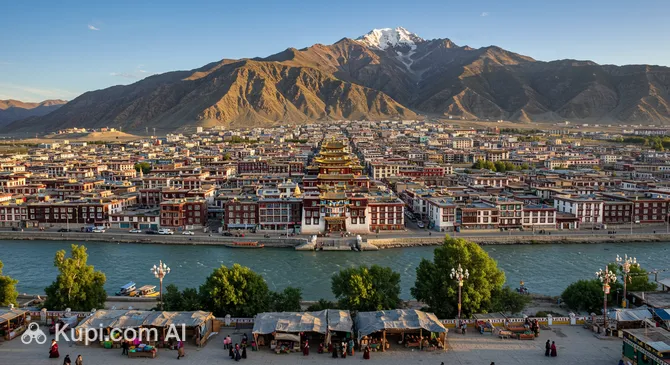
Chamdo. Source: Kupi.Binoculars

The deep and storied history of Chamdo is inextricably linked to the ancient Tea Horse Road, a legendary trade route that once connected merchants across the mountains. This heritage is best experienced at the Galden Jampaling Monastery, a sprawling complex perched high on a hill overlooking the city. Founded in the 15th century, this monastery is a masterpiece of architecture and a center of learning, famous for its grand debates and the spectacular religious dances performed during festivals.

Beyond its spiritual landmarks, the region offers remarkable archaeological and natural attractions. Visitors can explore the Karub Ruins, an important Neolithic site that sheds light on the early civilizations of the plateau. For those seeking natural beauty, the stunning Ranwu Lake lies nearby, renowned for its turquoise waters that reflect the surrounding snow-capped peaks and glaciers, providing a tranquil escape into nature.

Chamdo is a destination that rewards the adventurous spirit with its blend of history, culture, and raw natural beauty. Whether you are exploring ancient ruins or gazing at the mountain vistas, a visit to this extraordinary city promises an unforgettable journey into the heart of the highlands.

Weather Overview

Chamdo experiences a high-altitude climate characterized by distinct seasonal variations and generally cool conditions year-round. The weather in Chamdo shifts dramatically between the harsh, dry winters and the milder, wetter summer months, requiring travelers to pack accordingly depending on the time of their visit.

Winters are long and frigid, with January being the coldest month. During this time, average temperatures drop to approximately -10.9°C, with nighttime lows often reaching -18.3°C. Despite the biting cold, this season is extremely dry, typically seeing negligible precipitation and very few wet days.

In contrast, the summer season brings warmer but damper conditions. July and August are the warmest months, with average daily highs peaking around 16.6°C. However, this period also coincides with the rainy season; travelers should expect up to 25 wet days per month in July. Overall, visitors can expect cool, damp summers and freezing, dry winters.

Interesting Facts

Beyond its breathtaking landscapes, Chamdo harbors fascinating secrets that reveal its deep historical and geological significance.

  • The Name's Literal Meaning: In the Tibetan language, the word "Chamdo" translates to "confluence of water." This is geographically literal, as the city sits exactly where the Ngom Qu and Za Qu rivers merge to form the upper reaches of the mighty Mekong River (Lancang), which then flows down through Southeast Asia.

  • A Land of Dinosaurs: The region is a surprising hotspot for paleontology and is credited with the discovery of the Changdusaurus. These fossils were the first evidence of dinosaurs ever found on the Qinghai-Tibet Plateau, proving that these prehistoric giants once roamed the "Roof of the World."

  • Birthplace of Dance: Chamdo is widely celebrated as the home of the "Guozhuang" dance, a spirited and rhythmic circle dance. While popular throughout Tibet today, the Chamdo style is distinct for its elegance and vigor, often serving as a central social activity during festivals and gatherings.

  • Ancient Civilization: While many assume the high plateau was settled late in history, the local Karub Ruins date back over 4,000 to 5,000 years. This site provides rare evidence of a sophisticated Neolithic culture with permanent architecture, challenging previous beliefs about early human habitation at such high altitudes.

How to Get There

Reaching the rugged and beautiful highlands of Chamdo requires some planning, as the city is nestled deep within the mountains of the Tibet Autonomous Region. While the journey can be long, the breathtaking scenery along the way makes it a rewarding experience. For a detailed breakdown of all transport options and routes, you can read more about how to get to Chamdo.

The most convenient way to arrive is by air. The city is served by Bangda Airport (BPX), also known as Bamda. It is located approximately 65 km from the city center. However, due to the mountainous terrain and winding roads, the transfer to the city is time-consuming; travelers should expect the taxi or bus ride to take around 2 hours. This airport is famous for its high altitude and handles a moderate volume of regional traffic, connecting Chamdo with major hubs like Chengdu and Lhasa.

Alternatively, travelers can consider flying into Yushu Batang Airport (YUS), located in the neighboring city of Yushu. This airport is situated about 188 km away from Chamdo. While it offers another entry point to the region, the ground transfer is significant, taking approximately 5 hours by car or taxi. Both airports are critical lifelines for this remote area, though flight schedules can be subject to weather conditions.

For clarity, here is a summary of the main airports:

Airport Name City Passenger Traffic Km from City
Bangda Airport Chamdo Medium 65.4
Yushu Batang Airport Yushu Medium 188.5

Currently, there are no railway services directly connecting to Chamdo, as the difficult terrain has historically limited rail infrastructure in this specific part of the plateau. Consequently, apart from flying, the primary means of entry is by road. Long-distance buses and private vehicles travel to Chamdo from neighboring provinces and cities, following routes like the famous Sichuan-Tibet Highway. While scenic, these road trips are arduous and can take several days depending on the starting point.

Main Attractions

Chamdo offers a fascinating blend of deep spiritual heritage, ancient history, and raw natural beauty. As a historic hub on the Tea Horse Road, the city and its surrounding areas are home to distinctive monasteries and breathtaking landscapes that draw travelers seeking an authentic Tibetan experience. Here are some of the most captivating places to visit in the region.

Galden Jampaling Monastery is undoubtedly the most prominent cultural landmark in the city. Perched on a hill where the Ongqu and Zhaqu rivers meet, this sprawling complex was founded in the 15th century and serves as the largest Gelugpa monastery in the Kham region. It is interesting to tourists not only for its commanding views of the city below but also for its magnificent architecture and religious significance. Visitors can admire intricate murals, ancient thangkas, and statues that have survived for centuries. If you are lucky enough to visit during the Tibetan New Year, the monastery comes alive with the spectacular Guozhuang religious dance, a vibrant display of local tradition.

For history enthusiasts, the Karub Ruins provide a rare glimpse into the prehistoric life of the Qinghai-Tibet Plateau. Located about 12 kilometers from the city center, this is one of the most important Neolithic archaeological sites in China, dating back over 4,000 years. The site is fascinating because it challenges the notion that the high plateau was uninhabitable in ancient times. The accompanying museum displays well-preserved artifacts, including stone tools, pottery, and millet, offering a tangible connection to the early civilizations that thrived in this rugged environment.

Nature lovers should not miss the breathtaking Ranwu Lake, located in the southwestern part of the prefecture. Known for its quiet beauty, the lake is famous for its fluctuating colors, which range from deep turquoise to emerald green depending on the season and the melting snow. It is surrounded by lush forests and the magnificent Lhegu Glacier, creating a picture-perfect reflection on the water's surface. It is an ideal spot for photography and peaceful contemplation, offering a stark contrast to the bustling monasteries.

Another architectural marvel is the Riwoqe Monastery, often referred to as the "Big Monastery of Khampa." Distinct from the golden-roofed temples typical of the region, this structure is renowned for its imposing, tower-like appearance and its unique tricolor walls painted in vertical stripes of white, red, and black. This design represents the three protectors of Tibet. Tourists are drawn here by the monastery's sheer scale and its massive central pillar, as well as the opportunity to witness a style of religious architecture that is rare and specific to this part of Eastern Tibet.

Local Cuisine

The culinary landscape of Chamdo is a hearty reflection of its high-altitude environment and its strategic location as a gateway between Tibet and Sichuan. The local diet is designed to provide energy and warmth in the rugged mountain climate, resulting in simple yet robust flavors. As you explore the city, you will find a fascinating blend of traditional Tibetan staples and the spicy, aromatic influences of neighboring Sichuan province, offering a unique gastronomic experience known as "Kham cuisine."

At the heart of the local diet is Tsampa, a roasted barley flour that is often mixed with butter tea to form a dough. It is a daily staple for locals and a must-try for travelers seeking an authentic taste of the region. Another signature element is Yak meat, which is lean, nutritious, and prepared in various ways. During the cold winters, locals rely on air-dried yak meat, a type of jerky that is seasoned and preserved naturally by the dry, freezing winds. It is chewy, flavorful, and often eaten as a snack or appetizer.

For a warm and comforting meal, look for Thukpa, a traditional noodle soup typically filled with meat and vegetables. It is perfect for warming up after a day of sightseeing. You will also encounter Momo, the famous Tibetan dumplings. In Chamdo, these are often filled with yak meat or mutton and can be served steamed or fried. Due to the proximity to Sichuan, many local restaurants also serve dishes with a generous kick of chili and peppercorns, adding a spicy dimension to the mild flavors of traditional Tibetan fare.

Drinking culture in Chamdo centers around tea houses, which serve as vital social hubs. The most iconic drink is Yak Butter Tea (Po Cha), a savory and salty beverage made from tea leaves, yak butter, and salt. While the taste can be an acquired one for some visitors, it is essential for hydration and energy in the high altitude. If you prefer something sweeter, Sweet Tea is also widely available. On festive occasions, locals enjoy Chang, a mild, low-alcohol wine made from fermented highland barley, known for its slightly sour and sweet taste.

The food scene in Chamdo is casual and welcoming. Most dining takes place in small, family-run eateries and tea houses where the atmosphere is communal and relaxed. While you won't find expansive street food markets like in other parts of Asia, the local markets are excellent places to buy dried fruits, yak cheese, and blocks of compressed tea. Whether you are dining in a simple noodle shop or a larger restaurant serving spicy stir-fries, the food here offers a warm welcome to the "Pearl of Eastern Tibet."

Travel Tips

Visiting Chamdo is an adventure into the heart of the Kham region, but the high altitude and unique local customs require some specific preparation. Here are some practical tips to ensure your journey to the "Pearl of Eastern Tibet" is smooth, respectful, and enjoyable.

  1. Clothing and Gear: Due to the high altitude, the weather can be unpredictable. Even in summer, temperatures drop significantly at night, so bring a warm down jacket and thermal layers. The sun is exceptionally strong on the plateau, making high-SPF sunscreen, lip balm, and UV-protection sunglasses essential. If you plan to visit monasteries, wear modest clothing that covers your shoulders and knees; slip-on shoes are convenient as you will frequently need to remove them before entering chapels.

  2. Transportation: Within the city proper, taxis are the most convenient way to get around and are generally affordable. However, for trips to distant attractions like Galden Jampaling Monastery or the airport (which is over two hours away), it is best to hire a private vehicle with a driver. Public buses exist but can be difficult to navigate without knowledge of the local language. Note that ride-hailing apps may have limited availability compared to major Chinese metropolises.

  3. Finances: The local currency is the Chinese Yuan (RMB). While mobile payments like Alipay and WeChat Pay are widely accepted even in small shops, it is crucial to carry cash, especially small denominations, for donations in temples or purchases in remote areas. ATMs are available in the city center (look for major banks like CCB or ABC), but they may not always accept international cards, so bringing enough cash to exchange beforehand is wise.

  4. Health and Safety: Chamdo sits at a high altitude (over 3,200 meters), so the risk of altitude sickness is real. Acclimatize slowly, avoid strenuous activity on your first day, and drink plenty of water. Portable oxygen canisters are readily available in local pharmacies and shops. Pharmacies are generally open during the day, but for any serious medical issues, head to the People's Hospital of Chamdo. The city is very safe for tourists, but standard precautions against petty theft apply.

  5. Communication: Mandarin Chinese is the primary language for commerce, while Tibetan is spoken by locals in daily life. English is rarely spoken outside of high-end hotels or tour groups. It is highly recommended to download an offline translation app and have important addresses written in Chinese characters. To stay connected, purchase a local SIM card (China Mobile has the best coverage in the mountains) or ensure your international roaming plan covers the region.

  6. Local Etiquette: Respect for Buddhist traditions is paramount. Always walk clockwise around stupas, temples, and prayer wheels. When visiting a monastery, ask for permission before photographing monks or locals. It is polite to accept butter tea if offered; taking a small sip shows respect for your host's hospitality. When sitting, avoid pointing the soles of your feet towards altars or people.

  7. What to Avoid: Never step on the threshold of a temple or house; always step over it. Avoid discussing sensitive political topics, as this can cause discomfort or legal issues. Additionally, do not take photographs inside monastery halls unless there is a clear sign permitting it—many sacred statues are not meant to be photographed.

  8. Additional Tip: For international travelers, visiting Chamdo requires a Tibet Travel Permit (TTP) in addition to a Chinese visa. This document must be arranged through a travel agency well in advance of your trip. You cannot board a flight or bus to the region without it, so ensure your paperwork is in order before you depart.

By keeping these practical tips in mind, you will be well-equipped to navigate the rugged beauty and deep spirituality of Chamdo. A little preparation goes a long way, allowing you to focus fully on the breathtaking landscapes and warm hospitality of this extraordinary highland city.

Entertainment & Nightlife

Nightlife in Chamdo offers a distinct departure from the neon-lit bustle of China’s coastal metropolises. Instead of thumping western-style nightclubs, the evening entertainment here is deeply rooted in local Tibetan culture, revolving around social gatherings, traditional music, and warm hospitality. As the sun sets over the Hengduan Mountains, the city settles into a relaxed rhythm where the primary venues are "Nangma" halls, teahouses, and hotel lounges.

The heart of the action lies in the Karub District, particularly along the bustling Changdu West Road and the areas surrounding the confluence of the Za Qu and Ngom Qu rivers. This central zone is where locals congregate after dark. The atmosphere is casual and communal; you won't find strict dress codes here, but dressing warmly is essential as temperatures drop sharply at night. The crowd is a mix of local residents enjoying their evening and travelers resting after a day on the road.

For a truly authentic experience, you must visit a Nangma Hall. These are traditional Tibetan cabaret venues that serve as the centerpiece of local nightlife. One of the most reliable spots to experience this is within the Chamdo Hotel complex on Changdu West Road. Here, you can watch performers in colorful ethnic costumes sing folk songs and perform the spirited Guozhuang dance while you enjoy a local beer or sweet tea. It is a lively, immersive cultural experience rather than a typical party scene.

If you prefer a quieter evening with a drink in hand, the lounge at the Tibet Chamdo Longyi Hotel offers a more subdued environment. It is a suitable place for travelers to unwind with a glass of wine or a warm beverage without the loud music found in KTVs. Speaking of which, KTV (karaoke) is extremely popular here, as it is across the country. You will find numerous KTV clubs along the main commercial streets where you can rent a private room, sing your heart out, and order fruit platters and drinks.

For those who enjoy a night walk, the Tea Horse Road Commercial Area is safe and illuminated, offering a glimpse into the city's modern commerce mixed with its ancient trading heritage. You can browse small shops selling local crafts or find street vendors offering late-night snacks like grilled yak meat skewers.

Practical Advice:

  • Altitude Warning: Chamdo is located at a high altitude. Alcohol affects the body more potently here, so consume it in moderation, especially on your first night, to avoid exacerbating altitude sickness.
  • Transportation: Taxis are available but can be scarce late at night. It is best to ask your hotel or venue to call one for you.
  • Safety: The city is generally very safe for night walks, but stick to well-lit main streets and avoid unlit alleyways.

While the nights are for relaxation and culture, the daytime in Chamdo is filled with historical exploration. Before the sun goes down, visitors typically spend their time exploring the majestic Galden Jampaling Monastery to admire its golden roofs or diving into prehistoric history at the Karub Ruins museum. These sites close in the late afternoon, making the transition to a relaxing dinner and evening entertainment a natural flow of the day.

Parks & Museums

Chamdo offers a compelling mix of untamed natural beauty and rich cultural heritage, where visitors can transition from viewing ancient artifacts in modern halls to standing before majestic glaciers in the span of a single trip. The city and its surrounding prefecture serve as a living museum of the Tea Horse Road, complemented by some of the most dramatic ecological parks in the Tibet Autonomous Region.

Ranwu Lake stands out as the region's premier natural area, often described by travelers as a "natural park" on a grand scale. Located in the southwest of the prefecture, this narrow, winding body of water is renowned for its tranquility and the stunning reflection of the surrounding snow-capped peaks. It serves as a perfect spot for photography and light hiking, offering a peaceful respite with its lush meadows and turquoise waters that change color with the seasons.

Adjacent to the lake lies the magnificent Lhegu Glacier, a massive river of ice that extends from the surrounding mountains down to the water's edge. Unlike many glaciers that are difficult to access, Lhegu can be viewed relatively closely, allowing visitors to witness the spectacular formations of blue ice and seracs. It is part of a larger glacial park area that showcases the raw, frozen power of the high plateau, making it a must-visit for nature enthusiasts.

For a deep dive into the region's past, the Chamdo Museum is the city's cultural centerpiece. This comprehensive facility houses thousands of artifacts that trace the history of the area from the Stone Age to the present day. Visitors can explore exhibits featuring prehistoric tools, exquisite Thangka paintings, and religious statues. The museum also dedicates significant space to the folk customs of the Khampa people, offering insights into their traditional clothing, architecture, and festivals.

The Karub Ruins Museum offers a more specialized experience, situated directly at the site of the Karub Ruins. As a "site museum," it provides context to the Neolithic excavations mentioned in history books. The exhibits here focus specifically on the daily life of the ancient inhabitants of the plateau 4,000 years ago, displaying pottery, stone implements, and bone needles. It is fascinating for tourists because it provides concrete evidence of early human resilience in this high-altitude environment.

In terms of historical architecture beyond the main city monasteries, the Karma Gon Monastery is a site of immense significance. Located in a remote valley, it is the ancestral monastery of the Karma Kagyu school of Tibetan Buddhism. Founded in the 12th century, it is older than many other religious sites in the region and is known for its 100-pillar assembly hall and a massive statue of the Thousand-Armed Avalokitesvara. The architecture here reflects an older, more rustic style that contrasts with the gilded roofs found elsewhere.

Another unique cultural landscape is the Ancient Salt Fields in Markam County. While not a single building, this area functions as a living open-air museum of traditional industry. For over a millennium, locals have carved wooden terraces into the steep banks of the Lancang River to harvest salt. The sight of thousands of salt pans glistening in the sun is an architectural marvel of human ingenuity and offers a rare glimpse into an ancient trade that still operates today.

For an authentic insider experience, consider visiting the confluence point of the Za Qu and Ngom Qu rivers in the city center at dusk. While not a formal park, the riverside promenades here are where locals gather to walk, pray, and socialize. It offers an unfiltered look at daily life in Chamdo, with the illuminated bridges and the silhouette of the Jampaling Monastery on the hill creating a magical evening atmosphere.

Getting Around

Navigating Chamdo is a relatively straightforward experience, as the city's public transport system is compact and designed to serve the local population in this high-altitude terrain. Unlike the sprawling metropolises found elsewhere, Chamdo does not have a metro or tram network. Instead, the primary modes of transportation for getting around the urban center are public buses and taxis, which provide reliable access to major commercial areas, hotels, and cultural sites.

The public bus system is the most economical way to travel. Routes generally cover the main arteries of the city, connecting the busy Karub District with residential areas and key landmarks like the Galden Jampaling Monastery. Buses are typically modern and clean, though they can get crowded during peak hours. For tourists, the main challenge is that route maps and announcements are almost exclusively in the local language or Mandarin. It is advisable to ask your hotel reception for the specific bus number needed to reach your destination.

For most visitors, taxis are the most convenient and efficient option. You can easily hail them on the street, and they are identifiable by their standard livery. Taxis in the city are generally metered, and fares are quite affordable compared to international standards. They offer the flexibility to navigate the hilly streets without the physical exertion of walking at high altitudes. If you plan to visit attractions on the outskirts or require a transfer to Bangda Airport, negotiating a flat rate or hiring a driver for the day is a common practice.

Regarding the payment system, digital wallets are the norm. Most buses and taxis accept mobile payments via Alipay or WeChat Pay, which are ubiquitous throughout the region. However, for travelers who do not have these apps set up, cash is still widely accepted. When taking the bus, you must have the exact fare (usually 1 or 2 RMB) ready to drop into the coin box, as drivers do not provide change. It is highly recommended to carry a supply of small denomination bills and coins for this purpose.

While walking is a viable option for exploring the immediate city center, especially around the confluence of the rivers and the commercial pedestrian streets, visitors should be mindful of the elevation. The thin air can make even short walks tiring, so combining walking with short taxi rides is often the best strategy. Car-sharing apps (like DiDi) may have a presence, but availability can be inconsistent compared to larger cities, so relying on flagged taxis is often faster.

A crucial piece of practical advice for tourists is to always have your destination written in Chinese characters. Most taxi drivers and bus personnel do not speak English. Showing a card with the name of your hotel or the attraction you wish to visit will bridge the language gap effectively. Additionally, be aware that public transport typically stops running earlier in the evening than in major coastal cities, so plan your return journey accordingly if you are out late.

Accommodation

Accommodation in Chamdo reflects its status as a significant transit hub and cultural center in Eastern Tibet. While the city does not typically offer the ultra-luxury international hotel chains found in China's coastal metropolises, travelers will find a decent selection of comfortable options. The range generally spans from practical budget guesthouses and business hotels to mid-range establishments that offer modern amenities and local Tibetan styling.

The most convenient area for tourists to base themselves is the Karub District, particularly around the city center where the Za Qu and Ngom Qu rivers converge. Staying in this area places you within walking distance of the bustling commercial streets, local restaurants, and key attractions like the Galden Jampaling Monastery. This central location minimizes travel time and provides easy access to taxis and shops, which is especially helpful at high altitudes where long walks can be tiring.

For those seeking a blend of comfort and local culture, the city features several well-established hotels that serve as the primary choice for tour groups and international travelers. These establishments typically offer standard amenities such as heating (crucial during the cold nights), en-suite bathrooms with hot water, and in-house restaurants serving breakfast. While specific hotel availability can change, look for reputable local names that are known to host travelers traversing the Sichuan-Tibet Highway.

Important Booking Tips:

  • Foreign Traveler Requirements: If you are an international visitor, it is critical to confirm that your chosen hotel is licensed to accept foreign guests. Not all accommodation providers in the region have this authorization, so verify this before you arrive or have your travel agency arrange it for you.
  • Peak Season Planning: Summer (July to August) is the peak tourist season due to the warmer weather and festivals. During this time, rooms can fill up quickly, so it is highly recommended to book your accommodation well in advance.

In terms of pricing, accommodation in Chamdo is generally affordable compared to major tourist hubs like Lhasa or Chengdu. Budget options are very reasonable, while the best hotels in town fall into a moderate price bracket. Booking can be done through major online travel platforms, but for smaller guesthouses, arrangements are often made upon arrival or through a local guide. Regardless of where you stay, ensure your room has reliable heating or electric blankets, as temperatures drop significantly at night year-round.

Nearby Cities

Located at a strategic junction of the ancient Tea Horse Road, Chamdo is not just a destination in itself but a gateway to the broader wonders of the high plateau. For travelers planning their onward route, the city serves as a vital link to several significant regional hubs. Due to the rugged terrain and vast distances, reaching these neighboring cities is an adventure in its own right, marking the next exciting chapter of a journey through the Himalayas.

City Population Distance (km)
Yushu 1,304,436 207
Lijiang 1,296,000 560
Nagqu 504,838 489
Baisha 446,000 551
Zetang 382,610 562

Situated to the north in Qinghai province, Yushu is often the next destination for those traversing the Kham region. It shares a deep cultural affinity with Chamdo, renowned for the Jyezu Monastery and its vibrant annual horse racing festivals. A trip here continues the immersion in Kham Tibetan traditions while introducing the distinct landscapes of the source regions of China's great rivers.

Traveling west leads to Nagqu, a city that opens the door to the vast Changtang Grasslands. This journey takes visitors higher onto the northern plateau, offering a starkly beautiful contrast to Chamdo's river valleys. As a major transport hub on the way to Lhasa, Nagqu provides a unique opportunity to witness the nomadic lifestyle of herders against a backdrop of boundless open skies.

These cities, while requiring a dedicated journey to reach, act as key milestones for those exploring the depth and diversity of this extraordinary region.

Shopping & Souvenirs

Shopping in Chamdo offers a unique glimpse into the region's history as a vital trading post on the ancient Tea Horse Road. While you will not find the sprawling luxury malls typical of China's eastern coastal cities, the city provides a fascinating mix of modern commerce and traditional Tibetan trade. Visitors can explore bustling pedestrian streets lined with shops selling everything from daily necessities to exquisite local handicrafts, making it an excellent place to find authentic souvenirs that reflect the spirit of the Kham region.

The primary shopping hub is located in the Karub District, specifically around the Tea Horse Road Commercial Street (Chama Road) and the areas near the confluence of the rivers. This vibrant district serves as the commercial heart of the city, featuring a blend of modern storefronts and traditional architecture. It is a pedestrian-friendly zone where tourists can wander through rows of shops selling clothing, electronics, and local specialties. Changdu West Road is another key artery, offering a variety of supermarkets and smaller boutiques.

While Chamdo is not known for massive international shopping complexes, it does feature several modern department stores and shopping plazas within the city center. These multi-story buildings typically house fashion retailers, sportswear brands, and jewelry counters on the lower floors. They offer a comfortable, climate-controlled environment for browsing, which can be a welcome respite from the chilly outdoor temperatures in winter.

For a more authentic local experience, the city's markets are a must-visit. The local farmers' markets are lively and filled with the scents of the plateau, offering blocks of yak butter, bags of tsampa (barley flour), and fresh produce. In the vicinity of the Galden Jampaling Monastery, you will often find stalls and small shops dedicated to religious artifacts. Here, you can browse for prayer wheels, incense, and intricate Buddhist statues, which play a central role in the daily lives of the local residents.

When it comes to souvenirs, Chamdo is famous for its high-quality medicinal herbs. The region is a major distribution center for Cordyceps sinensis (caterpillar fungus), a highly prised ingredient in traditional Chinese medicine. Saffron and snow lotus are also popular purchases. For non-consumable gifts, look for Tibetan jewelry crafted with turquoise, red coral, and silver, as well as Thangkas (devotional paintings). Air-dried yak meat is a delicious, savory snack that is easy to pack. Note that while renowned Tibetan knives are sold here, they cannot be taken on planes or trains and are difficult to ship, so purchase with caution.

Opening hours for most shops in Chamdo are generally from around 10:00 AM to 8:00 PM or 9:00 PM. Larger supermarkets and department stores may stay open slightly longer. In terms of payment, digital mobile payments via WeChat Pay and Alipay are universally accepted, even by small street vendors. However, it is advisable to carry some cash (RMB) for small purchases in remote areas or for bargaining in traditional markets, where cash is still king.

Tourists should be aware that tax-free shopping schemes (VAT refunds) are generally not available in Chamdo. The tax refund system is typically limited to designated stores in major international gateway cities like Beijing or Shanghai. Therefore, visitors should not expect to claim tax back on purchases made within the Tibet Autonomous Region.

Nearby cities

Reached the end of the page?

That means the route is fully explored