Support

Yushu

About

Welcome to Yushu, a captivating destination nestled in the heart of the Qinghai province of China. This remarkable city, situated on the eastern Tibetan Plateau, offers a unique blend of breathtaking natural beauty and profound spiritual significance. As a cultural hub for the region, Yushu provides travelers with an authentic glimpse into traditional Tibetan life, surrounded by the majestic backdrop of snow-capped mountains and vast grasslands.

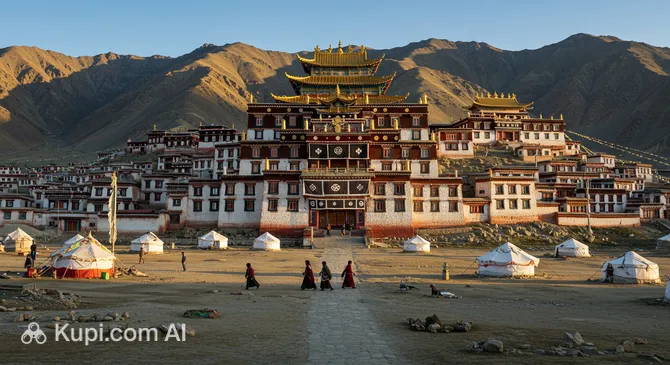
Yushu. Source: Kupi.Binoculars

Geographically, Yushu is renowned for its high altitude and pristine environment. It is often referred to as the gateway to the "Source of Three Rivers," as the headwaters of the Yangtze, Yellow, and Mekong rivers are located nearby. The climate here is typical of the plateau—cool and crisp, with brilliant blue skies that make the scenery pop. While the air might be thin, the atmosphere is vibrant, filled with the energy of a resilient and welcoming local community.

Exploring the history of Yushu reveals its longstanding importance as a center of trade and religion along the ancient Tang-Tubo Road. Today, visitors are drawn to its spiritual landmarks, such as the incredible Gyanak Mani, which holds the world's largest collection of hand-carved prayer stones. Another must-see is the Jiegu Monastery, perched on a hill overlooking the town, offering panoramic views and a serene space for reflection. If you visit in the summer, the famous Yushu Horse Racing Festival showcases colorful pageantry and thrilling horsemanship.

Whether you are an adventurer seeking high-altitude treks or a culture enthusiast looking to immerse yourself in Tibetan traditions, Yushu promises an unforgettable journey. We invite you to discover the charm and serenity of this extraordinary highland city.

Weather Overview

The climate in Yushu is defined by its high altitude on the Tibetan Plateau, resulting in long, cold winters and short, cool summers. The air is generally crisp and dry, though the weather can change rapidly. Travelers should always be prepared for chilly conditions, even during the warmer months, as the region rarely experiences true heat.

Winters are particularly harsh, with January average temperatures dropping to around -16.8°C and minimums plummeting as low as -23.9°C. Conversely, the summer season is mild but remains cool; July sees average temperatures of just 11.3°C, with highs typically reaching only 16.1°C. While overall precipitation volume is low, the summer months experience a high number of wet days, so carrying rain gear is advisable. For more detailed information to help plan your packing, you can view the full report on the weather in Yushu.

Interesting Facts

Beyond its scenic landscapes and monasteries, Yushu possesses a rich tapestry of legends and unique local characteristics. Here are a few lesser-known facts that make this high-altitude city truly special.

  • Princess Wencheng's Footsteps: The region is deeply connected to the legendary Princess Wencheng of the Tang Dynasty. It is said that she stayed in Yushu for a month while traveling to marry the Tibetan king, and the local temple dedicated to her features rock carvings and bas-reliefs that are over 1,300 years old.

  • The "Soft Gold" Rush: Yushu is a primary source for Cordyceps sinensis, a highly prized medicinal fungus known as "soft gold." During the harvest season in early summer, the search for this valuable resource becomes a major event, with many locals trekking into the mountains to collect it.

  • A Sanctuary for Snow Leopards: The rugged terrain surrounding the city is one of the most important habitats for the elusive snow leopard. The region's conservation efforts in the Sanjiangyuan area have made it a critical zone for protecting these "ghosts of the mountains" and other rare wildlife in China.

  • The Hometown of Guozhuang: Yushu is widely celebrated as a center for Tibetan performance arts, particularly the Yushu Guozhuang. This dynamic and rhythmic circle dance involves elaborate traditional costumes and is performed by hundreds of people during major festivities, earning the city the title of the "Hometown of Song and Dance."

How to Get There

Reaching Yushu is an adventure that takes you deep into the highlands of the Qinghai-Tibet Plateau. Due to its remote location and rugged terrain, air travel is the most efficient and popular method for most visitors. For a comprehensive overview of all transport options and routes, you can read more about how to get to Yushu.

The most direct way to arrive is via Yushu Batang Airport (YUS). This airport is situated within the jurisdiction of Yushu itself, approximately 19 km from the city center. It is a critical transport hub for the region, offering flights primarily from Xining and Chengdu. Upon arrival, a taxi or airport shuttle transfer to the downtown area typically takes about 50 minutes. With an annual passenger volume of around 360,000, the airport is a functional regional facility designed to handle the unique conditions of high-altitude aviation.

Alternatively, some travelers might consider Bangda Airport (BPX) in the neighboring city of Chamdo. However, it is important to note that this airport is located about 272 km away from Yushu. Due to the distance and the winding mountain roads, a transfer from Bangda Airport to Yushu is a significant journey, taking roughly 7 hours by car. This option is generally best reserved for those planning a wider itinerary across the region rather than a direct trip to the city.

For clarity, here is a summary of the main airports:

Airport Name City Passenger Traffic Km from City
Yushu Batang Airport Yushu Medium 18.9
Bangda Airport Chamdo Medium 272.0

Currently, Yushu is not directly accessible by train, as there is no railway station in the immediate vicinity. The closest major rail hubs are in Xining, from where travelers can catch a connecting flight or embark on a long-distance bus journey. The road trip from Xining is scenic but demanding, often taking over 10 hours, making the flight into Yushu Batang the preferred choice for those with limited time.

Main Attractions

Yushu is a destination where spirituality and high-altitude landscapes merge to create a truly unique travel experience. The city and its surroundings are dotted with sacred sites that have drawn pilgrims for centuries, offering visitors a chance to witness living Tibetan culture against a backdrop of stunning natural beauty.

Dominating the city's skyline from its hilltop perch is the Jiegu Monastery. As the principal Sakya monastery in the region, it is an architectural marvel characterized by its distinctive red, white, and black stripes. Visitors who make the climb are rewarded not only with a glimpse into the daily lives of the monks but also with panoramic views of the entire city and the river valley below. The monastery's resilience and grandeur make it a focal point for both photography and quiet reflection.

Another site of immense significance is the Gyanak Mani, often described as the largest prayer stone pile in the world. This "city of stones" covers a vast area and is estimated to contain billions of hand-carved mani stones, each inscribed with mantras. Walking around the perimeter with the local pilgrims offers a profound sense of the region's deep-rooted devotion. The rhythmic sound of chanting and the sight of the endless piles of slate create an atmosphere that is both peaceful and powerful.

For those interested in history and legend, the Princess Wencheng Temple is a must-visit attraction located about 20 kilometers south of the city. Set within a scenic gorge, this temple commemorates the Tang Dynasty princess who traveled through the region on her way to Tibet over 1,300 years ago. The site features ancient rock carvings and a massive bas-relief of the Buddha, said to have been commissioned by the princess herself. The combination of historical lore and the dramatic canyon setting makes it a fascinating excursion.

Nature and culture intertwine beautifully at Lebagou (Leba Gorge), also known as the "Valley of Scriptures." In this lush valley, the very landscape seems to speak, with Buddhist mantras and images carved directly into the cliffs and even on stones submerged in the stream. Hiking through this area offers a serene escape where the murmuring water and the wind through the prayer flags provide a constant, soothing soundtrack to the stunning visual artistry of the carvings.

Local Cuisine

The local cuisine of Yushu is a hearty reflection of its high-altitude environment and deep Tibetan roots. Food here is designed to provide energy and warmth, essential for surviving the harsh winters of the plateau. For travelers, dining in Yushu offers a genuine taste of Tibetan culture, characterized by simple, robust flavors and organic ingredients sourced directly from the surrounding grasslands.

The undisputed star of the local table is yak meat. High in protein and rich in flavor, it is prepared in various ways, from stir-fries to savory stews. A must-try specialty is air-dried yak meat, which is seasoned and hung to dry naturally in the cold winter air. It has a chewy texture similar to jerky and is often eaten as a snack or an appetizer. Another staple is Tsampa, roasted barley flour mixed with yak butter tea to form a dough. It is the daily bread for many locals, eaten with hands and appreciated for its nutty taste and ability to sustain energy on long treks.

Comfort food lovers should look for Momos, the beloved Tibetan dumplings. In Yushu, they are typically filled with minced yak meat or vegetables and can be served steamed or fried, often accompanied by a spicy dipping sauce. For a warming meal, a bowl of Thukpa (noodle soup) is perfect. This savory broth, packed with hand-pulled noodles, meat, and vegetables, is a common sight in local eateries and provides instant relief from the chill outside.

No culinary journey here is complete without sampling the local dairy and drinks. Yak butter tea is the ubiquitous beverage of the region; its salty, buttery taste might be an acquired taste for some, but it is incredibly hydrating and warming. For something sweeter, try the local yak yogurt. It is famously thick and creamy, often topped with sugar or "ginseng fruit" (a local root tuber), creating a delightful dessert known as Droma.

The food culture in Yushu is communal and welcoming. Locals often gather in traditional tea houses to socialize, exchange news, and enjoy endless refills of tea. While you won't find many international chains, the city center is dotted with small, family-run restaurants and street stalls where you can watch your food being prepared fresh. Whether you are sharing a large plate of boiled mutton or sipping tea in a cozy corner, the dining experience in Yushu is as much about the warm hospitality as it is about the food.

Travel Tips

Planning a trip to Yushu requires a bit more preparation than the average destination, primarily due to its high altitude and unique cultural setting on the Tibetan Plateau. To help you navigate this stunning region with ease and respect, we have compiled a list of essential practical tips for your journey.

  1. Clothing and Gear: The weather here is famously unpredictable, so the key is layering. Even in summer, temperatures can drop significantly at night, so bring a warm down jacket and thermal underwear. Since the UV radiation is intense at this altitude, high-SPF sunscreen, sunglasses, and a wide-brimmed hat are absolute must-haves. If you plan to visit monasteries, dress modestly by covering your shoulders and knees.
  2. Transportation: Within the city, taxis are the most convenient way to get around. They are generally affordable, but few drivers speak English, so it is crucial to have your destination written in Chinese or Tibetan on your phone. Ride-hailing apps common in other parts of China may work, but flagging a taxi is often faster here. For trips to outlying attractions like the Leba Gorge, hiring a private driver for the day is recommended.
  3. Finances: The local currency is the Chinese Yuan (RMB). While digital payments like WeChat Pay and Alipay are ubiquitous even in small stalls, it is wise to carry cash for remote areas or donations at temples. International credit cards are rarely accepted outside of major hotels, so withdraw sufficient cash from ATMs in the city center or exchange money before arriving.
  4. Health and Safety: The biggest concern for travelers is altitude sickness. Take it easy for the first day or two to acclimatize, stay hydrated, and avoid strenuous exercise. Portable oxygen canisters are widely available in local shops and pharmacies if you feel short of breath. Pharmacies are easy to find in the city, but bring your own supply of prescription medications and basic remedies for headaches or digestion.
  5. Communication: Mandarin Chinese is the lingua franca, though many locals speak Tibetan dialects. English is not widely spoken, so having a translation app installed on your phone is indispensable. You can purchase a local SIM card at the airport or in town to stay connected; ensure you have a data plan that covers the region for map navigation and translation.
  6. Local Etiquette: Yushu is a deeply spiritual place. When visiting temples or walking around stupas and the Gyanak Mani stone pile, always move in a clockwise direction. This is a sign of respect in Tibetan Buddhism. Always ask for permission before taking photos of locals, especially monks and pilgrims, as a courtesy to their privacy and religious practices.
  7. What to Avoid: Never touch a person's head, including children, as the head is considered the most sacred part of the body in local culture. Additionally, avoid pointing your finger directly at Buddha statues or people; gesture with an open hand instead to show respect.
  8. Dining Tip: Embrace the local custom of drinking yak butter tea. Locals believe it helps combat altitude sickness and keeps you warm. If the taste is too strong for you, sweet milk tea is a delicious and widely available alternative in most tea houses.

By keeping these tips in mind, you will be well-equipped to enjoy the breathtaking landscapes and warm hospitality of Yushu. A little preparation goes a long way, ensuring your adventure on the plateau is safe, culturally respectful, and truly unforgettable.

Entertainment & Nightlife

Entertainment in Yushu offers a distinct departure from the neon-lit, fast-paced nightlife of China's coastal metropolises. Here, the evening hours are defined by community, culture, and the crisp, high-altitude air. Instead of thumping nightclubs, the nightlife scene revolves around social gatherings, traditional dance, and warm, lively eateries. The atmosphere is welcoming and safe, inviting travelers to step out of their hotels and mingle with the locals under the starry plateau sky.

The absolute heart of Yushu's evening activity is Gesar Square. As the sun sets, this central plaza transforms into a massive, open-air dance floor. Hundreds of locals gather here every night to perform the Guozhuang, a traditional circle dance. The energy is infectious, with rhythmic movements and traditional music filling the air. It is not a performance for tourists but a genuine slice of local life. Visitors are warmly encouraged to join the outer circles and try the steps; it is the best way to break the ice and experience the joyous spirit of the Khampa people. The dancing usually kicks off around 7:00 PM and lasts for a couple of hours.

For those looking for food and drink, the streets surrounding the square and the main commercial arteries like Shengli Road come alive with night markets and restaurants. The scent of charcoal-grilled yak meat skewers wafts through the air, drawing crowds to small BBQ joints. These venues are casual and often stay open late. You can also find "music bars" or folk houses in the downtown area. These are popular local hangouts where you can sip on local beer or sweet tea while listening to live performers singing powerful Tibetan folk songs. The vibe is relaxed, often involving impromptu singing from the guests.

If you prefer a more modern form of entertainment, KTV (Karaoke) is popular here, as it is across China. There are several KTV lounges in the city center where groups of friends rent private rooms to sing and socialize. These venues are typically well-equipped and offer a fun, private space to unwind after a day of sightseeing. Prices are reasonable, usually charged by the hour or by room size, often including snacks and drinks.

While the focus here is on the night, Yushu also offers enriching daytime entertainment. The Yushu Museum is a fantastic place to spend an afternoon, housing artifacts that explain the region's ecology and the rich history of the Sanjiangyuan (Three Rivers Source) area. For those who enjoy shopping and browsing, the local markets offer colorful Tibetan handicrafts, jewelry, and thangkas, providing a cultural treasure hunt before the evening festivities begin.

When venturing out at night, safety is rarely a concern in Yushu; the city is generally very safe for walking. However, the most important practical tip is to dress warmly. Temperatures drop sharply after dark, even in summer, so a heavy jacket is essential. Taxis are the easiest way to get back to your hotel if you are tired, though the city center is compact enough to navigate on foot. Taxis can be flagged down easily on the main streets, and fares are inexpensive.

Parks & Museums

While Yushu is primarily renowned for its spiritual atmosphere and monastic architecture, the city and its surroundings also offer profound encounters with nature and history through its parks, reserves, and museums. The region serves as a gateway to some of China's most pristine ecological zones, while its cultural institutions work tirelessly to preserve the rich heritage of the Tibetan Plateau. Whether you are looking to walk amidst breathtaking scenery or delve into the local history, Yushu offers compelling spaces for exploration.

Sanjiangyuan National Nature Reserve is undoubtedly the most significant natural area associated with the region. Although it is a vast protected zone rather than a traditional city park, Yushu acts as the primary base for exploring this ecological treasure. Known as the "Water Tower of China," it protects the headwaters of the Yangtze, Yellow, and Mekong rivers. For tourists, this area offers a rare chance to witness untouched highland wetlands, vast grasslands, and diverse wildlife, including the elusive snow leopard and wild yaks. It is a paradise for eco-tourists and photographers seeking the raw beauty of the plateau.

Closer to the city center, the Batang River Scenic Belt provides a refreshing green space for a leisurely stroll. Running along the river that cuts through the city, this promenade is lined with willows and features walking paths where locals gather to relax, exercise, and socialize. It offers a gentle contrast to the rugged mountains surrounding the valley, allowing visitors to acclimatize to the altitude while enjoying the soothing sound of the flowing water and the view of the cityscape against the mountain backdrop.

For a deep dive into the region's heritage, the Yushu Prefecture Museum is an essential stop. Housed in a striking building that blends modern design with traditional Tibetan architectural elements, the museum showcases a comprehensive collection of artifacts. Visitors can view exquisite Thangkas (religious paintings), traditional Khampa clothing, and ancient pottery. The exhibits also provide valuable insight into the unique ecology of the Sanjiangyuan region and the folk customs of the local people, making it an excellent educational starting point for your trip.

Another poignant and significant site is the Yushu Earthquake Memorial Hall. Dedicated to the memory of the 2010 earthquake and the city's subsequent reconstruction, this museum serves as a testament to the resilience of the local community. The site often includes preserved ruins from the event, serving as a somber reminder of the past while celebrating the spirit of rebirth. It offers a moving experience that connects visitors emotionally to the recent history of the city and its people.

Among the historical landmarks, Jiegu Monastery remains the most dominant architectural feature. Perched high on a hill, it is not just a place of worship but a repository of art and history. The monastery complex is vast, housing numerous statues and scriptures that have survived centuries of change. Exploring its halls offers a firsthand look at the intricate craftsmanship of Tibetan religious art.

Gyanak Mani is another site that defies standard categorization, acting as an open-air museum of devotion. As the world's largest pile of Mani stones, it is a living monument where history is written in stone—literally. Billions of stones carved with scriptures are stacked here, and the site continues to grow daily. It is a mesmerizing place to witness the continuity of tradition and the sheer scale of local piety.

For a truly authentic experience, take the time to walk the Kora path around the Gyanak Mani pile alongside the locals. Unlike a typical tourist visit, joining the flow of pilgrims offers a meditative rhythm and a unique perspective on daily life in Yushu. Afterward, visiting a small tea house nearby will allow you to see the community unwind, offering a warm and intimate conclusion to your cultural tour.
Getting Around

Navigating Yushu is a relatively straightforward experience, as the public transport system is compact and designed primarily to serve the central town of Jiegu. Unlike the sprawling metropolises of eastern China, Yushu does not have a metro system, trams, or trolleybuses. Instead, the city relies on a functional network of public buses and a high volume of taxis, which are the most practical ways for visitors to get around the valley.

The public bus system consists of several lines that run along the main arteries of the city, connecting key locations such as Gesar Square, the long-distance bus station, and the major monasteries. These buses are generally modern and safe. The operating hours are somewhat shorter than in bigger cities, typically running from around 7:00 AM to 7:00 PM or 8:00 PM. If you plan to travel later in the evening, you will likely need to rely on taxis.

Fares for public buses are extremely affordable, usually costing just 1 or 2 RMB per ride regardless of the distance. The payment system is simple: you enter through the front door and pay immediately. Most buses are equipped with QR code scanners for WeChat Pay and Alipay, which are the standard payment methods for locals. However, for tourists who might not have these apps set up, paying with cash is perfectly acceptable. It is essential to carry small bills or coins, as drivers do not give change.

For most travelers, taxis are the preferred mode of transport due to their convenience and low cost. You can easily flag down a taxi on the street almost anywhere in the city center. While taxis are generally metered, for longer trips or excursions to attractions on the outskirts—such as the Princess Wencheng Temple or the airport—it is common to negotiate a flat rate with the driver before departing. Ride-hailing apps generally work in the region, but street-hailing is often faster and more reliable.

Given the mountainous terrain and the distance between some scenic spots, renting a car with a private driver is a popular alternative to public transport. This is particularly recommended if you wish to explore the Leba Gorge or the Sanjiangyuan nature areas, where public buses do not go. You can usually arrange these charters through your hotel or local travel agencies. While shared bikes exist in some areas, they are less common here than in other Chinese cities, and riding can be physically demanding due to the high altitude.

A practical tip for all tourists is to have your destination written in Chinese or Tibetan on your phone to show the driver, as English is rarely spoken by bus drivers or taxi operators. Additionally, while the city center is compact enough for walking, remember that Yushu is situated at high altitude. Walking distances that seem short on a map can be tiring, so do not hesitate to hop on a bus or take a taxi to conserve your energy.

Accommodation

Accommodation in Yushu has seen significant development in recent years, offering travelers a comfortable base from which to explore the Tibetan Plateau. The options generally range from simple, budget-friendly youth hostels and guesthouses to modern mid-range hotels. While visitors should not expect the ultra-luxury international hotel chains found in China's coastal cities, the local establishments are typically clean, well-maintained, and decorated with distinct Tibetan cultural elements.

The most convenient area for tourists to stay is in the heart of Jiegu Town (the administrative center of Yushu), particularly around Gesar Square and along Shengli Road. Choosing a hotel in this downtown district places you within easy walking distance of local restaurants, shops, and the vibrant evening dance circles. It also serves as a central hub for finding taxis and public transport, making it the most practical location for those without a private vehicle.

Given the high altitude of the region, amenities are a key consideration when selecting a place to stay. Many of the better hotels in Yushu are equipped with diffused oxygen systems or provide portable oxygen generators in the rooms to help guests acclimatize and sleep better. Additionally, reliable heating is essential, as temperatures drop sharply at night year-round. It is advisable to confirm these specific facilities before confirming your reservation.

In terms of pricing, accommodation in Yushu is generally affordable. Budget options are very economical, while mid-range hotels offer excellent value for money. Booking methods are straightforward, with most properties listed on major online travel platforms. However, travelers planning to visit during the peak summer months—especially in July for the famous Horse Racing Festival—should book well in advance, as the best rooms sell out quickly during this festive season.

Nearby Cities

For those looking to explore the surroundings, Yushu serves as an excellent base for day trips or short excursions to several interesting nearby locations:

One of the most notable destinations in the wider region is Chamdo. Located to the south, it is a major cultural center often visited for the magnificent Galden Jampaling Monastery. The city sits at the confluence of two rivers and offers a deep dive into the history and architectural traditions of the area. Although the journey involves navigating mountain roads, the stunning scenery and rich heritage make it a compelling stop for a short visit.

To the north lies Golmud, a city that offers a dramatic change in scenery. Situated in the Haixi Mongol and Tibetan Autonomous Prefecture, Golmud is famous as the gateway to the Qaidam Basin. It is best known for the Qarhan Salt Lake, the largest salt lake in China, which creates a surreal, mirror-like landscape that contrasts sharply with the grasslands of Yushu. It serves as a unique spot for nature lovers and photographers.

For art enthusiasts, Rebkong (Tongren) is a destination of immense cultural significance. Known as the cradle of Regong arts, this town is famous for its exquisite Thangka paintings, clay sculptures, and barbola embroidery. A visit here offers a rare opportunity to witness masters at work and to explore the vibrant artistic heritage that flourishes on the plateau.

City Population Distance (km)
Chamdo 760,966 207
Nagqu 504,838 497
Huinan 230,000 492
Golmud 215,214 423
Rebkong 92,601 539

These nearby destinations offer a glimpse into the diverse culture and landscapes of the region, ranging from artistic hubs to industrial centers surrounded by natural wonders.

Shopping & Souvenirs

Shopping in Yushu offers a distinct departure from the glossy, brand-filled malls of major metropolises. Instead of international luxury chains, visitors will find a vibrant marketplace deeply rooted in Tibetan culture and the unique resources of the Qinghai-Tibet Plateau. The shopping experience here is an exploration of local heritage, where the most valuable goods are often organic treasures from the grasslands or handcrafted items imbued with spiritual significance.

The commercial heart of the city lies in the rebuilt downtown area of Jiegu Town. The main artery for retail therapy is Shengli Road (Victory Road). This bustling street is lined with a variety of shops selling everything from modern clothing and electronics to traditional Tibetan robes and religious artifacts. Walking down this street provides a lively atmosphere where you can browse alongside locals and witness the daily trade of the city.

While Yushu does not boast the massive, sprawling shopping malls found in eastern China, it has several modern commercial centers that serve the community's needs. These multi-story department stores and plazas in the city center offer a mix of apparel, cosmetics, and supermarkets. They provide a comfortable, indoor shopping environment, particularly welcome during the cold winter months, though the selection is primarily focused on domestic Chinese brands.

The most fascinating aspect of the local economy is the market scene, specifically the trade in Cordyceps sinensis (caterpillar fungus). Yushu is one of the primary distribution centers for this highly prized medicinal ingredient. During the harvest season in early summer, designated trading areas buzz with activity as nomads and traders negotiate prices for this "soft gold." Even if you do not plan to buy, witnessing the intensity of this market is a unique cultural experience. Additionally, local food markets offer a look at the region's diet, featuring blocks of yak butter and sacks of barley flour.

When it comes to souvenirs, Yushu offers items you won't find anywhere else. Yak jerky is the most popular edible gift; it is flavorful, high in protein, and travels well. For something more lasting, look for Tibetan jewelry featuring turquoise, red coral, and amber, which are staples of local fashion. Thangkas (religious scroll paintings) and Tibetan incense are also excellent choices for those appreciating artistic and spiritual crafts. However, be cautious when buying expensive items like Dzi beads or high-grade Cordyceps unless you have a knowledgeable guide to verify authenticity.

Store hours in Yushu generally run from around 9:00 AM to 8:00 PM, though smaller family-run shops and restaurants may stay open later, especially in summer. Payment methods have modernized rapidly; while cash is still accepted and useful for small transactions, WeChat Pay and Alipay are the dominant forms of payment, used even by small street vendors. It is advisable to have these apps set up on your phone for a seamless experience.

Tourists should note that Yushu is not a tax-free shopping destination. The tax refund schemes available in major international hubs like Beijing or Shanghai do not apply here. Prices are generally fixed in department stores, but bargaining is expected and acceptable in markets and independent souvenir shops.

Nearby cities

Reached the end of the page?

That means the route is fully explored