Support

Golmud

About

Golmud is a unique and strategically important city located in the Haixi Mongol and Tibetan Autonomous Prefecture of China. Often referred to as the "City of Rivers" due to its Mongolian name, it serves as a vital transportation hub and a primary gateway to the majestic Tibetan Plateau. Situated in the vast Qaidam Basin, the city offers a fascinating blend of industrial energy and rugged natural beauty, making it a significant stop for travelers exploring the western regions of the country.

With a population of approximately 215,000 residents, Golmud sits at a high altitude, surrounded by dramatic landscapes that range from arid deserts to snow-capped peaks. The climate here is characterized by its dryness and abundant sunshine, typical of the high-plateau environment. Visitors interested in how this remote settlement transformed into a bustling modern crossroads can explore the history of Golmud, which is deeply intertwined with the construction of the legendary Qinghai-Tibet Railway.
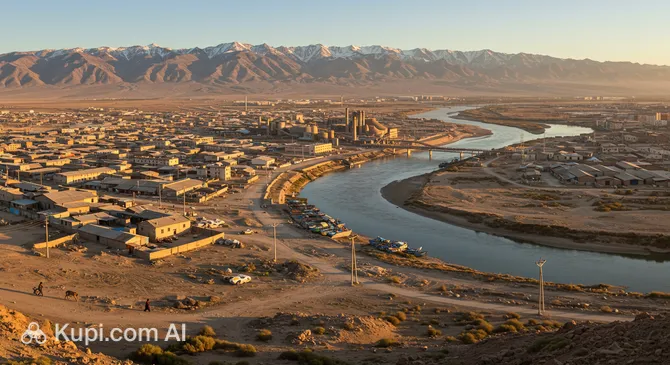
Golmud. Source: Kupi.Binoculars

Travelers are often drawn to the area by its breathtaking natural wonders. The spectacular Qarhan Salt Lake, the largest of its kind in the country, offers surreal views with its sparkling crystal formations and famous "Salt Bridge." Additionally, the city serves as the perfect base for adventurers looking to witness the grandeur of the Kunlun Mountains, a legendary range that holds a special place in local mythology and offers stunning vistas of the high-altitude wilderness.

Whether you are embarking on a train journey to Lhasa or stopping to admire the stark beauty of the high desert, Golmud provides an unforgettable experience. It is a destination where the raw power of nature meets human resilience, making it a truly worthwhile addition to your travel itinerary.

Weather Overview

The climate in Golmud is defined by its high altitude and arid conditions, characterized by dry air and distinct seasonal temperature shifts. Winters are generally cold and dry, with January being the coldest month, where average temperatures hover around -8.2°C and lows can dip to -14.7°C. Despite the freezing temperatures, precipitation is virtually non-existent during these months, ensuring crisp and clear winter days.

Summer brings milder and more comfortable conditions, making it a favorable time for exploration. July is typically the warmest month, with average highs reaching a pleasant 24.4°C, while average temperatures settle around 18.3°C. Even during the peak of summer, rainfall is incredibly scarce; although June and August see a slight increase in "wet days," actual precipitation accumulation is minimal, often recording just 1mm. To help plan your packing list, you can check the detailed weather in Golmud. Overall, you can expect mild, pleasant summers with extremely light precipitation and cold, dry winters.

Interesting Facts

Beyond the main attractions, Golmud holds many fascinating secrets that reveal the sheer scale and geological uniqueness of this high-altitude region. Here are a few surprising facts about the city:

  • Larger Than Some Countries: Golmud is one of the largest cities in the world by surface area. Its administrative jurisdiction covers nearly 119,000 square kilometers, making it bigger than entire nations like South Korea or Portugal, despite having a relatively small urban population concentrated in the city center.

  • A Bridge Without Arches: The famous "Wan Zhang Salt Bridge" is not a bridge in the traditional sense. It is actually a 32-kilometer stretch of highway built directly upon the hard salt crust of the Qarhan Salt Lake, floating on the brine without a single pillar or arch.

  • Source of the Yangtze: Although Golmud is situated in an arid basin, its vast administrative territory encompasses the headwaters of the Yangtze River. The source, located high in the Tanggula Mountains, falls within the city's boundaries, linking this desert hub to the most important river system in China.

How to Get There

Reaching this strategic transportation hub on the Qinghai-Tibet Plateau is an adventure in itself, offering travelers a glimpse into the vast landscapes of western China. Whether you prefer the speed of a flight or the scenic route via land, the city is well-connected to the rest of the country. For a complete guide on planning your arrival, you can read more about how to get to Golmud and choose the option that best fits your itinerary.

For those prioritizing speed and convenience, the primary entry point is Golmud Airport (GOQ). Situated within the city's administrative area, this facility is located approximately 10.5 km from the city center. It is a regional transport node, connecting the city with key provincial hubs. A journey from the terminal to downtown Golmud by taxi or shuttle generally takes around 35 to 40 minutes. While the airport operates on a smaller scale compared to major international hubs, it provides essential access for tourists heading to the nearby salt lakes and mountains.

For clarity, here is a summary of the main airports:

Airport Name City Passenger Traffic Km from City
Golmud Airport Golmud Small 10.5

Beyond air travel, Golmud is renowned as a critical railway junction on the famous Qinghai-Tibet Railway. Many travelers choose to arrive by train from Xining or other major cities, using the journey to gradually acclimatize to the high altitude before exploring the plateau. Long-distance buses also connect the city to neighboring regions, offering an alternative for those traveling by road.

Main Attractions

Golmud is a destination defined by its raw, overpowering natural beauty rather than urban entertainment. The city serves as a gateway to some of the most dramatic landscapes on the Qinghai-Tibet Plateau, offering travelers a chance to witness geological wonders that seem almost otherworldly. From shimmering salt flats to legendary mountain ranges, the attractions here are vast, silent, and deeply impressive.

One of the most spectacular sights in the region is the Qarhan Salt Lake. As the largest salt lake in China, it covers an immense area of over 5,800 square kilometers. The landscape here is surreal, characterized by white salt crusts and brine pools that reflect the sky like a perfect mirror. A major highlight for visitors is the "Ten Thousand Zhang Salt Bridge," which is not a bridge of steel or stone, but a 32-kilometer stretch of railway and highway floating on the lake's solidified salt surface. It is a unique engineering marvel and a fantastic spot for photography, especially when the salt crystals sparkle under the high-altitude sun.

For those seeking high-altitude adventure, the Kunlun Mountain Pass is an essential stop. Located approximately 160 kilometers south of the city, this pass stands at an elevation of 4,767 meters and serves as a major gateway to Tibet. The Kunlun Mountains are known in Chinese mythology as the "Forefather of Mountains," and standing at the pass offers breathtaking panoramic views of snow-capped peaks and glaciers. A towering monument marks the location, commemorating the engineering feat of the Qinghai-Tibet Highway and Railway that traverse this formidable terrain.

Nature lovers visiting in the autumn months should not miss the Golmud Populus Euphratica Forest. Situated about 60 kilometers from the city, this is the only forest of its kind in Qinghai Province. These resilient trees, known for surviving in harsh desert environments, turn a brilliant golden yellow in October, creating a stunning contrast against the barren desert sands and the blue sky. It is a serene location perfect for hiking and capturing the vibrant colors of the season before the harsh winter sets in.

Another fascinating site is the Tuotuo River, considered the principal source of the mighty Yangtze River. While it requires a journey further into the plateau, seeing the headwaters of China's longest river is a pilgrimage for many geography enthusiasts. The river winds through the Tanggula Mountains, offering a glimpse of the untouched wilderness where glaciers melt to feed one of the world's most important waterways.

Local Cuisine

The culinary landscape of Golmud is a hearty reflection of its diverse cultural heritage and high-altitude geography. Situated at the crossroads of the Qinghai-Tibet Plateau, the local cuisine is a robust fusion of Tibetan, Mongolian, and Hui Muslim influences. The food here is designed to provide warmth and energy to combat the cold, dry climate, featuring generous portions of meat, dairy, and wheat-based staples. For travelers, dining in Golmud is an opportunity to taste the authentic flavors of China's wild west.

Meat lovers will find themselves at home here, as mutton and yak meat are the undisputed stars of the table. A signature dish you must try is "Hand-Grabbed Mutton" (Shou Zhu Rou). This traditional delicacy consists of premium lamb boiled simply in water to preserve its natural flavor, served in large chunks that are eaten by hand and dipped in salt, garlic, or chili sauce. Another local specialty is Yak meat, which is leaner and richer in protein than beef. It is often served braised in savory sauces or dried as jerky, making for a perfect high-energy snack during your travels.

For a lighter option or a flavorful side, look for Niangpi. This is a popular local cold dish made from wheat flour or potato starch, cut into thick strips and tossed with a vibrant mixture of vinegar, chili oil, garlic, and mustard. It offers a refreshing, spicy, and sour kick that balances the richness of the meat-heavy main courses. You will also find excellent barbecue skewers (chuanr) throughout the city, heavily seasoned with cumin and chili, a testament to the region's strong Hui culinary influence.

No meal on the plateau is complete without the traditional beverages. Butter Tea is a staple drink among the locals; made with tea leaves, yak butter, and salt, it is an acquired taste for some but essential for hydration and energy in the high altitude. If you prefer something alcoholic, try the local Highland Barley Wine (Qingke Jiu). Unlike strong spirits, this is a mild, slightly sweet, and unrefined wine brewed from the region's main crop, often shared as a gesture of hospitality.

The food culture in Golmud is casual and communal. You won't find many fine-dining establishments; instead, the best food is often found in small, family-run restaurants and bustling night markets. Many eateries are Halal, identified by green signboards, serving fresh noodles and baked buns. In the evenings, the streets come alive with the scent of charcoal grills, where locals and tourists alike gather to enjoy sizzling skewers and warm conversation under the starry plateau sky.

Travel Tips

Preparing for a trip to Golmud requires a bit more foresight than the average city break due to its extreme geography and high elevation. These practical tips will help you navigate the unique challenges of the Qinghai-Tibet Plateau while ensuring a smooth and enjoyable adventure.

  1. Pack for All Seasons. The weather on the plateau is unpredictable and diurnal temperature ranges are huge. Even in summer, the temperature drops significantly at night, so bring a warm jacket and dress in layers. Since the UV radiation is intense at this altitude, high-SPF sunscreen, good quality sunglasses, and a wide-brimmed hat are essential gear. If you plan to visit religious sites, ensure you have clothing that covers your shoulders and knees.

  2. Getting Around. Within the city limits, taxis are plentiful and affordable. However, public transport to major remote attractions like the Qarhan Salt Lake or the Kunlun Mountain Pass is limited or non-existent. The most practical option is to hire a private driver or charter a car for the day; negotiate the price beforehand or ask your hotel to arrange a reliable vehicle to ensure you can return safely.

  3. Managing Your Money. The local currency is the Renminbi (RMB). While mobile payments like Alipay and WeChat Pay are ubiquitous even in small stalls, setting them up as a foreigner can sometimes be tricky. It is crucial to carry a sufficient amount of cash for smaller transactions and remote areas. International credit cards are rarely accepted outside of high-end hotels, so withdraw money from major ATMs like the Bank of China in the city center before heading out.

  4. Health and Altitude. Golmud sits at roughly 2,800 meters, and nearby attractions go much higher. Altitude sickness is a genuine concern; take it easy for the first day, avoid strenuous exercise, and drink plenty of water to stay hydrated. Pharmacies are common in the city (look for a green cross), and portable oxygen canisters are widely sold in shops and hotels.

  5. Overcoming Language Barriers. English is not widely spoken in Golmud, including by taxi drivers and shopkeepers. You must have a translation app installed on your phone that works offline or is compatible with Chinese networks. Buying a local SIM card is best done at official China Mobile or China Unicom business halls with your passport. Remember that many Western apps and websites are blocked, so prepare your connectivity tools accordingly.

  6. Respecting Local Customs. The region is a melting pot of Tibetan, Mongolian, and Hui cultures. When visiting Muslim restaurants (Halal), do not bring outside food or alcohol. If you encounter prayer flags or religious cairns in the mountains, treat them with respect and do not climb on them or remove stones. A friendly "Ni hao" (Hello) is the standard greeting, but a smile goes a long way in bridging cultural gaps.

  7. What to Avoid. Avoid photographing locals, especially monks or people in traditional dress, without asking for their permission first; some may consider it intrusive. Also, avoid discussing sensitive political topics regarding the region's history or administration, as this can cause unnecessary discomfort for your hosts.

  8. Adjusting to "Local" Time. Although Golmud officially operates on Beijing Time, geographically it is far to the west. This means sunrise and sunset occur roughly two hours later than the clock suggests. Don't be surprised if the sun is still blazing at 8:00 PM or if shops open later in the morning; plan your itinerary and meals according to the daylight, not just the clock.

With these preparations in place, you are ready to tackle the vast and rugged beauty of the Qaidam Basin. Embracing the local pace and respecting the environment will ensure your time in Golmud is as safe as it is memorable.

Entertainment & Nightlife

Golmud’s nightlife is reflective of its character as a rugged, high-altitude outpost: it is less about glitzy nightclubs and more about hearty social gatherings, late-night feasts, and local camaraderie. While you won't find the pulsing electronic music festivals of China's coastal metropolises here, the city offers a warm and authentic evening atmosphere where travelers can unwind after a long day of exploring the salt lakes or mountains.

The heart of the evening action lies in the city's Night Markets. As the sun sets over the Qaidam Basin, the air fills with the smoky aroma of cumin and charcoal. The most popular spots to experience this are often centered around Kunlun Road and the pedestrian areas near the city center. Here, the atmosphere is bustling and noisy in the best possible way. Locals gather at low tables to enjoy "Chuan'r" (spiced meat skewers), grilled fish, and cold local beer. It is a casual affair where the dress code is non-existent, and the focus is entirely on good food and conversation. The market typically stays lively until past midnight, making it the perfect place to mix with residents and sample the region's famous grilled lamb.

For entertainment beyond dining, Karaoke (KTV) is the undisputed king of nightlife in Golmud, just as it is in much of China. You will find numerous KTV venues dotted along the main commercial streets. Unlike Western karaoke bars where you sing to a crowd, these are private room establishments where you rent a comfortable suite for your group, complete with sofas, food service, and a massive song library. It is the primary way locals celebrate birthdays or unwind with colleagues. If you are looking for a more quiet and upscale environment for a drink, the lobby lounges of the city's premier hotels, such as the Swisstouches Hotel Golmud, offer a relaxed setting with a selection of teas and beverages, providing a comfortable retreat from the bustling streets outside.

Practical advice for a night out is simple: cash is still useful in smaller stalls, though mobile payments are everywhere. Taxis are plentiful and affordable at night; you can easily hail one from the street or ask your hotel to call one for you. The city is very safe for evening walks, even late at night, thanks to well-lit main roads and a generally low crime rate. However, temperatures drop drastically after dark due to the high altitude, so bringing a warm jacket is mandatory, even in summer.

While the nights are for feasting, the daytime offers its own cultural diversions. Before the sun goes down, consider visiting the General Mu Shengzhong Memorial Hall to learn about the city's founding father, or explore the Golmud Geological Museum to understand the mineral wealth that powers the region's economy. These venues provide excellent context for the industrial yet scenic environment you see around you.

Parks & Museums

While Golmud is primarily known as an industrial powerhouse and a transit hub, the city offers a surprising array of green spaces and cultural venues that celebrate its unique origins. Surrounded by the harsh beauty of the Gobi Desert, the urban center serves as an oasis where visitors can learn about the region's geological treasures and the monumental human efforts that established this city on the plateau.

For those looking to relax within the city limits, Kunlun Park is the most prominent green space and a favorite among locals. As the largest comprehensive park in Golmud, it stands as a testament to the city's determination to cultivate life in an arid environment. The park features a large artificial lake, shaded walking paths, and amusement facilities, including a Ferris wheel that offers views of the city against the backdrop of distant mountains. It is an excellent spot to observe local daily life, where residents gather for morning exercises, dancing, and leisure, providing a stark and refreshing contrast to the surrounding desert landscape.

Nature enthusiasts willing to venture just outside the urban core should explore the Golmud Populus Euphratica Forest. This protected natural area is one of the highest-altitude forests of its kind in the world. The park is dedicated to the resilient Populus euphratica tree, known as the "hero of the desert" for its ability to survive in extreme dryness and saline soil. Wooden boardwalks wind through the gnarled, ancient trees, which turn a spectacular golden hue in autumn. It is a serene place for photography and contemplation, highlighting the tenacious beauty of the Qaidam Basin's flora.

To understand the soul of the city, a visit to the General Mu Shengzhong Memorial Hall is essential. This museum is dedicated to the "Father of Golmud," General Mu Shengzhong, who led the construction of the Qinghai-Tibet Highway in the 1950s. Through a collection of historical photographs, personal artifacts, and relief sculptures, the museum narrates the harrowing and heroic story of how the road was carved through the forbidding Kunlun Mountains. It offers tourists a profound appreciation for the infrastructure that makes travel in this region possible today.

Another cultural highlight is the Golmud Geological Museum. Given the region's nickname as the "Treasure Bowl," this museum is a fascinating showcase of the mineral wealth hidden beneath the Qaidam Basin. The exhibits feature an impressive array of specimens, including various types of salt crystals from the nearby lakes, jade from the Kunlun Mountains, and samples of the petroleum and natural gas resources that drive the local economy. It provides a scientific context to the landscapes travelers see outside, explaining the geological forces that shaped the plateau.

In terms of landmarks, the Monument to the Construction of the Qinghai-Tibet Highway stands tall in the city, symbolizing the spirit of the pioneers. Its imposing design reflects the ruggedness of the mountains and the strength of the workers. For an authentic local experience, take a walk along the banks of the Golmud River in the early evening. The riverside promenade has been developed into a scenic belt where you can enjoy the cool evening breeze and watch the sunset paint the desert sky, a quiet moment that reveals the softer side of this industrial frontier city.

Getting Around

Navigating Golmud is remarkably straightforward compared to China's bustling coastal metropolises. Due to its relatively small urban population and compact city center, the public transport system is simple, efficient, and easy to use. There is no metro or light rail system here; instead, the city relies primarily on a network of public buses and a fleet of affordable taxis to move residents and visitors around.

The public bus system covers the main urban area comprehensively, connecting key locations such as the train station, the city center, and major hotels. Buses are frequent during the day, and the routes are numbered clearly. For a tourist, the most useful routes are those running along Kunlun Road and those connecting the railway station to the downtown commercial district. The buses are generally modern and clean, offering a slow but authentic way to see the city streets.

Regarding payment, the fare is incredibly low, typically costing just 1 RMB per ride, regardless of distance within the city. Most local residents pay using QR codes via mobile apps like WeChat or Alipay. For international tourists who may not have these payment methods set up, cash is still widely accepted. However, you must have the exact change ready, as there are no conductors to give change; you simply drop your coin or banknote into the box next to the driver upon boarding.

For most travelers, taxis are the preferred alternative to buses. They are abundant, available 24 hours a day, and extremely affordable by international standards. You can easily hail one from the street almost anywhere in the city. Taxis here are generally metered, with a low flag-fall price that covers the first few kilometers. Given the language barrier, it is highly advisable to have the name of your destination written in Chinese characters to show the driver. Ride-hailing apps like Didi are also operational, though street taxis are so common that you rarely need to wait long.

While there are no historic trams or cable cars within the city limits, a unique aspect of transport in Golmud is the reliance on chartered vehicles for tourism. Since the major attractions like the Qarhan Salt Lake and the Kunlun Mountains are located far outside the urban core—often tens or hundreds of kilometers away—standard public transport does not serve these areas effectively. Therefore, "transport" for a tourist often involves hiring a private driver or negotiating a day rate with a taxi driver, which is a standard and accepted practice in the region.

Practical advice for using the system includes being mindful of operating hours. Public buses in Golmud generally stop running earlier than in big cities like Beijing or Shanghai, often winding down around 8:00 PM or 9:00 PM. If you are out late enjoying the night markets, a taxi will be your only option to return to your hotel. Additionally, while the city is flat and walkable, the high altitude can make long walks tiring for those not yet acclimatized, so do not hesitate to hop in a taxi for even short distances.

Accommodation

Where to Stay:

As a vital transit hub on the Qinghai-Tibet Plateau, Golmud offers a range of accommodation options that cater primarily to travelers passing through on their way to Lhasa or exploring the surrounding wilderness. The hospitality scene here has developed significantly in recent years. While the city does not have the vast array of boutique properties found in Beijing or Shanghai, visitors will find a solid selection of reliable mid-range hotels, functional business lodgings, and a few surprising luxury options. The focus here is generally on comfort, warmth, and practicality, ensuring a good night's rest before a high-altitude journey.

The most convenient area for tourists to stay is undoubtedly the city center, particularly along Kunlun Road and Bayi Road. Staying in this district places you close to local restaurants, supermarkets, and the vibrant night markets, making it easy to stock up on supplies. Another popular location is the area surrounding the Golmud Railway Station. Since many travelers arrive by train late at night or depart early in the morning for Tibet, choosing a hotel within walking distance or a short taxi ride from the station adds a layer of convenience to your logistics.

For those seeking international standards of comfort and service, the city boasts a couple of standout properties. The DoubleTree by Hilton Hotel Qinghai - Golmud is widely regarded as one of the best options in town, offering familiar amenities such as an indoor pool and a diverse breakfast spread that caters to Western tastes. Similarly, the Swisstouches Hotel Qinghai provides a luxury experience with spacious rooms and spa facilities, which can be incredibly soothing after a day of travel in the dry desert air. These hotels are excellent choices for acclimatizing to the altitude in comfort.

A critical tip for international travelers is to confirm the "foreigner acceptance" policy before booking. In China, not all hotels are licensed to host non-Chinese citizens, and this rule is strictly enforced in sensitive regions like Qinghai. When booking online, look for the "Accepts Guests from All Countries/Regions" tag, or contact the property directly to verify they can register your passport. It is highly recommended to book your accommodation in advance, especially during the peak summer months of July and August when the city fills with tourists heading to the salt lakes and mountains.

In terms of pricing, Golmud is generally affordable. You can expect to find clean and comfortable mid-range rooms for a reasonable price, while even the top-tier luxury hotels are often less expensive than their counterparts in major coastal cities. Booking through major online travel platforms is the most efficient method, as it allows you to compare prices and read recent reviews regarding heating and hot water availability—two essentials for a comfortable stay on the plateau.

Nearby Cities

Golmud is situated in the vast and sparsely populated Haixi Mongol and Tibetan Autonomous Prefecture, a region known for its immense scale. In this part of China, the concept of "nearby" is relative; the city is surrounded by hundreds of kilometers of open desert, mountains, and high-altitude plateaus. The closest major urban centers are often a significant journey away, serving as the next stops for travelers venturing further into Qinghai, Gansu, or the neighboring autonomous regions.

The most prominent connection is Xining, the provincial capital of Qinghai. Located to the east, it serves as the primary transit hub for the region and offers a rich mix of cultural history and modern amenities. To the south lies Yushu, a city deeply rooted in Tibetan culture and famous for its horse racing festivals and historic monasteries. For those heading north towards the Silk Road, Zhangye in Gansu Province is a popular destination, renowned worldwide for its stunning "Rainbow Mountains" (Danxia landforms).

Travelers continuing their journey onto the Tibetan Plateau often pass through Nagqu and Chamdo. These high-altitude cities are critical waypoints on the road to Lhasa, offering a glimpse into the rugged lifestyle of the northern plateau. Due to the long distances, travel between these cities typically involves overnight trains or long-distance buses.

Here is a summary of the major cities in the wider region:

City Population Distance (km)
Xining 2,467,965 616
Yushu 1,304,436 423
Zhangye 1,199,515 564
Chamdo 760,966 620
Nagqu 504,838 607

Shopping & Souvenirs

General Overview: Shopping in Golmud is less about high-end fashion and luxury brands and more about practical supplies and unique local specialties. As a key supply hub for the Qinghai-Tibet Plateau, the city is an excellent place to stock up on outdoor gear, food, and water before heading into the wilderness. For souvenir hunters, the region offers distinct geological and agricultural products that are difficult to find elsewhere in China, reflecting the rich natural resources of the Qaidam Basin.

Main Shopping Areas: The commercial heart of the city is centered around Kunlun Road and Bayi Road. This bustling district is where you will find the highest concentration of clothing stores, supermarkets, and pharmacies. Strolling along these streets offers a glimpse into local life, with a mix of modern retail outlets and smaller, independent shops selling everything from electronics to traditional ethnic wear suitable for the Tibetan climate.

Shopping Malls: While you won't find massive international mega-malls, there are several reliable department stores. The Golmud Shopping Center (Ge'ermu Gouwu Zhongxin) is one of the most prominent retail complexes in the city center. It provides a comprehensive shopping experience with floors dedicated to clothing, cosmetics, and household goods. It is a convenient one-stop destination if you need to purchase warmer layers or travel essentials that you may have forgotten to pack.

Markets: For a more authentic experience, visit the local agricultural markets. These are the best places to buy the region's famous dried fruits and nuts. The wholesale markets near the city outskirts are particularly known for their bulk trade in local produce. In the evenings, the pedestrian areas often host smaller stalls where vendors sell handicrafts and snacks, offering a lively atmosphere that contrasts with the quiet of the surrounding desert.

Souvenirs: The most iconic souvenir from Golmud is Kunlun Jade. Mined from the nearby mountains, this high-quality soft jade comes in various shades, with white and green being the most prized; it was even used to craft the medals for the 2008 Beijing Olympics. Another unique local product is salt art—intricate carvings and lamps made from the crystals of the Qarhan Salt Lake. Additionally, the Qaidam Basin is famous for Black Goji Berries (Wolfberries), a superfood rich in antioxidants that makes for a lightweight and healthy gift to bring home.

Opening Hours and Payment: Most shops and malls in Golmud generally open around 10:00 AM and close between 9:00 PM and 10:00 PM. Smaller private shops may have more flexible hours. As with the rest of the country, mobile payments via Alipay and WeChat Pay are the standard and are accepted almost everywhere, from large department stores to street vendors. While cash is accepted, carrying small denominations is advisable for minor purchases.

Tax-Free: Tourists should note that Golmud does not typically offer tax-free shopping or VAT refund services for international visitors, as it is not a major international gateway like Beijing or Shanghai. Prices are generally fixed in department stores, though polite bargaining is acceptable and expected when buying souvenirs like jade or bulk dried goods in markets.

Reached the end of the page?

That means the route is fully explored