Support

Lhasa

About

Welcome to Lhasa, a destination that literally takes your breath away. Often referred to as the "City of Sunshine" due to its abundant annual daylight, this remarkable city serves as the spiritual and administrative heart of the Tibet Autonomous Region in China. Perched at an altitude of about 3,650 meters (11,975 feet), it is one of the highest cities in the world, offering travelers a unique blend of awe-inspiring Himalayan scenery and profound cultural depth.
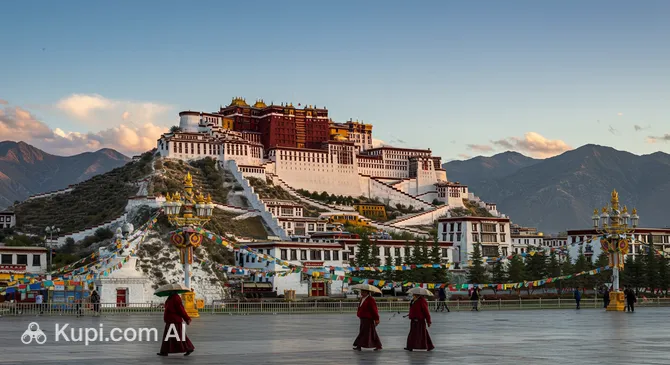
Lhasa. Source: Kupi.Binoculars

The city is situated in a small basin surrounded by the Himalaya mountains, creating a climate that is cool and dry, yet surprisingly mild during the day thanks to the intense high-altitude sun. With a population of approximately 900,000, Lhasa balances its role as a bustling modern center with its ancient traditions. The history of Lhasa spans more than 1,300 years, transforming it from a remote settlement into a renowned center of Tibetan Buddhism and culture.

Visitors are drawn to the city's iconic skyline, dominated by the majestic Potala Palace, a UNESCO World Heritage site that was once the winter residence of the Dalai Lamas. Another spiritual focal point is the Jokhang Temple, considered the holiest temple in Tibet, where pilgrims from all over the region come to pay their respects. Surrounding the temple is the vibrant Barkhor Street, a circular pilgrimage route that doubles as a lively market filled with traditional crafts, prayer wheels, and the scent of juniper incense.

Whether you are seeking spiritual enlightenment, historical wonders, or simply the adventure of a lifetime on the "Roof of the World," Lhasa promises an unforgettable journey. The unique atmosphere, characterized by devotion and serenity against a backdrop of snow-capped peaks, makes a visit here a truly transformative experience.
Weather Overview

The climate in Lhasa is defined by its high altitude, creating a distinct environment with cool temperatures throughout the year. Due to the thin air, the sun can feel quite intense during the day, even when the air is chilly. For a comprehensive forecast and detailed breakdown of conditions for your trip, you can consult the guide to the weather in Lhasa.

Winters are cold and very dry. In January, the average temperature sits at around -8.6°C, with nighttime lows plummeting to -15.8°C. However, precipitation is virtually non-existent during these months, and there are very few wet days, resulting in clear, crisp winter skies that are excellent for viewing the mountain scenery.

From late spring into summer, the city warms up, though it rarely gets hot. By July, the average temperature rises to 11.4°C, with daily highs reaching a comfortable 15.8°C. This season is characterized by a significant increase in moisture; while the total precipitation volume remains low (peaking at around 7mm), the frequency of precipitation is high, with July experiencing up to 28 wet days. Expect cool summers with frequent damp days and cold, dry winters.

Interesting Facts

Beyond the well-known spiritual landmarks, Lhasa holds many fascinating secrets and unique characteristics that often surprise visitors. From ancient legends about its foundations to the quirks of modern life at high altitude, the city offers plenty of intrigue for the curious traveler.
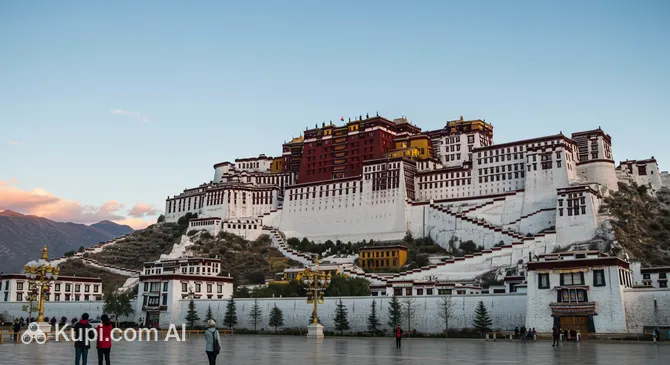
Potala Palace. Source: Kupi.Binoculars
  • According to local legend, the city was not always known as the "Place of Gods." It was originally called "Rasa," which translates to "Place of Goats." Folklore suggests that goats played a crucial role in carrying soil to fill a lake, creating the foundation upon which the sacred Jokhang Temple was built.

  • The walls of the Potala Palace are maintained in a surprisingly appetizing way. During the annual restoration season, a traditional mixture of lime, milk, sugar, honey, and brown sugar is used to whitewash the walls, leading some to affectionately describe it as the "sweetest" palace in the world.

  • Despite being located in the far west of the country, Lhasa operates on Beijing Standard Time. This geographical quirk creates a significant gap between the official time and solar time, meaning the sun can rise as late as 8:00 AM and set well after 9:00 PM during the summer months.

  • Due to the thin air at 3,650 meters, Lhasa is one of the few cities globally where "oxygen bars" are a common facility. Many hotels and even internet cafes provide oxygen supplies to help visitors acclimatize to the high altitude and avoid altitude sickness.

How to Get There

Reaching the "Roof of the World" is an adventure in itself, offering travelers spectacular views of the Himalayas and the Tibetan plateau. While the journey was once arduous, modern transport links have made the city much more accessible. For a complete overview of all travel options, including routes and logistics, you can read more about how to get to Lhasa.

The primary gateway for most visitors is Lhasa Gonggar Airport (IATA: LXA). It is a significant transport hub with a large volume of annual passenger traffic, connecting the region to major cities across China. The airport is located approximately 46 km from the city center. A trip by taxi or airport bus usually takes around 1 hour and 30 minutes, winding through impressive mountain landscapes.

Alternatively, travelers can fly into Shigatse Peace Airport (IATA: RKZ), which is located in the city of Shigatse. This airport operates on a smaller, regional scale compared to Gonggar. It is situated about 180 km from Lhasa, making the transfer longer. Expect the journey by road from Shigatse to Lhasa to take approximately 4 hours and 50 minutes.

For clarity, here is a summary of the main airports serving the region:

Airport Name City Passenger Traffic Km from City
Lhasa Gonggar Airport Lhasa High 45.9
Shigatse Peace Airport Shigatse Medium 180.3

Main Attractions

Lhasa is a city where spirituality and history are woven into every street corner. The main attractions here are not just tourist sites but living centers of faith and culture, offering visitors a profound glimpse into traditions that have endured for centuries. From towering palaces to bustling pilgrim circuits, the city's landmarks are as breathtaking as the surrounding Himalayan landscape.

Dominating the city from the Red Hill, the Potala Palace is the undisputed symbol of the region. This massive architectural wonder, with its distinct Red and White Palaces, rises 13 stories high and contains thousands of rooms filled with exquisite murals, jeweled stupas, and historical treasures. It is interesting to tourists not only for its sheer scale and beauty but also as the former winter residence of the Dalai Lamas, offering a deep dive into the artistic and religious heritage of the area.

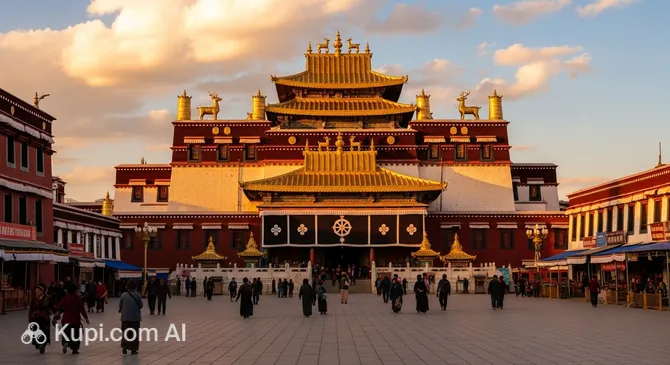
Located in the center of the old town, the Jokhang Temple is considered the spiritual heart of Lhasa. Built in the 7th century, it houses the revered life-sized statue of the 12-year-old Sakyamuni Buddha, brought to the city by Princess Wencheng. Visitors are captivated by the intense atmosphere of devotion here, where the air is thick with the scent of yak butter lamps and the sound of murmuring mantras from pilgrims who have traveled great distances to pay their respects.

Jokhang Temple. Source: Kupi.Binoculars

Surrounding the Jokhang Temple is Barkhor Street, a vibrant kora (pilgrim circuit) and marketplace. It is a fascinating place to witness daily life, as locals walk clockwise around the temple spinning prayer wheels and chanting. For tourists, it offers a unique opportunity to explore traditional architecture, buy local handicrafts like thangkas and turquoise jewelry, and immerse themselves in the bustling energy of the city.

A short distance from the city center lies Norbulingka, the traditional summer residence of the Dalai Lamas. Known as the "Jewel Park," it features the largest man-made garden in the region, dotted with palaces, pavilions, and ponds. It provides a peaceful contrast to the busy streets of Lhasa and allows visitors to appreciate intricate carpentry and beautifully landscaped grounds that change with the seasons.

Another must-visit site is the Sera Monastery, famous for its animated monk debates. Every afternoon, monks gather in the courtyard to debate Buddhist philosophy with vigorous gestures and distinctive clapping. This dynamic tradition offers a rare and engaging glimpse into the rigorous education system of Tibetan Buddhism, making it a memorable highlight for cultural enthusiasts.

Local Cuisine

The local cuisine in Lhasa is a direct reflection of its high-altitude environment, designed to provide warmth and energy in the thin mountain air. Tibetan food is hearty, rustic, and distinctively flavored, relying heavily on barley, dairy, and meat. For travelers, dining here is not just about sustenance; it is an immersion into a culture that has thrived on the "Roof of the World" for centuries.

One of the most ubiquitous staples is Yak meat, which is lean, protein-rich, and found in various forms, from dried jerky to rich stews. It is often paired with Tsampa, a roasted barley flour that serves as the daily bread for many Tibetans. Locals mix Tsampa with butter tea to form a dough, eating it with their hands—a simple yet nutritious meal that has powered Himalayan trekkers for generations. Another must-try dish is Momos, delicious Tibetan dumplings filled with yak meat or vegetables, usually steamed or fried and served with a spicy dipping sauce.

When it comes to beverages, the city offers unique flavors that are rarely found elsewhere. Butter tea (Po Cha) is the traditional drink of choice; made with tea leaves, yak butter, and salt, it is an acquired taste for some but essential for hydration and warmth. For those with a sweet tooth, Sweet tea is incredibly popular and can be found in teahouses on almost every corner. If you are looking to try a local alcoholic beverage, ask for Chang, a mild and slightly sour barley wine that is often homemade and consumed during celebrations.

The food culture in Lhasa is deeply social, centering around traditional teahouses where locals gather to chat, play games, and sip tea for hours. For an authentic gastronomic experience, head to the bustling streets surrounding the Jokhang Temple. This area, particularly along Barkhor Street, is packed with eateries serving steaming bowls of Thukpa (noodle soup) and fresh flatbreads, offering a perfect respite after a day of exploring the city's spiritual heart.

Travel Tips

Preparing for a trip to the "Roof of the World" requires a bit more foresight than the average vacation, given Lhasa's unique high-altitude environment and rich cultural traditions. To ensure your journey is as smooth and spiritually rewarding as possible, here are some essential practical tips to help you navigate the city with confidence.

  1. Clothing and Gear: Due to the high elevation, the weather can change rapidly. The best strategy is to dress in layers; mornings and evenings are chilly, while the afternoon sun can be surprisingly warm. Bring a down jacket, thermal underwear, and comfortable walking shoes for the uneven cobblestones. Crucially, pack high-quality sunglasses, a wide-brimmed hat, and high-SPF sunscreen, as the UV radiation is intense. When visiting monasteries, dress modestly: avoid shorts, short skirts, and revealing tops.
  2. Transportation: Within the city, taxis and pedicabs (cycle rickshaws) are the most convenient ways to get around. Taxis are generally affordable, and pedicabs offer a slower, scenic pace perfect for short distances. Public buses are available but can be crowded and difficult to navigate without local language skills. Note that independent car rental is generally not available or practical for international tourists in this region; hiring a car with a local driver is the standard and safer option.
  3. Finances: The local currency is the Chinese Yuan (RMB). While mobile payments like Alipay and WeChat Pay are ubiquitous in China, it is highly recommended to carry cash in smaller denominations. You will need small bills for donations at temples, purchases from elderly vendors on Barkhor Street, or small teahouses that may not accept digital payments. ATMs are available in Lhasa, but it is wise to withdraw sufficient cash before heading to more remote areas.
  4. Health and Safety: The primary health concern in Lhasa is altitude sickness. Take it very easy for the first 24 to 48 hours—avoid strenuous walking, heavy meals, and alcohol. Many hotels provide oxygen supplies, and portable oxygen canisters are widely available in pharmacies. Pharmacies are common in the city center, but you should bring your own supply of personal prescription medications. Lhasa is generally very safe for tourists, but standard precautions against pickpocketing in crowded markets apply.
  5. Communication: Mandarin Chinese is the administrative language, while Tibetan is the language of the locals. English is spoken by guides and staff in major hotels, but is rarely understood by taxi drivers or shopkeepers. Download an offline translation app and an offline map before you arrive, as internet connectivity can be intermittent and western social media apps may be inaccessible without specific roaming arrangements.
  6. Local Etiquette: Respect for religious customs is paramount. Always walk clockwise around temples, stupas, and other sacred sites—this is known as performing a "kora." When visiting monasteries, remove your hat and sunglasses. If you are offered tea or a gift, receive it with both hands to show respect. It is also polite to avoid pointing at statues or people with a single finger; instead, gesture with an open palm.
  7. What to Avoid: Never take photographs inside the chapels of monasteries (like the Jokhang Temple or Potala Palace) unless explicitly told it is permitted; this is a strict rule and flash photography can damage ancient murals. Additionally, avoid touching people on the head, including children, as the head is considered the most sacred part of the body in Tibetan culture.
  8. Booking Tickets in Advance: A specific tip for Lhasa is regarding the Potala Palace. Visitor numbers are strictly limited to protect the structure. During the peak season (summer), tickets can sell out days in advance. It is strongly advisable to book your visit through a travel agency well ahead of time, and you must arrive at the specific time slot printed on your ticket, or you will be denied entry.

By keeping these practicalities in mind, you can focus on the incredible beauty and serenity that Lhasa has to offer. With a little preparation and a respectful attitude, you are sure to have a safe and unforgettable experience in this extraordinary Himalayan city.

Entertainment & Nightlife

Entertainment in Lhasa offers a distinctive blend of traditional Tibetan culture and relaxed modern leisure, far removed from the frenetic pace of coastal metropolises. The nightlife here is less about thumping bass and more about cultural immersion, live folk music, and atmospheric gatherings. Due to the high altitude, the evening pace is generally laid-back, with most travelers and locals preferring cozy environments to unwind after a day of exploration.

The heart of the city's evening activity is undoubtedly the area surrounding Barkhor Street and the Jokhang Temple. As dusk falls, the pilgrimage circuit quiets down, and the surrounding alleys light up with restaurants and tea houses. For a more modern bar scene, head to Beijing Middle Road or Deji Road, where you will find a concentration of pubs, music bars, and Western-style venues catering to a mix of tourists and young locals.

A quintessential Lhasa nightlife experience is visiting a Nangma Club. These are traditional Tibetan cabaret venues that feature colorful stage performances, including folk songs, dances, and comedy sketches. The atmosphere is vibrant and interactive, with patrons often draping khatas (white ceremonial scarves) on performers to show appreciation. It is a fantastic way to see local culture come alive in a festive setting. These venues typically stay open late, often until 2:00 AM, and the dress code is casual.

For specific venues, Makye Ame is perhaps the most famous establishment in the city. Located in a historic yellow building on the corner of Barkhor Street, it is steeped in legends regarding the 6th Dalai Lama. It serves as a restaurant and bar with a stunning view of the evening kora. Another popular spot is the Low House Music Bar, known for its extensive collection of traditional music and relaxed, bohemian vibe, making it a favorite among backpackers and music lovers.

One of the most breathtaking evening activities is simply walking to the square in front of the Potala Palace. At night, the massive structure is illuminated by floodlights, creating a golden glow against the dark Himalayan sky. It is a popular spot for a safe night walk, where you can join locals in a peaceful stroll and capture stunning photographs of the city’s most iconic landmark without the daytime crowds.

While nightlife is the current focus, daytime entertainment in Lhasa also offers enriching experiences beyond the main temples. Visitors can explore the Tibet Museum to gain deeper historical context or enjoy a picnic in the gardens of the Norbulingka. For a grand theatrical experience, the outdoor musical "Princess Wencheng" is a spectacular show staged in the evenings against natural mountain backdrops, retelling the story of the Tang Dynasty princess.

Practical advice for enjoying Lhasa at night includes dressing warmly, as temperatures drop significantly after sunset. Taxis are widely available and affordable, usually costing a flat rate or a small metered fee within the city center; simply hailing one from the street is the standard method. The city is generally very safe for night walks, especially in well-lit areas like Potala Square and Barkhor Street, but it is always wise to stay in groups and avoid unlit back alleys.

Parks & Museums

While the city is famous for its high-altitude spirituality, Lhasa also offers a surprising array of tranquil green spaces and world-class museums that preserve its rich heritage. Beyond the bustling pilgrim circuits, visitors can find serenity in lush gardens and gain deeper insights into Tibetan art and history in dedicated cultural institutions.

The most renowned green space is undoubtedly the Norbulingka, often referred to as the "Jewel Park." As the traditional summer residence of the Dalai Lamas, this UNESCO World Heritage site is a masterpiece of Tibetan gardening. It covers a vast area filled with wooded groves, colorful flower beds, and calm ponds, offering a lush contrast to the arid mountain landscape. It is a favorite spot for locals to picnic during the Shoton Festival and for tourists to enjoy a peaceful walk among ancient trees and ornate pavilions.

For a more local experience, Dzongyab Lukhang Park is a hidden gem located directly behind the Potala Palace. Originally formed from the pit excavated to build the palace, it is now a scenic retreat featuring a lake, willow trees, and charming bridges. It is one of the best places to witness authentic daily life, as residents gather here to dance, exercise, and play traditional instruments against the stunning backdrop of the palace reflected in the water.

Another significant natural area is the Lhalu Wetland National Nature Reserve, often called the "Lung of Lhasa." This vast high-altitude urban wetland plays a crucial role in regulating the city's climate and oxygen levels. It is a paradise for birdwatchers, especially in winter when migratory species like the black-necked crane and bar-headed goose make it their home. Walking along the designated boardwalks provides a unique perspective of the city's ecosystem.

When it comes to museums, the Tibet Museum is the premier institution for understanding the region's history and culture. The museum houses a massive collection of artifacts, including prehistoric tools, exquisite thangkas (scroll paintings), musical instruments, and handicrafts. Its exhibitions offer a comprehensive overview of the social and artistic development of the region, making it an essential stop for anyone wanting to contextualize the sights they see around the city.

While technically a historic residence, the Potala Palace itself functions as one of the world's greatest museums. Its interior is a treasure house of Tibetan art, containing thousands of square meters of precious murals, golden stupas, and rare scriptures. Every chapel and hall displays centuries of craftsmanship, offering an unparalleled look at the religious and artistic wealth accumulated over generations.

For an authentic insider experience, try visiting the Tibet Yak Museum. It is the only museum in the world dedicated entirely to the yak, an animal essential to survival on the plateau. This unique venue explores the deep bond between the Tibetan people and yaks through themes of linguistics, art, and daily life, offering a fascinating and slightly quirky cultural perspective.

Getting Around

Navigating Lhasa is surprisingly convenient for a city located at such a high altitude. While the public transport network is not as complex as in China's coastal megacities, it is efficient, affordable, and well-suited to the city's relatively compact size. The primary modes of transportation for locals and visitors alike are public buses and taxis, supplemented by unique local options that add charm to the travel experience.

The public bus system is the backbone of the city's transport, covering almost every major attraction, including the Potala Palace, Norbulingka, and the outskirts near the great monasteries. The buses are generally modern and clean. One of the most tourist-friendly aspects is the pricing: the fare is typically a flat rate of 1 RMB for most routes within the city, regardless of distance. Some longer suburban lines may cost slightly more, usually around 2 RMB.

Regarding payment, the system is simple but requires preparation. Most buses operate on a self-service basis without conductors. You must drop the exact fare into the coin box upon entry, as drivers do not carry change. While locals frequently use IC transport cards or mobile payment apps like WeChat Pay and Alipay, these can be difficult for short-term visitors to set up without a local bank account. Therefore, keeping a steady supply of 1 RMB coins or notes is the most practical advice for tourists.

Buses generally operate from early morning, around 6:30 AM, until the evening, typically ending service between 9:00 PM and 10:00 PM depending on the route and season. Bus stops are clearly marked, but route maps are almost exclusively in Chinese. To navigate successfully, it is highly recommended to use a navigation app on your phone to identify the bus number you need, or ask your hotel concierge to write down the destination and route number in Chinese before you leave.

Taxis are an extremely popular and reasonably priced alternative. You will see them everywhere, usually painted in distinctive blue and white or green colors. Fares are metered, starting at a low base rate, making them very affordable for cross-town trips. It is common practice in the city for drivers to pick up additional passengers if they are heading in the same direction, a system of informal carpooling. Do not be surprised if your taxi stops to let someone else in; it is a standard local custom.

For a slower, more atmospheric journey, especially within the historic old town, consider taking a pedicab (cycle rickshaw). These three-wheeled vehicles are perfect for navigating the narrow streets around Barkhor Street where cars might be restricted. They offer a leisurely pace to soak in the sights. However, unlike taxis, they do not have meters. You must negotiate the price with the driver before you get in to avoid misunderstandings later. It is a fun, traditional way to travel short distances.

Currently, Lhasa does not have an operational metro (subway) system. While ride-hailing apps are available, hailing a taxi directly from the street is often just as fast and convenient. Shared bikes are visible around the city, but the registration process often requires a local ID, making them less accessible for international travelers. Given the high altitude, combining short walks with taxis or buses is often the most comfortable strategy to conserve energy while exploring.

Accommodation

Where to Stay:

Finding the right place to stay in Lhasa is an essential part of the travel experience, with options ranging from traditional Tibetan guesthouses to modern, high-end international hotels. The city’s hospitality sector has developed significantly, ensuring that travelers of all budgets and preferences can find comfortable lodgings. Whether you prefer the rustic charm of a family-run inn or the amenities of a 5-star luxury resort, Lhasa offers a welcoming base for acclimatizing to the high altitude.

For most visitors, the location is the primary consideration. The most popular area to stay is the Old Town, particularly the neighborhoods surrounding the Jokhang Temple and Barkhor Street. Staying here immerses you in the authentic atmosphere of the city, with pilgrims passing by your doorstep and markets just a short walk away. The hotels here often feature traditional Tibetan architecture and décor, providing a culturally enriching experience.

Alternatively, the modern city center, generally located to the west of the Old Town and closer to the Potala Palace, offers a different vibe. This area is home to larger, contemporary hotels, including well-known international luxury chains. These establishments typically offer spacious rooms, oxygen amenities to help with altitude sickness, and convenient access to transport links, making them a practical choice for those prioritizing comfort and modern facilities.

Booking Tip: Due to the specific travel regulations for the Tibet Autonomous Region, accommodation is often arranged as part of your tour package. If you are booking independently, ensure your hotel is licensed to accept foreign guests, as not all establishments have this permission. It is highly advisable to book well in advance, especially during the peak summer months (June to September) and during major festivals like Shoton, when the city fills up quickly.

Prices in Lhasa vary depending on the season and the level of luxury. Budget travelers can find dormitory beds or simple private rooms in guesthouses for reasonable rates. Mid-range hotels offer standard 3-star amenities and are widely available. For those seeking luxury, the city boasts several top-tier properties that provide exceptional service and comfort, though prices can be comparable to major international cities. Most bookings can be made via major online platforms, but confirming your reservation through your travel agency is the safest bet to ensure compliance with local permit requirements.

Nearby Cities

Exploring the region surrounding Lhasa reveals the sheer magnitude of the Tibetan Plateau. In this vast landscape, the concept of "nearby" is relative; traveling to neighboring cities often involves embarking on epic road trips across high-altitude passes and through deep valleys. However, these journeys are rewarding, offering travelers a chance to see the changing face of the "Roof of the World" and visit other significant cultural centers.

The most popular destination for those leaving the capital is Shigatse. Located approximately 223 km to the west, it is the second-largest city in the Tibet Autonomous Region and serves as the traditional seat of the Panchen Lama. The route there is spectacular, often passing by the turquoise waters of Yamdrok Lake. Shigatse is also a crucial stopover for adventurers heading further towards Mount Everest Base Camp.

Heading east, the journey leads to Chamdo, known as the "Pearl of Eastern Tibet." Situated about 603 km away, it sits at the confluence of two major rivers and offers a different geographical perspective with its deep gorges and lush vegetation compared to the arid central plateau. For those willing to travel even further, Yushu offers a gateway to the source of three great Asian rivers, while Tengchong (890 km away) provides a dramatic contrast with its volcanic landscapes and geothermal springs.

Here is a breakdown of the cities in the wider region, along with their distances from Lhasa:

City Name Population Distance (km)
Shigatse 798,153 223
Chamdo 760,966 603
Yushu 1,304,436 671
Tengchong 644,765 890
Longba 2,567,718 894

Shopping & Souvenirs

Shopping in Lhasa offers a fascinating blend of ancient tradition and modern convenience, providing tourists with a unique opportunity to take a piece of Tibetan culture home with them. The city is renowned for its exquisite handicrafts, religious artifacts, and distinct local products that you will not find anywhere else in the world. From bustling open-air bazaars filled with the scent of incense to contemporary department stores, the retail experience here is as colorful and spiritual as the city itself.

The most famous and vibrant shopping destination is undoubtedly Barkhor Street. This ancient circular street surrounds the Jokhang Temple and serves as both a sacred pilgrimage route and a thriving marketplace. Here, visitors can wander through a maze of stalls and shops selling everything from prayer wheels and traditional Tibetan robes to intricate silver jewelry. The atmosphere is electric, with the hum of bargaining mixing with the chanting of pilgrims, making it an essential stop for anyone looking for authentic souvenirs.

For those seeking a more modern retail experience, Yuthok Road is the main commercial artery of the city. This is where you will find the Lhasa Department Store, the largest and oldest shopping mall in the region. It offers a wide range of goods including clothing, electronics, and cosmetics, alongside a supermarket stocked with local snacks. Another popular spot is the Shenli Times Square, a newer complex that features international brands, a food court, and a cinema, providing a familiar shopping environment for international travelers.

To see where the locals shop for their daily necessities, a visit to the Tromzikhang Market is highly recommended. Located near the old town, this bustling wholesale market is a sensory overload of sights and smells. It is the best place to buy authentic local produce such as yak butter, dried cheese, tea bricks, and saffron. It offers a raw and unfiltered glimpse into the daily life of Lhasa's residents and is a great spot for photographers and adventurous foodies.

When it comes to souvenirs, Lhasa has several signature items that are highly prized. Thangkas (traditional scroll paintings) are a top choice, depicting Buddhist deities and mandalas with incredible detail. Tibetan jewelry, characterized by chunky silver set with turquoise and red coral, is also very popular. Other excellent gifts include hand-woven Tibetan carpets, aromatic incense, and carved wooden bowls. Be cautious when buying expensive antiques or gemstones; it is advisable to purchase these from reputable government-regulated stores to ensure authenticity.

Most shops in Lhasa open around 10:00 AM and close between 8:00 PM and 9:00 PM, though hours can vary by season. While larger malls and hotels accept credit cards and mobile payments like WeChat Pay or Alipay, cash is still king in the smaller markets and street stalls. Bargaining is a standard part of the culture on Barkhor Street and in local markets; approaching it with a smile and a friendly attitude will often result in a fair price and a pleasant interaction.

Reached the end of the page?

That means the route is fully explored