Support

Trashigang

About

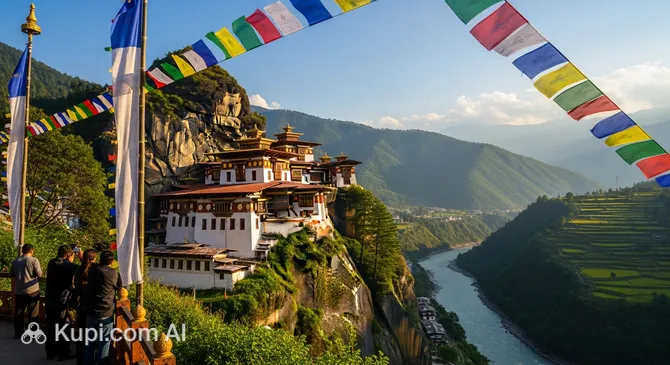
Perched precariously on a steep hillside overlooking the Drangme Chhu river, Trashigang is the bustling heart of eastern Bhutan. As the administrative center of the Trashigang District, this town serves as a strategic junction for travelers and locals alike, offering a unique blend of semi-urban energy and breathtaking natural beauty. Despite its status as a major hub in the region, it retains a quaint atmosphere with a population of approximately 3,000 residents, making it an intimate destination for exploration.

Trashigang. Source: Kupi.Binoculars

The town is steeped in tradition and cultural significance. Exploring the history of Trashigang reveals its former importance as a vibrant marketplace for cross-border trade. Today, the centerpiece of the town is undoubtedly the majestic Trashigang Dzong, a fortress built in the 17th century that commands a panoramic view of the surrounding valleys. Visitors are also drawn to the lively town square, where the local culture comes alive, and the nearby Rangjung Woesel Choeling Monastery, which offers spiritual solace and architectural splendor.

With its stunning scenery and role as a gateway to the wilder eastern regions, Trashigang invites adventurers to step off the beaten path. Whether you are admiring the traditional architecture or using the town as a base for trekking into the remote wilderness, a visit here promises an unforgettable glimpse into the authentic soul of the Himalayas.

Weather Overview

The climate in Trashigang is generally temperate, characterized by mild summers and cool winters, making it a distinct destination within the Himalayas. During the warmest months of July and August, average temperatures hover around 18.0°C, rarely exceeding 21°C, which provides a comfortable atmosphere for exploration. However, visitors during this season should be prepared for frequent moisture, as these months can experience up to 31 wet days, although the overall precipitation volume remains moderate.

In contrast, the winter season from December to February brings crisp and much drier conditions. Average temperatures drop to between 5.5°C and 7.6°C, with overnight lows occasionally dipping near freezing. For those looking to time their visit perfectly, consulting the detailed guide to weather in Trashigang can be very helpful. Generally, you can expect mild, damp weather in the summer and cold, clear days during the winter months.

Interesting Facts

Beyond the main attractions, Trashigang holds many fascinating secrets and serves as a gateway to some of the most unique legends in the Himalayas. This region is not only an administrative hub but also a keeper of ancient myths and distinct cultural traditions that are rare even within Bhutan.

  • Home of the Yeti: The district is the primary entry point to the Sakteng Wildlife Sanctuary, which is famous for being the only protected area in the world created specifically to preserve the habitat of the Migoi, or Yeti. Local folklore strongly believes that this mythical creature roams the dense, pristine forests of the region.

  • Gateway to the Brokpas: Trashigang is the starting point for journeys to the remote valleys of Merak and Sakteng, home to the semi-nomadic Brokpa people. This community is distinct for their unique dialect and iconic yak-hair hats, which feature twisted tufts designed to channel rainwater away from the face.

  • Legacy of the Iron Bridge Builder: Just outside the town lies the site of the Chazam Bridge, crossing the Drangme Chhu river. While the current structure is modern, it marks the location of one of the original iron chain bridges built by the legendary 15th-century saint and engineer, Thangtong Gyalpo, highlighting the area's deep historical roots.

How to Get There

Reaching the eastern heights of Bhutan requires some planning, as the region is tucked away in the Himalayas. For those looking for the quickest route, more about how to get to Trashigang can be found in our detailed guide. The town is directly served by Trashigang (Yonphula) (IATA: YON), a domestic airport situated just 9.3 km from the city center. Although it is a small facility with limited traffic, it provides a vital link to the rest of the country. The drive from the airport to the town typically takes around 35 minutes by taxi, winding through scenic hills.

Most international visitors will first land at Paro Airport (IATA: PBH) in the city of Paro. Located roughly 210 km west of Trashigang, this is the nation's primary aviation hub. Because the distance involves navigating winding mountain roads, the overland journey can be quite long. Consequently, many travelers opt to catch a connecting domestic flight from Paro to Yonphula. If you choose to travel by road from Paro, be prepared for a significant journey that showcases the country's diverse landscapes.

For clarity, here is a summary of the main airports:

Airport Name City Passenger Traffic Km from City
Paro Airport Paro Large 210.6
Shillong Airport Shillong Large 185.4
Jakar (Bathpalathang) Jakar Medium 83.7
Gelephu Gelephu Small 118.4
Trashigang (Yonphula) Trashigang Small 9.3

Main Attractions

Trashigang offers a fascinating array of sites that reflect the spiritual depth and historical significance of Eastern Bhutan. From imposing fortresses clinging to cliffs to serene temples hidden in valleys, the attractions here provide a deep dive into the region's unique culture and architecture.

Trashigang Dzong is the town's most iconic landmark and an architectural marvel. Built in the 17th century on a high spur overlooking the junction of the Drangme Chhu and Gamri Chhu rivers, it is known as the "Fortress of the Auspicious Hill." While it serves as the administrative headquarters for the district, it is highly interesting to tourists for its strategic location and commanding views. The interior courtyards showcase fine Bhutanese woodwork and art, and it hosts the vibrant annual Trashigang Tshechu festival, drawing visitors who wish to witness traditional mask dances.

Located about 24 kilometers from the main town, Gom Kora (Gomphu Kora) is a site of immense spiritual importance. Set by the riverbank in a lush green setting, this small temple marks the spot where Guru Rinpoche is believed to have mediated and subdued a demon. Tourists are drawn here not just for the peaceful atmosphere but to see the unique rock formations, including a narrow passage that challenges devotees to squeeze through as a test of their sinlessness. It is a perfect spot for a scenic day trip and a picnic.

For those interested in local craftsmanship and rural life, Radhi Village is a must-visit destination nearby. Often referred to as the "Rice Bowl of the East" due to its verdant paddy fields, Radhi is even more famous for its production of bura, or raw silk textiles. Visitors can watch local weavers creating intricate patterns on traditional backstrap looms. The village offers a picturesque landscape of terraced fields and traditional farmhouses, providing a genuine glimpse into the daily lives of the eastern Bhutanese people.

Rangjung Woesel Choeling Monastery stands out for its distinctive architectural style, which differs from the traditional Bhutanese dzongs. Located in the town of Rangjung, this monastery was founded by Garab Rinpoche and follows the Nyingmapa tradition. It is built in a Tibetan style, perched on a hillock that offers sweeping views of the surrounding valley. Tourists appreciate the monastery for its welcoming atmosphere and the opportunity to observe the daily lives of the monks who study and reside there.

Local Cuisine

The culinary landscape of Trashigang offers a fiery and authentic taste of the Himalayas, deeply rooted in the traditions of Eastern Bhutan. Unlike the western parts of the country where red rice is the primary staple, the east is known for its heavy reliance on maize. Consequently, a signature dish you must try here is Kharang, a hearty meal made from pounded maize grits. It is often served as a substitute for rice and pairs perfectly with the region's rich, spicy stews, providing a unique texture and flavor that defines the local diet.

No meal in Trashigang is complete without the national dish, Ema Datshi, a potent mix of chilies and local cheese. In this region, chilies are treated as a vegetable rather than a spice, meaning the heat levels can be intense. For a slightly milder option, you can try Kewa Datshi, which consists of potatoes and cheese, or Shamu Datshi, made with mushrooms. Another favorite is Momos, steamed dumplings filled with cheese, pork, or beef, often served with a spicy chili paste on the side. These are perfect for warming up during the cool evenings.

To wash down the spicy food, locals turn to traditional beverages that are integral to the culture. Suja, or butter tea, is a savory drink made from fermented tea leaves, butter, and salt; it is an acquired taste but provides essential energy for the high altitude. On social occasions, you will likely encounter Ara, a locally brewed alcoholic spirit made from fermented rice or maize. It is sometimes served warm with poached eggs floating in it, a custom known as Ara with egg, representing a gesture of warm hospitality.

The dining scene in Trashigang is modest yet welcoming, characterized by small, family-run eateries rather than upscale restaurants. These establishments, often referred to locally as "hotels," offer a cozy atmosphere where you can eat alongside residents. The experience is less about fine dining and more about hearty, home-cooked meals prepared with fresh, organic ingredients sourced from the nearby terraced fields. Whether you are grabbing a quick snack at a roadside stall or sitting down for a full meal, the food here reflects the warmth and resilience of the eastern Bhutanese people.

Travel Tips

Welcome to Trashigang, the vibrant hub of eastern Bhutan where clouds often drift right through the streets. To help you navigate this cliffside town and its surrounding cultural treasures with ease, here are some practical tips to ensure a smooth and memorable journey.

  1. Clothing and Gear: Since the weather can be unpredictable, layering is essential. Bring a warm jacket for cool evenings and a raincoat if visiting in summer. Comfortable, sturdy walking shoes are a must for the town's steep terrain. If you plan to visit Trashigang Dzong or other religious sites, a strict dress code applies: wear long pants or skirts, and shirts with collars and long sleeves.
  2. Transportation: The town center is compact and best explored on foot, though be prepared for plenty of stairs. For excursions to nearby places like Radhi or Rangjung, taxis are the most reliable option and can be found at the main parking area. Ride-hailing apps are not available here, so it is best to arrange a driver or taxi for the day through your hotel or tour operator.
  3. Finances: The local currency is the Ngultrum (BTN), which is pegged to the Indian Rupee. While Indian Rupees are widely accepted, it is best to carry smaller denominations. Credit cards are rarely accepted outside of a few major hotels, so carrying sufficient cash is crucial. There are ATMs in town, but they can occasionally be out of service, so bring backup cash.
  4. Health and Safety: Trashigang is very safe, but the winding mountain roads leading here can cause motion sickness; carrying appropriate medication is highly recommended. A district hospital is available for medical emergencies. Be cautious of stray dogs at night, as they can be territorial and noisy; earplugs might help ensure a good night's sleep.
  5. Communication: English is widely spoken and understood, especially by younger people and those in the tourism industry. The local language is Sharchop (Tshangla), and learning a simple greeting like "Kuzuzangpo La" (Hello) will be warmly received. SIM cards from B-Mobile or TashiCell can be purchased in town for data connectivity, though coverage may be spotty in remote valleys.
  6. Local Etiquette: Respect is paramount in the local culture. Always walk clockwise around chortens (stupas) and prayer wheels. When visiting temples, remove your shoes and hats before entering. It is polite to ask for permission before taking photos of people, and photography is strictly prohibited inside the prayer halls of monasteries and dzongs.
  7. What to Avoid: Do not smoke in public areas. The country has strict tobacco control laws, and smoking is generally frowned upon in public spaces; restrict it to designated areas if necessary. Also, avoid pointing your finger at religious statues or people; use an open palm gesture instead.
  8. Be Prepared for the "Vertical" Layout: Trashigang is built on a steep slope, meaning you will often find yourself walking up or down stairs to get anywhere. Pace yourself, especially if you are not used to the altitude, and enjoy the unique vantage points this verticality offers over the Drangme Chhu valley.

By keeping these practicalities in mind, you will be well-equipped to immerse yourself in the authentic charm of the east. Enjoy the warm hospitality of the locals and the breathtaking views that make Trashigang truly special.

Entertainment & Nightlife

Nightlife in Trashigang is a tranquil affair, reflecting the town's serene Himalayan setting rather than a bustling urban beat. Unlike the capital, Thimphu, there are no pulsating nightclubs or loud discotheques here. Instead, the evening entertainment revolves around intimate gatherings, warm hospitality, and relaxed conversations. The town tends to shut down early, with most shops and local eateries closing their shutters by 8:00 PM or 9:00 PM. For visitors, the "nightlife" is usually found within the cozy confines of hotel bars or small, family-run establishments where you can unwind after a day of trekking.

The social hub of the town is undoubtedly the main Town Square, anchored by a large prayer wheel and the iconic traffic circle. While the streets quiet down at night, this area remains the heart of local activity. Most travelers prefer the bars located within the main hotels, such as the Druk Deothjung Resort, which offers a well-stocked bar and a terrace with stunning views of the valley at twilight. Another welcoming spot is the dining area at Hotel Kuenphen, where you can enjoy a local Red Panda Weiss beer or a glass of warm Ara in a relaxed setting. The atmosphere is casual and unpretentious; there is no dress code, but dressing warmly is essential as temperatures drop significantly after sunset.

If you plan to venture out, timing is key. It is best to head out for dinner or drinks around 7:00 PM, as kitchen service often ends early. Prices are generally affordable, with local beverages costing much less than imported brands. Getting around at night requires some planning; taxis are rarely available after dark, so you will likely be walking. While the town is extremely safe for tourists in terms of crime, the streets are dimly lit and often patrolled by packs of stray dogs that can be aggressive and noisy. Carrying a flashlight and walking in a group is highly recommended to ensure a comfortable return to your accommodation.

During the day, entertainment in Trashigang takes a more traditional and cultural form. You will not find modern amusement parks or multiplex cinemas here. The primary source of local excitement is Archery, Bhutan's national sport. On weekends and holidays, the local archery ground comes alive with friendly but fiercely competitive matches, accompanied by singing and dancing cheerleaders. It is a vibrant spectacle that serves as the town's open-air theater. For a quieter experience, a stroll through the small bazaar offers a chance to observe daily life and interact with shopkeepers, providing a simple yet engaging diversion from the steep mountain treks.

Parks & Museums

While Trashigang may not boast manicured city parks or vast modern museum complexes, the entire region functions as an open-air gallery of pristine nature and living heritage. The town's charm lies in its dramatic topography, where steep hillsides serve as vertical gardens and ancient fortresses house the cultural treasures of the community in Eastern Bhutan.

Sakteng Wildlife Sanctuary stands out as the premier natural area in the wider district. Often referred to as the "Lost World," this protected park is a biodiversity hotspot designed to preserve the unique flora of the Himalayas. For visitors, it offers a rugged, untouched landscape of vibrant rhododendron forests and alpine meadows that feels worlds away from modern civilization. It is an ideal destination for trekkers seeking solitude and a deep connection with the wild environment.

Closer to the town, the banks of the Drangme Chhu River provide a serene escape for those looking to enjoy nature without a strenuous trek. The river valley offers spots for quiet contemplation or riverside picnics, surrounded by the towering cliffs that characterize the region. The sound of the rushing water and the sight of prayer flags fluttering in the wind create a naturally meditative environment, perfect for unwinding after exploring the town's steep streets.

In terms of cultural institutions, the National Handloom Centre in nearby Khaling is the closest equivalent to a formal museum and gallery. Since this region is the heartland of the country's textile tradition, the center plays a crucial role in preserving the art of weaving. Visitors can observe the intricate process of creating Kishuthara (silk patterns) and learn about the natural dyeing techniques used for centuries. It serves as a vibrant showcase of the region's artistic identity.

The Trashigang Dzong itself acts as the town's primary cultural repository. While it is a functioning administrative and religious center rather than a static museum, its architecture and the artifacts housed within its temples offer a profound insight into local history. The woodwork, statues, and religious murals found here are masterpieces of traditional craftsmanship, allowing visitors to appreciate the spiritual and artistic depth of the district up close.

Among the significant historical sites, the Chazam Bridge offers a fascinating visual experience just outside the town. This site marks the location of an ancient crossing point over the river. Although the bridge has been modernized to handle current traffic, the remaining iron links from the original chain structure are still visible, serving as a testament to the incredible engineering feats of the past and the area's historical importance as a trade route.

For a truly authentic experience, look beyond formal venues and visit a local weaver's home in the villages of Radhi or Khaling. Unlike a sterile museum display, this offers a chance to see the "living culture" of the east. You can sit with the artisans, watch them work on backstrap looms, and perhaps even purchase a textile piece directly from the creator, ensuring a genuine connection to the local heritage.

Getting Around

Given the modest size and steep, mountainous terrain of Trashigang, the public transport system differs significantly from what you might find in large metropolitan areas. There are no metros, trams, or trains in the city. The town is compact enough that the central area is best navigated on foot, although the vertical layout involves plenty of stairs. For distances beyond the immediate town center, the transport network relies almost entirely on road-based options, primarily taxis and regional buses.

Taxis serve as the most practical and popular means of local transport for tourists and residents alike. You will find them gathered at the main parking area near the town square or the bus terminal. They operate on two models: reserved (private hire) or shared. Shared taxis are a common way to travel to nearby towns like Rangjung or Wamrong; they wait until the vehicle is full before departing and offer a very cost-effective rate. If you prefer a private ride to specific attractions or the airport, it is standard to hire the entire vehicle.

For longer journeys connecting Trashigang to other districts, buses are the primary option. The local bus terminal is located right in the heart of the town. These buses, operated by the Road Safety and Transport Authority (RSTA) and private companies, are generally comfortable coasters or smaller buses designed to navigate narrow mountain roads. They run on fixed schedules, usually departing early in the morning. While they are not used for hopping around the city itself, they are essential for reaching neighboring regions.

Regarding payment, cash is the only accepted method for all forms of local transport. There are no travel passes, smart cards, or mobile ticketing apps available here. You must pay the driver directly in the local currency (Ngultrum) or Indian Rupees. For shared taxis and buses, fares are generally fixed by the government, but for private taxi hires, it is advisable to confirm or negotiate the price before starting your journey. Carry small denominations, as drivers may not always have change for large notes.

Alternatives to public transport are limited. Car rentals are available but almost exclusively come with a hired driver; self-driving is not common or recommended due to the challenging road conditions. There are no ride-sharing apps like Uber or bike-rental schemes in the town. Most tourists arrange a vehicle and driver through their tour operator for the duration of their stay, which provides the most flexibility for exploring the surrounding valleys.

A few practical tips will help you navigate smoothly: bus tickets for long-distance travel should be purchased a day in advance at the bus station counter to ensure a seat. Taxis do not run late into the night, so if you have evening plans away from your hotel, arrange a round-trip pick-up beforehand. Finally, be prepared for the "Bhutanese massage"—the local term for the bumpy rides on winding roads—and enjoy the scenic journey that constitutes the local transit experience.

Accommodation

Accommodation in Trashigang reflects the town’s remote and rugged character. Unlike the western districts of Bhutan which boast numerous luxury 5-star properties, this eastern hub offers a more modest selection of lodgings. The options here primarily consist of mid-range hotels, family-run guesthouses, and budget-friendly lodges. While you will not find international hotel chains or opulent amenities, the local establishments make up for it with warm, personalized hospitality and some of the most dramatic views in the country.

The geography of the town—built on a steep cliffside—dictates where you stay. Most accommodation is concentrated around the main town square and the immediate upper and lower market areas. staying in the town center offers the convenience of being within walking distance of the Trashigang Dzong, shops, and the bus terminal. However, because the town is compact, even hotels located slightly on the periphery are just a short walk (or climb) away from the center.

For those seeking the most comfortable stay available, the Druk Deothjung Resort is often the preferred choice for travelers. Located just above the main town, it is renowned for its expansive terrace that offers breathtaking panoramic views of the valley and the dzong below. Another popular option is Hotel Kuenphen, situated right in the heart of the town. It is favored for its central location, making it an excellent base for exploring the bazaar and accessing local eateries.

Booking Tip: Due to the limited number of quality hotels in the region, rooms can fill up incredibly fast, especially during the annual Trashigang Tshechu festival (usually in November or December). It is highly advisable to book your accommodation several months in advance if you plan to visit during this vibrant cultural event.

In terms of pricing, accommodation in Trashigang is generally affordable and falls into the budget to mid-range category. Most bookings for international tourists are handled directly by tour operators as part of the visa package, ensuring you are placed in government-approved standard hotels. If you are traveling independently (e.g., regional tourists), you can often book directly by phone or email. Be aware that while some larger hotels accept credit cards, the internet connection can be unreliable, so carrying sufficient cash to settle bills is always a smart precaution.

Nearby Cities

For those looking to explore the surroundings, Trashigang serves as an excellent base for day trips to several interesting nearby locations:

City Population Distance (km)
Thimphu 104000 190
Phuentsholing 27658 220
Tsirang 25000 139
Paro 15000 211
Gelephu 9858 117

While the major cities listed above are significant hubs in Bhutan, the mountainous terrain means travel times can be long. For more immediate day trips closer to Trashigang, travelers often head to Trashi Yangtse. Located approximately 50 kilometers away, this charming town is famous for the Chorten Kora, a magnificent stupa modeled after the Bodhnath Stupa in Nepal. It is also home to the National Institute for Zorig Chusum, where students learn traditional Bhutanese arts and crafts, making it a cultural highlight of the east.

Another excellent option for a short excursion is the town of Rangjung, situated just a short drive east along the river valley. It is significantly closer than other destinations and offers a relaxed atmosphere. The town is dominated by the Rangjung Woesel Choeling Monastery, which sits atop a small hill and provides sweeping views of the surrounding rice paddies and villages. It serves as a perfect spot for a peaceful afternoon and a glimpse into the daily life of the region's monks.

These nearby destinations offer a glimpse into the diverse culture and landscapes of the region.

Shopping & Souvenirs

Shopping in Trashigang is a delightfully low-key and authentic experience, far removed from the glitz of modern commercial centers. As a remote administrative hub, the town does not feature high-end boutiques or international chain stores. Instead, the retail scene is characterized by small, family-owned shops that cater to the daily needs of the locals and the specific interests of travelers. The charm here lies in the personal interactions with shopkeepers and the opportunity to discover unique, handmade items that reflect the rich cultural heritage of Eastern Bhutan.

The main shopping activity is concentrated around the Town Square and the small bazaar that radiates from the central traffic circle and prayer wheel. This compact area is easily explorable on foot. Here, you will find rows of traditional wooden-fronted shops selling everything from groceries and household goods to religious artifacts. It is a vibrant place to stroll, offering a glimpse into the commercial life of the district without the pressure of aggressive sales tactics.

Travelers expecting large shopping complexes will not find them here. There are no shopping malls or department stores in Trashigang. The retail environment is strictly traditional, consisting of standalone general stores ("cum-bars" are common, selling both goods and drinks) and specialized handicraft outlets. This absence of modern commercialization preserves the town's old-world atmosphere.

For a taste of local life, the Vegetable Market is the most bustling spot in town, especially on designated market days. Villagers from the surrounding hills descend into the town to sell fresh organic produce, dried chilies, fermented cheese, and wild mushrooms. While you might not be buying vegetables to take home, it is a fantastic place to observe the diversity of the region's people, including the semi-nomadic Brokpas who often visit to trade their yak products.

When it comes to souvenirs, Trashigang is arguably the best place in the country to buy textiles, specifically Bura (raw silk). The nearby village of Radhi is famous for this fabric, and you can find high-quality Kishuthara (intricately patterned silk kiras) in the town's shops at prices often lower than in Thimphu. Other excellent buys include hand-turned wooden bowls (dappa), brass items, and traditional Bhutanese jewelry set with turquoise and coral.

Opening hours are generally relaxed. Most shops open around 9:00 AM and close by 7:00 PM or 8:00 PM. On weekends, some shops may have shorter hours or close entirely, although the market area remains active. regarding payment, Cash is King. Credit cards are almost never accepted in local shops or the market. You must carry sufficient Ngultrum (BTN) or Indian Rupees (INR) in small denominations to make purchases. ATMs are available but can be unreliable, so it is wise to withdraw cash before arriving or in the main town when possible.

Tax-free shopping or VAT refunds are not applicable in Trashigang. The prices you see are generally fixed for small items, though polite bargaining is acceptable and expected when purchasing expensive textiles or handicrafts directly from artisans or in the market.
Reached the end of the page?

That means the route is fully explored