Support

Gelephu

About

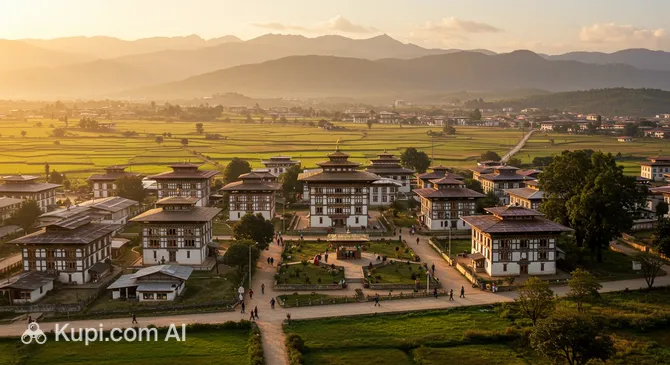
Welcome to Gelephu, a warm and inviting city located in the southern foothills of the Sarpang District. Unlike the high-altitude valleys often associated with Bhutan, Gelephu is situated in the flat plains near the Indian border, offering a distinct subtropical climate and a lush, green landscape. As one of the country's major commercial hubs, it serves as a vital gateway connecting the Himalayan kingdom with the vast plains to the south.

Gelephu. Source: Kupi.Binoculars

The city is known for its spacious layout and relaxed atmosphere. With a population of nearly 10,000 residents, it balances the energy of a border town with the serenity of nature. Visitors interested in the region's past can explore the history of Gelephu, which reveals its evolution from a small settlement into a planned urban center designed to harmonize with its environment. The area is particularly famous for the Gelephu Tshachu, a set of hot springs located roughly 15 kilometers away, where locals and travelers alike come to soak in the therapeutic waters.

Nature enthusiasts will find Gelephu to be an excellent base for adventure, as it sits in close proximity to the Royal Manas National Park, one of the oldest and most biodiverse protected areas in the kingdom. Whether you are passing through on a cross-border journey or looking to experience a warmer side of the Himalayas, Gelephu offers a unique and memorable stop on your itinerary.

Weather Overview

Understanding the local climate is essential for planning your trip, as the southern foothills experience distinct seasonal variations compared to the rest of the country. The weather in Gelephu is generally subtropical, offering milder winters and humid summers. Throughout the year, average temperatures fluctuate between a cool 11.7°C in January and a peak of around 23.8°C in August.

The summer months, particularly from June to September, bring the monsoon season. During this period, rainfall is very frequent, with July and August experiencing up to 31 wet days per month, though temperatures remain warm with highs reaching approximately 26°C. In contrast, the winter season from November to January is significantly drier; precipitation drops to as low as 1mm, and the number of wet days decreases to just five or six per month. Expect warm summers with frequent rain and mild, drier winters that are ideal for outdoor activities.

Interesting Facts

Beyond the main attractions and its reputation as a commercial hub, Gelephu holds fascinating secrets and ambitious plans that few travelers are aware of. From visionary architectural projects to unique local industries, the city is a place where tradition meets a bold new future.

  • The Mindfulness City Project: Gelephu is the focal point of a massive, visionary project initiated by the King of Bhutan to create a "Mindfulness City." This Special Administrative Region is being designed as a futuristic economic hub that prioritizes well-being and sustainability, aiming to set a global example for mindful urban living.

  • Inhabitable Bridges: As part of the city's future master plan, architects have proposed a series of unique "inhabitable bridges." These structures are designed not just for crossing the rivers that dissect the area but will also house key facilities like a university, a hospital, and a hydroponic greenhouse, blending infrastructure with daily life.

  • A Spirit of Welfare: The city hosts one of the primary distilleries for the Army Welfare Project. This facility produces high-quality spirits and liquors that are sold throughout the country, with the proceeds directly funding pensions, housing, and loans for the nation's armed forces and their families.

  • The Elephant Corridor: Situated right on the border with India, Gelephu lies within an active biological corridor. It is one of the few places where urban life closely intersects with the wild, as Asian elephants occasionally migrate through the outskirts of the town, moving between the protected forests of the two nations.

How to Get There

Reaching this southern gateway is an integral part of the travel experience, offering a transition from the winding Himalayan roads to the subtropical plains. Whether you are flying domestically or arriving overland, planning your journey is essential. You can find detailed information on how to get to Gelephu on our dedicated page.

The city is served by its own domestic hub, Gelephu Airport (IATA: GLU), located just 2.7 km from the center. It is a small airport primarily handling domestic flights, making it the most convenient option for those already in the country. The short trip from the terminal to the city center takes approximately 5 to 10 minutes by taxi.

For most international travelers, the journey begins at Paro Airport (IATA: PBH) in the city of Paro. As Bhutan's only international airport, it handles the majority of visitor traffic. Paro is located about 121 km from Gelephu in a straight line, but the actual journey involves a long, scenic drive through the mountains that showcases the country's diverse landscapes. Another domestic alternative is Jakar (Bathpalathang) Airport (IATA: BUT) in Jakar, situated roughly 80.5 km away. Like the trip from Paro, traveling from Jakar requires navigating winding roads through the hills.

For clarity, here is a summary of the main airports:

Airport Name City Passenger Traffic Km from City
Paro AirportParoHigh121.1
Jakar (Bathpalathang)JakarMedium80.5
GelephuGelephuLow2.7
Pakyong AirportGangtokLow193.2
Trashigang (Yonphula)TrashigangLow109.9

There are no railway stations in Gelephu or within the immediate vicinity inside Bhutan, as the country does not have a railway network. Travelers often combine flights with road transport or enter via the land border with India. The road network connects Gelephu to other major towns, offering a scenic drive through the foothills.

Main Attractions

While Gelephu is often viewed as a commercial gateway, it holds several gems for travelers who take the time to explore its surroundings. The city serves as a launchpad for both restorative natural experiences and wildlife adventures, offering a distinct flavor of tourism compared to the high-altitude districts of the north.

Undoubtedly the most famous attraction in the region is the Gelephu Tshachu. Located approximately 15 kilometers from the main town, these hot springs are situated along the banks of the Mao Chhu river. For generations, locals and visitors have flocked here to soak in the mineral-rich waters, which are believed to possess healing properties for joint pains and skin ailments. The site is well-maintained with stone baths and is particularly popular during the winter months, when the warm water offers a comforting contrast to the cool air. It provides a unique opportunity to mingle with Bhutanese families and experience a traditional form of wellness.

For nature enthusiasts, Royal Manas National Park is a premier destination accessible from Gelephu. As the oldest protected area in the Kingdom, it is a biodiversity hotspot that connects with India's Manas Tiger Reserve. The park is home to an incredible array of wildlife, including Bengal tigers, Asian elephants, clouded leopards, and the rare golden langur. Visitors can arrange for safaris to explore the lush tropical forests and grasslands, making it one of the best places in the country for wildlife photography and birdwatching.

Those seeking spiritual tranquility should visit Tali Dratshang. Perched on a hill overlooking the plains, this monastic school offers a peaceful retreat from the bustling border town below. The drive up to the Dratshang is scenic, and once there, visitors are rewarded with panoramic views of Gelephu and the vast Indian plains beyond. The monastery is an active center of learning for monks, and its architecture reflects the traditional Bhutanese style, providing a serene atmosphere for reflection and photography.

Another significant site is the Nyimalung Dratshang, which serves as the winter residence for the monks from the Bumthang district. During the colder months, the monastic community migrates here to escape the harsh Himalayan winter. The complex is a wonderful example of religious architecture adapted to the subtropical climate. Visitors are often welcome to observe the peaceful daily routines of the monks and admire the intricate woodwork and statues housed within the temple.

Local Cuisine

The culinary scene in Gelephu offers a delightful blend of traditional Bhutanese flavors and distinct influences from the neighboring Indian plains. Due to its location in the fertile southern foothills, the city enjoys an abundance of fresh tropical produce that is harder to find in the high-altitude regions of the north. The food here is hearty, often spicy, and deeply rooted in the local agricultural traditions.

No meal in Gelephu is complete without trying the national dish, Ema Datshi, a fiery stew made from chili peppers and local cheese. While this is a staple across the country, the version here might be accompanied by a wider variety of side dishes influenced by the border culture, such as Indian-style curries, dals, and rotis. Meat lovers should look for Phaksha Paa, a savory dish of pork cooked with spicy red chilies and radishes, or Jasha Maroo, a minced chicken stew seasoned with ginger and garlic that pairs perfectly with the local red rice.

The subtropical climate of the Sarpang District makes Gelephu a hub for fresh fruits. Visitors can enjoy locally grown bananas, jackfruit, mangoes, and papayas, which are often sold fresh at roadside stalls and the weekend market. This abundance of fruit also influences the local dessert scene and snacks, offering a sweet contrast to the typically spicy main courses. Momos (dumplings) filled with cheese, vegetables, or meat are also ubiquitous, serving as a popular comfort food for locals and tourists alike.

When it comes to beverages, the traditional Suja (butter tea) remains a favorite for starting the day or welcoming guests. However, Gelephu is also significant on the map of Bhutanese spirits. As the home of a major distillery, the city produces many of the country’s well-known whiskeys, rums, and gin. While the traditional homemade rice wine known as Ara is widely consumed in households, you will also find these locally manufactured spirits served in restaurants and bars throughout the town.

Dining in Gelephu is generally a casual affair. Most eateries are small, family-run establishments or restaurants attached to hotels. The atmosphere is relaxed, reflecting the slow-paced life of the southern plains. For a truly authentic experience, visiting the local vegetable market provides insight into the region's food culture, where you can see the vibrant array of chilies, cheeses, and tropical produce that form the backbone of the local diet.

Travel Tips

Visiting Gelephu offers a distinct experience compared to the rest of the kingdom, thanks to its subtropical climate and location on the southern border. To ensure your trip to this warm and welcoming city is as smooth and enjoyable as possible, here are some practical tips to help you prepare.

  1. Clothing and Gear: Since Gelephu is in the subtropical zone, pack lightweight, breathable cotton clothing for the warm and humid weather. However, always carry a light jacket for cooler winter evenings. If you plan to visit monasteries like Tali Dratshang, remember to dress modestly; shoulders and knees must be covered. Don't forget effective insect repellent, as the warmer climate brings more mosquitoes than in the high mountains.
  2. Transportation: The city center is compact and walkable, but for longer distances or trips to the hot springs, taxis are the most convenient option. There are no ride-hailing apps like Uber here, so you will need to flag down a taxi on the street or find one at a designated stand. It is advisable to agree on the fare before starting your journey if the driver does not use a meter.
  3. Finances: The local currency is the Ngultrum (BTN), which is pegged 1:1 with the Indian Rupee. Indian Rupees are widely accepted in Gelephu, though 500-rupee notes and above may sometimes be refused. While there are ATMs in the main town area that accept international cards (Visa/Mastercard), cash is still king for small purchases, restaurants, and taxis.
  4. Health and Safety: Gelephu is generally very safe, but because it is located in an biological corridor, be cautious of wildlife on the outskirts, particularly Asian elephants, especially at night. Pharmacies are available in the town center for basic needs, but for serious medical issues, the Gelephu Central Regional Referral Hospital provides care.
  5. Communication: English is widely spoken in Gelephu, particularly in hotels, shops, and by younger people, making communication easy. The national language is Dzongkha, but you will also hear a lot of Nepali spoken here. You can easily purchase a local SIM card (B-Mobile or TashiCell) upon arrival in Bhutan to stay connected with 4G data.
  6. Local Etiquette: The traditional greeting is "Kuzuzangpo la." Adding "la" to the end of your sentences is a sign of respect. When visiting the hot springs (Tshachu), observe local customs: wash thoroughly before entering the pools and maintain a quiet, respectful demeanor, as many locals come here for healing and relaxation.
  7. What to Avoid: Strictly avoid taking photographs inside the prayer halls of monasteries or temples; it is considered disrespectful and is usually prohibited. Also, refrain from smoking in public places. Bhutan has strict tobacco control laws, and while you can bring a small allowance for personal use, consuming it openly in public areas is frowned upon and often illegal.
  8. Additional Tip: If you are visiting the Gelephu Tshachu (hot springs), try to go early in the morning or on weekdays. The pools can get quite crowded with local families on weekends and holidays. Bringing your own towel and flip-flops is essential for a comfortable experience at the springs.

By keeping these practical points in mind, you will be well-equipped to navigate the unique cultural and natural landscape of Gelephu. Embrace the slower pace of the southern plains, enjoy the warmth of the locals, and have a wonderful time exploring this gateway city.

Entertainment & Nightlife

Entertainment and nightlife in Gelephu are distinctively low-key and relaxed, reflecting the town's character as a commercial border hub rather than a party destination. Unlike the bustling clubs found in larger Asian cities, the nightlife here revolves primarily around socializing in hotel bars, dining in family-run restaurants, and enjoying the warm subtropical evenings of southern Bhutan. The atmosphere is casual and friendly, with a mix of locals, business travelers, and visitors crossing the border.

The center of activity is concentrated within the main town area, particularly along the grid of streets near the Gelephu Vegetable Market. As the sun sets, the streets quiet down significantly, but you can still find vibrant spots to unwind. The most popular venues are the bars and restaurants attached to the city's major hotels. These establishments offer a safe and comfortable environment where you can enjoy local spirits, such as the famous Bhutanese whiskey or a cold beer, accompanied by spicy snacks.

For those looking to experience the local scene, Hotel Kuku is a well-known establishment in the heart of the town. Its restaurant and bar area serve as a social gathering point, offering a mix of local and Indian cuisine along with a selection of drinks. Another reliable option is Hotel 89, which is frequented by locals and tourists alike for its dining facilities and relaxed bar setting. These venues do not have a strict dress code; casual attire is perfectly acceptable, though modest clothing is always appreciated.

A unique aspect of the nightlife that you might encounter in Gelephu is the Drayang. These are traditional entertainment venues where female performers sing and dance to traditional and sometimes Hindi songs. It is a cultural experience different from a typical western bar; patrons can request songs in exchange for a small fee. It offers a glimpse into local popular culture, though the vibe is very specific and may not appeal to every traveler.

Practical Advice for the Night:
Establishments in Gelephu tend to close early. Most bars and restaurants shut their doors by 10:00 PM or 11:00 PM, so it is best to start your evening early. Prices are generally very affordable compared to the capital, with beers and local spirits costing a fraction of international prices. For transportation, taxis are the best way to get around at night. They do not roam frequently after dark, so it is advisable to keep the number of a reliable taxi driver or ask your hotel reception to arrange a ride for your return.

Safety:
Gelephu is generally very safe for night walks within the well-lit town center. However, the streets can become quite dark and empty relatively early. The town is located near wildlife corridors, and on rare occasions, wild elephants have been known to roam the outskirts. It is advisable to avoid walking alone on the peripheral roads or near the forest edges at night. Stick to the main streets or use a vehicle.

During the daytime, entertainment in Gelephu is more about immersing yourself in the local lifestyle. There are no large amusement parks or museums in the town itself. Instead, visitors often spend time exploring the bustling weekend market, where the convergence of cultures from the hills and the plains is most visible. For a relaxing afternoon, a stroll through the town's planned grid offers a look at its unique architecture, or you can take a short trip to the nearby hot springs for a restorative soak before the evening sets in.

Parks & Museums

Gelephu is a city where the boundaries between urban life and the natural world are delightfully blurred. Unlike the enclosed cultural institutions found in the capital, this southern gateway invites visitors to experience its heritage and greenery in the open air. The city’s parks are living, breathing spaces, while its "museums" are active centers of spirituality and art that continue to shape the daily lives of the residents.

The city is celebrated for its spacious, planned layout which incorporates numerous green spaces and recreational areas. rather than a single central park, these pockets of nature are scattered throughout the town, offering refreshing contrasts to the commercial streets. With their open lawns and shaded spots, they serve as favorite gathering points for locals and peaceful retreats for travelers. These areas are ideal for a morning jog or a quiet evening stroll, allowing you to soak in the laid-back atmosphere that defines the Sarpang District.

Just beyond the city limits lies the ultimate natural playground, the Royal Manas National Park. While often cited as a major attraction, it functions as the region's most significant "biological park." Spanning vast tropical forests and grasslands, it offers an immersive experience into a pristine ecosystem that has remained largely untouched. Here, the concept of a park transforms into a wild adventure, where the "exhibits" are free-roaming elephants, golden langurs, and hornbills thriving in their natural habitat.

In terms of cultural preservation, Gelephu relies on its religious institutions rather than traditional secular museums to showcase its history and art. Tali Dratshang acts as a magnificent gallery of Bhutanese craftsmanship. Located on a scenic hilltop, this monastic school houses an impressive collection of statues and intricate wall murals (thangkas) that depict Buddhist teachings. For art lovers, the detailed woodwork and vibrant paintings offer a close-up look at the kingdom's enduring artistic traditions without the barriers of glass cases.

Similarly, the Nyimalung Dratshang serves as a custodian of living history. As the winter residence for monks migrating from the central Bumthang region, it preserves centuries-old rituals and architectural styles. The complex itself is a study in traditional design, and visitors can observe the daily lives of the monks, which effectively turns the entire site into a living museum of spiritual culture. The presence of the monastic body during the winter months adds a vibrant layer of chanting and ceremony that brings the architectural heritage to life.

For a unique cultural encounter that you won't find in a standard guidebook, visit the Army Welfare Project Distillery. While not a museum in the strict sense, it offers a fascinating glimpse into the industrial heritage of the region. You can see how local resources are transformed into the country's renowned spirits, blending modern techniques with local flavors in a facility that supports the welfare of the armed forces.

Insider Tip: If you want to see the true "gallery" of Gelephu's diverse culture, head to the Sunday Market near the border. It is a vibrant, open-air exhibition of produce, textiles, and faces from both the Bhutanese hills and the Indian plains, offering a sensory experience that no static museum display can match.

Getting Around

The public transport system in Gelephu is straightforward and reflects the town's modest size and relaxed pace. Unlike major global metropolises, there is no metro, tram, or complex urban rail network here. For visitors, the primary mode of motorized transport within the city and its immediate surroundings is the taxi. These vehicles are ubiquitous and serve as the most reliable way to navigate the area if you are not walking. While there are buses, they are principally designed for long-distance travel to other districts rather than for hopping between city blocks.

Taxis in the city are easily recognizable and can be found waiting at designated stands, particularly near the main market area and the border gate. They operate on a system that is often a mix of fixed rates for specific popular routes and negotiated fares for custom trips. Shared taxis are also a common sight; these wait until they are full before departing and offer a budget-friendly alternative for traveling to nearby villages or the hot springs. It is important to note that ride-hailing apps like Uber or Grab do not operate here, so you will need to hail a cab the traditional way.

When it comes to payment, cash is the only accepted method for transport fares. You will need to pay in local currency, the Ngultrum (BTN), or Indian Rupees (INR), which are widely accepted and circulate freely at a 1:1 exchange rate. Electronic travel cards, contactless payments, or mobile tickets are not part of the local infrastructure. Visitors are advised to carry small denominations of cash, as drivers may not always have change for large notes.

For tourists, the best practical advice is to clarify the fare before starting your journey. While some taxis may have meters, they are rarely used. Ask a local or your hotel receptionist for the approximate standard rate to your destination to ensure you are paying a fair price. Taxis generally operate from early morning until around 9:00 PM or 10:00 PM. If you plan to be out late, it is crucial to arrange a pick-up with a driver beforehand, as finding a taxi on the street late at night can be difficult.

One of the distinct advantages of Gelephu compared to other Bhutanese towns is its geography. Situated on the flat plains, the city is incredibly walkable. Unlike the steep, winding roads of the northern districts, the streets here are level and laid out in a grid, making walking a viable and pleasant alternative for getting around the town center. While bike rentals are not a widespread commercial service, some hotels may offer bicycles to guests, which is an excellent way to explore the spacious avenues and green surroundings.

Accommodation

Accommodation in Gelephu primarily caters to business travelers, locals, and tourists passing through the border region. Unlike the high-end luxury resorts found in Paro or Thimphu, the lodging landscape here is more modest and functional. Visitors will mostly find a selection of mid-range hotels, budget guesthouses, and family-run establishments that offer clean, comfortable, and affordable stays. The focus is on warm hospitality and basic amenities rather than opulent luxury.

The most convenient area to stay is within the town center. Gelephu is designed with a grid layout, making it easy to navigate. Hotels located near the main market or the clock tower are within walking distance of restaurants, shops, and taxi stands. Staying in this central zone allows for easy access to the city’s amenities and quick transport to nearby attractions like the hot springs. The environment in the center is generally quiet at night, ensuring a restful sleep.

While international hotel chains are absent, there are several reliable local options known for their service. Establishments such as Hotel Kuku and Hotel 89 are popular choices among frequent visitors. These hotels typically provide air-conditioned rooms—a necessity in the subtropical summer—along with attached bathrooms and on-site dining facilities serving Bhutanese and Indian cuisine. They serve as social hubs for the town and are well-regarded for their consistency.

In terms of cost, accommodation in Gelephu is generally budget-friendly compared to the northern tourist circuits. Prices are reasonable, often falling into the budget to lower mid-range category. Booking methods can be a bit old-fashioned; while some larger hotels may have an online presence, it is often more effective to book directly via phone or through a local travel agent. Payment is usually expected in cash (Ngultrum or Indian Rupees), although some major hotels may accept cards.

Booking Tip: If you plan to visit during the winter months (December to February), it is highly advisable to book your room in advance. This is the peak season for domestic tourism, as many Bhutanese families travel to Gelephu to soak in the medicinal Tshachu (hot springs), leading to a high demand for rooms in the town center.

Nearby Cities

For those looking to explore the surroundings, Gelephu serves as an excellent base for day trips to several interesting nearby locations:

City Population Distance (km)
Thimphu 104,000 108
Phuentsholing 27,658 109
Tsirang 25,000 35
Paro 15,000 123
Sarpang 9,500 22

While some of the larger cities like Thimphu and Paro are significant distances away given the mountainous terrain, there are closer destinations perfect for a shorter excursion. Sarpang, the administrative headquarters of the district, is located just a short drive west of Gelephu. It offers a quieter, small-town atmosphere and serves as a gateway to the pristine forests of the region. A visit here provides insight into the local administrative life and offers easy access to nature trails along the foothills.

Another excellent option for a day trip is Tsirang (often centered around the town of Damphu), situated to the north. Known for its mild climate and gentle slopes, this district is famous for its organic farming and lush greenery. It feels distinct from the tropical plains of Gelephu, offering sweeping views of terraced fields and a chance to buy fresh, locally grown vegetables and fruits directly from the source. The drive itself is scenic, winding up from the plains into the lower hills.

These nearby destinations offer a glimpse into the diverse culture and landscapes of the region.

Shopping & Souvenirs

General Overview: As a bustling border town and a commercial hub for the southern region, Gelephu offers a shopping experience that is practical, vibrant, and distinct from the rest of the kingdom. While you will not find high-end fashion boutiques or luxury brands here, the city provides a fascinating mix of goods that reflects its location as a gateway to Bhutan. The shopping scene is dominated by cross-border trade, offering a wide variety of imported daily essentials alongside fresh local produce, making it an excellent place to observe the everyday economic life of the residents.

Main Shopping Areas: The city is celebrated for its organized grid layout, which makes exploring the retail sectors very convenient. The primary shopping district is concentrated in the town center, particularly along the streets radiating from the main traffic circle and the clock tower. These avenues are lined with small, family-run general stores, textile shops, and hardware outlets. The atmosphere is relaxed and unhurried, allowing visitors to browse through colorful fabrics and household items without the crowds found in larger cities.

Shopping Malls: Travelers should manage their expectations regarding modern retail infrastructure; Gelephu does not have large western-style shopping malls. Instead, the retail landscape consists of small shopping complexes and standalone stores. There are a few larger department-style general stores where you can find a comprehensive selection of groceries, toiletries, and packaged snacks, but the charm of shopping here lies in the smaller, independent businesses rather than sprawling commercial centers.

Markets: The highlight of the local shopping scene is undoubtedly the Gelephu Vegetable Market. This bustling open-air market is a sensory delight, especially on weekends when farmers from the nearby hills and the southern plains gather to sell their harvest. Due to the region's subtropical climate, you can find an abundance of fresh fruits that are rare in the northern mountains, such as bananas, mangoes, jackfruit, and papayas. It is also a great spot to buy local cheese (datshi), incense, and spices while mingling with the friendly locals.

Souvenirs: While Gelephu is not a major handicraft center like the capital, it is the ideal place to purchase one specific local specialty: Bhutanese spirits. The city is home to a major distillery, and you can find renowned local brands of whisky, rum, and gin at excellent prices. These make for popular gifts to take back home. Additionally, visitors can look for traditional Bhutanese textiles and fabrics in the local cloth shops, which can be used to make the national dress or unique home decor items.

Opening Hours and Payment: Shops in Gelephu generally open around 9:00 AM and close relatively early, typically by 8:00 PM or 9:00 PM. The town becomes quiet after dark, so it is best to complete your shopping during the day. Cash is king in Gelephu. The Bhutanese Ngultrum and the Indian Rupee are accepted everywhere and are used interchangeably. Credit cards are rarely accepted outside of major hotels, so it is essential to carry enough cash in small denominations for your purchases.

Tax-Free: There is no formal tax-free shopping or VAT refund system for tourists in Gelephu. The prices you see are final, although a small amount of friendly bargaining may be possible when purchasing fresh produce or bulk items in the local market.
Reached the end of the page?

That means the route is fully explored