Support

Bhutan

Cities in the country

About the Country

Bhutan is an incredible Kingdom in the Himalayas, often called the "Land of the Thunder Dragon". Its uniqueness lies not only in its breathtaking landscapes but also in its deeply rooted culture and the philosophy of "Gross National Happiness", which is prioritised over economic growth. This small country, nestled between India and China, offers travellers a completely different perspective on the world and an opportunity to connect with traditions that have been carefully preserved for centuries.

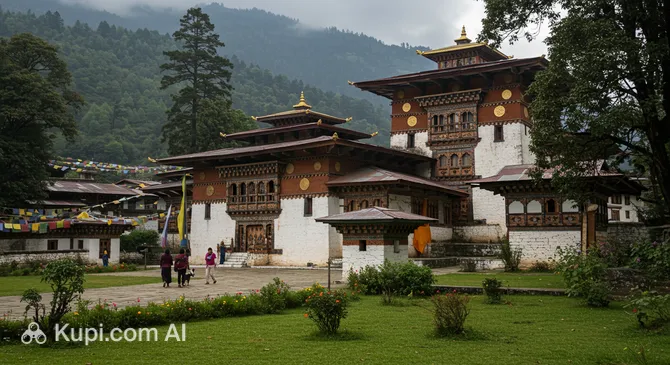
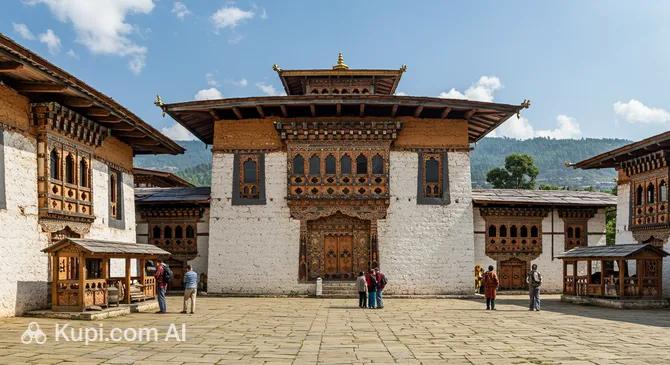
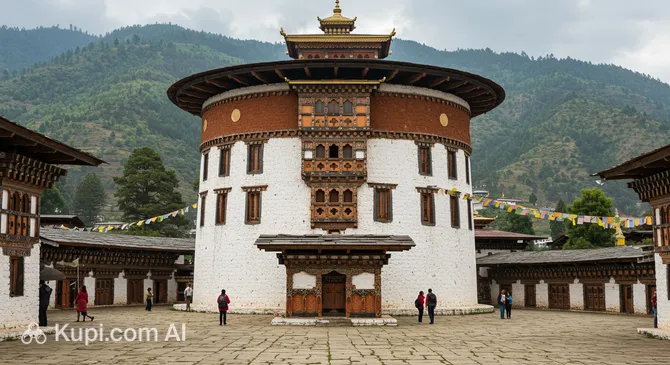
Bhutan's cultural heritage is closely linked to Vajrayana Buddhism, which permeates all aspects of life. Majestic dzongs (fortress-monasteries), such as Punakha Dzong, and colourful religious tsechu festivals are vivid testaments to the kingdom's rich history and spirituality. When visiting these sacred sites, travellers are expected to dress modestly, with arms and legs covered, to show respect for the local culture. The nation's capital, Thimphu, organically combines ancient traditions with modern elements, offering a unique insight into Bhutanese life. Here, you can explore markets, craft workshops, and important cultural landmarks.
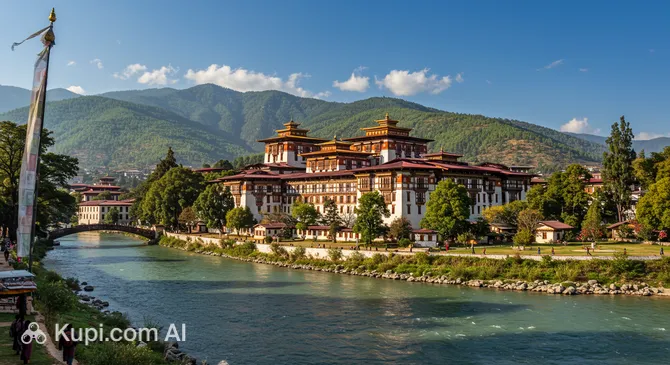
Thimphu. Source: Kupi.com Binoculars

The nature of Bhutan is astonishing in its diversity, from subtropical forests in the south to alpine meadows and majestic snow-capped Himalayan peaks in the north. The country is renowned for its commitment to environmental conservation and is one of the few places on the planet with a carbon-negative footprint. This makes it a true paradise for those who enjoy trekking, bird watching, and seeking solitude amidst untouched landscapes. Cities like Paro serve as gateways to exploring iconic sites, such as the fascinating National Museum of Bhutan, where one can delve deeper into the kingdom's art and history. A visit to Bhutan leaves you with a feeling of having touched something authentic, peaceful, and incredibly beautiful.
Currency

The monetary unit of Bhutan is the Bhutanese ngultrum (international code BTN). Interestingly, the Indian rupee (INR) is also widely circulated and is accepted on par with the ngultrum at a 1:1 exchange rate, especially in border areas. Ngultrum banknotes feature a colourful design, often displaying images of majestic dzongs (fortress-monasteries), mythical creatures, and portraits of the royal family, making them not just a means of payment but also a unique reflection of the country's culture.

It is advisable to exchange major foreign currencies, such as the US Dollar or UAE Dirham, for ngultrums at official banks or exchange offices found in major towns like the capital, Thimphu, or Paro. Avoid exchanging money with private individuals to prevent unfavourable rates or fraud. The use of credit cards in Bhutan is not widespread; they are typically only accepted in large hotels and some tourist-focused shops and restaurants. Therefore, carrying a sufficient amount of cash is highly recommended for daily expenses, shopping at local markets, and dining in smaller establishments.

Visa Requirements

To visit Bhutan, citizens of the United Arab Emirates require a visa. UAE passport holders are not eligible for visa-free access. The visa must be processed in advance as part of a mandatory tour package purchased through an accredited Bhutanese tour operator or hotel. The entire process, including receiving your electronic visa clearance, is managed by your tour operator. It is generally not possible to obtain a visa independently through an embassy or upon arrival. The only exceptions to this policy are for citizens of India, Bangladesh, and the Maldives.

To enter the country, you will need a passport that is valid for at least six months from your intended date of departure from Bhutan. While specific requirements may vary, you should be prepared to present your tour booking confirmation, return flight tickets, and proof of travel insurance. As visa regulations can change, it is strongly recommended to check the most up-to-date information with your tour operator or on the official website of the Bhutan Department of Immigration before planning your trip.

We'll tell you if you need a visa

Specify where you are going, or
Your citizenship
Destination

Time Zones

Bhutan operates on a single time zone. The official time in the country is BTT (Bhutan Time), which is UTC+6. For travellers from the UAE, please note that Bhutan is two hours ahead of Gulf Standard Time (UTC+4). This means the time is the same across all regions of Bhutan, and tourists will not need to worry about adjusting their watches when travelling within the country. When planning your trip, you can be assured that the time in the capital, Thimphu, and in other parts of the kingdom will be identical.

How to Get There

A journey to Bhutan, the enigmatic 'Kingdom of the Thunder Dragon', begins with a flight. For travellers from the UAE, the most significant development is the introduction of direct flights. Bhutan's national carrier, Drukair, has commenced twice-weekly services from Dubai (DXB) to Paro (PBH), operating on Tuesdays and Saturdays as of October 28, 2024. This new route provides a direct link, making the kingdom more accessible than ever.

The country's only international airport, Paro Airport, is picturesquely situated in a mountain valley and is served by Drukair and the private airline Bhutan Airlines. For those with flexible travel plans, connecting flights via hubs like Kathmandu (Nepal), Delhi (India), and Bangkok (Thailand) remain viable options. It is important to remember that Bhutan adheres to a "High Value, Low Volume" tourism policy. Consequently, most trips are arranged through licensed Bhutanese tour operators, who will also assist with visa applications and flight bookings.

For those who prefer to travel by land, it is possible to enter Bhutan via its land borders with India. The main border crossings are Phuentsholing in the southwest, Gelephu in the south-central region, and Samdrup Jongkhar in the southeast. Entry by land also requires prior arrangement and is usually part of an organised tour. This method allows for a closer look at the border regions and the gradual change in landscapes.

Regardless of your chosen method of travel, it is recommended to plan your trip to Bhutan well in advance, especially if your journey falls during the peak tourist season (spring and autumn). It is best to book flights and tours several months ahead. This will not only secure your arrangements but also allow sufficient time for all necessary documentation to be processed.

For clarity, here is a summary of the main airports:

Airport Name City Scale
Paro AirportParoMain
Jakar (Bathpalathang)JakarSmall
Trashigang (Yonphula)TrashigangSmall
GelephuGelephuSmall

Bhutan, the Kingdom of the Thunder Dragon, offers travellers a unique immersion into a world of ancient traditions, Buddhist spirituality, and breathtaking Himalayan landscapes. The cities of Bhutan are not bustling metropolises, but rather serene centres of culture and history, where every corner exudes tranquillity and harmony. The capital, Thimphu, serves as the country's administrative and religious heart. Here, ancient monasteries and traditional architecture blend seamlessly with the measured rhythm of modern life, inviting guests to experience the unique culture of Bhutan.

Thimphu. Source: Kupi.com Binoculars

Equally appealing is Paro, the city that is home to the country's only international airport. The Paro Valley is famed for its fertile landscapes and iconic landmarks, including the renowned Taktsang Palphug Monastery, also known as the Tiger’s Nest, majestically perched on a sheer cliff face. When visiting monasteries and dzongs (fortress-monasteries), visitors are expected to dress modestly to show respect. Another significant historical and cultural centre is Punakha, the former capital of Bhutan. This city is known for its magnificent Punakha Dzong, one of the most beautiful and important in the country, picturesquely situated at the confluence of two rivers.

For those wishing to see a different side of Bhutan and experience its commercial life, a visit to Phuentsholing is worthwhile. This city, located on the border with India, is a bustling commercial hub that contrasts with the tranquillity of the mountain valleys. While halal-certified restaurants are not common, vegetarian and seafood options are widely available, reflecting the country's Buddhist heritage. Each city and region in Bhutan holds its own unique treasures, whether it be ancient fortress-monasteries (dzongs), colourful religious festivals, or simply the peaceful views of the eternal mountains, inviting travellers to embark on a journey of unhurried exploration and spiritual enrichment.

Top Attractions

Bhutan, the Kingdom of the Thunder Dragon, is renowned for its ancient monasteries, majestic dzongs, and pristine nature. A journey through this enigmatic country is an immersion into a unique culture and spirituality. Among its many wonderful sites, a few are absolute must-sees.

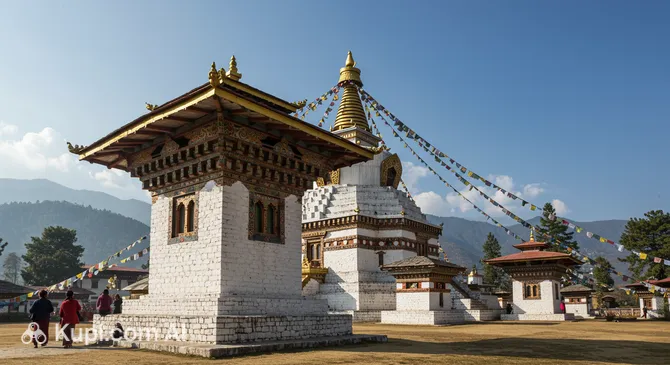
One of the most iconic landmarks in the capital, Thimphu, is the National Memorial Chorten. This majestic white stupa with a golden spire, built in memory of the third king of Bhutan, serves as an important centre of spiritual life in the city. Every day, local residents come here to perform kora (a ritual circumambulation) and offer prayers, creating a special atmosphere of peace. As this is a revered religious site, visitors are kindly requested to dress modestly, ensuring that shoulders and knees are covered.

National Memorial Chorten. Source: Kupi.com Binoculars

To gain a deeper understanding of the country's rich history and culture, head to the National Museum of Bhutan. Housed in the old Ta Dzong watchtower overlooking the Paro Valley, the museum holds an impressive collection of Bhutanese art, ancient artefacts, weapons, colourful thangkas (religious scrolls), and unique postage stamps that tell the story of the kingdom's heritage.

National Museum of Bhutan. Source: Kupi.com Binoculars

Equally interesting is the Karbandi Monastery, nestled on a hill near the town of Phuntsholing. It offers breathtaking views of the town and the adjoining Indian plains. The monastery is known for its statues of Buddhist saints and beautiful gardens, and is also considered a place where prayers for fertility are answered. In keeping with local customs, visitors should wear modest clothing that covers the shoulders and legs when visiting the monastery.

Kharbandi Monastery. Source: Kupi.com Binoculars

To experience the traditional Bhutanese way of life, visit the Folk Heritage Museum in Thimphu. The museum's exhibition vividly demonstrates rural life, household items, agricultural tools, and handicrafts, allowing visitors to glimpse into the past and better understand the culture and traditions of this remarkable nation.

Folk Heritage Museum. Source: Kupi.com Binoculars

Best Time to Visit

When planning a trip to Bhutan, it is important to consider the seasons, as the climate in this mountainous country has a significant impact on the travel experience. The high season traditionally falls during the spring months (March to May) and autumn (September to November). During this time, the weather is most favourable: the skies are clear, the temperature is comfortable, and the views of the Himalayas are breathtaking. In spring, nature bursts into vibrant colour, while in autumn, the air is exceptionally clear. This is the perfect time for trekking and attending the famous Tshechu festivals, which are held in many dzongs (fortress-monasteries) across the country. When visiting these sacred sites, it is important to dress modestly. However, be prepared for a larger number of tourists and, consequently, higher prices for tours and accommodation, as Bhutan adheres to a "high value, low impact" tourism policy.

The low season, or off-season, covers the summer months (June to August), when Bhutan experiences its monsoon, and the winter (December to February). In summer, rain is frequent, especially in the southern regions, which can make travel difficult and hide the mountain peaks behind clouds. In winter, it can be quite cold in the higher-altitude areas, including Thimphu and Paro, with occasional snowfall that may lead to the closure of mountain passes. The advantages of travelling in the low season include fewer tourists and potentially lower costs for the mandatory daily Sustainable Development Fee (SDF). Although some high-altitude trekking routes may be inaccessible, cultural attractions remain open. Many of the colourful Tshechu festivals are held in spring and autumn, so if your goal is to attend one, you should aim for the high season, checking the schedule in advance.

Bhutan's climate varies depending on altitude. The southern foothills have a subtropical climate, while the central valleys are temperate, and the high mountains in the north are alpine. Therefore, when choosing the time for your trip, consider which regions of the country you plan to visit. Overall, spring and autumn offer the best balance of weather conditions and opportunities to experience the unique culture and nature of the Kingdom of the Thunder Dragon.

Traditions

The culture of Bhutan is deeply rooted in Buddhist traditions and permeates every aspect of daily life. The Bhutanese are known for their courtesy and reserve. The traditional greeting is a slight bow with hands folded at the chest, accompanied by the phrase "Kuzuzangpo la," which means "hello." Loud speech and excessive gesturing are not common. Hospitality is of great importance; being invited into a home is a great honour, and a small, thoughtful gift for the hosts (such as fruit or a souvenir from your country) will be warmly received. Always show respect to elders and monks.

When visiting Bhutan, it is important to be mindful of etiquette, especially in religious places. Modest attire is required to enter dzongs (monastery-fortresses) and temples: shoulders and knees must be covered for both men and women. Headwear and shoes must be removed before entering temple prayer halls. At the table, although tourists are often offered cutlery, the tradition is to eat with the right hand. It is considered polite to symbolically refuse a treat at first and then accept it. Do not start your meal before the host or the eldest person at the table. Remember that pointing at people or sacred objects with your index finger is considered rude – use an open palm instead. For Muslim travellers, while there are no certified halal restaurants, vegetarian and vegan options are widely available. Some international hotels can also arrange for halal meals upon request. There are no mosques in Bhutan, but travellers can pray in their hotel rooms.

One of the most vibrant expressions of Bhutan's culture is the Tsechu festival. These are colourful religious celebrations featuring masked dances that symbolise the victory of good over evil and important events from the lives of Buddhist masters. Attending a Tsechu is a unique opportunity to connect with living traditions. Overall, to ensure your journey is smooth and leaves only pleasant memories, always ask for permission before photographing people, avoid public displays of affection, and walk around sacred stupas (chortens) and prayer wheels in a clockwise direction. A respectful attitude towards local customs and traditions will open the hearts of the Bhutanese people and make your trip truly unforgettable.

Entertainment

Bhutan offers travellers unique opportunities for recreation, where nature and culture are intertwined. The main attraction for lovers of active pastimes is hiking and trekking along the picturesque mountain trails of the Himalayas, which offer breathtaking panoramas and lead to secluded monasteries. When visiting religious sites, a modest dress code is appreciated. The cultural programme is rich with visits to ancient dzongs (fortress-monasteries), which serve as administrative and religious centres, as well as an introduction to the country's rich heritage in museums such as the National Museum of Bhutan in Paro, or the Folk Heritage Museum in Thimphu. Vibrant religious festivals (tsechus) with masked dances are also an integral part of the cultural experience.

Nightlife in Bhutan, including the capital Thimphu and other cities such as Paro or Phuentsholing, is characterised by its calm and peacefulness, which is in keeping with the spirit of the country. You will not find noisy nightclubs here, but you can enjoy the cosy atmosphere of local restaurants offering national cuisine, or spend an evening in small cafes and lounges. While there are no officially halal-certified restaurants, many vegetarian and vegan options are widely available, and it is easy to find dishes prepared without pork. As for shopping, Bhutan is famous for its authentic souvenirs. Tourists often bring back colourful woven items (especially from yak wool), Buddhist thangka paintings, carved wooden masks, traditional jewellery, and aromatic incense. The main shopping areas are concentrated in the markets and craft shops of the major cities.

For a family holiday, Bhutan offers an immersion into a completely different world that will be interesting for both adults and children. Although there are no conventional theme parks or water parks, a unique experience is provided by an introduction to Buddhist culture, visiting ancient monasteries, and observing traditional life and crafts. Outdoor walks among the majestic mountains, the chance to see rare animals and birds, and participation in workshops on traditional arts can be an unforgettable adventure for the whole family. While there are no mosques in Bhutan, some hotels may provide private spaces for prayer upon request, and Muslim travellers can pray in their hotel rooms. Many hotels, such as the Rema Resort in Paro, offer comfortable accommodation for family travellers.

Currency rates

Planning a trip? Excellent! To ensure the financial aspects of your journey don't come as a surprise, it's important to remember that currency exchange rates are constantly changing. Therefore, we strongly advise monitoring the latest rates both before you fly and throughout your trip. You can use the data provided below for this purpose—we monitor exchange rates 24/7 and strive to provide the most up-to-date information.

Reached the end of the page?

That means the route is fully explored