Support

Maldives

About the Country

The Maldives is a true pearl of the Indian Ocean, an island nation composed of more than a thousand coral islands grouped into 26 picturesque atolls. This unique geography creates a sense of an endless aquatic expanse, dotted with paradise-like spots perfect for an unforgettable holiday. As a fellow Islamic country, the Maldives offers a welcoming and familiar environment for visitors from the UAE, enticing travellers with its exotic beauty and promise of tranquillity.
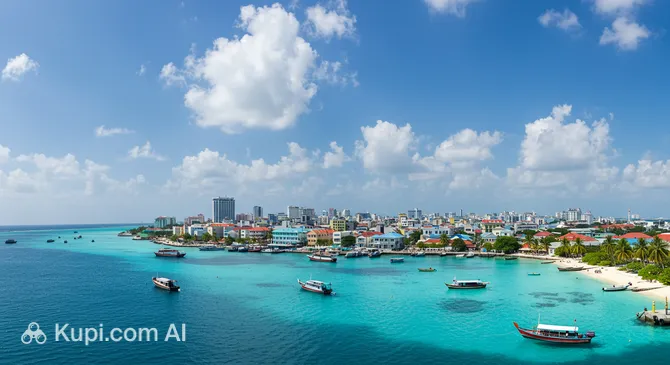
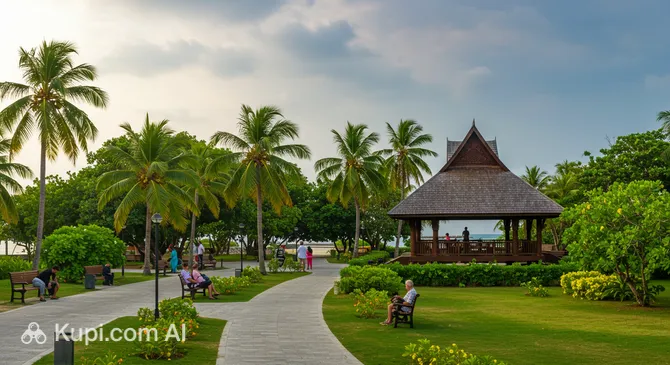
Male. Source: Kupi.com Binoculars

The main treasure of the Maldives is, without a doubt, its nature. Pristine white beaches lapped by crystal-clear turquoise waters, and a rich underwater world with vibrant coral reefs and diverse marine life, attract divers and snorkelling enthusiasts alike. The tropical climate ensures comfortable temperatures year-round, making the Maldives an ideal destination for a beach getaway at any time. The nation's capital, Malé, is a bustling hub that contrasts with the serenity of the secluded resort islands. In the capital, you can visit the National Museum to gain deeper insight into the archipelago's history and culture.

The culture of the Maldives is a unique blend of South Asian, Arab, and African influences, which is reflected in the local music, dance, and crafts. The overall atmosphere on the islands is synonymous with luxury, tranquillity, and harmony with nature. As an Islamic nation, halal food is widely available across the islands, and prayer facilities are accessible, ensuring a comfortable and considerate stay for Muslim travellers. Many resorts offer private overwater villas, first-class service, and numerous opportunities for relaxation and water sports, turning every day of your stay into a fairytale experience. Popular islands such as Maafaru or Rasdhoo also offer various options for recreation and exploring the underwater world.
Currency

The national currency of the Maldives is the Maldivian Rufiyaa, which has the international code MVR. Rufiyaa banknotes feature a vibrant design, often depicting traditional dhoni boats, coconut palms, and scenes from the daily lives of the islanders, making them an interesting souvenir of your trip. Coins, called laari, are also in circulation.

It is advisable to exchange foreign currency for Rufiyaa at banks or authorised exchange offices, for instance, at the airport upon arrival in Malé. While US dollars are widely accepted in most resorts and tourist areas, it is better to have the local currency for payments on local islands, in smaller shops, or at markets. For travellers from the UAE, it is best to carry US dollars to exchange, as the UAE Dirham may not be as readily accepted for direct exchange. Credit cards (mainly Visa and MasterCard) are widely accepted in hotels, restaurants, and large retail outlets; however, cash is preferable for small expenses and in more remote locations.

Visa Requirements

When planning your trip to the Maldives, it is important to understand the visa requirements. For residents and citizens of the UAE, the process is straightforward as the Maldives offers a visa on arrival to all nationalities. This means you do not need to apply for a visa in advance. A free tourist visa, valid for up to 30 days, is typically granted upon arrival in the country.

To enter the country, you will need a valid passport with a Machine Readable Zone (MRZ) that is valid for at least one month from your date of entry. You will also be required to have a confirmed return flight ticket and proof of a hotel reservation or sufficient funds to cover your stay. Although the visa policy is accommodating, regulations can change. Therefore, it is highly recommended to check the latest information on the official Maldives Immigration website before your trip.

We'll tell you if you need a visa

Specify where you are going, or
Your citizenship
Destination

Time Zones

The Maldives has one single timezone for the entire country, known as Maldives Time (MVT), which is UTC+5. This means the official time is one hour ahead of the UAE, which uses Gulf Standard Time (UTC+4). You will not need to change your watch when travelling between the various atolls and islands of the archipelago.

It is worth noting that some resorts may operate on their own "island time", which is often set one hour ahead of the official time in Malé. This makes them two hours ahead of the UAE and provides guests with more daylight during the evening. We recommend that you confirm the local time with your hotel upon check-in.

How to Get There

The most convenient way to reach the Maldives, a paradise archipelago in the Indian Ocean, is by air. The country's main international transport hub is Velana International Airport (MLE), located on Hulhulé Island near the capital city of Malé. Major UAE carriers, including Emirates, Etihad Airways, and flydubai, offer regular direct flights from Dubai and Abu Dhabi, making it an easily accessible destination for residents and travellers from the region. For travellers from other parts of the world, convenient connecting flights are available through these and other popular transit hubs.

Given the Maldives' island geography, there are no land routes connecting it to other countries. While some cruise liners include the Maldivian islands in their itineraries, air travel remains the primary and most common way for the majority of tourists to arrive in the country. Upon arrival at the main airport, onward travel to the resort islands is typically by seaplane or speedboat.

When planning a trip to the Maldives, especially during the peak tourist season (typically from December to April), it is advisable to book flights and accommodation well in advance. This will not only help secure the best options but may also lead to cost savings.

For clarity, here is a summary of the main airports in the Maldives:

Airport Name City Passenger Traffic
Velana International AirportMaléMajor
Gan International AirportGanMedium
Maafaru International AirportMaafaruMedium
Villa International Airport MaamigiliMaamigiliSmall
Kulhudhuffushi AirportKulhudhuffushiSmall

The Maldives is a remarkable nation of countless coral islands, each offering a unique experience. You will discover a blend of lively local hubs and serene resort islands, ideal for romantic escapes or active holidays. The capital, Malé, is the country's most populous city. It serves as the economic and cultural heart of this fellow Muslim nation, where you can experience authentic Maldivian life, explore colourful markets, visit historic mosques, and learn about the archipelago's heritage.

Male. Source: Kupi.com Binoculars

Beyond the capital, the Maldives is renowned for its resort islands and atolls, each a slice of paradise. The island of Maafaru, for example, entices visitors with its luxurious villas, immaculate beaches, and world-class diving, with resorts offering excellent halal dining options. For those seeking a quieter, more authentic experience, destinations such as Thulusdhoo are perfect, known for great surfing and the opportunity to experience the welcoming local culture. The Rasdhoo Atoll is a top choice for divers eager to explore the abundant marine life, while islands like Maamigili are ideal gateways for excursions to swim with majestic whale sharks and manta rays.

Every part of the Maldives offers something special, from opulent resorts with world-class service and private overwater villas to the chance to immerse yourself in the warm local culture. The choice is yours, but an unforgettable and welcoming experience is always guaranteed.

Top Attractions

The Maldives is not just about idyllic beaches; it also offers fascinating places to visit to better understand the culture and history of this island nation. Among them are several key attractions that will allow you to immerse yourself in the atmosphere of the archipelago.

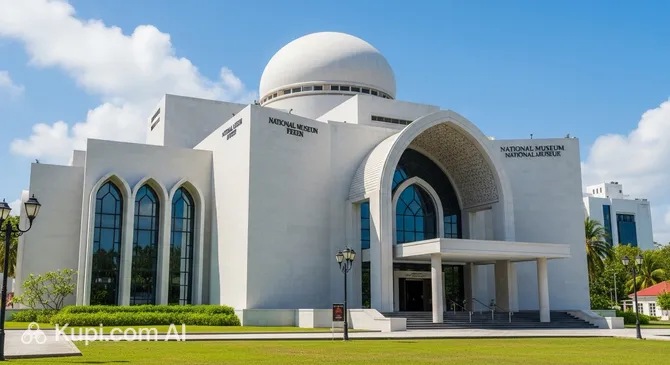
One such attraction is the National Museum in Malé. It houses a rich collection of artefacts that narrate the history and culture of the islands, from ancient times to the present day. Visitors can see royal regalia, traditional costumes, weapons, and everyday objects, providing a deeper understanding of this amazing country's heritage. To respect local customs, visitors are encouraged to dress modestly when visiting the museum.

National Museum. Source: Kupi.com Binoculars

For those seeking a corner of tranquillity in the bustling capital, Sultan Park is a true oasis. This green park, located on the site of the former Sultan's palace, offers a pleasant stroll amidst tropical plants and flowers. It is an excellent spot to relax and discover the local flora in the heart of Malé.

Sultan Park. Source: Kupi.com Binoculars

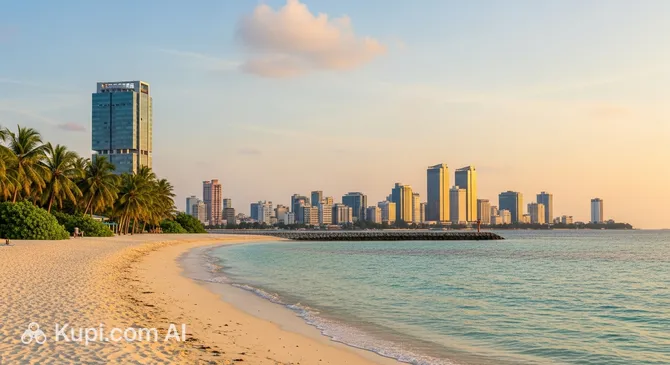
Although the Maldives is famous for its natural beaches, the Artificial Beach in the capital, Malé, is also very popular. This spot attracts both locals and tourists with the opportunity to cool off, engage in water sports, or simply relax by the water without leaving the city. Various events and festivals are often held here, adding vibrancy to city life. As Malé is a conservative city, modest swimwear such as shorts and t-shirts are recommended, and bikinis should be avoided out of respect for local culture.

Artificial Beach. Source: Kupi.com Binoculars

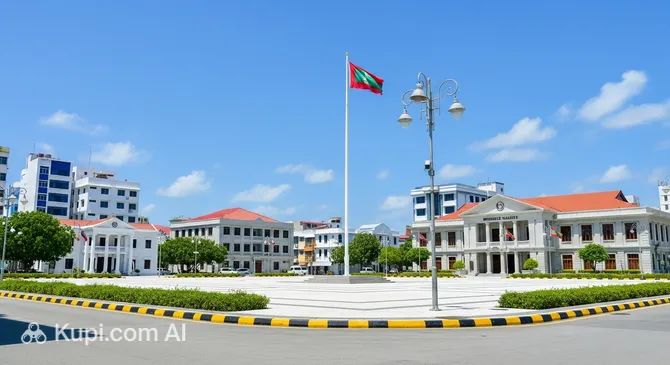
The central meeting point for public events in Malé is Republic Square. This landmark, surrounded by government buildings, symbolises the country's independence. Here, you can feel the rhythm of capital life, observe the local residents, and take memorable photos against the backdrop of the large Maldivian flag.

Republic Square. Source: Kupi.com Binoculars

Best Time to Visit

The Maldives is a tropical paradise with a year-round summer climate, but for planning the perfect holiday, it's important to consider the two main seasons. The high season, or the dry season, runs from approximately December to April. During this time, the weather is delightful with plenty of sunshine, calm seas, and minimal rainfall, creating excellent conditions for beach holidays, diving, and snorkelling in crystal-clear water. The main advantage of this period is the almost guaranteed sunny weather. However, it is worth noting that this is also the busiest time for tourism, which results in higher prices for accommodation and services.

The low season, or the rainy season, occurs from May to November. During this period, the weather becomes more unpredictable, with the possibility of brief tropical showers, often in the afternoon or at night, and stronger winds. Nevertheless, there are still usually plenty of sunny days. The main benefits of the low season are significantly more affordable prices for hotels and fewer crowds, allowing for a more private and tranquil experience. For surfing enthusiasts, this time can be even more preferable due to larger waves, especially in the southern atolls.

When choosing your travel dates, it is also worth remembering that the Maldives observes Islamic holidays, the dates of which change according to the lunar calendar (e.g., Ramadan, Eid al-Adha). During Ramadan, the operating hours of some local cafés and shops on inhabited islands may be adjusted; however, resorts catering to international visitors typically operate as usual. The unique natural phenomenon of bioluminescent plankton, which creates the "Sea of Stars" effect, can be seen throughout the year, but it is believed that the chances are higher on dark nights from late summer until the end of the year. Overall, the climate across the atolls is quite consistent, so the choice of season depends more on your priorities: ideal weather and a vibrant atmosphere, or more attractive pricing and a peaceful retreat.

Traditions

When travelling to the Maldives, it is important to remember that it is a Muslim country with rich cultural traditions. The local people, known for their hospitality, usually greet each other with a handshake (among men) or a nod, especially when interacting with women; it is best to allow women to take the initiative in greetings. The standard Islamic greeting 'As-salamu alaykum' will be appreciated. Show respect for local customs, particularly regarding dress: outside of resort areas, for example, in the capital Malé or on other inhabited islands, it is recommended to wear modest clothing that covers the shoulders and knees. When visiting mosques, women should also cover their heads.

Maldivian culture places a high value on community and respect. If you are invited into a local home, it is considered a great honour. While there are no strict rules regarding gifts, a small souvenir from your home country or some sweets would be a thoughtful gesture and appreciated by your hosts. At the dining table, it is customary to eat with your right hand, especially if food is served on a communal dish. As the Maldives is a Muslim nation, halal food is widely available. Alcohol is only available at resorts and is strictly prohibited on local islands and in public places outside of them. Public displays of affection are not encouraged. Important events in the lives of Maldivians include Islamic holidays such as Eid al-Fitr (known locally as Kuda Eid), which marks the end of Ramadan with grand feasts and family gatherings, and the National Day, which commemorates significant historical events. Remember to always ask for permission before photographing local residents. A respectful attitude towards these traditions will make your journey more pleasant and help you to better understand the unique culture of the islands.

Entertainment

The Maldives is a true paradise for fans of active water sports. The main attractions here are undoubtedly diving and snorkelling, as the underwater world of the Indian Ocean captivates with its variety of corals and marine life. Many resorts offer courses for beginners and organise dives for experienced divers. In addition, surfing (especially during certain seasons and on specific atolls), windsurfing, jet skiing, kayaking, paddleboarding, and, of course, sea fishing are also popular. Most resorts offer a wide range of halal food options and have prayer facilities available.

For those interested in culture, the Maldives can offer an introduction to local traditions and history. In the capital city, Malé, you can visit the National Museum, which chronicles the history of the archipelago, or see historic mosques like the Grand Friday Mosque (visits are possible if you adhere to the dress code). Although there are no major theatres or concert halls on the islands, some hotels arrange evenings of traditional Maldivian boduberu music and dance. Shopping in the Maldives is mainly aimed at tourists, featuring local souvenirs such as wooden and coconut crafts, sarongs, and jewellery made from shells and coral (please ensure that their export is permitted), as well as spices and tea. The main souvenir shops are located in Malé and at the resorts.

Nightlife in the Maldives is quite relaxed and is mainly centred around the hotel resorts. This might include cosy beachside bars where you can watch the sunset with a refreshing drink, restaurants with live music, or themed evenings organised by the hotels. There are few bustling nightclubs in the traditional sense. The Maldives is perfectly suited for family holidays: many resorts offer kids' clubs with entertainers, special children's pools, play areas, and babysitting services. The white sandy beaches with gentle slopes into the water also make a holiday with children comfortable and safe.

Currency rates

Planning a trip? Excellent! To ensure the financial aspects of your journey do not come as a surprise, it is important to remember that currency exchange rates are constantly changing. Therefore, we strongly advise tracking the latest rates, both before you fly and throughout your trip. You can use the data provided below for this purpose — we monitor exchange rates 24/7 and strive to provide the most current information.

Reached the end of the page?

That means the route is fully explored