Support

Kudahuvadhoo

About

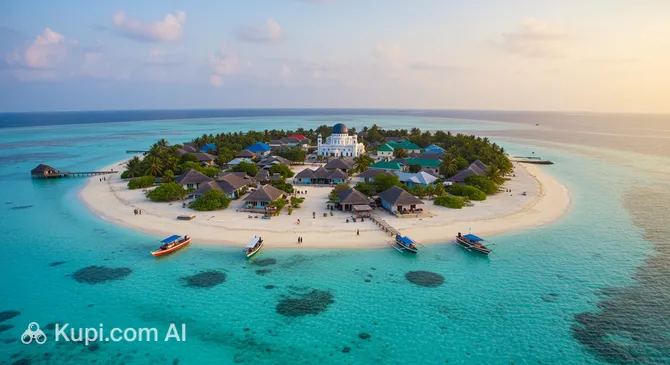
Kudahuvadhoo is a captivating island located in the southern part of the Dhaalu Atoll. As the administrative capital of the region, it stands out as a vibrant hub where authentic island life thrives amidst stunning natural surroundings. Visitors to the Maldives often find this destination to be a perfect blend of local culture, modern development, and traditional charm.

Kudahuvadhoo. Source: Kupi.Binoculars

With a population of approximately 2,500 residents, the island is bustling yet maintains a peaceful atmosphere. It is geographically significant, hosting a domestic airport that serves as a vital gateway to the surrounding resorts and local islands. The tropical climate ensures warm, sunny days that are perfect for exploring the sandy streets, lush vegetation, and the pristine beaches that fringe the coast.

The island is renowned for its unique heritage, particularly the mysterious earthen mounds known as Hawittas. These archaeological remains are believed to be ruins of Buddhist temples, hinting at a rich past that predates the Islamic era. delving into the history of Kudahuvadhoo reveals fascinating stories about the skilled stonemasons who once lived here, famous for their mastery in carving coral stone into intricate designs.

Beyond its historical intrigue, the island offers a welcoming atmosphere for travelers seeking an immersive experience. Whether you are interested in ancient architecture, local craftsmanship, or simply wish to relax by the turquoise waters, Kudahuvadhoo invites you to discover the hidden charms and warm hospitality of the southern atolls.

Weather Overview

Kudahuvadhoo experiences a warm, tropical climate year-round, making it an inviting destination for sun-seekers regardless of the season. The island maintains a very consistent temperature profile, with average daily temperatures hovering comfortably around 27°C to 28°C. Nights remain balmy, rarely dropping below 26°C, ensuring a pleasant atmosphere for evening strolls along the beach.

When planning your visit, it is helpful to check the current weather in Kudahuvadhoo, as rainfall patterns can vary. While temperatures are stable, the frequency of rain changes significantly throughout the year. The months of May and November typically see the highest number of wet days, often exceeding 25 days with some precipitation. In contrast, March is generally the driest month, offering the most consistent sunshine and fewer interruptions to outdoor activities.

Interesting Facts

Beyond the turquoise waters and white sands, Kudahuvadhoo holds fascinating secrets that have puzzled historians and explorers for decades. This island is not just a tropical getaway but a place where ancient mysteries and unique architectural feats lie hidden in plain sight.

  • A Wall to Rival the Incas: When the famous explorer Thor Heyerdahl visited the island in the 1980s, he was astounded by the ancient stone wall of the Old Friday Mosque. He famously remarked that its coral masonry was so precise and masterfully crafted that it surpassed even the legendary Inca walls of Cusco, Peru, in quality.

  • Maritime Heart of the Atoll: The island is celebrated for its thriving fishing industry, boasting one of the most active fleets in the Maldives. The busy harbor is a focal point of daily life, where traditional pole-and-line fishing methods continue to sustain the local economy and community.

  • The Copper Records: Kudahuvadhoo is the site where an important ancient text, the "Kudahuvadhoo Loamaafaanu," was discovered. These copper plates, inscribed with old scripts, provide crucial written evidence about the region's conversion to Islam and the ancient laws that governed the atolls centuries ago.

  • A Melting Pot of the Atoll: Following the 2004 tsunami, the island became a permanent new home for the entire populations of two neighboring islands, Gemendhoo and Vaanee. This unique integration has made Kudahuvadhoo a vibrant cultural hub, blending the traditions and families of three different island communities into one.

How to Get There

Reaching this tropical haven is relatively straightforward, primarily due to the island's own modern transport hub. For a comprehensive overview of all travel options and routes, you can consult the detailed guide on how to get to Kudahuvadhoo.

The most convenient entry point is Dhaalu Airport (DDD), which is located directly on Kudahuvadhoo itself. As the island's primary domestic airport, it connects the atoll to the rest of the archipelago. Since the terminal is situated just 0.9 km from the town center, the journey to your accommodation is extremely short; a taxi or hotel shuttle typically takes about 20 minutes, including loading and travel time.

Most international visitors will first arrive at Velana International Airport (MLE) in the capital city of Male. This is the main international gateway to the country, handling millions of passengers annually. It is located approximately 182.5 km away from Kudahuvadhoo. From Male, travelers usually transfer to a domestic flight bound for Dhaalu Airport to reach their final destination.

Another significant regional hub is Villa International Airport Maamigili (VAM), situated in Maamigili, about 88.7 km from Kudahuvadhoo. While it serves as a key transit point for the area, reaching Kudahuvadhoo from here typically involves a sea transfer or a connecting flight.

For clarity, here is a summary of the main airports:

Airport Name City Passenger Traffic Km from City
Velana International Airport Male Large 182.5
Villa International Airport Maamigili Maamigili Medium 88.7
Dhaalu Airport Kudahuvadhoo Small 0.9
Thimarafushi Veymandoo Small 58.5
Muli Airport Muli Small 81.4

Main Attractions

While Kudahuvadhoo is often viewed as a transit hub, the island possesses a distinct character that sets it apart from typical resort destinations. Visitors to the Maldives who take the time to explore its streets and shores will discover a place rich in heritage and natural beauty. Here are the main attractions to experience during your stay.

The Hawittas stand as the most intriguing historical site on the island. These mysterious earthen mounds, located within the village, are widely believed to be the ruins of ancient Buddhist stupas from the archipelago's pre-Islamic era. Although time and nature have reclaimed much of the original structures, they remain a significant archaeological point of interest. Standing before these mounds offers a rare opportunity to reflect on the distant past and the early civilizations that once thrived on these atolls.

For admirers of architecture, the Old Friday Mosque is a visual masterpiece of traditional craftsmanship. The structure is renowned for its exquisite coral stone masonry, featuring intricate carvings and interlocking blocks that fit together with remarkable precision. Without the use of mortar, the builders created a durable and beautiful edifice that has withstood the test of time. A visit here allows you to appreciate the detailed artistry and the serene atmosphere of this historic place of worship.

Those seeking relaxation will find Kudahuvadhoo Beach to be a perfect escape. The island is fringed by stretches of soft white sand and crystal-clear turquoise waters, ideal for a leisurely afternoon swim or sunbathing. Unlike private resort areas, this public beach offers an authentic local vibe, where you can watch the sky turn vibrant colors at sunset. It is a peaceful spot to unwind and enjoy the simple, tropical beauty of the Dhaalu Atoll.

To experience the island's daily rhythm, a visit to Kudahuvadhoo Harbor is essential. This area is always alive with energy, particularly in the late afternoon when the traditional dhonis return from the sea. Watching the vessels dock and the locals gather creates a lively scene that offers a genuine insight into the community's way of life. It is a fantastic place for a stroll, allowing travelers to observe the enduring connection between the islanders and the ocean.

Local Cuisine

The culinary scene in Kudahuvadhoo is a vibrant reflection of traditional Maldivian culture, heavily reliant on the bounty of the Indian Ocean. Food here is simple yet packed with flavor, dominated by three main ingredients: fresh tuna, coconut, and starches like rice or roshi (flatbread). For travelers, dining on the island offers an authentic taste of the "real" Maldives, far removed from the international buffets of luxury resorts.

Breakfast is perhaps the most important meal of the day, and you cannot leave without trying Mas Huni. This signature dish consists of shredded smoked tuna mixed with grated coconut, lime, onions, and chili. It is typically eaten with warm roshi and sweet tea, offering a fresh and zesty start to the morning. For lunch or dinner, Garudhiya is a staple; this clear, savory fish broth is served with steamed rice, lime, and plenty of chili, representing the soul of local home cooking.

Another gastronomic highlight is the tradition of Hedhikaa, or "short eats." In the late afternoon, local cafes known as hotaas fill with trays of these savory snacks. Favorites include Bajiya (fish-filled samosas), Gulha (fried dough balls stuffed with smoked tuna), and Masroshi (flatbread baked with a spicy fish filling). These bite-sized treats are perfect for sampling a variety of flavors in one sitting.

When it comes to beverages, the options are refreshing but strictly non-alcoholic. Kurumba, or fresh young coconut water, is widely available and serves as the perfect natural hydrator in the tropical heat. Black tea is also extremely popular and is consumed throughout the day, often very sweet. Visitors should be aware that alcohol is prohibited on inhabited local islands like Kudahuvadhoo; those wishing to enjoy a cocktail must visit a nearby resort island or a floating bar on a safari boat.

The food culture on the island is relaxed and communal. You won't find fine-dining establishments here; instead, the charm lies in small, family-run eateries and the bustling hotaas near the harbor. These places are social hubs where locals gather to chat and eat. Dining here is not just about the food, but about immersing yourself in the slow, friendly rhythm of island life.

Travel Tips

Visiting Kudahuvadhoo offers a wonderful opportunity to experience the authentic side of the Maldives, far removed from the typical resort bubble. To ensure your stay on this inhabited island is comfortable, respectful, and hassle-free, here are some essential practical tips to help you plan your journey.

  1. Clothing and Modesty: As Kudahuvadhoo is a local inhabited island, the dress code is more conservative than in private resorts. When walking through the village or visiting public areas, both men and women should ensure their shoulders and knees are covered. Pack lightweight, breathable cotton clothes to stay cool. Swimwear, including bikinis, is strictly permitted only on the designated "Bikini Beach" or during off-island excursions; wearing it in town is considered disrespectful.

  2. Getting Around: The island is compact and easily navigable on foot. Walking is the most common and enjoyable way to explore the sandy streets and reach the harbor or cafes. For transfers to and from Dhaalu Airport or if you have heavy luggage, taxis and pickup trucks are available. There is no need for car rentals, and you likely won't find ride-hailing apps operating here.

  3. Managing Finances: The local currency is the Maldivian Rufiyaa (MVR). While guesthouses and dive centers usually accept US Dollars and credit cards, small local shops and hotaas (cafes) prefer cash in Rufiyaa. As the atoll capital, Kudahuvadhoo has a branch of the Bank of Maldives with an ATM, but it is wise to carry some cash with you for small daily expenses. Tipping is not mandatory but is appreciated for good service.

  4. Health and Safety: Kudahuvadhoo is home to the Dhaalu Atoll Hospital, providing reliable medical assistance if needed. Pharmacies are available, but it is recommended to bring your own supply of specific prescription medications. The island is very safe for tourists, but standard precautions apply: use high-SPF sunscreen, stay hydrated, and use insect repellent to protect against mosquitoes, especially at dawn and dusk.

  5. Communication: The local language is Dhivehi, but English is widely spoken, especially by those working in tourism and younger residents. You will have no trouble communicating in guesthouses and shops. Wi-Fi is standard in accommodations, but for reliable mobile data everywhere, purchase a local SIM card (Dhiraagu or Ooredoo) upon arrival at the international airport or from a local shop on the island.

  6. Local Etiquette: The community is Muslim, and local customs should be respected. Always remove your shoes before entering a mosque or a local home. When greeting people, a friendly nod or "Assalaamu Alaikum" is polite. Use your right hand for eating if you are dining traditionally with your fingers, as the left hand is considered unclean for food.

  7. Strict Prohibitions: Alcohol and pork products are strictly prohibited by law on local inhabited islands. You will not find them in shops or restaurants, and you cannot bring them into the country. Public displays of affection, such as kissing in the street, are also culturally inappropriate and should be avoided to prevent offending the local community.

  8. Friday Schedule: Friday is the weekly holiday in the Maldives. Be aware that shops, cafes, and even ferry services may have limited operating hours, particularly around the midday prayer time (Jummah). It is a good idea to plan your activities or shopping around these pauses in the daily rhythm.

By keeping these simple guidelines in mind, you will find it easy to connect with the friendly residents of Kudahuvadhoo and enjoy the peaceful island rhythm. Embrace the local culture, and your trip to this unique corner of the Dhaalu Atoll is sure to be a memorable adventure.

Entertainment & Nightlife

Nightlife in Kudahuvadhoo offers a distinctly different experience compared to the bustling party scenes of international cities or private resort islands. As an inhabited local island, Kudahuvadhoo follows strict Maldivian regulations, meaning the entire island is "dry," and the sale or consumption of alcohol is prohibited. Consequently, you will not find nightclubs, discos, or licensed bars here. Instead, the evening atmosphere is peaceful, community-oriented, and centered around socializing, dining, and enjoying the natural tropical environment under the stars.

The heart of the island's evening social life is undoubtedly the Harbor Area. As the sun sets and the temperature cools, this district comes alive with locals and visitors gathering to unwind. The vibe is laid-back and friendly, with people sitting on joali (traditional rope chairs) to chat, watch the boats, and enjoy the sea breeze. It is the perfect place to immerse yourself in the local culture, which is welcoming and safe for night walks. The streets are well-lit, and the crime rate is virtually non-existent, making it comfortable for tourists to explore on foot or by bicycle.

For dining and evening entertainment, the Blue Wave Restaurant (part of the Blue Wave Hotel) is a popular venue. While it does not serve alcohol, it offers a relaxed ambiance where you can enjoy a variety of mocktails, fresh juices, and a mix of international and Maldivian cuisine. It is a great spot to linger over dinner and swap stories with fellow travelers. Another hub of activity can be found at the various local Hotaas (cafes) scattered near the harbor. These small eateries stay open late and are the best places to try "short eats" (savory snacks) and black tea while watching live sports matches on communal TVs.

If you are seeking a traditional "nightlife" experience with bars and clubs, your best option is to arrange an excursion to a nearby resort. Niyama Private Islands and Kandima Maldives are located in the same atoll and can sometimes be visited via a scheduled transfer or day/night pass. These resorts host venues like the famous underwater club Subsix or vibrant beach bars where alcohol and DJ sets are available. However, be aware that transfers must be organized in advance and can be costly.

On Kudahuvadhoo itself, the most popular "night club" is the ocean. Night Fishing is a top-rated activity organized by almost every guesthouse. Departing at sunset, these trips allow you to fish using traditional hand lines under the moonlight. The catch is often grilled on the beach upon return, creating a memorable "BBQ under the stars" experience that far outweighs a typical night out. Stargazing is another highlight; with minimal light pollution, the view of the Milky Way from the darker stretches of the beach is breathtaking.

When planning your evening, keep in mind that most local venues close by 10:00 PM or 11:00 PM, though cafes may stay open a bit longer. Dress codes remain modest; even in the evening, it is respectful to cover shoulders and knees when outside your guesthouse. Taxis are available but rarely needed due to the island's compact size. For daytime entertainment before the evening sets in, you can visit the historic Old Friday Mosque or enjoy water sports at the beach, but the nights are strictly for relaxation and connection with nature.

Parks & Museums

Kudahuvadhoo is a destination where history and nature intertwine seamlessly, offering a unique experience that differs from the typical resort atmosphere. While the island does not host formal indoor museums or manicured botanical gardens, it serves as a living museum and a natural sanctuary in its own right. The entire island acts as an open-air gallery, showcasing ancient archaeological mysteries and lush tropical landscapes that invite exploration.

Kudahuvadhoo Beach is the island's primary natural attraction, offering a pristine stretch of white sand that rivals any luxury resort. This area is perfect for visitors looking to relax by the turquoise waters or take a refreshing swim in the calm lagoon. The beachfront is fringed with swaying coconut palms and indigenous Scaevola taccada (sea lettuce) bushes, providing natural shade and a serene green backdrop. It is an ideal spot for a peaceful afternoon picnic or simply watching the local fishermen head out to sea.

Beyond the coastline, the Island's Interior offers a refreshing escape into lush greenery. Walking through the village, you will find shaded lanes lined with mature breadfruit and banyan trees, creating a cool, park-like atmosphere throughout the residential areas. These green zones are not just scenic but are integral to local life, offering a habitat for island birds and a tranquil setting for evening strolls. The abundance of tropical vegetation gives the town a vibrant, garden-city feel that connects the community with nature.

For those seeking cultural insight, the Hawittas serve as the island's most significant "open-air museum." These mysterious earthen mounds are archaeological remains believed to be the ruins of Buddhist stupas from the pre-Islamic era. Although unexcavated and reclaimed by nature, they stand as a silent testament to the Maldives' ancient history. Visiting this site allows tourists to stand in the presence of a civilization that thrived here over a millennium ago, offering a rare glimpse into the archipelago's distant past.

The Old Friday Mosque acts as an architectural gallery, displaying some of the finest craftsmanship in the country. Renowned for its coral stone masonry, the mosque features intricate carvings and interlocking stone blocks that were fitted together without mortar. The precision of this work is so remarkable that it famously impressed explorer Thor Heyerdahl. While it is a place of worship rather than a museum, the structure itself is a masterpiece of traditional art, preserving the legacy of the island's master stonemasons.

Insider Tip: Take a walk around the older sections of the village to spot remnants of traditional coral-stone walls incorporated into modern boundary lines. These weathered stones are small fragments of history hidden in plain sight. Additionally, the area near the harbor at sunset offers a lively, authentic experience where you can observe the day's catch being brought in, a scene that reflects the enduring maritime culture of the atoll.

Getting Around

Public transport in Kudahuvadhoo differs significantly from the complex networks found in major international metropolises. Due to the island's compact size and small population, there are no subways, trams, or large municipal bus fleets. Instead, the local transport system is informal and straightforward, relying primarily on taxis, private vehicles, and the ease of walking. For tourists, this means navigating the town is stress-free and simple, without the need to decipher complicated route maps or schedules.

The most common form of motorized public transport on the island is the taxi service. These are typically standard cars or sometimes pickup trucks, which are practical for transporting luggage or diving gear. Taxis do not roam the streets looking for passengers; instead, they operate on an on-call basis. Most guesthouses and hotels have the direct numbers of reliable drivers and will happily arrange a ride for you. The service is efficient, with drivers usually arriving within minutes of a request.

Regarding payment, the system is exclusively cash-based. There are no travel cards, digital transport passes, or mobile ticketing apps for getting around the island. Fares are generally fixed for a one-way trip within the town limits, regardless of the distance, making the cost predictable. You should pay the driver directly in Maldivian Rufiyaa (MVR) upon reaching your destination. It is highly recommended to carry small denominations, as drivers may not always have change for large banknotes.

For visitors, the most practical and enjoyable way to explore Kudahuvadhoo is on foot or by bicycle. The terrain is flat, and the distances are short, with the walk from the harbor to the main beach taking only about 15 to 20 minutes. Many guesthouses offer bicycle rentals, which are a popular alternative for tourists who want to see the island at their own pace. This mode of transport allows you to easily stop at local shops, cafes, and historical sites that might be missed when driving.

While there is no scheduled bus service for general commuting, a specialized shuttle service operates for passengers traveling to and from Dhaalu Airport. This is often coordinated by your accommodation or the airport itself to coincide with flight arrivals and departures. If you are planning to use the public ferry network (MTCC) to visit neighboring islands in the Dhaalu Atoll, tickets must be purchased at the ferry terminal at the harbor. These ferries run on a specific schedule, so it is advisable to check the timings a day in advance.

A unique feature of transport here is the relaxed pace and safety. Traffic is minimal, and there is no rush hour, making walking on the streets safe even for families. However, tourists should be aware that transport availability decreases late at night. If you have an early morning departure or a late arrival, it is crucial to book your taxi in advance through your hotel reception to ensure a driver is available when you need one.

Accommodation

Accommodation in Kudahuvadhoo offers a refreshing alternative to the high-end luxury typical of the Maldives, focusing primarily on guesthouses and small boutique hotels. As an inhabited local island, the lodging options here are designed to provide a comfortable and authentic experience, allowing visitors to live closer to the community. This makes the island an excellent choice for budget-conscious travelers, cultural enthusiasts, and those in transit who need a convenient stopover near the domestic airport.

The island's layout is compact, meaning that almost all accommodation options are conveniently located. Most guesthouses are clustered around the Harbor Area and the town center, placing you within a short walk of local cafes, shops, and the ferry terminal. For travelers arriving or departing via Dhaalu Airport, there are transit-focused hotels situated very close to the runway, ensuring a stress-free transfer for early morning or late-night flights.

Visitors can generally expect modern amenities in these establishments, including air conditioning, private bathrooms, and Wi-Fi. Many local hotels also feature in-house restaurants serving Maldivian and international dishes, which is particularly convenient since independent dining options on the island can be limited in the evenings. It is important to remember that, in accordance with local laws, all accommodation on Kudahuvadhoo is "dry," meaning alcohol is not served on the premises.

Booking Tip: Due to the limited number of rooms available on the island compared to the capital or major tourist hubs, it is highly advisable to book your stay in advance. This is particularly important during the peak dry season (December to April) or if you are traveling in a large group, as the best-rated guesthouses fill up quickly.

In terms of cost, the price range is typically budget to mid-range, offering exceptional value for money relative to the surrounding private resorts. Reservations can easily be made through major online booking platforms, which is the most reliable method to secure your spot. Some smaller family-run guesthouses may also take direct bookings via social media or messaging apps, often providing a more personalized service from the moment you inquire.

Nearby Cities

For those looking to explore the surroundings, Kudahuvadhoo serves as an excellent base for day trips to several interesting nearby locations:

City Population Distance (km)
Male 133019 180
Fonadhoo 13037 115
Hithadhoo 10398 363
Thinadhoo 5230 115
Thulusdhoo 4300 206

While some of these destinations require a domestic flight or a longer sea journey, they offer unique experiences that contrast with the quiet life of Dhaalu Atoll. Male, the bustling capital, is a must-visit for those interested in the country's history and commerce. Here, you can explore the 17th-century Old Friday Mosque, visit the National Museum, and experience the vibrant fish and vegetable markets that pulse with daily activity.

For a different flavor of island life, Fonadhoo in the Laamu Atoll offers a glimpse into one of the largest islands in the archipelago. It is connected by a scenic causeway to neighboring islands, offering beautiful coastal drives and a chance to see the famous filming locations from the movie "Rogue One: A Star Wars Story" nearby. Meanwhile, Thulusdhoo is renowned globally among surfers for the "Cokes" surf break and is unique for housing the only Coca-Cola factory in the world that uses desalinated seawater.

These nearby destinations offer a glimpse into the diverse culture and landscapes of the region.

Shopping & Souvenirs

Shopping in Kudahuvadhoo offers a genuine slice of local Maldivian life, far removed from the commercialized duty-free zones or high-end boutiques found in luxury resorts. As the administrative capital of the Dhaalu Atoll, the island has a more developed retail scene than smaller neighbors, but it remains modest and community-focused. Visitors will find a variety of general stores, textile shops, and small groceries that cater primarily to the needs of residents, offering a unique opportunity to purchase everyday local goods and interact with friendly shopkeepers.

The main hub for commercial activity is centered around the Harbor Area and the primary streets extending from it into the village. This district is the most bustling part of the island, where goods from the capital arrive and are distributed. Strolling along these sandy roads, you will encounter a row of colorful convenience stores and small retailers. It is the best place to pick up snacks, drinks, beach essentials, or simple clothing items while observing the daily commerce of the atoll.

Travelers should not expect to find large shopping malls or international brand franchises on the island. Instead, the retail landscape is defined by "supermarts" and family-run general stores. These establishments are surprisingly well-stocked, carrying everything from imported food products and toiletries to household items. They provide a comfortable shopping experience where you can find all the basics needed for your stay, often at prices significantly lower than those in tourist resorts.

While there is no sprawling bazaar, the Fish Market near the harbor is a focal point of local trade and a must-visit for a cultural experience. It is not a market in the conventional sense of stalls and souvenirs, but rather a lively spot where fishermen bring in their fresh catch in the late afternoon. Watching the sale of yellowfin tuna and reef fish offers insight into the island's primary industry. Occasionally, you may also find vendors selling fresh coconuts or locally grown produce like watermelons and chilies nearby.

For those looking to take a piece of the Maldives home, the best souvenirs are edible local specialties rather than mass-produced trinkets. Look for jars of Rihaakuru (a traditional savory fish paste) or packets of dried tuna, which are staples of Maldivian cuisine. Some shops also sell feyli, the traditional black-and-white striped sarongs, or locally produced coconut oil. These items are authentic, support the local economy, and make for unique gifts that truly represent the island's culture.

Store opening hours in Kudahuvadhoo are generally from around 8:00 AM to 10:00 PM, but they are subject to strict interruptions for prayer times. Shops will close for approximately 15 to 20 minutes five times a day during the call to prayer. Friday is the Islamic weekend, and many businesses remain closed until the afternoon, opening only after the main Juma prayers around 2:00 PM. Regarding payment, Cash (Maldivian Rufiyaa) is king. While a few larger stores might accept credit cards, it is highly recommended to carry sufficient local currency for most purchases.

Tourists should be aware that the tax-free shopping schemes often associated with international travel are not applicable on local inhabited islands like Kudahuvadhoo. There are no tax refund counters or duty-free shops in the town. Such services are exclusively available at the departure terminal of Velana International Airport. Therefore, the prices you see on the shelves here are final, though they are generally very reasonable and free from the heavy markups found in resort gift shops.
Reached the end of the page?

That means the route is fully explored