Support

Maamigili

About

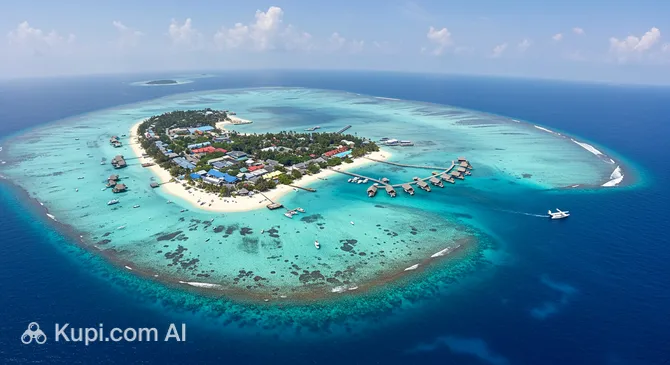
Welcome to Maamigili, a vibrant and significant island located in the Alif Dhaal Atoll. Unlike the secluded private resort islands often associated with the Maldives, Maamigili offers a unique blend of local culture and modern connectivity. As the largest island in its atoll and home to approximately 2,000 residents, it serves as a bustling hub where travelers can experience the authentic rhythm of Maldivian life.

Maamigili. Source: Kupi.Binoculars

Geographically, the island is situated at the southern tip of the Ari Atoll, a location that blesses it with stunning surroundings and a tropical climate perfect for year-round visits. Maamigili is particularly famous for hosting the Villa International Airport, making it a crucial gateway for tourists exploring the region. Beyond its strategic importance, the island is a paradise for nature enthusiasts. It is renowned globally as one of the best places to spot whale sharks, which can often be seen cruising along the nearby reef throughout the year.

While the island is embracing development and tourism, it retains a deep connection to its past. Exploring the history of Maamigili reveals a community traditionally dedicated to fishing and craftsmanship, which has seamlessly adapted to welcoming visitors from around the world. Whether you are looking to dive with gentle giants, enjoy local cuisine in a guesthouse, or simply transit to a nearby luxury resort, Maamigili invites you to discover the warm hospitality and natural beauty of the sunny side of life.

Weather Overview

Maamigili enjoys a warm, tropical climate with temperatures that remain incredibly stable throughout the year. The average temperature hovers comfortably between 27°C and 28°C, with April being the warmest month at approximately 28.0°C and November slightly cooler at 26.9°C. This consistency makes the island a reliable destination for travelers seeking warmth regardless of the season.

While the heat is constant, the rainfall pattern varies significantly in terms of frequency. March is typically the driest time of year, recording just 1mm of precipitation and the fewest wet days. In contrast, months like May and November see a marked increase in rainy weather, with November experiencing up to 26 wet days. For a more detailed breakdown of what to expect during your specific travel dates, you can consult the guide to weather in Maamigili. Generally, expect warm days year-round with a higher likelihood of scattered showers during the wetter months of May and November.

Interesting Facts

Beyond its reputation as a transportation hub, Maamigili holds fascinating secrets that set it apart from typical tourist islands. This bustling community seamlessly blends traditional maritime heritage with modern developments, offering visitors a glimpse into a side of the archipelago that few get to see.

  • The Whale Shark Capital: Maamigili is widely regarded as one of the best places on Earth to spot whale sharks. Unlike other global hotspots where sightings are seasonal, the unique currents around the South Ari Atoll allow these gentle giants to reside here year-round. The island's "Whale Shark Point" is so reliable that researchers and conservationists have established a permanent presence here to study the population.

  • A Rare Private Airport: The island is home to Villa International Airport, a facility that distinguishes it from almost every other local island in the Maldives. Interestingly, this airport was developed not by the government, but as a private initiative by a prominent local business group. Its construction transformed Maamigili into a critical gateway, linking the southern atolls directly to the rest of the world.

  • A Hub of Two Harbors: While most islands have a single jetty, Maamigili boasts two distinct harbors. This dual infrastructure supports its thriving economy, catering to both the heavy traffic of safari boats and the island's traditional fishing fleet. It highlights Maamigili's status as a true maritime center, where boat building and carpentry remain vital local industries alongside tourism.

  • Luxury Waters on a Budget: Maamigili offers a unique travel hack for savvy explorers. While it sits in the same pristine waters as some of the country's most exclusive and expensive resorts, staying here allows travelers to access the exact same world-class diving and snorkeling sites—including the famous shark grounds—at a fraction of the cost, all while experiencing authentic local culture.

How to Get There

Reaching this destination is exceptionally convenient compared to many other islands in the archipelago, primarily thanks to its own airport. For a detailed breakdown of routes and transfer options, you can read more about how to get to Maamigili.

The island is home to the Villa International Airport Maamigili (IATA: VAM), which is located directly in Maamigili, just 0.3 km from the main settlement area. This facility serves as a vital regional hub, handling approximately 350,000 passengers annually. Since the airport is situated right on the island, the transfer to local guesthouses or the harbor is incredibly fast, taking only about 5 to 10 minutes by taxi or shuttle.

Most international visitors will first land at Velana International Airport (IATA: MLE), located in the capital city of Male, roughly 110 km away. As the primary gateway to the country with an annual passenger traffic exceeding 8 million, it connects the nation to major global cities. Since Maamigili is on a separate atoll, you cannot take a taxi or bus directly from Male; instead, travelers typically transfer to a domestic flight that lands directly at Maamigili's airport.

For clarity, here is a summary of the main airports:

Airport Name City Passenger Traffic Km from City
Velana International Airport Male Large 110.6
Villa International Airport Maamigili Maamigili Medium 0.3
Dhaalu Airport Kudahuvadhoo Small 89.4
Thimarafushi Veymandoo Small 144.1
Muli Airport Muli Small 103.7

Main Attractions

While many travelers initially view the island as a transit point due to its airport, Maamigili offers a variety of experiences that make it a destination in its own right. From world-class marine encounters to a lively local atmosphere, the island provides a unique perspective on life in the archipelago. Here are some of the main attractions to explore during your visit.

Whale Shark Point is undoubtedly the most significant draw for visitors to this region. Located along the outer reef of the South Ari Atoll, just a short boat ride from the island, this area is a renowned marine protected zone. It is one of the rare places on the planet where whale sharks can be spotted year-round rather than just seasonally. Swimming or snorkeling alongside these massive, gentle creatures in their natural habitat is a bucket-list experience that attracts nature enthusiasts from all over the world.

For a relaxing day by the sea, the Maamigili Tourist Beach is the perfect escape. As Maamigili is an inhabited local island with specific cultural customs, this designated area (often called a "bikini beach") allows tourists to sunbathe and swim freely in appropriate attire. The beach features the classic Maldivian combination of soft white sand and clear turquoise water, offering a quiet spot to unwind, read a book, or watch the sunset away from the bustle of the main town.

The Maamigili Harbor offers a fascinating look into the island's identity as a maritime hub. Unlike the secluded jetties of private resorts, this harbor is a hive of activity, constantly filled with luxury liveaboards, safari boats, and traditional fishing dhonis. A walk along the waterfront allows visitors to witness the authentic daily life of the islanders, from fishermen sorting their fresh catch to skilled craftsmen working on boats, highlighting the island's reputation for boat building and repair.

Local Diving Centers are abundant on the island, serving as the gateway to the incredible underwater geography of the Alif Dhaal Atoll. Because Maamigili is strategically located near some of the country's best dive sites, these centers offer easy access to deep channels and vibrant coral gardens. Beyond the famous whale sharks, divers and snorkelers can expect to encounter manta rays, sea turtles, and schools of colorful reef fish, making it a premier destination for underwater exploration.

Local Cuisine

The culinary scene in Maamigili offers a genuine taste of traditional life in the Maldives, heavily influenced by the ocean that surrounds it. As a bustling local island rather than a secluded resort, the food here is authentic, spicy, and affordable. The foundation of almost every meal is fresh tuna, known locally as mas, combined with coconut, lime, and chili. Visitors can expect hearty, flavorful dishes that reflect the island's maritime heritage.

One dish that every traveler must try is Mas Huni, the quintessential breakfast. It consists of shredded smoked tuna mixed with grated coconut, onions, and chili, served with fresh flatbread called roshi. For lunch or dinner, Garudhiya is a staple; this clear, savory fish broth is typically eaten with rice, lime, and plenty of hot peppers. In the late afternoon, the local culture revolves around Hedhikaa, or "short eats." These are savory snacks served in cafes, including bajiya (fish-filled pastries) and gulha (fried dough balls stuffed with smoked tuna), which are perfect for a quick bite.

When it comes to drinks, the options are refreshing but strictly non-alcoholic, in adherence to local Islamic customs. You will not find alcohol served in restaurants or shops on Maamigili. Instead, the island offers an abundance of Kurumba (fresh young coconut water), which is the perfect way to cool down in the tropical heat. Black tea is also a major part of the social fabric, often enjoyed sweet and hot alongside afternoon snacks.

Dining in Maamigili is a casual and communal affair. The most popular spots are the small local cafes and tea shops, particularly those near the harbor where fishermen and sailors gather. These venues offer a lively atmosphere where you can observe daily island life while enjoying a meal. Additionally, many guesthouses on the island provide excellent dining options, often serving a mix of local specialties and continental dishes to cater to international palates.

Travel Tips

Planning a trip to Maamigili requires a slight shift in mindset compared to a typical resort vacation, as you will be staying on an inhabited local island with its own unique rhythm and customs. These practical tips will help you navigate daily life and logistics to ensure a smooth, respectful, and enjoyable adventure in this bustling maritime hub.

  1. Clothing and Gear: Since Maamigili has a tropical climate, pack lightweight, breathable fabrics like cotton or linen. However, as a local island, modesty is essential. When outside the designated "bikini beach," both men and women should cover their shoulders and knees to respect local traditions. Bring a high-SPF sunscreen, sunglasses, and a hat. For electronics, the Maldives typically uses British-style Type G plugs, so a universal adapter is recommended.
  2. Transportation: The island is relatively small and flat, making walking the best and most enjoyable way to get around. You can explore the entire village and harbor area on foot in a short time. For heavy luggage or airport transfers, taxis and pickup trucks are available, but there is no need for car rentals or ride-hailing apps here.
  3. Finances: The local currency is the Maldivian Rufiyaa (MVR). While US Dollars are widely accepted, especially for guesthouses and diving, it is wise to carry MVR for small purchases at local shops and cafes. There is a branch of the Bank of Maldives (BML) with an ATM on the island, but it is always safer to bring some cash. Credit cards are generally accepted at hotels and larger establishments.
  4. Health and Safety: Maamigili is a safe island with a low crime rate, but standard precautions like watching your belongings apply. There is a local health center and a pharmacy capable of handling minor ailments and first aid. Mosquitoes can be active, particularly at dawn and dusk, so bringing a reliable insect repellent is highly advisable.
  5. Communication: The main language is Dhivehi, but English is widely spoken, especially given the island's status as a transport hub with an international airport. Wi-Fi is standard in guesthouses and cafes. For mobile data, you can easily purchase a SIM card from providers like Ooredoo or Dhiraagu, often available right at the airport or in local shops.
  6. Local Etiquette: Maldivians are warm and hospitable. A common greeting is "Assalaamu Alaikum" (Peace be upon you). It is customary to remove your shoes before entering a local home or a mosque. When handing money or objects to someone, use your right hand, as the left is traditionally considered reserved for hygiene purposes.
  7. What to Avoid: Strictly avoid bringing or consuming alcohol on the island; it is prohibited by law on local inhabited islands. Also, avoid walking through the village in swimwear or revealing clothing; keep beachwear strictly for the designated tourist beach or boat excursions to avoid offending residents.
  8. Prayer Times and Fridays: Be aware that shops and cafes often close for about 15 minutes during prayer times, which occur five times a day. Friday is the Islamic weekend, so expect many businesses to be closed until the afternoon, particularly around the midday Friday prayer.

Maamigili is a welcoming community where a little cultural awareness goes a long way in fostering genuine connections with the locals. By keeping these simple tips in mind, you are sure to have a memorable and hassle-free experience in this unique and lively corner of the Indian Ocean.

Entertainment & Nightlife

Nightlife in Maamigili offers a distinct and relaxed experience compared to the high-energy club scenes found in many global cities. As an inhabited local island in the Maldives, Maamigili adheres to local laws, meaning the sale and consumption of alcohol are prohibited on the island itself. Consequently, you will not find traditional nightclubs, discos, or pubs within the town. Instead, the evening atmosphere is defined by a vibrant "coffee culture," warm ocean breezes, and social gatherings that reflect the friendly nature of the community.

The hub of evening activity is undoubtedly the Harbor Area. As the sun sets, this district comes alive with locals and tourists alike enjoying the cool air. The main street running parallel to the waterfront is bustling with activity, where people take leisurely strolls, watch the safari boats dock for the night, and gather at open-air cafes. The dress code is casual but modest; comfortable summer clothing is perfect, though swimwear should be reserved for the beach or boat trips.

For those seeking a drink or a more conventional bar atmosphere, the solution lies just a short boat ride away. While alcohol is not served on Maamigili, it is available at nearby luxury resorts, such as Sun Island (Villa Park), which is located in the immediate vicinity. Visitors can often arrange transfers or day passes to these resorts to enjoy their bars and evening entertainment. Additionally, guests staying on liveaboard vessels or safari boats anchored in the atoll are permitted to consume alcohol on board, offering a way to unwind with a cocktail under the stars while respecting local island customs.

On the island, the "nightlife" revolves around dining and socializing. Local harbor cafes and guesthouse restaurants are popular spots known for their relaxed ambiance and varied menus. These venues typically stay open until around 10:00 PM or 11:00 PM, offering a cozy setting to unwind after a day of diving. Prices are generally affordable, with a meal and drinks (non-alcoholic) costing significantly less than at nearby luxury resorts.

Beyond dining, evening entertainment often involves connecting with nature. Night fishing is a top-rated activity; local fishermen take visitors out on traditional dhonis to catch snapper or grouper using handlines, often followed by a barbecue of the fresh catch. For a quieter night, the lack of light pollution makes the beach areas perfect for stargazing or spotting crabs scuttling along the shoreline.

Safety in Maamigili is excellent. The island is small, well-lit in the main areas, and very safe for walking at night. Getting around is simple: you can walk to almost any destination within 15 minutes. If you prefer not to walk, taxis and pickup trucks are available and can be hailed on the street or called by your hotel reception. A ride usually costs a fixed low rate, making it an easy option if you are tired.

Regarding daytime entertainment, do not expect theaters, museums, or amusement parks. Maamigili's "attractions" are its natural wonders. The days are best spent exploring the underwater world, with diving centers offering excursions to swim with whale sharks, or enjoying water sports at the tourist beach. The entertainment here is organic, driven by the stunning marine environment rather than man-made facilities.
Parks & Museums

In Maamigili, the concept of parks and museums extends far beyond gated gardens or glass-walled exhibition halls. Here, nature itself serves as the grandest park, with the island's lush tropical vegetation and pristine coastlines offering a serene escape. Similarly, the local culture is not confined to static displays but is a living, breathing experience found in the bustling shipyards, ancient architectural techniques, and the daily rhythms of the islanders. Visitors will find that the entire island functions as an open-air gallery of Maldivian life.

Maamigili Tourist Beach stands as the island's premier green and blue space. Designated specifically for visitors, this area allows for a relaxed dress code and offers a perfect blend of natural beauty and recreational space. The beach is fringed by swaying palms and dense Scaevola taccada (sea lettuce) bushes, providing natural shade and a touch of greenery against the blinding white sand. It is an ideal spot for a picnic, a morning jog, or simply admiring the seamless transition between the verdant island flora and the turquoise ocean.

While not a park in the terrestrial sense, the South Ari Marine Protected Area (SAMPA) is the region's most significant natural sanctuary. Located just off the shores of Maamigili, this zone functions effectively as a national park for marine life. It is the year-round home of the whale shark, and the conservation efforts here are palpable. For nature lovers, a visit to the boundary of this protected zone offers an encounter with biodiversity that rivals any botanical garden on land.

Regarding formal cultural institutions, Maamigili does not house traditional museums or art galleries. Instead, the Maamigili Boat Building Yards serve as a fascinating "living museum" of maritime history. Maamigili is historically renowned as a center for master carpenters and boat builders. Visitors can observe craftsmen constructing or repairing traditional dhonis and modern safari boats using techniques passed down through generations. This hands-on display of heritage offers a deeper insight into the island's identity than any static exhibit could.

Another venue that reflects the artistic soul of the island is the array of Local Souvenir Workshops scattered near the main street. While these are commercial spaces, many function as small galleries where local artisans display intricate lacquer work, wood carvings, and jewelry made from coconut shells. Browsing these shops provides a glimpse into the artistic traditions of the atoll and offers a chance to engage directly with the creators of these cultural artifacts.

In terms of historical architecture, the Hukuru Miskiy (Friday Mosque) is a significant landmark. While modern renovations have taken place, the site remains the spiritual heart of the community. Its architecture reflects the traditional Islamic influence prevalent across the Maldives, serving as a testament to the island's enduring faith and community structure. The peaceful courtyard and the call to prayer echoing at dusk create a powerful atmospheric experience for respectful visitors.

For an authentic insider experience, take a walk through the agricultural plots on the outskirts of the residential area. Unlike the sandy streets of the village center, these small patches of cultivated land are bursting with breadfruit trees, banana plants, and chili fields. It is a quiet, lesser-known side of Maamigili where you can see how locals utilize the limited fertile soil to grow fresh produce, offering a humble yet beautiful example of island sustainability.

Getting Around

Due to the compact size of Maamigili, the city does not possess a complex public transport infrastructure like subways, trams, or extensive municipal bus networks found in larger global metropolises. The primary mode of motorized public transportation within the island consists of taxis and pickup trucks. These vehicles serve as the local equivalent of a bus service, shuttling residents and visitors between the harbor, the residential areas, and the airport. They are readily available and offer a convenient way to escape the midday tropical heat or transport heavy luggage.

For connectivity beyond the island's shores, the true "public transport" of the region is the ferry network operated by the Maldives Transport and Contracting Company (MTCC). These ferries function similarly to a regional train or bus system, linking Maamigili with neighboring islands in the Alif Dhaal Atoll and occasionally further afield. The ferry terminal at the harbor is the central hub for these scheduled services, which are significantly more affordable than speedboats or domestic flights, making them the preferred choice for locals and budget-conscious travelers.

The payment system in Maamigili is straightforward and relies almost exclusively on cash. There are no electronic travel cards, tap-to-pay terminals, or mobile transport apps in operation for local ground transport. Fares for taxis are typically fixed fees for a one-way trip to any point on the island, usually costing a nominal amount in the local currency. Ferry tickets must also be purchased with cash, either at the ticket counter at the ferry terminal or directly on the boat, depending on the specific route and time of day.

Travelers are advised to always carry small denominations of the local currency, the Rufiyaa, as drivers and ferry conductors may not have change for large banknotes or foreign currency. Taxis can be hailed directly from the street, found waiting near the harbor and airport, or arranged via your guesthouse reception. While they operate throughout the day and into the evening, services may be less frequent during prayer times or late at night, so it is wise to pre-arrange a ride if you have an early morning departure.

Alternatives to motorized transport are highly popular and often the most efficient way to navigate the island. Walking is the primary method of commuting for residents, as the terrain is flat and distances are short; walking from one end of the settlement to the other takes only about 15 to 20 minutes. For a faster pace, bicycle rentals are a common option. Many guesthouses provide bicycles to their guests either for free or for a small daily fee, allowing you to explore the lanes and coastal paths at your own leisure.

A unique feature of the local transport landscape is the "airport bus" service, which is quite rare for a local island. Operated specifically to support the Villa International Airport, this shuttle bus transports passengers between the terminal and the boat jetty for transfers to nearby resorts. While its primary function is logistical support for the airport and resort guests, its presence on the roads adds a touch of formal transport infrastructure to the otherwise relaxed and informal island traffic flow.

Accommodation

Accommodation in Maamigili differs significantly from the typical image of the Maldives as a destination solely for ultra-luxury private villas. As an inhabited local island, the lodging landscape here is dominated by guesthouses and small, boutique-style hotels. These establishments offer a comfortable and authentic experience, bridging the gap between budget travel and modern convenience. They are particularly well-suited for divers, transit passengers using the local airport, and travelers seeking to experience Maldivian culture without the premium price tag of a resort.

The island is relatively compact, meaning location is rarely a major issue, but there are two distinct zones to consider. The area near the Harbor is the most convenient for those focused on marine activities; it is bustling with energy and offers immediate access to dive boats and the ferry terminal. Alternatively, visitors looking for a quieter stay often prefer guesthouses located closer to the Tourist Beach (Bikini Beach) on the ocean side of the island. These spots offer a more secluded atmosphere and are just a short walk from the sand and sea.

While Maamigili does not host sprawling resort complexes within the village itself, the quality of local accommodation has risen sharply in recent years. Most properties are modern, multi-story buildings equipped with essential amenities such as air conditioning, en-suite bathrooms, and Wi-Fi. Many also feature in-house restaurants and rooftop terraces where guests can relax after a day of snorkeling. For those seeking the resort experience, the island serves as a budget-friendly base from which you can easily arrange day visits to nearby luxury islands.

In terms of pricing, Maamigili is a fantastic option for mid-range and budget travelers. The cost of a night here is a fraction of what one would pay at a private island resort, yet you have access to the same world-class diving sites and whale shark spots. Booking is straightforward and can typically be done via major online travel platforms. However, a crucial tip is to book in advance if you plan to visit during the peak high season (December to April), as the best-rated guesthouses fill up quickly due to the island's popularity as a transit and diving hub.

Nearby Cities

For those looking to explore the surroundings, Maamigili serves as an excellent base for day trips to several interesting nearby locations. Situated in the South Ari Atoll, the island is surrounded by other gems that offer distinct experiences, ranging from secluded natural beauty to cultural excursions.

Dhigurah is perhaps the most popular neighbor, located just a short boat ride away. Famous for its incredibly long sandbank that stretches into the ocean, it is a haven for beach lovers and photographers. The waters around Dhigurah are also prime territory for spotting manta rays and whale sharks, making it a perfect extension of the marine adventures found in Maamigili.

Dhangethi offers a rich cultural experience and is easily accessible for a half-day or full-day visit. This island is known for its friendly atmosphere and the Dhangethi Cultural Centre, which showcases traditional Maldivian history and craftsmanship. wandering through its sandy lanes provides a peaceful contrast to the busier harbor environment of Maamigili.

Male, the bustling capital city, is also within reach thanks to the direct domestic flights from Maamigili’s airport. While it is further away geographically, the convenient air link allows travelers to plan a visit to see the historic Friday Mosque, the National Museum, and the vibrant fish market, offering a complete change of pace from the relaxed island life.

City Population Distance (km)
Male 133019 108
Kulhudhuffushi 15875 350
Fonadhoo 13037 196
Thinadhoo 5230 78
Thulusdhoo 4300 135

These nearby destinations offer a glimpse into the diverse culture and landscapes of the region, allowing visitors to expand their Maldivian adventure beyond a single island.

Shopping & Souvenirs

Shopping in Maamigili offers a refreshing contrast to the commercialized retail experiences found in major global cities or even the duty-free zones of international airports. As an inhabited local island, the retail scene here is modest, functional, and deeply integrated into the daily life of the community. Visitors will not find high-end fashion boutiques or sprawling luxury complexes; instead, the island provides a selection of charming local stores, convenience shops, and souvenir outlets that cater to both residents and the steady stream of tourists passing through the nearby airport and harbor.

The primary hub for shopping is the Main Road that runs parallel to the harbor area. This bustling strip is the commercial heart of the island, lined with small convenience stores, known locally as "fihaara." Here, you can find everything from sunblock, toiletries, and beach gear to snacks and beverages. Walking along this street allows you to browse at a leisurely pace, mixing with locals doing their daily grocery runs and shipwrights picking up supplies for their work.

Travelers looking for large-scale retail therapy should manage their expectations, as there are no shopping malls on Maamigili. The island's infrastructure is designed for village life rather than mass consumerism. The closest thing to a "department store" would be the larger general trading shops that stock a bit of everything, from household electronics to clothing. For branded luxury goods, your best bet is the duty-free section at Velana International Airport in Male before your final departure from the country.

While there isn't a dedicated tourist market hall, the Harbor Front acts as an open-air marketplace of sorts, particularly in the early morning and late afternoon. This is where fishermen bring in their fresh catch, and while you might not be buying a whole tuna to take home, the energy is infectious. Occasionally, you may find stalls or small vendors selling fresh local produce like watermelons, coconuts, and bananas grown in the island's agricultural plots, offering a literal taste of the local land.

When it comes to souvenirs, Maamigili offers something quite special due to its heritage as a boat-building center. The most authentic keepsake you can buy here is a handcrafted wooden model of a traditional Maldivian dhoni. These are often made by the same local carpenters who build the real vessels. Other popular items include lacquer work, jewelry made from coconut shells, and hand-painted sarongs. These gifts are generally more affordable here than in resort gift shops and directly support the local artisans.

Opening hours in Maamigili are generally from around 8:00 AM to 10:00 PM or 11:00 PM. However, it is crucial to respect the local custom regarding prayer times. Shops will close for approximately 15 to 20 minutes five times a day during the call to prayer. Fridays are the Islamic holy day, so expect most businesses to remain closed until after the midday Jumaa prayer, opening around 2:00 PM. Regarding payment, cash is king. While some larger souvenir shops and guesthouses accept US Dollars and credit cards, smaller local shops prefer the Maldivian Rufiyaa (MVR). It is advisable to carry small denominations of local currency for snacks and drinks.

Tax-free shopping and VAT refunds are generally not applicable for purchases made in the small local shops of Maamigili. The formal tax refund schemes for tourists are typically limited to specific goods purchased at designated outlets at the main international airport in Male upon departure. Therefore, the price you see on the shelf or negotiate with the shopkeeper is the final price you pay.

Reached the end of the page?

That means the route is fully explored