Support

Muli

About

Welcome to Muli, the vibrant administrative capital of Meemu Atoll. This charming island offers travelers a unique opportunity to experience the authentic lifestyle of the Maldives beyond the typical resort experience. With its friendly community and laid-back atmosphere, Muli serves as a perfect gateway for those seeking both cultural immersion and aquatic adventures.

Muli. Source: Kupi.Binoculars

Geographically, the island is situated on the eastern rim of the atoll, blessed with a tropical climate that invites visitors year-round. While walking through its sandy streets, one can appreciate the history of Muli, observing how traditional architecture blends with modern island living. The population here is known for their hospitality and deep connection to the ocean, which sustains their livelihood and leisure.

The island is particularly famous among the surfing community for its accessible and consistent surf breaks. "Muli Inside" and "Muli Outside" (also known as Mushrooms) attract wave riders from across the globe looking for uncrowded spots. Apart from surfing, the island is a hub for traditional fishing, and visitors can often watch local fishermen bring in their daily catch or even join a fishing excursion to learn the local techniques.

Whether you are chasing the perfect wave or simply wish to unwind on pristine beaches while observing local life, Muli promises a memorable escape. It is a destination that beautifully captures the serene yet spirited essence of island living.

Weather Overview

Muli enjoys a consistent tropical climate, characterized by warm temperatures and high humidity throughout the year. The island experiences remarkably stable conditions, with average temperatures staying within the comfortable range of 26°C to 28°C. April typically marks the warmest period with an average of 28.0°C, while November sees slightly cooler averages around 26.8°C, though the tropical warmth remains constant.

Travelers should be prepared for regular rainfall, as wet days are a common feature of the local climate. The number of rainy days varies, peaking in months like May and November, which can see over 25 wet days, while March tends to be the driest with fewer interruptions. For more specific forecasts and seasonal trends, you can view the detailed weather in Muli page. Despite the frequent precipitation days, the consistent warmth ensures that the water remains inviting for swimming and surfing year-round.

Interesting Facts

Beyond the main attractions and its status as a capital, Muli holds fascinating secrets that reveal the true character of this island. Here are some unique details that make this destination stand out in the Meemu Atoll:

  • A Surfer’s Double Treat: Muli is one of the rare islands in the Maldives that offers direct access to two distinct surf breaks. "Muli Inside," locally nicknamed F1 for its speed, and "Muli Outside," often called Mushrooms, allow surfers to catch waves in varying wind conditions without leaving the local area.

  • Prime Dolphin Spotting: The channels surrounding the island are renowned for their rich marine life, specifically large pods of spinner dolphins. Unlike many other locations where a long boat ride is necessary, visitors here can often spot these playful creatures frolicking in the waves just off the coast.

  • The "Capital" Paradox: Although Muli serves as the administrative headquarters for the entire atoll, it surprisingly retains the peaceful, close-knit atmosphere of a traditional fishing village. It lacks the congestion typical of capital islands, offering a unique blend of official importance and laid-back island living.

  • Sustainable Fishing Hub: The island is a guardian of the traditional pole-and-line fishing method. It is not uncommon to see the local fleet returning at sunset, supplying fresh tuna not just to the community, but also to high-end resorts across the region.

How to Get There

Reaching this beautiful island destination is an adventure in itself, typically involving a combination of international and domestic travel. Visitors can find more about how to get to Muli and plan their journey in detail on our dedicated transport page.

The most convenient entry point is the local Muli Airport (MUM). Located directly in Muli, it is just 1.1 km from the city center. This domestic airport serves as the primary gateway for travelers arriving from the main international hub. Given the short distance, the transfer to your accommodation is extremely quick, taking only a few minutes by local transport or taxi.

For international arrivals, the journey almost always begins at Velana International Airport (MLE), located in the city of Male, approximately 140.7 km away from Muli. As the main international airport of the Maldives with a passenger volume of over 8 million annually, it connects the archipelago to the rest of the world. From here, travelers typically transfer to a domestic flight bound for Muli or take a scenic speedboat ride to reach the atoll.

For clarity, here is a summary of the main airports:

Airport Name City Passenger Traffic Km from City
Velana International Airport Male Large 140.7
Villa International Airport Maamigili Maamigili Medium 102.7
Dhaalu Airport Kudahuvadhoo Small 82.3
Thimarafushi Veymandoo Small 92.3
Muli Airport Muli Small 1.1

Main Attractions

Muli Surf Breaks

Muli is celebrated globally as a premier surfing destination, offering direct access to two distinct and world-class breaks. Muli Inside, known locally as "F1," is a fast, hollow right-hander that peels down the reef, offering a thrilling ride for intermediate to advanced surfers. Just around the corner is Muli Outside, or "Mushrooms," which picks up more swell and provides long, consistent rides. These spots are interesting to tourists because they are easily accessible from the shore and are generally less crowded than the famous breaks in the North Male Atoll.

Muli Harbor Marine Viewing

The island's harbor area transforms into a captivating natural aquarium, particularly in the evening. Visitors frequently gather on the jetty to observe large schools of nurse sharks and stingrays that glide through the crystal-clear shallow waters. This spot is fascinating because it allows tourists to see these majestic marine creatures up close without getting wet, offering a unique glimpse into the rich biodiversity of the Meemu Atoll right from the city's edge.

Muli Kandu Dive Site

For underwater enthusiasts, the Muli Kandu channel is a must-visit location situated just minutes from the island. This dive site is renowned for its vibrant marine life and strong currents, which attract large pelagic species. Divers flock here for the chance to encounter grey reef sharks, eagle rays, and schools of jackfish. It is a key attraction for those looking to experience the "real" Maldives underwater, away from the more commercialized dive circuits.

Muli Local Beach

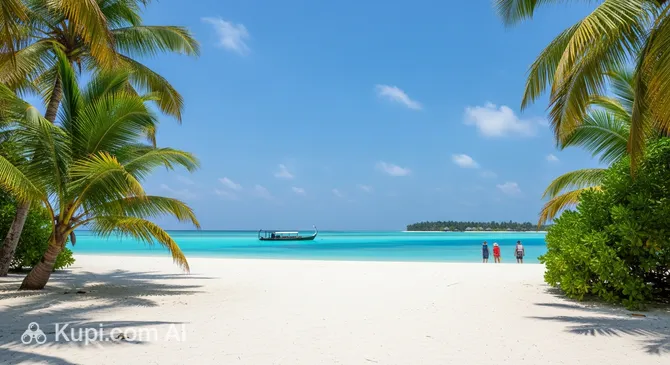
While the island is the administrative capital, it retains a serene coastline with stretches of pristine white sand. The local beach offers a peaceful retreat for sunbathing and swimming in the turquoise lagoon. Unlike the private resort islands, the beach here provides an authentic atmosphere where visitors can relax under the shade of palm trees and watch the local dhonis (fishing boats) pass by, making it perfect for travelers seeking a quiet and genuine island experience.

Local Cuisine

The culinary landscape of Muli offers a genuine taste of traditional Maldivian life, deeply rooted in the island's fishing heritage. The local cuisine, known as Dhivehi cuisine, revolves primarily around three key ingredients: fresh tuna, coconut, and starches like rice or flour. For travelers, dining here is less about fine dining and more about enjoying robust, spicy, and incredibly fresh homemade flavors.

A day in Muli typically begins with the country's most famous breakfast dish, Mas Huni. This refreshing mixture consists of finely shredded smoked tuna, grated coconut, onions, and chili, all mashed together and eaten with Roshi, a soft, unleavened flatbread. For main meals, visitors should try Garudhiya, a clear and savory fish broth that is considered a national staple, or Mas Riha, a spicy fish curry often cooked with coconut milk and aromatic leaves.

Between meals, the local culture centers around "short eats" known as Hedhikaa. In the late afternoon, local cafés display these bite-sized snacks, which are perfect for a quick energy boost. Favorites include Gulha, small fried dough balls filled with smoked fish and spices, and Bajiya, a Maldivian take on the samosa. These are best enjoyed at a sai hotaa (tea shop), where you can observe the laid-back rhythm of island life.

When it comes to beverages, it is important to remember that Muli is a local inhabited island, meaning the sale and consumption of alcohol are prohibited by law. Instead, the drink of choice is often Kurumba (fresh young coconut water), which is abundant and hydrating. Hot black tea is also extremely popular and is consumed throughout the day, often very sweet, accompanying the savory snacks.

Dining options in Muli range from small, casual local eateries to the dining rooms of guesthouses. Since the island is not a resort, the atmosphere is informal and welcoming. Many tourists find that the best meals are often those prepared by their guesthouse hosts, who can adjust the spice levels to suit foreign palates while showcasing the catch of the day brought in by Muli's own fishermen.

Travel Tips

Preparing for your adventure in Muli involves understanding the unique dynamics of staying on a local Maldivian island, which differs significantly from the private resort bubbles. To ensure a smooth, respectful, and enjoyable journey, keep these practical essentials in mind before you pack your bags.

  1. Clothing and Gear: Since Muli is an inhabited island with a local Muslim community, modest dress is required in public areas. While the weather calls for light, breathable cotton fabrics, ensure your shoulders and knees are covered when walking through the village. Swimwear and bikinis are strictly reserved for designated "Bikini Beaches" or boat excursions. Don't forget high-SPF sunscreen, a hat, and polarized sunglasses to combat the strong equatorial sun.

  2. Transportation: The island of Muli is compact and best explored on foot. There is no need for car rentals or ride-hailing apps here. For moving between Muli and neighboring islands, local ferries and speedboats are the primary modes of transport. Many guesthouses also offer bicycles, which are a fun and breezy way to get around the sandy streets.

  3. Finances: The local currency is the Maldivian Rufiyaa (MVR). While guesthouses often accept US Dollars (USD) for accommodation and excursions, small local shops and cafés prefer MVR. As the capital of the atoll, Muli does have banking facilities and an ATM, but it is wise to carry sufficient cash, especially smaller denominations for snacks and tips. Credit cards are generally accepted at larger establishments but not everywhere.

  4. Health and Safety: Muli is home to the Muli Regional Hospital, providing reliable medical assistance if needed. Pharmacies are available, but it is highly recommended to bring your own supply of prescription medications and basic first-aid items. Mosquito repellent is essential, particularly at dawn and dusk. The island is very safe, but standard precautions like watching your belongings on the beach apply.

  5. Communication: The main language is Dhivehi, but English is widely spoken, especially by those in the tourism and hospitality sectors. It is best to purchase a local SIM card (Dhiraagu or Ooredoo) with a data package upon arrival at Velana International Airport, as Wi-Fi in guesthouses can sometimes be intermittent. A useful local app for prayer times and ferry schedules can be handy.

  6. Local Etiquette: Maldivians are warm and hospitable. A simple smile and a greeting of "Assalaamu Alaikum" (Peace be upon you) go a long way. Always remove your shoes before entering a local home or a mosque. Use your right hand for eating (if eating with fingers) and for giving or receiving items, as the left hand is considered reserved for hygiene purposes.

  7. What to Avoid: Strictly avoid bringing or consuming alcohol on the island; it is illegal on local inhabited islands in the Maldives. Also, public displays of affection (PDA) are frowned upon and should be avoided to respect local norms.

  8. Friday Schedule: Keep in mind that Friday is the holy day in the Maldives. Many shops, cafés, and services in Muli may close for the main Friday prayers (Jummah) around midday and reopen later in the afternoon. Plan your lunch and activities accordingly.

By following these simple guidelines, you will find it easy to connect with the friendly community of Muli and navigate the island with confidence. Embrace the slower pace of life, respect the local customs, and enjoy the authentic island vibes that make this destination so special.

Entertainment & Nightlife

Nightlife in Muli is a tranquil and culturally immersive experience, distinctly different from the party-centric atmosphere found in many international tourist hubs. As Muli is an inhabited local island governed by Islamic laws, the sale and consumption of alcohol are prohibited. Consequently, you will not find nightclubs, discos, or cocktail bars here. Instead, the "nightlife" revolves around socializing in cozy tea shops, enjoying nature’s nocturnal displays, and participating in community activities that offer a genuine glimpse into the Maldivian way of life.

The evening atmosphere is incredibly safe, laid-back, and family-friendly. Locals and visitors alike gather in the cool of the evening to chat, play chess, or simply relax by the ocean. The hustle of the day fades into a peaceful rhythm where the sound of waves replaces loud music. The dress code remains modest even at night; casual but conservative attire covering shoulders and knees is respectful and expected when visiting local cafes or walking through the village.

For dining and social gatherings, the island's local cafes serve as the main hubs of entertainment. Scattered along the beachfront and nestled within the village, these open-air eateries offer a relaxed setting where you can enjoy hot coffee, fresh tropical juices, and dinner while listening to the surf. These spots are excellent venues to try local "short eats" (hedhikaa) and mingle with friendly residents. Without the rush of formal dining, visitors can linger over their meals, soaking in the cool sea breeze and the star-filled sky.

One of the most unique "nightlife" attractions in Muli takes place at the harbor. After sunset, the harbor area becomes a natural theater where visitors can watch nurse sharks and stingrays glide through the illuminated shallow waters. This free and mesmerizing spectacle attracts many tourists who come to observe these majestic creatures up close without getting wet. It is a peaceful yet thrilling way to end the day, connecting directly with the rich marine biodiversity of the Maldives.

For a more active experience, night fishing excursions are highly recommended. Organized by local guesthouses, these trips allow you to try traditional hand-line fishing under the stars. It is a hands-on activity that connects you with the island's primary livelihood. Successful trips are often followed by a beach BBQ where your catch is grilled over coconut husks, providing a delicious and authentic end to the evening.

While the nights are for relaxation, daytime leisure in Muli extends beyond just the beach. Although the island is famous for its surf breaks, non-surfers have plenty to explore. Cultural enthusiasts can spend their days wandering through the sandy streets, visiting the local mosque, or observing skilled craftsmen at the boatyards building traditional dhonis. The slow pace of island life invites you to unwind fully, making a simple walk at dusk or a conversation with a local fisherman as rewarding as any organized tour.

Getting around at night is effortless. Muli is small enough to navigate entirely on foot, and the streets are safe for walking at any hour. There is no need for taxis, but if you require transport for luggage or a specific reason, your guesthouse can arrange a local pickup. Since street lighting can be dim in some areas to preserve the visibility of the starry sky, carrying a small flashlight or using your phone's torch is practical advice.

Parks & Museums

While Muli may not boast the sprawling botanical gardens or grand national museums found in major metropolitan cities, the island itself serves as a living sanctuary of nature and culture. Here, the "parks" are the lush, palm-fringed coastlines, and the "museums" are the open-air displays of heritage found in the architecture and daily life of its people. Visitors are invited to explore these spaces to gain a deeper understanding of the Meemu Atoll's unique identity.

The Coastal Coconut Groves

Instead of manicured lawns, Muli offers the raw beauty of its extensive coconut groves and vegetation belts that line the island's perimeter. These natural green zones function as the island's primary parklands, providing a cool, shaded retreat from the equatorial sun. Tourists will find these areas perfect for a midday picnic or a quiet read. The interplay of light filtering through the dense canopy of palm and breadfruit trees creates a serene atmosphere that captures the essence of tropical tranquility.

Muli Harbor Recreation Area

The area surrounding the harbor acts as a central social park for the community. In the late afternoon, this space comes alive with locals gathering to socialize, children playing, and fishermen preparing their boats. For visitors, this is an excellent spot to sit on a traditional joali (rope chair) and observe the slow-paced island rhythm. It offers a unique vantage point to watch the sunset while engaging in casual conversations with friendly residents, effectively serving as a cultural plaza.

The Mosques of Muli

In the absence of a formal history museum, the local mosques stand as the custodians of the island's cultural and architectural heritage. These spiritual centers often feature intricate craftsmanship, including beautiful calligraphy and woodcarvings that reflect generations of Islamic art in the Maldives. Visiting the perimeter of these sites offers tourists a glimpse into the spiritual devotion that anchors the community, showcasing a blend of traditional Maldivian building techniques and modern styles.

The Living Museum of Craftsmanship

The streets and boatyards of Muli can be viewed as an open-air gallery dedicated to the maritime history of the Maldives. Meemu Atoll is known for its skilled craftsmen, and a walk through the village often reveals the intricate process of building or repairing traditional dhonis (boats). Observing these artisans at work provides a tangible connection to the past, allowing visitors to appreciate the ancient skills of carpentry and boat-making that have been passed down through centuries, far more vividly than any static exhibit could convey.

Insider Tip: For a truly authentic experience, look for the small, shaded resting spots tucked away between the local houses. These communal areas often feature swings and benches where elders gather to exchange stories. Asking permission to sit and listen—even if you don't speak the language—offers a heartwarming insight into the close-knit community spirit that defines Muli.

Getting Around

Public Transport Overview

Travelers arriving in Muli will quickly notice that the public transport system differs significantly from typical urban centers. Due to the island's compact size, there are no metros, trams, or public bus networks operating within the city itself. Instead, the concept of "public transport" here primarily refers to the maritime network that connects Muli with neighboring islands in the Meemu Atoll and the capital city, Male. For movement within the island, the pace is much slower and more personal.

Inter-Island Ferries

The backbone of the local transport system is the network of government-operated ferries, often referred to as dhonis. These robust, multi-purpose vessels function similarly to a public bus service on water. They run on specific schedules, connecting Muli to inhabited islands nearby. This is the most authentic and affordable way to travel, offering a slow, scenic journey across the atoll. While they are reliable, they are significantly slower than speedboats and are primarily designed for the local population's daily commute.

Getting Around the Island

Within Muli itself, the primary mode of transport is walking. The island's streets are sandy, flat, and easy to navigate, with most key locations—including guesthouses, the harbor, and beaches—reachable within a 15 to 20-minute walk. For those carrying heavy luggage or traveling to the airport, there are a few pick-up trucks and taxis available. These are not hailed on the street like traditional cabs; instead, they are usually arranged via your guesthouse or found waiting at the harbor during ferry arrivals.

Payment and Fares

The payment system in Muli is traditional and cash-based. There are no travel cards, apps, or digital ticketing machines for local transport. For the public ferry, tickets are typically purchased directly at the ferry terminal or on board. The cost is incredibly low, often ranging from 20 to 50 MVR (Maldivian Rufiyaa) depending on the distance. Taxis or luggage transfers within the island usually have a fixed, nominal fee. It is essential to carry small denominations of local currency, as drivers and ferry conductors may not always have change for large bills.

Alternatives: Bicycles and Speedboats

A popular alternative to walking is cycling. Many guesthouses provide bicycles for their guests, either for free or for a small daily rental fee. This is the most enjoyable way to explore the island's nooks and crannies at your own pace. For inter-island travel where time is a factor, scheduled speedboats serve as a faster, albeit more expensive, alternative to the public ferry. These operate more like an express shuttle service and tickets should be booked in advance through your accommodation.

Practical Advice for Tourists

When planning your movements, keep in mind that the transport schedule is heavily influenced by weather conditions and religious observances. Ferry services may be suspended during rough seas, and schedules often change on Fridays, the local weekend, with reduced or paused services during prayer times. It is highly recommended to check the latest ferry timetable at the harbor or ask your host for confirmation the day before you plan to travel. Always arrive at the jetty at least 15 minutes before departure, as boats generally leave promptly.
Accommodation

Accommodation in Muli offers a refreshing departure from the ultra-luxury private island resorts typically associated with the Maldives. As an inhabited local island, the lodging landscape here is dominated by guesthouses and small boutique hotels. These establishments provide a comfortable, intimate, and authentic experience, allowing visitors to live among the local community while enjoying modern amenities like air conditioning and Wi-Fi. This style of accommodation is particularly popular with surfers, adventure travelers, and those seeking a cultural immersion rather than just a secluded beach holiday.

Due to the island's compact geography, location is rarely an issue when choosing where to stay. Most guesthouses are situated within a short walking distance of both the Muli Harbor and the pristine local beaches. Staying near the eastern coast offers quicker access to the famous surf breaks, "Muli Inside" and "Muli Outside," making it a preferred area for wave riders. Alternatively, accommodations closer to the harbor provide lively views of the daily maritime activities and easy access to the ferry terminal and local cafés.

Booking Tips and Prices

The price range for accommodation in Muli is generally budget to mid-range, offering significant savings compared to resort islands. Prices can vary depending on the season, with rates typically rising during the peak surfing months from May to October. While it is possible to find availability on arrival, it is highly recommended to book in advance during these busy periods to secure your preferred room.

Most guesthouses can be booked through major online travel platforms, but many also accept direct bookings via their websites or social media channels, which can sometimes offer better rates or personalized packages that include transfers and excursions. When booking, check if the property offers meal plans, as dining options on the island are authentic but limited.

Nearby Cities

For those looking to explore the surroundings, Muli serves as an excellent base for day trips to several interesting nearby locations:

Although located a bit further afield, a trip to Male offers a striking contrast to the quiet island life of Muli. As the bustling capital of the Maldives, it is the center of trade, culture, and history. Visitors can explore landmarks like the 17th-century Friday Mosque (Hukuru Miskiy), the National Museum, and the vibrant local fish market. It is an ideal destination for those wanting to witness the urban side of the archipelago and shop for souvenirs.

Closer to the atoll lies Thinadhoo, a destination known for its serene atmosphere and strong connection to the ocean. It provides a wonderful opportunity to experience a different local community, often celebrated for its pristine beaches and excellent fishing grounds. A visit here allows travelers to enjoy a relaxed pace of life and explore the unique coastal vegetation that characterizes the islands of this region.

Another interesting option is Fonadhoo. While it requires a longer journey, this island offers a glimpse into the life of a larger Maldivian community. It is known for its relatively larger population compared to typical remote islands and serves as a hub for the southern atolls. Exploring Fonadhoo provides insight into the administrative and commercial activities that sustain the local populations outside the main capital.

City Population Distance (km)
Male 133,019 139
Fonadhoo 13,037 120
Thinadhoo 5,230 63
Thulusdhoo 4,300 161
Naifaru 4,103 280

These nearby destinations offer a glimpse into the diverse culture and landscapes of the region.

Shopping & Souvenirs

Shopping:

Shopping in Muli is a modest and authentic experience that reflects the quiet, community-focused lifestyle of the Meemu Atoll. Unlike the commercialized resort islands or the bustling streets of the capital, there are no sprawling shopping malls, duty-free complexes, or high-end fashion boutiques here. Instead, the retail scene consists of small, family-run convenience stores known locally as fihaara, which cater primarily to the daily needs of the island's residents.

For visitors, these local shops are the go-to places for essentials. You can easily find groceries, bottled water, toiletries, and beach necessities like sunscreen or flip-flops. The inventory is practical and imported, so while the selection might be limited compared to larger cities, it is usually sufficient for travelers staying in guesthouses. It is also a great opportunity to browse through local snacks and beverages that are popular among Maldivians but rarely seen in international supermarkets.

While Muli is not a major hub for souvenirs, you can still find charming keepsakes if you know where to look. Some shops and guesthouses offer locally made handicrafts. Keep an eye out for miniature wooden dhonis (traditional boats), intricate coconut-shell carvings, and woven palm-leaf items. These handmade objects make for meaningful gifts that directly support the local artisans of the Maldives.

Food lovers should consider taking home a taste of the islands. Local stores often stock vacuum-packed smoked tuna (Valhomas), which is a staple ingredient in Maldivian cuisine. Another unique item is Rihaakuru, a thick and savory fish paste, or packets of Maldivian curry powder. Sweet treats like Addu Bondi (a cylindrical coconut sweet wrapped in dried leaves) are also excellent edible souvenirs that travel well.

Practical Shopping Tips:

  • Currency: Cash is king in Muli’s local shops. While guesthouses may accept US Dollars, small store owners prefer the Maldivian Rufiyaa (MVR). Since Muli is the capital of the atoll, it benefits from having a Bank of Maldives branch and an ATM, making it easier to withdraw local currency than on other remote islands.

  • Opening Hours: Shops generally open around 8:00 AM and stay open until 10:00 PM or 11:00 PM. However, it is crucial to remember that businesses close for 15 to 20 minutes during each of the five daily prayer times. On Fridays, the Islamic weekend, shops typically remain closed until the late afternoon, opening only after the main Juma prayers.

  • Restricted Items: Please be aware that alcohol is strictly prohibited on local inhabited islands, and you will not find it sold in any shop in Muli. Additionally, it is illegal to purchase or export products made from turtle shell, black coral, or pearl oysters, so always ensure your souvenirs are sustainable and legal.

Reached the end of the page?

That means the route is fully explored