Support

Dharavandhoo

About

Welcome to Dharavandhoo, a captivating island located in the heart of the Baa Atoll. Unlike the secluded private resort islands, this inhabited island offers travelers a unique opportunity to experience the authentic local lifestyle while enjoying world-class natural wonders. Situated in the Maldives, Dharavandhoo is surrounded by crystal-clear turquoise waters and vibrant coral reefs, making it a true paradise for ocean lovers and adventure seekers.
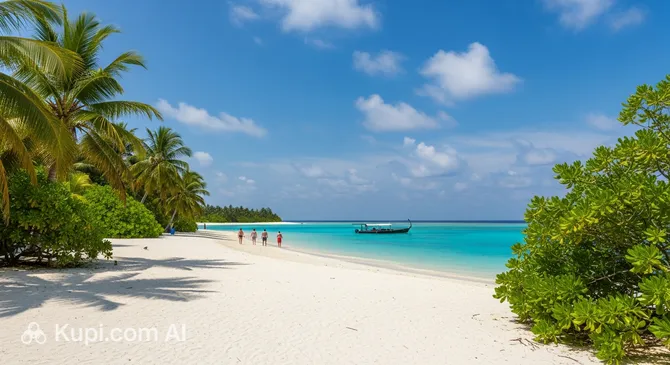
Dharavandhoo. Source: Kupi.Binoculars

The island is home to a friendly population of approximately 1,300 residents, creating a warm and welcoming atmosphere for visitors. Its strategic location within a designated UNESCO Biosphere Reserve ensures that the surrounding environment is pristine and teeming with marine life. While the island is bustling with modern activity, largely due to its domestic airport, it retains a charm rooted in tradition. Exploring the village streets and the history of Dharavandhoo offers fascinating insights into the enduring culture of the Maldivian people.

The most significant attraction in the vicinity is undoubtedly Hanifaru Bay. This protected marine sanctuary is globally renowned for attracting hundreds of manta rays and whale sharks during the season, offering a once-in-a-lifetime snorkeling experience just a short boat ride away. Whether you are a diving enthusiast eager to explore the underwater world or a traveler looking for a peaceful tropical retreat, Dharavandhoo invites you to discover its exceptional beauty and hospitality.

Weather Overview

Dharavandhoo is blessed with a consistent tropical climate, ensuring warm and inviting conditions for travelers throughout the year. The island enjoys stable temperatures, with monthly averages typically hovering between 26.9°C and 28.2°C. April is generally the warmest month, seeing highs around 29°C, while the "cooler" months like January remain pleasantly balmy with minimum temperatures rarely dropping below 26°C.

Precipitation patterns vary significantly depending on the season, affecting the number of rainy days you might encounter. The transition periods around May and October are characterized by more frequent showers, with data showing up to 25 wet days in May. Conversely, the early months of the year, particularly February and March, offer the driest conditions with approximately 10 wet days per month. For a deeper dive into the forecast and seasonal trends, you can check the detailed weather in Dharavandhoo guide.

Interesting Facts

Beyond the famous Hanifaru Bay and its convenient airport, Dharavandhoo holds fascinating cultural and geographical secrets waiting to be discovered. This vibrant island offers more than just a stopover, boasting a rich heritage and unique local features that surprise many visitors.

  • A Hub of Literature: Historically, Dharavandhoo is renowned across the Maldives for being a center of learning and poetry. The island has produced some of the nation's most celebrated poets and scholars, earning it a distinguished reputation for literary excellence that is still cherished in local folklore.

  • The 5-Minute Gateway: While many luxury resorts advertise excursions to the UNESCO Biosphere Reserve at Hanifaru Bay, Dharavandhoo is the closest inhabited island to this marine wonder. It takes approximately five minutes by boat to reach the site, giving guests the unique advantage of arriving early to swim with manta rays and whale sharks.

  • Agricultural Bounty: Unlike many coral islands that rely almost entirely on imported goods, Dharavandhoo possesses surprisingly fertile soil. The locals actively cultivate a variety of crops, including watermelons and chilies, which are often fresh enough to be supplied to the high-end resorts located in the same atoll.

How to Get There

Reaching this beautiful island in the Baa Atoll is a seamless experience, primarily facilitated by its own domestic airport which connects it to the rest of the archipelago. For international travelers, the journey typically begins at Velana International Airport in Male, followed by a scenic domestic flight. For a comprehensive guide on travel logistics, you can read more about how to get to Dharavandhoo and plan your transit accordingly.

The most direct way to arrive is via Dharavandhoo Airport (DRV), which is conveniently located right on the island. As the primary gateway, it handles a significant volume of domestic traffic, ensuring regular connections. Since the airport is situated just 0.4 km from the main settlement, the transfer to your accommodation is incredibly swift, taking practically no time, though you should allow about 20 minutes for luggage collection and formalities. This accessibility makes it the preferred choice for visitors.

Another regional option is Madivaru (LMV), located in the city of Naifaru, approximately 42.4 km from Dharavandhoo. While it serves as a transport hub for the area, arriving here would require arranging a subsequent sea transfer by speedboat to reach your final destination. Similarly, Ifuru (IFU) in Ungoofaaru lies about 62.2 km away. Travelers might also consider Maafaru (NMF) or Funadhoo (FND) depending on flight availability, though these require longer boat transfers. Coordinating these connections in advance is essential.

For clarity, here is a summary of the main airports:

Airport Name City Passenger Traffic Km from City
Dharavandhoo Airport Dharavandhoo Medium 0.4
Madivaru Naifaru Small 42.4
Maafaru Maafaru Small 82.7
Ifuru Ungoofaaru Small 62.2
Funadhoo Funadhoo Small 112.3

Main Attractions

Hanifaru Bay is widely considered the crown jewel of the Baa Atoll and the primary reason many travelers visit Dharavandhoo. Located just a five-minute boat ride from the island, this UNESCO Biosphere Reserve core zone is world-renowned for its massive aggregations of manta rays and whale sharks. During the plankton-rich season, typically from May to November, visitors can witness the spectacular phenomenon of "cyclone feeding," where dozens of mantas swirl together in a mesmerizing dance. To protect the fragile ecosystem, only snorkeling is permitted here, offering an intimate and eco-friendly way to observe these gentle giants in their natural habitat.

For those looking to relax on the island itself, Dharavandhoo Bikini Beach is the designated haven for tourists. On local Maldivian islands, modest dress is generally required, but this specific stretch of coastline is set aside for visitors to sunbathe and swim in swimwear comfortably. The beach features soft white sands and calm turquoise waters, making it an idyllic spot for swimming or simply unwinding under the shade of palm trees. It is also a fantastic location to watch the breathtaking Maldivian sunsets, often painting the sky in vibrant hues of orange and pink.

Diving enthusiasts should not miss Dharavandhoo Thila, a premier dive site located just off the island's shore. This submerged reef is famous for its unique topography, featuring dramatic overhangs and swim-throughs adorned with colorful soft corals. The site is teeming with marine life, including napoleon wrasse, eagle rays, and schools of fusiliers. It offers a fascinating underwater adventure for certified divers who want to explore the deeper biodiversity of the atoll beyond the shallow lagoons.

Another accessible highlight is the Dharavandhoo House Reef, which can be easily reached from the beach. It is perfect for snorkelers of all levels who want to explore the underwater world without needing a boat excursion. The reef is home to a variety of vibrant fish, moray eels, and occasionally reef sharks and turtles passing by. The convenience of stepping directly from the sand into a living aquarium makes it a favorite daily activity for guests staying on the island.

Local Cuisine

The culinary landscape of Dharavandhoo offers a delightful journey into authentic Maldivian flavors, heavily influenced by the island's abundant marine resources. Traditional cuisine here is simple yet incredibly flavorful, revolving primarily around three main ingredients: tuna, coconut, and starches like rice or flatbread. Spices, particularly chili, lime, and onions, play a crucial role in creating the zesty and aromatic profiles that define the local palate.

A must-try dish for any visitor is Mas Huni, the quintessential Maldivian breakfast. It consists of shredded smoked tuna mixed with grated coconut, lime juice, and onions, served with warm roshi (thin flatbread). For lunch or dinner, you might encounter Garudhiya, a clear and savory fish broth that is considered a staple comfort food, or Kulhimas, a spicy chili tuna curry that pairs perfectly with rice or roshi. These dishes offer a genuine taste of the island lifestyle.

Between meals, the local "short eats" culture, known as Hedhikaa, is a significant part of the food scene. In the late afternoon, local cafes display a variety of bite-sized snacks such as bajiya (fish-filled pastries), gulha (fried dough balls stuffed with smoked tuna), and masroshi. These savory treats are best enjoyed with a cup of hot black tea, which is the preferred beverage for locals socializing after a day of work.

When it comes to drinks, the most refreshing option is undoubtedly fresh Kurumba (coconut water), often harvested directly from the island's palms. It is important for travelers to note that Dharavandhoo is a local inhabited island, meaning the sale and consumption of alcohol are prohibited in accordance with local laws. Visitors looking for alcoholic beverages usually take a short boat transfer to nearby resort islands or "floating bars" anchored offshore, while on the island itself, fresh juices and mocktails remain the popular choice.

Dining on Dharavandhoo is a relaxed affair, with most tourists eating at the in-house restaurants of their guesthouses, which often serve a mix of Western favorites and local specialties. However, venturing into the small village cafes offers a more immersive experience, allowing you to dine alongside residents and sample home-style cooking at very affordable prices. The atmosphere is always casual and welcoming, reflecting the friendly nature of the community.

Travel Tips

Visiting Dharavandhoo offers a unique opportunity to experience the authentic side of the Maldives, blending local culture with world-class nature. To ensure your stay on this inhabited island is comfortable, respectful, and hassle-free, here are some essential practical tips to help you prepare.

  1. Clothing and Gear: The climate is hot and humid year-round, so pack lightweight, breathable fabrics like cotton or linen. Since Dharavandhoo is a local island with Muslim traditions, it is crucial to dress modestly when exploring the village; both men and women should keep shoulders and knees covered. Swimwear is strictly limited to the designated "Bikini Beach." Don't forget high-SPF reef-safe sunscreen, a hat, and a universal travel adapter (Type G is standard).

  2. Transportation: The island is small enough to navigate entirely on foot. Walking from one side to the other takes about 20 minutes. Many guesthouses also offer bicycles, which are a fun and breezy way to get around. There is no public transport like buses, and car rentals are nonexistent and unnecessary. For excursions to nearby reefs or Hanifaru Bay, your guesthouse will arrange speedboats or traditional dhoni boats.

  3. Finances: The local currency is the Maldivian Rufiyaa (MVR), but US Dollars (USD) are widely accepted. It is highly recommended to carry cash, specifically smaller denominations of MVR for local shops and cafes, and pristine, newer-issue USD notes for guesthouses and excursions. There is an ATM on the island, but it can occasionally be out of service, so bringing sufficient cash is wise. Credit cards are generally accepted at guesthouses but rarely at small local businesses.

  4. Health and Safety: Dharavandhoo is a very safe island with a low crime rate. There is a local health center capable of handling minor ailments and first aid. Pharmacies are available but may not stock specific prescription brands, so bring your own essential medications. Mosquitoes can be active, especially at dusk, so packing a strong repellent is important.

  5. Communication: Dhivehi is the local language, but English is widely spoken, especially by guesthouse staff and those working in tourism. You likely won't face any language barriers. Wi-Fi is standard in accommodations, but for reliable mobile data everywhere, it is best to purchase a tourist SIM card (Ooredoo or Dhiraagu) at the airport in Male upon arrival.

  6. Local Etiquette: The lifestyle here is laid-back and conservative. Always remove your shoes before entering a local home or a mosque. When greeting locals, a smile and a nod are appreciated; the traditional greeting is "Assalaam Alaikum." Public displays of affection should be kept to a minimum to respect local norms.

  7. What to Avoid: Strictly avoid bringing alcohol or pork products into the country; they are illegal on local islands and will be confiscated at customs. Do not walk through the village streets in swimwear or skimpy clothing—save that exclusively for the designated tourist beach or boat excursions.

  8. Friday Schedule: Keep in mind that Friday is the Islamic weekend. Many shops, cafes, and services may close for a few hours around midday for congregational prayers. Plan your lunch or shopping needs accordingly, as the island becomes very quiet during this time.

By keeping these simple guidelines in mind, you will find it easy to connect with the friendly community and fully enjoy the serene beauty of Dharavandhoo. Embrace the slower pace of island life, and you are sure to have an unforgettable adventure in the Baa Atoll.

Entertainment & Nightlife

Nightlife in Dharavandhoo is a peaceful and authentic affair, standing in stark contrast to the neon-lit party scenes found in many other global destinations. As a local inhabited island, strict regulations prohibit the sale and consumption of alcohol on land. Consequently, you will not find traditional nightclubs, discos, or pubs lining the streets. Instead, the evening atmosphere is defined by tranquility, the sound of the ocean, and social gatherings in cozy cafes. The "nightlife districts" are essentially the beachfront areas where guesthouses host dinners under the stars.

For travelers wishing to enjoy an alcoholic beverage or a more conventional bar setting, the solution lies just offshore. The Dharavandhoo Floating Bar is a safari boat anchored in the lagoon, legally permitted to serve alcohol. It serves as the island's primary nightlife venue where tourists can enjoy beers, cocktails, and music in a relaxed environment. Transfers to the boat are typically free and arranged by your guesthouse; a small dinghy picks you up from the jetty and ferries you to the "bar" in a few minutes. It is the perfect spot to unwind after a day of diving.

On the island itself, evening entertainment revolves around dining and cultural experiences. Many guesthouses organize Bodu Beru nights, featuring traditional Maldivian drumming and dancing. This energetic performance is a must-see, often inviting guests to join in the rhythm on the sand. For dining and socializing, venues like the restaurant at Aveyla Manta Village or the open-air dining area at Kiha Beach are popular hubs. These spots offer a lively yet laid-back vibe where travelers share stories over fresh seafood and mocktails. The dress code is casual, but remember to dress modestly when walking through the village to reach these venues.

Nature provides its own form of nightlife here. Night fishing excursions are a favorite activity, where you can try your hand at catching snapper or emperor fish using traditional handlines under the moonlight. For a more romantic experience, a simple walk along the darkened beaches can be magical; with minimal light pollution, the stargazing opportunities are exceptional. If you are lucky, you might even witness the shoreline shimmering with bioluminescent plankton, a natural phenomenon that lights up the waves like blue neon.

Practical advice for the evening is simple: the island is incredibly safe for night walks, though the streets can be dimly lit, so carrying a phone flashlight is recommended. There is no need for taxis; everything is within walking distance. Most local cafes and shops close relatively early, around 10:00 PM or 11:00 PM, so plan your evening meals accordingly. Regarding daytime entertainment, do not expect museums, theaters, or amusement parks. The "entertainment" during the day is purely natural—exploring the reefs, relaxing on the beach, or taking excursions to nearby sandbanks.

Parks & Museums

While Dharavandhoo does not feature the manicured botanical gardens or grand national museums found in large metropolitan cities, the island itself serves as a vibrant, living exhibit of Maldivian nature and heritage. Here, the concept of a "park" extends to the pristine beaches and lush coconut groves, while the local culture is best preserved not in glass cases, but in the historical architecture and daily rhythms of the village streets.

The most significant natural area is undoubtedly the Dharavandhoo Bikini Beach. Unlike a traditional city park, this designated tourist area offers a seamless blend of soft white sand and dense tropical vegetation. Towering palm trees and broad-leaved sea lettuce bushes provide natural shade, creating a serene green canopy right at the water's edge. It is the perfect spot for visitors to relax with a book or enjoy a picnic while surrounded by the island's raw, unmanicured beauty.

Just beyond the island's shores lies the Hanifaru Bay, which functions as a globally significant marine park. As part of the Baa Atoll UNESCO Biosphere Reserve, this protected area is strictly managed to conserve its unique ecosystem. While you cannot walk through it, it is the ultimate natural playground where visitors can witness the gathering of manta rays and whale sharks. It represents the heart of the region's environmental efforts, offering an immersive nature experience that rivals any terrestrial national park.

In terms of cultural institutions, the island does not host formal museums or art galleries. However, the Dharavandhoo Friday Mosque stands as a profound testament to the island's history. This architectural landmark is a place of active worship and a symbol of the community's spiritual life. Its design reflects traditional coral stone craftsmanship and intricate wood carvings, offering architecture enthusiasts a glimpse into the skilled artistry that has defined Maldivian construction for centuries.

For a "living museum" experience, a walk through the Village Center is essential. The narrow, sandy lanes lined with coral walls and colorful gates tell the story of the island's evolution. Here, you can observe the traditional joali (rope chairs) where elders gather to exchange stories, effectively keeping the oral history of the atoll alive. This open-air cultural immersion provides a more authentic understanding of the local lifestyle than any static display could offer.

For an insider tip, explore the northern wetlands near the airport area. Often overlooked by tourists focused on the beach, these small pockets of mangroves and marshy vegetation are vital for the local ecosystem. They attract distinct bird species, including herons and waterhens, making it a quiet and rewarding spot for birdwatchers seeking a break from the ocean views.

Getting Around

Given the compact size of Dharavandhoo, visitors will quickly realize that a conventional public transport system—such as buses, metros, trams, or trains—does not exist on the island. The entire landmass is approximately 1.3 kilometers long and can be crossed on foot in about 20 minutes. Consequently, the "transport network" is informal and relies primarily on non-motorized means, perfectly suiting the laid-back, slow-paced lifestyle of the Baa Atoll.

The most popular alternative to walking is cycling. Bicycles are effectively the island's main form of transit for both locals and tourists. Most guesthouses and hotels provide bikes to their guests, often free of charge or for a nominal daily rental fee. Riding a bike allows you to explore the sandy lanes, reach the bikini beach, or visit the local cafes with a refreshing breeze. There are no docking stations or apps; you simply unlock your bike from your accommodation and park it under a palm tree wherever you go.

For motorized transport, the island has a limited number of vehicles, primarily consisting of pickup trucks, vans, and electric buggies. These function as the local "taxis." They are not hailed on the street like in a busy city; instead, they are typically arranged by your guesthouse or found waiting near the airport terminal during flight arrivals. Their primary purpose is to transport tourists and their heavy luggage between the airport and their accommodation. While you can technically request a ride for other reasons, it is rarely necessary given the short distances.

Regarding payment, there are no travel passes, transport cards, or digital ticketing apps. All transactions for vehicle transfers are cash-based. If your airport transfer is not already included in your hotel package, a typical ride might cost a small fixed amount, usually ranging from 20 to 50 Maldivian Rufiyaa (MVR), or a few US Dollars. Drivers generally appreciate small change, so it is advisable to carry lower-denomination notes if you plan to use these services independently.

Practical advice for navigating Dharavandhoo is simple: rely on your host. Since there are no bus schedules or designated stops, your guesthouse reception is the best resource for all logistical needs. If you require a vehicle for a specific reason—perhaps due to limited mobility or heavy equipment—ask the staff to call one for you. Operating hours for these private transfers are flexible and usually align with flight schedules and guest needs, ensuring you are never left stranded on this friendly and accessible island.

Accommodation

Accommodation in Dharavandhoo differs significantly from the private resort islands often associated with the Maldives. Instead of overwater villas and isolated luxury, the island specializes in guesthouses and boutique hotels. This unique model allows travelers to enjoy the same pristine beaches and world-class marine life at a fraction of the cost, all while experiencing the authentic local culture of an inhabited island. The atmosphere is intimate and community-oriented, with many properties run by local families who offer personalized hospitality.

The majority of lodgings are strategically clustered on the north and north-western side of the island, providing immediate access to the designated Bikini Beach. Staying in this area is highly convenient, as you are just steps away from the white sands where swimwear is permitted. Given the island's compact size, even properties located further inland or near the harbor are only a 5-10 minute walk from the ocean. The close proximity of all facilities means that regardless of where you stay, the beach, the airport, and the village center are always easily accessible.

While there are no sprawling mega-resorts on the island itself, several establishments have raised the standard of local tourism by offering resort-like amenities. Popular options often feature their own in-house dive centers, spas, and open-air restaurants facing the sea. Places like Aveyla Manta Village and Kiha Beach are well-regarded examples that blend modern comfort with island charm, catering specifically to divers and beach lovers who seek a balance between adventure and relaxation.

Prices in Dharavandhoo are generally categorized as budget to mid-range, especially when compared to the high-end private resorts in the Baa Atoll. A stay here offers exceptional value, making it a favorite for backpackers, divers, and families. Booking is typically done through major online travel platforms or directly with the guesthouses. Since the island is a hotspot for the UNESCO Biosphere Reserve, it is highly advisable to book well in advance if you plan to visit during the manta ray season (May to November), as the best rooms fill up quickly.

Nearby Cities

For those looking to explore the surroundings, Dharavandhoo serves as an excellent base for day trips to several interesting nearby locations:

City Population Distance (km)
Male 133,019 116
Kulhudhuffushi 15,875 163
Thinadhoo 5,230 190
Thulusdhoo 4,300 104
Naifaru 4,103 41

While Dharavandhoo itself is a sanctuary of peace, a trip to Naifaru offers a lively change of pace. Located approximately 41 km away, this island serves as the capital of the Lhaviyani Atoll and is famous for its vibrant fishing culture. Visitors are often drawn to its Marine Centre, which plays a crucial role in turtle rehabilitation, offering an educational experience alongside the chance to see local island life in a busier setting.

For those willing to travel a bit further, the capital city of Male is accessible via a short domestic flight from Dharavandhoo's airport. As the commercial and cultural heartbeat of the Maldives, it presents a stark contrast to the quiet atolls with its high-rise buildings, historical mosques, and bustling markets. It is the perfect destination for travelers interested in history, shopping, or experiencing the urban side of the archipelago.

Closer to home, the neighboring island of Eydhafushi—the capital of Baa Atoll—is often just a short boat ride away. Although it provides a more local and administrative atmosphere compared to tourist hubs, it is an excellent spot to observe the daily routines of the Maldivian people, visit larger local shops, and enjoy the hospitality of a major community center in the region.

These nearby destinations offer a glimpse into the diverse culture and landscapes of the region.

Shopping & Souvenirs

Shopping on Dharavandhoo is a modest and relaxed experience, reflecting the island's quiet, local character. Unlike the commercial hubs or luxury resorts, you will not find sprawling shopping malls, designer boutiques, or duty-free complexes here. Instead, the retail scene is comprised of small, family-run convenience stores and a few dedicated souvenir shops, offering just enough to cover your basic needs and provide mementos of your trip.

For visitors looking to take a piece of the Maldives home, the island features a handful of souvenir outlets located near the harbor and the main village streets. These shops typically stock a variety of handcrafted items, such as wooden carvings of traditional dhoni boats, colorful hand-painted coconuts, and jewelry made from shells. You can also find island-themed clothing, including t-shirts and sarongs, which are practical for the tropical climate and make for great gifts.

Daily essentials are available at local "supermarkets" or general stores scattered throughout the village. These shops are well-stocked with travelers' necessities, including sunscreen, mosquito repellent, toiletries, and beach gear like flip-flops or snorkeling masks. They also offer a selection of snacks, soft drinks, ice cream, and fresh fruit, which are perfect for keeping your hotel room fridge stocked or for a quick bite between excursions.

When shopping on Dharavandhoo, it is important to keep a few practicalities in mind regarding payment and timing:

  • Currency and Cash: While some larger shops and guesthouses may accept US Dollars (USD), the local currency, Maldivian Rufiyaa (MVR), is preferred for small purchases at local grocery stores. Credit card facilities are becoming more common but are not guaranteed in smaller establishments, so carrying sufficient cash is highly recommended.

  • Operating Hours: Shops generally open around 8:00 AM or 9:00 AM and stay open until late evening, often closing around 10:00 PM or 11:00 PM. However, they may close briefly for prayer times throughout the day.

  • Friday Schedule: On Fridays, which is the Islamic weekend, business hours are significantly reduced. Most shops will close in the late morning (around 11:00 AM) for the congregational Friday prayer and may not reopen until 2:00 PM or later. It is wise to plan your purchases accordingly.

Reached the end of the page?

That means the route is fully explored