Support

Maafaru

About

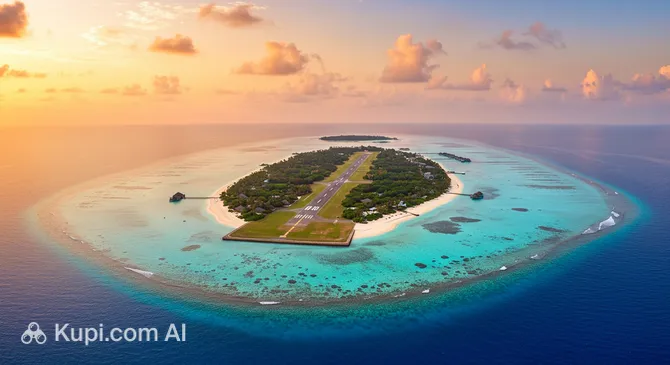
Maafaru is a captivating island located in the Noonu Atoll, offering a unique blend of local culture and modern accessibility. Known for its pristine beaches and friendly community, this island serves as a significant gateway to the northern luxury resorts of the Maldives. With a population of approximately 2,000 inhabitants, it maintains a lively yet relaxed atmosphere that appeals to travelers seeking an authentic island experience.

Maafaru. Source: Kupi.Binoculars

One of the most remarkable features of the island is its rich marine biodiversity. Maafaru is often celebrated as a nesting site for sea turtles, making it a haven for nature enthusiasts. While the island is embracing the future with its international airport, the history of Maafaru remains an integral part of its identity, reflected in the traditional lifestyle of its people.

Visitors can enjoy the stunning turquoise lagoon, perfect for swimming and water sports. Whether you are transiting to a nearby resort or exploring the local way of life, Maafaru offers a warm welcome and a glimpse into the true beauty of the archipelago. It is an excellent destination for those looking to discover the charm of the Noonu Atoll beyond the private resort islands.

Weather Overview

Travelers visiting this part of the Noonu Atoll can expect a tropical climate characterized by consistent warmth throughout the year. The average temperatures remain remarkably stable, generally hovering between 26°C and 29°C. This makes the island an inviting destination for sun-seekers at any time, although the humidity and rainfall patterns do vary across the seasons.

The beginning of the year, particularly from January to March, marks the driest period, with precipitation levels dropping to their lowest and fewer rainy days compared to the rest of the year. Conversely, the months from May through October tend to be much wetter; May, for instance, can see rain on up to 26 days. To help you choose the best time for your trip, you can view the detailed forecast and historical trends for the weather in Maafaru.

Overall, you should expect warm tropical conditions year-round with a distinct increase in shower frequency during the middle and latter parts of the year. While the temperature rarely drops below 26°C, carrying an umbrella or light rain gear is advisable if you plan to travel between May and December.

Interesting Facts

Beyond its emerging status as a transport hub, Maafaru holds fascinating secrets that blend high-end luxury with deep-rooted island traditions. This unique destination offers a rare glimpse into a place where ancient marine instincts and modern aviation coexist in surprising ways.

  • The "Turtle Runway" Phenomenon: Maafaru has long been a preferred nesting ground for endangered Green Sea Turtles. The island's bond with these marine creatures is so strong that even after the construction of the international airport, turtles have been known to return to their ancestral spots, occasionally wandering onto the tarmac. This has led to increased conservation efforts to ensure the airport and the nesting sites can coexist safely.

  • A Secret Magnet for the Ultra-Rich: While it looks like a quiet fishing village, Maafaru is actually the "VIP capital" of the northern Maldives. Its airport runway is specifically designed to handle private jets, making the island a bustling gateway for billionaires and celebrities heading to the ultra-luxury private resorts nearby, creating a stark yet intriguing contrast with the local slow-paced lifestyle.

  • The "Big Reef" Etymology: The name "Maafaru" literally translates to "Big Reef" in the local Dhivehi language. This is not just a poetic title but a geographical fact; the island is surrounded by one of the most extensive and biologically diverse lagoon systems in the Noonu Atoll, which served as a natural defense and a rich food source for early settlers.

  • A Distinctive Shape: Travelers flying overhead often remark on the island's peculiar geography. Maafaru is naturally shaped like a shoe or a foot, a quirky feature that makes it instantly recognizable from the window of a plane as you approach the landing strip.

How to Get There

Reaching this beautiful island destination is an exciting part of the journey, with air travel being the primary and most convenient method. As a designated transport hub for the Noonu Atoll, the island is well-connected to the rest of the archipelago. For a complete guide on all travel options and transfer details, you can read more about how to get to Maafaru.

The most direct way to arrive is via the island's own Maafaru (IATA: NMF). Conveniently located within the city limits, this airport serves as the main gateway for international and domestic travelers heading to the northern atolls. Since the terminal is situated just 0.3 km from the main settlement, the transfer to your accommodation is incredibly quick, typically taking less than 20 minutes. With an annual passenger flow of approximately 55,000 people, it is a bustling yet efficient regional hub.

Alternatively, travelers can fly into Madivaru (IATA: LMV), which is located in the city of Naifaru. It is important to note that this airport is not in Maafaru itself but is situated about 42.2 km away. The journey from this neighboring transport node to Maafaru takes approximately 85 minutes, usually involving a scenic transfer. Another option is Funadhoo (IATA: FND), located in Funadhoo, roughly 42.7 km from Maafaru. The transit time from this airport is also around 85 minutes.

For clarity, here is a summary of the main airports serving the region:

Airport Name City Passenger Traffic Km from City
Dharavandhoo Airport Dharavandhoo Large 83.2
Madivaru Naifaru Medium 42.2
Maafaru Maafaru Medium 0.3
Ifuru Ungoofaaru Small 51.6
Funadhoo Funadhoo Small 42.7

Main Attractions

While Maafaru is primarily known as a transit hub for the Noonu Atoll, the island itself possesses a quiet charm and natural beauty that are well worth exploring. Visitors who take the time to look around will find pristine environments and a welcoming local community, offering a more authentic experience than the secluded resort islands.

Maafaru Public Beach is the perfect spot for relaxation and soaking up the tropical sun. Unlike the private beaches of luxury resorts, this area offers a glimpse into how the locals enjoy their island home. The soft white sands and crystal-clear turquoise waters create a serene setting for swimming or simply unwinding by the shore. It is an excellent place to witness breathtaking sunsets that paint the sky in vibrant hues of orange and pink.

For nature enthusiasts, the Turtle Nesting Sites are a highlight of the island. Maafaru has long been a favored breeding ground for Green Sea Turtles, and the community is deeply involved in protecting these magnificent creatures. While sightings are never guaranteed, the opportunity to see turtles in their natural habitat—whether nesting on the beach or swimming in the lagoon—is a compelling reason to visit. Tourists are encouraged to observe respectfully to support ongoing conservation efforts.

The Maafaru House Reef offers an accessible underwater adventure for snorkelers of all skill levels. Located just a short swim from the shore, the reef is teeming with colorful marine life. Visitors can expect to see schools of tropical fish, vibrant coral formations, and occasionally rays gliding through the water. It is a fantastic introduction to the rich biodiversity of the Noonu Atoll without needing a boat excursion.

A walk through the Local Village provides a cultural counterpoint to the natural attractions. Strolling through the sandy streets, visitors can observe the traditional coral-stone architecture and the daily life of the islanders. The local mosque and the busy harbor area, where fishing dhonis dock alongside modern vessels, showcase the unique blend of heritage and development that defines Maafaru today.

Local Cuisine

The culinary landscape of Maafaru offers a genuine taste of the Maldives, deeply rooted in the island's fishing heritage. As you might expect from a community surrounded by the ocean, fresh seafood is the star of almost every meal. Tuna, in particular, is prepared in various ways—dried, smoked, or fresh—and is often paired with the other island staple: coconut. The food here is flavorful, spicy, and unpretentious, reflecting the simple island lifestyle.

For a truly authentic breakfast, you must try Mas Huni. This beloved dish consists of shredded smoked tuna mixed with grated coconut, onions, and chili, served alongside Roshi, a flatbread similar to Indian chapati. Another culinary highlight is Garudhiya, a clear and fragrant fish broth that is traditionally eaten with rice, lime, and plenty of chili. It is a simple yet flavorful meal that sustains the local fishermen and families.

Between meals, the local food culture centers around Hedhikaa, or "short eats." In the late afternoon, local cafés display a variety of bite-sized snacks that are perfect for grazing. Look for Bajiya (fish-filled pastries), Gulha (fried dough balls stuffed with tuna and spices), and Masroshi (flatbread stuffed with a savory fish mixture). These savory treats are best enjoyed hot and fresh.

When it comes to beverages, it is important to remember that Maafaru is a local inhabited island, meaning the sale and consumption of alcohol are prohibited. Instead, you can refresh yourself with Kurumba (fresh coconut water), which is readily available and incredibly hydrating. Black tea is also a staple drink, often enjoyed very sweet and accompanying the afternoon short eats. For a unique local treat, ask for fresh tropical fruit juices made from locally sourced ingredients.

Dining in Maafaru is a casual and communal affair, mostly centered around small eateries known as Hotaas. These local cafés offer a laid-back atmosphere where you can mingle with residents and enjoy affordable, home-cooked meals. There are no formal dress codes or reservations required; it is all about enjoying the slow island pace and the rich, spicy flavors of the Noonu Atoll.

Travel Tips

Planning a trip to Maafaru offers the exciting opportunity to experience the authentic Maldives, blending the convenience of a modern travel hub with the charm of a traditional fishing village. To help you navigate local customs and enjoy a hassle-free stay on this inhabited island, here are some essential practical tips.

  1. Clothing and Modesty: Since Maafaru is a local inhabited island, the dress code is more conservative than on private resort islands. While lightweight, breathable cotton clothes are perfect for the tropical heat, you should dress modestly when walking through the village; ensure your shoulders and knees are covered. Swimwear and bikinis are strictly reserved for the designated "Bikini Beach" or private guest house areas.
  2. Getting Around: The island is small and compact, making walking the most practical and enjoyable way to explore. You can easily stroll from the airport to the harbor or the beach in a short time. There is no public transport system like buses or metros, and car rentals are unnecessary. Some guesthouses may offer bicycles, which are a fun and efficient way to see the island.
  3. Money Matters: The local currency is the Maldivian Rufiyaa (MVR). While US Dollars are widely accepted, especially for larger payments at guesthouses, it is highly recommended to carry local cash for small purchases at village shops or cafés ("hotaas"). Credit cards may be accepted at the airport or larger establishments, but cash is preferred in the village. ATMs can be unreliable on smaller islands, so bring sufficient funds.
  4. Health and Safety: Maafaru is generally very safe, but the tropical sun can be intense. Always wear high-SPF sunscreen and a hat. Mosquitoes can be a nuisance, especially at dusk, so packing a good insect repellent is essential. There is a local health center for basic medical needs, but for serious emergencies, a transfer to a larger hospital in Male may be required.
  5. Communication: The official language is Dhivehi, but English is widely spoken, particularly by those working in tourism and at the airport. Buying a local SIM card (Ooredoo or Dhiraagu) upon arrival is the best way to stay connected, as Wi-Fi speeds in guesthouses can vary. Learning a few words like "Shukuriyaa" (Thank you) will go a long way with the locals.
  6. Local Etiquette: Maldivians are warm and hospitable. A simple "Assalaamu Alaikum" (Peace be upon you) is a polite greeting. When entering a local home or a mosque, it is customary to remove your shoes. Use your right hand for eating and handing money to others, as the left hand is considered unclean in local culture.
  7. Strictly Prohibited Items: As a local island governed by Islamic laws, alcohol is strictly prohibited on Maafaru. You cannot buy, sell, or consume it here, and you should not attempt to bring it into the country. Additionally, public displays of affection should be kept to a minimum to respect local conservative norms.
  8. Friday Schedule: Friday is the Islamic weekend and a holy day. Expect shops, cafés, and some services to close or have reduced hours, particularly around the midday prayer time (roughly 11:30 AM to 1:30 PM). Plan your meals and shopping accordingly to avoid inconvenience during these hours.

By keeping these tips in mind, you will be well-prepared to embrace the slow, peaceful rhythm of life on Maafaru. Respecting the local traditions will not only ensure a smooth trip but also open doors to genuine interactions with the friendly islanders of the Noonu Atoll.

Entertainment & Nightlife

Nightlife in Maafaru is a world away from the neon lights and thumping bass of international party destinations. As a local inhabited island in the Maldives, there are no nightclubs, discotheques, or bars serving alcohol here. Instead, the evening entertainment is defined by a peaceful, authentic atmosphere where the sound of the ocean takes center stage. The "nightlife" is centered around connecting with nature, enjoying the company of locals, and experiencing the quiet magic of a tropical island under the stars.

The social heart of the island after dark is undoubtedly the Harbor District. This area comes alive in the cool of the evening as locals gather to socialize after a day of work. Here, you will find traditional Hotaas (local cafés) that serve as the main venues for evening relaxation. These humble establishments are bustling with conversation and offer a chance to try "hedhikaa" (short eats) with a cup of black tea or coffee. The vibe is incredibly laid-back and welcoming, with no dress code other than the standard modest attire required on the island.

For a more organized evening activity, most visitors turn to their guesthouses to arrange a Night Fishing Trip. This is a classic Maldivian experience where you head out on a boat at dusk to catch reef fish using traditional handlines. The excursion often culminates in a private Beach BBQ on the sandy shores of the Tourist Beach (Bikini Beach), where your fresh catch is grilled over coconut husks. It is a delicious and memorable way to spend the night, accompanied by the gentle lapping of waves and a sky full of stars.

Nature itself provides the most spectacular light show in Maafaru. Due to the lack of light pollution, the island is a prime spot for Stargazing. On clear nights, the Milky Way is often visible to the naked eye. Additionally, lucky visitors might witness the phenomenon of bioluminescent plankton washing up on the shore, causing the water's edge to glow with a mystical blue light. A quiet walk along the coastline to look for this natural wonder is a favorite pastime for couples and nature lovers.

When it comes to safety and logistics, Maafaru is incredibly safe for night walks. You can wander through the sandy streets or along the harbor without worry, though carrying a flashlight or using your phone's torch is recommended as street lighting can be dim in some areas. There is no need to call a taxi; the entire village is walkable. Prices for evening snacks at the local cafés are very affordable, usually costing just a few dollars, while organized fishing and BBQ trips will vary by provider.

Before the sun sets, daytime entertainment is equally nature-focused. While there are no museums or amusement parks, the island offers rich cultural experiences like visiting the boat-building yards or exploring the lush Maafaru Mangroves. Snorkeling in the house reef remains the primary daylight attraction, offering a vibrant underwater spectacle that rivals any man-made entertainment.

Parks & Museums

Unlike bustling metropolitan cities filled with manicured gardens and large exhibition halls, Maafaru offers a different kind of cultural and natural immersion. The entire island functions as an open-air sanctuary where the "parks" are wild mangrove systems and the "museums" are the active workshops of local craftsmen. Visitors here should not look for ticketed entrances but rather explore the living history and untouched landscapes that define the Noonu Atoll.

The most significant natural area on the island is the Maafaru Mangrove (or Kulhi). Located away from the shoreline, this lush wetland is a vibrant green oasis that stands in contrast to the endless blue of the ocean. It serves as a critical ecosystem for the island, acting as a natural nursery for small marine life and a sanctuary for migratory birds. For nature lovers, a quiet walk near the mangroves offers a peaceful retreat and a chance to observe the island’s biodiversity up close, far removed from the commercialized atmosphere of resort islands.

While not a park in the traditional sense, the Bikini Beach area serves as the island's primary recreational green space for tourists. Bordered by dense tropical vegetation that provides natural shade, this designated stretch of coastline allows visitors to relax in privacy. The screening of palms and screw pine trees creates a secluded, garden-like atmosphere where you can unwind, read, or sunbathe comfortably while respecting the local customs that apply elsewhere in the village.

In terms of cultural heritage, Maafaru does not possess formal museums, but the Traditional Boat Building Yards are a fascinating substitute. The Maldives has a rich maritime history, and Maafaru is one of the places where the art of building Dhonis (traditional wooden boats) is still practiced. Watching the local carpenters shape timber by hand is akin to visiting a living gallery of engineering and art. These boatyards reflect centuries of knowledge passed down through generations, offering a raw and authentic look at the island's economic backbone.

For a glimpse into the architectural past, visitors should look for the remnants of Coral Stone Architecture scattered throughout the village. Before the introduction of modern cement, islanders built homes and mosques using coral blocks cut from the reef. While many have been replaced, the surviving structures and boundary walls display intricate carvings and craftsmanship unique to this region. These weathered stones tell the silent history of a resilient community that has thrived in the middle of the ocean for centuries.

Insider Tip: For a truly atmospheric experience, take a walk through the village streets just after sunrise. The soft morning light illuminates the tropical flowers in private gardens, and the island is at its most tranquil. It is also the best time to spot the older generation weaving coir ropes or tending to their plants, offering a candid snapshot of daily island life that no curated museum display could replicate.

Getting Around

Given the small size and intimate atmosphere of Maafaru, visitors will quickly realize that the public transport system differs significantly from that of a typical city. There are no metros, trams, or public buses on the island. The infrastructure is designed for a close-knit community where distances are short, rendering large-scale public transit unnecessary. Instead, the "transport network" consists of a mix of informal services and personal mobility options suited to the island's laid-back pace.

The primary and most effective way to navigate the island is simply by walking. The entire settlement can be crossed on foot in roughly 15 to 20 minutes. The streets are sandy, flat, and generally free of heavy traffic, making walking not only practical but also a pleasant way to soak in the local ambiance. Most key locations, including the harbor, the beach, and the local shops, are within easy reach of the guesthouses.

For those who prefer a faster pace or wish to explore the island's perimeter, bicycles are the most popular alternative. Many guesthouses offer bike rentals to their guests, often free of charge or for a nominal daily fee. Riding a bike allows you to enjoy the tropical breeze and cover more ground without the noise of an engine. It is the preferred mode of transport for many locals as well.

While there are no hailed taxis in the traditional sense, the island does have a limited number of motorized vehicles, primarily pickup trucks and buggies. These function as an on-demand service, mainly used for transporting luggage between the Maafaru International Airport, the harbor, and accommodation. If you have heavy bags or mobility issues, your guesthouse will typically arrange this transport for you in advance.

Regarding payment, the system is informal and cash-based. There are no travel cards, apps, or tickets to validate. If you do need to pay for a private ride—for instance, a pickup truck transfer if it is not included in your room rate—the cost is usually a fixed small amount, typically ranging from 20 to 50 MVR per trip. It is essential to carry local currency (Maldivian Rufiyaa) in small denominations, as drivers rarely have change for large notes or foreign currency.

Practical Advice for Tourists: Since transport options are limited to specific needs rather than scheduled routes, always coordinate your arrival and departure transfers with your host. Operating hours for vehicle transfers are generally tied to flight schedules and ferry arrivals. If you plan to walk at night, carrying a small flashlight is recommended, as street lighting can be sparse in certain areas away from the main village center.

Accommodation

Accommodation in Maafaru differs significantly from the typical "one island, one resort" concept often associated with the Maldives. As an inhabited local island, the lodging landscape here is primarily defined by guesthouses and small boutique hotels. These establishments offer a more intimate and culturally immersive experience, allowing visitors to live alongside the local community while enjoying modern comforts. It is an excellent choice for travelers who prefer authenticity and affordability over the secluded luxury of private resort islands.

Given the island's compact size, location is rarely a major logistical issue, but there are distinct preferences depending on the purpose of your stay. For leisure travelers, securing a room near the designated Bikini Beach is the most popular option, offering quick access to the sun and sand where swimwear regulations are relaxed. Alternatively, for those using Maafaru primarily as a transit point due to its international airport, staying closer to the airport road or the main harbor can provide added convenience for early morning departures or late arrivals.

Booking Tip: Since Maafaru is an emerging destination with a limited number of beds compared to established tourist hubs, availability can be tight. It is highly recommended to book your accommodation in advance, especially if you are traveling during the peak season (December to April) or if your stay coincides with major flight schedules. Last-minute walk-ins are risky and not always possible.

In terms of pricing, Maafaru offers a refreshing break from the high costs of nearby luxury resorts. The price range generally falls into the budget to mid-range category, making it accessible for backpackers, families, and transit passengers. Most guesthouses can be booked through major online travel platforms, but many also accept direct bookings via social media or WhatsApp, which can sometimes secure a better rate or a more personalized transfer arrangement.

Nearby Cities

For those looking to explore the surroundings, Maafaru serves as an excellent base for day trips to several interesting nearby locations:

Located approximately 44 km away, Naifaru is a bustling island in the neighboring Lhaviyani Atoll that makes for a fascinating day trip. Known as the "fishing capital" of the region, it offers a lively atmosphere distinct from the quiet resort islands. Visitors are often drawn to its Atoll Marine Centre, a conservation hub dedicated to rescuing and rehabilitating sea turtles. Exploring Naifaru allows travelers to witness the authentic rhythm of Maldivian life, from its busy harbor to its local craft shops.

For those willing to travel a bit further to experience the "Heart of the North," Kulhudhuffushi is a major regional hub worth visiting. Famous for its unique mangroves (Kulhi) and clay soil, this city offers a different landscape compared to the typical sandy atolls. It is a center of commerce and culture in the northern Maldives, providing a glimpse into the traditions and daily activities of a larger island population.

Although situated further away, the capital city of Male remains the ultimate destination for urban exploration. Thanks to the international airport on Maafaru, reaching the capital is feasible for those interested in seeing the historic Old Friday Mosque, the National Museum, and the vibrant local markets that define the country's commercial center.

City Population Distance (km)
Male 133019 182
Kulhudhuffushi 15875 100
Thinadhoo 5230 259
Thulusdhoo 4300 162
Naifaru 4103 44

These nearby destinations offer a glimpse into the diverse culture and landscapes of the region.

Shopping & Souvenirs

Shopping in Maafaru is a modest and authentic experience, reflecting the quiet lifestyle of a traditional Maldivian fishing village. Unlike the commercialized resort islands or the bustling streets of the capital, retail therapy here is about connecting with the local community rather than browsing high-end brands. Visitors will find a selection of small, family-run convenience stores and local boutiques that cater primarily to the daily needs of the residents, offering a glimpse into the island's self-sufficient nature.

The main shopping activity is concentrated within the Village Center. As you stroll through the sandy streets, you will encounter general stores known locally as fiharas. These shops are scattered throughout the settlement rather than clustered in a single commercial district. They stock a variety of goods ranging from groceries and toiletries to snacks and basic beach gear. Exploring these lanes is a pleasant way to interact with friendly shopkeepers and observe the slow-paced island rhythm.

Travelers should be aware that there are no shopping malls or large department stores on Maafaru. The island's charm lies in its lack of commercialization. For those accustomed to sprawling retail complexes, the simplicity of Maafaru's "mom-and-pop" style establishments offers a refreshing change of pace. If you require specialized electronics, branded fashion, or extensive luxury goods, it is advisable to purchase these before arriving or in a major hub like Male.

While there is no formal tourist market, the Harbor Area often serves as an informal marketplace, particularly for fresh produce. Early in the morning or late afternoon, you might find fishermen selling their fresh catch directly from the boats. It is a fantastic opportunity to see the variety of fish caught in the Maldives, including tuna and reef fish. Occasionally, vendors may also sell locally grown fruits like watermelons or papayas, depending on the season.

For those looking to take a piece of the island home, souvenir shopping is limited but meaningful. You can find unique handmade items crafted by local artisans. Look for products made from coconut shells, such as bowls or jewelry, and traditional coir rope. Colorful sarongs and t-shirts featuring island motifs are also popular. Be cautious when buying items made from coral or turtle shells, as the export of these products is strictly prohibited to protect the environment.

Opening hours for shops in Maafaru generally run from around 8:00 AM to 10:00 PM, but these times can be flexible. A crucial detail for visitors to remember is that shops will close for 15-20 minutes during prayer times, which occur five times a day. On Fridays, the Islamic holy day, most businesses remain closed until after the midday prayers, reopening around 2:00 PM.

Regarding payment, cash is king on the island. While the airport and some guesthouses may accept US Dollars or credit cards, the local shops almost exclusively deal in the Maldivian Rufiyaa (MVR). It is highly recommended to carry small denominations of local currency for your daily purchases. Tax-free shopping is not available in the village stores, as this service is typically reserved for the duty-free sections of major international airports.
Reached the end of the page?

That means the route is fully explored