Support

Male

About

Malé is the vibrant, beating heart of the archipelago, offering a stark and fascinating contrast to the laid-back pace of the resort islands. As the capital of the Maldives, this bustling city is the center of trade, government, and culture, packed with tall colorful buildings and energetic streets.

Geographically located at the southern edge of the North Malé Atoll, the city is an island of its own, densely populated with over 133,000 residents. Despite its small size, Malé punches above its weight with a unique urban atmosphere surrounded by turquoise waters. To truly understand the nation beyond its beaches, exploring the history of Malé is essential, as it has served as the seat of ancient sultanates and the backdrop for the country's most pivotal moments.

Male. Source: Kupi.Binoculars

Travelers spending time here can discover remarkable landmarks such as the Old Friday Mosque (Hukuru Miskiy), renowned for its intricate coral stone carvings, or the National Museum, which houses artifacts from the bygone royal era. For a taste of daily local life, a visit to the busy Fish Market is a must, where the day's fresh catch is displayed in a lively setting.

Whether you are on a stopover or looking to experience the authentic Maldivian lifestyle, Malé offers a memorable urban adventure. It is a place where tradition meets modernity, inviting every visitor to explore its charming narrow streets and friendly local culture.

Weather Overview

The city enjoys a tropical climate with consistent warmth throughout the year, making it an inviting destination at any time. Average temperatures remain incredibly stable, typically hovering around 27°C to 28°C. For those planning a trip and checking the weather in Male, you can expect daily highs to peak near 28.9°C in April, while nighttime lows rarely drop below 26°C, ensuring a comfortable atmosphere day and night.

While temperatures are steady, rainfall patterns do vary. The months of January, February, and March are generally the driest, receiving minimal precipitation of around 1mm to 2mm. Conversely, the wettest periods occur in May and November, which can see up to 27 rainy days and higher precipitation levels. Overall, visitors should expect warm, sunny days year-round, interspersed with occasional tropical showers that are more frequent during the transitional monsoon months.

Interesting Facts

Beyond the main attractions, Malé holds many fascinating secrets that reveal the unique character of this island capital. While it serves as the gateway to luxury resorts, the city itself possesses distinct features and urban legends that surprise many travelers.

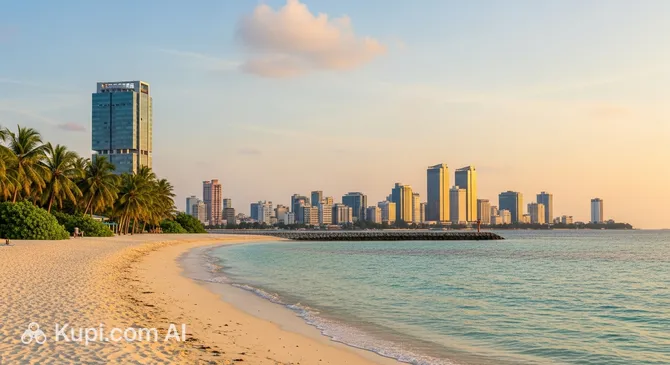
Artificial Beach. Source: Kupi.Binoculars
  • Despite being the capital of a nation famous for its pristine natural coastlines, Malé actually lacked a proper swimming area until the construction of the Artificial Beach. This crescent-shaped man-made shore is now a favorite local hangout for swimming, carnival events, and live music.

  • The city is widely recognized as one of the most densely populated places on Earth, packing a massive population into an area of just under two square miles. This density creates a buzzing, energetic atmosphere that is completely different from the quiet isolation of the outer atolls.

  • Hidden within the lush grounds of Sultan Park, you can find the remnants of the royal past. The park was originally part of the Sultan's Palace grounds, and today it serves as a green oasis amidst the concrete jungle, sitting right next to the National Museum.

  • The entire island is so compact that you can physically walk from one end to the other in roughly 20 to 30 minutes. However, the streets are filled with thousands of motorbikes, which are the preferred mode of transport for locals navigating the narrow lanes.

How to Get There

Reaching the vibrant island capital is a unique experience, with the vast majority of travelers arriving by air. The city is well-connected to the rest of the world and the surrounding atolls. For a detailed overview of all transport options and transfers, you can read more about how to get to Male.

The primary gateway is Velana International Airport (MLE), which is the most significant transport hub in the country. Although it is located on the neighboring island of Hulhulé, it is technically part of the greater Male area, sitting just 2.9 km from the city center. This close proximity allows for quick access via the Sinamalé Bridge; a taxi or bus ride typically takes about 25 minutes. As a large facility handling over 8 million passengers annually, Velana International Airport is the starting point for almost every visit to the capital.

There are other airports in the region, though they are situated much further away and generally serve as domestic hubs for other atolls. Villa International Airport Maamigili (VAM) is located in the city of Maamigili, approximately 108 km from Male. Similarly, Dharavandhoo Airport (DRV) is found in Dharavandhoo, about 116 km away. Due to the geography of the archipelago, these airports are not connected to the capital by road; travel from locations like Villa International Airport Maamigili or Dharavandhoo Airport typically involves domestic flights or sea transfers.

For clarity, here is a summary of the main airports:

Airport Name City Passenger Traffic Km from City
Velana International Airport Male High 2.9
Villa International Airport Maamigili Maamigili Medium 108.0
Dharavandhoo Airport Dharavandhoo Medium 116.4
Madivaru Naifaru Small 142.7
Muli Airport Muli Small 140.0

Main Attractions

While many visitors view the capital primarily as a transit hub, the city boasts several fascinating landmarks that offer a glimpse into the rich heritage and daily life of the island nation. Exploring these sites allows travelers to connect with the history and culture of the Maldives beyond the luxury resorts.

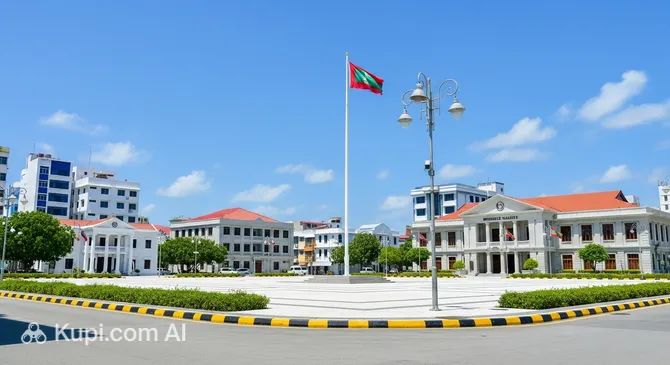
One of the most prominent gathering spots in the city is Republic Square (Jumhooree Maidhaan). Located on the northern waterfront, this open green space is easily recognizable by the massive Maldivian flag flying proudly in the center. It serves as a social heart for the capital, where families and friends meet to relax by the fountain and watch the flocks of pigeons. For tourists, it offers a great vantage point to observe the bustling activity of the nearby harbor and enjoy the cooling sea breeze.

Republic Square. Source: Kupi.Binoculars

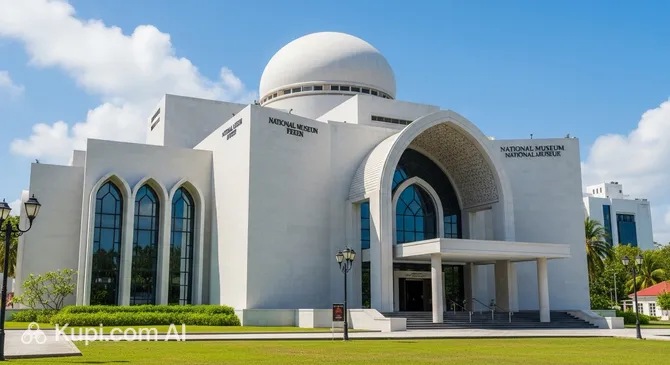
Just a short walk away, history enthusiasts will find the National Museum to be an essential stop. Housed in a modern building that stands on the grounds of the former Royal Palace, the museum preserves a vast collection of artifacts ranging from the Buddhist era to the Islamic period. Visitors can admire intricate lacquer work, royal thrones, ceremonial robes, and weaponry, making it an interesting place to learn about the sultans who once ruled these islands.

National Museum. Source: Kupi.Binoculars

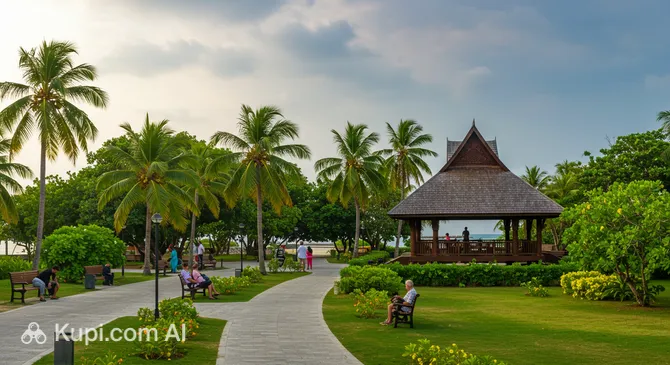
Adjacent to the museum lies Sultan Park, a serene green oasis amidst the concrete density of the capital. Once the private gardens of the palace, it has been transformed into a beautiful public park featuring ponds, leafy trees, and colorful flowers. It is a perfect location for a quiet stroll or a break from the tropical heat, offering a peaceful atmosphere that contrasts with the energetic streets outside.

Sultan Park. Source: Kupi.Binoculars

For those looking to experience the local beach culture, the Artificial Beach on the eastern side of the island is a unique attraction. Since the capital is surrounded by seawalls, this man-made sandy shore provides a much-needed recreational area for residents. It is a lively spot for swimming, evening walks, and attending live music performances or carnivals, giving tourists a chance to mingle with locals in a fun and relaxed setting.

Local Cuisine

The culinary landscape of Male offers a fascinating immersion into authentic Maldivian flavors, which are heavily influenced by the ocean and neighboring cultures. Traditional cuisine here revolves primarily around three main ingredients: tuna, coconut, and starches like rice or roshi (a type of flatbread). One dish that every visitor must try is Mas Huni, a classic breakfast staple made from shredded smoked tuna mixed with grated coconut, onions, and chili, served with fresh roshi. It provides a light yet flavorful start to the day that is distinctly Maldivian.

For lunch or dinner, the local diet often features Garudhiya, a clear and savory fish broth that is considered a comfort food by residents. It is typically eaten with steamed rice, lime, and plenty of chili for those who enjoy a spicy kick. Another key aspect of the food culture in the capital is the tradition of Hedhikaa, or "short eats." These are bite-sized snacks served in the late afternoon at local tea shops, ranging from gulha (fried dough balls filled with spicy fish) to bajiya (savory pastries similar to samosas).

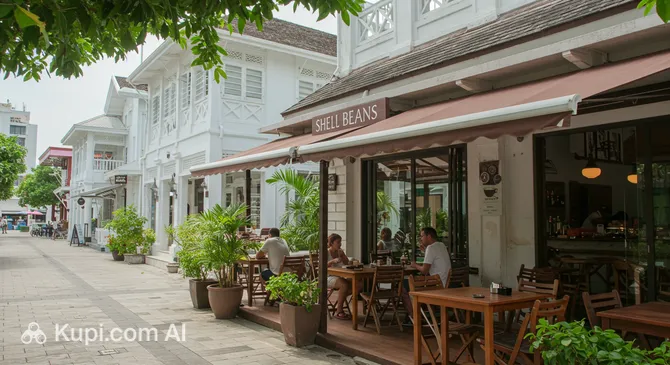
The dining scene in the city is a mix of traditional sai hotaa (tea shops) and modern international cafes. For a relaxed atmosphere and a taste of contemporary cafe culture, travelers often visit Shell Beans. This popular spot is known for its coffee and diverse menu, making it a great place to recharge after exploring the island. Similarly, those looking for a hearty meal can head to Papa Sam's, which offers a variety of dishes in a casual setting suitable for families and groups.

Shell Beans. Source: Kupi.Binoculars

When it comes to beverages, it is important to note that Male is strictly alcohol-free, in accordance with local laws. You will not find bars or liquor stores within the city. Instead, the local drink culture focuses on refreshing non-alcoholic options. Kurumba (fresh coconut water) is widely available and perfect for the tropical heat. Black tea is also a favorite, often enjoyed very sweet and accompanied by short eats. For those seeking alcoholic beverages, the only options are to visit the airport hotel's bar on the nearby island of Hulhulé or take a transfer to a resort or a floating bar anchored offshore.

Travel Tips

Exploring Male offers a unique glimpse into the authentic side of the Maldives, far removed from the private island bubbles. To make your visit smooth, comfortable, and respectful of local traditions, here are some essential practical tips to keep in mind while navigating the capital.

  1. Clothing and Gear: While the weather is hot and humid, Male is not a resort island, and local customs regarding dress are conservative. You should wear lightweight, breathable clothing that covers your shoulders and knees; swimwear or revealing outfits are strictly for the beach islands and are not appropriate here. Comfortable walking shoes are a must, as the best way to see the city is on foot, and don't forget a universal travel adapter (Type G is standard).

  2. Transportation: The city is incredibly compact, so walking is often the fastest way to get around, though the traffic can be chaotic. Taxis are widely available and usually operate on a fixed-fare system for short trips within the city. There are no trains or trams, but an extensive public ferry and bus network connects Male to the airport and the neighboring reclaimed island of Hulhumale.

  3. Finances: The local currency is the Maldivian Rufiyaa (MVR). While US Dollars are widely accepted in hotels and souvenir shops, you will receive change in Rufiyaa, which can be hard to convert back. Credit cards are accepted in major establishments, but carrying some cash is essential for small tea shops, local markets, and taxis. Tipping is not mandatory but is appreciated in cafes.

  4. Health and Safety: Male is generally very safe for tourists, though you should stay alert for the many motorbikes zipping through narrow lanes. Pharmacies are plentiful, and the ADK Hospital provides good medical care if needed. It is highly recommended to drink bottled water rather than tap water to avoid any stomach issues.

  5. Communication: English is widely spoken and understood by almost everyone in the service industry, so communication is rarely a barrier. The local language is Dhivehi; learning a simple "Shukuriyaa" (Thank you) goes a long way. You can easily purchase a tourist SIM card from providers like Ooredoo or Dhiraagu right at the airport or in city shops for reliable 4G/5G data.

  6. Local Etiquette: The Maldives is a Muslim country, and respect for religious norms is important. When visiting mosques, ensure you are dressed modestly and remove your shoes before entering. Public displays of affection, such as kissing or hugging, are frowned upon in the city and should be avoided to show respect for the local culture.

  7. What to Avoid: Strictly do not bring or attempt to purchase alcohol in Male; it is illegal on inhabited islands and only available on resort islands or floating bars. Also, avoid eating or drinking in public during daylight hours if you visit during the holy month of Ramadan, as a sign of courtesy to fasting locals.

  8. Shop Opening Hours: Remember that the weekend in the Maldives falls on Friday and Saturday. On Fridays, which is the holy day, shops, museums, and cafes often close in the late morning (around 11:00 AM) and reopen after the main prayers (around 2:00 PM), so plan your shopping and lunch accordingly.

By following these simple guidelines, you will find it easy to blend in and enjoy the bustling energy of this island capital. Male is a friendly and welcoming city, ready to offer a warm reception to travelers who take the time to understand its unique rhythm.

Entertainment & Nightlife

Entertainment and nightlife in Malé offer a distinct experience that differs significantly from the typical party scenes found in other global capitals. Due to strict local laws, the city is entirely alcohol-free, meaning you will not find traditional nightclubs, pubs, or cocktail bars within the city limits. Instead, the evening atmosphere is defined by a vibrant café culture, late-night shopping, and social gatherings in public spaces, where locals and visitors alike enjoy the cooling ocean breeze after sunset.

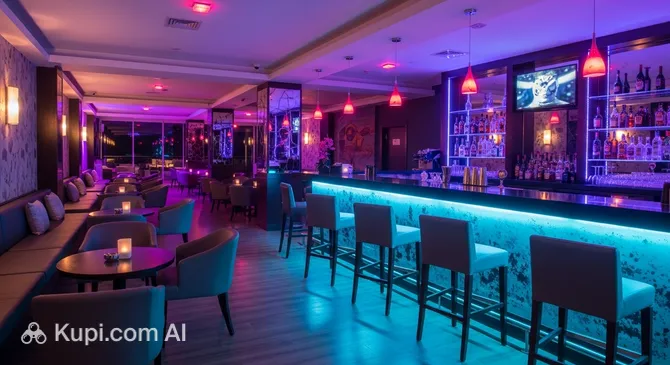
For travelers specifically seeking a place to enjoy an alcoholic beverage or a more conventional lounge atmosphere, the options are located just outside the main city island. The most accessible venue is the Hotel Lounge located at the airport hotel on the neighboring Hulhulé Island. A short ferry or taxi ride across the bridge allows visitors to relax in a licensed setting that serves cocktails and plays music, providing a familiar nightlife experience close to the capital.

Hotel Lounge. Source: Kupi.Binoculars

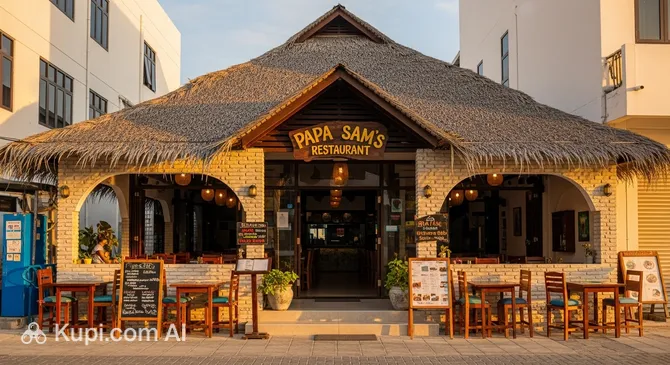
Back in the city, the "nightlife" revolves around socializing over food and coffee. The streets remain bustling well into the night, particularly along the main thoroughfare of Majeedhee Magu, where shops often stay open until 10:00 PM or 11:00 PM. Dining venues are the primary entertainment hubs. Popular spots like Papa Sam's attract a steady crowd in the evenings, offering a relaxed environment to unwind with a hearty meal. The dress code in these establishments is casual but modest, reflecting the local customs.

Papa Sam's. Source: Kupi.Binoculars

Another focal point for evening entertainment is the Artificial Beach on the eastern coast. As the sun goes down, this area transforms into a lively gathering spot filled with families, groups of friends, and occasionally live music performances or carnival events. It is an excellent place to witness the local community spirit, enjoy street food, and listen to the sound of the waves. The atmosphere is safe and welcoming, making it perfect for a night walk.

When exploring Malé at night, safety is generally not a concern as the city is well-lit and populated. However, pedestrians should remain vigilant regarding the heavy motorbike traffic, especially on narrow lanes. Taxis are the most convenient way to get around if you are tired of walking; they can be hailed on the street or booked via phone. Prices are standard and affordable, but it is always wise to carry cash.

While the evenings are for socializing, daytime entertainment in the capital offers a different pace. Visitors can explore cultural landmarks, visit art galleries, or spend time in the city's green spaces. Although there are no large amusement parks, the charm of the city lies in its historical sites and the busy waterfronts that offer a glimpse into the maritime heritage of the Maldives.

Parks & Museums

While the capital is often characterized by its dense urban landscape, it harbors significant pockets of greenery and cultural institutions that preserve the soul of the nation. For tourists, exploring the parks and museums of {entity_name} provides a welcome respite from the bustling streets and a deeper understanding of the Maldivian identity beyond the resort experience.

The most prominent green space in the city is Sultan Park (Rasrani Bageecha). Located directly across from the Islamic Centre, this historic garden was once part of the royal palace grounds. Today, it serves as a beautifully landscaped botanical garden featuring ponds, wooden walkways, and a variety of tropical flora. It is a favorite spot for locals and families to unwind, offering a tranquil atmosphere that feels worlds away from the traffic outside. The park often hosts light installations in the evenings, making it a picturesque location for a twilight stroll.

Another key outdoor area is Republic Square, situated along the northern waterfront. While more of a paved plaza than a traditional botanical garden, it is the civic heart of the city, lined with grassy patches and swaying palms. It is an excellent place to sit and observe the rhythm of the city, with views of the harbor and the giant Maldivian flag waving overhead. For a more floral experience, visitors can seek out Lonuziyaarai Park, a newer addition near the bridge, known for its colorful flower beds and ocean views, offering a scenic escape on the edge of the island.

To delve into the country's rich heritage, a visit to the National Museum is indispensable. The institution is housed in a distinct modern building within the Sultan Park complex and safeguards the country's most precious historical treasures. The collection spans centuries, displaying everything from pre-Islamic stone carvings and Buddhist relics to the intricate regalia of the later Sultans. It provides a comprehensive narrative of the archipelago's history, showcasing weaponry, coins, and ceremonial attire that tell the story of the nation's evolution.

For art enthusiasts, the National Art Gallery, located within the same cultural precinct, offers a glimpse into the creative mind of the Maldives. While smaller than the museum, it regularly hosts exhibitions featuring contemporary Maldivian artists, photography displays, and cultural showcases. It is a vital venue for the local arts community and provides visitors with a perspective on modern Maldivian culture that complements the historical focus of the museum.

Insider Tip: If you visit the Artificial Beach area in the late afternoon, you might stumble upon impromptu cultural performances or local sports matches. It is a great way to see the "living museum" of daily Maldivian life, where the community gathers to celebrate their connection to the sea and each other.

Getting Around

Male is an incredibly compact city, and its public transport system is designed to navigate both the dense urban grid and the connections to neighboring islands. Due to the small size of the capital, walking is often the most efficient way to explore the central districts. However, for trips to the airport, the suburb of Hulhumale, or the nearby island of Villingili, the city relies on a well-integrated network of buses and ferries operated by the Raajje Transport Link (RTL).

The bus service is the main form of road-based public transport. Modern, air-conditioned buses connect the city center to Velana International Airport and Hulhumale via the Sinamale Bridge. Within the city itself, smaller minibuses navigate the narrow orbital roads. These buses are comfortable and reliable, offering a respite from the heat. There is no metro, tram, or train system in the city, making the bus network the primary mass transit option on land.

Ferries are an essential and scenic part of the local transit experience. Operated by MTCC, these boats provide frequent connections between the capital and the quieter island of Villingili, as well as older routes to Hulhumale. The ferry terminals are located at different points along the waterfront. The ride is not only a practical way to travel but also offers beautiful views of the city skyline from the water, functioning as a pleasant alternative to road traffic.

Payment for public transport has become increasingly digital and tourist-friendly. The most convenient method is to use the RTL Travel App, which allows you to purchase QR-code tickets for both buses and ferries instantly on your smartphone. Additionally, buses are equipped with contactless payment systems, allowing you to simply tap your Visa or Mastercard credit or debit card upon boarding. Paper tickets are generally being phased out in favor of these cashless options, and fares are very affordable.

Taxis are a popular alternative for those seeking door-to-door service. You can hail them on the street, but it is often easier to use local ride-hailing apps like Avas Ride to book a car. Taxis typically charge fixed rates for short trips within the city and specific set fares for journeys across the bridge to the airport or Hulhumale. Be aware that traffic congestion can be severe during peak hours, so a taxi ride may sometimes take longer than walking.

For a smooth experience, tourists should be mindful of the weekly schedule. Public transport services usually pause or operate on a significantly reduced schedule on Fridays between 11:00 AM and 2:00 PM to observe the main congregational prayers. It is advisable to plan your movements around this break. If you are staying within the main island, walking remains the best way to soak in the atmosphere, as you can cross the entire city on foot in under 30 minutes.

Accommodation

Accommodation in Male presents a distinct contrast to the famous resort islands that surround it. Instead of sprawling overwater villas and private beaches, the capital city is characterized by modern, high-rise hotels designed to maximize the limited space of the densely populated island. These establishments primarily cater to business travelers, transit passengers, and tourists who wish to experience the authentic local culture before moving on to the outer atolls.

Most hotels in the city are vertical, offering compact but comfortable rooms equipped with essential modern amenities. A highlight of staying in the capital is the prevalence of rooftop terraces and infinity pools. These elevated spaces provide stunning panoramic views of the Indian Ocean and the bustling harbor, serving as perfect spots to relax and catch the cool sea breeze after a day of exploring the narrow streets.

Travelers should be aware that, consistent with local laws, all accommodation facilities within the city are strictly alcohol-free. You will not find hotel bars serving cocktails or minibars stocked with liquor. Instead, the hospitality focus is on high-quality service, excellent dining options featuring local and international cuisine, and a peaceful, family-friendly atmosphere.

Travel Escapes Maldives. Source: Kupi.Binoculars

For those planning their journey or looking for tailored accommodation packages, Travel Escapes Maldives is a notable local expert based in the capital. They specialize in curating stays and managing travel logistics, making them a valuable resource for visitors navigating the options between the city and luxury resorts.

Staying in Male is particularly convenient for its strategic location near Velana International Airport. With the Sinamalé Bridge providing a direct road link, transfers are fast and reliable, eliminating the need for boat schedules late at night. This makes the city’s hotels an excellent choice for a restful layover, ensuring a smooth transition to or from your international flight.

Nearby Cities

For those looking to explore the surroundings, Male serves as an excellent base for day trips to several interesting nearby locations:

One of the most accessible and popular destinations is Thulusdhoo, located just 27 km from the capital. This island is famous among surfers for its world-class break known as "Cokes" and is unique for hosting the only Coca-Cola factory in the world that uses desalinated seawater. It offers a relaxed atmosphere with colorful guesthouses and beautiful beaches, making it a perfect escape from the city's hustle.

For a quieter experience closer to home, the island of Villingili (Villimale) is just a short ferry ride away. It is designated as an eco-friendly island where motorized vehicles are restricted, providing a peaceful environment filled with lush trees and calm waters. Additionally, the reclaimed island of Hulhumale, connected by a bridge, offers expansive beaches, parks, and watersports, easily reachable by bus or taxi.

City Population Distance (km)
Kulhudhuffushi 15875 275
Fonadhoo 13037 259
Thinadhoo 5230 76
Thulusdhoo 4300 27
Naifaru 4103 141

These nearby destinations offer a glimpse into the diverse culture and landscapes of the region.

Shopping & Souvenirs

Shopping in Male offers a distinct and localized experience that contrasts with the high-end boutiques found in international transit hubs. While the city is not known for sprawling luxury malls, it is a bustling center of trade where visitors can find everything from daily necessities to unique artisanal crafts. The shopping scene here is authentic and vibrant, driven by small independent retailers and lively market stalls rather than large chain stores. It provides an excellent opportunity to purchase authentic Maldivian products and interact with local merchants.

The primary destination for retail therapy is Majeedhee Magu, the main artery that runs across the entire length of the island from east to west. This busy street is lined with a continuous row of shops selling clothing, electronics, shoes, and cosmetics. It is always crowded and energetic, especially in the evenings. For those specifically looking for gifts and mementos, Chaandhanee Magu is the place to be. Often referred to as "Singapore Bazaar" due to the historical influx of goods from Singapore, this area is now the hub for souvenir hunters, featuring numerous stalls packed with local handicrafts and curios.

Unlike many other capital cities, Male does not have massive shopping complexes. However, the STO Trade Centre stands out as one of the larger commercial buildings. It houses a large supermarket on the lower levels, which is perfect for stocking up on snacks and supplies, while the upper floors contain various smaller shops selling household goods. It is a practical stop for travelers needing to replenish essentials before heading to a resort or a guesthouse on a local island.

To truly understand the local flavor, a visit to the Local Market on the northern waterfront is essential. Located just a short walk from the Fish Market, this covered area is filled with the aromas of fresh produce and spices. Here, vendors display piles of tropical fruits like bananas, papayas, and watermelons, alongside hanging bunches of betel nuts. It is also the best place to buy "rihaakuru" (a traditional fish paste), dried fish, and homemade pickles, which make for interesting culinary souvenirs.

When it comes to souvenirs, the city offers beautiful craftsmanship. Popular items include intricate lacquerware (typically wooden boxes and vases painted in red, yellow, and black), woven mats known as "thundu kunaa," and miniature wooden models of the traditional "dhoni" boats. Coconut shell products and seashell jewelry are also widely available. However, tourists should be very careful not to purchase items made from turtle shell or black coral, as the export of these materials is strictly prohibited to protect the environment.

Opening hours in the city generally run from around 9:00 AM to 10:00 PM or 11:00 PM. However, shopping in the Maldives requires a bit of timing due to prayer breaks. Shops will close for approximately 15 to 20 minutes during each of the five daily prayer times. Friday is the most significant day; most businesses remain closed in the morning and only open their doors after the Jumu'ah prayers, typically around 2:00 PM.

Regarding payment, the Maldivian Rufiyaa (MVR) is the standard currency, but US Dollars are accepted almost everywhere in the capital. You will often receive change in Rufiyaa. Credit and debit cards are widely accepted in larger stores, souvenir shops, and the STO Trade Centre, but it is wise to carry cash for smaller purchases at the local markets. As for tax-free shopping, the Maldives applies a Goods and Services Tax (GST) on goods, but there is no standard tourist tax refund scheme available for general retail purchases in the city.
Reached the end of the page?

That means the route is fully explored