Support

Kulhudhuffushi

About

Welcome to Kulhudhuffushi, often affectionately referred to as the "Heart of the North." As one of the most vibrant and populous islands in the Maldives, it offers a distinct experience compared to the secluded resort islands typically associated with the archipelago. Serving as the capital of the Haa Dhaalu Atoll, this bustling city provides a unique window into the authentic daily life and culture of the Maldivian people.

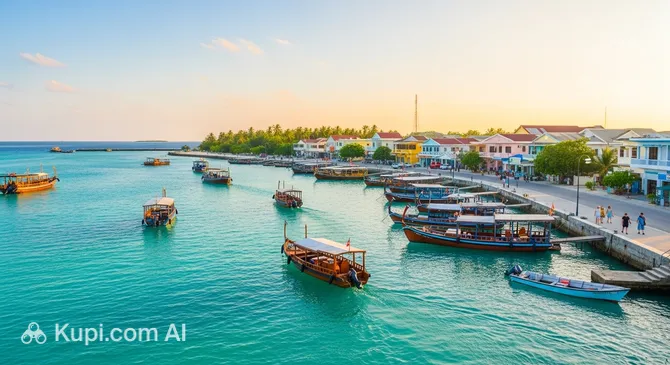
Kulhudhuffushi. Source: Kupi.Binoculars

With a population of approximately 15,875 residents, Kulhudhuffushi is a significant urban hub located in the northern part of the country. The city is renowned for its unique geography, particularly the extensive mangroves—known locally as "kulhi"—from which the island derives its name. These natural wetlands are a defining feature of the landscape and offer a serene contrast to the busy streets and harbor.

The city has a deep-rooted reputation for traditional craftsmanship. Visitors exploring the history of Kulhudhuffushi will learn about its legacy in boat building and shark fishing. Today, it remains famous for the production of coir rope, a traditional craft known as roanu veshun that is still practiced by local families. Watching these artisans at work provides a fascinating glimpse into the island's heritage.

Travelers can enjoy a walk along the lively harbor, visit the local markets to sample fresh tropical produce, or admire the architecture of the city's mosques. Whether you are interested in cultural immersion or simply want to see a different side of the nation, Kulhudhuffushi invites you to explore its friendly streets and discover the warm hospitality of the northern atolls.

Weather Overview

The climate in this region is characteristically tropical, offering steady warmth and humidity throughout the year. Temperatures remain remarkably consistent, with average daily values hovering comfortably between 26°C and 28°C. This stability ensures that whether you visit in January or July, you can expect warm days and balmy nights suitable for outdoor exploration.

Rainfall patterns define the changing seasons more than temperature fluctuations. The beginning of the year, particularly from January to March, is generally the driest period with fewer rainy days. In contrast, the months from May through October see a shift towards more frequent showers, with the number of wet days peaking around June and October. To help plan your activities around these patterns, it is helpful to consult the current weather in Kulhudhuffushi before your arrival.

Interesting Facts

Beyond its reputation as a bustling northern hub, Kulhudhuffushi holds fascinating cultural secrets and traditions that are rarely found on other islands. Visitors who look deeper than the busy harbor will discover a city rich in unique folklore, culinary heritage, and vibrant festivities.

  • The "Mashimaali" Parade: During the Eid al-Adha celebrations, the streets come alive with a distinct folk festival known as Mashimaali. Locals paint their bodies with charcoal and the island's native white clay (mashi) to transform into "mud spirits," parading through the town to chase away evil spirits—a spectacle that is arguably the most unique cultural display in the northern Maldives.

  • A Culinary Delicacy: The city is widely famous for Haalu Folhi, a paper-thin, crispy wafer made from flour, sugar, and eggs. While available elsewhere, the version crafted by the families of Kulhudhuffushi is considered the gold standard, often prepared in large batches for weddings and special gifts.

  • The Clay of the Mangroves: The extensive mangroves are not just a scenic feature; they historically provided the white clay used for the Mashimaali costumes and traditional medicine. Local legends also claim that these dense "kulhi" (mangroves) have acted as a natural shield for centuries, protecting the island's residents from the full force of ocean swells and storms.

How to Get There

Reaching this vibrant island in the Haa Dhaalu Atoll is a seamless experience, thanks to its well-connected transport network. Whether you are flying from the capital or arriving from a nearby island, the journey offers stunning aerial and maritime views of the Maldives. For a detailed breakdown of all available routes and travel tips, you can read more about how to get to Kulhudhuffushi.

The most direct way to arrive is via the city's own Kulhudhuffushi Airport (HDK). Located directly on the island, this domestic airport is incredibly convenient, situated just 0.4 km from the city center. It handles a significant volume of travelers and connects the island efficiently with the main international hub in Velana. Since the terminal is practically within the city, a taxi ride to most accommodations takes only about 5 to 10 minutes.

Another significant gateway is Hanimaadhoo Airport (HAQ), located in the city of Hanimadhoo, approximately 17.4 km from Kulhudhuffushi. As a major international airport in the northern region, it is a popular choice for tourists. Since this airport is located on a neighboring island, the final leg of your journey will involve a scenic speedboat transfer, which typically takes around 20 to 30 minutes.

For clarity, here is a summary of the main airports serving the area:

Airport Name City Passenger Traffic Km from City
Hanimaadhoo Airport Hanimadhoo High 17.4
Kulhudhuffushi Kulhudhuffushi High 0.4
Maafaru Maafaru Medium 99.7
Funadhoo Funadhoo Medium 56.9
Hoarafushi Dhihdhoo Small 42.7

Main Attractions

While Kulhudhuffushi is primarily a bustling administrative and economic center rather than a typical resort island, it boasts several unique landmarks that offer a glimpse into the authentic Maldivian way of life. Visitors here can explore natural wonders and cultural sites that are distinct to this northern atoll, making it a fascinating stop for those looking to go beyond the standard tourist itinerary.

The Kulhi (Mangroves) are undoubtedly the city's most iconic natural attraction. The island derives its name from these wetlands, with the northern mangrove area being particularly scenic. It serves as a vital ecological hotspot and a protected nature area. A walk around the perimeter offers a peaceful escape from the busy town center and provides an excellent opportunity for photography and observing local birdlife in their natural habitat.

For a vibrant display of local commerce, the Kulhudhuffushi Harbor is a must-visit. As the central trading hub of the north, this waterfront area is always teeming with activity. You can watch traditional wooden dhonis and modern speedboats docking to unload fresh catch and goods from the capital. It is the perfect spot to witness the maritime heritage of the islanders and soak in the energetic atmosphere of daily life in the Haa Dhaalu Atoll.

Architecture enthusiasts should take time to admire the Hukuru Miskiy (Friday Mosque). Standing as a testament to the island's deep-rooted Islamic traditions, this structure is not only a place of worship but also a community gathering point. Its peaceful ambiance and design details reflect the spiritual heart of the city, offering a serene contrast to the bustling market streets.

Finally, a trip to the Local Market provides a sensory experience of the island's flavors. Here, you can find an array of tropical fruits, vegetables, and homemade delicacies. It is the best place to purchase the famous Haalu Folhi wafers and locally produced smoked fish. Interacting with the friendly vendors here is a highlight for many travelers, offering a genuine connection with the hospitable residents of the north.

Local Cuisine

The culinary landscape of Kulhudhuffushi offers a genuine taste of the Maldives, distinct from the international buffets found on resort islands. Here, the food is deeply rooted in the traditional "Dhivehi" style, heavily relying on three core ingredients: fresh tuna, coconut, and starches. The flavors are often robust, featuring a delightful balance of mild spice, citrusy lime, and the creamy richness of coconut milk.

For a quintessential Maldivian breakfast, you must try Mas Huni. This beloved dish consists of shredded smoked tuna mixed with grated coconut, onions, and chili, all seasoned with a squeeze of fresh lime. It is traditionally scooped up with Roshi, a flatbread similar to Indian chapati. Another staple is Garudhiya, a clear, savory fish broth served with rice, lime, and chili. It is a humble yet flavorful meal that sustains the local fishermen and families alike.

Kulhudhuffushi is particularly famous across the archipelago for a unique delicacy known as Haalu Folhi. These are paper-thin, crispy wafers made from a simple batter of flour, sugar, and eggs. They possess a delicate sweetness and a texture that melts in the mouth. Unlike other regions where they might be thicker, the Kulhudhuffushi version is renowned for its exceptional thinness and craftsmanship, making it a perfect snack to enjoy while exploring or to take home as a souvenir.

Between meals, the local food culture revolves around Hedayikaa, or "short eats." In the late afternoon, local cafes—known as hotaas—fill with residents enjoying these savory snacks with a cup of black tea. Popular options include Gulha (fried dough balls filled with smoked tuna and coconut) and Bajiya (pastries stuffed with fish and onions). The atmosphere in these cafes is casual and communal, offering tourists a chance to rub shoulders with friendly locals.

Regarding beverages, it is important to note that Kulhudhuffushi is a local inhabited island, meaning alcohol is strictly prohibited and not available in restaurants or shops. Instead, visitors can refresh themselves with Kurumba (fresh young coconut water), which is widely available and incredibly hydrating in the tropical heat. Freshly squeezed fruit juices and traditional black tea are also staples of the local dining scene.

Dining out in the city is an unpretentious affair. You won't find fine-dining establishments; instead, the best food is found in the small eateries near the harbor and the central market. These spots serve freshly caught seafood and authentic curries at very affordable prices. Eating here is not just about sustenance; it is an immersion into the daily rhythm of the "Heart of the North," where food is fresh, spicy, and shared with warm hospitality.

Travel Tips

Visiting Kulhudhuffushi offers a deeper immersion into the authentic lifestyle of the Northern Atolls, distinct from the typical resort experience. To help you navigate the local customs and enjoy a hassle-free stay in this vibrant city, here are some essential practical tips.

  1. Dress Modestly: As this is an inhabited local island rather than a private resort, conservative clothing is required in public spaces. Wear light, breathable cotton clothes suitable for the tropical heat, but ensure that your shoulders and knees are covered. Swimwear should be restricted to designated tourist beaches or excursions to uninhabited islands.

  2. Getting Around: Kulhudhuffushi is one of the larger islands, but it is still easily navigable. Taxis are the most convenient mode of transport and usually operate on fixed, affordable fares for trips anywhere within the city. Walking is also a pleasant option for exploring the harbor and markets, so comfortable sandals are a must. There is no need for car rentals.

  3. Cash and Currency: The local currency is the Maldivian Rufiyaa (MVR). While the city has a branch of the Bank of Maldives and ATMs that accept international cards, smaller shops, local cafes (hotaas), and taxi drivers prefer cash. It is wise to carry small denominations for daily expenses.

  4. Health and Safety: The city hosts the Kulhudhuffushi Regional Hospital, which is a major medical hub for the northern Maldives, ensuring access to good healthcare if needed. Pharmacies are available, but it is recommended to bring your own supply of specific prescription medications. The island is generally very safe, but standard precautions like using mosquito repellent are advised.

  5. Communication: Dhivehi is the native language, but English is widely spoken and understood, especially by the younger generation and business owners. SIM cards from local providers like Dhiraagu or Ooredoo can be purchased easily to ensure you have 4G access, as Wi-Fi is mostly found in guesthouses and cafes.

  6. Local Etiquette: Maldivians are known for their warm hospitality. When greeting locals, a handshake is common. It is customary to remove your shoes before entering a private home or a mosque. During the holy month of Ramadan, avoid eating or drinking in public during daylight hours out of respect for those fasting.

  7. Strict Alcohol Ban: Be aware that alcohol is strictly prohibited on all local inhabited islands. You cannot buy, sell, or consume it within the city. Attempting to bring alcohol into the island is a serious offense; save these beverages for visits to resort islands or safari boats.

  8. Friday Business Hours: Friday is the weekly holiday in the Islamic week. Expect many shops, government offices, and businesses to be closed, particularly around the midday prayer time (roughly 11:00 AM to 2:00 PM). Plan your shopping and important errands for other days of the week.

By keeping these simple guidelines in mind, you will find it easy to blend in with the friendly community of Kulhudhuffushi. Respecting these local traditions will not only ensure a smooth trip but also open doors to genuine interactions with the welcoming residents of the "Heart of the North."

Entertainment & Nightlife

Nightlife in Kulhudhuffushi offers a distinct and authentic experience compared to the resort islands of the Maldives. As a local inhabited island, the city follows strict regulations prohibiting the sale and consumption of alcohol. Consequently, you will not find western-style nightclubs, pubs, or bars here. Instead, the evening entertainment is centered around a vibrant "coffee culture," social gatherings, and relaxing oceanfront activities. The atmosphere is laid-back, family-friendly, and deeply rooted in community connection.

The heart of the city's evening activity beats around the Harbor Area. As the sun sets, the main streets near the waterfront—particularly the areas around Ameenee Magu—come alive with locals and visitors enjoying the cool evening breeze. This district is bustling with activity until late, as families go for walks, youth gather on their motorbikes, and friends meet to catch up. The dress code is casual but modest; it is respectful to keep shoulders and knees covered even when enjoying a night out.

For those seeking entertainment and a lively crowd, the local cafes and lounges are the place to be. These venues serve as the island's social hubs, offering everything from gourmet coffee and fresh juices to delicious "short eats" (hedhikaa). Café Quino is a popular spot known for its cozy atmosphere and extensive menu, making it a favorite for evening dining and long conversations. Another notable venue is Chamber, which offers a unique karaoke experience, allowing you to sing your heart out in a fun, alcohol-free environment. For a more relaxed vibe, Coffee Hour attracts a younger crowd looking for quality brews and a modern setting to unwind.

Beyond the cafes, the ocean provides its own form of nightly entertainment. Night fishing is a quintessential Maldivian activity that many visitors enjoy. You can arrange a trip with local fishermen to head out under the stars and try your hand at catching snapper or emperor fish using traditional handlines. For a quieter evening, simply walking along the darker stretches of the beach offers incredible stargazing opportunities, with the lack of light pollution revealing a dazzling display of constellations.

During the day, entertainment in Kulhudhuffushi is more nature-focused. Visitors can explore the famous Kulhi (mangroves), which are unique to the island, or visit the local cultural centers to see traditional craftsmanship. While there are no large amusement parks or theaters, the charm of the city lies in its authentic daily life and natural beauty.

Practical advice for enjoying your nights here includes carrying cash (Maldivian Rufiyaa), as many smaller cafes and taxi drivers may not accept cards. The city is extremely safe for night walks, even for solo travelers, but it is always wise to stay in well-lit areas. Getting around is easy; you can flag down a taxi on the main road or ask your guesthouse to call one for you. Most venues close around midnight or 1:00 AM, so it is best to head out for dinner around 8:00 PM to make the most of the evening.

Parks & Museums

Unlike the manicured resort islands, Kulhudhuffushi offers a raw and authentic connection to nature and history, where green spaces are defined by ancient wetlands rather than landscaped gardens, and cultural heritage is lived rather than displayed in glass cases. Visitors here will discover that the city's "parks" are ecological hotspots and its "museums" are the bustling workshops and historic sites scattered throughout the island.

The Northern Mangrove (Bodu Kulhi) is the city's most significant natural landmark and acts as the primary "green lung" of the island. This protected wetland area is not a typical park with benches and pathways, but a rugged, scenic expanse that offers a rare glimpse into the unique ecosystem of the northern Maldives. It is a haven for nature lovers and photographers, home to various species of birds and the famous mangrove crabs. Walking near the perimeter provides a peaceful escape from the urban center and allows you to appreciate the flora that gave the island its name.

For a more recreational outdoor experience, the Eastern Beach Area serves as a vital public space for residents and tourists alike. Facing the open ocean, this stretch of coastline is less about sunbathing and more about enjoying the refreshing sea breeze and the dramatic sound of waves crashing against the reef. It is a popular spot for evening strolls, where you can watch locals play football or simply sit on the traditional joali (rope chairs) and soak in the island's relaxed atmosphere.

While Kulhudhuffushi does not possess a formal national museum, the Hukuru Miskiy (Old Friday Mosque) stands as a profound architectural monument to the island's history. Centuries old, this mosque features intricate stone carvings and traditional lacquer work that rival the exhibits of any gallery. It offers a quiet space to admire the craftsmanship of ancient Maldivian stonemasons and understand the spiritual heritage that has shaped the community for generations.

The city's true cultural galleries are its Traditional Coir Rope Workshops. Often located in the courtyards of local homes, these spaces function as living museums where the ancient art of roanu veshun is preserved. Visitors can watch local women process coconut husks into strong, durable rope—a trade that once defined the island's economy. Observing this rhythmic, skillful process offers a more interactive and authentic cultural lesson than a static display ever could.

Insider Tip: For a unique natural experience, ask a local guide to show you the specific areas of the mangroves where the white clay (mashi) is found. This clay is central to the island's folklore and festivals, and seeing it in its natural setting connects the physical landscape to the vibrant legends of the local people.

Getting Around

Given the compact size of Kulhudhuffushi, the public transport system is relatively simple compared to large metropolitan areas. There are no subways, trams, or trains on the island. Instead, the city relies on a combination of modern minibus services and a well-regulated taxi network to facilitate movement. The small geographic footprint means that getting from one side of the city to the other is quick and efficient, rarely taking more than 15 minutes by vehicle.

The primary form of organized public transit is the Raajje Transport Link (RTL) bus service, operated by the Maldives Transport and Contracting Company (MTCC). This service utilizes a fleet of modern, air-conditioned minibuses that ply specific routes connecting key locations such as the airport, the regional hospital, the harbor, and residential neighborhoods. These buses are comfortable, reliable, and provide a vital link for locals and visitors alike, operating daily on a frequent schedule.

For the RTL bus service, the payment system is designed to be digital-friendly. Travelers are encouraged to use the RTL Travel App, which allows users to view routes, check real-time schedules, and purchase QR-code tickets instantly. While the app is the most convenient method, physical tickets can sometimes be purchased, and contactless payment methods are becoming more common. The fares are very affordable, making it an economical way to explore the island.

Taxis serve as the most popular alternative to buses and offer a door-to-door service that is available around the clock. You will find both standard car taxis and pickup trucks, which are often used for transporting luggage or goods. Taxis in the city typically operate on a fixed-fare basis for trips within the island, eliminating the need for a meter. It is standard practice to pay for taxi rides in cash using the local currency, so carrying small denominations is highly recommended.

For those who prefer a more leisurely pace, walking is a viable and pleasant option, especially in the early morning or late afternoon when the temperature is cooler. The terrain is completely flat, and the distances between major attractions, cafes, and the harbor are short. While there are no formal bike-sharing schemes like in major European cities, some guesthouses may offer bicycles for rent, allowing you to navigate the streets like a local.

To ensure a smooth experience, tourists are advised to download the RTL app before arriving to familiarize themselves with the bus routes. Taxis can be easily hailed on the main roads or booked via telephone through your accommodation. Since the bus service may have reduced frequency late at night or during Friday prayer times, keeping a taxi number handy is a practical tip for evening travel.

Accommodation

Accommodation in Kulhudhuffushi offers a starkly different experience from the luxury overwater villas typically associated with the Maldives. As a bustling administrative capital and a local inhabited island, the city primarily features guesthouses and small business hotels. These establishments are designed to cater to both inter-atoll business travelers and tourists seeking an authentic cultural immersion. Staying here provides a comfortable, functional base to explore the northern atolls without the premium price tag of a private resort.

The city is compact, meaning that regardless of where you stay, you are never far from key facilities. Most accommodation options are concentrated around two main areas: the Harbor District and the city center. Staying near the harbor is particularly convenient for those planning to take ferries to neighboring islands or who enjoy the lively atmosphere of the waterfront markets. Alternatively, properties located closer to the northern side of the island offer quicker access to the airport and the scenic mangroves.

Visitors should expect modern but modest amenities. The typical guesthouse in Kulhudhuffushi provides air-conditioned rooms, private bathrooms, and Wi-Fi, ensuring a comfortable stay. Many of these properties are family-run, offering a level of personalized hospitality that is hard to find in larger hotels. Hosts are often eager to help arrange local excursions, such as night fishing or visits to the unique clay areas of the mangroves, adding significant value to your stay.

Booking Tip: Since Kulhudhuffushi is a hub for the Haa Dhaalu Atoll, rooms can fill up quickly with visiting officials, medical professionals, and business travelers, especially during weekdays. It is highly recommended to book your accommodation in advance rather than relying on walk-in availability. Additionally, check if your guesthouse provides a pick-up service from the airport, as this can make your arrival seamless.

In terms of pricing, the city is a budget-friendly destination compared to the rest of the country. Prices generally fall into the budget to mid-range categories. Booking is easily done through major online travel platforms, though some smaller guesthouses may offer better rates if you contact them directly. Keep in mind that as per local laws, all accommodation within the city is strictly alcohol-free, maintaining a peaceful and family-oriented environment.

Nearby Cities

For those looking to explore the surroundings, Kulhudhuffushi serves as an excellent base for day trips to several interesting nearby locations. While the city itself is a hub of activity, the neighboring islands offer a chance to experience different facets of Maldivian history, nature, and administrative life.

One of the most accessible destinations is Dhihdhoo, located approximately 29 kilometers away. As the capital of the Haa Alif Atoll, it is a significant administrative center known for its vibrant community and high standard of living. a visit here offers a glimpse into the lifestyle of the northernmost atoll, with modern facilities blended with traditional island charm. It is close enough for a comfortable speedboat journey, making it an ideal spot for a day of exploration.

Although not listed in the table below, the island of Hanimaadhoo is another essential stop in the region, situated roughly 17 kilometers from Kulhudhuffushi. Known for hosting the international airport, it also boasts one of the longest stretches of beach in the Maldives and lush vegetation. It is a perfect getaway for those seeking a quieter, nature-focused environment after the hustle and bustle of the city.

For history enthusiasts, a trip to the nearby island of Utheemu is highly recommended. It is famous as the birthplace of Sultan Mohamed Thakurufaanu, a national hero. The island houses the Utheemu Ganduvaru, a beautifully preserved wooden palace that stands as a testament to the country's rich heritage. While it requires a boat transfer, the cultural significance makes it a worthy addition to any itinerary in the northern atolls.

City Population Distance (km)
Male 133019 275
Thinadhoo 5230 351
Thulusdhoo 4300 257
Naifaru 4103 135
Dhihdhoo 3000 29

These nearby destinations offer a glimpse into the diverse culture and landscapes of the region, ranging from historical landmarks to administrative hubs.

Shopping & Souvenirs

Shopping in Kulhudhuffushi offers a distinct departure from the luxury boutiques and duty-free complexes found in the international airport or the capital, Male. As the commercial hub of the northern Maldives, the city focuses on practical necessities and authentic local commerce rather than high-end fashion or global brands. For tourists, this is an excellent opportunity to explore how locals live, purchase tropical essentials at reasonable prices, and discover unique regional products that are rarely found in resort gift shops.

The city's retail landscape is concentrated primarily around the Harbor Area and the main thoroughfares, such as Ameenee Magu. This bustling district is lined with rows of small, independent shops known as "general stores." Here, you can find everything from beachwear and flip-flops to electronics and imported snacks. It is the best place to pick up sunblock, toiletries, or casual clothing if you forgot to pack something. Walking down these lively streets provides a genuine sense of the island's energetic pulse.

Travelers looking for a "mall" experience should manage their expectations. Kulhudhuffushi does not host large, multi-story shopping malls with food courts and cinemas. However, it does feature larger retail outlets like the STO (State Trading Organization) Supermarket and several multi-department stores. These establishments are modern and air-conditioned, offering a wide range of groceries, household items, and sometimes a selection of international food products, making them a reliable stop for stocking up on supplies.

The true highlight of the shopping scene is the Local Market, situated conveniently near the harbor. This is where the colors and flavors of the Haa Dhaalu Atoll come alive. Farmers from the island and neighboring atolls bring their fresh produce here, including watermelons, bananas, and papayas. It is also the primary spot to buy fresh fish. Even if you aren't cooking, a stroll through the market is a sensory delight and a perfect place to interact with friendly local vendors.

When it comes to souvenirs, Kulhudhuffushi offers edible treasures that make for perfect gifts. The city is famous for Haalu Folhi, a paper-thin, crispy wafer that is a specialty of the island. It is delicate, sweet, and unique to this region. Another excellent purchase is Valhomas (smoked tuna), which is vacuum-packed and safe for travel. For a non-edible memento, look for locally made coir rope products, a craft that the island is historically renowned for.

Store opening hours in the city generally run from around 8:00 AM to 10:00 PM or 11:00 PM. However, it is crucial to remember that businesses close for prayer times, usually for about 15 to 20 minutes, five times a day. Fridays are the Islamic weekend; shops typically remain closed in the morning and open only after the Juma (Friday) prayers, around 2:00 PM. While larger supermarkets accept credit cards, smaller shops, market stalls, and cafes predominantly deal in cash (Maldivian Rufiyaa), so carrying small denominations is highly recommended.

Regarding tax refunds, the Tax-Free shopping schemes often found in major global tourist destinations are generally not applicable in Kulhudhuffushi. The prices you see are final, but they are often quite reasonable compared to the inflated costs on resort islands. Bargaining is not a strong tradition in shops with fixed prices, but polite negotiation might be possible in the open markets.
Reached the end of the page?

That means the route is fully explored