Support

Hanimadhoo

About

Nestled in the northern reaches of the Haa Dhaalu Atoll, Hanimadhoo stands out as a serene and inviting island destination. Unlike the typical resort-only islands, this inhabited island offers travelers a unique opportunity to experience the authentic lifestyle of the Maldives while enjoying breathtaking tropical scenery. With its relaxed atmosphere and friendly community, it serves as a perfect escape for those seeking both relaxation and cultural immersion.
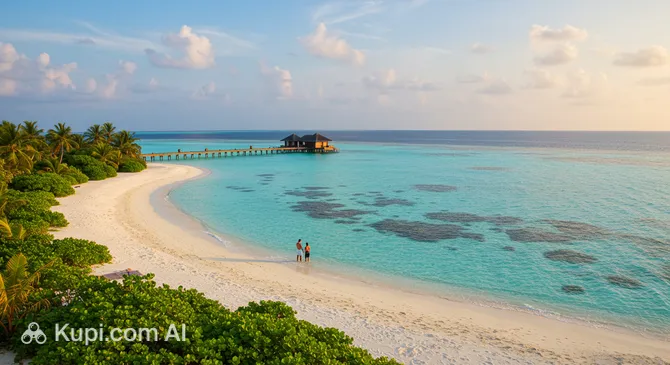
Hanimadhoo. Source: Kupi.Binoculars

Geographically, Hanimadhoo is one of the larger islands in the region, blessed with dense vegetation and long stretches of pristine white sandy beaches. The island is home to a population of approximately 2,300 residents, creating a vibrant yet peaceful environment. The climate is quintessentially tropical, featuring warm, sunny days year-round that are ideal for beach lovers and outdoor enthusiasts.

The island holds a significant place in the northern atolls, serving as a vital hub for trade and transportation. Those interested in the past can delve into the history of Hanimadhoo to understand how it has developed over the years while maintaining its traditional charm. The island is particularly known for its agricultural productivity and the warm hospitality of its people.

Visitors are drawn to Hanimadhoo for its stunning natural features, particularly the extensive lagoon which is perfect for swimming and snorkeling. The island is also home to the Hanimaadhoo International Airport, making it easily accessible and a gateway to the surrounding northern islands. Nature lovers will appreciate the rich marine life and the opportunity to explore the underwater world in crystal-clear waters.

Whether you are looking to unwind on quiet beaches or explore the local way of life, Hanimadhoo welcomes you with open arms. It is an idyllic spot to disconnect from the hustle and bustle of daily life and immerse yourself in the natural splendor of the Indian Ocean.

Weather Overview

Hanimadhoo experiences a consistent tropical climate characterized by warm temperatures and distinct seasonal rainfall patterns. Throughout the year, the island maintains a comfortable warmth, with average temperatures generally hovering between 26.9°C and 28.4°C. April tends to be the warmest month, reaching daily highs of around 29.3°C, while the coolest months like January still offer pleasant lows of roughly 26.4°C.

Precipitation varies significantly depending on the time of year. The months of January through March are exceptionally dry, typically seeing only about 1mm of rainfall and fewer wet days, making this period ideal for sun-seekers. Conversely, from May to October, the island experiences a wetter season with higher humidity and more frequent showers; May is often the wettest month with up to 9mm of precipitation. To help you pack appropriately for your trip, you can check the detailed weather in Hanimadhoo for specific monthly forecasts.

Overall, visitors can expect steady warmth year-round, with a distinct dry season at the start of the year and a breezier, rainier period from late spring through autumn.

Interesting Facts

Beyond the stunning turquoise lagoons and white sands, Hanimadhoo holds several fascinating secrets that make it unique among Maldivian islands. From scientific significance to local industry, there is much to discover about this vibrant community.

  • Scientific Significance: The island is home to the Maldives Climate Observatory (MCOH), a major research facility in the Indian Ocean. It plays a pivotal role in monitoring atmospheric changes and air pollution, providing crucial data for global climate studies.

  • A Rare Aviation Hub: Hanimadhoo boasts one of the very few international airports in the Maldives located outside the capital region. This facility serves as a vital gateway, connecting the northern atolls directly to the wider world and facilitating regional travel.

  • Green and Self-Sufficient: Unlike many coral islands that rely heavily on imports, Hanimadhoo is an agricultural powerhouse. Its fertile soil supports the cultivation of various fruits and vegetables, particularly bananas and watermelons, which are traded throughout the surrounding atolls.

  • Impressive Geography: It is one of the longest islands in the country, stretching approximately 7 kilometers in length. This unusual scale allows for extensive woodlands and exceptionally long beach walks that are impossible on the smaller, circular resort islets.

How to Get There

Reaching this northern gem of the Maldives is a straightforward journey, thanks to its well-connected transport infrastructure. Most travelers arrive by air, enjoying scenic views of the atolls along the way. For a complete guide on all available routes and transfer options, you can read more about how to get to Hanimadhoo.

The island is served by its own aviation hub, Hanimaadhoo Airport (IATA: HAQ), which makes it exceptionally accessible compared to many other remote islands. Located just 2.4 km from the main settlement, the airport handles both domestic flights from Malé and select international connections. Once you land, the transfer to the city center or your guesthouse is quick and convenient, typically taking about 5 to 10 minutes by taxi or hotel shuttle.

Another regional option is Kulhudhuffushi Airport (IATA: HDK), situated in the city of Kulhudhuffushi, approximately 19.3 km away. While it is close, traveling from there to Hanimadhoo requires a sea transfer, as the airports are on different islands. However, for most visitors, flying directly into Hanimaadhoo remains the most practical and popular choice.

For clarity, here is a summary of the main airports in the vicinity:

Airport Name City Passenger Traffic Km from City
Hanimaadhoo Airport Hanimadhoo Medium 2.4
Kulhudhuffushi Kulhudhuffushi Medium 19.3
Maafaru Maafaru Medium 109.3
Funadhoo Funadhoo Small 67.9
Hoarafushi Dhihdhoo Small 38.7

Main Attractions

While Hanimadhoo is celebrated for its tranquility, it offers a variety of engaging sites and activities that allow visitors to connect with nature and local heritage. The island's size and unique location in the Haa Dhaalu Atoll provide a perfect mix of land-based exploration and underwater adventure. From scientific landmarks to pristine natural wonders, here are the main attractions to explore.

Hanimadhoo Public Beach is undoubtedly the island's crown jewel. Stretching along the western coast, this expansive shoreline features powdery white sand and turquoise waters that remain shallow for a long distance, making it ideal for swimming and families. Unlike the beaches on many resort islands, it offers a sense of vastness and seclusion, where you can walk for kilometers without seeing crowds. It is also the premier spot on the island to witness the spectacular Maldivian sunsets.

For those fascinated by the underwater world, the Hanimadhoo House Reef is a must-visit. Located primarily on the eastern side of the island, the reef is teeming with vibrant marine life. Snorkelers often encounter colorful schools of fish, sea turtles, and occasionally rays gliding through the clear water. The reef is easily accessible, offering an excellent introduction to the rich biodiversity of the Indian Ocean without needing a boat excursion.

A unique feature of the island is the Maldives Climate Observatory (MCOH). Situated on the northern tip, this research facility is a significant scientific landmark, playing a crucial role in monitoring climate change and air quality across the Indian Ocean. While access to the sensitive equipment may be restricted, the surrounding area is pristine and represents the island's commitment to environmental preservation, making it an interesting point of reference for eco-conscious travelers.

Exploring the Local Village provides a genuine glimpse into Maldivian life. As an inhabited island, Hanimadhoo has a thriving community with a central mosque, schools, and small local markets. Walking through the sandy streets allows tourists to observe traditional coral-stone architecture and experience the warm hospitality of the residents. It is a stark contrast to the bubble of luxury resorts, offering a cultural richness that many visitors cherish.

Although technically on a neighboring island, Utheemu Ganduvaru is a quintessential excursion for anyone staying on Hanimadhoo. Just a short 20-minute boat ride away, this wooden palace is the birthplace of Sultan Mohamed Thakurufaanu, a national hero who liberated the Maldives from Portuguese rule. It is one of the most well-preserved historical sites in the country, offering guided tours that reveal the fascinating history of Maldivian royalty.

Local Cuisine

The local cuisine of Hanimadhoo offers a genuine taste of the authentic Maldivian diet, which revolves heavily around three main ingredients: tuna, coconut, and starches like rice or flour. Unlike the international buffets found on private resort islands, the food here is deeply rooted in tradition, relying on the fresh catch of the day and simple, aromatic spices. Visitors will find that the flavors are distinct, often featuring a delightful balance of mild heat, citrusy lime, and the creamy richness of coconut.

Breakfast is perhaps the most iconic meal of the day, centered around the beloved dish known as Mas Huni. This is a fresh mixture of shredded smoked tuna, grated coconut, onions, and chili, all seasoned with a squeeze of lime. It is traditionally eaten with Roshi, a flatbread similar to Indian chapati. Another staple worth trying is Garudhiya, a clear and savory fish broth usually served with rice, lime, and plenty of chili. For those who enjoy spicy food, Kulhi Mas (spicy chili tuna) is a flavorful curry that pairs perfectly with Roshi.

A significant part of the local food culture is the tradition of "short eats" or Hedhikaa. In the late afternoon, local cafés and tea shops bustle with activity as residents gather to enjoy these savory snacks. Popular items include Bajiya (fish-filled pastries), Gulha (fried dough balls stuffed with smoked tuna), and Masroshi (flatbread stuffed with a fish and coconut mixture). These bite-sized treats offer an affordable and delicious way to sample local flavors.

When it comes to beverages, the most refreshing option is undoubtedly Kurumba, or fresh coconut water, which is widely available and perfect for the tropical heat. Tea, particularly black tea, is consumed throughout the day and is the standard accompaniment to Hedhikaa. It is important for tourists to note that Hanimadhoo is an inhabited island, meaning the sale and consumption of alcohol is prohibited by local law. You will not find beer or wine in local restaurants; instead, the focus is on fresh juices, mocktails, and soft drinks.

Dining on the island is a relaxed affair. Most tourists eat at the in-house restaurants of their guesthouses, which typically serve a mix of Maldivian and Western dishes to cater to international palates. However, for a more immersive experience, venturing into a local Hotaa (café) is highly recommended. These humble establishments offer the most authentic food at very reasonable prices, allowing you to dine alongside friendly locals and experience the true rhythm of island life.

Travel Tips

Visiting an inhabited island like Hanimadhoo offers a rewarding glimpse into the authentic Maldivian way of life, but it also comes with different norms compared to private resort islands. To help you navigate the local culture respectfully and enjoy a hassle-free vacation, here are some essential practical tips to keep in mind.

  1. Clothing and Gear: Since Hanimadhoo is a local island with a resident Muslim community, modest dress is required when moving around the village. Men should wear t-shirts and shorts, while women should cover their shoulders and knees. Swimwear and bikinis are strictly restricted to the designated "Bikini Beach" area; do not wear them in the town or near the mosque. Bring high-SPF sunscreen, a hat, and mosquito repellent, as well as a universal travel adapter (Type G is standard).

  2. Transportation: Hanimadhoo is one of the larger islands, stretching about 7 kilometers, so walking the entire length can be tiring in the tropical heat. The best way to get around is by bicycle, which many guesthouses provide for free or for a small rental fee. Taxis (cars and vans) are also available for airport transfers or longer trips, but there is no public bus system.

  3. Finances: The local currency is the Maldivian Rufiyaa (MVR). While guesthouses and dive centers usually accept US Dollars (USD) and credit cards, small local shops and cafés often prefer cash in Rufiyaa. There is a branch of the Bank of Maldives with an ATM on the island where you can withdraw local currency. It is wise to carry smaller denominations for buying snacks or drinks.

  4. Health and Safety: The island has a health center and a pharmacy that can handle minor ailments and first aid. For serious emergencies, transfer to a larger regional hospital or Malé may be necessary. The island is generally very safe, but standard precautions apply: keep valuables secure and stay hydrated. Be mindful of the strong equatorial sun and avoid exposure during midday hours.

  5. Communication: Dhivehi is the native language, but English is widely spoken, especially by those working in tourism and younger residents. You can easily buy a local SIM card (Ooredoo or Dhiraagu) at the airport upon arrival or at shops on the island to stay connected. Wi-Fi is standard in guesthouses, though speeds may vary compared to what you are used to at home.

  6. Local Etiquette: Maldivians are warm and hospitable. A common greeting is "Assalaamu Alaikum" (Peace be upon you). It is customary to remove your shoes before entering a local home or a mosque. When handing money or items to someone, use your right hand as a sign of respect. Alcohol is strictly prohibited on inhabited islands, so do not attempt to bring it with you or look for it in local stores.

  7. What to Avoid: Public displays of affection, such as kissing or hugging, are frowned upon in the local community and should be avoided. Also, never take photos of residents, especially women, without asking for their permission first, as this is considered intrusive.

  8. Friday Schedule: Remember that Friday is the Islamic holy day and the weekend in the Maldives. Many shops, cafés, and services may be closed in the morning and during prayer times (especially around noon). Plan your activities and meals accordingly, as the pace of life slows down significantly on this day.

By following these simple guidelines, you will ensure a respectful and harmonious interaction with the friendly people of Hanimadhoo. Embracing these local customs will not only make your trip smoother but also deepen your appreciation for this beautiful island community.

Entertainment & Nightlife

Nightlife in Hanimadhoo is distinctly different from the bustling party scenes found in many global tourist hubs or even on private resort islands. As an inhabited local island, Hanimadhoo adheres to local laws, which means there are no nightclubs, discos, or bars on the island itself, and the sale and consumption of alcohol are strictly prohibited on land. Instead of loud music and neon lights, the evenings here are defined by tranquility, starlit skies, and the gentle sound of the ocean, offering a perfect digital detox and a chance to reconnect with nature.

For tourists seeking a drink or a more conventional lounge atmosphere, the primary option is the "floating bar." The Barefoot Eco Hotel, the island's most prominent accommodation, typically organizes a boat anchored just off the coast where alcohol can be legally served. This floating venue serves as the main social hub for international visitors in the evenings, offering a place to enjoy a cocktail or a cold beer while watching the sunset or the stars, bridging the gap between local restrictions and tourist expectations.

Beyond the floating bar, evening entertainment revolves around organized activities and nature. Night fishing is a favorite pastime; local boat crews take visitors out to the reef at dusk to catch snapper or grouper using traditional handlines. Successful trips often end with a beach BBQ where your catch is grilled fresh over coconut husks. Another magical experience is searching for bioluminescent plankton along the shoreline. While not a nightly occurrence, lucky visitors can witness the waves glowing with a mystical blue light, a natural light show that rivals any club strobe.

For a taste of local social life, head to the Harbor Area. This district is the heart of the community's evening activity. Here, you will find traditional tea shops, known as Hotaas, which remain open late. Places like Simmer Ever Restaurant or Chill Time are where residents gather to chat, play cards, and enjoy "short eats" (savory snacks) with black tea. The atmosphere is casual, friendly, and alcohol-free, providing a genuine glimpse into the relaxed island lifestyle.

Safety at night is excellent in Hanimadhoo. The island is small, the community is tight-knit, and crime is virtually non-existent, making it perfectly safe to walk around the village or along the beach after dark. Street lighting is present in the main village but can be sparse on the outskirts, so carrying a phone flashlight is useful. There is no need for taxis for nightlife; everything is accessible by a short walk or a bicycle ride, which is the preferred mode of transport for both locals and tourists.

While the nights are quiet, daytime entertainment offers its own charm. Visitors can explore the island's lush interior on bikes, visit the agricultural center to see local farming, or engage in non-motorized water sports like kayaking and paddleboarding in the calm lagoon. The absence of commercial amusement parks or theaters is compensated by the sheer beauty of the natural environment, which remains the island's greatest attraction day and night.

Parks & Museums

Unlike the bustling capitals of the world, Hanimadhoo does not boast grand concrete museums or manicured botanical gardens in the traditional sense. Instead, the entire island serves as a living museum of Maldivian culture and nature, where the lush agricultural lands act as green spaces and the historical sites of the surrounding atoll tell the stories of the nation's past.

Hanimadhoo Agricultural Center is the closest equivalent to a botanical garden on the island and is a unique feature in the Maldives. Due to the island's unusually fertile soil and large size, this government-run facility produces a significant portion of the fruit and vegetables for the northern atolls. Visitors can wander through rows of banana trees, watermelon patches, and chili fields. It offers a rare glimpse into the agrarian lifestyle of the islands, providing a lush, green environment that contrasts with the typical coconut palm dominance of other islets.

For a more wild natural experience, the Northern Vegetation Area offers a serene escape. Hanimadhoo is one of the few islands with a dense, forest-like interior, characterized by towering banyan trees and screw pines. A walk through these shaded paths is peaceful and cooling, allowing nature lovers to spot local bird species such as the Asian koel and grey heron. The area eventually opens up to the pristine shores, seamlessly blending the dense greenery with the island's coastal beauty.

While there are no large indoor museums on Hanimadhoo itself, the Marine Conservation Center at the Barefoot Eco Hotel serves as an educational hub for those interested in natural history. The center focuses on the marine biodiversity of the Haa Dhaalu Atoll, featuring displays of seashells, coral specimens, and information about the resident populations of manta rays and turtles. It is an excellent place for families and eco-conscious travelers to learn about the delicate underwater ecosystem before seeing it firsthand.

For history enthusiasts, the most significant cultural site is just a short boat ride away at Utheemu Ganduvaru. Although technically on the neighboring island of Utheemu, it is the primary historical attraction for anyone staying in Hanimadhoo. This 500-year-old wooden palace was the childhood home of Sultan Mohamed Thakurufaanu, a national hero. Now converted into a museum, it has been impeccably preserved, showcasing intricate wood carvings, traditional swinging beds, and centuries-old interiors that reflect the lifestyle of Maldivian royalty.

Back on Hanimadhoo, the Old Mosque and the surrounding traditional houses offer a subtle architectural history lesson. While many modern buildings have sprung up, observant walkers in the village can still find walls built from coral stone—a traditional construction method that is now banned to protect the reefs. These remnants of the past stand as silent monuments to the island's long history of habitation and craftsmanship.

Insider Tip: For a truly authentic experience, take a bicycle ride to the far northern tip of the island near the observatory. This area is often devoid of tourists and offers a raw, untouched landscape where the jungle meets the sea. It is the perfect spot for quiet reflection or photography, far removed from the activity of the main village.

Getting Around

Unlike bustling metropolitan centers, Hanimadhoo does not possess a complex public transport network comprising subways, trams, or large municipal buses. The island's transport infrastructure is simple and informal, reflecting its relaxed pace of life and relatively small population. For visitors, this means there are no schedules to memorize, no travel zones to navigate, and no ticket machines to figure out. The system relies entirely on private vehicles, taxis, and non-motorized options.

The most common and practical way to get around the island is by bicycle. Given the island's elongated shape—stretching approximately 7 kilometers—walking from one end to the other can be time-consuming and tiring in the tropical heat. Bicycles are the de facto "public transport" for tourists. Most guesthouses and hotels provide them to guests, often free of charge or for a nominal daily rental fee. Riding a bike allows you to explore the village, reach the distant beaches, and visit the agricultural center at your own leisure.

For longer distances, carrying luggage, or traveling during the hottest part of the day, taxis are the primary motorized option. These are typically standard cars, vans, or sometimes pickup trucks modified with seats in the back. There are no ride-hailing apps like Uber or specialized taxi stands; instead, taxis operate on an on-call basis. You can flag one down on the main road, but it is much more reliable to ask your hotel reception or a local shopkeeper to call a driver for you.

Regarding payment, the system is strictly cash-based. There are no travel cards, passes, or contactless payment terminals inside vehicles. You will need to pay the driver directly in Maldivian Rufiyaa (MVR). Fares are generally fixed rather than metered, as destinations are limited. A standard trip within the village or from the airport to a guesthouse typically costs between 25 to 50 MVR. It is highly advisable to carry small denominations, as drivers may not always have change for large banknotes.

Walking is a viable alternative for short trips within the central village area, where shops, the mosque, and the harbor are clustered close together. However, for exploring the northern nature trails or the southern tip, relying solely on walking is not recommended due to the distance. Since there are no sidewalks in many areas, pedestrians should walk on the side of the sandy roads and be mindful of the occasional passing motorbike or taxi.

A unique aspect of transport here is the hotel shuttle service. Since the Hanimaadhoo International Airport is located on the island, almost all accommodations offer pick-up and drop-off services using their own vans or electric buggies. These transfers are usually arranged in advance as part of your room booking. While not a public service, this effectively handles the most critical logistical need for arriving tourists, eliminating the stress of finding transport upon landing.

Accommodation

Accommodation in Hanimadhoo offers a refreshing and accessible alternative to the exclusive, high-end private resorts typically associated with the Maldives. As an inhabited island, the lodging landscape here is primarily defined by charming guesthouses and small boutique hotels. This setup provides a unique opportunity for travelers to enjoy a comfortable, authentic stay that fosters a connection with the local community, all while remaining significantly more affordable than the luxury resort islands.

The majority of places to stay are conveniently located within or just on the outskirts of the main village, ensuring easy access to local shops and the harbor. However, the most sought-after area for international tourists is along the western coastline, adjacent to the designated "Bikini Beach." Staying in this area offers the perfect balance of privacy and convenience, allowing guests to step directly onto the pristine white sands where swimming regulations are relaxed for tourists, while still being just a short stroll or bike ride away from the town center.

While the island is known for its budget-friendly guesthouses, it also hosts options for those seeking a more upscale experience. A notable example is The Barefoot Eco Hotel, which operates with the amenities of a 4-star resort—including a spa, restaurant, and private beach area—while maintaining a strong commitment to sustainability and conservation. Alongside such properties, you will find numerous family-run establishments that offer modern, air-conditioned rooms and personalized service, often including home-cooked Maldivian meals.

Prices in Hanimadhoo generally fall into the budget to mid-range category, making it an excellent choice for travelers who want to experience the beauty of the Maldives without the premium price tag. Reservations can be easily made through major online booking platforms. A helpful tip for planning your trip is to book in advance, particularly if you intend to visit during the peak dry season from December to April, as the best rooms near the beach tend to fill up quickly.

Nearby Cities

Hanimadhoo is located in the northern Haa Dhaalu Atoll, positioning it at a significant distance from the central commercial hubs of the country. The island sits approximately 289 km north of the capital, Male, which requires a domestic flight to reach. However, Hanimadhoo is very close to the regional administrative capital, Kulhudhuffushi, which is just 20 km away and easily accessible by sea.

The following table lists major cities and towns in the Maldives relative to Hanimadhoo, providing a sense of its location within the archipelago:

City Population Distance (km)
Male 133,019 289
Kulhudhuffushi 15,875 20
Naifaru 4,103 148
Thulusdhoo 4,300 270
Thinadhoo 5,230 365

Shopping & Souvenirs

Shopping in Hanimadhoo is a low-key and authentic experience that stands in stark contrast to the commercialized duty-free zones of international airports or the high-end boutiques found on luxury resort islands. Here, retail therapy is about discovering the daily rhythm of local life. Visitors will not find designer brands or sprawling department stores; instead, the island offers a selection of small, family-run general stores and souvenir shops that cater to both the basic needs of residents and the curiosity of travelers.

The Main Shopping Area is concentrated within the central village, particularly along the primary roads that lead inland from the harbor. This area serves as the commercial heart of the island, where colorful storefronts display everything from groceries and household items to beach gear. Strolling down these sandy streets allows tourists to browse at a leisurely pace, often engaging in friendly conversations with shopkeepers who are eager to welcome visitors.

Travelers should be aware that there are no shopping malls on Hanimadhoo. The retail landscape is defined by independent "corner shops" rather than large commercial complexes. If you need specific electronic items, branded clothing, or specialized equipment, it is highly advisable to bring these with you, as the local inventory is generally limited to essentials and simple consumer goods.

While there is no large central bazaar, the island's reputation as an agricultural hub makes for an interesting "market" experience of a different kind. You can find stalls or small vendors selling fresh, locally grown produce, particularly the island's famous watermelons and bananas. Buying fresh fruit directly from the growers is not only a delicious way to snack but also a great way to support the local economy.

For souvenirs, Hanimadhoo offers genuine Maldivian handicrafts that make for meaningful keepsakes. Look for items such as miniature wooden dhonis (traditional boats), hand-painted coconuts, and woven mats made from dried palm leaves. Local sarongs and t-shirts featuring island motifs are also popular and practical purchases. Foodies might want to take home packets of dried tuna chips or local spice mixes to recreate the flavors of the Maldives back home.

Opening hours on the island follow traditional Islamic customs. Shops typically open around 8:00 AM or 9:00 AM and stay open until late evening, often closing around 10:00 PM. However, it is crucial to remember that businesses will close briefly for prayer times throughout the day, usually for about 15 to 20 minutes. On Fridays, the island's weekend, most shops remain closed until the afternoon, opening only after the main Jumu'ah prayers (around 2:00 PM).

Regarding payment, cash is the preferred method for most transactions. While some larger souvenir shops or guesthouses may accept US Dollars or credit cards, the smaller local grocery stores and fruit vendors deal almost exclusively in Maldivian Rufiyaa (MVR). It is recommended to carry small denominations of local currency for everyday purchases. Tax-free shopping is generally not available on local islands like Hanimadhoo; VAT refunds and duty-free shopping are services typically reserved for the departure area at Velana International Airport in Malé.

Reached the end of the page?

That means the route is fully explored