Support

Fonadhoo

About

Welcome to Fonadhoo, the vibrant administrative capital of Laamu Atoll and a captivating destination for travelers seeking an authentic island experience. Unlike the secluded resort islands often associated with the Maldives, Fonadhoo offers a unique window into the daily lives of the local people while still providing the breathtaking natural beauty the archipelago is famous for. With its lush vegetation, friendly community, and serene atmosphere, it serves as a perfect gateway to exploring the southern atolls.

Geographically, Fonadhoo is part of a remarkable formation of islands connected by a series of causeways, linking it to the neighboring islands of Gan, Kadhdhoo, and Maandhoo. This connectivity makes it one of the most accessible and explorable parts of the country by land. The island enjoys a tropical climate with warm, sunny weather year-round, tempered by refreshing sea breezes. As a bustling hub, it is home to a significant portion of the atoll's population, creating a lively environment filled with local culture, small shops, and traditional island charm.

While much of the island's past remains unrecorded, it is believed to have been inhabited for centuries. The history of Fonadhoo is deeply intertwined with the maritime heritage of the region, and remnants of its ancient roots can still be felt in the enduring traditions of its residents. Exploring the island reveals glimpses of this heritage, from the architecture of older buildings to the stories shared by the welcoming locals.
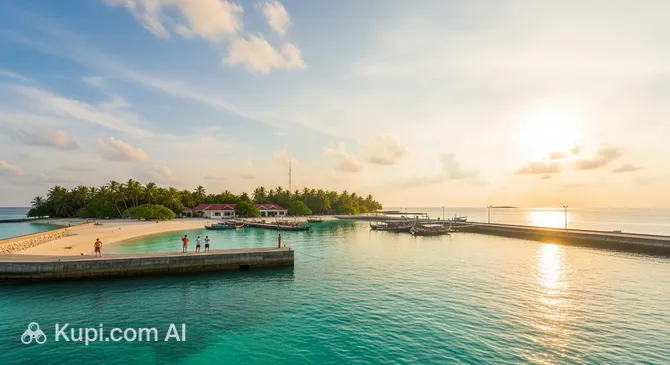
Fonadhoo. Source: Kupi.Binoculars

One of the main attractions here is the spectacular Link Road, particularly the section connecting Fonadhoo to Gan. This causeway offers one of the longest and most scenic coastal drives or bike rides in the country, with turquoise waters stretching out on both sides. It is an ideal spot for a sunset stroll, where the sky transforms into a canvas of vibrant oranges and purples reflecting off the lagoon.

Nature lovers will appreciate the island's pristine, uncrowded beaches, which offer a quiet escape for relaxation and swimming. The surrounding waters are rich in marine life, making snorkeling a rewarding activity for those who wish to peek beneath the surface. For a touch of culture, a visit to the local Friday Mosque provides insight into the island's spiritual life and architectural style.

Whether you are passing through on your way to a luxury resort or staying to immerse yourself in the local rhythm, Fonadhoo invites you to experience the genuine warmth of Maldivian hospitality. It is a place where you can slow down, connect with nature, and discover the true heart of the islands.

Weather Overview

Travelers to this part of the Maldives can look forward to a consistently warm tropical climate. The temperature remains remarkably stable throughout the year, with average monthly values hovering between 26.7°C and 28.0°C. This steady warmth ensures that the island is an inviting destination at any time, with daily maximums peaking around 28.8°C in April and minimums rarely dropping below 26°C.

Rainfall is a regular feature of the environment, contributing to the lush greenery of the atoll. The frequency of rain varies, with November being the wettest month, experiencing precipitation on approximately 28 days, while August offers more respite with roughly 13 wet days. For a more detailed breakdown of seasonal trends, you can consult the guide to weather in Fonadhoo to help plan your trip. Generally, visitors should expect warm, humid days often interspersed with tropical showers.

Interesting Facts

Beyond its serene coastline and administrative importance, Fonadhoo holds several fascinating secrets that often surprise visitors. From cinematic fame to geographic anomalies, here are some intriguing facts about this unique island.

  • The Longest Drive: Fonadhoo is a crucial part of the longest continuous stretch of dry land in the Maldives. Connected by causeways to the neighboring islands of Gan, Kadhdhoo, and Maandhoo, it forms a paved route of approximately 16 kilometers. This allows for a rare "road trip" experience in a nation composed almost entirely of water.

  • A Star Wars Setting: The pristine tropical scenery of Laamu Atoll, where the city is located, served as the real-life filming location for the planet Scarif in the blockbuster Rogue One: A Star Wars Story. While the specific scenes were shot on nearby uninhabited islands, the lush palm trees and shallow turquoise waters of Fonadhoo share the exact cinematic aesthetic seen on the big screen.

  • Seamless Airport Access: In a country where island hopping almost always involves boats or seaplanes, Fonadhoo is one of the few places where you can take a taxi directly to your flight. The island is linked by a short causeway to Kadhdhoo Island, which houses the domestic airport, making arrivals and departures unusually convenient.

  • Gateway to Ancient History: The island serves as an accessible entry point to the pre-Islamic heritage of the region. Just a short drive away on the connected island of Gan, visitors can discover the ruins of "Hawittas"—ancient Buddhist stupas that stand as silent witnesses to a civilization that thrived here centuries ago.

How to Get There

Reaching Fonadhoo is an adventure that typically begins with a flight to the Maldives, followed by a domestic transfer. While the island is part of the Laamu Atoll and is well-connected by a causeway to the local domestic airport at Kadhdhoo, travelers often look at various regional hubs when planning their journey. For a comprehensive breakdown of all travel options, you can read more about how to get to Fonadhoo.

Among the closest regional transport hubs is Thimarafushi (TMF), located in the city of Veymandoo. It is situated approximately 57 km from Fonadhoo. Since this airport is on a different atoll, the journey to Fonadhoo would involve a sea transfer or further connection. The estimated transit time for this distance is roughly 1 hour and 45 minutes, depending on the mode of transfer and weather conditions.

Another prominent option is Villa International Airport Maamigili (VAM), which is an international airport located in Maamigili. This is a significant hub with an annual passenger traffic of about 350,000 people. It is located roughly 195 km from Fonadhoo. Given the considerable distance, traveling from here to Fonadhoo typically requires a domestic flight connection or a long-distance sea voyage, with a total estimated transit time of around 5 hours.

For clarity, here is a summary of the main airports in the region:

Airport Name City Passenger Traffic Km from City
Villa International Airport Maamigili Maamigili Large 195.5
Dhaalu Airport Kudahuvadhoo Medium 114.8
Thimarafushi Veymandoo Medium 57.2
Maavarulu Maavarulu Medium 165.6
Muli Airport Muli Small 119.5

Main Attractions

While Fonadhoo itself is a bustling administrative hub, its true appeal lies in its connectivity. As part of the longest stretch of connected islands in the Maldives, it serves as the perfect base for exploring the wonders of Laamu Atoll. From scenic drives to ancient mysteries, here are the top attractions to visit during your stay.

Undoubtedly the most famous feature of the area is the Laamu Link Road. Stretching approximately 16 kilometers and connecting Fonadhoo to the neighboring islands of Gan, Kadhdhoo, and Maandhoo, this causeway offers an experience unlike any other in the archipelago. Tourists love renting a scooter or a bicycle to ride along this palm-fringed route, especially during the late afternoon. With the turquoise ocean on one side and swaying palms on the other, the journey itself is a destination, offering endless photo opportunities and a sense of freedom rarely found on smaller resort islands.

Just a short drive across the causeway to the island of Gan, you will find Parey Fengandu, a unique freshwater lake nestled within a dense woodland. Unlike the saltwater lagoons that dominate the Maldives, this serene body of water offers a refreshing change of scenery. It is a popular spot for locals and visitors alike to enjoy a picnic or simply relax in the shade of the surrounding trees. The calm, reflective waters and the lush green canopy create a tranquil atmosphere that feels worlds away from the beach.

For history enthusiasts, the Gan Hawitta is a must-see site located on the eastern side of Gan island. This massive mound of coral stone is the ruin of an ancient Buddhist stupa, dating back to the pre-Islamic period of the Maldives. Although time has worn it down to a large, mysterious hill, it remains a significant archaeological site that hints at the rich and diverse history of the atoll. Standing before these ruins allows travelers to connect with a civilization that thrived here centuries ago, long before modern tourism began.

Finally, no trip to Fonadhoo is complete without a boat excursion to Baresdhoo, often referred to as "Star Wars Island." Located nearby within the Laamu Atoll, this uninhabited island was a filming location for the planet Scarif in the movie Rogue One. Visitors are drawn to its untouched beauty, featuring endless rows of coconut palms and pristine white sands. It is an ideal spot for a day trip, offering excellent snorkeling in crystal-clear waters and the thrill of walking on a cinematic landscape.

Local Cuisine

The culinary scene in Fonadhoo offers a delightful immersion into authentic Maldivian flavors, distinct from the international buffets found on luxury resort islands. As a local inhabited island, the food culture here is deeply rooted in the traditional diet of the atolls, revolving primarily around three key ingredients: fresh tuna, coconut, and starches like rice or roshi (flatbread). For foodies, this is an excellent opportunity to taste home-style cooking that is both simple and incredibly flavorful.

No day in Fonadhoo begins without Mas Huni, the quintessential Maldivian breakfast. This fresh, zesty dish consists of shredded smoked tuna mixed with grated coconut, lime juice, onions, and chili. It is invariably served with freshly baked roshi and sweet tea. For a heartier meal later in the day, travelers should try Garudhiya, a clear, savory fish broth that is considered a national staple. It is typically eaten with steamed rice, lime, and plenty of chili, highlighting the exceptional quality of the local catch.

A unique aspect of dining in Fonadhoo is the culture of Hedhikaa, or "short eats." In the late afternoon, local cafés and tea shops fill with trays of bite-sized savory snacks. Favorites include gulha (fried dough balls stuffed with spiced fish and coconut), bajiya (fish samosas), and masroshi (flatbread stuffed with a fish mixture). Joining the locals for "evening tea" is not just a meal but a social experience, offering a glimpse into the relaxed island lifestyle.

When it comes to beverages, the options are refreshing and tropical. Since Fonadhoo is a local island, alcohol is strictly prohibited and cannot be found in restaurants or shops. Instead, visitors can cool off with Kurumba, fresh coconut water enjoyed straight from the nut, which is widely available and incredibly hydrating. Black tea is also a favorite, often enjoyed very sweet and served alongside the spicy short eats.

Dining options in the city range from small, casual eateries known as hotas to slightly more modern cafés. These establishments are generally laid-back and welcoming, often situated along the main roads or near the harbor. While you won't find fine dining chains, the warmth of the hospitality and the freshness of the seafood make every meal in Fonadhoo a memorable part of the journey.

Travel Tips

Planning a trip to Fonadhoo offers a unique opportunity to experience the authentic side of the Maldives, far removed from the typical resort bubble. To help you navigate the local customs and make the most of your stay on this beautiful inhabited island, here are some essential practical tips to keep in mind.

  1. Clothing and Gear: Since Fonadhoo is a local residential island, the dress code is more conservative than on private resort islands. While lightweight, breathable cotton clothing is best for the tropical heat, ensure you cover your shoulders and knees when walking through the village or visiting public areas. Pack a high-SPF sunscreen, polarized sunglasses, and a hat, as the equatorial sun is intense. Sandals or flip-flops are the most practical footwear, as you will often need to remove them before entering guesthouses or shops.

  2. Transportation: The best way to explore Fonadhoo and the connected islands of the Laamu Atoll is by renting a scooter or bicycle. The famous Link Road makes it easy to ride between islands. Taxis are also readily available and affordable for longer distances, such as traveling to the airport or the neighboring island of Gan. Walking is feasible for short trips within the town center, but the heat can be draining during midday.

  3. Finances: The local currency is the Maldivian Rufiyaa (MVR). While US Dollars are widely accepted, especially for guesthouses and larger transactions, you will likely receive change in local currency. It is highly recommended to carry cash in MVR for small purchases at local cafés (hotas) and convenience stores. There is a Bank of Maldives (BML) branch with an ATM on the island, so you can withdraw local currency if needed.

  4. Health and Safety: Fonadhoo is generally very safe for travelers. For medical needs, the Gan Regional Hospital is located on the neighboring island of Gan, just a short drive across the causeway, and is equipped to handle standard medical situations. Pharmacies are available in the town, but it is wise to bring your own supply of specific prescription medications. Don't forget mosquito repellent, as tropical greenery can attract insects, especially at dusk.

  5. Communication: Dhivehi is the native language, but English is widely spoken and understood, particularly by younger generations and those working in tourism. You can easily purchase a local SIM card (Ooredoo or Dhiraagu) upon arrival at the domestic airport or in local shops to stay connected with 4G data. Wi-Fi is standard in most guesthouses, though speeds may vary compared to what you are used to at home.

  6. Local Etiquette: The Maldives is a 100% Muslim nation, and respecting local traditions is key. Always remove your shoes before entering a mosque or a local home. When greeting people, a simple smile or a handshake (usually between men) is polite. Use your right hand for eating if you are dining traditionally without cutlery, as well as for handing over money or items.

  7. What to Avoid: Strictly avoid bringing alcohol into the island or looking for it during your stay; it is illegal on local inhabited islands. Public displays of affection, such as kissing or hugging, are frowned upon and should be avoided in public spaces. Additionally, do not walk around the village in swimwear; save your bikinis and swimming trunks for designated "bikini beaches" or boat excursions to uninhabited islands.

  8. Friday Schedule: Be aware that Friday is the Islamic weekend. Most shops, cafés, and services will close for Friday prayers, particularly around midday (roughly 11:00 AM to 1:30 PM). Ferries and other transport services may also operate on a reduced schedule, so plan your activities and meals accordingly on this day.

By respecting these local norms and coming prepared, you will find the community in Fonadhoo incredibly welcoming and eager to share their island life with you. Enjoy the slower pace, the stunning causeways, and the genuine hospitality that makes a visit to Laamu Atoll so special.

Entertainment & Nightlife

Nightlife in Fonadhoo offers a distinctively different experience compared to the party-centric resort islands or bustling international cities. As a local inhabited island in the Laamu Atoll, the "nightlife" here is defined by a relaxed, alcohol-free atmosphere centered around socializing, culinary exploration, and the natural beauty of the tropics. Instead of nightclubs and discos, the evening scene revolves around vibrant "coffee culture," late-night dining, and outdoor activities that take advantage of the cooler evening temperatures.

The social heart of the island beats strongest along the main thoroughfare, Boduthakurufaanu Magu, and the areas surrounding the harbor. Here, you will find locals and visitors alike gathering at open-air cafés (known locally as hotas) and modern bistros to unwind after sunset. The vibe is incredibly welcoming and laid-back, with venues often staying open until late, serving strong black coffee, fresh juices, and traditional "short eats" (hedhikaa). It is a fantastic way to mingle with the community and experience the authentic Maldivian pace of life.

For those looking for a comfortable place to spend the evening, Lozano is a standout venue. Known for its warm, family-friendly ambiance, it is a popular spot for enjoying a hearty dinner and lingering over conversation. The restaurant offers a mix of local and international dishes, making it a safe bet for travelers. Another excellent option is Ristretto, a highly-rated café located near the beach road. It is celebrated for its excellent coffee and stylish setting, offering a touch of modern comfort where you can enjoy the evening breeze under the stars.

If you prefer an experience closer to the water, look for Beach Spot. Conveniently located along the causeway, this venue blends local culture with a refreshing open-air atmosphere, providing a perfect setting for relaxation without the noise of a typical bar. While you won't find alcoholic cocktails here due to local regulations, their menu of mocktails, fresh coconuts, and specialty drinks is refreshing and extensive. For a more active night out, many guesthouses organize night fishing excursions. This is a quintessential Maldivian activity where you can catch your own dinner under the moonlight, often followed by a beach barbecue.

Practical advice for enjoying evenings in Fonadhoo includes carrying local currency (Maldivian Rufiyaa), as smaller venues may not accept cards. The dress code remains casual but modest; even at night, it is respectful to cover shoulders and knees when in public areas. The island is exceptionally safe for night walks, particularly along the scenic Link Road causeway, which is well-lit and offers breathtaking views of the star-filled sky reflecting on the lagoon. Taxis are easily available if you prefer not to walk, and most guesthouses can arrange transport for you.

During the daylight hours, entertainment is more nature-focused. Visitors can explore the historic sites on the neighboring island of Gan, visit the local mosques, or simply enjoy the pristine beaches. However, as the sun sets, the transition to the calm, community-focused evening life of Fonadhoo provides a unique charm that allows travelers to truly disconnect and relax.

Parks & Museums

While Fonadhoo may not boast manicured botanical gardens or grand national museums in the traditional sense, the island itself serves as a living exhibition of natural beauty and cultural heritage. Visitors here will find that the "parks" are the pristine, palm-fringed coastlines, and the "museums" are the ancient structures and archaeological sites that tell the story of the Laamu Atoll's rich history.

For those seeking green spaces and natural tranquility, the island offers a few standout areas:

The Fonadhoo Coastal Belt
Rather than a designated city park, the island's eastern and western shores function as expansive, natural recreational areas. The lagoon side is particularly serene, characterized by shallow, crystal-clear waters and shaded groves of coconut palms and screwpine trees. It is the perfect spot for a natural picnic, where families gather in the late afternoons to enjoy the ocean breeze and the soft white sand.

Parey Fengandu (Woodlands of Gan)
Located just a short ride across the causeway on the connected island of Gan, this protected area is the closest equivalent to a nature park in the region. It features a rare freshwater lake surrounded by dense, jungle-like vegetation. The area is a haven for birdwatchers and nature lovers, offering a stark and beautiful contrast to the typical beach scenery found elsewhere in the archipelago.

In terms of culture and history, the island offers a glimpse into the past through its architectural landmarks:

Fonadhoo Friday Mosque (Hukuru Miskiy)
As the spiritual heart of the community, this mosque stands as a testament to the island's Islamic heritage. While not a museum, its architecture and serene atmosphere offer deep cultural insights. Visitors can admire the intricate craftsmanship and the peaceful ambiance that has defined local life for generations. It serves as a focal point for understanding the traditions that shape the daily rhythm of the city.

The Ruins of Gan Hawitta
Functioning as an open-air archaeological museum, this site is situated on the neighboring island of Gan, easily accessible via the Link Road. The Hawitta is a massive, ancient mound believed to be the remains of a Buddhist stupa from the pre-Islamic era. For history enthusiasts, walking around this site provides a tangible connection to the early civilizations of the Maldives, making it a crucial stop for anyone interested in the region's deep past.

Traditional Coral Stone Houses
Scattered throughout the older residential areas of Fonadhoo, you may still find remnants of traditional Maldivian architecture built from coral stone. These structures, though often private residences or ruins, act as informal galleries of the past. Observing the unique masonry and design offers a rare look at the craftsmanship that existed long before modern construction materials were introduced to the atolls.

For a truly authentic experience, take a bicycle ride along the smaller sandy paths branching off the main road in the early evening. Here, away from the main thoroughfare, you will encounter the "living museum" of island life, where locals relax on joali (traditional rope chairs) under breadfruit trees, offering a genuine snapshot of the peaceful Maldivian lifestyle.

Getting Around

The public transport system in Fonadhoo is relatively simple and straightforward, reflecting the relaxed pace of island life rather than the complex networks found in major metropolitan cities. Travelers should not expect subways, trams, or extensive rail networks here. Instead, the transport infrastructure relies entirely on the road network, specifically the scenic Link Road that connects Fonadhoo to the neighboring islands of Gan, Kadhdhoo, and Maandhoo. This causeway system serves as the main artery for all local movement.

The primary form of organized public transportation is the bus service operated by the Raajje Transport Link (RTL). These buses run on a scheduled route along the main causeway, connecting the residential areas of Fonadhoo with the domestic airport on Kadhdhoo and the larger island of Gan. The buses are generally modern, air-conditioned, and comfortable, providing a reliable way to travel between the key points of the connected islands without the need for a private vehicle.

For payment, the system has been modernized to prioritize digital convenience, though cash is still useful to have on hand. The RTL service utilizes a mobile app which allows passengers to view schedules and purchase tickets using a QR code system. Tourists are advised to download the RTL Travel App upon arrival to check routes and buy tickets seamlessly. Prices are very affordable, typically costing just a few Maldivian Rufiyaa (MVR) per trip. If you do not use the app, paper tickets can sometimes be purchased at terminals, but carrying small denominations of local currency is always a good practice.

Taxis are a popular and convenient alternative, especially for those traveling with luggage or visiting specific locations off the main bus route. You can easily hail a taxi on the main road or, more commonly, ask your guesthouse or hotel to call one for you. Taxis in Fonadhoo generally operate on fixed rates for trips between specific zones or islands (e.g., from Fonadhoo to Gan), so it is wise to confirm the price with the driver before starting your journey. They are available throughout the day and into the evening.

For tourists seeking freedom and flexibility, renting a scooter or bicycle is often the preferred choice. Many guesthouses offer rentals directly or can direct you to a local shop. Riding a scooter along the 16-kilometer stretch of the Link Road is considered one of the highlights of visiting Laamu Atoll, allowing you to stop at scenic beaches and viewpoints at your own leisure. Bicycles are also a fantastic eco-friendly option, given the flat terrain of the islands.

While there are no trains or metros, the ferry terminal in Fonadhoo serves as a hub for inter-island travel. High-speed launches and local dhoni ferries connect Fonadhoo to other inhabited islands in the Laamu Atoll that are not linked by the causeway. These ferries also operate under the RTL network, and tickets can be booked via the same app used for the bus service. Always check the weather and schedule in advance, as sea transport can be affected by rough conditions.

Accommodation

Accommodation in Fonadhoo offers a distinct shift from the ultra-luxury private resorts often associated with the Maldives. Here, the hospitality landscape is defined by charming guesthouses and small, family-run boutique hotels. These establishments provide a comfortable and authentic base for travelers, featuring modern amenities such as air conditioning, Wi-Fi, and en-suite bathrooms, all while allowing guests to immerse themselves in the genuine local lifestyle of Laamu Atoll.

Most lodging options are conveniently located near the main thoroughfare, Boduthakurufaanu Magu, or tucked into the quiet, leafy streets of the residential neighborhoods. Staying near the causeway end of the island is particularly popular, as it offers quick access to the stunning Link Road for trips to the neighboring islands of Gan and Kadhdhoo. While you won't find overwater villas here, many guesthouses are just a short walk from the shoreline, where you can enjoy the sea breeze and the island's natural tranquility.

In terms of cost, Fonadhoo is a fantastic destination for budget-conscious travelers and those seeking value. The price range is significantly lower than that of resort islands, falling comfortably into the budget to mid-range categories. This affordability makes it possible to stay longer and explore more of the atoll. Reservations can easily be made through major online booking platforms, though contacting properties directly can sometimes be beneficial for arranging specific requirements.

Booking Tip: Since Fonadhoo is a local residential island with a limited number of rooms compared to major tourist hubs, it is highly recommended to book your accommodation in advance, especially during the peak dry season from December to April. When booking, it is also a good idea to ask your host if they provide a transfer service from the nearby Kadhdhoo Airport, as this can make your arrival much smoother.

Nearby Cities

For those looking to explore the surroundings, Fonadhoo serves as an excellent base for day trips to several interesting nearby locations:

Gan is undoubtedly the most popular destination for a quick excursion, easily accessible via the scenic Link Road that connects the islands. As the largest island in the country, it offers a wealth of history and nature, including the ancient Hawitta ruins and the mystical Parey Fengandu freshwater lake. A day trip here allows visitors to wander through lush woodlands, explore historical sites, and experience the local culture of a larger community without ever needing to board a boat.

Maandhoo, situated just a short drive along the causeway, provides a fascinating contrast with its industrial atmosphere. Known as a major fisheries hub for the region, it offers a glimpse into the economic heartbeat of the atoll. The drive itself is part of the attraction, passing through the domestic airport island of Kadhdhoo, making the entire connected chain of islands a seamless and rewarding journey for explorers.

City Population Distance (km)
Male 133019 259
Hithadhoo 10398 274
Thinadhoo 5230 183
Thulusdhoo 4300 281
Naifaru 4103 399

These nearby destinations offer a glimpse into the diverse culture and landscapes of the region.

Shopping & Souvenirs

Shopping in Fonadhoo offers a quiet and authentic glimpse into the daily life of the Laamu Atoll. Unlike the commercialized duty-free zones of the international airport or the souvenir-laden streets of the capital, Male, the retail scene here is modest and functional. Visitors will not find high-end fashion boutiques or sprawling luxury complexes. Instead, the city is dotted with small, family-run general stores and convenience shops that cater primarily to the needs of the local residents. For tourists, this is an excellent opportunity to purchase essential supplies, discover local snacks, and experience the unhurried pace of island commerce.

The primary hub for shopping activity is concentrated along the main thoroughfare, Boduthakurufaanu Magu, which runs through the heart of the island. As you travel along this road and the smaller streets branching off it, you will encounter various "marts" and corner shops. These establishments typically stock a wide range of goods in a small space, from toiletries and beach gear to groceries and chilled beverages. Exploring these shops is a straightforward affair, often involving friendly interactions with shopkeepers who are happy to help you find what you need.

Travelers should be aware that there are no shopping malls in Fonadhoo. The island maintains a traditional village atmosphere, and large-scale retail infrastructure is non-existent. The closest equivalent to a supermarket would be the larger general stores or the STO (State Trading Organization) outlet, which provides a broader selection of food items and household goods. If you are looking for branded clothing or electronics, it is best to make those purchases before arriving in the atoll.

While there isn't a dedicated tourist souvenir market, the local fresh produce markets near the harbor area are worth a visit for a splash of local color. Here, you can find freshly caught fish, a staple of the Maldivian diet, as well as locally grown fruits like watermelons, papayas, and coconuts. Laamu Atoll is known for its agriculture, and buying fresh fruit here supports the local farmers. It is a sensory experience, filled with the sights and smells of the island's harvest.

For those seeking souvenirs to take home, the best options are edible treats that reflect the region's culinary heritage. The Maldives is famous for its tuna products, and you can often find jars of Rihaakuru (a thick fish paste) or bags of vacuum-packed smoked tuna and dried fish in the local grocery stores. Another popular item is virgin coconut oil, often produced locally. These authentic goods make for unique and practical gifts, far more meaningful than mass-produced trinkets.

Opening hours in Fonadhoo generally run from around 8:00 AM to 10:00 PM or 11:00 PM. However, it is crucial to remember that shops close for prayer times, typically for 15 to 20 minutes, five times a day. On Fridays, the Islamic weekend, shops remain closed in the morning and usually open only after the Jumu'ah (Friday) prayers, around 2:00 PM. As for payment, cash is king. While some larger shops may accept credit cards, it is highly recommended to carry Maldivian Rufiyaa (MVR) for most transactions. Small notes are particularly useful for buying snacks or drinks.

Regarding tax-free shopping, there is no VAT refund scheme available for tourists on local inhabited islands like Fonadhoo. The prices displayed on items are generally final and inclusive of any local taxes. Bargaining is not a common practice in grocery stores or for fixed-price items, though a friendly negotiation might be possible if you are buying fresh produce in bulk at the market.

Reached the end of the page?

That means the route is fully explored