Support

Gan

About

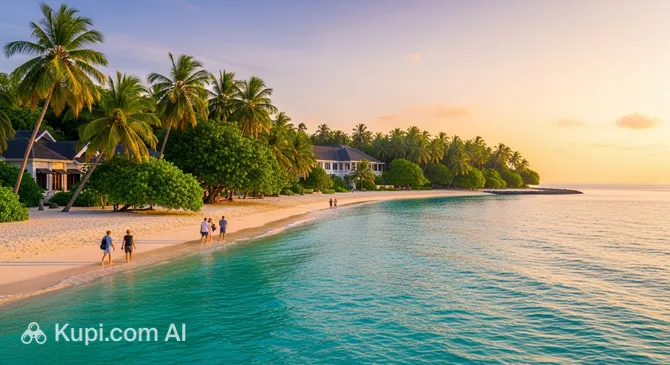
Welcome to Gan, a unique destination that offers a distinct experience compared to the typical private resort islands of the Maldives. Located in the southernmost Addu Atoll, just south of the equator, Gan is the southernmost island in the archipelago and forms a vital part of Addu City, the second-largest urban hub in the nation. It serves as a vibrant center of culture and local life.

The island is renowned for its lush vegetation and well-connected infrastructure. Unlike the isolation found elsewhere, Gan is linked to neighboring islands—Feydhoo, Maradhoo, and Hithadhoo—by the Addu Link Road, the longest causeway in the country. This makes it an exceptional place for cycling and exploring local communities. The island also holds a significant place in the nation's past, having served as a British Royal Air Force base until 1976. Travelers interested in the military heritage and colonial architecture can delve deeper into the history of Gan.

Gan. Source: Kupi.Binoculars

For adventure seekers, Gan is a gateway to some of the most pristine diving spots in the Indian Ocean. The nearby British Loyalty shipwreck is a world-class dive site teeming with marine life. Whether you are cycling through the coconut palms, interacting with the friendly locals, or exploring the underwater wonders, Gan promises an unforgettable journey filled with authenticity and charm.

Discover a side of the Maldives that goes beyond the overwater villas. Visit Gan for a perfect blend of history, nature, and genuine island hospitality.

Weather Overview

Gan experiences a consistent tropical climate with warm temperatures throughout the year, typical of its equatorial location. The average temperatures remain remarkably stable, generally fluctuating between 26.8°C and 27.9°C. Travelers can expect daytime highs to peak around 28.8°C in April, while the nights remain comfortable with minimums rarely dropping below 26°C.

Precipitation patterns are defined more by the frequency of rain than drastic temperature changes. The island sees a significant number of wet days, particularly in November and May, which can have up to 27 and 24 rainy days respectively. Conversely, months like June and March tend to be drier with fewer wet days. To plan your activities around the rain showers, it is helpful to consult the detailed guide on the weather in Gan before booking your trip.

Overall, you can expect warm, humid conditions year-round with a mix of sunshine and regular tropical showers. Whether you are visiting in the slightly drier middle of the year or the wetter months, the warm ocean breeze and steady temperatures make Gan a pleasant destination at any time.

Interesting Facts

Beyond its scenic beauty and military history, Gan holds several fascinating secrets that set it apart from the typical resort experience. This unique island offers a glimpse into a side of the archipelago that few travelers get to see, characterized by distinct wildlife and enduring colonial echoes.

  • Home of the White Tern: Gan and the wider Addu Atoll are among the only places in the Maldives where you can find the White Tern, locally known as "Dhondheeni." Unlike other seabirds in the region, these elegant white birds are a proud symbol of the atoll and are famous for laying their eggs directly on bare tree branches without building a nest.

  • A Resort with a Military Past: The island's accommodation history is quite unusual. The Equator Village resort is not a newly built hotel but is actually housed in the refurbished barracks and Sergeant’s Mess of the former Royal Air Force base. This gives the property a unique colonial charm and layout that is completely different from the standard overwater villas found elsewhere.

  • Crossing the Line: Since Gan is located south of the equator, traveling here from the northern atolls involves crossing the zero-degree latitude line. It is a tradition for some local operators to issue commemorative "Equator Crossing" certificates to visitors, marking their journey into the Southern Hemisphere.

  • Historic Entertainment: The British influence brought unique amenities to the island decades ago, including the "Astra" cinema. Built for RAF personnel, it was one of the first cinemas in the country, serving as a rare example of Western entertainment infrastructure in the Maldives during that era.

How to Get There

Reaching this unique destination in the Addu Atoll is remarkably convenient compared to many other parts of the archipelago, largely due to its well-developed transport infrastructure. Whether you are arriving from the capital, Male, or on a direct regional flight, the island is easily accessible. For a detailed breakdown of routes and travel tips, you can read more about how to get to Gan.

The primary gateway to the island is Gan International Airport (GAN). It is located directly in Gan, just 0.3 km from the city center, making it incredibly easy to start your vacation immediately upon landing. This facility serves as a major hub for the southern atolls and welcomes both domestic and international flights. Transfer times vary depending on your specific hotel location; while accommodations on Gan are just a stone's throw away, a taxi drive to the further islands of Addu City, such as Hithadhoo, takes approximately 20 minutes via the scenic Link Road. Travelers can also consider Maavarulu (RUL) airport, although it is situated in the city of Maavarulu, approximately 120.8 km away from Gan. Due to the significant distance, using this airport would likely require an additional boat transfer or a connecting flight.

For clarity, here is a summary of the main airports:

Airport Name City Passenger Traffic Km from City
Gan International Airport Gan Medium 0.3
Maavarulu Maavarulu Small 120.8

Main Attractions

One of the most compelling reasons to visit Gan is the opportunity to explore the British Loyalty Shipwreck. This oil tanker, scuttled in 1946, rests on the seabed inside the atoll and has become a world-renowned dive site. Over the decades, the ship has been transformed into a thriving artificial reef, completely encrusted with hard and soft corals. Divers can explore the massive structure, which lies between 16 and 33 meters deep, and encounter schools of blue-fin trevally, turtles, and occasionally manta rays. It serves as a fascinating underwater museum that combines history with vibrant marine biodiversity.

For those who prefer to stay dry, the Addu Link Road offers a scenic adventure unique to this part of the Maldives. Stretching over 15 kilometers, this causeway connects Gan to the neighboring islands of Feydhoo, Maradhoo, and Hithadhoo. Renting a bicycle or a scooter is the best way to experience this engineering marvel. As you ride along the coast with the turquoise ocean on one side and swaying palms on the other, you can stop at local cafes, observe daily island life, and enjoy the cooling sea breeze. The route is particularly magical at sunset, offering unobstructed views of the horizon.

History enthusiasts should not miss the Gan War Memorial, a poignant reminder of the island's strategic importance during the mid-20th century. Located near the airport, the site features two large defensive guns and a memorial dedicated to the personnel of the Royal Air Force who served here. Unlike the typical tropical imagery of the Maldives, this site provides a tangible connection to the World War II era and the Cold War years, offering a deeper understanding of why Gan looks and feels so different from other Maldivian islands.

Just a scenic drive away from Gan lies the Addu Nature Park, located on the northernmost tip of Hithadhoo. While technically on a connected island, it is a top attraction for anyone staying in Gan. The park encompasses the Eydhigali Kilhi wetlands and the Koattey protected area, showcasing a side of the country that is rarely seen: dense mangroves, freshwater lakes, and rich birdlife. Visitors can kayak through the mangroves or snorkel off the pier to see some of the healthiest coral reefs in the atoll, making it a perfect day trip for nature lovers.

Local Cuisine

The culinary scene in Gan and the wider Addu Atoll is celebrated across the nation for its distinct character, often described by locals as spicier and more flavorful than the cuisine found in the northern atolls. While the foundation of the diet remains fresh tuna and coconut, the people of Addu have developed their own unique spice pastes, known as havaadhu, which give their curries a rich and aromatic depth that is hard to find elsewhere.

A visit to Gan would be incomplete without trying the legendary Addu Kukulhu Reha. This signature chicken curry is the pride of the region, cooked with a special blend of roasted spices and coconut milk that creates a thick, savory gravy. It is typically served with roshi (flatbread) or rice. For those with a sweet tooth, the Addu Bondi is a must-try delicacy. This traditional sweet is made from scraped coconut, jasmine water, and toddy syrup, compressed into a cylindrical shape and wrapped in dried banana leaves. It is arguably the most famous souvenir from the atoll.

When it comes to beverages, the most refreshing option is undoubtedly a fresh Kurumba (young coconut), which is widely available and perfect for the tropical heat. Regarding alcoholic drinks, it is important for tourists to remember that the Maldives is a Muslim nation with strict alcohol regulations. However, since Gan hosts the Equator Village resort, visitors staying there can enjoy a selection of beers, wines, and cocktails within the resort premises. Outside of the resort, on the connected local islands, only non-alcoholic beverages are served.

The food culture in Gan is laid-back and communal. Locals often frequent traditional cafes known as hotaas, particularly in the mornings and late afternoons. These are the best places to sample Hedhikaa, a variety of savory "short eats" or snacks. You can find plates piled high with bajiya (fish pastry), masroshi (stuffed flatbread), and gulha (fried fish balls). Since Gan is connected to the neighboring islands of Feydhoo and Maradhoo by the Link Road, many visitors cycle to these nearby towns to explore a wider array of local eateries and experience the authentic daily life of the atoll.

Travel Tips

Planning a trip to Gan offers a unique opportunity to experience the real Maldives, blending colonial history with authentic local island life. To help you navigate this fascinating destination in the Addu Atoll comfortably and respectfully, here are some essential practical tips.

  1. Clothing and Gear: The climate is hot and humid year-round, so pack lightweight, breathable fabrics like cotton or linen. Since Gan is connected to inhabited local islands, it is important to dress modestly when outside the resort areas; keep shoulders and knees covered to respect local customs. Bring comfortable walking shoes or sandals for cycling, and a universal power adapter (Type G is the standard) for your electronics.

  2. Transportation: The most popular way to get around is by renting a bicycle or scooter. This allows you to explore the famous Link Road connecting Gan to Feydhoo, Maradhoo, and Hithadhoo at your own pace. Taxis are also readily available and affordable for longer distances. There is no public metro or bus system, so private transport is the norm.

  3. Finances: The local currency is the Maldivian Rufiyaa (MVR). While US Dollars are widely accepted at the airport and the Equator Village resort, it is highly recommended to carry local currency for small purchases at local shops and cafes. ATMs are available in Gan and the neighboring towns, but cash is often preferred in smaller establishments.

  4. Health and Safety: Gan is a safe destination for travelers. For medical emergencies, the Addu Equator Hospital in nearby Hithadhoo is a modern facility accessible via a short drive along the causeway. Pharmacies are available in the main towns, though they may not be open 24/7, so it is wise to bring a basic travel first-aid kit and mosquito repellent.

  5. Communication: The official language is Dhivehi, with a unique local dialect spoken in Addu. However, English is widely spoken and understood, making communication easy. You can purchase a local SIM card (Ooredoo or Dhiraagu) upon arrival for reliable 4G data coverage. Wi-Fi is generally available in hotels and cafes.

  6. Local Etiquette: The Maldives is a Muslim nation, and politeness is highly valued. Greet locals with a smile or a nod; a verbal "Assalaamu Alaikum" is always appreciated. Always remove your shoes before entering a local home or a mosque. Public displays of affection are culturally inappropriate and should be avoided in public spaces.

  7. What to Avoid: Strictly avoid consuming alcohol outside of the designated resort premises. It is illegal to possess or drink alcohol on inhabited local islands. Additionally, do not walk through the villages in swimwear; bikinis are only appropriate at the resort pool or designated "bikini beaches" if available.

  8. Prayer Times: Be aware that shops and local businesses often close for 15 to 20 minutes during prayer times, which occur five times a day. It is a good idea to plan your shopping or dining around these breaks to avoid waiting.

By keeping these practical tips in mind, you will be well-prepared to immerse yourself in the vibrant culture and stunning scenery of the southern Maldives. Enjoy your adventure across the islands of Addu!

Entertainment & Nightlife

Nightlife in Gan and the surrounding Addu City offers a distinctively relaxed and authentic experience, far removed from the neon lights and thumping bass of typical party destinations. Here, the evening entertainment is centered around socializing, enjoying the cool tropical breeze, and immersing oneself in the local island culture. It is important to remember that the Maldives is a Muslim nation with strict alcohol regulations; consequently, "nightlife" in the Western sense of clubs and bars is confined strictly to registered tourist resorts, while the local islands offer a vibrant, alcohol-free café culture.

For those seeking a classic bar atmosphere, the primary hub is the Blue Lagoon Bar located within the historic Equator Village resort on Gan. Housed in the former RAF Sergeant’s Mess, this venue retains a charming colonial atmosphere. It is the go-to spot for tourists and expatriates to enjoy a cold beer, a glass of wine, or a cocktail while playing a game of billiards or snooker. The vibe here is laid-back and friendly, often featuring a mix of divers recounting their day's adventures and guests enjoying the seaside views. It is effectively the only place on the island of Gan itself where alcohol is legally served to visitors.

If you venture across the causeway to the neighboring islands of Feydhoo and Maradhoo, you will discover the "bustling" nightlife of the locals. The activity here concentrates around the main roads and harbor areas, where traditional tea shops, known as hotaas, and modern coffee shops stay open late into the night. While these venues do not serve alcohol, they are lively social hubs where you can enjoy Hedhikaa (short eats), fresh juices, and coffee while listening to the hum of local conversation. The area around Feydhoo Harbor is particularly pleasant for an evening stroll, offering a chance to watch fishermen return with their catch under the streetlights.

For a different kind of evening entertainment, many visitors opt for night fishing excursions. Organized by hotels and guesthouses, these trips take you out into the calm waters of the atoll under the starry sky. It is a peaceful yet exciting way to spend the night, often ending with a barbecue of your own catch. Additionally, the lack of light pollution along the Addu Link Road makes it a fantastic location for stargazing. A quiet night cycle along this causeway, with the sound of the ocean on both sides, provides a magical and serene end to the day.

When enjoying the night in Gan, safety is rarely a concern as the crime rate is very low. However, the roads can be dark, so it is advisable to wear reflective gear if cycling. Taxis are readily available and are the safest and most comfortable way to travel between islands at night; most hotels can call one for you. In terms of dress code, casual resort wear is acceptable at the Blue Lagoon Bar, but modest clothing covering shoulders and knees is required when visiting local cafes in Feydhoo or Maradhoo.

Parks & Museums

Unlike the typical "sandbank and palm tree" image of the Maldives, Gan and its neighboring islands are renowned for their dense tropical forests, manicured landscapes, and rich historical heritage. The region offers a rare opportunity to explore protected wetlands and colonial-era landmarks that function as open-air museums, all accessible via the connected causeways of Addu City.

The crown jewel of the region's green spaces is the Addu Nature Park, located a scenic drive away on the northernmost tip of the connected islands in Hithadhoo. This expansive protected area encompasses the Eydhigali Kilhi wetlands and the Koattey ("Fortress") coastal zone. Visitors can wander along wooden boardwalks that wind through dense red mangrove forests, offering a front-row seat to the island's unique ecosystem. It is one of the best places in the country for birdwatching, where you can spot the elegant White Tern (Dhondheeni) and migratory wetland birds. Beyond the mangroves, the park features a pier extending into the ocean, granting access to a vibrant coral reef for snorkeling. Whether you choose to kayak across the serene lakes or cycle through the trails, the park provides an immersive nature experience distinct from the rest of the Maldives.

Closer to the local communities, the Maradhoo Rashikede Park offers a more social outdoor experience. Situated on the neighboring island of Maradhoo, easily reached by bicycle from Gan, this park is a favorite among locals for its relaxing atmosphere and ocean views. It serves as a perfect rest stop for those cycling the length of the Addu Link Road, providing shaded areas and a glimpse into the daily life of the atoll's residents away from the resort environment.

For history enthusiasts, the Gan War Memorial acts as a poignant open-air museum. Located near the airport, this site preserves the legacy of the British military presence that defined Gan for decades. The area features large defensive guns and memorials dedicated to the servicemen stationed here during World War II and the Cold War. Exploring these remnants offers a tangible connection to the past, explaining the distinct British influence seen in the island's layout and architecture.

Insider Tip: For a truly unique experience, visit the Koashi Dhoaraage in Hithadhoo if you can arrange a visit. This is a private collection often described as a "hidden museum," housing an impressive array of historical artifacts, stamps, and items collected by a local historian, offering a personal and intimate look at Maldivian history that you won't find in guidebooks.

Getting Around

The public transport system in Gan and the wider Addu City is relatively simple and functional, designed primarily to connect the island with its neighbors along the extensive causeway. Unlike bustling metropolises, you will not find subways, trams, or extensive rail networks here. The system relies heavily on road transport along the Link Road and ferry connections to the detached islands of the atoll.

The main form of mass transit is the public bus service. These buses operate along the main artery that connects Gan to Feydhoo, Maradhoo, and Hithadhoo. The buses are generally air-conditioned and provide a comfortable, budget-friendly way to travel between the islands. They run at scheduled intervals, typically stopping at designated bus stops found along the main road. While not as frequent as in capital cities, they serve as a vital link for the local community and can be a scenic way for visitors to view the length of the connected islands.

For destinations not connected by the causeway, such as the district of Hulhumeedhoo, public ferries are the primary mode of transport. These ferries usually depart from the harbor in the neighboring island of Feydhoo, which is easily accessible from Gan via the Link Road. The ferry ride offers a scenic journey across the lagoon and is an authentic way to experience the local maritime culture.

Regarding payment, the system is traditional and cash-based. There are no electronic travel cards, mobile apps, or tap-to-pay turnstiles. Passengers are expected to pay the fare directly to the conductor or driver upon boarding. The prices are very affordable, typically ranging from 10 to 20 MVR depending on the distance traveled. It is essential to carry the local currency (Maldivian Rufiyaa) in small denominations, as drivers may not always have change for large notes.

While the bus is an option, most tourists find alternatives to be more convenient for exploring at their own pace. Taxis are widely available and are the most popular form of motorized transport for visitors. They operate on a fixed-rate system for trips between specific islands (e.g., Gan to Hithadhoo), so there is no need to worry about a meter. Additionally, cycling is essentially the unofficial transport mode of Addu. Renting a bicycle or an e-scooter allows you to traverse the scenic causeways freely, stopping whenever you please to take photos or visit a café.

For a smooth experience, here is some practical advice: always confirm the current bus schedule at your hotel or with a local, as timings can change or be subject to "island time." If you plan to take the bus, wait clearly at the marked stops and wave to signal the driver. However, for evening outings or airport transfers, pre-booking a taxi is highly recommended to ensure reliability.

Accommodation

Accommodation in Gan offers a refreshing departure from the standard Maldives experience. Instead of isolated private islands with rows of overwater villas, staying here immerses you in a blend of colonial history and authentic local culture. The island, along with its connected neighbors in Addu City, provides a range of options that cater to travelers seeking heritage, nature, and genuine interaction with the local community rather than just barefoot luxury.

The most iconic place to stay on the island itself is Equator Village. This resort is steeped in history, housed in the refurbished barracks and Sergeant’s Mess of the former Royal Air Force base. It exudes a unique colonial charm with its lush gardens, spacious high-ceilinged rooms, and a relaxed atmosphere that feels more like a country club than a typical beach resort. Guests here have direct access to the beach and the pool, all while being just minutes away from the airport and the historical sites of Gan.

For those traveling on a budget or seeking a more immersive local experience, the connected islands of Feydhoo, Maradhoo, and Hithadhoo offer a growing number of charming guesthouses and boutique hotels. Accessible via the Addu Link Road, these establishments are often family-run, providing comfortable amenities, bicycle rentals, and easy access to local cafes and dive centers. Staying in a guesthouse is an excellent way to experience the daily rhythm of island life while keeping accommodation costs significantly lower than in the resort atolls.

To help you plan your budget, here is a general guide to accommodation costs in the region:

Accommodation Type Description Approx. Price per Night (USD)
Historic Resort Colonial-style rooms, pool, all-inclusive options $130 – $250
Boutique Hotels Modern amenities, often located on connected islands $80 – $150
Local Guesthouses Simple, clean rooms, bed & breakfast $50 – $90

When booking your stay, keep in mind that a Green Tax (typically $6 per person, per night) is applicable to all tourists in the Maldives, regardless of whether you stay in a resort or a guesthouse. It is also advisable to book well in advance, especially if you plan to visit during the peak season (December to April), as the unique appeal of Addu City attracts a specific niche of travelers and divers. Most accommodations can also assist in arranging airport transfers and excursions to nearby dive sites like the British Loyalty shipwreck.

Nearby Cities

For those looking to explore the surroundings, Gan serves as an excellent base for day trips to several interesting nearby locations. While the Maldives is an archipelago spread across vast distances, Gan's unique position in the Addu Atoll allows for convenient land-based exploration of neighboring communities, offering a rare opportunity to experience local island life without the need for a boat.

The most accessible and popular destination for a day trip is Hithadhoo. Located just a short drive or cycle ride along the scenic Link Road, it is the administrative capital of Addu City. Hithadhoo offers a fascinating mix of urban and natural attractions, including the sprawling Addu Nature Park, home to the Eydhigali Kilhi wetlands. Visitors can spend the day kayaking through mangroves, snorkeling in the protected Koattey area, or exploring the local shops and cafes that line the main streets. It provides a vibrant contrast to the quiet atmosphere of Gan.

Beyond Hithadhoo, the connected islands of Feydhoo and Maradhoo (situated between Gan and Hithadhoo) are perfect for shorter visits. These towns are bustling with activity and feature charming harbors, historical mosques, and authentic eateries. A leisurely cycle through these communities allows travelers to witness the authentic daily rhythm of the southern Maldives, from fishermen bringing in their catch to locals gathering for evening tea. While other major Maldivian cities listed below are significant population centers, they are located in different atolls and require domestic flights to reach.

City Population Distance (km)
Male 133019 540
Fonadhoo 13037 282
Hithadhoo 10398 12
Thinadhoo 5230 465
Thulusdhoo 4300 563

These nearby destinations offer a glimpse into the diverse culture and landscapes of the region, ranging from the protected wetlands of Hithadhoo to the bustling streets of the capital in the north.

Shopping & Souvenirs

Shopping in Gan and the wider Addu City offers a distinctively local experience, far removed from the glitz of high-end luxury boutiques or sprawling retail complexes found in major global capitals. Instead of international fashion chains, visitors will find a relaxed atmosphere focused on daily essentials, unique island crafts, and authentic interactions with local merchants. While Gan itself is primarily home to the airport and resort facilities, the connected islands provide a genuine glimpse into Maldivian trade, where small family-run businesses and general stores dominate the landscape.

Since Gan is relatively quiet commercially, the best shopping opportunities are found by traveling along the Addu Link Road to the neighboring islands of Feydhoo and Hithadhoo. The main road running through Hithadhoo serves as the commercial artery of the atoll, lined with a variety of shops selling everything from textiles and electronics to groceries and beachwear. Exploring these streets allows you to mingle with residents and discover goods that are priced for locals rather than inflated for tourists.

Travelers should not expect Western-style shopping malls in this region. The concept of a large, enclosed shopping center does not really exist here. Instead, you will find larger department stores or "trade centers" in Hithadhoo that function as one-stop shops for household goods, clothing, and food. These establishments offer a convenient place to pick up supplies or toiletries but are functional rather than recreational destinations.

For a more colorful experience, the local markets are worth a visit. The area near the Feydhoo Harbor is often bustling with activity, particularly in the late afternoon when fishermen return with their catch. While there isn't a designated tourist "flea market," the small stalls and vendors selling fresh tropical fruits like papaya, watermelon, and coconuts offer a taste of the island's agricultural bounty. It is a great place to buy fresh snacks for a day of cycling.

When it comes to souvenirs, the most famous item to bring back from this region is Addu Bondi. This traditional sweet, made from sweetened coconut and jasmine water wrapped in dried banana leaves, is a specialty of the atoll and makes for a delicious, authentic gift. Additionally, you can look for locally woven mats (thundu kunaa), wooden lacquerware, and handmade coconut shell crafts in the small gift shops found in Hithadhoo or at the airport departure lounge.

Opening hours in Addu City generally run from around 8:00 AM to 10:00 PM, but it is crucial to remember that shops close for 15 to 20 minutes during prayer times, five times a day. Friday is the Islamic weekend, so many shops may remain closed until the afternoon (around 2:00 PM). Regarding payment, the Maldivian Rufiyaa (MVR) is the preferred currency in local shops and small cafes. While the resort and airport accept US Dollars and credit cards, carrying cash is highly recommended for transactions in the local towns to ensure smooth purchasing.

Visitors should be aware that tax-free shopping or VAT refund schemes are generally not available for tourists in the local shops of Gan or Addu City. The prices you see are typically final, although polite bargaining may be acceptable in some smaller market stalls or souvenir shops.
Nearby cities

Reached the end of the page?

That means the route is fully explored