Support

Paro

About

Paro is a captivating destination that serves as the primary gateway for international travelers entering Bhutan. Nestled in a verdant valley, this charming town blends traditional architecture with breathtaking natural landscapes, offering a serene introduction to the Land of the Thunder Dragon. With the country's only international airport located here, it is often the first and last stop for visitors, leaving a lasting impression of hospitality and beauty.

Geographically, the town is situated in the fertile Paro Valley, with the crystalline Pa Chhu river winding through its heart. The area sits at an elevation of over 2,200 meters, providing crisp mountain air and stunning views of the surrounding Himalayan peaks. Home to approximately 15,000 residents, it maintains a quaint, small-town atmosphere despite its significance as a tourist hub.
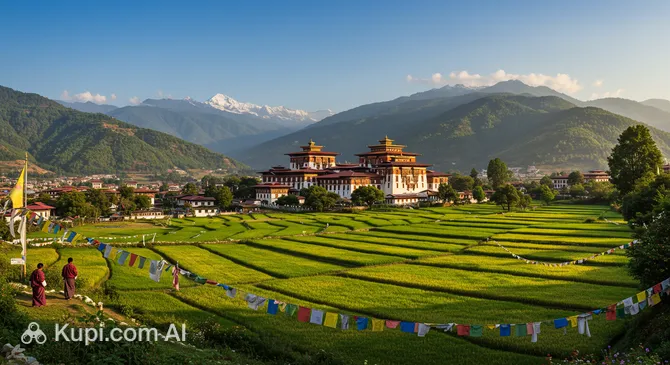
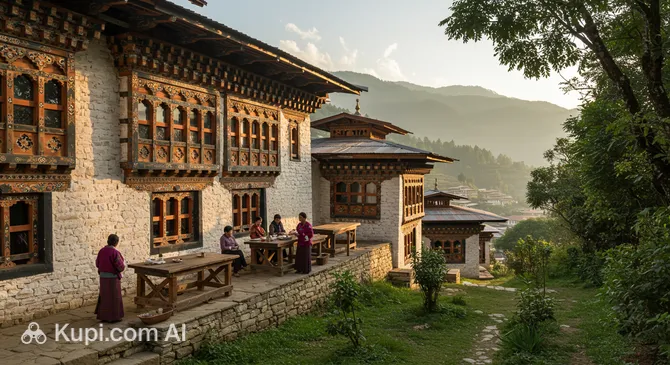
Paro. Source: Kupi.Binoculars

The deep-rooted history of Paro is evident in its numerous sacred sites and ancient fortress-monasteries that dot the landscape. One of the most iconic landmarks is Paro Taktsang, also known as the Tiger's Nest monastery, which clings precariously to a sheer cliffside and is a must-visit for pilgrims and trekkers alike. Another architectural marvel is the majestic Rinpung Dzong, a fortress that watches over the valley and hosts vibrant annual festivals.

Beyond its historical monuments, the town offers a delightful mix of local culture and nature. You can explore the National Museum to delve into the kingdom's heritage or simply stroll through the main street lined with traditional wooden shops. Whether you are seeking spiritual solace or outdoor adventure, Paro promises an unforgettable experience in the heart of the Himalayas.
Weather Overview

Paro features a cool, high-altitude climate with distinct seasonal variations, largely influenced by its elevation in the Himalayas. The weather in Paro is characterized by cold winters and mild, relatively damp summers. Visitors should generally prepare for cooler temperatures year-round, as even the warmest months rarely see scorching heat.

During the winter months of January and February, the valley is quite cold, with average temperatures dropping to around -1.8°C and minimums plummeting to -6.5°C. Precipitation is minimal during this time, usually consisting of light snow or frost. As spring approaches in April and May, the climate becomes more temperate, with averages rising to 7.8°C, offering pleasant conditions for sightseeing.

Summer, spanning June to August, brings the warmest weather, with average temperatures peaking at 12.4°C and daily highs reaching approximately 15.5°C. However, this season is also the wettest; July sees the highest precipitation at 19mm and up to 31 wet days, indicating frequent, likely light, rainfall. The autumn months of September and October see temperatures cooling from 11.0°C down to 7.2°C, providing crisp air and clearer views of the surrounding peaks.

Interesting Facts

Beyond the well-trodden paths of its famous cliffside monastery, Paro conceals intriguing details that surprise many visitors. From aviation feats to cinematic history, the valley offers more than just scenic beauty.

  • The approach to the local airport is widely regarded as one of the most difficult commercial landings in the world. Situated in a deep valley surrounded by sharp peaks up to 5,500 meters high, the flight path requires such precision that only a handful of specially certified pilots are authorized to land there.

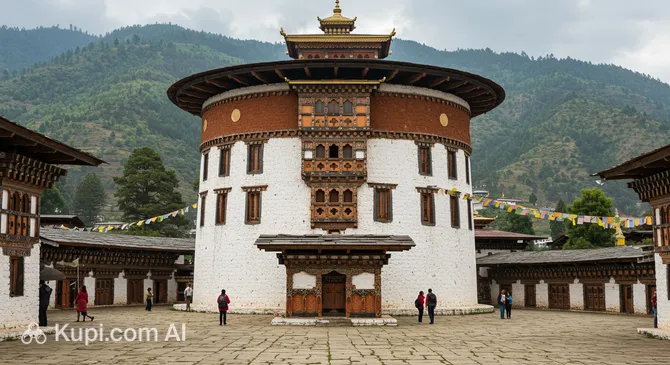
  • The National Museum of Bhutan is housed in a distinctive circular building known as Ta Dzong, which originally served as a watchtower. Its unique conch-shell shape was not merely aesthetic; it was strategically designed in the 17th century to defend the Rinpung Dzong located directly below it.

  • This quiet Himalayan town has touched Hollywood fame. Several scenes from Bernardo Bertolucci’s 1993 film Little Buddha, starring Keanu Reeves, were filmed within the historic walls of the Rinpung Dzong, showcasing its grand architecture to a global audience.

  • The fertile valley floor is renowned for producing Bhutan's staple red rice. Irrigated by mineral-rich glacial water from the Pa Chhu river, this semi-milled rice retains a reddish bran layer and has a nutty flavor that is unique to this high-altitude region.

National Museum of Bhutan. Source: Kupi.Binoculars

How to Get There

Reaching this Himalayan valley is an integral part of the travel experience, offering spectacular views and a touch of adventure. Most international visitors arrive by air, landing directly in the valley, while others may choose an overland route through neighboring India. For a detailed guide on all transport options, you can read more about how to get to Paro.

The primary gateway is the Paro Airport (PBH), which serves as Bhutan's sole international airport. Situated just 2.9 km from the town center, it is famous for its breathtaking and technically demanding approach between high mountain peaks. The drive from the terminal to the heart of the town is quick, typically taking about 25 minutes by taxi. This airport handles the majority of tourist arrivals, connecting the country with cities like Bangkok, Delhi, Kathmandu, and Singapore.

For travelers planning an overland entry or coming from specific regions in India, the Bagdogra Airport (IXB) is a significant alternative. It is not located in Paro but in the Indian city of Siliguri, approximately 136 km away in a straight line. Bagdogra is a major regional hub with high passenger traffic, serving as a common landing point for those who then drive across the border at Phuntsholing. Please note that the journey from Siliguri to Paro involves a border crossing and a long drive through winding mountain roads, taking significantly longer than the distance suggests.

For clarity, here is a summary of the main airports:

Airport Name City Passenger Traffic Km from City
Bagdogra Airport Siliguri Large 136.1
Paro Airport Paro Medium 2.9
Jakar (Bathpalathang) Jakar Small 132.2
Gelephu Gelephu Small 120.4
Pakyong Airport Gangtok Small 85.2

Paro does not have a railway station, and there is no railway network within Bhutan itself. Travelers preferring to travel by train typically arrive at stations in the Indian state of West Bengal, such as Hasimara or New Jalpaiguri, which are the closest railheads to the Bhutanese border. From these stations, visitors must continue their journey by road, crossing the border at Phuntsholing before ascending the mountains to reach Paro.

Main Attractions

While the iconic Tiger's Nest and Rinpung Dzong often steal the spotlight, Paro offers a variety of other fascinating sites and establishments that provide a deeper look into local culture and modern Bhutanese life. From historical treasures housed in ancient watchtowers to vibrant culinary spots in the town center, there are several key places worth adding to your itinerary.

A visit to Paro would be incomplete without exploring the National Museum of Bhutan. Perched on a hill above the Rinpung Dzong, this museum is housed in the Ta Dzong, a circular watchtower built in 1649. It holds a vast collection of Bhutanese art, including exquisite thangkas (religious scroll paintings), festival masks, and ancient weapons. The museum provides an essential overview of the kingdom's 1,500-year cultural heritage, making it the perfect starting point for understanding the history and traditions you will encounter throughout your trip.

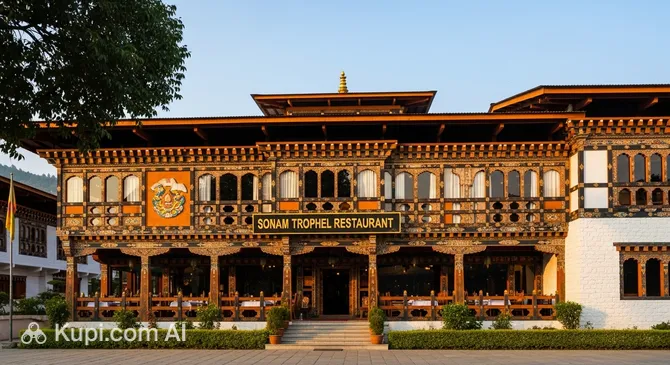
For those looking to experience the authentic flavors of the region, the Sonam Trophel Restaurant is a celebrated culinary landmark in the heart of town. Known for its warm hospitality and traditional decor, this eatery is a favorite among travelers and locals alike. It is an excellent place to try classic Bhutanese dishes such as Ema Datshi (chilies in cheese sauce) or Jasha Maroo (spicy chicken stew). The restaurant offers a genuine taste of the Himalayas in a cozy, unpretentious setting.

Sonam Trophel Restaurant. Source: Kupi.Binoculars

If you are craving a relaxing break or a good cup of coffee, the Mountain Cafe is the town's go-to social hub. Popular for its freshly baked cakes, robust coffee, and international menu, it offers a comfortable contrast to the traditional rice-based meals found elsewhere. It is an ideal spot to unwind, check emails, or simply watch the world go by on the main street after a long day of trekking or sightseeing.

Mountain Cafe. Source: Kupi.Binoculars

Local Cuisine

Local Cuisine:

The culinary experience in Paro is defined by the bold flavors of Bhutan, where chilies are considered a vegetable rather than a seasoning. The centerpiece of almost every meal is the famous red rice, a nutty, nutrient-rich variety grown in the mineral-rich paddy fields of the Paro Valley. This staple is traditionally served with Ema Datshi, the national dish consisting of spicy chilies cooked in a cheesy sauce. For those with a lower tolerance for heat, dishes like Kewa Datshi (potatoes and cheese) or Shamu Datshi (mushrooms and cheese) offer a milder but equally delicious alternative.

Meat lovers will appreciate Phaksha Paa, a savory dish of pork slices stir-fried with radishes and dried chilies. Another local favorite is the Momo, a Himalayan dumpling filled with minced meat, cheese, or vegetables, typically accompanied by a fiery tomato-based chutney known as ezay. To combat the high-altitude chill, locals often drink Suja, a salted butter tea that might be an acquired taste for some but is incredibly warming and energizing.

While the town center is home to popular dining spots like the Sonam Trophel Restaurant, which is celebrated for its authentic preparation of these traditional dishes, visitors can also find places to relax with a drink. The Hotel Olathang Bar is a notable venue for unwinding in the evening. It offers a selection of international beverages as well as local spirits, including Ara, a traditional homemade rice wine that plays a significant role in Bhutanese hospitality.

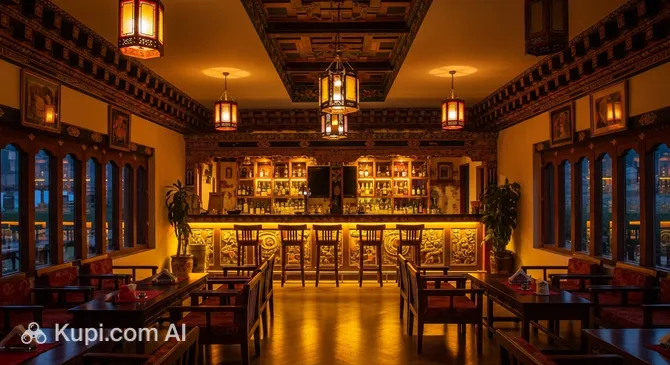
Hotel Olathang Bar. Source: Kupi.Binoculars

For travelers seeking a break from spicy curries, the Mountain Cafe provides a refreshing change of pace. With its western-style bakery treats, sandwiches, and freshly brewed coffee, it serves as a cozy retreat where you can recharge before your next adventure in the valley.

Travel Tips

Welcome to Paro, the breathtaking gateway to the Kingdom of Bhutan. To ensure your journey through this high-altitude valley is as smooth as it is memorable, we have compiled a list of essential practicalities that will help you navigate local customs and the unique Himalayan environment with ease.

  1. Clothing and Gear: Due to the elevation of over 2,200 meters, the weather can change rapidly, so dressing in layers is the best strategy. Even in summer, evenings can be cool, while winters require heavy woolens. Essential gear includes sturdy hiking boots for the trek to the Tiger's Nest and a universal travel adapter. Be mindful of the strict dress code for visiting Dzongs (fortresses) and monasteries: you must wear clothing that covers your arms and legs. Collared shirts are recommended for men, and hats must be removed before entering religious sites.
  2. Transportation: Unlike many other destinations, Paro does not have a public metro or tram system. Most international visitors travel with a pre-arranged guide and driver as part of their tour package, which is the most convenient way to get around. However, for short distances within the town center, local taxis are available and reasonably priced; they do not always use meters, so agree on the fare beforehand. Car rentals without a driver are generally not available for tourists in Bhutan.
  3. Finances: The local currency is the Ngultrum (BTN), which is pegged 1:1 to the Indian Rupee. Indian Rupees are widely accepted, though high-denomination notes (500 and above) may sometimes be refused. While high-end hotels and some souvenir shops in Paro accept credit cards (Visa/Mastercard), they often charge a surcharge. It is crucial to carry sufficient cash for small purchases. ATMs are available in Paro town, but they can be unreliable due to connectivity issues.
  4. Health and Safety: Paro is a very safe destination with low crime rates. The main health concern for some travelers is altitude sickness; stay hydrated and allow yourself time to acclimatize on the first day. Pharmacies are available in the town center for basic supplies. One unique safety tip is to be cautious of stray dogs at night; they are generally docile during the day but can become territorial and bark aggressively after dark.
  5. Communication: You will find that English is widely spoken and is the medium of instruction in schools, making communication with locals very easy. The national language is Dzongkha; learning a simple greeting like "Kuzuzangpo la" (Hello) is deeply appreciated. You can purchase a local SIM card (B-Mobile or TashiCell) upon arrival at Paro Airport to stay connected, as Wi-Fi in hotels can sometimes be slow.
  6. Local Etiquette: Bhutanese culture is deeply respectful. When visiting religious sites, always walk clockwise around Chortens (stupas) and prayer wheels. It is customary to leave a small monetary offering on the altar in temples, though not mandatory. Always ask for permission before taking photographs of people, and remember that photography is strictly prohibited inside the prayer halls of monasteries and Dzongs.
  7. What to Avoid: Bhutan has very strict anti-smoking laws. Smoking in public places is prohibited, and the sale of tobacco is banned. You can import a small allowance for personal use (subject to tax), but you must smoke only in designated private areas. Additionally, avoid pointing your feet at religious artifacts or people when sitting, as this is considered rude.
  8. Hiking Tip: If you plan to hike to Paro Taktsang (Tiger's Nest), start your day early, around 7:00 or 8:00 AM. This helps you avoid the midday heat and the largest crowds. The morning light also provides the best conditions for photography as the sun rises to illuminate the monastery against the cliff face.

By keeping these practical tips in mind, you will be well-prepared to embrace the serene pace of life in Paro. Respecting local traditions and coming prepared for the mountain climate will allow you to fully immerse yourself in the magic of this extraordinary Himalayan valley.

Entertainment & Nightlife

Entertainment in Paro offers a refreshing departure from the high-energy nightlife found in major global cities. Here, leisure is centered around cultural immersion, outdoor activities, and holistic wellness. The town's charm lies in its ability to slow down time, inviting visitors to engage with Bhutanese traditions in a serene Himalayan setting.

Shopping is a delightful experience, primarily concentrated along the town's main street. This picturesque row of traditional wooden buildings is filled with boutique shops offering high-quality local craftsmanship. Travelers can browse for exquisite thangkas (Buddhist scroll paintings), colorful hand-woven textiles made from raw silk or cotton, and intricate wooden masks used in festivals. It is also an excellent place to find locally made jewelry featuring turquoise and coral, as well as authentic Bhutanese incense.

For a unique cultural spectacle, visitors should head to the local archery ground. Archery is Bhutan’s national sport, and matches are regular, lively occurrences in Paro. These are not merely sporting events but social gatherings filled with friendly banter, traditional songs, and celebratory dances performed whenever a target is hit. Watching a match provides a genuine glimpse into the community spirit of the valley.

Wellness is another cornerstone of the local experience, with the traditional hot stone bath, or Dotsho, being a highlight. River stones are roasted until they are glowing red and then submerged in a wooden tub filled with water and artemisia leaves, releasing minerals believed to have healing properties. This therapeutic ritual is widely available at local farmhouses and hotels, offering a perfect remedy for sore muscles after a trek.

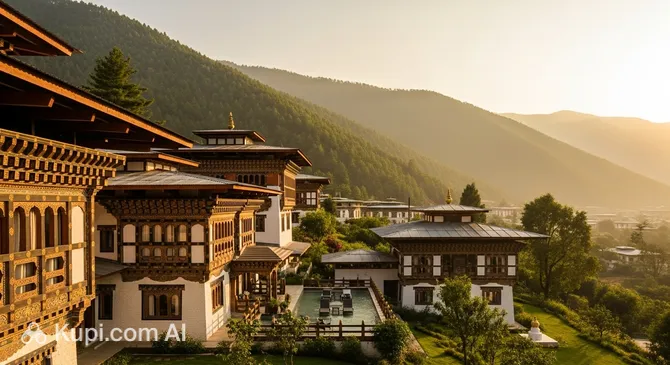
Travelers seeking a peaceful retreat to enjoy these amenities often choose stays that reflect the local architecture and hospitality. Rema Resort is one such establishment, perched on a hillside to offer sweeping views of the valley. It provides a tranquil environment where guests can unwind amidst nature.

Rema Resort. Source: Kupi.Binoculars

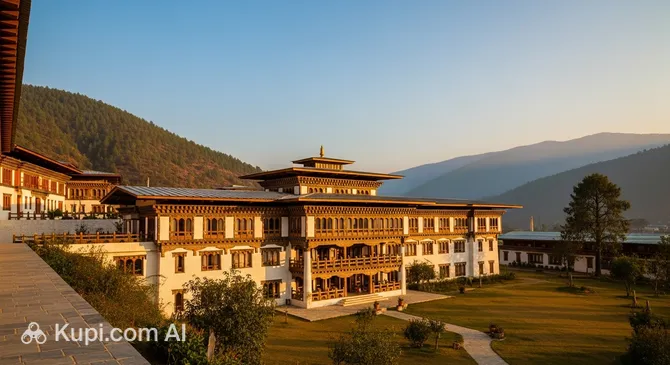
Another notable option for a restful stay is the Galing Resort. Known for its blend of modern comfort and traditional Bhutanese aesthetics, it serves as a comfortable base for exploring the town's leisure offerings and enjoying the quiet evenings of the district.

Galing Resort. Source: Kupi.Binoculars

While the nightlife is subdued, it has its own quiet charm. Most evenings are spent enjoying long dinners or gathering around a bonfire. For those looking to venture out, a few local bars and "drayangs" (entertainment halls) offer a chance to hear local music and taste domestic beverages, such as the Red Panda Weiss beer or the misty K5 whiskey.

Parks & Museums

Paro is a destination where culture and nature are inextricably linked, offering a landscape that functions as a living museum set within a vast green sanctuary. Unlike modern cities with manicured urban parks, this Himalayan valley invites visitors to find tranquility in its open meadows, riverbanks, and ancient forested slopes, while its museums provide a deep dive into the kingdom's artistic and spiritual heritage.

While you won't find traditional fenced city parks here, the banks of the Pa Chhu River serve as the town's favorite communal green space. Stretching along the valley floor, this area is lined with weeping willows and grassy patches where locals gather for Sunday picnics and archery practice. It is an idyllic spot for a gentle stroll, offering uninterrupted views of the Rinpung Dzong and the surrounding mountains without the need for a strenuous hike.

For a more immersive natural experience, the Chele La Pass acts as a spectacular high-altitude alpine garden. Located a drive away from the town center, it sits at nearly 4,000 meters and is dense with spruce and hemlock forests. In late spring, the area transforms into a vibrant display of color as thousands of rhododendrons bloom, making it a paradise for nature lovers and botanists seeking the wild flora of the Himalayas.

The cultural crown jewel of the district is the National Museum of Bhutan. Housed in the historic Ta Dzong, a conch-shaped watchtower that once protected the valley, this institution offers an unparalleled collection of Bhutanese artifacts. Visitors can explore galleries filled with exquisite thangkas, ritual masks, and ancient weaponry. Uniquely, it also features a natural history section that showcases the country's diverse biodiversity, effectively bridging the gap between its cultural legacy and natural environment.

Another significant site for culture enthusiasts is the Dilgo Khyentse Memorial House, located near the ancient Kyichu Lhakhang. Dedicated to one of the most revered Buddhist masters of the 20th century, this intimate museum preserves his living quarters, personal belongings, and photographs. It offers a rare and quiet glimpse into the life of a spiritual teacher, contrasting with the grander scale of the state museums.

History is etched into the landscape at Drukgyel Dzong, located at the upper end of the valley. Once a ruin standing as a testament to Bhutan's victory over Tibetan invasions, it has recently undergone major reconstruction. The site offers a powerful atmospheric experience, with the majestic Mount Jomolhari often visible in the background on clear days, framing the fortress in breathtaking scenery.

For a truly authentic experience, take the short hike to Zuri Dzong. Less visited than the main tourist sites, this fort dates back to the 14th century and offers perhaps the finest panoramic view of the entire Paro Valley. The trail leads through a peaceful pine forest, providing a perfect blend of mild exercise, history, and solitude.

Getting Around

Public transport in Paro is quite different from what you might expect in a bustling metropolis. As a small Himalayan town with a population of around 15,000, there is no metro, tram, or extensive city bus network. The transport system is simple, road-based, and designed to suit the relaxed pace of life in the valley. For the majority of international visitors, transportation is seamlessly handled by tour operators who provide a dedicated vehicle and driver, but independent options are available for those with free time or regional travelers.

The most practical form of public transport for getting around the town and its immediate surroundings is the taxi. Taxis in Paro are widely available and can be identified by their license plates or roof signs. They are convenient for short trips, such as going from your hotel to the main market or visiting nearby sights like the National Museum. While you won't find ride-sharing giants like Uber here, the local taxi drivers are generally friendly and knowledgeable about the area's geography.

Regarding buses, the options within the town itself are limited. Local buses do exist, but they primarily serve the purpose of connecting Paro with other districts, such as the capital, Thimphu, or the border town of Phuntsholing. These buses run on specific schedules and are often used by locals for commuting rather than for sightseeing within the valley. If you are planning an inter-district journey on your own, the "Druk Ride" app is a useful tool for checking schedules and booking bus tickets, marking a step towards digital modernization in the country's transport sector.

When it comes to payment, cash is the undisputed king. There are no electronic travel passes, tap-to-pay cards, or turnstiles in Paro. You will need to pay for taxi rides and bus fares using the local currency, the Ngultrum (Nu), or Indian Rupees, which are widely accepted at a 1:1 exchange rate. It is highly advisable to carry small denominations, as drivers may not always have change for large notes. Fares for taxis are often fixed for specific routes, but it is standard practice to confirm the price with the driver before getting in to avoid any confusion at the end of the trip.

For tourists wishing to explore independently, walking is often the best alternative. The town center is compact and pedestrian-friendly, allowing you to easily stroll between shops, cafes, and architectural landmarks without the need for a vehicle. Additionally, mountain biking is becoming increasingly popular. Many hotels and local shops offer bike rentals, allowing you to navigate the valley's scenic roads at your own pace while enjoying the fresh mountain air.

One special feature of travel here is the journey itself. While there are no historic cable cars or funiculars serving as public transit, the drive through the valley offers some of the most spectacular views in the world. Whether you are in a taxi or a tour vehicle, the winding roads provide panoramic vistas of rice paddies, traditional farmhouses, and ancient dzongs, making the transit experience an integral part of your sightseeing adventure.

Accommodation

Accommodation in Paro ranges from authentic traditional farmhouses to world-class luxury resorts, offering something for every type of traveler. The valley is known for its strict architectural guidelines, meaning even modern hotels feature beautiful Bhutanese craftsmanship, including painted wooden cornices and trefoil windows. Visitors can choose between cozy, family-run guesthouses that offer a glimpse into local life and high-end retreats that provide spa services and panoramic views of the Himalayas.

When choosing a location, you generally have two main options: the town center or the surrounding hillsides. Staying in the town center places you within walking distance of souvenir shops, cafes, and the local market, making it convenient for evening strolls. However, many travelers prefer the resorts located on the valley slopes. These properties often offer a more tranquil atmosphere and spectacular vantage points overlooking the Rinpung Dzong and the lush rice paddies below.

For those seeking a stay that combines scenic beauty with traditional hospitality, the Rema Resort is a noteworthy option. Situated on a hilltop, it is designed to reflect the aesthetics of a Bhutanese village while providing modern amenities. It is particularly appreciated by guests for its peaceful environment and the sweeping vistas it offers of the valley floor.

Another well-regarded establishment is the Galing Resort. This property blends contemporary comfort with classic design elements, making it a reliable choice for families and groups. Its location allows for easy access to major sights while still providing a quiet refuge after a day of hiking or sightseeing.

Booking Tip: If you plan to visit during the popular Paro Tshechu (a religious festival usually held in spring), it is essential to book your accommodation several months in advance. Hotels fill up very quickly during this period. Additionally, while independent booking is possible through online platforms, many international visitors still find it convenient to have their accommodation arranged by their tour operator as part of their travel package.

The price range for accommodation varies significantly. Budget-friendly guesthouses and standard 3-star hotels are quite affordable and comfortable, often including meals. On the other end of the spectrum, Paro is home to some of the most exclusive luxury properties in the world, where nightly rates can be substantial. Regardless of your budget, most hotels in the district are known for their cleanliness, warmth, and the exceptional hospitality of their staff.

Nearby Cities

Nearby Cities:

Paro serves as an excellent base for exploring the western and southern regions of Bhutan. Its location in the Paro Valley places it within a short distance of the country's most important urban centers. The capital city, Thimphu, is the nearest major neighbor, easily accessible for travelers looking to experience the modern and administrative heart of the kingdom. To the south lies Phuentsholing, the bustling commercial hub on the Indian border, which acts as the primary entry point for those arriving by land.

For visitors planning to extend their journey beyond the valley, here is a list of nearby cities, including their population and distance from Paro:

City Population Distance (km)
Thimphu 104,000 22
Phuentsholing 27,658 63
Tsirang 25,000 88
Sarpang 9,500 105
Gelephu 9,858 123

Note: The distances listed are linear (straight-line) measurements. Due to the winding mountainous terrain of the Himalayas, actual travel distances by road will be significantly longer and travel times may vary.

Shopping & Souvenirs

Shopping in Paro offers a delightful and authentic experience, centered primarily around the town's charming Main Street. Unlike the large commercial malls found in bustling cities, the retail scene here is defined by rows of traditional wooden shopfronts that reflect the region's architectural heritage. A stroll down this street allows visitors to browse at a relaxed pace, discovering a treasure trove of local craftsmanship and unique Himalayan items.

The town is an excellent place to purchase high-quality handicrafts that serve as perfect souvenirs from Bhutan. Art lovers will be drawn to the exquisite thangkas (Buddhist scroll paintings) and intricate wooden masks, which are often used in religious festivals. For those interested in textiles, the shops offer a vibrant selection of Kiras and Ghos—the traditional national dress—woven from raw silk or cotton with elaborate patterns that showcase the skill of local weavers.

Jewelry is another highlight, with many stores displaying silver pieces set with turquoise and coral, as well as the highly prized Dzi beads, believed to bring protection. Visitors can also find locally made incense, handmade paper, and finely crafted metalware. These items are not just keepsakes but also a way to support the local artisans who keep these ancient traditions alive.

For a glimpse into the daily life of the residents, the Sunday Market is a must-visit. Farmers from the surrounding valley gather here to sell fresh organic produce, including the famous red rice, dried chilies, and blocks of chugo (dried yak cheese). The market vibrates with local energy and offers a chance to interact with the friendly community while shopping for authentic food items and spices.

When shopping in Paro, it is advisable to carry sufficient cash, as many smaller shops and market stalls do not accept credit cards. While larger stores may have fixed prices, polite bargaining is generally acceptable in smaller boutiques and at the market. The atmosphere is welcoming and low-pressure, making the search for the perfect memento a pleasant part of your travel experience.

Reached the end of the page?

That means the route is fully explored