Support

Jalpaiguri

About

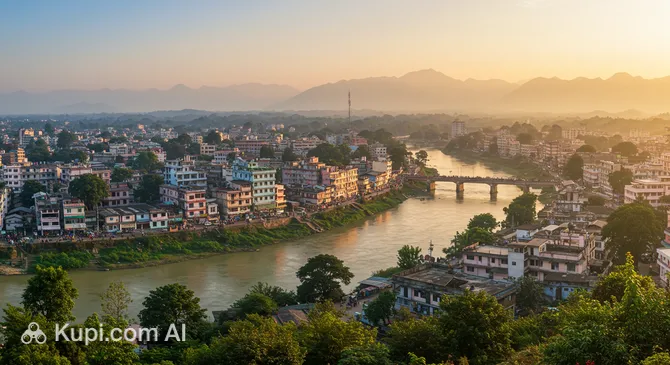
Welcome to Jalpaiguri, a pivotal city located in the northern part of West Bengal, India. Nestled on the banks of the Teesta and Karala rivers, this city is often regarded as the gateway to the stunning Dooars region and the Himalayan foothills. With a population of over 107,000, Jalpaiguri balances the bustle of being a district headquarters with the serenity of its lush, green surroundings.

Jalpaiguri. Source: Kupi.Binoculars

The city holds significant importance due to its strategic location and cultural depth. Visitors interested in the past can explore the fascinating history of Jalpaiguri, which reveals its evolution from a colonial trading post to a vibrant modern hub. The climate here is typically subtropical, characterized by heavy monsoons that nourish the region's famous vegetation and tea plantations.

Jalpaiguri is celebrated for its sprawling tea gardens that carpet the landscape in vibrant green, offering a scenic treat for travelers. Nature lovers will appreciate the city's proximity to the Gorumara National Park, a sanctuary famous for its wildlife, including the Indian rhinoceros. Within the city limits, the Rajbari (Royal Palace) stands as a testament to the area's architectural heritage, while the tranquil riverside promenades offer perfect spots for relaxation.

Whether you are passing through on your way to the mountains or staying to experience the local culture, Jalpaiguri offers a warm and authentic experience. It is an ideal destination for those seeking a blend of nature, heritage, and traditional Bengali hospitality.

Weather Overview

The climate in Jalpaiguri is characterized by distinct seasonal variations, offering travelers a mix of warm, humid periods and cooler, drier months. To help plan your activities, it is advisable to review the detailed weather in Jalpaiguri before your trip. The warmest part of the year typically spans from April to September, with average temperatures hovering between 26°C and 28°C and daily maximums often reaching around 31°C.

Precipitation is a defining feature of the local weather, particularly during the monsoon season from June to September. During these months, the frequency of rain is very high, with July and August recording up to 30 wet days each. In contrast, the winter months from November to February are significantly drier and cooler. January is generally the coldest month, with average temperatures dropping to 16.5°C and minimums around 10.7°C. Expect warm summers with frequent rain and cool, dry winters.

Interesting Facts

Beyond its reputation as a gateway to the Dooars, Jalpaiguri holds several fascinating details and local legends that often escape the casual visitor. Here are some intriguing facts about this historic city:

  • The name Jalpaiguri has a literal connection to nature. It is derived from the Bengali word Jalpai, meaning "olive," and Guri, meaning "place." It is believed that the town was once abundant with olive trees, giving the city its distinctive name.

  • The city is uniquely bisected by the Karala River, which flows right through its center. Because of this geographical feature, locals affectionately refer to the river as the "Thames of Jalpaiguri," drawing a parallel to the famous river in London.

  • Jalpaiguri is home to the historic Rajbari (Royal Palace) of the Raikat family. A lesser-known architectural marvel here is the palace gate, which is considered one of the largest unreinforced concrete arch structures in the region, showcasing impressive engineering from the past.

  • While the region is synonymous with tea cultivation, the city plays a significant administrative role in the industry. It houses the Regional Office of the Tea Board of India, which oversees the development and regulation of the tea gardens across North Bengal, cementing the city's status in the area's tea economy.

How to Get There

Reaching this part of West Bengal is relatively straightforward due to its proximity to major transport hubs in the region. Whether you prefer flying or taking a train, there are several options to suit your itinerary. For a comprehensive list of routes and tips, you can view the detailed guide on how to get to Jalpaiguri.

The city of Jalpaiguri does not have its own airport, but the most convenient and popular option for air travelers is Bagdogra Airport (IXB). Located in the city of Siliguri, it is approximately 43 km from Jalpaiguri. This airport serves as the primary gateway to the region, handling a large volume of domestic and limited international traffic. A journey by taxi or bus from Bagdogra to Jalpaiguri typically takes around 1 hour and 25 minutes. Alternatively, for those exploring the mountainous areas nearby, you might consider Pakyong Airport (PYG) in Gangtok, situated about 79 km away. The travel time from there is roughly 2 hours and 20 minutes by road.

For clarity, here is a summary of the main airports:

Airport Name City Passenger Traffic Km from City
Bagdogra Airport Siliguri Large 42.8
Saidpur Airport Saidpur Medium 86.5
Bhadrapur Airport Bhadrapur Small 64.0
Paro Airport Paro Small 120.2
Pakyong Airport Gangtok Small 79.4

Beyond air travel, the railway network is a vital lifeline for the area. While Jalpaiguri has its own stations, such as Jalpaiguri Town and Jalpaiguri Road, many visitors arrive via the New Jalpaiguri Junction (NJP) located in nearby Siliguri. As one of the busiest railway stations in Northeast India, NJP offers excellent connectivity to major cities across the country. From there, it is a short drive or bus ride to reach the heart of Jalpaiguri.

Main Attractions

Jalpaiguri offers a delightful mix of historical heritage, natural beauty, and spiritual serenity. While the city serves as a base for exploring the wider Dooars region, it houses several landmarks that provide a glimpse into its rich past and vibrant local culture. Visitors can enjoy everything from architectural marvels to tranquil riverside parks.

One of the most significant historical sites in the city is the Jalpaiguri Rajbari, the former royal residence of the Raikat dynasty. Although parts of the estate have aged with time, the palace remains a major draw for history enthusiasts and photographers. The complex is particularly famous for its massive majestic gate, which is an architectural feat in itself, being one of the largest unreinforced concrete arch structures in the region. Walking through the grounds offers a fascinating window into the princely history of North Bengal.

For those seeking relaxation amidst nature, Jubilee Park is a favorite spot located on the banks of the Teesta River. It is beautifully maintained and serves as a green oasis where tourists and locals alike gather for picnics and leisurely strolls. The park offers splendid views of the river against the backdrop of distant hills, making it an ideal location for nature lovers to unwind and watch the sunset after a day of sightseeing.

Just a short drive from the city limits lies the renowned Gorumara National Park, a must-visit for wildlife enthusiasts. While technically outside the main town, it is inextricably linked to Jalpaiguri's tourism appeal. This medium-sized park is celebrated for its population of the Indian one-horned rhinoceros. Visitors can embark on jungle safaris to spot rhinos, elephants, bison, and peacocks in their natural habitat, offering a thrilling experience of the region's biodiversity.

Another culturally important destination nearby is the Jalpesh Temple, dedicated to Lord Shiva. Located near Mainaguri, a brief journey from Jalpaiguri, this ancient temple dates back several centuries and showcases intricate architecture. It is a significant pilgrimage site, especially during the festival of Shivratri, but remains a peaceful and spiritually uplifting place to visit year-round for anyone interested in the local religious traditions.

Local Cuisine

The culinary landscape of Jalpaiguri offers a delightful fusion of traditional Bengali flavors and the hearty, warming influences of the nearby Himalayas. Due to its location in North Bengal, the food here is simple yet incredibly flavorful, relying heavily on fresh, locally sourced ingredients. The cuisine reflects the diversity of its population, blending the spicy, mustard-oil-rich dishes of the plains with the savory, steamed preparations of the hills.

A true signature delicacy of this region is the Boroli Maach (Boroli fish). Caught fresh from the local rivers like the Teesta, this small, sweet-tasting fish is a prized item on any menu. It is typically prepared as a light, spicy curry with mustard seeds or simply fried, and is best enjoyed with steaming hot rice. Another unique local ingredient is Dhekia Saag (fiddlehead ferns), a vegetable that grows wildly in the lush Dooars region and is often stir-fried with simple spices to create a crunchy, nutritious side dish.

Street food plays a massive role in the daily life of locals and is a highlight for tourists. You cannot visit Jalpaiguri without tasting the steaming hot Momos. These Tibetan-style dumplings, filled with minced meat or vegetables and served with a fiery red chili chutney and clear soup, are ubiquitous here. For a quick snack, look for Phuchka (the Bengali version of pani puri), which is known for its tamarind-infused spicy water and potato filling, offering an explosion of flavor in every bite.

When it comes to drinks, Tea is the undisputed king. Surrounded by sprawling tea gardens, the city serves some of the freshest brews imaginable. Whether you prefer a strong, sweet cup of milk tea known as Dudh Cha at a roadside stall or a fragrant cup of liquor tea, it is an integral part of local hospitality. To finish your culinary journey, visit a local sweet shop for traditional Bengali desserts like Mishti Doi (sweet yogurt) or soft Rasgullas.

Dining in Jalpaiguri is generally a casual and welcoming affair. While there are modern restaurants serving multi-cuisine menus, the most authentic experiences are often found in the bustling markets and modest eateries known as "pice hotels." These establishments serve home-style thalis (platters) that allow you to sample a variety of curries, dals, and fries at very affordable prices, giving you a true taste of the region's food culture.

Travel Tips

Planning a trip to Jalpaiguri means preparing for a journey that blends the bustle of a historic district town with the tranquility of the lush Dooars region. To ensure your visit is smooth and enjoyable, here are some practical tips to help you navigate the local lifestyle and environment with ease.

  1. Clothing and Gear: Since the weather can be humid, pack breathable cotton clothes for the summer months. If you are visiting between June and September, high-quality rain gear—including a sturdy umbrella and waterproof shoes—is essential, as the monsoons here are heavy. For winter visits (November to February), bring light woolens or a jacket, as evenings can get quite chilly. Don't forget comfortable walking shoes for exploring tea gardens.

  2. Transportation: The most popular and convenient way to get around the city is by using Totos (electric rickshaws). They are eco-friendly, abundant, and affordable; however, it is wise to agree on the fare before hopping in. For longer excursions to nearby forests or hill stations, hiring a private taxi or a car with a driver from a local stand is recommended, as app-based cabs may have limited availability compared to big metros.

  3. Finances: The local currency is the Indian Rupee (INR). While hotels and larger restaurants in Jalpaiguri accept credit and debit cards, cash is still king in local markets, small eateries, and for transport like rickshaws. ATMs are widely available throughout the city, but it is good practice to carry smaller denominations for daily expenses and tips.

  4. Health and Safety: Pharmacies are easily found near the District Hospital and main market areas; look for signs saying "Chemist" or "Medical Store." Since Jalpaiguri is the gateway to forested areas, carrying effective mosquito repellent is crucial, especially during the evenings and monsoon season. Stick to bottled or filtered water to stay healthy.

  5. Communication: Bengali is the primary language spoken here, though Hindi is also widely understood. English is generally spoken in hotels, administrative offices, and by tour operators. Learning a simple phrase like "Kemon achen?" (How are you?) will bring a smile to the locals' faces. Mobile network coverage is good within the city, with major carriers providing reliable 4G service.

  6. Local Etiquette: People in North Bengal are known for their warmth and hospitality. A polite "Namaskar" with folded hands is the traditional way to greet people. If you visit religious sites like the Jalpesh Temple, remember to dress modestly (covering shoulders and knees) and always remove your shoes before entering the inner sanctum.

  7. What to Avoid: Do not wander into the tea gardens alone after dark. While they look serene, they can be corridors for wildlife, including leopards and elephants, especially in areas bordering the forests. Also, avoid photographing people, particularly in rural areas, without asking for their permission first.

  8. Additional Tip: Make the most of your location by buying tea locally. Jalpaiguri is surrounded by some of the world's best tea estates. Visit a local tea merchant in the market to buy fresh, loose-leaf tea at a fraction of the price you would pay elsewhere—it makes for a perfect souvenir.

By keeping these tips in mind, you will be well-prepared to embrace the unique charm of Jalpaiguri. Enjoy the fresh air, the verdant landscapes, and the friendly spirit of this beautiful corner of West Bengal!

Entertainment & Nightlife

Entertainment in Jalpaiguri is distinctively low-key and revolves more around social dining, cultural gatherings, and relaxed evenings rather than a high-energy clubbing scene. As a traditional district town, it does not have the pulsating nightlife found in major metros or the nearby commercial hub of Siliguri. Instead, the city offers a charming, laid-back atmosphere where "nightlife" typically means enjoying a delicious meal with family and friends or taking a pleasant stroll through the bustling market areas before the town goes to sleep.

The epicenter of activity in the evening is undoubtedly DBC Road (Dinabandhu Chittaranjan Road) and the areas surrounding Dinbazar. As the sun sets, this stretch comes alive with bright lights, street food vendors, and locals shopping for daily goods. It is the perfect place to experience the local vibe. You can try spicy street snacks, shop for local handicrafts, or simply observe the daily rhythm of the city. The crowd here is mostly local families and young people, creating a safe and communal environment.

For those looking for a place to sit down for a drink or a nice dinner, the options are generally located within the city's better hotels. Hotel Ratnadeep on Club Road is one of the most prominent establishments in town. It features a well-regarded bar and restaurant that serves as a popular social hub for the city's elite and travelers alike. It offers a comfortable setting to enjoy a drink and a variety of cuisines. Another popular venue is Tandoor Restaurant, known for its hearty North Indian dishes and bustling atmosphere in the evenings. These venues usually close by 10:00 PM or 10:30 PM, so it is advisable to head out early.

Practical advice for a night out in Jalpaiguri includes planning your transportation in advance. The primary mode of transport, the electric Toto (rickshaw), is readily available until around 9:00 PM, but they become scarce later at night. If you plan to stay out late, ensure you have a reliable way to get back to your accommodation, such as a pre-arranged taxi or a private vehicle. The city is generally very safe for evening walks, particularly in well-lit areas like Club Road and near the Jubilee Park, but the streets tend to empty out quite early compared to bigger cities.

During the daytime, entertainment in Jalpaiguri takes a more cultural and recreational turn. Visitors can catch a movie at one of the local single-screen cinemas or attend cultural programs often held at Rabindra Bhawan, the town's main cultural auditorium. For a more outdoor experience, the riverside promenades offer a peaceful escape. While the city itself is quiet, it serves as a perfect base for day trips to nearby amusement parks and nature centers in the Dooars region, returning in the evening for a quiet, authentic Bengali dinner.

Parks & Museums

Jalpaiguri is a city deeply connected to its natural surroundings, where the lush greenery of the Dooars meets the urban landscape. For tourists, this offers a refreshing balance of well-maintained public gardens and historical sites that serve as custodians of the region's rich cultural heritage. While the city may not be packed with traditional indoor museums, its parks and architectural landmarks provide a vivid window into its soul.

Jubilee Park is undoubtedly the most prominent green space in the city, offering a serene escape along the banks of the mighty Teesta River. It is a favorite among locals and visitors alike for its sprawling lawns and scenic riverside views. The park is particularly enchanting during sunset, when the cool river breeze and the golden hues over the water create a perfect atmosphere for relaxation. It serves as an excellent spot for picnics, morning jogs, or simply unwinding amidst nature after a day of travel.

Another gem within the city limits is Teesta Udyan, a beautifully landscaped garden located near the Karala River. This park is designed as a family-friendly recreational area, featuring vibrant flower beds, manicured hedges, and a dedicated play zone for children. It is an urban oasis that showcases the region's tropical flora, making it a delightful place for a leisurely stroll. The park's proximity to the river adds to its charm, offering a tranquil environment right in the heart of the town.

When it comes to history and culture, the Jalpaiguri Rajbari (Royal Palace) stands as the city's most significant "living museum." Although not a museum in the conventional sense with ticketed galleries, this historic estate is the primary repository of the region's royal legacy. Visitors can admire the architectural grandeur of the Raikat dynasty, including the famous palace gate, which is a marvel of unreinforced concrete engineering. Walking through the palace grounds offers a tangible connection to the princely history of North Bengal that no textbook can replicate.

For those interested in the artistic and cultural pulse of the city, Rabindra Bhawan is a key venue to note. Serving as the cultural hub of Jalpaiguri, it frequently hosts art exhibitions, theater performances, and literary gatherings that reflect the deep-rooted Bengali love for the arts. While it functions primarily as an auditorium and cultural center, it is the best place to witness the contemporary creative expressions of the local community.

For a truly authentic experience, take a walk along the Karala River embankments in the evening. Often referred to as the "Thames of Jalpaiguri," the riverside promenade is not officially a park, but it acts as a vibrant public space where the city comes alive. It offers a unique perspective on local life, with the reflection of city lights dancing on the water, providing a picturesque setting that remains one of the town's best-kept secrets.

Getting Around

The public transport system in Jalpaiguri is informal, efficient, and deeply integrated into the daily life of the locals. Unlike major metropolitan areas, the city does not have a metro, tram, or complex bus rapid transit network. Instead, the streets are dominated by eco-friendly electric rickshaws, locally known as Totos, and traditional cycle rickshaws. These vehicles serve as the primary mode of commuting for short to medium distances within the city limits, offering a quiet and pollution-free way to navigate the narrow lanes and bustling market areas.

For travelling longer distances or connecting to nearby suburbs and towns like Siliguri or Mainaguri, government-operated buses run by the North Bengal State Transport Corporation (NBSTC) and private minibuses are the standard options. These buses generally ply on main arterial roads and do not penetrate deep into residential neighborhoods. While they are a cost-effective choice for inter-district travel, they can often be crowded during peak hours. Tourists typically find Totos to be the most convenient option for sightseeing within the town itself.

The payment system for public transport in Jalpaiguri is almost exclusively cash-based. There are no travel cards, digital passes, or mobile apps for ticketing on local rickshaws or city buses. Travelers must pay the driver or conductor directly in Indian Rupees (INR). Fares for Totos are usually fixed for shared rides along specific routes, often costing as little as 10 to 20 rupees, but "reserve" trips (hiring the whole vehicle) will require negotiation. It is highly recommended to carry small denominations of notes and coins, as drivers often struggle to provide change for high-value currency.

For tourists, navigating the system is relatively straightforward. To catch a Toto or rickshaw, you can simply hail one from the side of the road or head to designated stands near major landmarks like the Jubilee Park, Dinbazar, or the railway stations. Before boarding, especially for a private hire, clearly state your destination and agree on the fare to avoid misunderstandings later. Public transport typically operates from early morning, around 6:00 AM, until approximately 9:30 PM. After this time, finding a ride can become difficult, so it is wise to plan your return accordingly.

If you prefer a more private or comfortable mode of travel, local taxi stands are available where you can hire a car for half-day or full-day excursions. While app-based cab services are popular in larger Indian cities, their availability in Jalpaiguri can be limited or inconsistent compared to the nearby hub of Siliguri. Therefore, relying on pre-booked taxis from your hotel or a reputable local stand is a safer bet for time-sensitive journeys. Renting a car with a driver is a popular alternative for tourists wishing to explore the surrounding tea gardens and wildlife sanctuaries at their own pace.

Accommodation

Finding accommodation in Jalpaiguri is a relatively straightforward affair, catering primarily to business travelers, families, and tourists using the city as a base to explore the Dooars. The hospitality landscape here is dominated by budget guesthouses and mid-range hotels. Unlike major metropolitan cities or dedicated resort towns, Jalpaiguri does not feature ultra-luxury international hotel chains. Instead, visitors can expect warm, personalized service in smaller, locally-run establishments that offer clean and comfortable amenities.

When choosing where to stay, location is key. The most convenient area for tourists is around Club Road and DBC Road (Dinabandhu Chittaranjan Road). Staying in this central part of town places you within walking distance of the main markets, restaurants, and local transport stands. For those arriving by train and looking for a quick stopover, there are several budget-friendly lodges located near the Jalpaiguri Town and Jalpaiguri Road railway stations. These areas are bustling and offer easy access to the city's transport network.

Among the well-known establishments in the city, Hotel Ratnadeep is frequently cited as a premier choice for travelers seeking comfort. Located on Club Road, it is often preferred for its reliable service and on-site dining facilities. There are also government-run tourist lodges in the wider region that are popular for their reliability and scenic locations, although booking these often requires planning. Most hotels in the city provide essential modern amenities such as air conditioning, Wi-Fi, and attached restaurants serving local Bengali and North Indian cuisine.

Booking Tip: While rooms are generally available throughout the year, it is highly recommended to book in advance if you are visiting during the Durga Puja festival (usually in October) or the peak winter tourist season (November to January). During these times, the city sees an influx of visitors, and the best mid-range rooms can sell out quickly.

The price range for accommodation in Jalpaiguri is quite affordable compared to many other tourist destinations in India. Budget rooms can typically be found for as low as INR 800 to INR 1,500 per night. Mid-range hotels, offering better amenities and more spacious rooms, generally charge between INR 2,000 and INR 4,000 per night. While many of the larger hotels are listed on major online booking platforms, some smaller guesthouses may still rely on direct phone bookings or walk-ins, so it is worth checking multiple sources.

Nearby Cities

Jalpaiguri is strategically positioned in the Dooars region, making it an excellent base for exploring the diverse landscapes of North Bengal. The city is surrounded by a mix of bustling commercial hubs, quiet agricultural towns, and scenic hill stations, all located within a short driving distance. Whether you are planning a day trip or moving on to your next destination, the connectivity from here is convenient and varied.

The following table provides an overview of the major cities and towns located within a 60 km radius, listed by their proximity to Jalpaiguri:

City Distance Population
Dhupgari 29 km 44,719
Siliguri 40 km 701,489
Binnaguri 42 km 58,840
Kurseong 59 km 42,446
Islampur 60 km 54,340

Among these neighbors, Siliguri is the most significant urban center. Known as the gateway to Northeast India, it is a thriving commercial hub where travelers often go for shopping, advanced medical facilities, or to catch flights from Bagdogra Airport. In contrast, Kurseong offers a completely different experience. Situated at a higher altitude, this "Land of White Orchids" is a peaceful hill station famous for its tea gardens, the heritage Toy Train, and panoramic views of the valleys, making it a perfect spot for a refreshing getaway.

Other nearby towns like Dhupgari and Binnaguri play vital roles in the local economy. Dhupgari is a key agricultural trading center, while Binnaguri is well-known for its large army cantonment and its proximity to the wildlife-rich forests of the Dooars. Islampur, located in the Uttar Dinajpur district, is another bustling town known for its historical significance and vibrant markets.

Shopping & Souvenirs

Shopping in Jalpaiguri offers a delightful mix of traditional Bengali market culture and the convenience of modern retail. The city serves as a commercial hub for the surrounding tea gardens and Dooars region, creating a unique shopping atmosphere where you can find everything from fresh local produce and authentic handicrafts to branded fashion. While it may not have the massive shopping complexes of a metropolis, the experience here is intimate, vibrant, and deeply connected to the local lifestyle.

The heartbeat of the city's shopping scene is undoubtedly Dinbazar. This historic market area is the oldest and busiest part of town, where the chaotic energy of daily life is on full display. Here, narrow lanes are lined with shops selling textiles, household goods, and jewelry. For a more modern shopping experience, travelers should head to DBC Road (Dinabandhu Chittaranjan Road). This arterial street is the city's upscale commercial spine, featuring multi-story showrooms, electronic stores, and fashionable boutiques that cater to the younger crowd.

In recent years, the mall culture has made its mark on the city, offering air-conditioned comfort and entertainment. PRM Market City, located at Kadamtala, is the largest and most popular shopping mall in Jalpaiguri. It houses a multiplex cinema, a food court, and several national retail chains, making it a favorite hangout spot for families. Apart from the mall, DBC Road remains a key destination for shoppers, featuring various modern retail chains, showrooms, and branded outlets that offer a wide range of clothing and lifestyle products.

For those who prefer the charm of open-air commerce, the Dinbazar Market remains the most interesting destination. It is not just a place to buy goods but a sensory experience where you can see the region's agricultural bounty. In the mornings, the vegetable and fish markets here are bustling with activity, offering a glimpse into the culinary habits of the locals. It is also a great place to find inexpensive clothing and traditional Bengali attire.

When it comes to souvenirs, Tea is the quintessential purchase. Being the headquarters of a tea-growing district, Jalpaiguri offers access to some of the freshest Dooars tea leaves. You can visit local tea merchants to buy high-quality loose-leaf tea at very reasonable prices. Additionally, the region is known for its exquisite Cane and Bamboo crafts. Artisans in the area create beautiful furniture, baskets, and decorative items that make for unique and eco-friendly gifts to take home.

Most shops in Jalpaiguri typically open around 10:00 AM and close by 9:00 PM. However, the main markets like Dinbazar start their day much earlier, often by 8:00 AM. While shopping malls and larger showrooms on DBC Road readily accept credit cards and digital payments, Cash is still the preferred mode of transaction in smaller shops, local markets, and rickshaws. It is advisable to carry sufficient cash in smaller denominations when exploring the street markets.

Tax-free shopping or VAT refunds are generally not available for international tourists in Jalpaiguri. The prices displayed on goods are usually inclusive of all local taxes (GST). Bargaining is not common in branded stores or malls, but it is an accepted and expected practice when shopping from street vendors or in the traditional sections of the market.
Reached the end of the page?

That means the route is fully explored