Support

Rajshahi

About

Welcome to Rajshahi, a vibrant metropolis often celebrated as the "Silk City" due to its world-renowned sericulture industry. Situated on the northern banks of the majestic Padma River, this city offers a unique blend of urban energy and serene riverine beauty. As one of the major cities in Bangladesh, it serves as a significant administrative, educational, and commercial hub in the northwest region.

With a population of approximately 760,000 residents, Rajshahi is known for its clean streets and a relatively relaxed atmosphere compared to the bustling capital. The city experiences a tropical wet and dry climate, which contributes to its lush greenery, particularly evident in its numerous gardens and tree-lined avenues. Its strategic location in the Rajshahi Division makes it a pivotal point for trade and culture near the border.
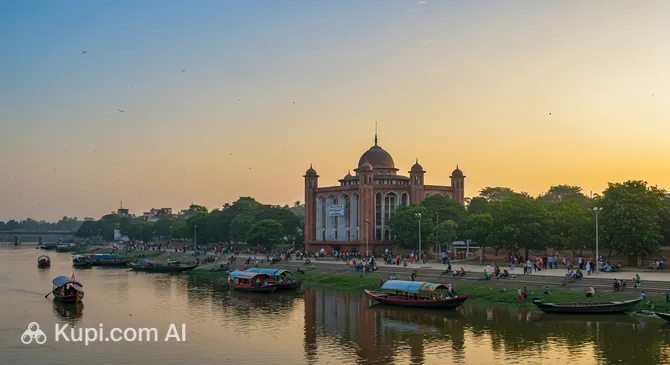
Rajshahi. Source: Kupi.Binoculars

The history of Rajshahi is deeply rooted in the ancient heritage of the Bengal region, with a legacy that spans centuries. Visitors are often drawn to the city's rich past, which is beautifully preserved in its architecture and institutions. A prime example is the Varendra Research Museum, the oldest museum in the country, which houses an impressive collection of artifacts from the ancient and medieval periods.

Beyond its historical allure, the city is famous for producing some of the finest mangoes in the region, making it a delightful destination for fruit lovers during the harvest season. A stroll along the Padma Garden on the river embankment provides breathtaking sunset views and a chance to experience the local lifestyle. Whether you are exploring the famous silk factories or enjoying the riverside breeze, Rajshahi invites you to discover its warm hospitality and distinct charm.
Weather Overview

The climate in this region is typically tropical, marked by distinct seasonal variations that influence the best times to visit. To help plan your trip, you can check the detailed weather in Rajshahi for specific forecasts. Generally, the city experiences its hottest temperatures leading up to the monsoon, with June averages reaching around 30.2°C and daily highs peaking near 33.6°C.

Rainfall is a significant feature of the local weather, particularly from June through September. During this monsoon period, precipitation is frequent, with July and August seeing approximately 27 wet days each. In contrast, the winter months from November to February are much drier and cooler; January is typically the coldest month with an average temperature of 17.8°C. Expect hot, humid summers with heavy monsoon rains and mild, dry winters that are ideal for outdoor activities.

Interesting Facts

Beyond its scenic riverside and historic charm, Rajshahi holds several fascinating distinctions that set it apart from other Bangladeshi cities. From global environmental recognition to its status as an intellectual hub, the city offers unique surprises for visitors delving deeper into its character.
  • Rajshahi gained international acclaim for its remarkable environmental efforts. In 2016, it was recognized by the World Health Organization for achieving the largest reduction in air pollution particles (PM10) globally, transforming it into one of the cleanest and greenest cities in the country.

  • The city is widely known as the "Education City" of Bangladesh. It is home to Rajshahi College, established in 1873, which is one of the oldest and most prestigious institutions in the region, consistently ranking among the top colleges in the nation.

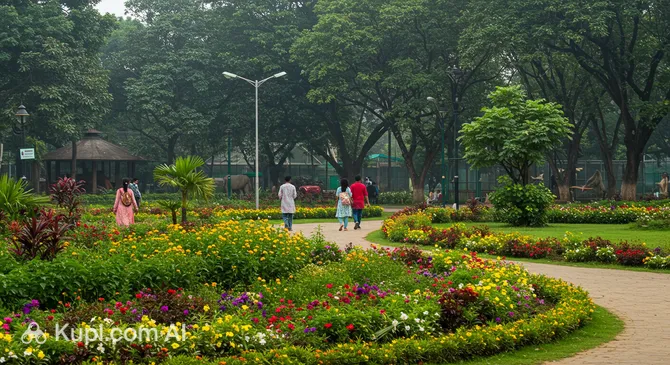
  • Nature lovers will find a sanctuary at the Shaheed A.H.M. Kamaruzzaman Central Park and Zoo. This sprawling green space is a central recreational hub that combines a botanical garden with a zoo, offering a peaceful retreat amidst the urban landscape.

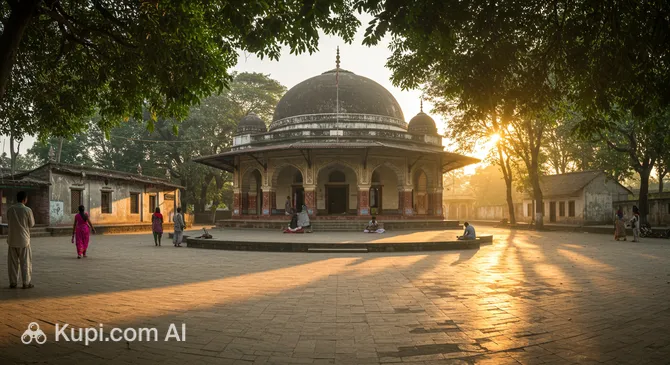
  • Reflecting the local passion for culture and the arts, the Lalon Shah Open Stage serves as a vibrant venue for open-air performances. Named after the legendary mystic philosopher, it is a popular gathering spot for enjoying concerts, plays, and festivals near the river.

Shaheed A.H.M. Kamaruzzaman Central Park and Zoo. Source: Kupi.Binoculars

How to Get There

Reaching this northern regional hub is relatively straightforward, with air travel being a convenient option for many visitors. Whether you are arriving from within the country or from abroad, you can choose from a few key transit points. For a detailed breakdown of all transport modes, including buses and trains, you can read more about how to get to Rajshahi.

The most direct way to arrive is via Rajshahi Airport (IATA: RJH), which is conveniently located within the city limits, just 7.1 km from the center. This domestic airport handles regular flights from the capital and serves as the primary gateway for the region. Once you land, a taxi or auto-rickshaw can take you to the city center in approximately 31 minutes.

For international travelers, the nearest major aviation hub is Netaji Subhas Chandra Bose Airport (IATA: CCU) in the city of Kolkata, India. Although it is a large international facility handling over 21 million passengers annually, it is located about 191.1 km from Rajshahi across the border. If you choose this route, the road journey to Rajshahi takes around 5 hours, excluding border crossing time. Alternatively, you can fly into Saidpur Airport (IATA: SPD) in Saidpur, which is approximately 156.5 km away. The drive from there typically takes about 4 hours and 15 minutes.

For clarity, here is a summary of the main airports:

Airport Name City Passenger Traffic Km from City
Netaji Subhas Chandra Bose AirportKolkataLarge191.1
Saidpur AirportSaidpurMedium156.5
Kazi Nazrul IslamDurgapurMedium161.3
Rajshahi AirportRajshahiSmall7.1
Jessore AirportJessoreSmall143.7

Main Attractions

Rajshahi offers a fascinating mix of history, culture, and riverside beauty, making it a delightful destination for travelers. From ancient archaeological treasures to lively recreational spots, the city's attractions reflect its heritage and its connection to the mighty Padma River. Exploring these sites provides a deeper understanding of the region's artistic legacy and local lifestyle.

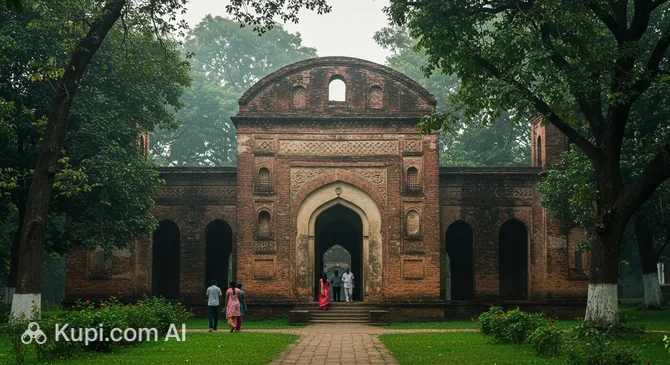
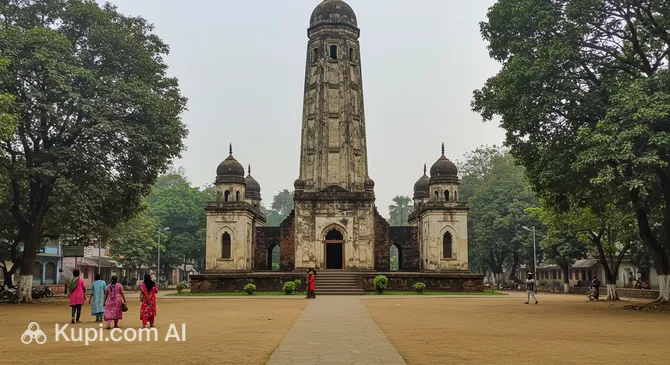
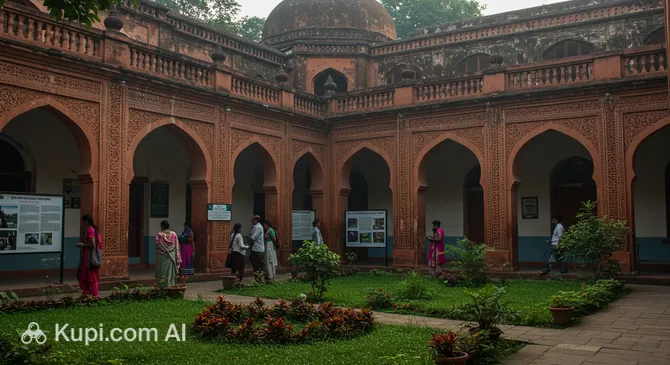
A visit to the city would be incomplete without exploring the Varendra Research Museum. As the oldest museum in the country, established in 1910, it is a custodian of the region's rich history. The museum houses a remarkable collection of ancient artifacts, including exquisite black stone sculptures from the Pala and Sena dynasties, terracotta items, and rare manuscripts. It is a quiet and educational place that transports visitors back in time.

Varendra Research Museum. Source: Kupi.Binoculars

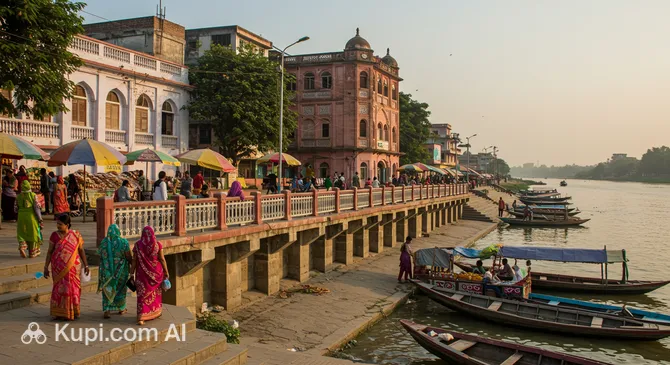
For a taste of local leisure and scenic views, Sreerampur T-Bandh is a favorite spot among locals and tourists alike. Located on the banks of the Padma River, this T-shaped embankment offers a refreshing escape from the city bustle. It is particularly enchanting in the late afternoon when the river breeze picks up, and it serves as a perfect vantage point for watching breathtaking sunsets over the water.

Sreerampur T-Bandh. Source: Kupi.Binoculars

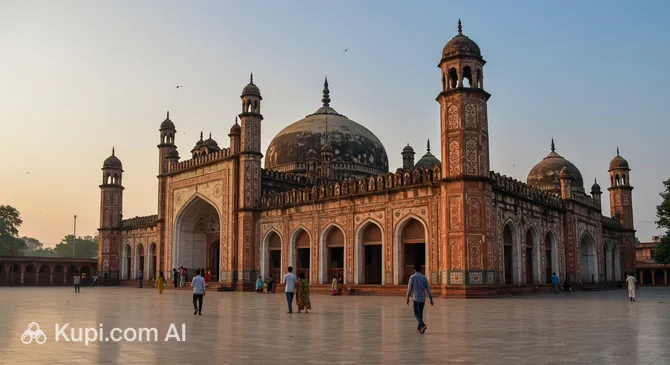
Another significant landmark is the Shaheb Bazaar Grand Mosque, situated in the heart of the city's main commercial area. This mosque is admired for its beautiful architecture and spacious prayer halls. Its central location makes it an easy stop for those exploring the bustling markets nearby, offering a moment of spiritual serenity amidst the urban energy.

Shaheb Bazaar Grand Mosque. Source: Kupi.Binoculars

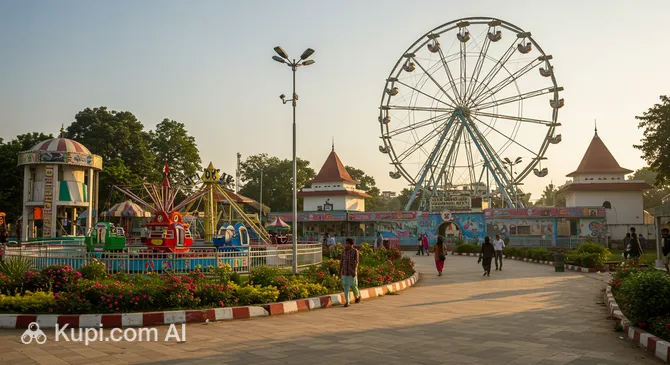
Families traveling with children will enjoy a trip to Shahid Zia Children's Park. This well-maintained amusement park features various rides, lush green spaces, and walking paths. It is a vibrant recreational center where kids can play safely, and adults can enjoy a relaxing stroll, making it a great destination for a fun-filled afternoon.

Local Cuisine

Rajshahi's culinary landscape is as rich as its history, offering a delightful array of flavors that reflect the region's agricultural abundance. Known as the "City of Mangoes," the district produces some of the finest varieties in Bangladesh, such as Fazli, Langra, and Gopalbhog. During the summer harvest, the aroma of fresh mangoes fills the air, and visitors can indulge in the sweet, juicy fruit or enjoy it in the form of refreshing juices, pickles, and traditional desserts.

When it comes to savory local specialties, Kalai Ruti is the undisputed star of Rajshahi's street food scene. This thick, hearty flatbread made from mashkalai dal (black gram flour) is a breakfast staple and a popular evening snack. It is traditionally served with spicy accompaniments like fried eggplant mash (begun bhorta), pungent green chili paste, or succulent duck curry. For an authentic experience, foodies often head to bustling intersections like Alupotti Mor, where vendors prepare this delicacy fresh on open stoves, serving it hot to eager customers.

Alupotti Mor. Source: Kupi.Binoculars

No meal in Rajshahi is complete without trying the local sweets. Roshkodom, a unique confection consisting of a small sweet ball coated in sugar granules, is a signature treat of the city and a must-try for those with a sweet tooth. As for beverages, tea stalls are ubiquitous, serving steaming cups of "raw tea" (lal cha) infused with ginger and spices. Given the abundance of fruit, fresh sugarcane juice and rich mango lassi are also popular non-alcoholic drinks that offer a cool respite from the tropical heat.

The dining culture here is a mix of traditional open-air eateries and modern conveniences. The riverside embankments provide a scenic backdrop for enjoying street snacks like fuchka and chotpoti while watching the sunset. For those looking for a more contemporary dining environment or a variety of cuisine options under one roof, the city offers several modern venues and shopping complexes, such as Theme Omor Plaza, which houses various food courts and restaurants suitable for families and tourists.

Travel Tips

To ensure your visit to the "Silk City" is as smooth and enjoyable as possible, we have compiled some essential practical advice. Rajshahi is known for its cleanliness and hospitable nature, but like any destination in Bangladesh, knowing the local customs and logistics will help you navigate the city with confidence and ease.

  1. Clothing and Gear: Given the tropical climate, lightweight cotton fabrics are your best friend, especially during the hot and humid summer months. Rajshahi is a conservative city, so it is respectful to dress modestly; both men and women should avoid shorts and sleeveless tops. If you plan to visit religious sites like the Shaheb Bazaar Grand Mosque, women should bring a scarf to cover their heads, and everyone must dress in attire that covers shoulders and knees. Comfortable walking sandals are essential, as you will likely be taking shoes off frequently when entering homes or mosques.

  2. Transportation: The most convenient way to get around Rajshahi is by using auto-rickshaws (often called "CNGs") or battery-run "easy bikes" (tomtoms). They are ubiquitous, eco-friendly, and very affordable. Unlike the capital, traffic here is manageable, making these rides quite pleasant. Ride-hailing apps are less common here than in Dhaka, so be prepared to hail vehicles on the street. Always agree on the fare before starting your journey if the vehicle does not have a meter.

  3. Finances: The local currency is the Bangladeshi Taka (BDT). While some upscale hotels and restaurants in the city center may accept credit cards, Rajshahi functions primarily on a cash economy. It is advisable to carry sufficient cash for daily expenses like transport, street food, and market shopping. ATMs are widely available in commercial areas like Shaheb Bazaar and Alupotti, but ensure your international card is enabled for overseas withdrawals.

  4. Health and Safety: Rajshahi is generally a safe city for tourists, but standard precautions apply. Stick to bottled or boiled water to avoid stomach issues, and wash fruits thoroughly with clean water before eating. Pharmacies are plentiful, particularly near the Rajshahi Medical College Hospital area, with many staying open late or 24/7. Mosquito repellent is a must, especially during the evenings and the monsoon season, to protect against insect-borne ailments.

  5. Communication: Bengali (Bangla) is the official language. While educated locals and university students often speak and understand English, rickshaw pullers and shopkeepers might not. Learning a few basic phrases like "Assalamu Alaikum" (peace be upon you) for greeting and "Dhonnobad" (thank you) can go a long way. SIM cards from major providers like Grameenphone or Robi can be purchased at official stores with your passport and visa.

  6. Local Etiquette: Bangladeshis are incredibly hospitable. When greeting someone, a slight nod with the right hand placed over the heart is a polite gesture if you are unsure about shaking hands, especially with the opposite gender. Always use your right hand for eating, giving, or receiving items, as the left hand is considered unclean. If invited to a local's home, remember to remove your shoes at the door.

  7. What to Avoid: Public displays of affection (PDA) are frowned upon and can attract unwanted attention, so it is best to be discreet. Additionally, avoid taking photographs of people, especially women, without asking for their permission first. It is respectful to ask, and often people will be happy to pose once you have established a connection.

  8. Shopping Tip: Since you are in the "Silk City," do not miss the chance to buy authentic Rajshahi silk. A visit to the Bangladesh Sericulture Development Board (BSDB) or the silk showrooms in the Sopura area is highly recommended. You can buy high-quality sarees, fabrics, and souvenirs at a fraction of the price you would pay elsewhere, directly supporting the local artisans.

Armed with these tips, you are ready to immerse yourself in the unique charm of this riverside city. Whether you are bargaining for silk, enjoying the breeze by the Padma River, or tasting the region's famous mangoes, a little local knowledge will make your experience in Rajshahi truly memorable.

Entertainment & Nightlife

Unlike the high-energy clubbing scenes found in some international capitals, the nightlife in Rajshahi is defined by a relaxed, community-centric atmosphere. The city does not feature Western-style nightclubs or bars due to local cultural norms; instead, the evening entertainment revolves around vibrant riverside promenades, bustling night markets, and lively open-air cultural venues. The best way to experience the city after dark is to join the locals for a refreshing walk along the Padma River embankment, where the cool breeze and street food stalls create a festive mood.

One of the most popular hubs for evening gatherings is the Lalon Shah Open Stage. Located near the river, this open-air amphitheater is a cultural landmark where people congregate to enjoy music, theatrical performances, and the company of friends. It is especially lively on weekends and holidays, offering a safe and engaging environment to witness the artistic soul of the region. The surrounding area is dotted with tea stalls and snack vendors, making it a perfect spot to spend a few hours soaking in the local vibe.

Lalon Shah Open Stage. Source: Kupi.Binoculars

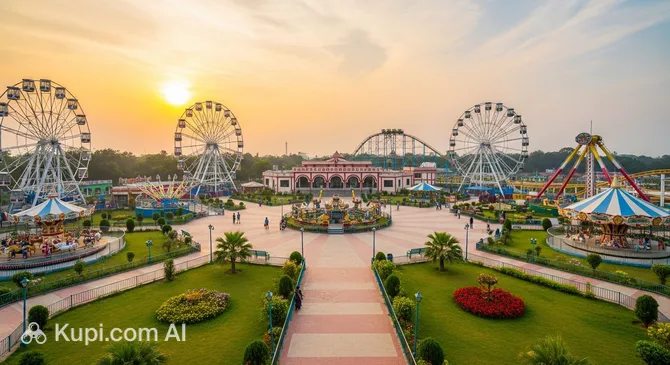
For those looking for recreational activities that extend into the evening, the BGB Amusement Park offers a delightful escape. Situated on the banks of the Padma River, this well-maintained park is a favorite among families and groups of friends. With its beautifully lit pathways and serene environment, it provides a pleasant contrast to the busy city streets. It is an ideal place for a night walk or a casual boat ride, allowing visitors to unwind in a secure and scenic setting.

BGB Amusement Park. Source: Kupi.Binoculars

Dining out is a major part of the nightlife here, with many restaurants staying open late to cater to the dinner crowd. If you are craving a modern dining experience with a lively atmosphere, PizzaBurg is a notable venue to visit. Popular with the younger crowd, it offers a cheerful setting to enjoy hearty meals after a day of exploration. For shoppers, the area around Shaheb Bazaar and modern complexes like Theme Omor Plaza remain buzzing with activity until around 9:00 PM or 10:00 PM, offering a mix of retail therapy and food court options.

While the nights are laid-back, the daytime offers its own array of entertainment. History enthusiasts should not miss the chance to revisit the archaeological treasures at the Varendra Research Museum, while nature lovers can explore the various green spaces scattered throughout the city. The transition from day to night is seamless, with the city's energy shifting from educational and commercial pursuits to social leisure along the riverbanks.

Practical Tips for the Night:
The city is generally safe for tourists, but it is advisable to stick to well-lit, populated areas like the riverside embankments and main commercial streets. Public transport, such as battery-run auto-rickshaws, is readily available and affordable, making it easy to hop between venues. Most shops and markets close by 10:00 PM, though restaurants may stay open later. Since alcohol is not part of the mainstream culture, the "bar scene" is replaced by tea stalls and juice bars, which are great places to socialize and meet locals.

Parks & Museums

Rajshahi is widely regarded as one of the greenest cities in Bangladesh, offering a refreshing array of parks and open spaces that complement its deep-rooted cultural heritage. For tourists, the city provides a perfect balance between exploring ancient history in its museums and relaxing in its well-maintained gardens, which serve as the lungs of this riverside metropolis.

One of the city's most prominent green spaces is the Shaheed A.H.M. Kamaruzzaman Central Park and Zoo. This expansive area is more than just a park; it is a recreational complex that features a wide variety of flora and fauna. Visitors can enjoy leisurely walks along the paved paths, relax by the central lake, or observe the animals housed in the zoo section. It is a favorite spot for locals seeking a peaceful escape from the urban routine, offering shaded areas that are perfect for picnics and afternoon strolls.

For those traveling with family, Shahid Zia Children's Park is another significant destination. Located centrally, it is designed to provide entertainment and open space for younger visitors. The park features various rides, well-manicured lawns, and a lively atmosphere that captures the joyful spirit of the city. It is an excellent place to witness local life, as families gather here in the evenings to enjoy the cool breeze and vibrant surroundings.

Shahid Zia Children's Park. Source: Kupi.Binoculars

When it comes to culture and history, the Varendra Research Museum stands as the undisputed crown jewel of Rajshahi. As the first museum established in East Bengal in 1910, it houses an extraordinary collection of artifacts that trace the region's history back thousands of years. The galleries are filled with rare black basalt sculptures from the Pala and Sena empires, ancient coins, and terracotta plaques. The building itself is an architectural marvel, blending British and Mughal styles, making it a must-visit for anyone interested in archaeology and art.

Reflecting the city's role in the nation's history, the Talaimari Shaheed Minar Playground is a site of great cultural importance. This area features a striking monument dedicated to the language martyrs, serving as a poignant reminder of the country's struggle for linguistic and cultural identity. The surrounding open space is often used for cultural gatherings and offers a somber yet inspiring atmosphere where visitors can pay their respects and learn about the resilience of the Bengali people.

Talaimari Shaheed Minar Playground. Source: Kupi.Binoculars

For a truly authentic experience, consider visiting the campus of the University of Rajshahi. While not a traditional park or museum, the campus is a sprawling green haven filled with iconic sculptures like "Shabash Bangladesh" and the "Golden Jubilee Tower." It functions as an open-air gallery of modern history and art, set amidst lush avenues of Paris trees, offering a unique glimpse into the intellectual and cultural heart of the city.

Getting Around

Public transport in Rajshahi differs significantly from what you might expect in major Western metropolises. The city does not have a metro system, trams, or a comprehensive large-bus network for intra-city travel. Instead, the streets are dominated by smaller, more agile vehicles that are perfectly suited to the city's layout. The backbone of the transportation system is the battery-run electric three-wheeler, locally known as the "Easy Bike" or "Tomtom." These vehicles run on specific routes much like a bus service would, picking up and dropping off passengers at various points, but with the flexibility to stop almost anywhere on request.

For shorter distances or a more leisurely pace, traditional cycle rickshaws are ubiquitous. They offer a door-to-door service and are an excellent way to soak in the sights of this clean and green city. For faster or longer journeys across town, Compressed Natural Gas (CNG) auto-rickshaws are available. These green three-wheelers can be hired privately for a specific trip, making them a good alternative to taxis, which are relatively scarce on the streets and usually found only at the airport or specific stands.

The payment system in Rajshahi is entirely cash-based. There are no travel cards, digital passes, or ticket validation machines for local transport. If you are taking a shared "Easy Bike," the fare is usually a fixed, low amount depending on the distance, often ranging from 10 to 30 local currency units. For cycle rickshaws and private CNGs, fares are not metered. It is standard practice to negotiate and agree on the price with the driver before you start your journey to avoid any misunderstandings later.

Ride-sharing apps have started to make their mark in the city, providing a modern alternative for tech-savvy travelers. Services like Pathao allow you to book motorbike rides or cars via your smartphone, offering a fixed price and the convenience of digital tracking. However, availability can vary compared to the capital, so it is always good to have a backup plan. Car rentals are generally not "self-drive"; instead, you rent a car with a driver for the day or for a specific trip, which can be arranged through your hotel or local travel agencies.

Travelers should keep a few practical tips in mind. Always carry small denominations of cash, as drivers of shared vehicles often struggle to provide change for large notes. While the "Easy Bikes" run frequently from early morning until late evening, transport options dwindle significantly after 10:00 PM, so plan your return journey accordingly. Finally, although there is no historic metro to see, the experience of riding a colorful, open-air rickshaw through the tree-lined streets near the Padma River is a unique and charming feature of Rajshahi's transit culture.

Accommodation

Finding a place to stay in Rajshahi is generally a straightforward experience, with options that cater primarily to domestic tourists, business travelers, and visiting officials. The city does not boast an extensive array of high-end international luxury chains; instead, the hospitality landscape is dominated by comfortable mid-range hotels, government rest houses, and budget-friendly guesthouses. These establishments typically offer warm hospitality and essential modern amenities, ensuring a pleasant stay without a hefty price tag.

For the most convenient location, travelers often choose to stay in the city center, particularly around the Shaheb Bazaar and Zero Point areas. Staying here places you in the commercial heart of the city, within walking distance of shopping centers, banks, and dining spots. This central location also offers easy access to the Padma River embankment for evening strolls. Alternatively, the areas near the Greater Road and the main railway station are popular choices for those prioritizing quick access to transport links, making them ideal for visitors with early morning departures or late arrivals.

The cost of accommodation in Rajshahi is quite reasonable compared to the capital, Dhaka. Travelers can expect to find clean and safe rooms ranging from budget to mid-range prices. While some of the premier local hotels can be booked through major online travel platforms, many smaller establishments and budget hotels still operate largely via direct phone bookings or walk-ins. It is worth noting that while credit cards are accepted at top-tier hotels, carrying cash is advisable for smaller guesthouses.

A crucial tip for planning your stay revolves around the region's agricultural calendar. If you plan to visit during the mango season (typically May to July), the city sees an influx of traders and tourists eager to taste the famous local fruit. During this peak period, as well as during major festivals like Eid, hotels can fill up quickly. Therefore, it is highly recommended to book your accommodation well in advance to secure your preferred location and rates.

Nearby Cities

Rajshahi's location in the northwest of the country makes it a strategic base for exploring the wider region. Several significant cities and cultural hubs are situated within a relatively short distance, offering travelers the opportunity to extend their journey and discover more of the diverse landscapes and communities in this part of Bangladesh. Whether you are interested in historical sites or local trade centers, these neighboring towns are accessible by road or rail.

City Population Distance (km)
Kushtia 418,312 74
Bogra 400,983 94
Jhenida 252,500 109
Tangail 392,300 135
Dinajpur 276,000 138

Shopping & Souvenirs

Shopping in Rajshahi offers a delightful blend of traditional Bengali commerce and modern retail experiences. As the country's celebrated "Silk City," it is a prime destination for high-quality textiles, but the city also offers bustling local markets and contemporary shopping centers. Whether you are looking for authentic handicrafts, fresh seasonal produce, or everyday essentials, the city's diverse shopping scene caters to all tastes and budgets.

The commercial heartbeat of the city is undoubtedly Shaheb Bazaar, located near the area known as Zero Point. This district is always teeming with activity and serves as the primary hub for locals. The streets are lined with countless shops selling everything from clothing and jewelry to electronics. The area surrounding the Shaheb Bazaar Grand Mosque is particularly vibrant, offering a chaotic yet charming atmosphere where you can find traditional items and experience the local hustle and bustle.

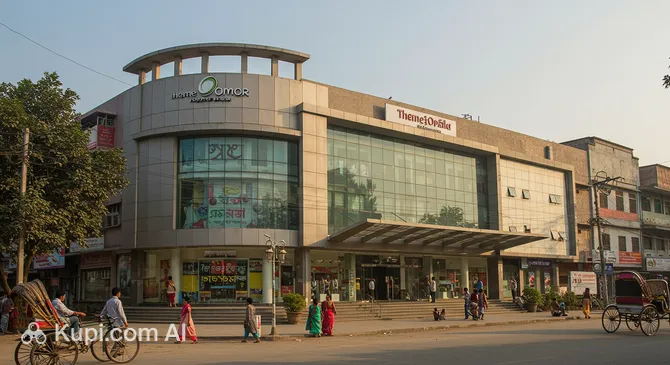
For travelers seeking a more comfortable, air-conditioned environment, the city has developed several modern shopping complexes. One of the most prominent is Theme Omor Plaza, a multi-story mall that stands out for its contemporary facilities. It houses a wide range of branded clothing stores, shoe shops, and lifestyle outlets, making it a convenient one-stop destination for families. The mall also features a food court, allowing visitors to take a relaxing break during their shopping spree.

Theme Omor Plaza. Source: Kupi.Binoculars

No shopping trip to Rajshahi is complete without visiting the silk showrooms in the Sopura area. This is the epicenter of the city's famous sericulture industry. Visitors can explore various showrooms run by established silk manufacturers to purchase authentic products directly from the source. Additionally, New Market is another key shopping venue, known for its vast array of textiles, cosmetics, and household goods, often at more affordable prices than the upscale boutiques.

The most iconic souvenir to bring back is undoubtedly Rajshahi Silk. Whether it is a lustrous saree, a traditional Panjabi for men, or a simple scarf, the quality of the silk here is renowned across the region. Apart from textiles, the city is famous for its mangoes. If you visit during the summer season (May to July), buying fresh mangoes or locally produced mango pickles (achar) is a must. Hand-stitched quilts known as Nakshi Kantha are also beautiful, culturally significant items that make for unique gifts.

Most shops and markets in the city typically open around 10:00 AM and close by 9:00 PM. However, street vendors and some grocery stores may operate until later. Friday is the standard weekly holiday, and while shopping malls may remain open or open late in the afternoon, many smaller shops in markets like Shaheb Bazaar might be closed or have reduced hours. Cash is the primary mode of payment, especially in local markets and smaller shops. While major malls and showrooms in Sopura accept credit cards, it is always wise to carry sufficient cash for transactions in traditional bazaars.

Tourists should note that a tax-free shopping refund system, such as VAT refunds for international visitors, is generally not available in Rajshahi or widely practiced in Bangladesh. The prices displayed or negotiated are typically final, inclusive of any applicable local taxes.

Reached the end of the page?

That means the route is fully explored