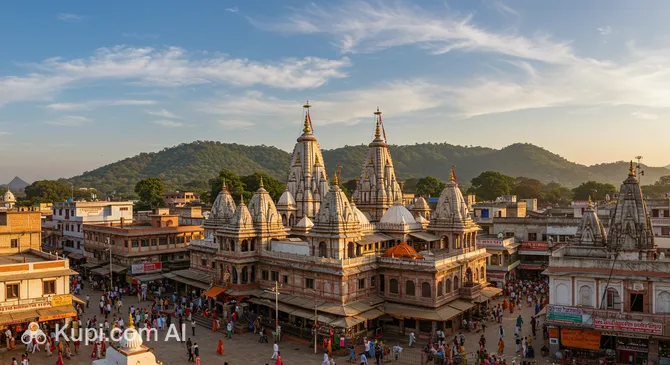
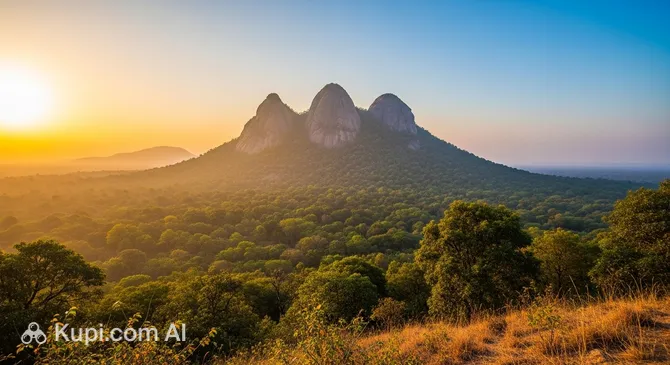
Deoghar, whose name beautifully translates to "Abode of the Gods," is a city that resonates with deep spiritual significance and cultural vibrancy. Nestled in the Santhal Parganas division of the state of Jharkhand, this ancient city serves as a major pilgrimage center in India. With a population of approximately 203,000, it perfectly balances its role as a bustling religious hub with the serenity of its scenic surroundings and welcoming atmosphere.
The fascinating history of Deoghar is intertwined with timeless legends and mythology, particularly those revolving around Lord Shiva. The city is most famous for the Baba Baidyanath Dham, which houses one of the twelve sacred Jyotirlingas, making it a focal point for millions of devotees annually. The energy here is palpable, especially during the holy month of Shravan, when the city transforms into a vibrant sea of saffron-clad pilgrims.
Deoghar. Illustration.
Source: Kupi.com AI
Beyond its spiritual allure, Deoghar offers captivating natural beauty and architectural marvels. Visitors can explore the Trikut Pahar, a scenic hill offering trekking opportunities and ropeway rides with panoramic views, or admire the grandeur of the Naulakha Mandir, known for its impressive height and design. Whether you are seeking spiritual solace or a glimpse into the region's rich traditions, Deoghar promises a truly memorable and soul-stirring experience.
Weather Overview
Deoghar experiences a varied climate with distinct seasons, characterized by pleasant winters, hot summers, and a humid monsoon period. Before planning your pilgrimage or sightseeing tour, it is helpful to check the weather in Deoghar to ensure a comfortable trip. Generally, you can expect warm summers with occasional rain and cool, dry winters.
The winter months, from November to February, are typically the most popular for visitors due to the agreeable conditions. January is usually the coolest month, with an average temperature of 16.1°C and lows dropping to around 10.3°C. This season is predominantly dry, seeing almost no rainfall, which makes it ideal for exploring the city's outdoor attractions. As the season transitions into spring during March and April, temperatures gradually rise, with April seeing daily highs reaching up to 36.2°C.
Summer and the monsoon season bring a significant shift in the atmosphere. May and June are quite warm, with average temperatures climbing above 30°C. The arrival of the monsoon from July through September brings relief from the heat but introduces heavy rainfall; July and August are particularly wet, with up to 29 wet days recorded in a single month. By October, the rains begin to recede, and the temperature cools to a pleasant average of 25.8°C, marking a beautiful time to witness the city's lush post-monsoon greenery.
Average monthly temperature
Average monthly precipitation
Interesting Facts
Beyond the main attractions, Deoghar holds many fascinating secrets and legends that add depth to its spiritual aura. From ancient myths linking it to the Ramayana to architectural curiosities, the city offers intriguing stories for the curious traveler.
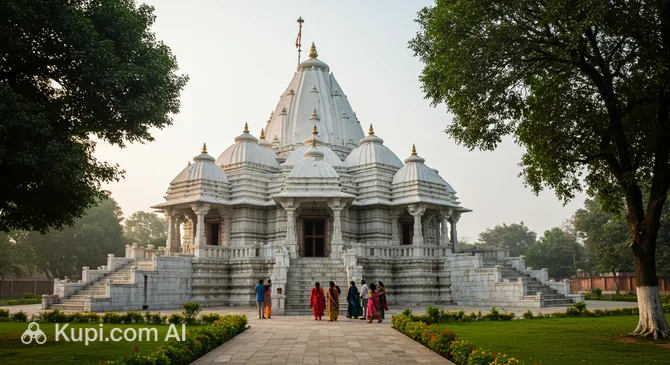
Naulakha Temple. Illustration.
Source: Kupi.com AI
Traveler photos:
Deoghar is one of the rare spiritual sites in India where a Jyotirlinga and a Shakti Peeth coexist side by side. According to mythology, the heart of Goddess Sati fell here, making it a powerful center for Shakti worship, distinct from its fame as a Shiva pilgrimage site.
The name of the famous Naulakha Temple translates literally to "nine lakhs," which was the reported cost of its construction—a fortune at the time. The temple was built by Queen Charushila of the Pathuriaghata royal family and bears a striking architectural resemblance to the renowned Ramakrishna Math in Belur.
Local folklore suggests that Trikut Hill was used as a landing spot for the Pushpaka Vimana, the flying chariot of the demon king Ravana. The hill is composed of three peaks representing Brahma, Vishnu, and Shiva, and it is also known for its population of friendly monkeys.
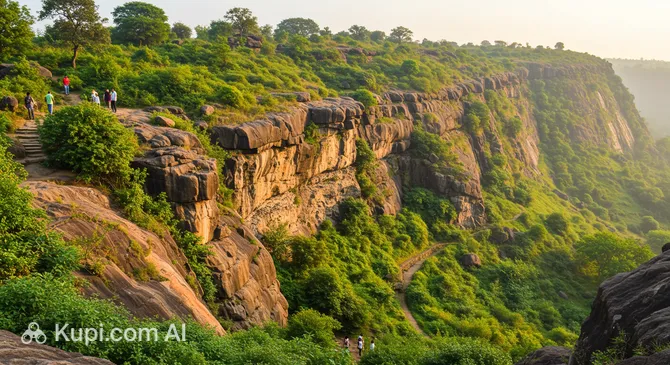
It is believed that Tapovan Hill was once the meditation ground for Sage Valmiki, the author of the epic Ramayana. The hill features several caves and rock formations that are said to have served as shelters for ascetics performing penance in ancient times.
How to Get There
Reaching the spiritual city of Deoghar has become increasingly convenient for pilgrims and tourists alike. Whether you prefer air travel or road trips, there are several viable options to suit your itinerary. For a comprehensive overview of all travel routes and tips, you can read more about how to get to Deoghar.
The most direct way to arrive is via the city's own Deoghar Airport (DGH), located just 4.7 km from the city center. This domestic airport has significantly improved connectivity, allowing visitors to land practically on the doorstep of the Baba Baidyanath Dham. A taxi or auto-rickshaw from the airport to the main town takes only about 15 to 20 minutes, making it the most hassle-free option for travelers.
Alternatively, many visitors choose to fly into Birsa Munda Airport (IXR) in the capital city of Ranchi. Although it is situated approximately 190.7 km away, it is a major hub with frequent connections to metropolitan cities across India. From Ranchi, the journey to Deoghar takes about 4 to 5 hours by taxi or bus, offering a scenic drive through the landscapes of Jharkhand.
Another accessible option is the Kazi Nazrul Islam (RDP) airport in Durgapur, West Bengal. Located roughly 110.3 km from Deoghar, it serves as a viable alternative for those traveling from eastern India. The road trip from Durgapur typically takes around 3 hours. While smaller than Ranchi's airport, it offers a decent proximity for travelers looking to minimize road travel time compared to flying into Ranchi or Patna.
For clarity, here is a summary of the main airports:
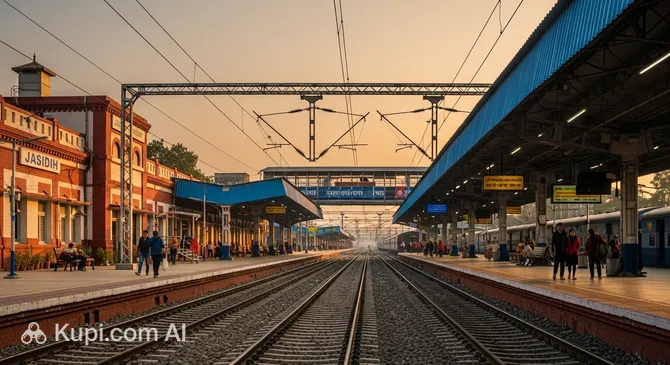
In addition to air travel, Deoghar is well-connected by an extensive railway network, which remains a very popular mode of transport for pilgrims. The nearest major railway station is Jasidih Junction, located about 7 to 10 km from the city center. It lies on the main Delhi-Howrah line, ensuring excellent connectivity with key cities like Kolkata, New Delhi, and Patna. From Jasidih, frequent autos and taxis are available to ferry passengers to the heart of Deoghar. The city is also accessible by road, with regular bus services operating from neighboring cities in Jharkhand and Bihar.
Main Attractions
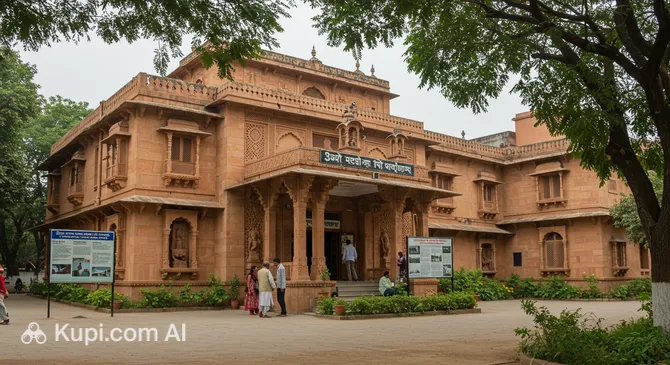
A visit to Deoghar is incomplete without exploring the Satsang Ashram, a major spiritual center located in the southwestern part of the city. Established by Sri Sri Thakur Anukulchandra, this sprawling complex is a hub of peace, universal brotherhood, and social welfare. It attracts thousands of devotees and tourists who come to witness its serene environment, participate in the daily prayers, and visit the museum dedicated to the founder's life. The ashram's well-maintained gardens and the sense of community make it a soothing retreat for those seeking inner calm.
Satsang Ashram. Illustration.
Source: Kupi.com AI
Traveler photos:
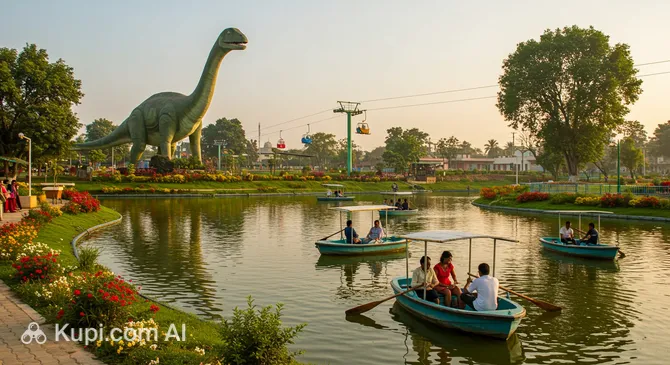
For travelers looking for a blend of entertainment and scenic views, Nandan Pahar Park is an excellent destination. Situated on a small hill on the edge of the city, this spot is famous for its temple dedicated to Nandi, the celestial bull of Lord Shiva. Beyond its religious significance, the park functions as a recreational center featuring manicured gardens, a ghost house, and joy rides for children. It is particularly popular at sunset, offering visitors a breathtaking panoramic view of the Deoghar cityscape and the distant hills.
Nandan Pahar Park. Illustration.
Source: Kupi.com AI
Traveler photos:
Adventure enthusiasts and nature lovers will find Trikut Hill to be one of the most exciting excursions in the region. Located approximately 10 kilometers from the city center, this location is celebrated for its thrilling ropeway ride, which whisks visitors up the steep incline to offer unparalleled aerial views of the lush landscape below. The hill also serves as a fantastic spot for trekking, inviting hikers to navigate its natural trails and enjoy the refreshing mountain breeze away from the city's bustle.
Trikut Hill. Illustration.
Source: Kupi.com AI
Traveler photos:
Another site offering a unique mix of geology and spirituality is Tapovan Hill. This area is defined by its rugged, rocky terrain and a series of natural caves that visitors can explore, adding an element of discovery to the trip. The hill is a quiet haven perfect for meditation or a peaceful picnic, allowing travelers to immerse themselves in the raw beauty of nature. The presence of an old temple amidst the boulders further enhances the mystical atmosphere of this secluded spot.
Tapovan Hill. Illustration.
Source: Kupi.com AI
Traveler photos:
Finally, the architectural grandeur of the Naulakha Temple stands as a testament to the region's artistic heritage. This towering white marble structure is a visual delight, mesmerizing visitors with its intricate stonework and majestic presence. Stepping inside, one is enveloped by a profound sense of tranquility, making it an ideal place for quiet reflection. The temple's pristine appearance and the serene ambiance of its grounds provide a perfect conclusion to a tour of Deoghar's most significant landmarks.
Local Cuisine
Deoghar is a paradise for those with a sweet tooth, primarily due to its legendary Peda. This soft, fudge-like sweet made from condensed milk (khoya) and sugar, often flavored with cardamom and saffron, is not just a treat but an essential offering at the Baba Baidyanath Temple. Pilgrims and tourists alike can be seen carrying boxes of this delicious confection home as a souvenir. The quality of the Peda in Deoghar is renowned across the region, with local shops near the temple precincts, particularly around Tower Chowk, vying to offer the freshest and most authentic variety.
When it comes to savory main courses, the cuisine here reflects the rustic and hearty flavors of Jharkhand and neighboring Bihar. The star of the show is undoubtedly Litti Chokha. These are wheat flour balls stuffed with spiced roasted gram flour (sattu), baked over coal or cow dung cakes, and dipped in ghee. They are typically served with chokha, a spicy mash of roasted eggplant, tomatoes, and potatoes. Another popular dish is Sattu Paratha, a flatbread filled with a similar savory mixture, often enjoyed with pickles and curd.
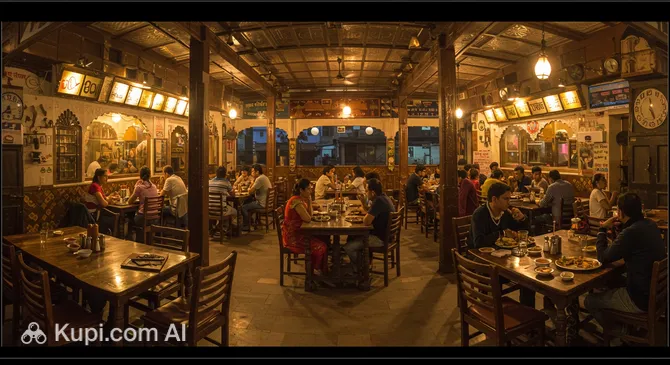
The food culture in Deoghar is predominantly vegetarian, especially in the areas surrounding the holy sites, but the city has a growing culinary scene that caters to diverse tastes. For a casual dining experience, the streets are lined with stalls serving fresh snacks like samosas, kachoris, and jalebis. If you are looking for a more comfortable sit-down meal with a variety of options, you can visit the Twilight Restaurant, which offers a pleasant setting for families and travelers.
Twilight Restaurant. Illustration.
Source: Kupi.com AI
Traveler photos:
To quench your thirst, especially during the warmer months, locals swear by Sattu Sharbat. This savory drink, made from roasted gram flour, water, lemon juice, and spices, is known for its cooling properties and high nutritional value. While the city is deeply traditional, there are modern spots for those looking to unwind. For instance, Somras Cafe & Bar provides a contemporary ambiance where visitors can relax with a beverage after a long day of sightseeing.
Travel Tips
Welcome to Deoghar, a city where spirituality and tradition blend seamlessly to offer a unique travel experience. To help you navigate your journey through this sacred "Abode of the Gods" with ease and confidence, we have compiled a list of essential practical tips tailored for visitors.
Clothing and Gear: Since Deoghar is a major religious hub, modesty is key. Wear clothes that cover your shoulders and knees, especially when visiting temples like Baba Baidyanath Dham. In summer (March to June), loose cotton clothing is essential to handle the heat, while light woolens are necessary if you visit during the cool winter months (November to February). Bring comfortable slip-on shoes or sandals, as you will need to take them off frequently at religious sites.
Transportation: The city does not have a metro or tram system. The most convenient way to get around is by using auto-rickshaws or battery-operated e-rickshaws (locally known as "Totos"). They are abundant and perfect for navigating narrow streets. Ride-hailing apps are not very common here, so it is best to rely on local transport. Always agree on the fare before starting your journey to avoid confusion later.
Finances: The local currency is the Indian Rupee (INR). While hotels and larger restaurants accept credit and debit cards, cash is king for small purchases, local transport, and buying offerings (prasad) near the temples. ATMs are widely available around Tower Chowk and the main market areas. Digital payments via UPI apps are also becoming increasingly popular, even at smaller stalls.
Health and Safety: Pharmacies are easily found throughout the city, particularly near the hospital areas and the main temple complex; however, 24/7 services may be limited, so carry essential personal medication. Deoghar is generally safe for tourists, but like any busy pilgrimage site, keep an eye on your belongings in crowded areas. Stick to bottled water to stay hydrated and avoid potential stomach issues.
Communication: The primary language spoken is Hindi, along with local dialects like Angika. English is understood at hotels and major tourist spots, but less so by local vendors and rickshaw drivers. Learning a few basic Hindi phrases like "Kitna hua?" (How much?) or "Rasta kidhar hai?" (Where is the way?) can be very helpful. A local SIM card with data is recommended for maps and translation apps.
Local Etiquette: Greeting people with a polite "Namaste" is appreciated. When visiting temples, always remove your footwear outside the premises. It is customary to use your right hand for giving or receiving money and offerings. Be patient in queues, especially at the main temple, as lines can be long and chaotic during festivals.
What to Avoid: Do not carry leather items (like belts, wallets, or bags) inside the inner sanctum of the temples, as they are strictly prohibited in many Hindu shrines. Avoid taking photographs inside the main temple garbha griha (sanctum sanctorum), as it is usually forbidden and considered disrespectful.
Additional Tip: If you plan to perform a puja (worship ritual), be aware of the local priests known as "Pandas." While many are helpful guides, some can be persistent. It is helpful to decide beforehand if you need their services and to politely but firmly decline if you prefer to offer prayers on your own.
By keeping these practical tips in mind, you can focus on soaking in the spiritual aura and the rustic charm of Deoghar without any hassles. We hope your visit is filled with peace, discovery, and memorable moments in this historic city.
Entertainment & Nightlife
Nightlife and Entertainment:
As a city deeply rooted in spirituality and tradition, Deoghar offers a nightlife scene that is significantly more subdued compared to India's metropolitan hubs. You will not find a rowdy clubbing culture here; instead, the evening entertainment focuses on relaxed dining, family-friendly outings, and a growing number of modern lounges where the local youth and tourists unwind. The atmosphere is generally laid-back and conservative, with most activities centering around good food and conversation rather than loud music and dancing.
For those seeking a contemporary vibe and a place to enjoy the evening with friends, Sky Deck is one of the standout venues in the city. Categorized as a night club, it offers a lounge-like setting that contrasts with the city's traditional exterior. It is a popular spot for the younger crowd to gather, enjoy music, and experience a slice of modern nightlife in Deoghar. The dress code here is casual to smart-casual, and it provides a welcome break for travelers looking for a lively atmosphere after a day of temple visits.
Sky Deck. Illustration.
Source: Kupi.com AI
Traveler photos:
Another excellent option for a relaxed evening is Somras Cafe & Bar. This venue caters to those looking to enjoy a drink in a comfortable environment. It strikes a balance between a cafe and a bar, making it suitable for quiet conversations or a low-key night out. The service is friendly, and it is a good place to sample local and standard beverages while soaking in the local hospitality.
The heart of Deoghar's evening hustle is undoubtedly the area around Tower Chowk. While not a nightlife district in the western sense, this central square comes alive after sunset with brightly lit shops, street food vendors, and a bustling crowd. It is the perfect place for a night walk to experience the local culture, try hot snacks, and shop for souvenirs. For a more structured shopping and leisure experience, visitors often head to Vioray Mall, which offers a modern environment for an evening stroll, shopping, and quick bites.
Practical Nightlife Tips:
Timing: Deoghar sleeps relatively early. Most restaurants and lounges close by 10:00 PM or 11:00 PM. It is best to head out for dinner or drinks around 7:30 PM to ensure you have ample time.
Transport: Auto-rickshaws and e-rickshaws (Totos) are plentiful in the evening but become scarce after 9:30 PM. If you plan to stay out late, arrange a taxi beforehand or ensure your hotel is within walking distance.
Safety: The main areas like Tower Chowk and VIP Road are safe for night walks due to the crowd and police presence. However, it is advisable to avoid dimly lit, isolated lanes on the outskirts of the city late at night.
Regarding daytime entertainment, the city offers more than just temples. Families traveling with children should visit Nandan Pahar Park, which functions as a small amusement park with joy rides, a ghost house, and boating facilities, providing fun for all ages. For those interested in history and culture, the museum within the Satsang Ashram offers insightful exhibits into the life of Sri Sri Thakur Anukulchandra, adding an educational dimension to your trip.
Parks & Museums
While Deoghar is primarily renowned for its sacred temples, the city's parks and cultural sites offer a refreshing glimpse into the region's natural beauty and history. Beyond the pilgrimage sites, visitors can find serene green spaces for relaxation and institutions that preserve the area's heritage, making it a well-rounded destination for all types of travelers.
For those seeking a retreat into nature, the Biodiversity Park is a splendid addition to the city's green landscape. Designed to conserve local flora, this park provides a lush, tranquil environment that is perfect for morning walks or a quiet afternoon with family. It serves as an educational space where visitors can learn about the region's plant life while enjoying a break from the bustling city streets.
A visit to Nandan Pahar Park offers a delightful mix of recreation and scenic beauty. Perched on a hill, this park is beautifully landscaped with vibrant gardens and offers boating facilities that are a hit with families. It is an ideal vantage point to enjoy the cool breeze and take in panoramic views of the city, especially during sunrise or sunset, providing a peaceful escape from the temple crowds.
When it comes to exploring the region's cultural depth, the Satsang Ashram is a significant venue. The complex includes a museum known as "Memoria," which is dedicated to the life and teachings of Sri Sri Thakur Anukulchandra. This institution displays a touching collection of his personal belongings, photographs, and letters, offering a deep dive into the spiritual legacy that has shaped the lives of millions of followers.
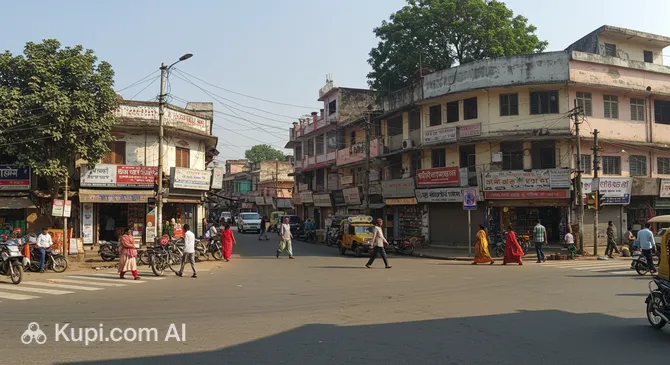
In terms of historical landmarks, Chopa More is a notable site worth visiting. Categorized as a historical place, it serves as a point of interest for those exploring the outskirts of the city. It represents the local history and the development of the region's transport and trade routes over the years, standing as a silent witness to the city's evolution.
Chopa More. Illustration.
Source: Kupi.com AI
Traveler photos:
Travelers interested in the colonial and developmental history of the region should also visit Jasidih. While primarily known today as a busy railway hub connecting Deoghar to the rest of India, the area retains a historical charm with its old-world bungalows and laid-back atmosphere reminiscent of the British era. It provides a unique perspective on how the town developed as a health resort and pilgrimage center in the early 20th century.
Jasidih. Illustration.
Source: Kupi.com AI
Traveler photos:
Nature enthusiasts should not miss the chance to explore the rugged terrain of Tapovan Hill. This site acts as a natural museum of sorts, showcasing the geological diversity of the Chota Nagpur Plateau. The hill is famous for its ancient caves, which are steeped in legend and offer a fascinating look at the natural formations that have sheltered ascetics for centuries.
Getting Around
Public transport in Deoghar is relatively simple and informal compared to major metropolitan hubs. The city does not have a metro, tram, or comprehensive city bus network. Instead, the local transit system relies heavily on intermediate public transport modes, primarily auto-rickshaws and battery-operated e-rickshaws, locally known as "Totos." These vehicles are ubiquitous, navigating the narrow lanes around the temple complex and connecting the city center with the railway stations and outskirts.
For getting around the city, Totos are the most popular and eco-friendly choice. They are ideal for short distances and are often shared with other passengers, making them an extremely affordable option. Standard auto-rickshaws are available for longer commutes or if you prefer a faster ride. Additionally, a local train service operates between Jasidih Junction and Baidyanathdham Deoghar railway station, acting as a vital shuttle link for pilgrims arriving by long-distance trains.
The payment system for local transport is almost exclusively cash-based. There are no travel cards, smart passes, or digital ticketing apps for intra-city travel. Fares are generally fixed for shared routes—typically ranging from roughly 10 to 30 rupees depending on the distance—but for a reserved vehicle (private hire), you must negotiate the price before boarding. It is highly recommended to carry small denominations of the local currency, as drivers often struggle to provide change for high-value notes.
Tourists should be aware that while ride-hailing apps are becoming common in many parts of the world, their presence in Deoghar is limited and often unreliable. Relying on them for immediate travel can be risky. Instead, you can hire private taxis for full-day excursions or airport transfers through your hotel or local travel agencies. Rental cars with drivers are a popular alternative for visiting attractions located further away, such as Trikut Hill or Tapovan.
Transport services generally operate from early morning, around 5:00 AM, to cater to pilgrims visiting the temple, until about 9:00 PM or 10:00 PM. Late-night transport can be scarce, so it is advisable to arrange your return journey in advance if you plan to stay out late. While there is no historic metro, the ropeway at Trikut Hill offers a unique aerial mode of transport, though it serves as a tourist attraction for panoramic views rather than a means of commuting.
Accommodation
Accommodation in Deoghar primarily caters to the steady influx of pilgrims and tourists, offering a wide spectrum of options ranging from simple guesthouses to comfortable modern resorts. While the city is historically known for its budget-friendly dharamshalas and pilgrim lodges, the hospitality landscape has evolved significantly. Today, visitors can find mid-range hotels with modern amenities, as well as several resorts located slightly away from the city center that provide a more luxurious and peaceful stay.
When choosing where to stay, location is a key factor. For those whose main priority is visiting the Baba Baidyanath Dham, staying near Tower Chowk or the market area surrounding the temple is the most convenient option. This area is bustling and places you within walking distance of the main shrine. However, if you prefer a quieter environment or are arriving by train late at night, the area around Jasidih Junction offers decent lodging options and serves as a good transit base. For a more relaxed experience away from the crowds, the outskirts of the city towards the Trikut or Nandan Pahar hills feature spacious resorts.
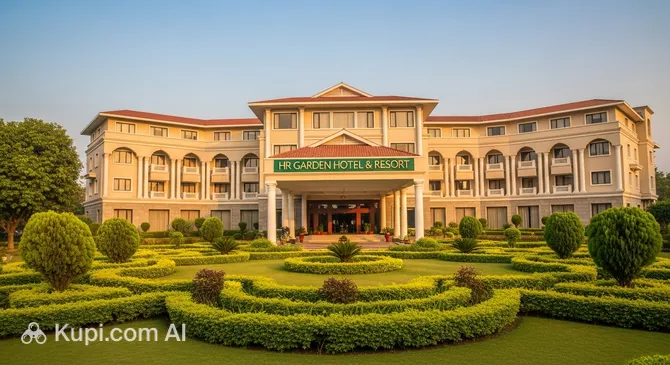
For travelers seeking a blend of comfort and leisure, HR Garden Hotel & Resort is a notable choice. This property is designed to offer a resort-like atmosphere with well-maintained grounds, making it suitable for families and those looking to unwind after a day of sightseeing. It stands out for providing a higher standard of service and facilities compared to the typical city lodges.
HR Garden Hotel & Resort. Illustration.
Source: Kupi.com AI
Traveler photos:
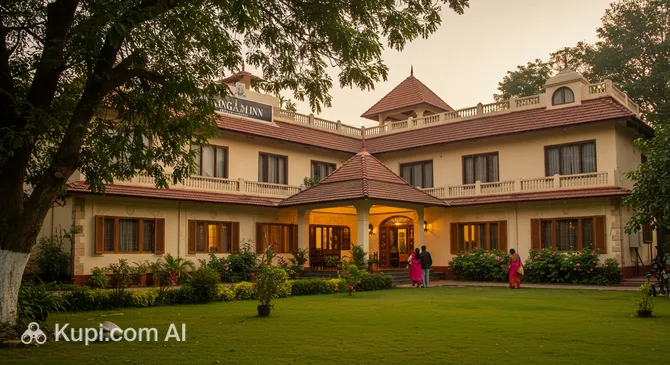
Another excellent option for a comfortable stay is Mangalam Inn. Known for its hospitality and decent amenities, this hotel caters to both business travelers and tourists. It provides a reliable and clean environment, ensuring a restful night's sleep, which is essential before an early morning temple visit or an excursion to the nearby hills.
Mangalam Inn. Illustration.
Source: Kupi.com AI
Traveler photos:
Booking Tip: If you are planning to visit during the holy month of Shravan (typically July or August) or during major festivals like Shivratri, it is absolutely essential to book your accommodation months in advance. During these peak periods, the city is flooded with millions of devotees, and finding a room on arrival is nearly impossible.
In terms of pricing, Deoghar remains a very affordable destination. Budget rooms and guesthouses are available at very low rates, while mid-range and resort properties offer excellent value for money compared to larger cities. Most established hotels and resorts are listed on major online booking platforms, allowing for easy reservation. However, for smaller guesthouses or charitable dharamshalas, you may need to book directly by phone or inquire upon arrival, provided it is not peak season.
Nearby Cities
For those looking to explore the surroundings, Deoghar serves as an excellent base for day trips to several interesting nearby locations. The region offers a mix of spiritual extensions, historical towns, and scenic landscapes that complement a visit to the main pilgrimage site.
One of the most popular short excursions is to Madhupur, located just a short drive away. Historically known as a health resort due to its pristine water and salubrious climate, it was once a favorite retreat for Bengali nobility. Today, it retains a quaint, old-world charm and is famous for its delicious local sweets, particularly the "Laal Mohan." It serves as a peaceful getaway for travelers looking to relax amidst greenery and colonial-era bungalows.
Another significant destination is Dumka, the sub-capital of Jharkhand. For many pilgrims, a trip to Deoghar is considered incomplete without visiting the Basukinath Temple located in the Dumka district. Apart from its religious importance, Dumka offers beautiful natural attractions, including the Massanjore Dam on the Mayurakshi River. This scenic spot is perfect for picnics and boating, offering a refreshing break from temple hopping.
To the north lies Jamui in the neighboring state of Bihar. This town is steeped in history and religious significance, particularly for Jainism, as it is associated with Lord Mahavira. The surrounding area is dotted with lush forests and hills, making it an intriguing destination for those interested in ancient history and nature walks outside the immediate vicinity of Deoghar.
These nearby destinations offer a glimpse into the diverse culture and landscapes of the region, allowing visitors to experience the broader heritage of the Chota Nagpur Plateau.
Shopping & Souvenirs
Shopping in Deoghar offers a vibrant mix of spiritual tradition and local culture, providing a unique experience for visitors. While the city is not known for high-end luxury fashion, it boasts bustling markets filled with colorful handicrafts, religious artifacts, and regional specialties. The shopping scene here is deeply influenced by the influx of pilgrims, meaning that many stores cater to the needs of devotees, yet there are plenty of hidden gems for the average tourist looking to take a piece of Jharkhand home.
The heartbeat of the city's commercial activity is undoubtedly Tower Chowk. This central square and the streets radiating from it are lined with a diverse array of shops selling everything from clothing and footwear to electronics. However, the most atmospheric shopping experience can be found in the narrow lanes leading up to the Baba Baidyanath Temple. These streets are a riot of color, packed with vendors selling vermilion (sindoor), brass idols, incense, and intricate beadwork. It is the perfect place to soak in the local energy and observe the traditional commerce of a temple town.
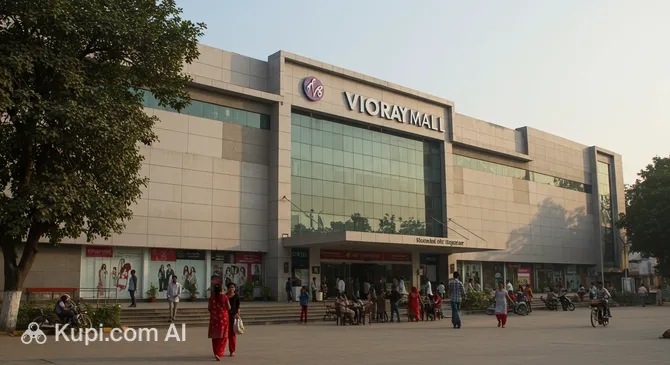
For those who prefer a more modern shopping environment, the city has seen the emergence of contemporary retail spaces. Vioray Mall is a popular destination for families and youth, housing various brands, a food court, and entertainment options under one roof. It provides a comfortable, air-conditioned respite from the outdoor heat. Another notable spot for fashion enthusiasts is Citi Style, a shopping center that offers a wide range of trendy apparel and accessories at affordable prices, catering to the modern needs of the locals.
Vioray Mall. Illustration.
Source: Kupi.com AI
Traveler photos:
When it comes to souvenirs, no trip to Deoghar is complete without buying Peda. This sweet delicacy made from condensed milk is famous throughout the region, and you will find countless shops claiming to sell the "original" version, particularly near the temple and Tower Chowk. Apart from sweets, the region is known for its beautiful Lac bangles (Lahathi), which are handcrafted and come in dazzling designs. Devotees also frequently purchase Rudraksha beads and small stone Shiva lingams as sacred mementos of their pilgrimage.
Most shops in Deoghar open around 10:00 AM and remain busy until 9:00 PM or 10:00 PM. While the larger establishments and malls like Vioray Mall accept credit and debit cards, cash is still the preferred mode of payment in the local markets and smaller stalls. Digital payment methods like UPI are becoming increasingly popular and are accepted by many vendors, but carrying small denominations of cash is always advisable for street shopping and bargaining.