Navigating Kolkata is an adventure in itself, offering a mix of modern efficiency and old-world charm. The city boasts a diverse public transport network that is not only affordable but also covers nearly every corner of the metropolis. For tourists, the Kolkata Metro is undoubtedly the most convenient and comfortable option. As the oldest metro system in India, it serves as the city's lifeline, connecting the northern and southern parts effectively. The trains are air-conditioned, clean, and run at frequent intervals, making them the best way to escape the surface traffic and heat.
For a slower, more scenic journey, you must experience the trams. Kolkata is the only city in India that still operates a tram network, adding a unique vintage character to its streets. While they are not the fastest mode of transport, a ride on these electric carriages offers a delightful window into the city's heritage. They are particularly enjoyable in the early morning or late afternoon when exploring the historic districts of North Kolkata.
The bus network is extensive and connects areas that the metro does not yet reach. You will see two main types: the government-run buses (often blue and white), which include modern air-conditioned fleets, and the colorful private buses. Private buses are known for being faster but can be quite crowded and drive aggressively. For a more comfortable experience, look for the AC Volvo buses operated by the West Bengal Transport Corporation (WBTC), which connect major tourist spots and the airport.
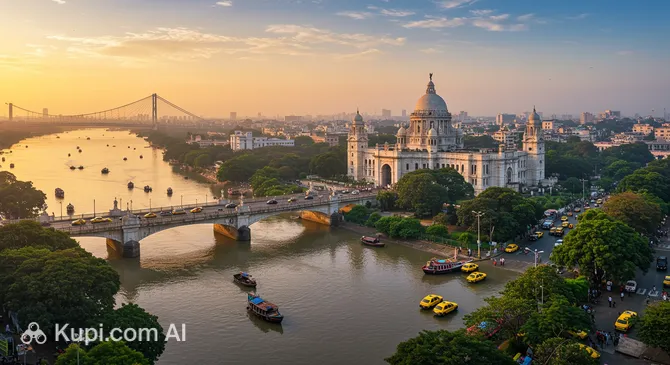
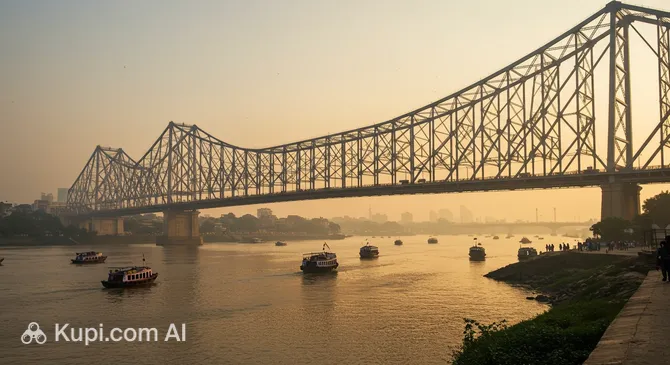
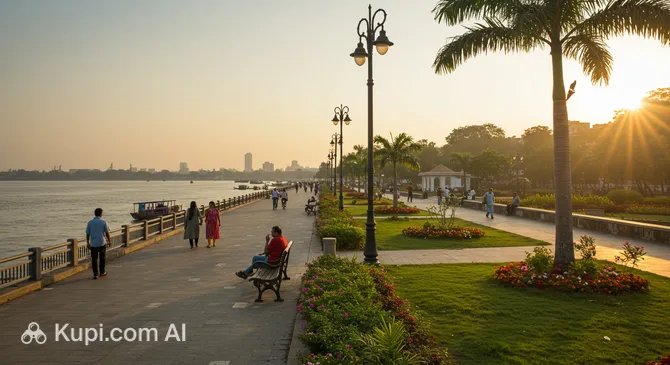
Crossing the Hooghly River is best done via ferries. These boats operate from various "ghats" (riverfront steps) such as Fairlie Place and Dakshineswar. Not only is this a practical way to travel between the twin cities of Kolkata and Howrah without getting stuck on the bridges, but it also offers stunning views of the river and the iconic Howrah Bridge, essentially doubling as a sightseeing cruise for the price of a transit ticket.
When it comes to payment, cash is still king for most modes of transport. For the metro, you can purchase single-journey tokens at the station counters or automatic vending machines. However, if you plan to stay for a few days, it is highly recommended to buy a Smart Card. This rechargeable card saves you from standing in long queues and offers a small discount on fares. For buses and trams, you simply pay the conductor on board; it is essential to carry small denominations of notes and coins, as conductors often struggle with large change.
For last-mile connectivity or direct travel, the iconic Yellow Ambassadors are a symbol of the city. These taxis are available everywhere; while many drivers are honest, it is always wise to insist on using the meter or agree on a fare before getting in. Alternatively, app-based cab services like Uber and Ola are widely popular, reliable, and offer the convenience of fixed prices and air-conditioned rides. For short distances within neighborhoods, you can hop into a shared auto-rickshaw or a cycle rickshaw, though prices for these should be negotiated beforehand.
Public transport generally operates from around 6:00 AM to 10:00 PM, with the metro running slightly later into the evening. Tourists should be aware of the "rush hours" (typically 9:00 AM to 11:00 AM and 5:00 PM to 8:00 PM), when trains and buses can become extremely crowded. If you can, plan your travel during off-peak hours for a much more relaxed experience.