Support

Jessore

About

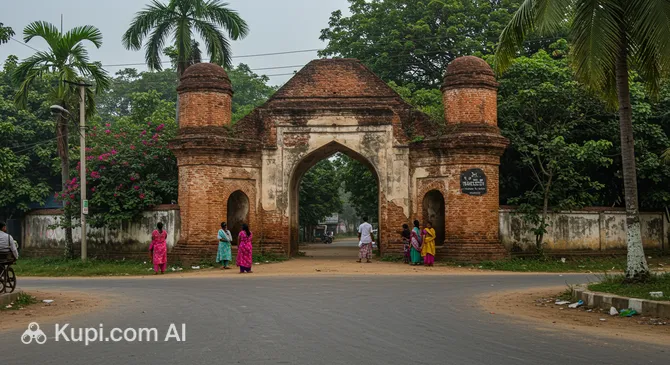
Welcome to Jessore (officially known as Jashore), a city that beautifully blends historical depth with natural charm. As a pivotal hub in the southwestern region, it offers travelers a unique glimpse into the authentic lifestyle and vibrant culture of the area. Known for its lush greenery and significant heritage, the city stands as a testament to the region's enduring spirit.

Situated in the Khulna Division of Bangladesh, Jessore is home to a population of approximately 244,000 residents. It serves as a crucial connecting point between the capital and the southern districts, making it a bustling center of trade and activity. The climate here is typical of the region, with a tropical monsoon influence that brings verdant landscapes to life, especially during the rainy season.
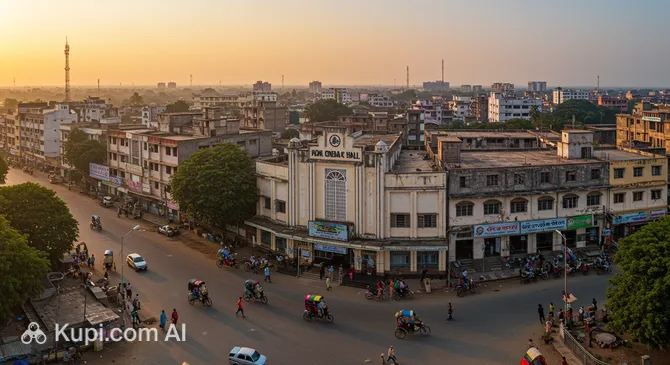
Jessore. Source: Kupi.Binoculars

The city holds a special place in the nation's past. Visitors interested in the history of Jessore will find it fascinating that this was the first district to be liberated during the Liberation War of 1971. Beyond its political significance, the region is culturally rich, being the birthplace of the celebrated poet Michael Madhusudan Dutt. His ancestral home in Sagordari, located nearby on the banks of the Kopotakkho River, is a popular attraction featuring a museum and serene surroundings.

Nature lovers will find plenty to admire here as well. Jessore is often referred to as the "City of Flowers" due to the extensive floriculture in the nearby Godkhali area, which supplies the majority of the country's flowers. A visit to these colorful fields offers a spectacular visual treat. Whether you are exploring its literary heritage or its vibrant flower markets, Jessore welcomes you with warm hospitality and memorable experiences.
Weather Overview

Travelers planning a visit should familiarize themselves with the local climate to pack appropriately. The weather in Jessore is generally tropical, characterized by distinct seasonal changes that range from dry, mild winters to hot, humid summers.

The year typically begins with cool and dry conditions; January is the coldest month with an average temperature of 18.4°C and lows dropping to around 12.4°C. As the season shifts towards summer, temperatures rise steadily, with April and May seeing maximum highs reach up to 35.3°C. The middle of the year brings the wettest period, particularly from June through September, where the number of wet days peaks significantly—July alone often experiences rain on 29 days of the month.

By November, the heat subsides and the rain disappears, returning the region to comfortable conditions. Expect warm summers with frequent rain and mild, dry winters ideal for exploring the outdoors.

Interesting Facts

Beyond the main attractions, Jessore holds many fascinating secrets that add depth to its character. From modern achievements to sweet culinary traditions, here are a few unique facts about the city that often surprise visitors.

  • The First Digital District: Jessore holds the unique distinction of being declared the very first "Digital District" in Bangladesh. This title highlights the city's pioneering role in adopting information technology for administrative services and local development, setting a benchmark for the rest of the country.

  • A Hub for Date Molasses: The region is legendary for its production of Patali Gur, a solid molasses made from date palm sap. During the winter months, the countryside buzzes with the traditional activity of harvesting sap, creating a sweet delicacy that is famous throughout the nation for its rich flavor and aroma.

  • Artistic Urban Landmarks: The city's layout is punctuated by distinct landmarks that serve as both navigation aids and public art pieces. The Palbari Sculpture Intersection is a notable example, reflecting the local appreciation for integrating artistic structures into everyday urban spaces.

  • Heritage of Embroidered Quilts: The traditional art of Nakshi Kantha has deep roots in this area. Local artisans are renowned for crafting these intricate, colorful quilts that often depict rural life and folklore through needlework, making them a significant part of the cultural heritage.

Palbari Sculpture Intersection. Source: Kupi.Binoculars

How to Get There

Reaching this southwestern hub is relatively straightforward, thanks to its strategic location and good connectivity. Whether you are arriving by air from the capital or crossing the border by land, you have several options. For a detailed breakdown of routes and tips, you can read more about how to get to Jessore on our dedicated page.

The most convenient way to arrive directly is via Jessore Airport (IATA: JSR), which is located just 5.2 km from the city center. It is a domestic airport with frequent flights connecting to the capital, making it a quick and efficient option for travelers already in Bangladesh. A taxi or auto-rickshaw from the airport to the downtown area typically takes only about 20–30 minutes.

For international travelers, the main entry point is usually Hazrat Shahjalal International Airport (IATA: DAC) in Dhaka, located approximately 143 km away. The journey by road from Dhaka can take around 4 hours, depending on traffic conditions. Alternatively, because Jessore is close to the Indian border, some visitors choose to fly into Netaji Subhas Chandra Bose Airport (IATA: CCU) in Kolkata, which is about 96 km away. The drive from Kolkata to the border and then to Jessore takes roughly 2.5 to 3 hours, though you must account for extra time for immigration and customs at the Benapole land port.

For clarity, here is a summary of the main airports:

Airport Name City Passenger Traffic Km from City
Netaji Subhas Chandra Bose Airport Kolkata Large 96.2
Hazrat Shahjalal International Airport Dhaka Large 143.1
Kazi Nazrul Islam Durgapur Medium 207.3
Rajshahi Airport Rajshahi Small 153.3
Jessore Airport Jessore Small 5.2

Beyond air travel, Jessore is a major transportation junction in the region. The city is well-connected by Bangladesh Railway, with regular intercity trains like the Sundarban Express and Chitra Express running from Dhaka and Khulna. Additionally, the nearby Benapole land port serves as a primary gateway for buses and trains arriving from Kolkata, India, making the city easily accessible for cross-border tourists.

Main Attractions

Exploring the city reveals a blend of modern urban life and artistic landmarks that define its character. While the region is famous for its flower fields and literary heritage, the city center itself boasts several noteworthy spots that capture the local vibe.

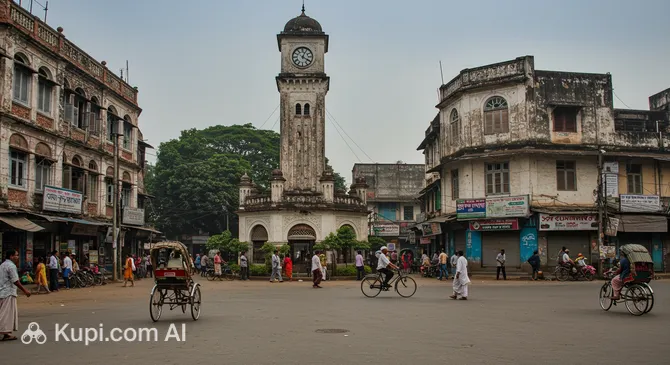
A central hub for both locals and travelers is the Jessore Chourasta Intersection. Functioning as the pulsing heart of the city, this busy junction is more than just a traffic circle; it is a meeting point that connects various parts of the district. Visitors passing through will experience the energetic atmosphere of the town, making it a great place to observe the daily rhythm of life in this southwestern region.

Jessore Chourasta Intersection. Source: Kupi.Binoculars

For those who appreciate public art, the Palbari Sculpture Intersection is a must-see landmark. This area is distinguished by its impressive sculpture, which adds an artistic touch to the cityscape. It serves as a popular reference point and offers a unique backdrop for photographs, reflecting the city's effort to beautify its public spaces with culturally significant structures.

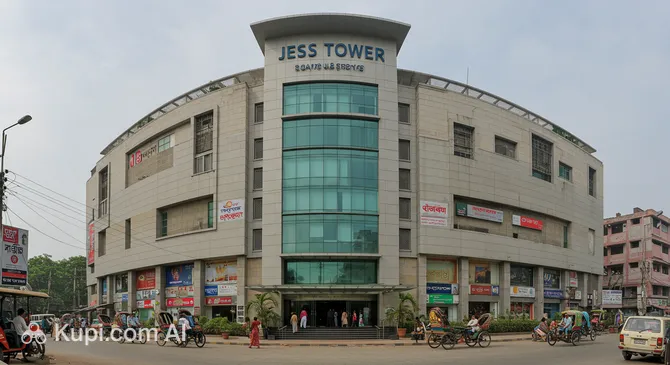
Travelers looking for a modern shopping experience should visit Jess Tower. As one of the prominent shopping malls in the area, it offers a variety of retail outlets ranging from clothing to electronics. It is an excellent spot to escape the heat, browse for local goods, or simply enjoy a leisurely afternoon exploring the modern amenities that the city has to offer.

Jess Tower. Source: Kupi.Binoculars

Local Cuisine

The culinary landscape of Jessore is a delightful reflection of the Khulna Division's rich gastronomic heritage, characterized by a love for bold spices and world-renowned sweets. The food culture here is unpretentious yet deeply flavorful, relying on fresh regional ingredients and traditional cooking methods that have been passed down through generations.

One cannot visit this region without trying the legendary Chui Jhal. This unique dish is a spicy meat curry, typically made with beef or mutton, which derives its distinctive heat and aroma from the stems of the Piper chaba plant (locally known as chui). Unlike chili heat, the spice from the chui stem adds a woody, aromatic flavor that transforms the curry into a rich, hearty meal. It is a signature specialty of the southwest and is best enjoyed with steaming hot rice.

On the sweeter side, Jessore is famous across Bangladesh for its Date Molasses (Patali Gur). In the winter months, the city becomes a hub for sweet lovers. You must try the local pithas (rice cakes) or traditional sweets like Rosogolla prepared with this aromatic molasses, which imparts a smoky, caramel-like sweetness that refined sugar simply cannot match.

When it comes to beverages, the most iconic local drink is seasonal. During winter mornings, vendors sell fresh Date Juice (Khejur Rosh), tapped directly from palm trees overnight. It is a refreshing, sweet, and natural drink that defines the season. Year-round, tea (cha) is the staple social drink, available at every street corner, while lassi and fresh lime sodas are popular ways to cool down during the humid summers. Alcohol is not widely part of the traditional dining culture and is generally found only in specific licensed venues or top-tier hotels.

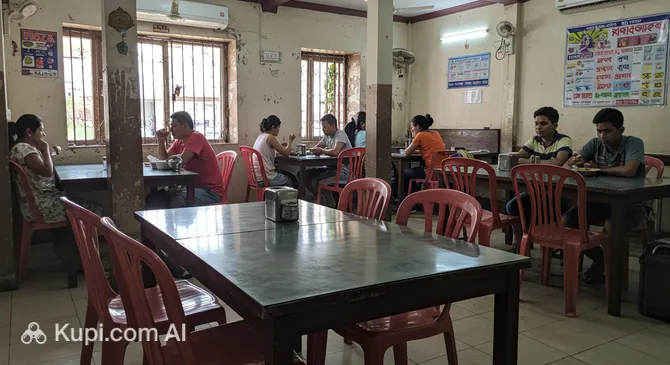
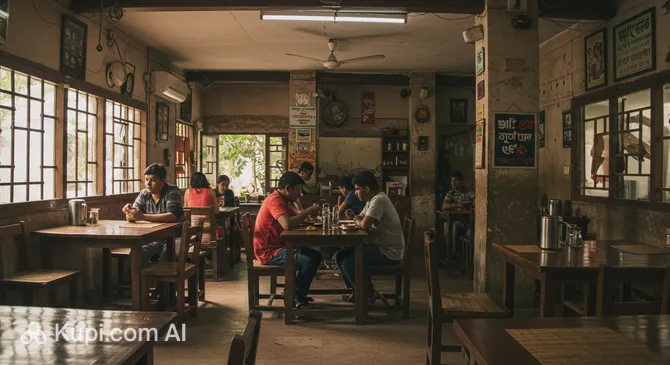
The dining scene in Jessore ranges from bustling street food stalls to comfortable local eateries known as "hotels." Street food enthusiasts should look for Fuchka and Chotpoti, savory snacks that are perfect for an evening treat. For a more substantial meal, locals often frequent family-style restaurants that serve authentic Bengali cuisine in a casual setting.

Nazma Hotel and Restaurant. Source: Kupi.Binoculars

If you are looking for a place to experience these local flavors, Nazma Hotel and Restaurant is a popular choice for enjoying traditional rice and curry dishes in an authentic atmosphere. Alternatively, for a quick bite or a relaxing cup of coffee, Cafe Delight offers a pleasant environment for tourists to unwind after a day of exploring.

Travel Tips

Welcome to Jessore! To ensure your journey through this historic and floral city is as smooth as it is memorable, we have compiled a list of essential practical advice. These tips will help you navigate local customs and logistics with the confidence of a seasoned traveler.

  1. Clothing and Gear: Given the tropical climate, pack breathable, lightweight fabrics like cotton or linen to stay cool. Bangladesh is a conservative society, so it is best to dress modestly; cover your shoulders and knees, and avoid tight-fitting attire. Comfortable slip-on shoes are a must, as you will frequently need to remove them when entering religious sites or visiting local homes.

  2. Transportation: The most convenient way to navigate the city is by using auto-rickshaws or battery-run "easy bikes," which are affordable and abundant. Always agree on the fare before starting your journey to avoid confusion later. While ride-sharing apps are popular in the capital, they may be less reliable here, so be prepared to hail transport manually.

  3. Finances: The local currency is the Bangladeshi Taka (BDT), and cash is definitely king in Jessore. While upscale hotels and modern shopping centers may accept credit cards, smaller shops, restaurants, and transport providers deal exclusively in cash. ATMs are readily available in the city center, so withdraw enough money for your daily expenses.

  4. Health and Safety: Stick strictly to bottled or boiled water for drinking and brushing your teeth to avoid stomach issues. Pharmacies are common in the town center and often stay open late, but it is wise to bring a basic medical kit and mosquito repellent, especially during the humid monsoon season. The city is generally safe, but keep an eye on your belongings in crowded areas.

  5. Communication: Bengali (Bangla) is the heart of daily communication. While hotel staff and younger locals often speak some English, rickshaw pullers and shopkeepers may not; learning a few basic words like "Dhonnobad" (Thank you) goes a long way. For reliable internet access, purchase a local SIM card (Grameenphone or Robi) with your passport, as Wi-Fi can be spotty outside major establishments.

  6. Local Etiquette: Bangladeshis are incredibly hospitable, but social norms are important. Always use your right hand for eating, passing money, or shaking hands, as the left is considered unclean. When greeting locals, a polite "Assalamu Alaikum" is universally appreciated and shows respect for the local culture.

  7. What to Avoid: Public displays of affection, such as hugging or kissing, are frowned upon and should be avoided. Additionally, if you visit during the holy month of Ramadan, refrain from eating, drinking, or smoking in public during daylight hours out of respect for those fasting.

  8. Seasonal Insight: If you are visiting in winter, do not miss the chance to buy fresh Date Molasses (Patali Gur) directly from the markets; it is a seasonal specialty you won't find at such high quality elsewhere. If you plan to visit the famous Godkhali flower fields, arrive very early in the morning (around 6:00 AM) to witness the market at its most vibrant before the flowers are shipped off.

Armed with these tips, you are ready to immerse yourself in the warmth and culture of Jessore. Whether you are tasting the famous local sweets or exploring the lush countryside, respecting these simple guidelines will ensure a safe and enriching adventure.

Entertainment & Nightlife

Entertainment and nightlife in Jessore offer a distinctively authentic experience that differs significantly from the club-centric nightlife found in many Western cities. Instead of loud discotheques and bars, the evening atmosphere here is defined by vibrant street life, social dining, and bustling markets. As the sun sets, the city cools down, and locals head out to enjoy the fresh air, making it the perfect time for travelers to immerse themselves in the local culture.

The epicenter of evening activity is undoubtedly the Jessore Chourasta Intersection. This central hub never seems to sleep and transforms into a lively gathering spot after dark. Neon signs light up the streets, and the area fills with people shopping, commuting, or simply catching up with friends. It is an excellent place to witness the city's energy, enjoy street food, or take a leisurely walk while observing the flow of life in this southwestern district.

For those looking to relax in a more comfortable setting, the city offers several modern eateries and cafes that serve as popular evening hangouts. Cafe Delight is a favorite among local youth and families alike. It provides a cozy ambiance where you can enjoy coffee, pastries, or light snacks well into the evening. It is a great spot to unwind after a day of sightseeing and experience the modern social scene of the city.

Cafe Delight. Source: Kupi.Binoculars

Shopping is another major form of evening entertainment here. Markets and malls typically stay open until around 9:00 PM or 10:00 PM. Jess Tower is a key destination for those who want to browse fashion outlets or electronics in an air-conditioned environment. The area around the tower buzzes with activity, and you will often find families enjoying an evening outing.

Travelers should be aware that the concept of "bars" and "nightclubs" is virtually non-existent in the public sphere due to local cultural and religious norms. Alcohol is strictly regulated and is generally not available in standard restaurants or shops. The nightlife here revolves around tea stalls (tong), where groups of friends gather for hours to chat over cups of hot, sweet tea, and late-night dining at local restaurants.

Regarding daytime entertainment, the city offers a mix of cultural and recreational activities. Visitors can explore the lush surroundings of the Collectorate Park or visit the historic Monihar Cinema Hall, which was once the largest cinema in Bangladesh and remains a nostalgic landmark for movie lovers. Museums and parks provide a peaceful escape during the day before the streets heat up with the evening rush.

When venturing out at night, safety is generally not a major concern in the main town areas, but it is advisable to stay in well-lit, populated zones like Chourasta or the station road. Public transport, such as auto-rickshaws and cycle rickshaws, is readily available late into the night. A typical short ride within the town costs between 20 to 50 BDT. Always negotiate the fare beforehand if the vehicle does not have a meter. For a hassle-free return to your hotel, keep the phone number of a trusted driver or ask your hotel reception to arrange transport.

Parks & Museums

While Jessore is a bustling district hub, it balances its urban energy with serene green spaces and deep-rooted cultural heritage. Visitors will find that the city and its surroundings offer excellent opportunities to step away from the crowds and immerse themselves in nature or explore the region's rich literary and historical legacy.

For a breath of fresh air right in the heart of the city, Jessore Collectorate Park is the go-to destination for locals and tourists alike. This expansive green area surrounds a beautiful pond and features well-maintained walkways, making it perfect for a morning jog or a leisurely evening stroll. Another popular spot is Binodia Family Park, located slightly away from the center. It serves as a recreational haven, offering picnic spots, children's rides, and a peaceful environment surrounded by trees, making it an ideal location for a family day out.

Culturally, the district is defined by its connection to Bengali literature, most notably through the Michael Madhusudan Dutt Museum in Sagordari. Located about 45 kilometers from the city center, this museum is housed in the ancestral mansion of the famous 19th-century poet. The complex preserves his personal belongings, family heirlooms, and original furniture, offering an intimate look into the life of the pioneer of Bengali sonnets. The tranquil setting on the banks of the Kopotakkho River adds to the site's poetic charm.

History enthusiasts should also visit the 11 Shiva Temples in Bhatnagar, a short drive from the city. Built in the 17th century, this cluster of temples is a magnificent example of terracotta architecture dedicated to Lord Shiva. The intricate designs and the sheer age of the structures provide a fascinating glimpse into the religious history and architectural prowess of the era.

For a truly unique experience, seek out the Floating Bridge at Jhanpa Baor. Located in the Manirampur Upazila, this plastic-drum floating bridge is a marvel of local community engineering and offers a scenic view of the oxbow lake, especially during sunset.

Getting Around

Navigating Jessore is an authentic experience that relies heavily on informal, road-based transportation rather than a structured high-tech network. The city does not have a metro, tram, or large municipal bus system. Instead, the streets are dominated by three-wheeled vehicles, which serve as the primary mode of public transit for locals and tourists alike. The most common vehicle you will encounter is the battery-run electric three-wheeler, locally known as an "Easy Bike" or "Toto." These are eco-friendly, quiet, and run on fixed routes or can be hired privately.

For shorter distances or navigating narrow lanes, the traditional cycle rickshaw remains a popular choice. These colorful, human-powered vehicles offer a slower, open-air perspective of the city, allowing you to take in the sights at a leisurely pace. For faster travel across town or to nearby sub-districts, you might find "CNGs" (green auto-rickshaws running on compressed natural gas) or "Mahindras" (larger shared auto-rickshaws). Additionally, small human-haulers or minibuses operate on specific main roads, connecting key points like the bus terminal, railway station, and major intersections.

The payment system in Jessore is entirely cash-based. There are no travel cards, electronic passes, or tap-to-pay systems for public transport. You will need to carry the local currency, the Bangladeshi Taka (BDT), in small denominations. Fares are generally very affordable. A short hop on a shared Easy Bike might cost as little as 10 to 20 BDT, while a private hire will cost more and depends on the distance.

For tourists, the golden rule of using transport here is to negotiate the fare before you get in. While shared vehicles have fixed rates known to locals, private cycle rickshaws and CNGs do not use meters. It is advisable to ask a local or your hotel reception for the approximate fare to your destination beforehand so you have a baseline for bargaining. Drivers are generally friendly, but clarifying the price upfront prevents misunderstandings upon arrival.

Operating hours are quite flexible, with transport being readily available from early morning until around 10:00 PM. However, availability drops significantly late at night, so it is best to arrange a ride in advance if you plan to be out very late. While ride-sharing apps like Uber or Pathao are extremely popular in the capital, their coverage in smaller cities like Jessore can be sporadic or limited mostly to motorbikes. Therefore, relying on hailing vehicles from the street is often the most practical option.

If you prefer more comfort or need to travel regionally, renting a car with a driver is the standard alternative to a traditional taxi service, which is virtually non-existent on the streets. Most hotels can arrange a daily rental for you. Walking is also a viable option for exploring the compact city center, particularly around the Chourasta area, but be prepared for busy traffic and limited sidewalks.

Accommodation

Accommodation in Jessore is primarily functional, catering largely to business travelers, transit passengers, and those visiting family. The city does not typically offer high-end luxury resorts found in major tourist destinations. Instead, visitors will find a solid selection of budget guesthouses and comfortable mid-range hotels that provide good value for money. The hospitality here is warm, though amenities in the lower price brackets can be basic.

When choosing where to stay, location is key. The most convenient area for tourists is around the city center, particularly near the Chourasta Intersection and Station Road. Staying here places you within walking distance of transport links, markets, and dining options. For those seeking a quieter environment or slightly higher standards, the area near the airport and the Cantonment offers a few modern hotels that are popular with international visitors and business executives.

Booking Tips: While high-end establishments may be bookable via major international online platforms, many local budget hotels still operate offline. For these smaller guesthouses, it is often best to call directly to reserve a room or simply walk in, as availability is generally good outside of major holidays. If you are visiting during a significant festival or a large business conference, booking in advance is highly recommended to secure the best rooms.

Price Range: Accommodation in Jessore is generally very affordable. Budget rooms can be found for as little as 500 to 1,500 BDT per night, offering basic facilities like a bed and fan. Mid-range options, which typically include air conditioning, Wi-Fi, and attached bathrooms, usually range from 2,500 to 5,000 BDT. Payment is almost exclusively in cash for budget options, so ensure you have sufficient local currency on hand upon arrival.

Nearby Cities

For those looking to explore the surroundings, Jessore serves as an excellent base for day trips to several interesting nearby locations:

City Population Distance (km)
Khulna 1,400,689 50
Faridpur 557,632 81
Kushtia 418,312 83
Tungipara 350,000 76
Jhenida 252,500 42

Khulna is the most prominent neighbor and a major industrial hub located just an hour's drive south. As the third-largest city in the country, it serves as the primary gateway to the majestic Sundarbans, the world's largest mangrove forest and a UNESCO World Heritage site. Even for those not venturing deep into the forest, the city offers the impressive Khan Jahan Ali Bridge (Rupsha Bridge) and a lively urban atmosphere.

To the north lies Kushtia, often regarded as the cultural capital of the region. It is deeply connected to the arts and spirituality, housing the shrine of the mystic philosopher Lalon Shah, which attracts folk music enthusiasts from all over. Additionally, visitors can explore Shilaidaha Kuthibari, the historic country house where Nobel laureate Rabindranath Tagore lived and wrote some of his most famous works.

Another significant destination is Tungipara, known for its historical importance in the narrative of Bangladesh. It is home to the Mausoleum of the Father of the Nation, Bangabandhu Sheikh Mujibur Rahman. The site features a well-maintained complex with a museum, library, and open green spaces, drawing visitors interested in paying their respects and learning about the nation's founding history.

These nearby destinations offer a glimpse into the diverse culture and landscapes of the region.

Shopping & Souvenirs

Shopping in Jessore offers a vibrant glimpse into the traditional lifestyle of southwestern Bangladesh. While the city may not boast the high-end luxury boutiques found in the capital, it is renowned for its rich heritage of handicrafts and textiles. The shopping scene here is dominated by bustling open-air markets and standalone shops where haggling is part of the experience. The city is particularly famous for its exquisite needlework and seasonal sweet delicacies, making it a great destination for travelers looking for authentic local products rather than international brands.

The primary commercial hub of the city revolves around the busy streets connected to the Jessore Chourasta Intersection. This area, along with the nearby M.K. Road (Mujib Sarak) and H.M.M. Road, is lined with hundreds of shops selling everything from garments and shoes to electronics. Walking down these streets provides a sensory overload of sights and sounds, with vendors displaying colorful fabrics and local goods right on the sidewalks.

For those seeking a more modern retail environment with air conditioning, Jess Tower stands out as the city's most prominent shopping complex. Located centrally, this multi-story building houses a variety of stores offering ready-made clothing, cosmetics, and accessories. It is a convenient stop for tourists who prefer a structured shopping experience or need to purchase everyday essentials in a comfortable setting.

To truly understand the local commerce, a visit to Boro Bazar (Big Market) is essential. As the oldest and largest market in the district, it is a maze of narrow lanes filled with wholesale and retail shops. Here, you can find fresh produce, spices, and household items. It is an excellent place to observe the daily trade of the locals and perhaps pick up some fresh fruits or local snacks.

When it comes to souvenirs, Jessore is legendary for its Nakshi Kantha (embroidered quilts). These colorful, hand-stitched quilts are a folk art form deeply rooted in the region's culture, depicting stories of rural life through intricate thread work. They make for beautiful, lightweight gifts. Additionally, if you are visiting during winter, you must buy Patali Gur (date molasses). The district produces some of the finest quality molasses in the country, known for its distinct aroma and taste.

Most shops in the city open around 10:00 AM and close by 9:00 PM. However, markets often take a break or open later on Fridays, the weekly holiday. Cash is the primary mode of payment everywhere, from street stalls to most shops in the malls. While a few upscale showrooms may accept credit cards, it is highly recommended to carry sufficient Bangladeshi Taka in smaller denominations for a smooth shopping experience. Tax-free shopping facilities are generally not available for tourists in this region.

Reached the end of the page?

That means the route is fully explored