Support

Biratnagar

About

Biratnagar stands as a bustling metropolitan hub and is widely recognized as the industrial capital of Nepal. Located in the southeastern part of the country within the Koshi Province, this vibrant city offers a distinct urban energy that contrasts with the quiet serenity of the Himalayas. As a major gateway near the Indian border, it serves as a vital center for trade, commerce, and culture, making it an energetic stop for travelers exploring the Terai plains.

Geographically, the city is situated in the fertile flatlands, resulting in a climate that is generally warm and humid, typical of the region. With a population of over 240,000 residents, it is one of the largest and most densely populated cities in the nation. This demographic density contributes to its lively atmosphere, filled with colorful markets, diverse communities, and a unique blend of traditions.
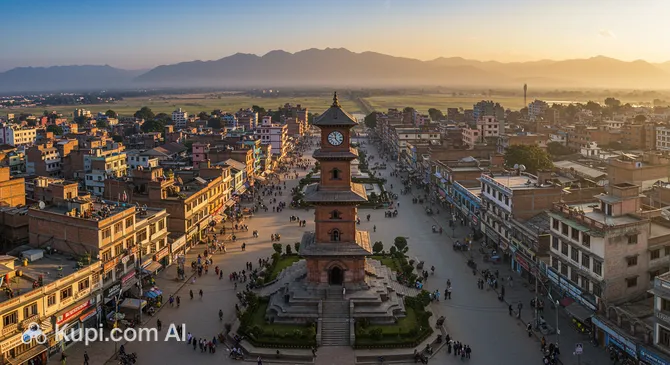
Biratnagar. Source: Kupi.Binoculars

While often celebrated for its modern economic significance, the city also holds deep cultural roots. Those interested in the past will find that the history of Biratnagar is fascinating, with local legends linking the area to the time of the Mahabharata and the ancient King Virata. Today, visitors can explore various points of interest, including the popular Kali Mandir, a significant temple for Hindu devotees, or use the city as a convenient base for excursions to the nearby Koshi Tappu Wildlife Reserve, a haven for birdwatchers and nature enthusiasts.

Whether you are passing through on business or starting an adventure into eastern Nepal, Biratnagar offers a genuine glimpse into the country's commercial pulse and lowland lifestyle. It is a destination that welcomes visitors with warm hospitality and a dynamic spirit, ensuring a memorable experience in the heart of the Terai.
Weather Overview

Biratnagar experiences a tropical climate characterized by distinct seasonal variations, offering a mix of hot summers and mild winters. The weather is generally warm throughout the year, but travelers should be aware of the heavy rainfall during the monsoon season. This period, typically stretching from May through September, brings high humidity and frequent precipitation, with July and August seeing rain on almost 29 days of the month.

The temperatures peak in the pre-monsoon spring months. April is often the hottest time, with average daily highs reaching 34.0°C, creating a very warm environment for visitors. As the year transitions into autumn and winter, the heat subsides significantly. By January, the coolest month, the average temperature drops to around 16.6°C, with nighttime lows falling to 10.6°C. This season is remarkably dry, often recording zero wet days in November, making it a comfortable time for sightseeing.

For those planning a trip, checking the current weather in Biratnagar is recommended to ensure you pack appropriately. Overall, you can expect hot, humid summers with frequent rain and mild, dry winters.

Interesting Facts

Beyond the main attractions, Biratnagar holds many fascinating secrets that offer a deeper understanding of its character. From ancient archaeological claims to pivotal moments in modern history, the city is more than just a commercial hub.
  • The Ruins of Bhediyari: While the city's name is famously linked to King Virata from the Mahabharata, few visitors realize that the archaeological site of Bhediyari, located just a few kilometers south, is believed to contain the actual ruins of his ancient palace. This site adds a tangible historical layer to the local mythology.

  • Cradle of Industry: Biratnagar is the birthplace of Nepal's industrial revolution. It was here in 1936 that the Biratnagar Jute Mill was established as the country's first registered large-scale industry, a milestone that kickstarted the nation's modern economic journey.

  • A Political Powerhouse: The city is often referred to as the "political nursery" of the nation. It holds the unique distinction of being the hometown of five different Prime Ministers of Nepal, a record that highlights its significant influence on the country's political landscape.

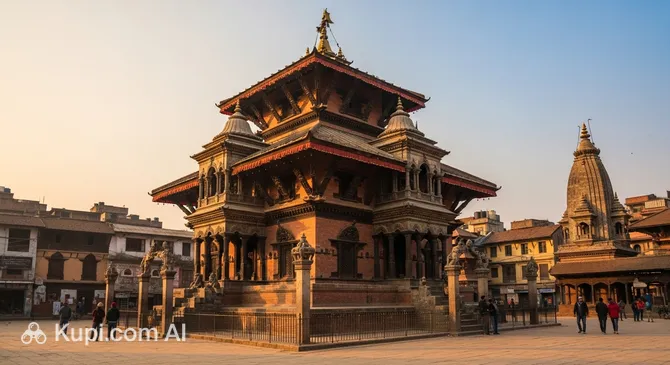
  • Spiritual Center: Despite its industrial reputation, the city maintains a vibrant spiritual life anchored by landmarks like the Kali Temple, Uttar Chowk. This specific site is not just a place of worship but serves as a major community hub, particularly coming alive with energy during the Dashain festival.

Kali Temple, Uttar Chowk. Source: Kupi.Binoculars

How to Get There

Reaching the industrial hub of eastern Nepal is relatively straightforward, thanks to its well-connected transport network. Whether you are traveling from within the country or crossing over from India, there are several convenient options available. For a complete overview of routes and travel tips, you can read more about how to get to Biratnagar on our detailed page.

The most direct way to arrive is via Biratnagar Airport (BIR), which is conveniently located just 3.4 km from the city center. As a major regional hub, it handles a significant volume of domestic flights, connecting the city to Kathmandu and other parts of Nepal. The short distance means a taxi or rickshaw ride to the downtown area takes only about 25 minutes. This airport is the preferred choice for most travelers due to its proximity and frequent service.

For international travelers, particularly those entering from India, Bagdogra Airport (IXB) in Siliguri is a vital alternative. Although it is located approximately 108 km away from Biratnagar, it serves as a large international gateway with significantly higher passenger traffic. The journey from Bagdogra involves crossing the border, and the drive typically takes around 3 hours by taxi or reserved vehicle. It is an excellent option if you are exploring the wider region or coming from major Indian cities.

Another domestic option is Bhadrapur Airport (BDP), situated in the city of Bhadrapur, about 81.6 km east of Biratnagar. While further away than the local airport, it offers an alternative entry point into the eastern plains. The travel time from Bhadrapur to Biratnagar by road is approximately 2 hours and 30 minutes.

For clarity, here is a summary of the main airports serving the region:

Airport Name City Passenger Traffic Km from City
Bagdogra Airport Siliguri Large 108.3
Darbhanga Darbhanga Medium 138.4
Biratnagar Airport Biratnagar Medium 3.4
Bhadrapur Airport Bhadrapur Medium 81.6
Janakpur Airport Janakpur Small 137.4

Main Attractions

While Biratnagar is primarily known for its industrial prowess, the city offers several engaging spots for visitors to explore, ranging from spiritual landmarks to modern recreational centers. The local atmosphere is a blend of deep-rooted traditions and a rapidly developing urban lifestyle, providing a unique backdrop for sightseeing.

One of the most revered sites in the city is the Kali Temple, Uttar Chowk. Dedicated to the Goddess Kali, this temple is a cornerstone of the local Hindu community and attracts devotees from across the region. It serves as a spiritual sanctuary where visitors can observe daily rituals and experience the vibrant religious culture of the Terai plains. The temple grounds are particularly lively during major festivals, offering a glimpse into the city's devotional heart.

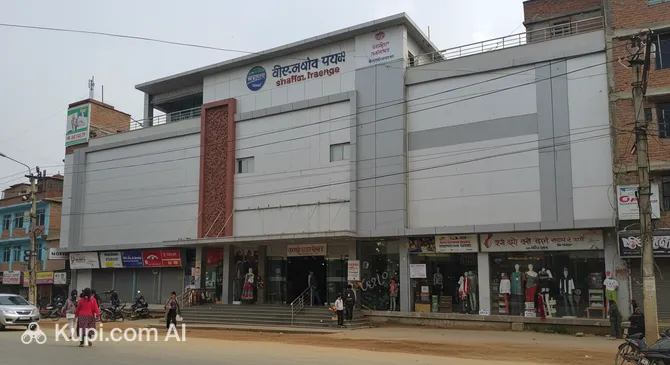
For those looking to experience the modern side of the city, Central Mall is a popular destination. As a contemporary shopping and entertainment complex, it provides a cool respite from the humid climate. Tourists can browse through various retail outlets, catch a movie at the cinema, or enjoy a meal at the food court. It is a bustling gathering place where locals and visitors alike come to relax and socialize.

Central Mall. Source: Kupi.Binoculars

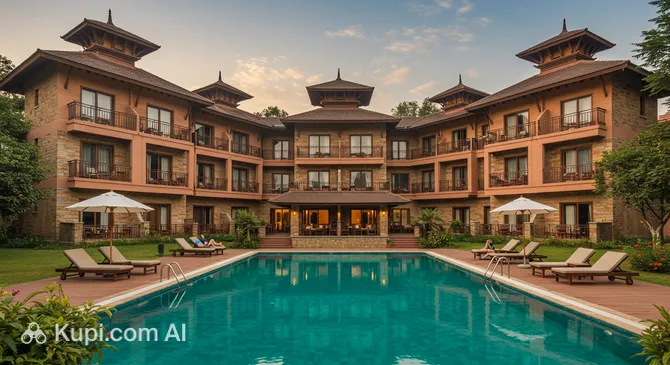
Travelers interested in the local hospitality scene often visit the Hotel Harrison Palace. Beyond being a place to stay, this establishment is a well-known landmark in Biratnagar, often appreciated for its architecture and amenities. It stands as a symbol of the city's growing capacity to host international and domestic guests with comfort and style.

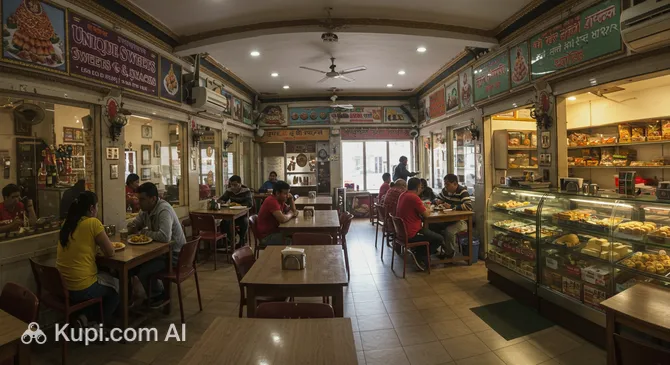
Finally, no trip to this region is complete without tasting the local flavors. Unique Sweets & Snacks is a delightful stop for food enthusiasts. Here, you can indulge in a variety of traditional sweets and savory snacks that define the culinary landscape of eastern Nepal. It is an excellent spot to recharge and sample the authentic tastes that are favored by the local residents.

Local Cuisine

The culinary landscape of Biratnagar is a delightful reflection of its location in the fertile Terai plains, blending traditional Nepalese staples with strong influences from neighboring India. Due to its proximity to the border, the local food tends to be richer and spicier than what you might find in the Himalayan regions. The city is a paradise for food lovers, offering everything from hearty rice meals to an endless variety of mouthwatering street snacks.

No visit is complete without trying the quintessential Dal Bhat Tarkari, a wholesome platter of steamed rice, lentil soup, and seasonal vegetable curries. However, the real star of Biratnagar's food scene is its street food culture. In the evenings, the streets come alive with vendors selling Chat, Pani Puri (crispy hollow balls filled with tangy water), and spicy Samosas. For meat lovers, Sekuwa—marinated meat grilled over a wood fire—is a popular local delicacy that pairs perfectly with puffed rice and spicy pickles.

The city also has a profound love for sweets, a tradition likely influenced by its southern neighbors. Local sweet shops are bustling with activity, offering treats like Jalebi, Lalmohan, and fresh Pedas. For those looking to indulge in these sugary delights, Unique Sweets & Snacks is a fantastic place to sample authentic confections and savory bites in a hygienic setting.

Unique Sweets & Snacks. Source: Kupi.Binoculars

To beat the heat of the plains, locals often turn to refreshing drinks. Lassi, a thick and sweet yogurt-based drink, is a favorite way to cool down during the humid summer months. Chiya (spiced milk tea) remains the most popular hot beverage, consumed throughout the day at small tea stalls where people gather to socialize. For adult beverages, you can find standard domestic beers as well as local rice spirits in certain establishments.

While traditional flavors dominate, the dining scene is evolving to include international tastes. If you find yourself craving something different from curries and rice, Pizfire, Pipal Chowk offers a modern menu with pizzas and fast food, providing a nice contrast to the traditional eateries. Whether you are eating at a roadside stall or a sit-down restaurant, the food in Biratnagar is served with warmth and generous hospitality.

Travel Tips

Welcome to Biratnagar, the vibrant industrial heart of eastern Nepal! To help you navigate the bustling streets and humid climate of the Terai plains with ease, here are some practical tips to ensure your visit is as smooth and enjoyable as possible.

  1. Clothing and Gear: Since Biratnagar is located in the flatlands, the weather can get quite hot and humid, especially in summer. Pack breathable cotton clothing and comfortable sandals or walking shoes. If you plan to visit religious sites like the Kali Temple, remember to dress modestly—covering your shoulders and knees is essential. Don't forget to bring a universal travel adapter and, most importantly, a good quality mosquito repellent, as bugs can be active in the evenings.

  2. Transportation: The most popular and convenient way to get around the city is by using City Safaris (electric rickshaws). They are eco-friendly, ubiquitous, and very affordable for short distances. Taxis are available but less common for quick hops. Ride-hailing apps are not as dominant here as in Kathmandu, so it is best to rely on these e-rickshaws; just be sure to agree on the fare before you hop in.

  3. Finances: The local currency is the Nepalese Rupee (NPR). While credit cards are accepted in major hotels and the Central Mall, cash is king in local markets and smaller eateries. ATMs are widely available, particularly around the main commercial hubs like Mahendra Chowk. Indian Rupees (INR) are often accepted in this border city, but note that high-denomination Indian notes (like ₹500 and ₹2000) are generally restricted or banned.

  4. Health and Safety: Biratnagar is generally safe, but standard precautions apply. Stick to bottled or filtered water and avoid tap water. Pharmacies are plentiful, especially near major hospitals like the Nobel Medical College area, and many stay open late. Since this is a tropical region, protecting yourself from mosquito bites is crucial to avoid dengue or malaria, particularly during the monsoon season.

  5. Communication: Nepali is the primary language, though Maithili is also widely spoken. English is understood in business circles, hotels, and higher-end restaurants, but learning a few local phrases like "Namaste" (Hello/Greetings) and "Dhanyabaad" (Thank you) will go a long way with the locals. You can easily purchase a local SIM card (Ncell or Nepal Telecom) at the airport or local shops with a passport photo and a copy of your ID.

  6. Local Etiquette: The culture here is warm but conservative. Always greet people with a polite "Namaste." When visiting homes or temples, remove your shoes before entering. If you eat with your hands—a common practice here—always use your right hand, as the left is considered unclean for dining. It is also polite to ask for permission before taking photos of locals.

  7. What to Avoid: Avoid public displays of affection, such as kissing or prolonged hugging, as this is frowned upon in traditional Nepalese society. Also, try not to wear revealing clothing when walking through crowded local bazaars to avoid unwanted attention.

  8. Border Market Tip: Biratnagar is located right next to the Indian border town of Jogbani. Many locals cross over to shop for textiles and goods at lower prices. If you have the correct visa documentation (for re-entry into Nepal or entry into India), visiting the border market can be a chaotic but fascinating cultural experience.

By keeping these practical points in mind, you will be well-prepared to embrace the energy and hospitality of Biratnagar. Enjoy the unique blend of industrial buzz and cultural charm that this gateway city has to offer!

Entertainment & Nightlife

While Biratnagar is primarily an industrial and business hub, its nightlife scene has been steadily evolving to cater to both locals and visiting travelers. Unlike the high-energy party atmosphere of Kathmandu or Pokhara, the evening culture here is more laid-back and centered around social dining, cozy lounges, and family-friendly entertainment. The city quiets down relatively early, but there are still excellent spots to unwind after a day of exploration.

The main centers of evening activity are clustered around the major intersections, particularly Traffic Chowk, Mahendra Chowk, and the bustling Main Road. In these areas, you will find a variety of restaurants and hotel bars that offer a pleasant atmosphere for a night out. The vibe is generally casual to smart-casual; you won't need formal attire, but dressing neatly is appreciated in the upscale hotel lounges.

For those seeking a sophisticated evening with quality service, the Hotel Harrison Palace is a standout destination. It is one of the city's premier establishments, often featuring a well-stocked bar and a refined dining area where you can enjoy cocktails and dinner in a comfortable setting. It is a popular spot for business travelers and couples looking for a safe and classy environment to relax.

Hotel Harrison Palace. Source: Kupi.Binoculars

If you prefer a more casual and youthful vibe, Pizfire, Pipal Chowk is a fantastic choice. Known for its wood-fired pizzas and modern ambiance, it is a great place to hang out with friends, enjoy good food, and soak in the local urban energy. The venue often attracts a younger crowd and stays lively into the evening, making it a staple of the local social scene.

Beyond dining and drinking, entertainment in Biratnagar often revolves around the Central Mall. This complex is the heart of modern leisure in the city, housing a state-of-the-art QFX Cinema. Catching a Bollywood blockbuster or the latest Hollywood release is a favorite pastime for locals. The mall also features a food court and gaming zones, remaining bustling and bright until it closes, typically around 9:00 PM or 10:00 PM.

When planning your night out, keep in mind that public transportation options like the electric City Safaris (rickshaws) become scarce after 9:00 PM. It is highly advisable to arrange a taxi through your hotel or have a reliable vehicle if you plan to stay out late. The city is generally safe for evening walks along the main well-lit avenues, but it is best to avoid dimly lit side streets and return to your accommodation by late evening.

During the daytime, entertainment options shift towards cultural and recreational activities. Apart from the cinemas, you can visit local parks or explore the nearby community forests for a picnic. However, for the most vibrant experience, the evenings at the local markets and the venues mentioned above offer the best taste of Biratnagar's urban lifestyle.

Parks & Museums

While Biratnagar is primarily recognized as an industrial powerhouse, the city and its surroundings offer surprising pockets of greenery and rich historical heritage. Beyond the busy markets and factories, travelers can find serene natural escapes and sites that trace the region's legacy back to ancient times.

For nature lovers, the most popular local getaway is the Betana Wetland (Betana Simsar), located a short drive from the city in the neighboring Belbari municipality. This community-managed forest features a beautiful lake surrounded by lush greenery, making it an ideal spot for boating, picnics, and spotting local wildlife like tortoises and migratory birds. Another significant natural attraction is the Koshi Tappu Wildlife Reserve. Although it requires a day trip, this reserve is world-renowned for its birdwatching opportunities and for being the last habitat of the endangered wild water buffalo (Arna). It serves as a peaceful contrast to the urban energy of Biratnagar.

In terms of cultural history, the city is deeply connected to the legends of the Mahabharata. A key site to visit is the King Birat Palace Museum in Bhediyari (Biratnagar-18). Recently developed into a more accessible heritage site, this area protects the archaeological ruins believed to be the palace of King Virata. Excavations here have unearthed ancient punch-marked coins and pottery, offering a tangible link to the city's mythological past. It is a fascinating stop for history buffs interested in the intersection of folklore and archaeology.

Biratnagar also serves as a "living museum" of Nepal's industrial history. The Biratnagar Jute Mill, established in 1936, is not only the country's first large-scale industry but also a site of immense political significance, having been the launchpad for early democratic movements. While not a conventional museum with glass cases, the premises stand as a testament to the nation's economic and political evolution.

Insider Tip: If you visit the Betana Wetland, try to go on a weekday morning to avoid the picnic crowds. For a unique local experience, take a walk around the Sahid Rangashala stadium area in the evening, where locals gather to exercise and socialize in the open air.

Getting Around

Navigating Biratnagar is a unique experience that differs significantly from the transport systems found in larger global capitals. The city does not possess a metro, tram, or heavy rail network for internal commuting. Instead, the public transport system is entirely road-based, informal, and relies heavily on smaller vehicles that are perfectly suited to the flat terrain and narrow streets of the city.

The most iconic and ubiquitous mode of transport here is the City Safari. These are battery-operated electric rickshaws that function as the primary lifeline for locals moving between neighborhoods. They are eco-friendly, quiet, and can be found on almost every corner. You can hire them as a private taxi for a specific trip or hop into a shared one that follows a rough route along major roads. For longer distances or travel to the outskirts, larger public buses and gas-powered three-wheelers (tempos) are available, though they are less frequent and often more crowded than the electric rickshaws.

The payment system in Biratnagar is traditional and straightforward: cash is king. There are no electronic travel cards, tap-to-pay systems, or transport apps for ticketing. Passengers pay the driver directly, usually at the end of the journey. Fares are exceptionally low by international standards. A short hop in a shared City Safari might cost as little as 15 to 20 Nepalese Rupees (NPR), while a private hire will cost more and requires negotiation. It is highly recommended to carry small denominations of currency (NPR 10, 20, and 50 notes), as drivers often struggle to provide change for large bills.

For tourists, the best advice is to confirm the price before getting into any vehicle, especially if you are hiring a rickshaw for a private trip. While locals pay fixed rates for shared routes, drivers may quote higher prices to visitors, so a polite negotiation is acceptable. To catch a ride, simply wave your hand from the roadside; there are designated stops for buses, but City Safaris can be hailed anywhere. Be aware that public transport generally operates from early morning until around 8:00 PM or 9:00 PM. Late-night services are virtually non-existent, so you should plan your return trips accordingly.

As an alternative to public transit, taxis are available, though they are not as constantly visible cruising the streets as they are in Kathmandu. They are best found at major hubs like the airport, bus parks, or near large hotels. Ride-sharing apps are slowly making an entrance into the region, but availability can be sporadic compared to the capital. For short distances within the main market areas, walking is often the most efficient option, allowing you to soak in the local atmosphere without the hassle of traffic.

Accommodation

Where to Stay:

Accommodation in Biratnagar primarily caters to business travelers, cross-border traders, and transit tourists heading to the eastern hills or India. Consequently, the city offers a functional range of lodging options, spanning from simple budget guesthouses to comfortable mid-range hotels. While you will not find the ultra-luxury resorts typical of major tourist hubs like Pokhara, the standard of hospitality is warm, and the amenities in the better hotels are sufficient for a pleasant stay.

For the most convenient experience, it is best to stay near the city center, particularly around Traffic Chowk, Mahendra Chowk, or along the bustling Main Road. Staying in these areas places you within walking distance of local eateries, shopping centers like the Central Mall, and transport links. Alternatively, if you are in the city solely for a quick flight connection, there are several decent lodging options located near the airport, which allow you to avoid the city's daytime traffic.

Travelers looking for modern amenities and a higher level of comfort often choose the Hotel Harrison Palace. As one of the premier establishments in the city, it provides a blend of luxury and convenience that appeals to international visitors and business professionals alike. It is a reliable choice for those who prioritize air-conditioned rooms, reliable Wi-Fi, and on-site dining options.

In terms of pricing, Biratnagar is generally more affordable than Kathmandu. Budget travelers can find clean rooms for very reasonable rates, while "luxury" stays here are priced similarly to mid-range options in the capital. While major hotels can be booked via international online platforms, many smaller budget lodges still rely on direct phone bookings or walk-ins.

Booking Tip: Although finding a room is usually easy, the city frequently hosts business conferences and large wedding parties which can book out the top-tier hotels unexpectedly. It is advisable to secure your reservation in advance, especially during the wedding season (typically winter and spring) or major festivals like Dashain.

Nearby Cities

Biratnagar's strategic location in the southeastern flatlands of the Koshi Province makes it an ideal launchpad for exploring the diverse landscapes and cultural heritage of eastern Nepal. From the cooling breezes of the nearby foothills to historic towns steeped in mythology, several fascinating destinations are easily accessible by road, offering travelers a chance to experience the region's variety beyond the industrial hub.

The most popular getaway from the heat of the plains is Dharan, located just 39 km to the north. Known as the gateway to the eastern hills, this vibrant city offers a refreshing change in climate and scenery. It is famous for its cleanliness, the sacred Budha Subba Temple, and as a transit point for trekkers heading further into the mountains. The short distance makes it perfect for a day trip or a weekend retreat to enjoy the cooler air and lively local culture.

For those interested in history and religious architecture, Janakpur is a significant destination situated approximately 136 km to the west. As the birthplace of the Goddess Sita and the setting for the ancient epic Ramayana, it attracts pilgrims and tourists alike to its magnificent Janaki Mandir. Closer to Biratnagar, the city of Rajbiraj, about 52 km away, offers a glimpse into the rich history of the Saptari district and is known for its well-planned urban layout dating back to the mid-20th century.

Travelers planning a longer journey towards the Kathmandu Valley might include stops at Bhaktapur or Godawari. Although these destinations are around 228 km away, representing a significant journey by road, they connect the eastern plains to the ancient art and natural splendor of the capital region.

Here is an overview of nearby cities and their distances from Biratnagar:

City Name Population Distance (km)
Dharan 116,181 39
Rajbiraj 80,000 52
Janakpur 97,776 136
Bhaktapur 81,748 228
Godawari 78,018 228

Shopping & Souvenirs

Shopping in Biratnagar offers a fascinating glimpse into the commercial heartbeat of eastern Nepal. As a major industrial and trade hub, the city provides a mix of bustling traditional bazaars and emerging modern retail spaces. While it may not be a high-end fashion destination, it is an excellent place to find practical goods, textiles, and authentic local products at very reasonable prices. The shopping scene here is less about luxury brands and more about the vibrancy of daily trade and the variety of goods flowing across the nearby border.

The primary shopping district runs along the busy Main Road, stretching from Traffic Chowk to Mahendra Chowk. This area is the commercial spine of the city, lined with countless shops selling everything from clothing and electronics to jewelry and household items. Walking down this street, you will encounter a lively atmosphere where locals bargain for the best deals. It is the best place to find fabric shops offering colorful sarees and kurta suruwal materials, which are staples of local fashion.

For a more comfortable and modern shopping experience, Central Mall is the city's premier destination. Located centrally, this complex brings a touch of contemporary retail to the Terai plains. Inside, you can find branded clothing stores, footwear, and accessories in an air-conditioned environment, which provides a welcome escape from the outdoor heat. It is a one-stop shop where you can browse for international and domestic brands before heading to the food court.

If you are interested in the local market culture, a visit to Gudri Bazaar is a must. This is the city's largest vegetable and spice market, offering a sensory explosion of colors and smells. While it is primarily a place for fresh produce, navigating through its crowded lanes gives you a true sense of the local lifestyle. Additionally, many locals flock to the border town of Jogbani to shop. Although technically just across the border, its markets are an integral part of Biratnagar's shopping ecosystem, famous for extremely affordable textiles and household goods.

When it comes to souvenirs, Biratnagar's identity as an industrial city shines through. The region is famous for its jute production, so looking for eco-friendly jute bags, mats, or handicrafts is a great idea; they are durable, practical, and locally made. Another popular item to bring back is the famous local sweet, Peda. You can purchase high-quality boxes of these milk-based treats at Unique Sweets & Snacks, ensuring you take a taste of the city home with you.

Most shops in Biratnagar typically open around 10:00 AM and close by 8:00 PM. Saturdays are the official weekly holiday in Nepal, so government offices and banks will be closed, but many retail shops remain open to cater to weekend shoppers. Cash is the preferred method of payment in most smaller shops and local markets. While the mall and larger hotels accept credit cards, it is essential to carry sufficient Nepalese Rupees (NPR) in smaller denominations when exploring the bazaars.

Regarding tax-free shopping, tourists should not expect immediate VAT refunds at local counters. While Nepal has a system for tax refunds at the international airport in Kathmandu for large purchases, the process is complex and generally not applicable to the smaller, everyday items you would typically buy in Biratnagar's markets.

Reached the end of the page?

That means the route is fully explored