Support

Shillong

About

Shillong, the capital of Meghalaya, is a mesmerizing hill station nestled in the northeastern part of India. Known for its rolling hills, lush pine forests, and vibrant culture, it is often affectionately referred to as the "Scotland of the East" due to its striking resemblance to the European highlands. This charming city offers a unique blend of modern vitality and traditional warmth, creating an atmosphere that captivates visitors from the moment they arrive.

Shillong. Source: Kupi.Binoculars

Situated at an altitude of roughly 1,500 meters above sea level, the city enjoys a cool and refreshing climate throughout the year, making it a perfect escape from the tropical heat. With a population of approximately 143,000 residents, it serves as a bustling hub of education and commerce while retaining its serene character. The rich history of Shillong is deeply intertwined with the colonial era, which is still evident in its quaint architecture, old-world cottages, and influential educational institutions.

Travelers are drawn to its stunning natural beauty, including the breathtaking Elephant Falls and the expansive Umiam Lake, which offers spectacular spots for picnics and water sports. The city is also celebrated for its dynamic music scene, earning it the title of the "Rock Capital of India." For the best vantage point, visitors can head to Shillong Peak to enjoy panoramic views of the verdant landscape below.

Whether you are a nature lover, a music enthusiast, or simply seeking a peaceful retreat, this enchanting city promises an unforgettable experience. Its welcoming locals and scenic vistas make it a must-visit destination for anyone exploring the region.

Weather Overview

Shillong is known for its refreshing and moderate climate, though visitors should be prepared for distinct seasonal variations. The weather in Shillong remains pleasant for much of the year, offering a cool retreat from the tropical heat of the plains.

During the warmest months from June to August, the average temperature hovers around 23.5°C, with highs rarely exceeding 26°C. However, this period coincides with the monsoon season, which brings significant rainfall and up to 31 wet days per month. In contrast, the winter months of December and January are crisp and dry, with average temperatures dropping to 12.5°C and lows dipping to around 7.6°C. Travelers can generally expect warm, humid summers with frequent rain and cool, dry winters ideal for outdoor activities.

Interesting Facts

Beyond the popular waterfalls and scenic viewpoints, Shillong holds many fascinating cultural secrets and unique traditions that often surprise visitors. Here are some intriguing facts that make this hill station truly special:
  • Matrilineal Society: The local Khasi community follows a rare and ancient matrilineal system where lineage, wealth, and family names are passed down through the mother, with the youngest daughter, or 'Khadduh', inheriting the ancestral property.

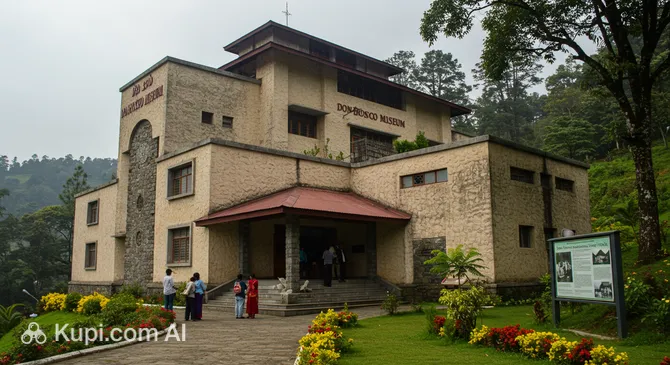
  • A Museum of Seven Floors: The Don Bosco Museum is not just a gallery but a massive seven-story hexagonal building representing the seven states of Northeast India, widely acclaimed as one of the largest museums of indigenous cultures in Asia.

  • The Gleneagles of the East: Shillong is home to one of the oldest and wettest golf courses in the world, established in 1898; unlike most courses, it is a natural golf course maintained by the grazing of local cattle.

  • Autumn Cherry Blossoms: While most of the world associates cherry blossoms with spring, Shillong turns into a canvas of pink and white in November, hosting a unique International Cherry Blossom Festival that celebrates the autumn flowering of Himalayan Cherry trees.

Don Bosco Museum. Source: Kupi.Binoculars

How to Get There

Reaching the scenic hill station of Shillong is a journey through the rolling landscapes of Meghalaya. While the city is tucked away in the hills, it remains accessible via air travel, with road connections completing the final leg of the trip. For a detailed overview of all travel options, you can read more about how to get to Shillong and plan your route accordingly.

The most direct way to arrive is via Shillong Airport (IATA: SHL), also known as Umroi Airport. It is located approximately 16 km from the city center. Although it is a smaller facility with an annual passenger traffic of around 120,000, it offers the convenience of landing close to your destination. The drive from the airport to the heart of Shillong typically takes about 45 minutes by taxi, allowing you to quickly immerse yourself in the city's charming atmosphere.

Another option is to fly into Kumbhirgram Airport (IATA: IXS), situated in the city of Silchar. While the airport is geographically about 132 km away from Shillong, the actual journey involves navigating winding mountain roads. Travelers choosing this route should be prepared for a longer onward trip; a taxi or bus ride from Silchar to Shillong generally takes approximately 6 to 7 hours, offering scenic views of the region along the way.

For clarity, here is a summary of the main airports in the wider region:

Airport Name City Passenger Traffic Km from City
Sylhet Civil AirportSylhetLarge68.4
Kumbhirgram AirportSilcharMedium131.9
Dimapur AirportDimapurMedium191.4
Shillong AirportShillongSmall16.3
Trashigang (Yonphula)TrashigangSmall189.6

Main Attractions

Shillong is packed with picturesque spots and cultural landmarks that reflect its colonial heritage and natural beauty. From soaring peaks to serene parks, the city offers a diverse range of experiences for every traveler. Exploring these local highlights provides a deeper understanding of why this hill station is so beloved.

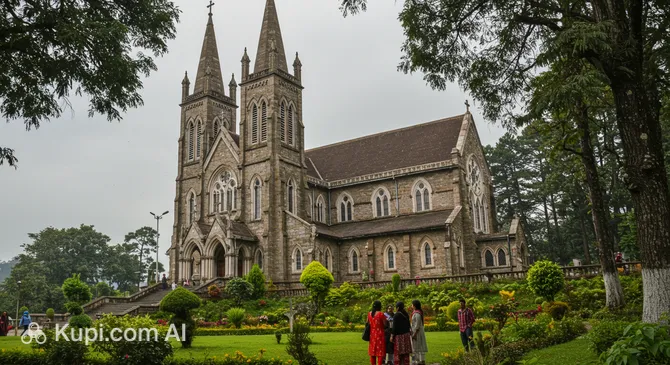
One of the most iconic landmarks is the Cathedral of Mary Help of Christians. Located in the Laitumkhrah area, this magnificent blue structure is renowned for its high arches and stunning stained glass windows. It stands on the site of the first church built by German missionaries and serves as the principal place of worship for the Catholics of the region. Tourists are drawn here not just for spiritual reasons but to admire the architectural grandeur and the peaceful atmosphere that surrounds the cathedral.

Cathedral of Mary Help of Christians. Source: Kupi.Binoculars

For those seeking breathtaking vistas, Shillong Peak is an absolute must-visit. Situated at an altitude of 1,965 meters, it is the highest point in the city and offers panoramic views of the sprawling town below, the distant Himalayas, and even the plains of Bangladesh on clear days. The area is shrouded in local folklore and provides a perfect backdrop for photography enthusiasts looking to capture the essence of the "Scotland of the East."

Nature lovers will find a quiet retreat at Lady Hydari Park. Designed in the style of a Japanese garden, this manicured park features willow trees, small ponds, and a variety of blooming flowers. It also houses a small mini-zoo, making it a popular destination for families with children. The park's well-maintained pathways and lush greenery offer a relaxing break from the bustling city streets.

Lady Hydari Park. Source: Kupi.Binoculars

History buffs should make time for the Rhino Heritage Museum. Located at the Rilbong crossing, this museum is dedicated to the history of the military in the region and is housed in a historic building that dates back to 1928. Inside, visitors can view a collection of historical photographs and artifacts that showcase the rich legacy of the armed forces in Meghalaya.

Local Cuisine

Local Cuisine:

The culinary landscape of Shillong is a delightful reflection of the indigenous Khasi culture, characterized by simple yet distinct flavors that rely heavily on fresh, local ingredients. Unlike the spice-heavy curries found in other parts of the country, the food here is mild, aromatic, and often seasoned with ginger, garlic, and chillies. Rice is the staple grain, and pork plays a central role in many traditional recipes, making the city a paradise for meat lovers.

The absolute must-try dish in Shillong is Jadoh, a savory specialty often compared to biryani but with a unique twist. It is prepared by cooking rice with meat (typically pork) and a blend of indigenous spices, resulting in a rich and earthy flavor. Another local favorite is Doh Khleh, a refreshing pork salad made with boiled meat, onions, and ginger, sometimes garnished with pig brains for an authentic touch. For those with an adventurous palate, Tungrymbai offers a distinct taste; it is a fermented soybean chutney cooked with black sesame seeds and pork, known for its pungent aroma and deep umami profile.

Street food is an integral part of the city's food culture, with steaming baskets of Momos visible on almost every corner. These dumplings, filled with meat or vegetables and served with a spicy chilli chutney, are the perfect snack for the cool weather. Visitors will also find plenty of stalls selling Chowmein and grilled meats, particularly in the bustling Police Bazaar area, which serves as the gastronomic heart of the town.

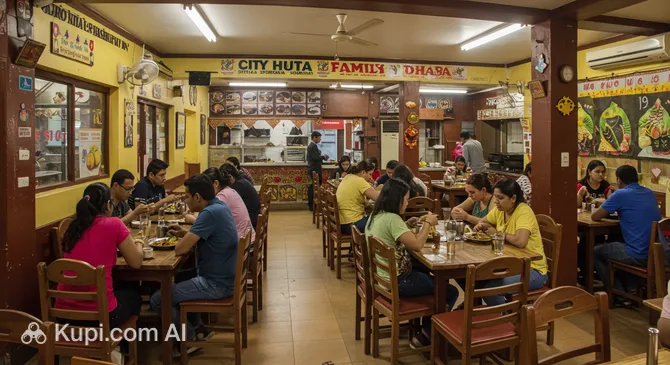
City Hut Family Dhaba. Source: Kupi.Binoculars

When it comes to beverages, the locals have a strong affinity for tea. You will often be served Sha Saw, a red tea brewed without milk and sugar, which is consumed throughout the day. On the spirited side, Kyat is a traditional fermented rice beer that holds cultural significance. It is mild, slightly sweet, and often served in bamboo tumblers during festivals and local gatherings.

The dining scene in Shillong ranges from vibrant street stalls to cozy cafes and family-style restaurants. For a comfortable sit-down meal where you can sample a variety of dishes, City Hut Family Dhaba is a popular choice among both tourists and residents. Known for its warm ambiance and diverse menu, it provides a great introduction to the region's hospitality. Alternatively, if you are in the mood for Asian flavors, Kim Pou Chinese Banquet offers a distinct local take on Chinese cuisine that has been adapted to suit the Shillong palate.

Travel Tips

To ensure your journey through the rolling hills and vibrant streets of Shillong is as seamless as it is memorable, we have compiled a set of essential guidelines for your trip. These practical insights will help you navigate the local customs, climate, and logistics, allowing you to focus entirely on the beauty of Meghalaya.

  1. Clothing and Gear: Since the weather can be unpredictable, carrying an umbrella or a sturdy raincoat is absolutely essential, regardless of the season. Layering is the best strategy; bring light cottons for sunny afternoons and warm woolens or jackets for the cool mornings and evenings. Comfortable, non-slip walking shoes are a must, as exploring the hilly terrain and waterfalls often involves walking on steep or slippery paths.

  2. Transportation: The most common way to get around is by using the local black-and-yellow taxis. These often operate on a shared basis for a fixed rate, which is very economical, though you can also hire them exclusively for a higher fare. Ride-hailing apps are not widely reliable here, so it is better to rely on these taxis or explore the compact city center on foot. Be prepared for traffic jams, especially around the Police Bazaar area.

  3. Finances: The currency used is the Indian Rupee (INR). While hotels and upscale restaurants in Shillong accept credit and debit cards, cash is still king for street food, local markets, and shared taxis. ATMs are plentiful in the main city areas like Police Bazaar and Laitumkhrah, but it is wise to carry sufficient cash when venturing to outskirts or smaller villages.

  4. Health and Safety: Shillong is generally a very safe destination for tourists, including solo female travelers. Pharmacies are easily accessible in the city center, with some near Police Bazaar staying open late. However, the terrain can be physically demanding, so take it slow if you are not used to walking uphill. Always drink bottled or filtered water to avoid stomach issues.

  5. Communication: You will find that English is widely spoken and understood, as it is the official language of the state, making communication very easy. The local language is Khasi; learning a simple greeting like "Khublei" (which functions as both hello and thank you) will go a long way in endearing you to the locals. Wi-Fi is available in most hotels and cafes, and mobile data coverage is generally good within the city limits.

  6. Local Etiquette: The people of Shillong are polite and soft-spoken. It is customary to be respectful and patient in interactions. Meghalaya is home to a unique matrilineal society where women hold a significant status in the family structure; showing due respect to women is deeply ingrained in the culture. Always ask for permission before photographing locals, especially in rural areas.

  7. What to Avoid: Do not expect a late-night culture; the city tends to sleep early, with most shops and eateries closing by 8:00 or 9:00 PM. Also, avoid loud or aggressive behavior in public spaces, as the local atmosphere is calm and community-oriented. Littering is strictly frowned upon, especially since the region prides itself on cleanliness.

  8. Daylight Hours: Keep in mind that the sun rises and sets much earlier in Northeast India than in the rest of the country. It can get dark as early as 4:30 PM in winter and 5:30 PM in summer. Plan your sightseeing activities to start early in the morning so you can maximize the daylight hours.

Armed with these tips, you are ready to embrace the misty charm and warm hospitality of this highland city. We hope your time in Shillong is filled with breathtaking views, delicious discoveries, and heartwarming encounters.

Entertainment & Nightlife

Shillong is widely celebrated as the "Rock Capital of India," and its nightlife reflects this deep-rooted musical heritage. While it may not have the all-night clubbing culture of a metropolis, the city offers a vibrant and soulful evening scene centered around live music, cozy lounges, and spirited gatherings. The atmosphere is generally laid-back and welcoming, with a crowd that ranges from music-loving locals to young students and tourists looking to unwind.

The heartbeat of the city's entertainment is undoubtedly Police Bazaar, a bustling district that remains lively into the evening. Here, you can find a variety of eateries and bars where the sound of guitar strumming is never far away. Another key area is Laitumkhrah, a neighborhood frequented by the youth, packed with trendy cafes and outlets that transform into lively hangouts after dark. Visitors should be aware that the city tends to sleep early; most venues wind down by 9:00 PM or 10:00 PM, so it is best to start your evening early to make the most of the experience.

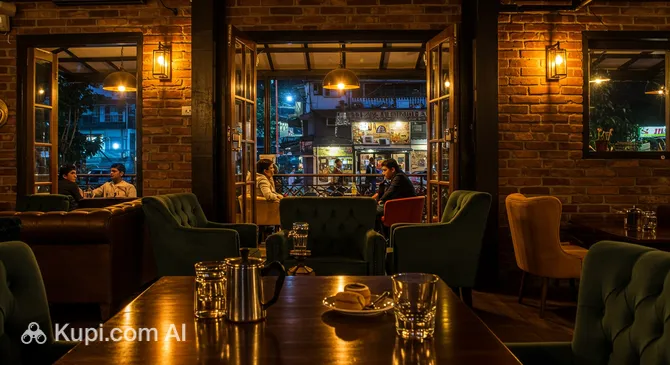
For those seeking a specific spot to enjoy the evening vibe, The Loft - Cafe & Restaurant is a popular choice. Known for its inviting ambiance, it offers a great mix of food and drinks, making it a perfect place to relax after a day of sightseeing. The venue often attracts a stylish crowd and provides a comfortable setting for conversation and dining.

The Loft - Cafe & Restaurant. Source: Kupi.Binoculars

Another notable venue is Kitchen Xpress, which caters to those looking for a casual environment to enjoy refreshments. While the dress code in most Shillong establishments is casual to smart-casual, carrying a light jacket is recommended as temperatures drop significantly at night. Prices are generally moderate compared to major Indian cities, offering good value for high-quality food and entertainment.

When it comes to safety, Shillong is relatively safe for night walks in main areas like Police Bazaar, but the streets can become deserted quite early. It is advisable to arrange your return transportation in advance. Local taxis are the primary mode of transport; however, finding one late at night can be challenging, so keeping a trusted taxi driver’s number handy is a practical tip for night owls.

Beyond the nightlife, the city offers delightful daytime entertainment options. Families can enjoy the serene atmosphere of Lady Hydari Park or visit the State Central Library area, which occasionally hosts cultural events and plays. For a dose of history and culture, the museums, such as the Don Bosco Museum mentioned earlier, provide fascinating insights into the region's heritage, making them excellent stops before the sun sets and the music begins.

Parks & Museums

Shillong is a city that breathes through its lush green spaces and preserves its stories within quiet museum halls. Beyond the misty hills and bustling bazaars, the city offers manicured gardens and cultural centers that provide a deeper look into the region's rich biodiversity and heritage. Whether you are seeking the tranquility of nature or a journey through history, these spots offer a refreshing change of pace.

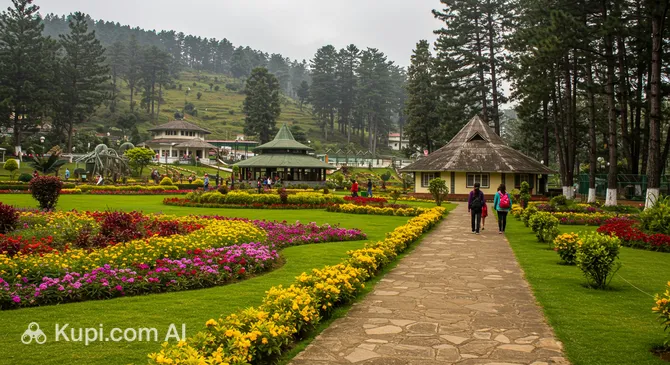
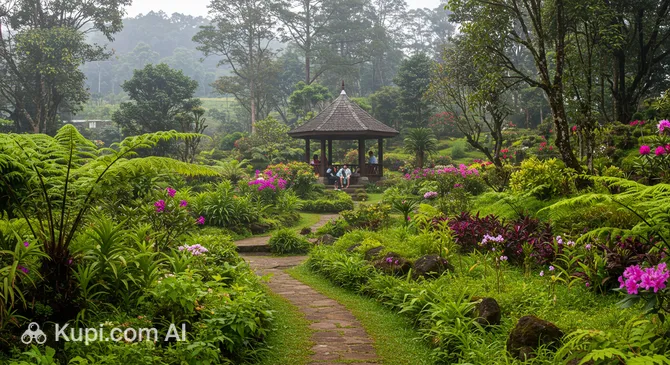
The Botanical Garden is a serene haven for flora enthusiasts. Situated in a quiet enclave, this verdant sanctuary showcases a wide variety of indigenous and exotic plants, including the rare orchids for which Meghalaya is famous. With its shaded pathways and vibrant flower beds, it offers a peaceful environment for a leisurely stroll, allowing visitors to admire the region's botanical diversity away from the city's traffic.

Botanical Garden. Source: Kupi.Binoculars

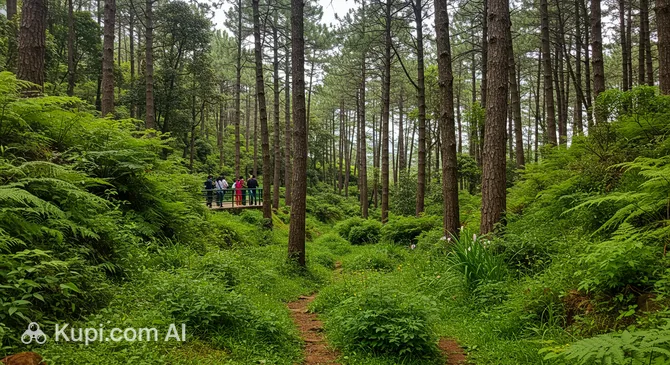
For those seeking a more immersive nature experience, the Upper Shillong Forest is an excellent choice. Often referred to as the Laitkor Protected Forest, this area is characterized by towering pine trees and refreshing mountain air. It is a perfect spot for nature walks and photography, offering a raw and untouched glimpse of the hill station's natural beauty. The forest trails here are ideal for those who want to escape the urban noise and connect with the wilder side of the highlands.

Upper Shillong Forest. Source: Kupi.Binoculars

While the city boasts several well-known museums, exploring the smaller, specialized collections can be equally rewarding. The Wankhar Entomology Museum is a unique, privately-owned establishment that houses an impressive collection of butterflies, moths, and beetles from the region. It is a fascinating stop for nature lovers, offering insight into the vibrant insect life of the Northeast. Another significant institution is the Captain Williamson Sangma State Museum, which displays a range of ethnic artifacts, traditional tools, and musical instruments, providing a comprehensive overview of the lifestyle and traditions of Meghalaya's three major tribes.

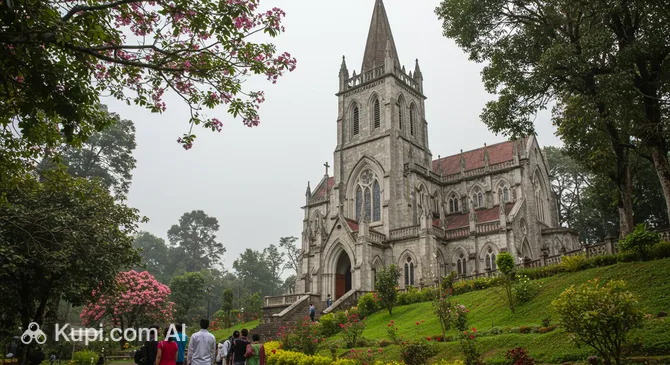
Shillong's colonial past is also beautifully preserved in its religious architecture. The All Saints' Cathedral is a charming example of colonial-era construction located near the Barik Point. Unlike modern concrete structures, this cathedral features an elegant design with high sloping roofs and wooden interiors, reminiscent of traditional European churches. It exudes an old-world charm and offers a serene space for reflection amidst the busy city.

All Saints' Cathedral. Source: Kupi.Binoculars

For a mix of history and hiking, travelers can head to Malki Point. This location serves as a gateway to a popular trekking trail that leads up to the city's viewpoints. It is historically significant as a local landmark and offers a vigorous climb through the woods. The effort is rewarded with sweeping views of the cityscape, making it a favorite spot for both fitness enthusiasts and sightseers.

Insider Tip: If you have time for a short excursion, visit the Mawphlang Sacred Grove, located about 25 km from Shillong. It is an ancient forest preserved by local religious sanctions where not a single leaf is allowed to be taken out, resulting in a dense and mystical ecological heritage site that feels like stepping back in time.

Getting Around

Public transport in Shillong differs significantly from that of large metropolises; there is no metro, tram, or train network within the city limits. Instead, the system relies entirely on road-based vehicles, specifically designed to navigate the winding and hilly terrain. The most visible and efficient mode of transport is the ubiquitous fleet of black-and-yellow taxis (often Maruti 800s or Altos), which function as the primary lifeline for both locals and visitors.

For tourists, understanding the distinction between "shared" and "reserved" taxis is crucial. Most local taxis operate on a shared basis, plying fixed routes and picking up multiple passengers heading in the same direction. This is a highly cost-effective way to travel, as you pay a fixed rate per seat. However, if you prefer privacy or need to reach a specific off-route location, you can hire the vehicle as "reserved," meaning you pay the full fare for the entire car. It is advisable to agree on the fare before starting a reserved journey.

In addition to taxis, the city operates the Shillong Public Transport Service (SPTS), easily recognizable by their red and green buses (often called "SPTS buses"). These provide connectivity between various neighborhoods and the central hub at Police Bazaar. While they are the most budget-friendly option available, they can become quite crowded during peak hours and are generally slower than taxis due to frequent stops and traffic.

When it comes to payment, cash is the absolute standard. There are no electronic travel cards, smart passes, or tap-to-pay systems for public transport here. Major ride-hailing apps are generally not available or reliable within the city, so you cannot rely on booking rides via your phone. Visitors should always carry small denominations of currency to pay for fares, as drivers and conductors often do not have change for large notes.

A few practical tips will help you navigate the system smoothly. Traffic congestion can be severe, particularly in the mornings and late afternoons, so allow extra time for travel. Crucially, public transport tends to wind down early compared to other cities; finding a taxi after 8:00 PM or 9:00 PM can be challenging. For short distances within the city center, walking is a pleasant alternative, though you should be prepared for steep inclines and the physical demands of the hilly landscape.

Accommodation

Finding the perfect place to stay in Shillong is part of the charm of visiting this hill station. The city offers a surprisingly wide spectrum of accommodation options, ranging from budget-friendly backpacker hostels to luxurious resorts tucked away in pine forests. A unique feature of the local hospitality scene is the abundance of homestays and heritage bungalows. These properties, often run by local families, provide an intimate glimpse into the Khasi way of life and are famous for their warm hospitality and home-cooked meals.

When choosing a location, the Police Bazaar area is the most convenient hub for tourists who want to be in the thick of the action. Staying here puts you within walking distance of the main markets, taxi stands, and restaurants. However, it can be quite noisy and crowded. For a more relaxed vibe with a youthful energy, the Laitumkhrah neighborhood is an excellent alternative, dotted with trendy cafes and closer to the city's cultural centers. Travelers seeking tranquility and scenic views often prefer Upper Shillong or the areas near Umiam Lake, which are further from the city center but offer a peaceful retreat amidst nature.

Accommodation prices in Shillong cater to all budgets. Backpackers and budget travelers can find decent guesthouses and dorms at very affordable rates, while mid-range hotels offer comfortable amenities for families. The luxury segment includes high-end resorts that command premium prices, especially those offering spa services or lake views. While major online booking platforms are widely used, many smaller homestays and guest houses still operate on direct bookings or phone reservations.

Booking Tip: Shillong is a favorite destination for domestic tourists, particularly during the summer months (April to June) and the Cherry Blossom season in November. During these peak times, good accommodation fills up weeks in advance. It is highly recommended to book your stay well ahead of your trip to secure your preferred location and avoid surging prices.

Nearby Cities

For those looking to explore the surroundings, Shillong serves as an excellent base for day trips to several interesting nearby locations. While the hill station itself offers plenty of charm, descending into the neighboring plains or venturing further into the region reveals a different side of Northeast India.

Guwahati is the most prominent city nearby and serves as the gateway to the entire region. Situated on the banks of the majestic Brahmaputra River, it is a bustling urban hub known for its ancient temples, including the revered Kamakhya Temple. A trip here offers a stark contrast to the quiet hills of Meghalaya, providing a taste of vibrant city life, river cruises, and rich history.

Adjacent to Guwahati lies Dispur, the capital of the state of Assam. Although it is part of the greater Guwahati metropolitan area, it holds its own significance as an administrative and cultural center. For travelers willing to venture a bit further, Nagaon offers a glimpse into the agricultural heartland of Assam, characterized by its lush greenery and traditional Assamese culture.

City Population Distance (km)
Guwahati 1,116,267 62
Nagaon 147,137 116
Dispur 100,000 63
Karimganj 56,854 92
Hojai 47,147 107

These nearby destinations offer a glimpse into the diverse culture and landscapes of the region, ranging from spiritual landmarks to bustling river ports.

Shopping & Souvenirs

Shopping:

Shopping in Shillong is a vibrant experience that offers a delightful mix of modern fashion and deep-rooted tribal tradition. The city is not known for sprawling luxury malls but rather for its bustling street markets and government emporiums that showcase the region's craftsmanship. Visitors will find that the local retail scene is famous for high-quality handwoven textiles, bamboo handicrafts, and trendy winter wear, reflecting the city's reputation as a fashion-forward hill station.

The commercial heartbeat of the city is undoubtedly Police Bazaar. Located in the center of town, this area is a mix of modern shops, hotels, and roadside stalls. It is the go-to destination for tourists looking to buy everything from branded clothes to local handicrafts. The streets here are lined with shops selling Scottish-check fabrics, which are a nod to the city's colonial past and a popular purchase for making warm clothing. In the evenings, the area transforms into a pedestrian-friendly zone where you can browse for shoes, bags, and souvenirs amidst a lively crowd.

For a more authentic and traditional experience, Bara Bazaar (locally known as Iewduh) is the place to go. It is one of the oldest and largest traditional markets in Northeast India. Unlike the polished storefronts of Police Bazaar, this market is a labyrinth of narrow alleys filled with the sights and smells of local life. Here, villagers from surrounding areas come to sell fresh organic produce, wild mushrooms, local spices, and traditional Khasi tools. It is a fascinating spot for photographers and those who want to see the real trade culture of Meghalaya.

While Shillong does not have massive shopping complexes like metropolitan cities, it does feature smaller multi-story shopping centers. Glory's Plaza in Police Bazaar is a well-known spot, particularly famous for its "Tibetan Market" section. This is the best place to find trendy imported fashion, denim, and heavy winter jackets at reasonable prices. It is a favorite haunt for the city's fashion-conscious youth.

When it comes to souvenirs, the region's craftsmanship offers plenty of choices. Bamboo and cane products are a specialty of Meghalaya; you can find beautifully crafted baskets, furniture, and home decor items. Another must-buy is the famous Meghalaya tea and locally produced fruit squashes, particularly the orange and pineapple varieties from the nearby orchards. For something truly unique, look for Ryndia, a rare and expensive silk derived from silkworms reared by rural artisans, known for its thermal properties and durability.

Shops in Shillong typically open around 10:00 AM and close relatively early compared to other Indian cities. Most establishments in Police Bazaar shut down by 8:30 PM or 9:00 PM, while Bara Bazaar winds down even earlier, around sunset. It is important to note that Sundays are generally quiet, with many shops, especially in the traditional markets, remaining closed. Cash is the preferred mode of payment in street markets and smaller stalls, although larger stores and emporiums in the main city area readily accept credit and debit cards.

Tourists should be aware that India does not have a standard Value Added Tax (VAT) refund system for international travelers at the point of sale like in some European countries. The price you see on the tag usually includes all applicable taxes. Bargaining is acceptable and expected in street markets like Bara Bazaar and the roadside stalls of Police Bazaar, but prices in government emporiums and fixed-price showrooms are non-negotiable.
Reached the end of the page?

That means the route is fully explored