Support

Dimapur

About

Welcome to Dimapur, the bustling commercial center and the primary entry point to the beautiful state of Nagaland. As the only city in the state connected by both rail and air, it serves as a vital gateway connecting this unique region to the rest of India. With a population exceeding 120,000, the city offers a lively and dynamic atmosphere that contrasts with the quiet serenity of the surrounding hill stations.

Geographically, Dimapur is distinct from the mountainous terrain typical of Nagaland, as it is situated on the fertile plains along the banks of the Dhansiri River. This location gives it a warmer, more tropical climate compared to the capital, Kohima. Exploring the history of Dimapur reveals its deep roots as the ancient capital of the Kachari Kingdom, adding a fascinating layer of heritage to its modern urban facade.

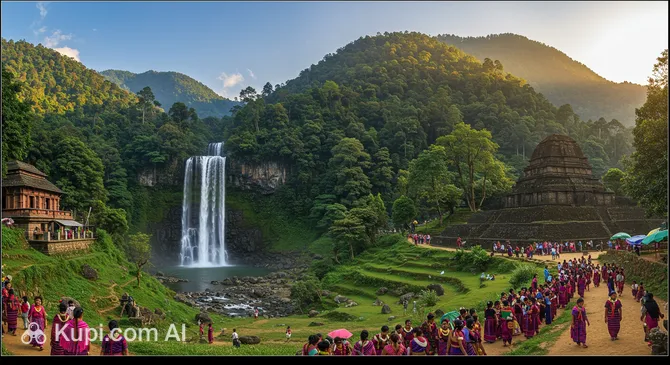
Dimapur. Source: Kupi.Binoculars

Visitors are often drawn to the city's unique blend of the old and the new. A major highlight is the Kachari Rajbari Ruins, a collection of mysterious mushroom-shaped monoliths that stand as silent witnesses to a bygone era and are a must-see for archaeology enthusiasts. For those who enjoy shopping, the famous Hong Kong Market offers a treasure trove of imported goods, trendy fashion, and local handicrafts, providing a true taste of local life. Nature lovers can also venture out to the scenic Triple Falls in the Seithekima village, a perfect spot for trekkers and picnickers.

Whether you are passing through on your way to the hills or stopping to explore its ancient heritage and vibrant markets, Dimapur offers a fascinating introduction to the culture of the Northeast. It is a city that surprises travelers with its energy and historical significance, making it a destination well worth discovering.

Weather Overview

Due to its location in the plains, the climate here is notably warmer than the surrounding hill stations of Nagaland. Visitors can generally expect a humid subtropical environment with distinct seasonal variations. To help you pack the right gear for your trip, it is helpful to check the weather in Dimapur before you travel.

The summer months, particularly from June to September, are characterized by warm temperatures and high humidity. During this period, average temperatures hover around 27°C, with daily highs frequently reaching 30°C. This season also coincides with the monsoon, bringing significant rainfall; July is often the wettest month, experiencing up to 29 wet days, so waterproof clothing is essential if you plan to visit then.

In contrast, the winter season from November to February offers pleasant and dry conditions, making it a popular time for sightseeing. January is typically the coolest month, with average temperatures dipping to 16.2°C and nighttime lows around 10.6°C. Precipitation is minimal during these months, often recording as little as 1mm, ensuring clear skies for outdoor activities.

Interesting Facts

Beyond the main attractions, Dimapur holds many fascinating secrets that reveal its rich heritage and strategic importance. These lesser-known details offer a deeper understanding of the city's unique character and history.

  • The City by the Great River: The name "Dimapur" has its roots in the Kachari dialect. It is a combination of the words "Di" (water), "Ma" (big), and "Pur" (city), which translates to "City by the Great River," referring to the Dhansiri River that flows along its eastern border.

  • Ancient Chess Pieces: The famous mushroom-shaped monoliths found in the Kachari Rajbari Ruins are shrouded in mystery. While historians debate their exact function, local folklore affectionately describes them as chess pieces used by the mythical King Bhim and his courtiers in ancient times.

  • A WWII Stronghold: During World War II, the city played a critical but often overlooked role as a major supply base for Allied forces. It served as the logistical hub for the defense of Northeast India during the pivotal battles of Kohima and Imphal.

  • The Only Plains City: Uniquely, Dimapur is the only city in Nagaland situated on the plains rather than in the hills. This geographical distinction is why it became the state's commercial hub and the only location with a railway station and airport, connecting the mountainous region to the rest of the country.

How to Get There

Reaching this bustling commercial hub is more convenient than accessing many other parts of the region, primarily because it serves as the main gateway to Nagaland. Whether you are traveling by air or land, the city is well-connected to the rest of the country. For a detailed overview of all travel options, you can read more about how to get to Dimapur to plan your journey effectively.

The most direct way to arrive is via Dimapur Airport (DMU), which is located within the city itself. As the only airport in the state, it handles a steady flow of domestic traffic and connects the region to major Indian cities like Kolkata and Guwahati. Since the airport is just 5.3 km from the city center, the transfer is quick and easy; a taxi or auto-rickshaw ride typically takes around 28 minutes.

If flights to Dimapur are unavailable, you can fly into Rowriah Airport (JRH) in the neighboring city of Jorhat, which is approximately 101.5 km away. From there, you can hire a taxi or take a bus to reach Dimapur, a journey that usually takes about 3 hours. Another alternative is the Imphal Municipal Airport (IMF) in Imphal. Although it is a larger hub, it is located about 128.5 km from Dimapur, and the travel time by road is approximately 3.5 hours.

For clarity, here is a summary of the main airports:

Airport Name City Passenger Traffic Km from City
Imphal Municipal Airport Imphal Large 128.5
Kumbhirgram Airport Silchar Medium 133.6
Dimapur Airport Dimapur Medium 5.3
Itanagar Airport Itanagar Small 118.0
Rowriah Airport Jorhat Small 101.5

Main Attractions

While Dimapur is primarily known as a commercial hub, it houses several points of interest that reflect its rich history, culture, and natural beauty. Beyond the bustling markets mentioned earlier, the city offers distinct experiences ranging from ancient archaeological sites to vibrant craft villages and serene nature reserves.

Kachari Rajbari Ruins
Undoubtedly the most significant historical site in the city, these ruins date back to the 10th century when Dimapur was the capital of the Kachari Kingdom. The site is famous for its series of mushroom-shaped domed pillars, which are believed to be unique to this civilization. Walking among these ancient monoliths offers a mysterious and intriguing glimpse into the region's pre-Ahom history, making it an essential stop for history buffs and photographers alike.

Diezephe Craft Village
Located approximately 13 kilometers from the main city, this village is a center for traditional Naga arts and crafts. It is home to a community of skilled weavers and craftsmen who specialize in wood carving, bamboo work, and intricate handloom textiles. A visit here provides a wonderful opportunity to witness artisans at work, learn about local heritage, and purchase authentic souvenirs directly from the creators.

Rangapahar Reserve Forest
For nature enthusiasts seeking a break from the urban environment, this reserve forest is a perfect escape. Known for its rich biodiversity, the forest is home to a variety of medicinal plants and wildlife, including deer, bears, and numerous bird species. It serves as a refreshing green lung for the area, offering a tranquil atmosphere for a leisurely walk or a quiet afternoon surrounded by nature.

Nagaland Science Centre
Situated behind the Naga Shopping Arcade, this centre is a fantastic destination for families and children. It features a planetarium, a 3D theater, and various interactive galleries that make learning science fun and engaging. The exhibits are designed to promote a scientific temper, making it an educational yet entertaining spot to spend a few hours away from the heat of the city.

Local Cuisine

The local cuisine in Dimapur offers a culinary adventure that is distinct from much of the rest of India. As the commercial hub of Nagaland, the city serves as a melting pot of flavors, but it is best known for authentic Naga cuisine, which is characterized by its simplicity, lack of oil, and the bold use of fermented ingredients and spicy chilies. For travelers, dining here is an opportunity to explore a unique palate where smoked meats and fresh, organic herbs take center stage.

One of the absolute must-try dishes is Smoked Pork with Bamboo Shoot. This signature preparation combines succulent pieces of pork, which have been cured over a fire, with the tangy crunch of fermented bamboo shoots. Another staple ingredient you will encounter is Axone (pronounced akhuni), a fermented soybean paste with a pungent aroma and a rich, savory flavor. It is often used to make spicy chutneys or cooked with meat and vegetables, offering a taste that is quintessential to the region.

For those looking for a comforting meal, Galho is a popular choice. Similar to a khichdi or risotto, this soupy rice dish is cooked with seasonal greens and often includes smoked meat or dried fish. It is a hearty, wholesome meal perfect for the local climate. Be prepared for the heat, as Naga cuisine is famous for its use of the Raja Mircha (King Chili), one of the hottest chilies in the world, which adds a fiery kick to chutneys and stews.

When it comes to beverages, the traditional drink of choice is Zutho. This is a fermented rice beer that plays a significant role in the social and cultural life of the Naga people. It has a whitish, porridge-like appearance and a mild, sour-sweet taste. While Nagaland has strict alcohol regulations, Zutho remains a traditional exception enjoyed during festivals and gatherings. Non-alcoholic options include locally grown organic tea and fresh fruit juices available at market stalls.

The food culture in Dimapur is vibrant and unpretentious. You will find that locals often prefer eating at small, family-run eateries often referred to as "Rice Hotels," which serve thalis consisting of rice, boiled vegetables, a meat dish, and spicy chutney. The city's markets are also a gastronomic destination in themselves; a walk through the fresh produce sections reveals baskets filled with colorful chilies, bamboo shoots, and exotic local herbs, offering a glimpse into the ingredients that define this fascinating cuisine.

Travel Tips

To help you navigate the bustling gateway of Nagaland with ease, we have compiled a list of essential practical advice. These tips are designed to ensure your visit to Dimapur is smooth, respectful of local customs, and enjoyable from the moment you arrive.

  1. Clothing and Gear: Unlike the cooler hill stations of Nagaland, Dimapur is located on the plains and can be quite hot and humid, especially in summer. Pack breathable cotton clothes and sunglasses. However, if you visit between November and February, bring a light jacket for the cooler evenings. Since the region has a conservative culture, it is best to dress modestly; avoid overly revealing attire when visiting markets or religious sites. Comfortable, sturdy walking shoes are a must for exploring the ruins and dusty market streets.
  2. Transportation: The most common and convenient way to get around the city is by auto-rickshaw. You can hire one exclusively or hop into a "shared auto" for a very economical rate along fixed routes. Taxis are available at the airport and railway station but are less common for short inner-city trips. Ride-hailing apps are not widely established here, so rely on arranging transport through your hotel or negotiating fares with drivers beforehand.
  3. Finances: The currency used is the Indian Rupee (INR). While hotels and larger restaurants may accept credit and debit cards, cash is king in Dimapur, especially at the famous Hong Kong Market and local eateries. ATMs are widely available across the city, particularly near the railway station and central market areas. A daily budget can be quite reasonable, as food and transport are generally affordable. Tipping is not mandatory but is appreciated for good service in restaurants and by porters.
  4. Health and Safety: Dimapur is generally safe for tourists, but standard precautions apply. Avoid walking alone in poorly lit areas late at night. Since it is a tropical area, carrying mosquito repellent is highly recommended to protect against insect-borne ailments. Pharmacies are plentiful in the main market areas and near the Civil Hospital. For any medical emergencies, the Eden Medical Centre and Zion Hospital are reputable facilities accessible to tourists.
  5. Communication: English is the official language of the state and is widely spoken and understood, making communication easy for travelers. The local lingua franca is Nagamese, a creole language used for trade. A simple "Hello" is universally understood. Mobile network coverage is good within the city; major Indian carriers like Jio, Airtel, and BSNL work well. Note that prepaid SIM cards from other parts of India generally work here, but buying a new SIM locally may require specific identity documents due to security regulations.
  6. Local Etiquette: The people of Nagaland are known for their warm hospitality. A handshake is a standard greeting. It is polite to ask for permission before taking photographs of locals, particularly in rural outskirts or markets. If you are invited into a local home, remove your shoes before entering. Respect for elders and community customs is paramount in Naga society.
  7. What to Avoid: Nagaland is technically a dry state, meaning the sale and consumption of alcohol are restricted. Do not carry alcohol openly or consume it in public places, as this can lead to legal trouble and is socially frowned upon. Also, avoid discussing sensitive political topics casually with strangers, as these can be complex and personal subjects for locals.
  8. Additional Tip: Be aware of the Inner Line Permit (ILP) requirements. While rules can change, domestic tourists typically need this permit to enter Nagaland. Even if you are just passing through Dimapur, it is crucial to have your paperwork sorted beforehand (available online or at designated houses) to avoid hassles at checkpoints. Also, remember that Sundays are strictly observed as a day of rest; most shops, markets, and businesses will be closed, so plan your sightseeing or shopping for other days.

By keeping these practical points in mind, you will be well-prepared to experience the unique energy and heritage of Dimapur. We hope these tips help you embrace the local lifestyle and create wonderful memories in this vibrant city.

Entertainment & Nightlife

While Nagaland is officially a dry state, meaning the sale and consumption of alcohol are legally restricted, Dimapur has developed a vibrant evening culture centered around socializing, music, and dining. The nightlife here is less about raucous nightclubs and more about chic lounges, cozy cafes, and eateries where locals gather to unwind. The atmosphere is generally relaxed and friendly, with a strong emphasis on live music, reflecting the Naga people's deep love for rock, pop, and acoustic performances.

The city's evening scene is primarily concentrated in a few key areas. Circular Road and the NST Colony are bustling with activity, lined with venues that stay open late. Recently, the area around Chumukedima (specifically the 3rd Mile to 5th Mile stretch) has emerged as a trendy district, hosting modern cafes and rooftop venues that offer a more upscale ambiance. For a lively evening, you might visit popular spots like The Godfather, known for its gastro-pub vibe and frequent live gigs, or Runway Cafe, which is a favorite among the youth for its aviation-themed decor and energetic crowd. Another notable mention is Bambusa, a well-regarded restaurant that offers a pleasant setting and delicious food, making it perfect for a relaxed dinner conversation.

Shopping enthusiasts can enjoy the bustling energy of the markets, though they tend to close relatively early compared to big metros. The famous Hong Kong Market is best visited in the late afternoon or early evening, usually winding down by 7:00 PM or 8:00 PM. However, during the festive season in December, the city comes alive with the Dimapur Night Carnival. This seasonal event transforms the streets into a festive hub featuring hundreds of stalls selling local handicrafts, fashion, and an incredible array of street food, accompanied by open-air concerts.

For those looking for daytime or early evening entertainment, the city offers modern cinematic experiences. Fun Cinemas and Hillstar Digital Cinema are the go-to places to catch the latest Bollywood and Hollywood releases. These venues provide a comfortable escape from the afternoon heat and are popular with families and groups of friends.

Practical Nightlife Tips:

  • Timing: The city sleeps earlier than many Indian metros. Most lounges and restaurants close by 10:00 PM or 11:00 PM. It is best to head out for dinner around 7:30 PM to enjoy the full evening.
  • Transport: Public transport like auto-rickshaws becomes scarce after 8:00 PM. If you plan to stay out late, it is essential to pre-arrange a taxi or have a vehicle at your disposal.
  • Safety: Dimapur is generally safe, but street lighting can be inconsistent in some areas. It is advisable to stick to the main roads and busy districts like Circular Road and avoid walking alone in secluded areas late at night.
  • Dress Code: The vibe is "smart casual." Locals dress stylishly, often following the latest trends, so you will fit right in with neat, casual attire.

Parks & Museums

While Dimapur is often defined by its commercial energy, it hides serene green spaces and cultural centers that offer a refreshing counterpoint to the city's bustle. Travelers looking to unwind or delve into the artistic heritage of the region will find excellent options within a short distance of the city center. These sites provide a perfect opportunity to experience the greener and more artistic side of Nagaland.

Green Park
Located within the State Horticulture Nursery, this is one of the most popular recreational spots in the city. It serves as a perfect urban escape, featuring well-manicured lawns, boating facilities, and a relaxed atmosphere suitable for family picnics and evening strolls. The park creates a soothing environment where visitors can unwind under the shade of trees, making it a great place to take a break from the tropical heat of the plains. Its well-maintained pathways and restaurant facilities make it a comfortable destination for travelers of all ages.

Nagaland Zoological Park
Situated in the Rangapahar district, approximately 6 kilometers from the main city, this biological park is a significant conservation center. It is distinct from a typical zoo as it aims to preserve the flora and fauna of the Northeast in a natural habitat setting. Wildlife enthusiasts can spot rare and indigenous species such as the Hoolock Gibbon, Himalayan Black Bear, and various deer species. The park's focus on eco-awareness and its lush, semi-wild environment make it an educational and refreshing stop for nature lovers.

North East Zone Cultural Centre (NEZCC)
This is a premier cultural hub located in the city, established to preserve and promote the diverse heritage of Northeast India. The sprawling complex houses a museum and the "Shilpgram" (crafts village), which displays a rich collection of artifacts, traditional costumes, and handlooms from the Seven Sister States. It also features a beautifully maintained park adorned with stone sculptures, offering visitors a blend of artistic exploration and a quiet walk among creative monuments. The centre frequently hosts cultural festivals, making it a vibrant venue to witness the living traditions of the region.

Getting Around

Navigating Dimapur is a distinct experience compared to many other urban centers. As the city does not have a metro, tram, or extensive city bus network, the public transport system relies heavily on road-based, informal modes of travel. The terrain here is flat, unlike the rest of the mountainous state, which allows for a variety of convenient options for getting around the bustling streets.

The backbone of local transportation is the auto-rickshaw. These three-wheeled vehicles are ubiquitous and operate in two distinct ways. You can hire a "private auto," which takes you directly to your destination like a taxi, or opt for a "shared auto." Shared autos are the most popular and economical choice for locals; they run along fixed routes (such as from the Railway Station to Chumukedima) and pick up multiple passengers along the way. They are color-coded or have signs indicating their destination, making them relatively easy to spot.

Another common mode of transport, particularly for short distances within the main market areas, is the cycle rickshaw. Since Dimapur is situated on the plains, these non-motorized vehicles are a practical and eco-friendly way to navigate the often congested narrow lanes where larger vehicles might struggle. They offer a slower, more relaxed pace, allowing you to take in the sights of the city center.

When it comes to payment, the system is entirely cash-based. There are no travel cards, digital passes, or ticketing apps for intra-city transport. For shared autos, fares are fixed based on the distance and are generally very affordable. If you hire a private auto or a cycle rickshaw, it is standard practice to negotiate and agree on the fare before starting your journey. It is highly advisable to carry small denominations of currency, as drivers often struggle to provide change for high-value notes.

For those seeking more comfort or traveling with luggage, taxis are available, primarily stationed at key transport hubs like the airport and the railway station. Unlike in major metropolitan areas, taxis here do not usually run on meters, so bargaining is essential. It is important to note that popular ride-hailing apps are not operational in the city. To rent a car or arrange a reliable taxi for a full day of sightseeing, it is best to book through your hotel or a local travel agency.

Tourists should be aware of the operating hours for public transport. Services start early in the morning but tend to wind down relatively early in the evening. Finding a cycle rickshaw or shared auto after 8:00 PM can be difficult, and after 9:00 PM, the streets are mostly empty. If you plan to be out late, ensure you have a pre-arranged mode of transport to get back to your accommodation safely.

Accommodation

As the primary commercial gateway and transit hub of Nagaland, Dimapur offers a functional range of accommodation options suited to various travelers. The city is less focused on luxury tourism compared to major Indian metros, so you will primarily find budget-friendly lodges, government guest houses, and mid-range business hotels. In recent years, a few upscale properties have emerged, offering modern amenities like swimming pools and conference halls, catering to both business visitors and tourists seeking comfort before heading into the hills.

When choosing where to stay, location is a key factor. The area surrounding the Railway Station and MP Road is the most convenient for travelers in transit. Here, you will find numerous budget hotels and lodges that provide quick access to transport but can be quite noisy and bustling. For a quieter and more relaxed experience, consider looking towards the Chumukedima area on the outskirts of the city (along the highway to Kohima). This developing district offers newer hotels and resorts with more spacious grounds, situated away from the dust and congestion of the main market center.

Booking Tip: While finding a room is usually easy throughout the year, the city becomes extremely busy during the first ten days of December due to the Hornbill Festival. Although the festival is held near Kohima, Dimapur is the main entry point, and accommodation fills up fast. It is highly recommended to book your stay several weeks in advance if you plan to travel during this period.

In terms of cost, the city is generally affordable. Budget travelers can find decent rooms ranging from basic to comfortable for a modest price, while mid-range and premium hotels charge rates comparable to other Tier-2 Indian cities. While major online booking platforms list many of the larger hotels, several smaller guest houses and budget lodges still rely on direct telephone bookings or walk-ins. Checking availability online is a good start, but calling the property directly can often secure you a better rate or a confirmed room in smaller establishments.

Nearby Cities

Nearby Cities:

Situated on the border with Assam, Dimapur is not only the gateway to Nagaland but also a convenient base for exploring several fascinating towns in Northeast India. The city's strategic location and connectivity allow travelers to easily access a mix of scenic hill stations, tea heritage sites, and bustling commercial centers located just a short drive away.

The most prominent destination nearby is Kohima, the capital of Nagaland. Located just 46 km uphill, it offers a refreshing change of scenery with its cool mountain climate, historic WWII sites, and rich tribal culture. For a quick trip into the neighboring state of Assam, the town of Diphu is the closest option, sitting only 30 km away. It serves as a quiet administrative hub for the Karbi Anglong district and is known for its lush green surroundings.

Travelers willing to venture a bit further can visit Jorhat, approximately 105 km from Dimapur. Often called the "Tea Capital of the World," it is a major cultural center and a gateway to the famous Majuli Island. Other accessible urban centers include Hojai and Nagaon, both of which are significant agricultural and trade hubs in central Assam.

Here is a quick reference guide to the distances and populations of these nearby cities:

City Distance (km) Population
Diphu 30 61,797
Kohima 46 99,039
Hojai 89 47,147
Jorhat 105 153,249
Nagaon 115 147,137

Shopping & Souvenirs

As the commercial heartbeat of Nagaland, Dimapur offers a shopping experience that is vibrant, diverse, and surprisingly cosmopolitan. Unlike the hill stations where the pace is slower, this city is a bustling trade hub known for its unique mix of imported fashion trends and authentic tribal craftsmanship. Visitors will find everything from the latest apparel and gadgets, often sourced from international borders, to exquisite hand-woven textiles that represent the rich cultural heritage of the Naga tribes.

The most iconic shopping destination in the city is undoubtedly the Hong Kong Market. Located near the railway station, this sprawling labyrinth of stalls is a haven for fashion enthusiasts and bargain hunters. It is famous for selling "foreign" goods, including trendy clothes, shoes, bags, and electronics at very competitive prices. The atmosphere here is energetic, and it is the best place to pick up stylish streetwear or winter jackets.

For a more local experience, the New Market is another bustling area where daily life unfolds. While it serves as a primary spot for residents to buy groceries and household items, it is also a great place for tourists to observe the local trade culture. Here, you can find shops selling fabrics, shoes, and local snacks. The streets around Circular Road and MP Road are also lined with various standalone boutiques and showrooms catering to more specific needs.

While Dimapur does not have massive shopping malls comparable to India's metros, it has several modern shopping complexes that offer a comfortable retail experience. Jack 'N' Jill is a well-known landmark in the city, functioning as a multi-story department store where you can find branded clothing, accessories, and gifts under one roof. Citadel Mall is another modern establishment that houses various retail outlets and eateries, providing a cool respite from the outdoor heat.

If you are interested in local produce and exotic ingredients, a visit to the Super Market is essential. This area is particularly famous for its fresh organic vegetables and traditional Naga food items. You can find baskets of the fiery Raja Mircha (King Chili), fresh bamboo shoots, dried fish, and seasonal herbs that define the local cuisine. It is a sensory delight and the perfect place to see the agricultural bounty of the region.

When it comes to souvenirs, the city offers authentic treasures that are hard to find elsewhere. The most prized items are the Naga Shawls and Mekhelas (wrap-around skirts), which feature distinct geometric patterns and colors unique to each tribe. You should also look for intricate bamboo and cane products, such as baskets and mats, which showcase exceptional craftsmanship. For a culinary souvenir, jars of bamboo shoot pickle or dried King Chilies are popular choices to take home.

Shops in Dimapur typically open around 9:00 AM or 10:00 AM. However, it is important to note that the city shuts down earlier than many other Indian cities, with most markets and stores closing by 7:00 PM or 8:00 PM. Sundays are strictly observed as a day of rest and worship in Nagaland; almost all shops, markets, and businesses remain closed, so plan your shopping excursions for weekdays or Saturdays.

Cash is the primary mode of payment, especially in markets like Hong Kong Market and smaller stalls where bargaining is expected. While larger showrooms, hotels, and modern complexes like Jack 'N' Jill accept credit and debit cards, it is highly advisable to carry sufficient cash for street shopping. There is no specific tax-free refund system for tourists in the city; prices generally include GST, but in open markets, the final price is often determined by your negotiation skills.
Reached the end of the page?

That means the route is fully explored