Support

Ziro

About

Ziro is a mesmerizing census town tucked away in the lush hills of Arunachal Pradesh. Known for its serene pine-clad hills and unique cultural heritage, this picturesque valley offers a tranquil escape from the hustle and bustle of city life. It is widely celebrated for its breathtaking landscapes and the warm hospitality of its local inhabitants, making it a hidden gem for travelers seeking authenticity and natural beauty.

Located in the Lower Subansiri district of India, the town sits at an elevation that ensures a pleasant climate throughout the year, with cool summers and chilly winters. With a population of approximately 13,000 people, it maintains a quaint and intimate atmosphere. The valley is surrounded by misty mountains and dense forests, creating a dramatic backdrop for the sprawling rice fields that define the region's geography.
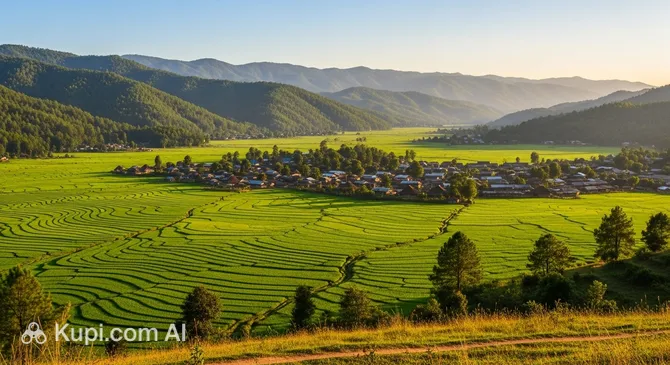
Ziro. Source: Kupi.Binoculars

The area is famous as the home of the Apatani tribe, known for their distinct facial tattoos and nose plugs, although this tradition is fading among the younger generation. Diving into the history of Ziro reveals a fascinating narrative of agricultural innovation and sustainable living that has existed for centuries. The Apatani people practice a unique form of wet rice cultivation combined with fish farming, a system so efficient and eco-friendly that the valley has been tentatively listed as a UNESCO World Heritage Site.

Visitors are often drawn to the rhythmic beauty of the bamboo groves and the vibrant local markets. For music enthusiasts, the town hosts the renowned Ziro Festival of Music, an outdoor event that brings together independent artists and nature lovers in a spectacular setting. Whether you are trekking through the Talley Valley Wildlife Sanctuary or simply admiring the green patches of paddy fields, the town offers visual treats at every turn.

If you are looking for a destination that blends rich tribal culture with pristine nature, Ziro is the perfect choice. Its calming vibe and scenic vistas promise an unforgettable journey into one of the most beautiful corners of the Northeast.

Weather Overview

The climate in Ziro is largely defined by its high elevation, offering a refreshing retreat with moderate temperatures throughout the year. During the warmest period from June to August, the average temperature hovers between 20.8°C and 22.2°C, providing a pleasant atmosphere. However, this season is characterized by frequent precipitation, with July and August experiencing rain on almost every day of the month.

As the year progresses, the weather cools down significantly. January is typically the coldest month, with average temperatures dropping to 9.1°C and nightly lows reaching around 3.9°C. The winter months of November and December are the driest, recording only about 9 wet days each, offering clearer skies compared to the summer monsoon.

Overall, you can expect mild, wet summers and cold, drier winters. To ensure you pack appropriately for the conditions, it is helpful to consult the detailed guide on the weather in Ziro.

Interesting Facts

Beyond its scenic rice fields and vibrant festivals, Ziro holds fascinating secrets and traditions that define its unique identity. Here are some intriguing details that make this valley truly special.

  • The Legend of the Nose Plugs: The distinctive nose plugs (Yaping Hullo) and facial tattoos worn by older Apatani women were historically intended to make them look less attractive. According to local lore, this was a protective measure to prevent men from rival tribes from abducting them, as the Apatani women were renowned for their exceptional beauty.

  • A Divine Discovery: Hidden in the Kardo Forest is the Siddheshwar Nath Temple, which houses a massive, naturally formed Shiva Lingam. Discovered as recently as 2004, this sacred stone formation stands approximately 25 feet tall and 22 feet wide, attracting pilgrims who believe it to be a miraculous manifestation.

  • Architecture Without Nails: Traditional homes in the valley are marvels of indigenous engineering. These bamboo and pine structures are often constructed without using a single iron nail; instead, the builders use cane ropes and bamboo strips to securely bind the materials together, making the houses both sustainable and earthquake-resistant.

  • The Wealth of the Forest: The surrounding woodlands are home to the Mithun, a semi-domesticated bovine that is integral to the local culture. Unlike other cattle, Mithuns are not used for ploughing or milking but are allowed to roam freely in the forest. They are considered a primary sign of wealth and are essential for social exchanges and traditional sacrifices.

How to Get There

Reaching the picturesque valley of Ziro is an adventure in itself, offering travelers a chance to witness the stunning landscapes of Northeast India. While the town is tucked away in the hills, it is accessible via several routes involving air and road travel. For a detailed breakdown of all available transport modes and routes, you can read more about how to get to Ziro.

The city of Ziro does not have its own airport, but it is well-connected to the rest of the country through airports in neighboring cities. The closest option is Itanagar Airport (HGI), located near the state capital, approximately 66 km from Ziro in a straight line. However, travelers should note that the actual road journey involves winding mountain roads and typically takes several hours to complete. Another entry point is Rowriah Airport (JRH) in Jorhat, situated about 97 km away; the drive from here is a scenic but long experience through the tea gardens of Assam and the hills of Arunachal. For those looking for more flight connections, Dibrugarh Airport (DIB) is a significant regional hub located about 119 km from the valley, requiring a substantial drive to reach the destination.

For clarity, here is a summary of the main airports:

Airport Name City Passenger Traffic Km from City
Dibrugarh Airport Dibrugarh Large 118.5
Dimapur Airport Dimapur Medium 184.1
Itanagar Airport Itanagar Medium 66.0
Rowriah Airport Jorhat Medium 96.8
Trashigang (Yonphula) Trashigang Small 230.2

Regarding rail travel, Ziro does not have its own railway station. However, tourists can take a train to the nearest railheads, which are Naharlagun and North Lakhimpur. Naharlagun is a major station serving the region and is just as convenient as North Lakhimpur for reaching the valley. From both stations, shared taxis and buses are regularly available to take visitors up the scenic winding roads to Ziro, a journey that offers breathtaking views of the changing topography.

Main Attractions

Ziro is a destination where nature and culture intertwine seamlessly, offering visitors a variety of scenic spots and historical sites. From wildlife sanctuaries to ancient temples, the town provides ample opportunities for exploration and photography.

One of the most significant highlights is the Talley Valley Wildlife Sanctuary. Located approximately 30 kilometers from the town, this biodiversity hotspot spans over 337 square kilometers of dense forest. It is particularly interesting to tourists for its rich flora and fauna, including the elusive clouded leopard and vast stretches of silver fir trees. For nature lovers and trekkers, the sanctuary offers a pristine environment to witness the unspoiled beauty of Arunachal Pradesh.

Another must-visit site is the Meghna Cave Temple, an ancient shrine dedicated to Lord Shiva. Situated at a height of around 3,000 feet, the temple is believed to date back 5,000 years and was rediscovered in 1962. Visitors are drawn here not just for spiritual reasons but for the breathtaking panoramic views of the surrounding valley. Climbing the steps to the temple rewards travelers with a serene atmosphere and a bird's-eye view of the lush greenery below.

For those interested in the unique agricultural practices of the Apatani tribe, the Tarin Fish Farm is a fascinating stop. This high-altitude fish farm is set amidst pine and bamboo groves and serves as a prime example of the region's integrated rice-fish farming system. It offers a peaceful setting for a walk and provides insight into how the locals sustainably manage their resources, making it a cultural and educational experience.

Finally, Kile Pakho offers one of the most spectacular vantage points in the region. This ridge is unique because it allows visitors to see the contrasting landscapes on either side: the sprawling, flat Ziro plateau on one side and the snow-clad Himalayan ranges on the other. It is an ideal spot for photography enthusiasts and anyone looking to soak in the grandeur of the mountains.

Local Cuisine

The culinary landscape of Ziro is as unique as its culture, offering a distinct departure from the heavy curries and spices typically associated with Indian food. The local cuisine is predominantly driven by the traditions of the Apatani tribe, focusing on organic ingredients, boiled preparations, and the preservation of natural flavors. Rice is the staple food, often accompanied by boiled vegetables, meat, and plenty of indigenous herbs, making the food here incredibly healthy and earthy.

One of the most famous signature items you must try is Pika Pila, a traditional pickle made from bamboo shoots and pork fat. It is a beloved accompaniment to meals and showcases the region's love for bamboo, which finds its way into many dishes. Another gastronomic highlight is the use of Tapyo, a unique indigenous vegetarian salt made from the ashes of burnt plants. This distinct seasoning gives local dishes their characteristic flavor and is often used in preparing simple yet delicious vegetable stews and boiled meats, particularly pork and chicken.

For those interested in local beverages, Apong is an absolute essential. This traditional rice beer is brewed in almost every household and plays a central role in social gatherings and festivals. It is generally mild, sweet, and refreshing, serving as a gesture of hospitality to guests. Served in bamboo tumblers, sipping on Apong provides a true taste of the Apatani way of life.

When it comes to dining out, Ziro differs from typical tourist destinations. You will not find many fancy fine-dining restaurants; instead, the best food is often found in local homestays, where hosts prepare authentic home-cooked meals for their guests. For a more public food experience, the Hapoli market area offers small eateries and stalls serving steaming plates of momos, maggi, and simple rice platters. Exploring the local markets is also a visual treat, where you can see unique ingredients like dried bamboo shoots, edible ferns, and various smoked meats being sold by local women.

Travel Tips

Preparing for a trip to Ziro involves understanding the unique logistics of travel in this remote and serene part of India. To help you navigate the valley with ease and respect for the local culture, here is a list of essential practical tips for your journey.

  1. Clothing and Gear: Even during the summer months, the evenings can get quite cool, so packing light woolens is necessary. If you are visiting in winter, bring heavy jackets and thermals. Since the region experiences significant rainfall, especially from July to September, a sturdy umbrella or a high-quality raincoat is indispensable. Comfortable, non-slip walking shoes are also essential for trekking through the bamboo groves and village trails.

  2. Transportation: There is no public bus system or metro within the town. The area is divided mainly into Hapoli (New Ziro), where the commercial center is, and Old Ziro, where the traditional villages are located. Shared taxis (often Tata Sumos) run between these points, but they can be infrequent. The best way to explore the villages is on foot, or you can hire a private taxi for the day from the main market stand.

  3. Finances: Cash is the primary mode of transaction. While there are ATMs in Hapoli, they frequently run out of cash or have connectivity issues due to the remote location. Very few homestays or small shops accept credit cards or digital payments, so it is highly recommended to carry sufficient cash for your entire stay to avoid any inconvenience.

  4. Health and Safety: Ziro is a safe destination for tourists. Basic pharmacies and medical assistance are available in the Hapoli market area, but for specific prescription medications, you should bring your own stock. Since the town is surrounded by forests and paddy fields, carrying a good insect repellent is advisable to protect against mosquito bites during outdoor walks.

  5. Communication: Mobile network connectivity can be patchy. BSNL generally offers the most reliable coverage in the valley, while other major networks may have weak or intermittent signals, especially inside the villages. Wi-Fi is available in some homestays but do not rely on it for heavy data usage; it is better to download offline maps and guides beforehand.

  6. Local Etiquette: The Apatani people are warm and hospitable, but they value their privacy. Always ask for permission before taking photographs of the locals, particularly the older women with traditional facial tattoos and nose plugs. A polite request is usually met with a smile, whereas taking photos without consent is considered rude.

  7. What to Avoid: Do not walk on the narrow mud bunds of the rice fields without a guide or permission, as they can be fragile and are crucial for the local agriculture. Additionally, avoid loud music or rowdy behavior in the villages after dark, as the locals tend to retire early and value the peaceful atmosphere of the valley.

  8. Entry Permits: This is the most critical logistical detail. All visitors require a special permit to enter the state of Arunachal Pradesh. Indian tourists must obtain an Inner Line Permit (ILP), while foreign nationals need a Protected Area Permit (PAP). These must be arranged in advance online or at designated government offices before you arrive.

By keeping these practical points in mind, you can focus entirely on soaking in the breathtaking beauty and rich heritage of the valley. A little preparation goes a long way in ensuring your adventure in Ziro is both comfortable and culturally respectful.

Entertainment & Nightlife

Entertainment in Ziro is defined not by bustling malls or multiplexes, but by the vibrant rhythms of nature and the rich cultural tapestry of the Apatani tribe. For travelers, the concept of leisure here revolves around immersing oneself in the outdoors, celebrating local traditions, and enjoying the slow pace of life in the valley.

The most prominent event on the town's social calendar is the Ziro Festival of Music. Held annually, typically in late September, this outdoor festival is one of the most eco-friendly music events in India. It draws independent artists and music lovers from across the globe to the bi-colored bamboo stages set against the backdrop of golden paddy fields. The atmosphere is electric yet relaxed, offering four days of soulful music, local food, and camping under the stars, making it a bucket-list experience for many visitors.

For those visiting outside the festival season, the valley offers excellent opportunities for outdoor adventures. Cycling is a popular way to explore the region; the relatively flat terrain of the valley floor makes it perfect for renting a bicycle and riding through the winding paths that connect the villages of Hong, Hari, and Siro. It allows for a closer look at the unique Apatani bamboo houses and the intricate irrigation systems of the rice fields at your own pace.

Trekking and hiking are also major recreational activities. While the Talley Valley Wildlife Sanctuary is a key attraction, there are numerous shorter trails around the town that are perfect for a day hike. Walking through the pine groves (known as Myoko) or hiking up to the twin hillocks near the town offers refreshing views and a chance to spot exotic birds. The fresh mountain air and the serene environment provide a meditative form of entertainment for nature enthusiasts.

Shopping in Ziro is a delightful experience centered around local craftsmanship. The Hapoli Market is the main commercial hub where you can find authentic Apatani handlooms. Look for the traditional Jig-Jiro (jackets) and Gale (wrap-around skirts) featuring geometric patterns. Bamboo and cane crafts are also a specialty here; you can buy beautifully woven baskets, mats, and even mugs that make for unique souvenirs. The market is also a great place to observe the daily life of the locals.

Nightlife in the valley is quiet and revolves around community and warmth. There are no nightclubs or loud bars; instead, evenings are best spent at a homestay or a campsite. Gathering around a central hearth or a bonfire is a common pastime. It is the perfect setting to enjoy a mug of Apong (local rice beer), listen to local folklore from your hosts, and gaze at the exceptionally clear night sky, which is often free from light pollution.

Parks & Museums

Ziro is often described as an open-air sanctuary where nature and culture coexist in perfect harmony. While the town may not boast manicured city parks or sprawling modern museum complexes, its entire landscape serves as a green refuge, and its cultural institutions offer intimate glimpses into the rich heritage of the Apatani tribe.

For those seeking serenity amidst nature, Ziro Puto is a significant spot that combines natural beauty with historical importance. This hillock is where the first administrative center of independent India was established in the region. It offers a gentle climb and rewards visitors with sweeping panoramic views of the entire Apatani plateau. It is an ideal location for a quiet afternoon walk, allowing travelers to gaze over the patchwork of rice fields and bamboo groves that define the valley's geography.

Another delightful green space is the Pine Grove, located relatively close to the main market area. Unlike the wild dense forests of the sanctuary, this area features planted pine trees arranged in an orderly fashion, creating a unique and photogenic landscape. The ground is often carpeted with pine cones and needles, making it a popular picnic spot for locals and tourists alike. The cool shade and the whistling sound of the wind through the trees provide a meditative atmosphere perfect for relaxation.

When it comes to understanding the local history, the District Museum in Hapoli is the primary institution dedicated to preserving the region's past. Although modest in size, the museum houses a valuable collection of ethnographic artifacts. Visitors can view traditional cane and bamboo handicrafts, hunting tools, and the distinct textiles of the Apatani people. It serves as an excellent educational stop to understand the evolution of tribal life before exploring the villages firsthand.

In many ways, the traditional villages of Hong, Hari, and Bulla function as living museums. Rather than viewing exhibits behind glass, walking through these villages allows tourists to witness the ancient architecture and daily rituals of the people. The unique babos (totem poles) erected during festivals and the traditional wooden houses on stilts reflect a cultural continuity that has survived for centuries.

For a truly authentic experience, look for the small, community-managed bamboo groves often found on the outskirts of the villages. These areas are not just sources of building material but are managed with deep ecological wisdom, offering a quiet, shady retreat that feels worlds away from modern civilization.

Getting Around

Navigating Ziro is quite different from moving around a bustling metropolis. As a serene hill station with a relatively small population, the town does not possess a formal public transport network comprising metros, trams, or city buses. Instead, the local transportation system relies almost entirely on road-based shared vehicles and private hires, reflecting the relaxed and community-oriented pace of life in the valley.

The primary mode of transport for locals and visitors alike is the shared taxi. These are typically sturdy utility vehicles, such as Tata Sumos, that shuttle passengers between the main commercial hub of Hapoli (New Ziro) and the traditional villages of Old Ziro. These vehicles do not operate on a strict minute-by-minute schedule; rather, they depart from the main market stand once they are full. This is the most authentic way to travel if you want to mingle with the local residents, but patience is often required while waiting for the vehicle to fill up.

Regarding payments, the system is exclusively cash-based. There are no travel cards, digital ticketing apps, or tap-to-pay systems available for local transport. Fares for shared taxis are generally fixed and quite affordable, but you must carry small denominations of currency. Drivers rarely have change for large notes, so keeping a stock of coins and smaller bills is highly practical for daily commuting.

For tourists wishing to explore the valley at their own pace, hiring a private taxi for the day is the most convenient option. Since ride-hailing apps do not operate in this region, you will need to arrange a vehicle through your hotel, homestay, or directly at the taxi stand in Hapoli. Negotiating the fare in advance is standard practice, and hiring a driver for a full day allows you to visit distant attractions like the Tarin Fish Farm or the pine groves without worrying about finding a return ride.

Walking is a viable and highly recommended alternative for moving between the closely clustered villages. The terrain in the valley floor is relatively flat, making it perfect for long, scenic walks through the paddy fields and bamboo groves. Many visitors find that exploring on foot is the best way to soak in the atmosphere and observe the unique architecture of the Apatani homes.

A crucial piece of advice for travelers is to be mindful of the operating hours. Transport options dwindle rapidly as evening approaches. Most shared taxis stop running around sunset, and finding a ride after dark can be extremely difficult. If you plan to stay out late, ensure you have a pre-arranged vehicle to take you back to your accommodation.

Accommodation

Accommodation in Ziro offers a refreshing departure from the standard hotel experience found in major cities. The valley is not defined by luxury resorts or international chains; instead, it is famous for its warm and authentic homestays. These traditional stays are the heart of the local tourism industry, allowing visitors to live with Apatani families, understand their culture, and enjoy home-cooked meals. For travelers seeking more conventional lodging, there are several budget to mid-range hotels and guest houses, primarily focused on providing basic amenities rather than opulence.

When choosing a location, the town is broadly divided into two zones. Hapoli (New Ziro) is the commercial hub and the most convenient area for tourists who prefer staying in hotels or lodges. It offers easy access to the main market, taxi stands, and ATMs. On the other hand, if you are looking for a scenic and cultural experience, the villages of Old Ziro, such as Hong, Hari, and Siro, are the best places to find charming homestays nestled amidst bamboo groves and paddy fields.

For those planning a trip, timing is everything. If you intend to visit during the renowned Ziro Festival of Music in September, it is crucial to book your accommodation months in advance. During this period, the town operates at full capacity, and many travelers resort to camping at the festival grounds as rooms sell out quickly. For the rest of the year, booking is relatively easier, though options can still be limited during peak tourist seasons.

In terms of cost, Ziro is generally an affordable destination. Prices typically range from budget to mid-range, making it accessible for backpackers and families alike. While some hotels and popular homestays are listed on major online booking platforms, many of the smaller, family-run establishments still rely on direct phone bookings. It is also important to note that digital payments may not always be accepted, so carrying sufficient cash to settle your bills is highly recommended.

Nearby Cities

Nearby Cities:

Exploring the region around Ziro opens up a treasure trove of experiences in Northeast India. The town serves as a serene gateway to the wider wonders of Arunachal Pradesh and the neighboring state of Assam. While Ziro itself is a secluded valley, it is situated relatively close to several key urban centers that act as transit hubs and cultural destinations in their own right.

The nearest major transport link is North Lakhimpur, located just down the hills in the plains of Assam. It is a crucial connection point for those arriving by train. Slightly further away is Itanagar, the capital of Arunachal Pradesh, which offers a blend of administrative importance and tribal culture.

For travelers extending their journey, the tea capital of Jorhat and the bustling city of Dibrugarh are accessible and offer excellent connectivity via their airports. Tezpur, known for its ancient mythology and scenic parks, is another significant city within driving distance.

City Population Distance (km)
North Lakhimpur 59,814 45
Itanagar 59,490 55
Jorhat 153,249 96
Dibrugarh 154,019 108
Tezpur 102,505 142

These nearby cities not only facilitate travel to the valley but also offer unique attractions, from sprawling tea gardens to historical temples, making them worthy additions to your itinerary.

Shopping & Souvenirs

Shopping in Ziro is less about browsing high-end brands and more about discovering the rich cultural heritage of the Apatani tribe. The town does not offer a conventional commercial shopping experience; instead, it provides a unique opportunity to purchase authentic local handicrafts, organic produce, and traditional textiles. Visitors will find that buying goods here is a personal interaction with the artisans and farmers, making every purchase a special memory of the valley.

The primary hub for all commercial activity is Hapoli, also known as New Ziro. This is the bustling heart of the town where the majority of shops, general stores, and essential services are located. Unlike the quiet traditional villages of Old Ziro, the streets of Hapoli are lined with small standalone shops selling everything from daily groceries and warm clothing to hardware and local artifacts. A stroll through the main bazaar road in Hapoli offers the most comprehensive shopping experience in the region.

Travelers looking for large, modern shopping complexes will not find them here. Ziro does not have any shopping malls or department stores. The retail landscape is dominated by small, family-run businesses and roadside stalls. This absence of large commercial chains helps preserve the town's rustic charm and ensures that the local economy thrives on community-based trade.

The Hapoli Market is the most interesting spot for tourists to visit. It is a vibrant place where local women sell fresh, organic produce gathered from the forest or grown in the famous paddy fields. Here, you can see and buy unique regional ingredients like dried bamboo shoots, edible ferns, and the famous Tapyo (local herbal salt). It is also a great place to observe the daily life of the locals and soak in the lively atmosphere of the town.

When it comes to souvenirs, Ziro offers several distinctive items that are worth taking home. The most popular purchase is the colorful Apatani textile, particularly the Gale (wrap-around skirt) and Jig-Jiro (jackets), known for their geometric patterns and natural dyes. Bamboo and cane crafts are another specialty, with items like woven baskets, mats, and mugs being widely available. Additionally, since Ziro is known as the "Kiwi Basket of India," a bottle of locally produced Kiwi wine or fresh organic kiwis (in season) makes for an excellent gift.

Store hours in Ziro are quite limited compared to larger cities. Most shops open around 9:00 AM and close relatively early, usually by 5:00 PM or 6:00 PM, as the town tends to wind down after sunset. Regarding payment, cash is the absolute king. While a few larger hotels or stores might accept digital transfers, the majority of market vendors and small handicraft shops deal exclusively in cash. It is highly advisable to withdraw sufficient money from ATMs in Hapoli before heading out to shop.

Tax-free shopping or VAT refunds for tourists are not available in Ziro. The prices quoted are generally final, though polite bargaining may be acceptable in the local markets when buying produce or unbranded handicrafts.

Reached the end of the page?

That means the route is fully explored