Support

Tengchong

About

Tengchong is a captivating destination located in the western part of Yunnan Province, renowned for its stunning volcanic landscapes, geothermal springs, and rich cultural heritage. This city offers a unique blend of natural wonders and historical charm, making it a standout location for travelers seeking both relaxation and adventure. With a population of approximately 645,000 people, it maintains a welcoming atmosphere while serving as an important cultural and economic hub near the border with Myanmar.

Geographically, the city is situated in a lush, mountainous region of China, enjoying a mild, subtropical highland climate that makes it pleasant to visit year-round. The area is famous for its geological diversity, sitting atop a fault line that has created a dramatic scenery of dormant volcanoes and boiling hot springs. The air here is exceptionally clean, often described as a natural oxygen bar, which adds to the city's appeal as a health and wellness retreat.
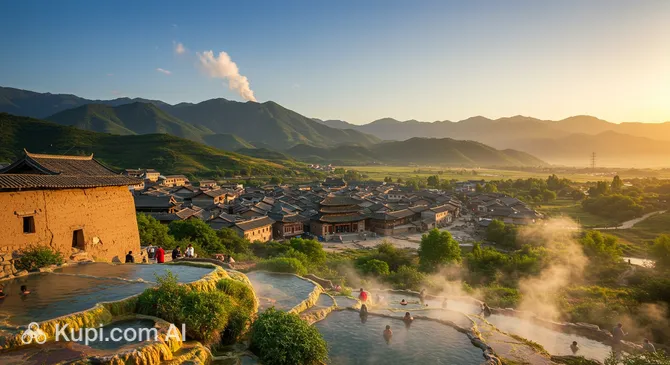
Tengchong. Source: Kupi.Binoculars

The history of Tengchong is deeply intertwined with the ancient Southern Silk Road and the Tea Horse Road, which once facilitated trade between China, Myanmar, and India. This strategic location has left a legacy of diverse cultural influences and architectural marvels. Walking through the city and its surroundings, visitors can feel the echoes of the past, from its days as a bustling trade post to its significant role during World War II.

Travelers are drawn to several key attractions that define the Tengchong experience. The Tengchong Volcanic Geothermal National Geological Park allows visitors to explore ancient craters and unique rock formations. Nearby, the Rehai (Hot Sea) area offers a spectacular display of geysers and thermal pools, perfect for a soothing soak. For a taste of tradition, Heshun Ancient Town stands as one of the most charming and well-preserved settlements in the region, featuring ancestral halls, libraries, and tranquil waterways.

Whether you are interested in soaking in therapeutic hot springs, hiking up volcanic craters, or exploring ancient cobblestone streets, Tengchong promises an unforgettable journey. It is a place where nature's power and human history coexist in harmony, inviting you to discover the hidden treasures of western Yunnan.

Weather Overview

Tengchong enjoys a mild subtropical highland climate, often characterized by its "eternal spring" feel. The city avoids the extremes of heat and cold found in other parts of the country, making it a generally comfortable destination year-round. To help plan your visit, you can check the detailed weather in Tengchong for specific forecasts and seasonal trends.

Winters, spanning from December to February, are cool and notably dry. Average temperatures range from 8.4°C to 9.7°C, with daytime highs reaching around 16°C. However, mornings and evenings can be crisp, with lows dropping to near 1.7°C in January. Rainfall is minimal during this period, with only about 6 to 9 wet days per month, ensuring plenty of clear skies for sightseeing.

In contrast, the summer months of June through August bring warmer weather and the rainy season. Average temperatures stay pleasant at approximately 20°C, and highs rarely exceed 23°C, providing a refreshing escape from the summer heat elsewhere. Travelers should be prepared for wet conditions, as this season sees significant precipitation frequency, with July and August experiencing up to 30 wet days. Expect mild summers with frequent rain and cool, dry winters as the general pattern for this region.

Interesting Facts

Beyond the scenic hot springs and ancient trails, Tengchong holds many fascinating secrets that surprise even seasoned travelers. From streets rumored to be paved with precious stones to record-breaking cultural sites, this city offers a depth of history and trivia that goes far beyond the surface.
  • The City of Jade: Tengchong was the first distribution center for Burmese amber and jade in China. A popular local urban legend claims that when the old roads were being rebuilt, residents discovered that the original foundations were paved with jade remnants. For centuries, workshops used leftover jadeite rubble to pave the streets, meaning the locals were literally walking on precious stones.

  • Largest Rural Library: In the heart of Heshun Ancient Town stands the Heshun Library, which holds the title of the largest rural library in the country. Built in 1928 with funds from overseas Chinese, this architectural gem houses over 100,000 volumes, including rare editions and ancient manuscripts, serving as a testament to the region's deep respect for education and culture.

  • Saving the Emperor: The local culinary specialty, a stir-fried rice cake dish known as "Da Jiu Jia," translates literally to "Saving the Emperor." Legend has it that the last Ming Dynasty emperor, fleeing from pursuing forces, arrived in Tengchong starving. After eating this simple dish prepared by a local, he declared it had saved his life, bestowing upon it a name that is still used today.

  • A Golden Village: The Jiangdong Ginkgo Village is a unique settlement that boasts over 30,000 ginkgo trees, many of which are hundreds of years old. Unlike typical forests, these trees are integrated directly into the courtyards and streets of the village. During late autumn, the entire area is buried under a carpet of golden leaves, creating a stunning, monochromatic yellow landscape.

How to Get There

Reaching this scenic destination in western Yunnan is relatively straightforward, with air travel being the most efficient option for most visitors. To plan your journey effectively and explore all available transport modes, you can read more about how to get to Tengchong.

The city is served by its own aviation hub, Tengchong Tuofeng Airport (TCZ), which is conveniently located just 9 km from the city center. It handles a significant number of regional flights, making it the primary entry point for travelers. A taxi or shuttle from here to the downtown area typically takes about 35 minutes. For those who cannot find a direct flight, Dehong Mangshi Airport (LUM) in the city of Luxi is a viable alternative. Situated approximately 69 km away, it is a busier hub with more connections. The overland journey from Luxi to Tengchong generally takes around 2 hours by road.

Another option is Baoshan Airport (BSD), located in the neighboring city of Baoshan, about 68 km from Tengchong. While slightly smaller than the facility in Luxi, it offers additional flight schedules that might suit your itinerary. Traveling from Baoshan to Tengchong by car or bus also takes approximately 2 hours.

For clarity, here is a summary of the main airports:

Airport Name City Passenger Traffic Km from City
Dehong Mangshi Airport Luxi Large 68.7
Baoshan Airport Baoshan Medium 68.2
Tengchong Tuofeng Airport Tengchong Medium 9.0
Myitkyina Airport Myitkyina Small 121.4
Bhamo Bhamo Small 150.9

Currently, Tengchong does not have a railway station, and the mountainous terrain of the region means that train travel directly to the city is not an option. Visitors preferring ground transport typically take a high-speed train to nearby major cities like Baoshan or Dali and then transfer to a long-distance bus or private car to complete the journey. The road network is well-developed, offering a scenic drive through the lush landscapes of Yunnan.

Main Attractions

Heshun Ancient Town is widely regarded as one of the most charming and well-preserved historical settlements in the region. Located just a few kilometers from the city center, this town offers a peaceful glimpse into the past with its cobblestone streets, traditional courtyards, and ancestral halls. Visitors are particularly drawn to its unique architecture, which blends local styles with influences brought back by overseas traders. The town is also home to the famous Heshun Library, a testament to the local culture's emphasis on education. It is an ideal spot for a leisurely afternoon walk, allowing travelers to experience the slow-paced, authentic lifestyle of rural Yunnan.

For those seeking natural wonders and relaxation, the Rehai Scenic Area (often called "The Hot Sea") is an unmissable destination. This geothermal park is renowned for its high concentration of hot springs and geysers, creating a surreal landscape of steam and thermal activity. The highlight of the park is the "Big Boiling Pot," a massive spring with water temperatures high enough to boil eggs in minutes—a popular activity for tourists. Beyond the spectacle, the area offers excellent spa facilities where visitors can soak in mineral-rich waters surrounded by lush mountains.

The Tengchong Volcanic Geology Park offers a rare opportunity to explore a cluster of dormant volcanoes up close. The park features several well-preserved craters, such as the Dakong and Xiaokong mountains, which can be climbed via maintained trails for panoramic views of the surrounding area. One of the most exciting ways to experience the park is by taking a hot air balloon ride, providing a breathtaking aerial perspective of the craters and the vast volcanic field. The site also showcases fascinating geological formations, including unique basalt columns that attract geology enthusiasts and nature lovers alike.

Beihai Wetland provides a serene contrast to the fiery energy of the volcanoes and hot springs. This ancient wetland is famous for its "floating blankets" of grass, which are thick enough in some places to support the weight of a person, though visitors typically explore the area via boat. The scenery is particularly stunning in late spring when wild irises bloom, turning the marsh into a vibrant sea of purple. It is a haven for birdwatchers and photographers, offering a tranquil escape into one of the region's most beautiful ecological systems.

Local Cuisine

The culinary landscape of Tengchong is a delightful exploration of flavors that reflects its location on the border of diverse cultures. Rooted in the traditions of Yunnan cuisine, the local food is characterized by its fresh ingredients, sour and spicy profiles, and a distinct emphasis on hearty, warming dishes. Exploring the city's gastronomy offers travelers a chance to taste history, with recipes that have been passed down through generations of traders and locals.

The most famous dish in the city is undoubtedly Da Jiu Jia, which translates to "Saving the Emperor." While its legendary name is well-known, the dish itself is a culinary masterpiece consisting of Ersi (thinly sliced rice cakes or "bait silk") stir-fried with ham, eggs, tomatoes, and seasonal greens. The texture of the rice cakes is chewy and satisfying, absorbing the savory flavors of the wok. It is typically served with a bowl of sour vegetable soup to balance the richness, making it a must-try meal for any visitor.

Another signature experience is the Tengchong Earthen Pot (Tu Guo Zi). This traditional hot pot is cooked in a unique, chimney-style clay vessel that is handcrafted in the nearby villages. The dish is slowly simmered over charcoal and features layers of ingredients, including pork broth, taro, crispy pork skin, yellow bamboo shoots, and various vegetables. It is not just a meal but a communal event, often enjoyed by families and groups of friends, representing the warmth of local hospitality.

For breakfast or a light snack, locals flock to street stalls for Xidoufen, a thick, creamy soup made from pea flour. It is often seasoned with chili oil, garlic, coriander, and vinegar, creating a complex flavor profile that wakes up the palate. It is customarily eaten by dipping pieces of Ersi or fried dough sticks into the mixture. For those with a sweet tooth, Pine Pollen Cakes (Song Hua Gao) are a delicate local treat. These small, yellow cakes are made from pine pollen and red beans, offering a subtle sweetness and a refreshing floral aroma.

Dining in Tengchong ranges from rustic street vendors to charming courtyard restaurants, particularly within Heshun Ancient Town. Here, you can enjoy a meal surrounded by historical architecture, sipping on locally grown high-mountain tea or plum wine. The region's tea culture is strong, and a cup of roasted tea is the perfect accompaniment to the rich, flavorful local dishes. Whether you are exploring a bustling night market or sitting in a quiet teahouse, the food scene here is an essential part of the travel experience.

Travel Tips

Visiting Tengchong is a journey into a region renowned for its volcanic wonders, ancient history, and vibrant culture. To ensure your trip to this unique corner of China is smooth and enjoyable, here are some practical tips to help you navigate the city like a pro.

  1. Pack for Variable Weather. Due to the subtropical highland climate, temperatures can fluctuate significantly between day and night. It is best to bring layers, such as a light jacket or sweater, even in summer. Since you will likely be hiking up craters in the Volcanic Park or walking on cobblestones in Heshun Ancient Town, sturdy and comfortable walking shoes are essential. Don't forget your swimsuit for the hot springs!

  2. Getting Around. There is no metro system in Tengchong, so the most convenient way to travel is by taxi or ride-hailing apps like DiDi (the local equivalent of Uber). Public buses are available and cheap but can be confusing if you don't read Chinese. Car rental is generally not an option for tourists unless you possess a valid Chinese driving license, so hiring a private driver for day trips is a popular alternative.

  3. Managing Your Finances. The local currency is the Renminbi (RMB). While cash is still accepted in many places, China is largely a cashless society dominated by mobile payments. It is highly recommended to set up Alipay or WeChat Pay on your phone before arrival, as they now support international credit cards. ATMs are available in the city center, but carrying some cash is wise for smaller vendors or rural areas. Tipping is not customary.

  4. Health and Altitude. Tengchong sits at an altitude of roughly 1,600 meters (5,200 feet). While altitude sickness is rare at this height, the UV radiation is stronger than you might expect, so wear sunscreen and a hat. Pharmacies are marked with a green cross, but staff may not speak English, so having a translation app ready is helpful. Tap water is not safe to drink; always stick to bottled or boiled water.

  5. Overcoming Language Barriers. Mandarin is the official language, but locals often speak a distinct dialect. English proficiency is generally low outside of major hotels and tourist centers. Download an offline translation app and a map app (like Baidu Maps or Amap, as Google Maps is often inaccurate or blocked) to help with directions and basic communication.

  6. Respecting Local Etiquette. When visiting temples or ancestral halls, dress modestly and observe whether shoes should be removed before entering. It is polite to greet people with a nod or a smile. If you wish to take photos of locals, especially the elderly or those in traditional dress, always ask for permission first as a sign of respect.

  7. What to Avoid. Avoid buying expensive jade or amber unless you are a certified expert or have a trusted local guide. Tengchong is famous for its jade trade, but the market can be tricky for the uninitiated, and it is easy to overpay for inauthentic items. Also, avoid discussing sensitive political topics, as this is considered impolite and inappropriate.

  8. Plan Your Hot Spring Visits. A specific tip for Tengchong: The popular hot springs, such as those in the Rehai Scenic Area, can get quite crowded during the day. For a more relaxing and atmospheric experience, try visiting in the late afternoon or evening when the tour groups have departed and the air is cooler.

By keeping these practical tips in mind, you will be well-prepared to embrace the natural beauty and historical charm of Tengchong. Enjoy your adventure in this captivating city, from its steaming geothermal pools to its golden ginkgo villages!

Entertainment & Nightlife

Entertainment in Tengchong offers a delightful contrast to the high-energy nightlife of China's coastal metropolises. Instead of thumping bass and neon skyscrapers, the evening scene here is characterized by a relaxed, cultural, and atmospheric vibe. The city comes alive after dark with the warm glow of red lanterns, the sound of acoustic guitars drifting from wooden taverns, and the bustle of night markets selling everything from spicy street food to precious jade.

The epicenter of nightlife is undoubtedly Heshun Ancient Town. As the sun sets, this historical area transforms into a romantic enclave perfect for night owls. The famous Heshun Bar Street creates a lively yet intimate setting along the waterways. Here, you will find a collection of cozy venues housed in traditional architecture, where travelers gather to swap stories over local beer or plum wine. The atmosphere is bohemian and welcoming, with many bars featuring live singers performing folk songs rather than loud dance music. It is the ideal spot to unwind after a day of hiking.

For a more culturally immersive evening, a visit to the Dream Tengchong Grand Theatre is a must. This venue hosts the spectacular "Dream Tengchong" performance, a grand show that combines dance, light, and music to retell the region's history, from the ancient Tea Horse Road to the battles of World War II. It is a visual feast that provides deep insight into the local spirit. Another vibrant spot is the Tengchong Night Market, often located near the city center or designated tourist zones. This is where the city's obsession with jade becomes apparent, with vendors displaying amber and jadeite under bright lights, alongside stalls serving sizzling barbecue and "Ersi" noodles.

When planning a night out, keep in mind that Tengchong is a smaller city, and venues tend to close earlier than in Beijing or Shanghai. Most bars in Heshun wind down around midnight or 1:00 AM. Prices are generally moderate; a beer might cost between 30 to 50 RMB depending on the venue. The dress code is casual everywhere—jeans and comfortable shoes are perfectly acceptable. Getting around is safe and easy; taxis and ride-hailing apps like DiDi are available, though if you are staying within Heshun, the best way to explore is simply on foot.

Safety is rarely a concern in Tengchong. The city is very safe for night walks, even for solo travelers. The streets in the main districts and Heshun are well-lit and populated. However, as with any travel destination, it is wise to keep an eye on your belongings in crowded markets. If you need a ride back to your hotel late at night, ensure you have your accommodation's address written in Chinese to show the driver.

While the nights are enchanting, Tengchong also offers rich daytime entertainment beyond its natural landscapes. Cultural enthusiasts should visit the Museum of the War of Resistance Against Japanese Aggression to understand the region's pivotal role in history. For a unique artistic experience, seek out the Liu Yongzhou Shadow Puppet Theater. This ancient art form is performed by local masters and offers a fascinating glimpse into the folk traditions of western Yunnan, making for a perfect afternoon activity before the evening festivities begin.

Parks & Museums

Tengchong is a destination where nature and history are inextricably linked, offering visitors a seamless transition from lush, green landscapes to profound cultural sites. The city's parks are not just recreational spaces but geological wonders, while its museums serve as poignant guardians of a turbulent and heroic past. Exploring these venues provides a deeper understanding of the region's strategic importance and its harmonious relationship with the volcanic terrain.

For a refreshing escape right in the heart of the city, Laifengshan National Forest Park is the premier choice. This park encompasses a dormant volcano covered in a dense pine forest, acting as the city's "green lung." It is an excellent spot for a morning hike, with well-paved trails leading to the summit where the Wenbi Pagoda stands. Along the way, visitors often encounter wild macaques that inhabit the woods. The park offers panoramic views of Tengchong's urban layout against the backdrop of distant mountains, making it a favorite among locals for exercise and leisure.

Another unique natural site within the city limits is the Dieshuihe Waterfall Park. It is rare to find a waterfall of this magnitude in an urban setting; the Daying River tumbles over a 46-meter-high cliff formed by ancient volcanic lava. The park features a scenic viewing pavilion and a stone bridge, allowing visitors to feel the mist and hear the thunderous roar of the water. Surrounding the falls are small temples and lush vegetation, creating a picturesque scene that feels miles away from the bustling streets.

Tengchong's cultural landscape is anchored by the Dianxi Anti-Japanese War Memorial Hall, a site of immense national significance. Located at the foot of Laifengshan, this museum vividly chronicles the history of the Burma Road and the Chinese Expeditionary Force during World War II. Through thousands of artifacts, photographs, and weapons, it tells the story of the fierce battles fought in western Yunnan. It is a deeply moving experience that offers crucial context to the region's modern identity and resilience.

Given the city's reputation as the "Emerald City," the Tengchong Jade Museum is another fascinating stop. This institution delves into the centuries-old history of the jade trade between China and Myanmar. Visitors can admire intricate carvings, learn about the geological formation of jadeite, and understand the cultural obsession with this precious stone. It provides an educational perspective that complements the commercial buzz of the local jade markets.

Adjacent to the war memorial lies the Guoshang Cemetery (National Cemetery), a solemn historical landmark that honors the soldiers who perished reclaiming Tengchong in 1944. It is one of the most well-preserved military cemeteries in the country, featuring rows of small headstones climbing the hillside in precise formation. The site is quiet and respectful, surrounded by cypress trees, and stands as a powerful architectural tribute to peace and sacrifice.

For a lesser-known cultural experience, consider visiting the Yiluo Chi (Snail Pond). This historic pond and its surrounding pavilions have been a gathering place for scholars and poets since the Ming Dynasty. It offers a tranquil atmosphere perfect for reflection, away from the major tourist crowds, and provides a glimpse into the literary history of the area.

Getting Around

Navigating Tengchong is relatively straightforward and stress-free for visitors, as the city is compact and the traffic is generally lighter than in major metropolitan areas. There is no metro system here, so the public transport network relies entirely on road vehicles. For most tourists, a combination of public buses, taxis, and walking is sufficient to explore both the downtown area and the surrounding scenic spots comfortably.

The public bus system is the most economical way to get around. The network covers the city center extensively and extends to key tourist destinations, including Heshun Ancient Town and the Rehai Scenic Area. Buses are modern and generally run frequently during the day. The fare is incredibly affordable, typically costing just 1 RMB per ride, regardless of the distance. It is important to note that buses usually operate from early morning until around 8:00 PM or 9:00 PM, so alternative plans are needed for late-night travel.

Regarding payment, the system is designed for efficiency. Most buses operate on a self-service basis where you drop money into a box upon entry or scan a QR code. If you are paying with cash, you must have exact change in coins or small notes, as drivers do not provide change. For a smoother experience, international travelers are encouraged to set up Alipay or WeChat Pay on their smartphones, which are widely accepted scanners on almost all public transport vehicles.

For those seeking more comfort and flexibility, taxis are abundant and inexpensive. You can easily hail a taxi on the street; they are typically painted green or blue. All legitimate taxis are equipped with meters, and drivers generally use them without issue, though it is always good practice to ensure the meter is running when you start your journey. Ride-hailing apps, particularly DiDi (the local equivalent of Uber), are also very popular and convenient. Using an app eliminates language barriers since you can input your destination in English or pinpoint it on a map.

To reach major attractions located outside the immediate city center, such as the Volcanic Geology Park or the Beihai Wetland, dedicated tourist lines or minibuses are available. These often depart from the main passenger transport stations or key intersections in the city. Alternatively, many visitors choose to charter a private car or van for the day, which provides the freedom to visit multiple sites at your own pace without waiting for scheduled departures.

Within specific areas like Heshun Ancient Town, motorized vehicles are often restricted or impractical due to narrow, cobblestone streets. Here, the best way to get around is on foot, allowing you to soak in the atmosphere. In some flatter tourist zones, you may find bicycle rentals, which offer a leisurely way to enjoy the rural scenery. Regardless of your chosen mode of transport, it is highly recommended to have your destination written in Chinese characters to show drivers, as English proficiency among transport staff is limited.

Accommodation

Accommodation in Tengchong caters to a wide spectrum of travelers, offering everything from budget-friendly youth hostels to high-end luxury retreats. The options are diverse, allowing visitors to choose between immersing themselves in local history or indulging in modern wellness facilities. The most popular area for tourists is undoubtedly Heshun Ancient Town. Here, visitors can stay in beautifully restored traditional courtyards that operate as boutique guesthouses. These family-run inns often feature classic wooden architecture, peaceful gardens, and tea rooms, providing an authentic and atmospheric experience right on the doorstep of the town's main attractions.

For those who prioritize modern conveniences and easy access to transportation, the city center offers a solid selection of mid-range business hotels and standard chains. This area is convenient for dining and catching taxis to the airport or bus stations. Alternatively, travelers seeking relaxation and luxury often opt for the dedicated hot spring resorts located on the outskirts, particularly near the Rehai Scenic Area or the upscale resort zones in the valley. These properties are designed for wellness, typically featuring private thermal pools, spa services, and stunning views of the volcanic mountains.

Prices in Tengchong are generally reasonable compared to China's major coastal cities. Budget travelers can find comfortable beds in hostels or simple rooms for around 100 to 300 RMB per night. Mid-range boutique hotels in Heshun typically range from 400 to 800 RMB, while luxury hot spring villas can command prices upwards of 2,000 RMB. Most accommodations can be easily booked via major online travel platforms. Booking Tip: Since Tengchong is a favorite destination for domestic tourists, especially during the autumn ginkgo season and national holidays, it is highly recommended to book your room several weeks in advance to secure the best locations.

Nearby Cities

For those looking to explore the surroundings, Tengchong serves as an excellent base for day trips to several interesting nearby locations. The region of western Yunnan is dotted with historic towns, lush valleys, and diverse cultural hubs that are well worth a short visit.

Baoshan is the closest major city and serves as the administrative center for the area. Located just a short drive away, it is historically significant as a key stop on the ancient Southern Silk Road. Today, Baoshan is famous for producing some of the finest Arabica coffee in the country. Visitors can explore local plantations, visit the Baoshan Museum to learn about the region's trade history, or enjoy the warmer climate of the Nujiang River valley.

Another captivating destination is Dali, renowned for its breathtaking natural beauty and rich Bai minority culture. While it requires a longer journey, it is one of the province's most iconic spots. Travelers are drawn to the shimmering waters of Erhai Lake and the majestic peaks of the Cangshan Mountains. The ancient city of Dali offers a maze of traditional architecture, vibrant markets, and historic pagodas, making it a perfect extension to a trip in this region.

City Population Distance (km)
Baoshan 2,627,000 68
Longba 2,567,718 105
Lincang 2,536,000 205
Lijiang 1,296,000 268
Dali 771,128 190

These nearby destinations offer a glimpse into the diverse culture and landscapes of the region, providing travelers with ample opportunities to experience the unique heritage of Yunnan beyond Tengchong's borders.

Shopping & Souvenirs

Shopping in Tengchong is a unique experience that revolves largely around its reputation as a historical trading hub between China and Myanmar. While you can find modern conveniences, the city is most famous for its specialized markets dealing in precious stones and traditional handicrafts. Visitors often find that shopping here is not just about purchasing goods but exploring the rich cultural heritage of the "Emerald City."

Heshun Ancient Town is the primary shopping destination for tourists seeking a blend of atmosphere and authentic local products. The narrow, cobblestone streets are lined with centuries-old architecture housing small boutiques and family-run shops. Here, you can browse for handmade crafts, silver jewelry, and traditional textiles while enjoying the scenic beauty of the waterways. It is a perfect place to wander without a strict plan, discovering hidden gems in the nooks of the old town.

For those interested in the city's most famous commodity, the various Jade and Amber Trading Centers are the heart of the commercial scene. Tengchong is one of the largest processing and distribution centers for jadeite and Burmese amber in the world. Dedicated trading halls and streets, such as the Tengchong Jadeite Trading Center, offer thousands of stalls displaying bracelets, pendants, and raw stones. Even if you do not plan to buy, witnessing the bustling trade and the sheer volume of precious stones is a spectacle in itself.

While the city focuses heavily on traditional trade, there are modern shopping facilities available for daily needs and branded clothing. The downtown area features several commercial complexes and department stores where visitors can find supermarkets, electronics, and fashion brands. These shopping malls provide a comfortable, air-conditioned break from the outdoor markets and are good places to stock up on travel essentials or snacks.

The local markets are vibrant and full of character. The periodic "market days" in nearby villages are a cultural immersion, where locals from various ethnic groups gather to sell fresh produce, livestock, and daily goods. In the city, the night markets are particularly popular. As the sun sets, streets fill with vendors selling everything from inexpensive trinkets and wood carvings to delicious local street food. It is a lively environment where bargaining is expected and part of the fun.

When it comes to souvenirs, jade and amber are the obvious choices, but caution is advised; it is best to purchase these expensive items from reputable, certified dealers to ensure authenticity. For more affordable and culturally significant gifts, look for Tengchong Xuan Paper (hand-made paper), which has a history of hundreds of years, or beautiful oil-paper umbrellas. Food items like preserved plums, dried mushrooms, and the famous Pu'er tea from Yunnan province also make excellent gifts to take home.

Most shops in Tengchong typically open around 9:00 AM or 10:00 AM and close between 9:00 PM and 10:00 PM. Markets, especially night markets, may operate later into the evening. Regarding payment, cash is accepted, but the city is highly digitized. The most common payment methods are mobile apps like WeChat Pay and Alipay. International tourists are advised to set up these apps beforehand, as many smaller vendors in markets may not accept credit cards.

Regarding tax refunds, Tengchong is not a major international duty-free hub comparable to Shanghai or Beijing. Tax-free shopping for tourists is generally limited, and visitors should not expect instant VAT refunds at most stores. It is advisable to check with specific high-end retailers or large department stores if they offer any tax refund services for international visitors, but generally, prices are final.

Reached the end of the page?

That means the route is fully explored