Support

Baoshan

About

Baoshan is a captivating destination located in the western part of Yunnan Province, China. Often celebrated for its strategic location and temperate climate, this prefecture-level city offers a unique blend of natural wonders and cultural depth. With a population of approximately 2.6 million, Baoshan serves as a vibrant hub that connects the region to neighboring countries, historically playing a crucial role in trade and cultural exchange.

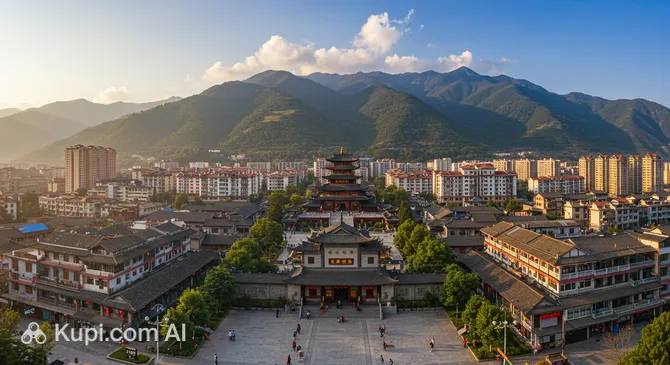
Baoshan. Source: Kupi.Binoculars

The region is renowned for its diverse geography, ranging from lush river valleys to rugged mountains. Exploring the history of Baoshan reveals its importance as a key stop on the ancient Southern Silk Road, leaving behind a legacy of trade and multi-ethnic heritage. Today, visitors can still feel the echoes of the past while enjoying the modern comforts of the city.

Travelers are drawn to the area's remarkable natural attractions, particularly the volcanic landscapes and geothermal springs found in the nearby Tengchong area, which falls under Baoshan's jurisdiction. The Gaoligong Mountain National Nature Reserve is another highlight, offering breathtaking biodiversity for nature enthusiasts. Whether you are seeking relaxation in hot springs or an adventure through ancient towns, Baoshan provides an unforgettable experience for every traveler.

Weather Overview

Baoshan enjoys a mild and temperate climate throughout the year, often described as having "eternal spring" conditions due to its lack of extreme heat or bitter cold. The region is generally comfortable for travel, though visitors should prepare for distinct seasonal variations in rainfall. Expect warm summers with frequent rain and cool, dry winters that are perfect for outdoor exploration.

The weather in Baoshan is characterized by a significant rainy season during the summer months. From June to August, average temperatures hover around 21°C, with daily highs reaching approximately 24.4°C; however, this period sees rain on nearly every day of the month. In contrast, the winter season from December to February is much drier, with average temperatures ranging between 9.8°C and 11.4°C, and nighttime lows occasionally dropping to around 3.8°C.

Interesting Facts

Beyond the main attractions, Baoshan holds many fascinating secrets that reveal its pivotal role in history and commerce. From its status as a coffee powerhouse to its strategic importance during wartime, this city offers surprises for every visitor.

  • The Hidden Coffee Capital: While tea is often associated with the region, Baoshan is actually a premier producer of high-quality coffee. The Lujiangba area is famous for its "Baoshan Arabica," which was rated as a top-class product in London as early as 1958. Today, travelers can visit Xinzhai Village, celebrated as "China's First Coffee Village," where the entire community is dedicated to cultivating and processing these aromatic beans.

  • A Wartime Lifeline: During World War II, Baoshan served as a critical hub on the legendary Burma Road. The strategic Songshan Mountain, overlooking the turbulent Salween River (Nujiang), was known as the "Gibraltar of the Burma Road" for its commanding position guarding the vital Huitong Bridge. For a time, this crossing was the only land link connecting the country to the outside world, allowing vital supplies to reach the interior when other routes were cut off.

  • The Giant Jade Buddha: Located on Yunyan Mountain just north of the city center, the Wofo Temple (Reclining Buddha Temple) houses a remarkable treasure. Inside, visitors can marvel at the largest jade reclining Buddha in the country. This massive statue measures six meters in length and is housed within a temple complex that traces its origins back to the Tang Dynasty.

  • Ancient Gateway: Long before it was called Baoshan, the city was known as Yongchang and was the first imperial prefecture established in western Yunnan over 2,000 years ago. It flourished as a key station on the ancient Southern Silk Road, facilitating trade and cultural exchange between the Chinese empire and regions as far away as India.

How to Get There

Reaching this scenic part of Yunnan Province is relatively straightforward, with air travel being the most convenient option for long-distance visitors. Travelers can find more about how to get to Baoshan and plan their specific route depending on their point of origin.

The city is served by its own aviation hub, Baoshan Airport (BSD), which is located just 6.4 km from the city center. This regional facility handles a medium volume of traffic, connecting the area to provincial capitals and key cities. Due to its proximity, a taxi ride from the airport to downtown Baoshan is quick, typically taking around 30 minutes depending on traffic.

For those visiting the famous hot springs and volcanic parks in the western part of the prefecture, Tengchong Tuofeng Airport (TCZ) is an excellent alternative. Located in the city of Tengchong, approximately 71 km from Baoshan's administrative center, it is a popular entry point for tourists. The transfer by road from Tengchong to Baoshan takes about 2 hours. Additionally, travelers can fly into Dali Airport (DLU) in the neighboring city of Dali. Although it is about 130 km away, Dali is a major tourist hub with frequent connections, and the drive to Baoshan takes roughly 3.5 hours.

For clarity, here is a summary of the main airports serving the region:

Airport Name City Passenger Traffic Km from City
Dali Airport Dali Large 130.8
Dehong Mangshi Airport Luxi Large 101.3
Baoshan Airport Baoshan Medium 6.4
Tengchong Tuofeng Airport Tengchong Medium 71.1
Lincang Airport Lincang Small 175.0

Main Attractions

Baoshan offers a rich tapestry of natural wonders and cultural heritage, with its most celebrated sites often located within the scenic Tengchong area. From ancient trading posts to dramatic volcanic landscapes, the region provides a diverse array of experiences that showcase the unique beauty of western Yunnan.

Heshun Ancient Town is one of the most captivating cultural sites in the region. Renowned as a key stop on the ancient Southern Silk Road, this well-preserved town features traditional architecture, peaceful canals, and ancestral halls that reflect centuries of history. It is also home to the Heshun Library, the largest rural library in the country. Visitors enjoy wandering through the cobblestone streets to admire the harmonious blend of local traditions and foreign influences introduced by returning merchants.

For a unique geological experience, the Tengchong Volcanic Geothermal National Geological Park, often called "Rehai" or the Hot Sea, is a top destination. The park is famous for its high concentration of geothermal activity, featuring boiling pools, steam vents, and natural hot springs. The "Big Boiling Pot," a massive pool of bubbling water, is a highlight for tourists. It is an excellent spot to witness the earth's raw power and relax in mineral-rich waters surrounded by lush forest.

Nature lovers and adventurers should explore the Gaoligong Mountain National Nature Reserve. This UNESCO-recognized biosphere reserve is a biodiversity hotspot, teeming with rare flora and fauna, including unique species of primates and birds. The reserve offers exceptional trekking opportunities along historic paths like the Tea Horse Road. It is a paradise for eco-tourists seeking to immerse themselves in pristine wilderness, cascading waterfalls, and deep valleys.

Beihai Wetland offers a serene escape with its unique "floating blanket" landscape. Formed by ancient volcanic activity, this wetland consists of thick mats of grass and reeds floating on the water's surface. It is particularly stunning in late spring when wild purple irises bloom across the meadows. Visitors can take boat rides to glide through the waterways, making it a perfect location for photography and enjoying the tranquility of nature.

Local Cuisine

The local cuisine in Baoshan is a delightful reflection of its location in western Yunnan, offering a vibrant mix of sour, spicy, and fresh flavors. As a historic melting pot on the Southern Silk Road, the city's food scene combines traditional Han Chinese cooking with the unique culinary heritage of local ethnic minorities. Visitors can expect hearty meals that emphasize fresh ingredients, aromatic herbs, and distinct textures.

One dish that every traveler must try is Da Jiu Jia, which translates to "The Great Rescue of the Emperor." This famous specialty consists of sliced Erkuai (a type of chewy rice cake) stir-fried with ham, eggs, tomatoes, and leafy greens. Legend has it that the last Ming emperor was served this dish while fleeing through the region, declaring that it saved his life. Today, it remains a beloved comfort food, celebrated for its savory taste and satisfying texture.

For breakfast, the locals favor Ersi, a type of fine rice noodle that is unique to the area. Unlike the round rice noodles found elsewhere, Baoshan's Ersi is square-cut and offers a pleasant, firm chewiness. It is typically served in a rich bone broth and topped with minced pork, pickled vegetables, and chili oil. Another popular morning staple is Xidoufen, a thick, yellow soup made from pea flour. It is usually seasoned with garlic, ginger, coriander, and chili flakes, and eaten with pieces of deep-fried dough or poured over rice noodles.

When it comes to beverages, Baoshan offers a surprise for caffeine enthusiasts. The region, particularly the Lujiangba Valley, is one of the premier producers of Arabica coffee in China. The local coffee is known for its smooth, fruity, and slightly acidic profile. Travelers can find numerous cafes in the city serving freshly roasted local beans, providing a modern twist to the traditional tea culture. Of course, locally grown teas and sweet rice wines are also widely available for those seeking a more traditional drink.

The food culture in Baoshan is casual and community-oriented. While there are plenty of sit-down restaurants, the true spirit of the city's gastronomy is found in its bustling street food stalls and night markets. Here, you can sample an array of snacks, from grilled tofu and spicy potatoes to exotic wild mushrooms when in season. Dining out is an affordable and social affair, where dipping sauces are custom-mixed at the table to suit individual preferences for heat and acidity.

Travel Tips

Visiting Baoshan offers a unique glimpse into the diverse culture and landscapes of western Yunnan, but navigating this region requires a bit of preparation. To ensure your journey through this historic area is as smooth as it is memorable, here are some practical travel tips to keep in mind.

  1. Pack Layers and Rain Gear: While the climate is generally mild, the weather in the mountains can be unpredictable. Evenings can get chilly, so bring a light jacket or sweater. If you are visiting during the summer (June to August), a sturdy umbrella or raincoat is essential due to frequent showers. Comfortable, non-slip walking shoes are a must for exploring ancient towns like Heshun or hiking in the nature reserves.

  2. Navigating Transportation: Within Baoshan city limits, taxis are affordable and easy to flag down, though ride-hailing apps like DiDi are more convenient if you have data. For travel between Baoshan and major attractions in Tengchong, reliable long-distance buses run frequently from the main bus station. If you plan to explore remote volcanic parks, hiring a private driver for the day is often the most efficient option.

  3. Master Digital Payments: Like most of the country, cash is becoming less common in daily transactions. While major hotels accept international credit cards, most local vendors, restaurants, and taxis prefer mobile payments. It is highly recommended to set up Alipay or WeChat Pay on your phone before arrival; both now offer options for international travelers to link foreign cards.

  4. Stay Healthy and Hydrated: Baoshan is located on a plateau with stronger UV radiation than you might expect, so wear sunscreen and a hat even on cloudy days. Tap water is not safe to drink; stick to bottled or boiled water. Pharmacies are marked with a green cross, but carrying a small personal kit with remedies for altitude sickness or stomach upsets is a good idea if you plan to hike in higher elevations like Gaoligong Mountain.

  5. Overcoming the Language Barrier: English is not widely spoken outside of high-end hotels and major tourist hubs. Download a translation app that works offline (like Baidu Translate or a configured Google Translate) to communicate with drivers and shopkeepers. Having the names of your hotel and destinations written in Chinese characters (Hanzi) to show taxi drivers is a lifesaver.

  6. Respect Local Customs: Yunnan is home to many ethnic minority groups, each with unique traditions. When visiting villages, always ask for permission before taking close-up photos of locals, especially those in traditional dress. In temples, dress modestly and remove your hat; avoid pointing at statues with your fingers or feet.

  7. Dining Etiquette: When eating out, remember that meals are often communal. Do not leave your chopsticks sticking vertically into a bowl of rice, as this resembles incense burning for the dead and is considered very inauspicious. Instead, rest them on the chopstick holder or the side of the bowl/plate when you are not eating.

  8. Coffee Lovers' Tip: Since Baoshan is a major coffee-growing region, don't miss the chance to buy locally roasted beans as a souvenir. Look for shops specializing in "Yunnan Arabica" or "Baoshan Small Grain Coffee" (Xiaoli) for the freshest and most authentic product, often sold at a fraction of the price you would pay elsewhere.

With these preparations in mind, you are ready to fully embrace the relaxed pace and stunning scenery of Baoshan. Whether you are soaking in thermal springs or sipping local coffee, a little local knowledge will go a long way in making your trip truly unforgettable.

Entertainment & Nightlife

Nightlife in Baoshan is a reflection of the city's laid-back yet welcoming character. Unlike the frenetic energy of some coastal metropolises in China, the evening scene here is grounded in socializing, relaxation, and local flavors. The heart of the action lies in the Longyang District, where the city comes alive after sunset with glowing neon lights, bustling street food stalls, and the sound of music drifting from entertainment venues. For most locals and visitors, a perfect night out involves a hearty meal followed by singing or a casual drink with friends.

The atmosphere is distinctly casual and friendly. You won't find strict dress codes or exclusive guest lists here; instead, the vibe is inclusive and community-oriented. Evening entertainment typically kicks off around 8:00 PM and can last well past midnight, especially on weekends. One of the most authentic ways to experience the local culture is to visit Sanguan Square. In the early evening, this spacious plaza is filled with locals enjoying traditional square dancing and socializing, offering a charming glimpse into everyday life in Yunnan before the late-night crowd takes over the nearby commercial areas.

For those seeking a more energetic night out, the Huangjia Castle Entertainment City (Huangjia Chengbao) is a primary destination. Located at the intersection of Yongchang Road and Wenyuan Road, this complex is not a traditional market but a one-stop hub for entertainment, gathering various bars, clubs, and dining options in a single lively district. It is the go-to spot for younger crowds looking to dance or enjoy a beer in a spirited setting. Another staple of Baoshan's nightlife is Karaoke (KTV), which is a favorite pastime across the region. Tiancheng Chunge KTV is a popular venue where you can rent a private room, enjoy snacks, and sing the night away in comfort.

Food is an integral part of the nightlife experience here. As the night deepens, the aroma of "Shao Kao" (Chinese BBQ) fills the streets. Night markets and street stalls offer an array of grilled skewers, spicy potatoes, and local noodles that are perfect for a late-night snack. These open-air dining spots are not just places to eat but social hubs where people gather to chat and drink local beer until the early hours. Prices are generally very affordable compared to larger cities, making it easy to sample a variety of dishes without breaking the bank.

Navigating Baoshan at night is safe and convenient. The city center is compact, and well-lit areas are safe for walking. For longer distances, taxis are readily available and inexpensive, and ride-hailing apps are widely used. If you are staying out late, simply flagging down a taxi or using an app is the best way to get back to your hotel. While the city is safe, it is always wise to stick to main streets and bustling areas late at night.

During the day, the city offers a different kind of entertainment focused on culture and nature. History buffs should visit the Baoshan Museum to learn about the region's role in the Southern Silk Road and the Anti-Japanese War. For a breath of fresh air, Taibao Park (Taibaoshan) provides lush walking trails and panoramic views of the city, making it a favorite spot for morning exercises and leisurely afternoon strolls amidst ancient trees and temples.

Parks & Museums

Baoshan offers a refreshing balance between urban development and natural tranquility, with a variety of green spaces and cultural institutions that chronicle its long and storied past. The city’s parks serve as communal living rooms where nature and daily life intersect, while its museums provide a profound look into the region’s role as a guardian of the borderlands and a hub on the ancient Silk Road.

Taibao Park (Taibaoshan National Forest Park) is the undisputed "green lung" of the city, located on a hill just west of the downtown area. Covering over 100 hectares, this lush sanctuary is famous for its dense forests of pine and cypress trees, many of which are centuries old. Visitors can climb the stone steps to reach the summit, where the historic Yuhuang Pavilion (Jade Emperor Pavilion) stands. This architectural gem dates back to the Ming Dynasty and offers sweeping panoramic views of the Baoshan basin. It is an ideal spot for a morning hike to breathe in fresh air and admire the ancient calligraphy carved into the cliff faces.

For a more leisurely experience near the city center, Qinghu Park provides a picturesque setting centered around a serene man-made lake. It is a favorite gathering spot for locals, who come here to practice Tai Chi, fly kites, or simply stroll along the willow-lined embankments. The park features traditional pavilions and zigzag bridges that cross the water, creating a classic Chinese garden atmosphere. It is particularly lively on weekends and holidays, offering tourists a chance to observe the relaxed pace of local life.

To understand the depth of the region's heritage, a visit to the Baoshan Museum is essential. Located in the Longyang District, this facility houses an impressive collection of artifacts ranging from prehistoric fossils to bronze drums and ceramics. The exhibits focus heavily on the city's strategic importance along the Southern Silk Road (Bonan Ancient Road) and the diverse cultures of the ethnic minorities who have inhabited the area for millennia. It provides excellent context for the architecture and traditions travelers will encounter throughout the prefecture.

Although located in the nearby Tengchong area under Baoshan's jurisdiction, the Dianxi Anti-Japanese War Memorial Museum is a critical cultural site that draws visitors from across the world. It stands adjacent to the National Memorial Cemetery, honoring the Chinese Expeditionary Force who fought to reclaim the region during World War II. The museum displays thousands of historical photos, weapons, and personal items, offering a moving and comprehensive narrative of the battles fought along the Burma Road. It is a somber but deeply educational experience that highlights the resilience of the local people.

For a truly authentic experience, look for the smaller, less commercialized temples hidden within the folds of Taibao Park. While the main paths are well-trodden, taking a side trail often leads to quiet courtyards where monks and elderly residents tend to bonsai gardens. These secluded spots offer a moment of perfect stillness and a unique perspective on the spiritual life that thrives quietly above the bustling city.

Getting Around

The public transport system in Baoshan is straightforward and primarily relies on an extensive network of buses and taxis. Unlike larger metropolises, the city does not have a metro or subway system, but the compact nature of the central Longyang District makes getting around relatively easy and efficient. For most visitors, a combination of public buses for general exploration and taxis for specific destinations is the most practical approach.

City buses serve as the backbone of local transportation, covering most major streets, residential areas, and tourist sites within the city center. The fleet is generally modern, with many electric vehicles now in operation. Routes are numbered, and bus stops display information in Chinese, so having a translation app or a map is helpful. Operating hours typically run from around 6:30 AM to 9:30 PM, though some popular lines may run slightly later. Fares are very affordable, usually costing a flat rate of 1 to 2 RMB per ride, regardless of the distance traveled.

When it comes to payment, the system is heavily digitized. While you can still pay with cash by dropping exact change into the fare box upon entry, most locals use mobile payment apps. Alipay and WeChat Pay are universally accepted on buses; you simply scan the QR code located near the driver. Physical transport cards exist for residents, but for short-term visitors, setting up a mobile payment code (often found within the "Transport" section of these apps) is the most convenient option. If you prefer cash, ensure you have plenty of 1 RMB coins or notes, as drivers cannot give change.

Taxis are a popular and inexpensive alternative for tourists who want to save time. You can easily flag them down on the street; they are typically distinctively painted (often green or blue). The starting fare is quite low compared to Western standards, usually around 7 to 8 RMB for the first few kilometers. All legal taxis are equipped with meters, and you should ensure the driver uses one. For added convenience, ride-hailing apps like DiDi are widely available and allow you to input your destination in English (if the app version supports it) or pinpoint it on a map, bridging the language gap effectively.

For those looking to explore at a leisurely pace, shared bicycles and e-bikes are scattered throughout the city. Platforms like HelloBike or Meituan Bike allow users to unlock bikes via their respective apps. This is an excellent way to navigate short distances, such as traveling between Qinghu Park and the city center. However, be aware that you will need a verified account on these apps to use the service.

Since Baoshan serves as a transit hub for the wider prefecture, you will likely encounter the city's long-distance transport facilities. The Baoshan Passenger Transport Station (often called the South Station) is crucial for tourists heading to nearby counties like Tengchong or Shidian. Additionally, the recently opened railway station connects the city to the high-speed rail network, making regional travel significantly faster. When planning trips out of the city center, it is advisable to buy tickets in advance, especially during public holidays.

A final practical tip for navigating the system is to always carry the name of your hotel and destination written in Chinese characters. English is rarely spoken by bus drivers or taxi operators. Showing a written address on your phone or a piece of paper will ensure you get to the right place without confusion. Avoid rush hours (8:00–9:00 AM and 5:00–6:00 PM) if possible, as traffic congestion can slow down both buses and taxis significantly.
Accommodation

Where to Stay:

Accommodation in Baoshan caters to a wide spectrum of travelers, reflecting its status as both a bustling transit hub and a gateway to western Yunnan. The options generally range from economical guesthouses and business hotels to more upscale, modern establishments. While the city may not have the sheer volume of luxury international chains found in provincial capitals, it offers a solid selection of domestic high-end hotels that provide excellent comfort and amenities at a fraction of the price found in major tourist hotspots.

For most visitors, the most convenient area to stay is the Longyang District, which serves as the city center. Staying here places you within walking distance of key attractions like Taibao Park and the local museums, as well as a plethora of dining and shopping options. The area surrounding Baoshan Passenger Transport Station is particularly popular for those using the city as a stopover before heading to Tengchong or Dali, offering numerous mid-range hotels designed for efficiency and convenience.

If you prefer a quieter atmosphere, look for properties near Qinghu Park. This area offers a more relaxed environment with scenic views of the lake, yet it remains close enough to the downtown core for easy access to services. For travelers interested in a more authentic experience, there are smaller boutique inns and guesthouses tucked away in the older streets near the city center, offering a more personal touch and a glimpse into local life.

Booking Tip: It is highly recommended to book your accommodation in advance, especially if you are traveling during major Chinese holidays such as the Spring Festival (usually January or February) or the National Day Golden Week (early October). During these peak times, rooms can fill up quickly, and prices may surge. Additionally, foreign travelers should explicitly check if their chosen hotel is licensed to accept international guests, as regulations can vary for smaller, budget-friendly establishments.

Price Range and Booking: Baoshan is generally very affordable. Budget travelers can find clean and comfortable hostels or simple rooms for under 150 RMB per night. Mid-range hotels, which often include breakfast and spacious rooms, typically range from 200 to 400 RMB. High-end options usually start around 500 RMB and go up depending on the season. Booking is best done through major online platforms; while international sites like Booking.com or Agoda have listings, using apps like Trip.com often provides a wider selection of local hotels with accurate availability.

Nearby Cities

For those looking to explore the surroundings, Baoshan serves as an excellent base for day trips to several interesting nearby locations. The region's diverse geography allows travelers to easily access famous historical cities, tea mountains, and volcanic landscapes.

Tengchong is arguably the most popular excursion from Baoshan, located just a short distance to the west. Famous for its geothermal activity, it is home to the spectacular Rehai (Hot Sea) area, where visitors can see boiling springs and geysers. Beyond its natural wonders, Tengchong boasts the charming Heshun Ancient Town, a well-preserved settlement with a rich history of trade and scholarship. It is an ideal destination for those seeking a mix of relaxation in hot springs and cultural immersion.

Dali, situated to the northeast, is another major highlight of Yunnan Province that is accessible for a trip. This historic city is renowned for the stunning Erhai Lake and the majestic Cangshan Mountain range that frames it. Visitors can explore the bustling streets of the Dali Ancient City, admire the iconic Three Pagodas, or cycle along the scenic lakeside paths. The unique culture of the Bai ethnic minority is vibrant here, evident in the local architecture, festivals, and cuisine.

For tea enthusiasts, Lincang offers a different kind of appeal. Located to the south, this region is celebrated as the birthplace of the famous Dianhong black tea and is home to the ancient tea forests of Fengqing. While it is a bit further away, it provides a peaceful retreat into the lush, green landscapes of tea plantations and offers a chance to engage with the traditions of the Wa and Dai ethnic groups.

Below is a summary of these and other nearby cities, including their distance from Baoshan:

City Population Distance (km)
Tengchong 644,765 68
Dali 771,128 124
Longba 2,567,718 162
Lincang 2,536,000 165
Lijiang 1,296,000 221

Shopping & Souvenirs

Shopping in Baoshan is a delightful experience that focuses less on high-end international fashion and more on unique local specialties and cultural treasures. As a historic trading hub, the city offers a variety of goods that reflect its rich natural resources and diverse ethnic heritage. Visitors will find that the best purchases here are often agricultural products or traditional handicrafts that are difficult to find of such high quality elsewhere. Whether you are browsing modern malls or exploring street-side stalls, the shopping scene provides a genuine taste of western Yunnan.

The primary shopping districts are concentrated in the Longyang District, particularly around the city center. The bustling streets near Baoshan Department Store serve as the commercial heart of the city, lined with clothing boutiques, electronics shops, and local specialty stores. This area is pedestrian-friendly and offers a lively atmosphere, especially in the evenings when locals come out to stroll and shop. For a more modern retail experience, visitors can head to the newer shopping plazas in the city center, which feature supermarkets, cinemas, and popular domestic fashion brands.

For those interested in local life, the city's markets are a must-visit. While there are standard fresh food markets selling an abundance of tropical fruits and vegetables, the specialty markets are where tourists will find the most value. The local tea and coffee markets are particularly noteworthy. Here, you can sample different roasts of locally grown beans or try various pu'er teas before making a purchase. These markets are often less commercialized than those in bigger tourist cities, allowing for friendly interactions with vendors and fairer prices.

When it comes to souvenirs, Baoshan Arabica Coffee is undoubtedly the top recommendation. Known as "Yunnan Small Grain Coffee," it is celebrated for its rich, non-bitter flavor and fruity aroma. Buying whole beans or ground coffee directly from the source is significantly cheaper here than in major cities. Another prestigious local product is Yongzi, the famous Go (Weiqi) game stones. Produced in Baoshan (historically known as Yongchang), these stones are crafted from a unique blend of agate, jade, and amber, and are considered the finest in the world. They make for a sophisticated and culturally significant gift.

Given the region's proximity to Myanmar and its geological history, Jade and Amber are also popular purchases. While Tengchong is the primary center for the jade trade, Baoshan city also has numerous reputable shops selling jewelry and carvings. Additionally, the region is a major producer of nuts, particularly macadamia nuts and walnuts, as well as dried tropical fruits, which make for excellent, lightweight gifts to bring back home.

Most shops in Baoshan operate from around 9:00 AM or 10:00 AM until 9:30 PM or 10:00 PM. Large supermarkets and malls may stay open slightly later. Payment methods have become highly digitized; while cash is accepted, the vast majority of transactions—from street vendors to department stores—are conducted via WeChat Pay or Alipay. It is highly advisable to have one of these apps set up on your phone. Tax-free shopping is generally not available for international tourists in Baoshan's standard retail stores, so visitors should not expect VAT refunds on general purchases.

Reached the end of the page?

That means the route is fully explored