Support

Myitkyina

About

Myitkyina is a captivating destination located in the northern reaches of Myanmar. As the capital of Kachin State, it serves as a vital commercial hub and a gateway to the country's rugged northern frontier. The city's name literally translates to "near the big river," a fitting title given its picturesque location on the western bank of the majestic Irrawaddy River. Its setting offers a unique blend of urban activity and serene natural landscapes, making it an intriguing stop for travelers venturing off the beaten path.
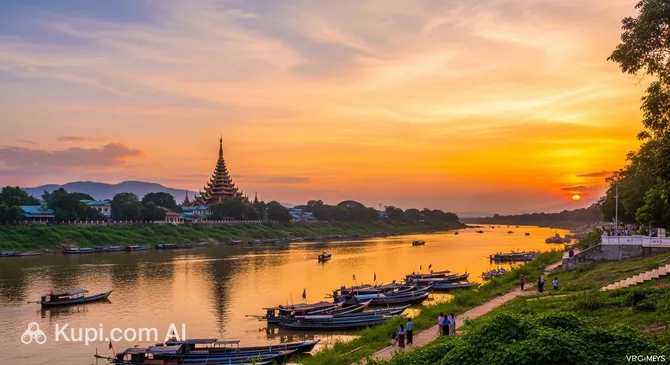
Myitkyina. Source: Kupi.Binoculars

Geographically, the city is situated in a valley surrounded by mountain ranges, which contributes to a climate that can be cooler and more pleasant than the central plains. With a population of approximately 243,000 residents, Myitkyina balances a lively atmosphere with a sense of spaciousness. Visitors interested in the history of Myitkyina will discover that it has long been a melting pot of diverse ethnic groups, particularly the Kachin people, whose traditions and customs deeply influence the local culture.

One of the most famous attractions nearby is Myitsone, the scenic confluence where the Mali and N'Mai rivers merge to officially form the Irrawaddy River. It is a site of great natural beauty and a popular spot for both locals and tourists to enjoy riverside views. The city is also renowned for the vibrant Manau Festival, a traditional celebration featuring elaborate dances and colorful costumes that showcase the region's heritage. Additionally, the bustling local markets offer a chance to taste local cuisine and see an array of fresh produce and handicrafts.

Whether you are looking to explore the natural wonders of the north or immerse yourself in distinct local traditions, Myitkyina offers a memorable experience. It stands as an excellent starting point for further adventures into the Himalayan foothills or simply as a peaceful destination to enjoy the charm of northern Myanmar.

Weather Overview

Understanding the local climate is essential for planning a comfortable trip to this northern city. The weather in Myitkyina is generally characterized by distinct wet and dry seasons, offering a mix of tropical warmth and cooler, refreshing periods. Travelers can usually anticipate pleasant conditions for outdoor exploration during the cooler months, while the monsoon season brings lush greenery and frequent showers.

The most popular time to visit is during the cool, dry season from November to February. During these months, rainfall is negligible, and temperatures are mild, with January seeing average lows of 11.4°C and highs of 24.0°C. As spring approaches in March and April, the heat begins to build, leading to the hottest time of the year; in April, average maximum temperatures can reach 32.6°C.

From June to September, the city experiences its wet season. Although the temperatures remain warm, averaging around 26.7°C, rain becomes a daily occurrence, with data showing precipitation on up to 30 days per month in July and August. Expect warm, humid summers with frequent rain and cooler, dry winters that are ideal for sightseeing.

Interesting Facts

Beyond the scenic river views and cultural festivals, Myitkyina holds a treasure trove of historical and cultural secrets waiting to be uncovered. This northern city offers intriguing glimpses into the past and unique local practices that often go unnoticed by the casual observer.

  • A World War II Turning Point: Myitkyina played a pivotal role during the Second World War as a strategic gateway between Myanmar and China. It was the site of a fierce siege involving the famous American unit known as "Merrill's Marauders," who captured the vital airfield in 1944, a feat that was crucial for the Allied supply lines along the Ledo Road.

  • Gateway to "Green Gold": While the city itself is a commercial hub, it sits on the doorstep of the world's most significant jadeite deposits. Hpakant, the center of the global jade trade, is located within the same state, meaning that high-quality jade stones often pass through Myitkyina's markets before reaching international buyers.

  • Gold Rush on the Riverbanks: A stroll along the banks of the Irrawaddy River reveals more than just natural beauty; you can often spot locals engaging in traditional gold panning. Small-scale prospectors sift through the river sediments in hopes of finding glimmering dust, a practice that has been part of the local livelihood for generations.

  • Unique Kachin Cuisine: The city is the best place to try distinct Kachin dishes that are rare elsewhere in the country, such as Shat Jam. This savory rice dish is mixed with boiled vegetables, beans, mushrooms, and various herbs, offering a completely different flavor profile from the curries typically found in central Myanmar.

How to Get There

Reaching this northern capital is an adventure in itself, offering travelers a chance to witness the changing landscapes of the region. While the journey can be long depending on your starting point, the destination is well worth the effort. For a detailed breakdown of all transport options and routes, you can read more about how to get to Myitkyina.

The most convenient and common way to arrive is by air directly into the city. Myitkyina Airport (MYT) serves as the primary gateway, located just 4 km from the city center. It is a regional hub connecting the north to major cities like Yangon and Mandalay. The airport handles a moderate volume of passengers, ensuring a relatively relaxed arrival experience. Once you land, a taxi or local transport can take you to the downtown area in approximately 25 to 30 minutes.

For those considering alternative routes, there are other airports in the wider region, though they are significantly farther away and may involve complex ground travel. For instance, Tengchong Tuofeng Airport (TCZ) is located about 120.5 km from Myitkyina in the city of Tengchong. Travelers should be aware that this airport is across the border in China, which involves crossing international boundaries. The estimated travel time by road from the vicinity of Tengchong is roughly 3 hours and 20 minutes, not accounting for border formalities. Another domestic option is Bhamo Airport (BMO), situated in the city of Bhamo, approximately 125 km away.

For clarity, here is a summary of the main airports in the vicinity:

Airport Name City Passenger Traffic Km from City
Dehong Mangshi Airport Luxi Large 158.5
Baoshan Airport Baoshan Large 182.3
Tengchong Tuofeng Airport Tengchong Medium 120.5
Myitkyina Airport Myitkyina Medium 4.0
Bhamo Bhamo Small 124.8

Main Attractions

Hsu Taung Pyi Zedidaw is a stunning pagoda complex located directly on the banks of the Irrawaddy River, making it one of the most picturesque spots in the city. The site is famous for its large, gilded reclining Buddha statue and a collection of golden stupas that shine brightly against the backdrop of the water. It is a favorite location for both locals and tourists to enjoy a peaceful walk, particularly at sunset when the river scenery is at its most captivating.

For a deep dive into local culture, a visit to Kachin Manau Park is essential. This public space is home to the iconic *Manau Shadung*, towering totem-like poles painted with intricate red, black, and white motifs that symbolize the animist traditions of the Kachin people. While the park hosts massive festivals, it is a fascinating attraction year-round, offering visitors a chance to see these unique cultural symbols up close and take memorable photographs.

St. Columban's Cathedral stands as a serene architectural landmark in the city center, reflecting the significant Christian heritage of Kachin State. The church is constructed with red brick and features a design that blends colonial influences with local simplicity. Its quiet, well-maintained grounds provide a tranquil escape from the city's noise, and the building itself serves as a testament to the diverse religious history of the region.

To experience the vibrant daily rhythm of Myitkyina, travelers should explore the Myitkyina Central Market. This bustling trading hub is packed with vendors selling fresh produce from the fertile river valley, as well as an array of local handicrafts. It is the best place to find traditional Kachin textiles, known for their geometric diamond patterns, and to browse for jade jewelry and other souvenirs while mingling with the friendly local community.

Local Cuisine

The culinary landscape of Myitkyina offers a distinct departure from the curries found in central Myanmar, largely defined by the spicy and herbal flavors of the Kachin people. The local food scene is characterized by the use of fresh, jungle-foraged ingredients, aromatic herbs, and bamboo shoots, creating dishes that are both rustic and intensely flavorful. Visitors will find that meals here are often healthier and less oily, focusing on steaming and boiling techniques alongside the ubiquitous chili heat.

A gastronomic tour of the city must begin with Shat Jam, the region's most famous signature dish. Often described as a mixed rice salad, it combines rice with boiled vegetables, beans, mushrooms, and shredded meat, all seasoned with a fragrant blend of local herbs like Vietnamese coriander. Another must-try is Kachin Chicken Curry, which is typically cooked without oil and flavored with prickly ash (Sichuan pepper), delivering a unique numbing yet citrusy kick. For seafood lovers, the proximity to the Irrawaddy River ensures a steady supply of fresh fish, often prepared steamed in banana leaves with spices.

When it comes to beverages, the local culture is deeply intertwined with traditional rice wine. Known locally as Tsa or Khye, this fermented drink is a staple at festivals and social gatherings, traditionally served in bamboo cups. It varies in sweetness and potency, offering a true taste of highland hospitality. For a non-alcoholic alternative, the city's tea shops serve strong, sweet milky tea, a classic staple that serves as a perfect accompaniment to morning snacks like fried dough sticks or steamed buns.

Dining in Myitkyina is as much about the atmosphere as it is about the food. The best way to experience the local vibe is to visit the bustling Night Market near the riverfront. Here, smoke rises from charcoal grills cooking savory barbecue skewers and river fish, while locals gather on small plastic stools to enjoy dinner under the stars. For a more relaxed setting, several riverside restaurants offer open-air seating where you can enjoy traditional Kachin set menus while watching the sunset over the water.

Travel Tips

Traveling to Myitkyina offers a unique glimpse into life in northern Myanmar, but it requires a bit more preparation than visiting the well-trodden tourist paths of Yangon or Mandalay. To ensure your journey is smooth and enjoyable, here are some essential practical tips tailored for your adventure in Kachin State.

  1. Clothing and Gear: Since Myitkyina experiences cooler temperatures than the rest of the country, especially from November to February, pack a light jacket or sweater for the mornings and evenings. Comfortable walking shoes are a must for exploring the riverbanks and markets. Remember to dress modestly—covering shoulders and knees—when visiting religious sites like the Hsu Taung Pyi Zedidaw.

  2. Transportation: Getting around is best done via motorbike taxis or three-wheeled auto-rickshaws (tuk-tuks), as formal public buses are scarce within the city. Taxis are available but usually do not have meters, so you should negotiate the fare before starting your journey. Renting a car with a driver is highly recommended for day trips to outlying areas like Myitsone.

  3. Finances: The local economy is predominantly cash-based. While there are ATMs in the city, they can be unreliable or out of service, so it is crucial to carry sufficient cash in Myanmar Kyat (MMK). If you bring foreign currency (USD or Euros) to exchange, ensure the bills are pristine—crisp, clean, and without any folds or marks—or they may be rejected by banks and money changers.

  4. Health and Safety: Myitkyina is generally safe for tourists, but it is located in a region with specific travel restrictions; always check current regulations and do not stray into restricted zones without a permit and a guide. Mosquito repellent is essential, particularly in the evenings. Pharmacies are available in the town center, but carrying a basic first-aid kit and your own prescription medications is wise.

  5. Communication: The primary language is Burmese, though many locals also speak Jinghpaw (Kachin). English is not widely spoken outside of hotels and tour agencies, so learning a few basic phrases like "Mingalaba" (Hello) or "Jey Zu Tin Ba De" (Thank you) goes a long way. Buying a local SIM card (such as MPT or Atom) upon arrival is recommended for navigation and translation apps, as Wi-Fi can be spotty.

  6. Local Etiquette: The Kachin people are known for their hospitality. When handing over money or a gift, use your right hand while supporting your right elbow with your left hand as a sign of respect. Always remove your shoes and socks before entering pagodas or private homes.

  7. What to Avoid: Avoid photographing military personnel, police stations, or government buildings, as this is strictly prohibited and can lead to serious misunderstandings. Be mindful of your surroundings and stick to designated tourist areas to ensure a hassle-free visit.

  8. Power Supply: Electricity outages can be frequent in this part of the country. A practical "life hack" is to bring a high-capacity power bank and a small flashlight or headlamp, ensuring you are never left in the dark during a power cut or an evening stroll along the river.

With these tips in mind, you are well-equipped to navigate the charming streets and scenic surroundings of Myitkyina. Embrace the slower pace of life in the north, and you will find that the warmth of the local people makes every challenge a part of the adventure.

Entertainment & Nightlife

Entertainment in Myitkyina is refreshingly laid-back, reflecting the city's easygoing pace and local culture. You will not find pulsating nightclubs or high-tech discos here; instead, the nightlife revolves around socializing, dining, and enjoying the cool evening breeze off the river. The atmosphere is casual and friendly, with locals gathering to unwind after work, making it easy for travelers to strike up a conversation and immerse themselves in the local vibe.

The epicenter of evening activity is undoubtedly the Strand Road along the Irrawaddy River. As the sun sets, this area comes alive with a string of Beer Stations—the Myanmar equivalent of pubs. These open-air venues are the heart of the local nightlife, offering draft beer (usually Myanmar Beer or local brews) and a wide array of barbecue and spicy salads. The setting is unpretentious, often featuring plastic chairs and tables, but the view of the river and the lively chatter create a welcoming environment.

For a more bustling experience, the Myitkyina Night Market is the place to be. While primarily a food destination, it serves as a major entertainment hub where the city's residents congregate. The sensory experience here is vibrant, with smoke rising from charcoal grills and music often playing from nearby stalls. It is an excellent spot to spend an evening people-watching and sampling local delicacies like grilled fish and sticky rice. For those seeking late-night singing, KTV lounges (karaoke) are popular entertainment venues in the city, offering private rooms where you can sing your heart out with friends.

Another notable venue for a relaxed evening is the Jing Hpaw Veranda. While it functions as a restaurant, it is a cultural cornerstone where you can enjoy traditional Kachin cuisine in a beautiful wooden setting, often accompanied by local music or cultural displays. It offers a more refined atmosphere compared to the street-side beer stations and is perfect for a quiet night out.

Practical Advice: Nightlife in Myitkyina wraps up relatively early compared to larger cities. Most beer stations and restaurants begin to close around 10:00 PM or 11:00 PM, so it is best to start your evening early. Prices are generally very affordable; a glass of draft beer can cost less than a dollar, and a hearty meal is equally inexpensive. Dress codes are casual everywhere—shorts and t-shirts are perfectly acceptable, though long pants are recommended to protect against mosquitoes.

Safety and Transport: The city is generally safe for night walks, particularly along the well-populated riverfront. However, street lighting can be dim or non-existent in side streets, so carrying a small flashlight is advisable. Taxis are harder to find late at night, so it is wise to arrange a ride back to your hotel in advance or rely on motorbike taxis, which are the most common form of night transport. Always agree on the fare before hopping on.

During the day, entertainment options are more educational and scenic. If you have time before the sun goes down, visit the Kachin State Cultural Museum. It provides a fascinating insight into the costumes, tools, and traditions of the Kachin people, offering context that enriches your evening cultural experiences. For a leisurely afternoon, the city’s golf course and various tea shops offer a slow-paced way to relax before the evening activities begin.

Parks & Museums

While Myitkyina is better known for its rugged frontier atmosphere and riverside charm than for manicured botanical gardens, the city offers several significant green spaces and cultural institutions that provide deep insight into the region's identity. Visitors can expect a blend of scenic natural areas that celebrate the majesty of the Irrawaddy River and museums dedicated to preserving the rich heritage of the Kachin people.

The most iconic public space in the city is the Kachin Manau Park (Manau Compound). Located near the river, this expansive ground serves as the spiritual and social center for the local community. It is famous for hosting the massive Manau festivals, but on quiet days, it functions as a peaceful park where visitors can wander among the towering Manau Shadung. These vibrant, totem-like pillars are painted with intricate animist symbols and geometric patterns, standing as silent guardians of Kachin tradition. It is an excellent spot for a morning walk and offers a unique opportunity to appreciate the artistic symbolism of the local culture in an open-air setting.

For a true immersion in nature, a trip to the Myitsone Confluence is indispensable. Although situated about 45 kilometers north of the city center, it acts as the primary natural recreational area for Myitkyina's residents and visitors. This is the geographic birthplace of the Irrawaddy River, formed by the merging of the Mali and N'Mai rivers. The area is developed with viewing platforms, rocky riverbanks suitable for picnics, and small stalls selling local snacks. The sight of the two distinctively colored rivers swirling together against a backdrop of misty mountains creates a powerful connection to the natural landscape of northern Myanmar.

In terms of museums, the Kachin State Cultural Museum is the premier institution for understanding the diverse ethnic tapestry of the region. The museum houses a comprehensive collection of artifacts representing the various Kachin subgroups, such as the Jinghpaw, Lisu, and Rawang. Visitors can explore exhibits featuring traditional costumes adorned with silver ornaments, ancient weaponry, musical instruments, and household tools. It provides essential context for travelers, explaining the significance of the Manau poles and the complex history of the people who call this state home.

Another unique, albeit more somber, institution is the Drug Elimination Museum. Given the region's historical proximity to the Golden Triangle and its past struggles with opium production, this museum offers a candid look at the efforts to combat drug abuse and trafficking. The exhibits include dioramas, photographs, and educational displays that narrate the history of the issue and the ongoing campaigns for a drug-free society. It is an intriguing stop for those interested in the social history and modern challenges of the border regions.

For a lesser-known experience, seek out the quiet riverfront gardens near the Hsu Taung Pyi Zedidaw pagoda. While not always marked as a formal park on maps, this stretch of the riverbank is lovingly maintained with shade trees and benches. It offers a serene vantage point away from the main market crowds, perfect for watching the local long-tail boats navigate the currents of the Irrawaddy.

Getting Around

Navigating the public transport system in Myitkyina is an adventure in itself, characterized by an informal and flexible network rather than a structured schedule of buses or trains. Unlike major metropolitan hubs, this city does not have a metro, tram, or large-scale municipal bus service. Instead, the local transportation landscape is dominated by smaller, versatile vehicles that are well-suited to the city's layout and pace of life.

The most ubiquitous form of transport is the motorbike taxi. You will see drivers waiting at street corners, markets, and near the railway station. They are the fastest way to get around, easily weaving through traffic to get you to your destination. For those carrying luggage or traveling in small groups, three-wheeled auto-rickshaws (often referred to locally as "tuk-tuks" or "thone-bein") are a popular alternative. These vehicles offer a bit more comfort and shade than a motorbike and are perfect for short to medium distances within the city limits.

For longer distances or travel to the outskirts, locals rely on shared pick-up trucks or "line cars." These converted trucks run on specific routes, picking up and dropping off passengers along the way. They act as the city's de facto bus system. While they are incredibly cheap, they can be crowded and confusing for first-time visitors, as routes are rarely marked in English. However, they offer a genuine glimpse into local daily life if you are feeling adventurous.

The payment system across all forms of city transport is exclusively cash-based. There are no travel cards, passes, or digital ticketing systems. You will need to pay the driver directly in the local currency. Fares are generally very affordable, often costing just a few thousand units of currency for a standard trip across town. It is essential to carry small bills, as drivers may not always have change for large denominations.

A critical piece of advice for tourists is to negotiate the fare before starting your journey. None of the taxis or motorbikes are equipped with meters. State your destination clearly, ask for the price, and if it seems high, feel free to counter-offer politely. Once a price is agreed upon, it is fixed. Operating hours are somewhat limited; while transport is plentiful during the day, the number of available drivers drops significantly after 8:00 PM or 9:00 PM, so plan your evening returns accordingly.

If you prefer more independence, bicycle rental is a fantastic option. Many guesthouses and hotels offer bikes for a small daily fee. Given that the city center is relatively flat and traffic is less chaotic than in larger capitals, cycling is a pleasant way to explore the riverfront and markets at your own pace. Private car taxis are available but are less common on the streets; they are usually arranged through your hotel or a tour agency for day trips rather than hailed for short hops.

A unique feature of transport here is the reliance on the river. Small motorized boats ferry locals and visitors across the water to villages on the opposite bank. These boats typically depart from the main jetties near the market area. It is a scenic and functional mode of travel that connects the city to its rural surroundings, offering beautiful views of the water and the distant mountains during the crossing.

Accommodation

Accommodation in Myitkyina is generally practical and comfortable, catering primarily to travelers who are here for business, cultural exploration, or as a stopover before heading further north. Unlike the major tourist hubs of Yangon or Mandalay, you will not find international luxury hotel chains or sprawling five-star resorts. Instead, the city offers a selection of solid mid-range hotels, family-run guesthouses, and budget motels that provide good value for money and warm local hospitality.

The most popular and scenic area to stay is along the Strand Road facing the Irrawaddy River. Hotels in this vicinity offer the distinct advantage of river views, where you can watch the sunrise over the water or enjoy the cool evening breeze. Staying here also places you within walking distance of the night market and the lively beer stations, making it a convenient base for dining and evening entertainment. Another common area for accommodation is the city center near the Railway Station and the central market. While less scenic, this location is incredibly practical for those relying on public transport or wanting immediate access to shops and bustling street life.

For those seeking a bit more comfort, there are a few "resort-style" hotels located slightly away from the dusty center. These properties often feature landscaped gardens, swimming pools, and spacious rooms, providing a quiet retreat after a day of sightseeing. While they may not rival global luxury standards, they are the best options available in the region and offer amenities like reliable air conditioning, Wi-Fi, and on-site dining.

Booking Tips: It is highly recommended to book your accommodation in advance if you plan to visit during the Manau Festival in January. This is the biggest event of the year, drawing thousands of visitors from across the country and abroad, causing hotels to fill up months ahead of time. For the rest of the year, finding a room is usually straightforward, but securing a booking beforehand is still a good practice to ensure you get your preferred location.

Prices and Payment: The price range is generally affordable, with budget rooms available for backpackers and mid-range options costing significantly less than in Western countries. While major booking platforms list some of the larger hotels, many smaller guesthouses still rely on direct phone bookings or walk-ins. Be prepared to pay in cash (Myanmar Kyat) upon arrival, as credit card machines can be unreliable due to internet connectivity issues, and many smaller establishments do not accept cards at all.

Nearby Cities

For those looking to explore the surroundings, Myitkyina serves as an excellent base for day trips to several interesting nearby locations:

One of the most accessible destinations for a quick excursion is Mogaung. Located just a short drive from the city, this town is historically significant as a former capital of the Shan principality and a vital transit point on the railway line. It offers travelers a chance to see ancient pagodas and experience the bustling atmosphere of a town deeply connected to the region's jade trade history.

For literature enthusiasts and history buffs, a visit to Katha is a rewarding experience, even if it requires a longer journey or an overnight stay. Famous as the setting for George Orwell's novel Burmese Days, the town retains much of its colonial-era charm. Visitors can walk through streets lined with heritage buildings, visit the local market, and enjoy the scenic views along the Irrawaddy River, which provides a nostalgic glimpse into the past.

City Population Distance (km)
Mandalay 1,319,452 402
Katha 167,700 171
Mogok 167,149 287
Mogaung 132,608 47
Lashio 131,000 273

These nearby destinations offer a glimpse into the diverse culture and landscapes of the region.

Shopping & Souvenirs

Shopping in Myitkyina offers a refreshingly authentic experience that contrasts sharply with the polished, commercialized retail scenes of larger Asian metropolises. Instead of sprawling luxury malls and international brand outlets, the city’s commercial life revolves around bustling traditional markets, family-run shophouses, and vibrant street stalls. For tourists, this is an excellent opportunity to engage directly with local traders, practice bargaining skills, and discover unique regional products that are difficult to find elsewhere in Myanmar.

The heart of the city's retail activity is undoubtedly the Myitkyina Central Market (Myoma Market). Located in the town center near the clock tower, this sprawling complex is where the pulse of the city beats strongest. It is a labyrinth of stalls selling everything from fresh river fish and organic produce to consumer electronics and clothing. For visitors, the most interesting sections are those dedicated to traditional wares, where you can find locally made handicrafts and witness the daily trade of the diverse ethnic groups who come from the surrounding hills to sell their goods.

While Myitkyina does not have large-scale shopping malls comparable to those in Yangon or Mandalay, there are several smaller shopping centers and supermarkets that cater to modern needs. These venues provide a more air-conditioned and orderly shopping environment, stocking imported snacks, beverages, and toiletries. They serve as convenient stops for travelers needing to restock on travel essentials, but they generally lack the cultural charm found in the open-air markets.

When it comes to souvenirs, Kachin textiles are the city's most prized offering. The Kachin people are renowned for their weaving skills, producing fabric with intricate geometric patterns, often in striking red, black, and white combinations. You can buy these as traditional longyis (sarongs), shoulder bags (known as nhpye), or simply as uncut cloth. These items are not only beautiful but also carry deep cultural significance, often featuring motifs that represent the clan or region of the weaver.

Another major commodity in the region is jade. Being the capital of the state that produces the world's finest jadeite, Myitkyina has numerous gem shops and trading posts. Visitors can find everything from inexpensive jade bangles and beads to high-quality stones. However, extreme caution is advised; unless you are an expert, it is best to stick to small, affordable souvenirs rather than high-value investments. Always ensure you receive a proper receipt and official export voucher if you plan to take significant gem purchases out of the country, as strict customs regulations apply.

For a taste of the local land, look for organic honey and traditional herbal medicines, which are often sold in the market's dry goods section. The region is also famous for its walnuts and seasonal fruits like persimmons and grapefruits, which make for excellent snacks during your trip. In the evenings, the Night Market near the riverfront offers a different kind of shopping; while primarily a food venue, you can often find vendors selling small trinkets, toys, and local crafts under the glow of streetlights.

Practical Information: Stores and markets in Myitkyina operate on a cash-only basis. Credit cards are rarely accepted outside of high-end hotels, so it is essential to carry sufficient Myanmar Kyat (MMK), preferably in smaller denominations for market purchases. Bargaining is expected and acceptable in markets and with street vendors, but should always be done with a smile and good humor. Typical opening hours for markets are from 6:00 AM to 5:00 PM, while standalone shops may stay open until around 8:00 PM. There is no tourist tax refund scheme available in the city.

Reached the end of the page?

That means the route is fully explored