Support

Bhamo

About

Nestled on the banks of the majestic Irrawaddy River, Bhamo is a captivating town that offers a unique glimpse into the diverse culture and daily life of northern Myanmar. As the southern gateway to the Kachin State, this bustling river port serves as an important trading hub, blending traditional Burmese charm with a lively atmosphere influenced by its proximity to the Chinese border.
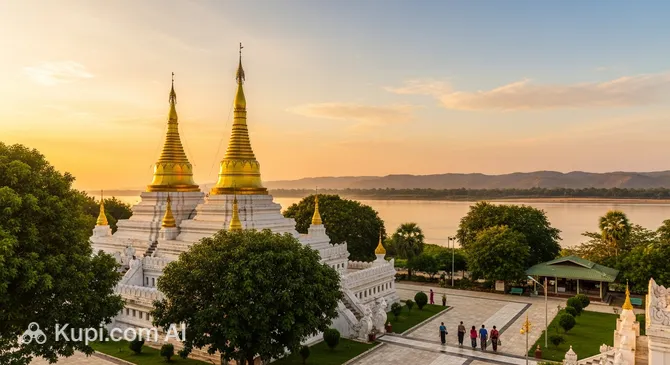
Bhamo. Source: Kupi.Binoculars

Geographically, Bhamo is situated just south of the river's narrow defiles, making it a scenic stop for travelers exploring the upper reaches of the Irrawaddy. With a population of approximately 48,000 people, the city maintains a friendly, community-focused vibe while still buzzing with commercial activity. The climate here is generally warm, with a distinct monsoon season, contributing to the lush greenery that surrounds the urban area.

The history of Bhamo is deeply intertwined with ancient trade routes, having served for centuries as a crucial caravan station connecting the region to China. This rich heritage is reflected in the town's multicultural population, which includes Kachin, Shan, and Chinese communities living alongside the Bamar majority. Visitors can feel this blend of cultures while wandering through the vibrant morning markets, where local produce and goods change hands in a colorful display.

Among the city's key attractions is the Theindawgyi Pagoda, an ancient stupa that stands as a testament to the region's spiritual devotion. Travelers are also often drawn to the riverside, where the atmosphere is serene and perfect for watching boats navigate the water. Whether you are arriving by boat from Mandalay or exploring the northern territories, Bhamo invites you to experience its authentic character and warm hospitality.

Weather Overview

The climate in this region is characterized by three distinct seasons, offering travelers different experiences depending on when they visit. Generally, you can expect hot temperatures leading into the monsoon season, followed by cooler, drier conditions in the winter months. The hottest period typically occurs in April, when average maximum temperatures peak at around 34.9°C.

From June to September, the region experiences its rainy season. During this time, the weather in Bhamo is consistently wet, with precipitation occurring on up to 31 days in August, although average temperatures remain warm at approximately 27°C. This season is vital for the local agriculture but can make travel slightly more challenging due to the frequent wet days.

The most popular time for tourism is the cool, dry season from November to February. Rainfall is virtually non-existent during these months, and temperatures become much more comfortable. January is usually the coolest month, with an average temperature of 18.5°C and lows dipping to 12.2°C, providing excellent conditions for outdoor exploration and sightseeing.

Interesting Facts

Beyond the bustling markets and riverside views, Bhamo holds several fascinating secrets that are often overlooked by casual visitors. This strategic outpost boasts a history that stretches from ancient kingdoms to pivotal moments in global conflict.
  • The Limit of Navigation: Bhamo serves as the northernmost navigable point for large commercial vessels on the Irrawaddy River. While smaller boats can venture further upstream, the heavy ferries and cargo ships from Mandalay terminate their journey here, marking the town as a critical transition point between river transport and the overland routes to the northern mountains.

  • A Key Node on the Stilwell Road: During World War II, the city became a vital hub on the famous Ledo Road (also known as the Stilwell Road). This massive engineering project was designed to supply Allied forces in China, and Bhamo was liberated in 1944 to secure this essential lifeline, leaving behind a legacy of airstrips and infrastructure.

  • Ruins of an Ancient Kingdom: Just a few miles east of the modern town lie the crumbling earthen walls of Sampanago. This ancient city was once the capital of a Shan kingdom and dates back centuries, offering a quiet, atmospheric site for history enthusiasts to explore the region's pre-colonial past.

  • Gateway to the Second Defile: The town is the immediate staging ground for entering the Second Defile of the Irrawaddy, one of the most dramatic natural features of the river. Just downstream, the river narrows significantly as it cuts through massive limestone cliffs, creating a spectacular and rugged gorge that stands in stark contrast to the wide plains found further south.

How to Get There

Reaching this northern river port can be an adventure in itself, offering a chance to see the diverse landscapes of the region. For a detailed breakdown of all transport options and routes, you can read more about how to get to Bhamo. The most direct and time-saving method for most travelers is to arrive by air, as the town has its own facility handling domestic connections.

The city is served by Bhamo (IATA: BMO), which is conveniently located just 1.2 km from the center. Because of its close proximity, a taxi or local transport can get you into the heart of the town in approximately 20 minutes. It is a small regional airport with an annual passenger traffic of around 25,000 people, primarily connecting to major hubs like Mandalay and Yangon.

Alternatively, you might consider flying into Myitkyina Airport (IATA: MYT), located in the city of Myitkyina, about 124.5 km north of Bhamo. This airport is busier, serving around 250,000 passengers annually. From Myitkyina, you can travel south by road; the journey typically takes about 3 hours and 30 minutes by taxi or bus. While geographically close, other airports like Dehong Mangshi Airport are located across the border in China, which may involve complex visa and crossing procedures.

For clarity, here is a summary of the main airports in the wider region:

Airport Name City Passenger Traffic Km from City
Dehong Mangshi Airport Luxi High 132.2
Baoshan Airport Baoshan Medium 213.9
Tengchong Tuofeng Airport Tengchong Medium 146.7
Myitkyina Airport Myitkyina Medium 124.5
Bhamo Bhamo Small 1.2

Bhamo does not have its own railway station, as the train lines in this part of the country do not extend directly to the town. The nearest major railheads are in Myitkyina to the north and Mandalay to the south. Many visitors choose to take a train to Mandalay and then transfer to a river ferry for a scenic journey up the Irrawaddy River, or catch a bus for the overland route.

Main Attractions

While often viewed as a transit hub, Bhamo possesses a distinct charm with several noteworthy sites that reflect its rich history and cultural diversity. Visitors can easily spend a day or two exploring ancient pagodas, atmospheric ruins, and vibrant local life before continuing their journey along the Irrawaddy River.

The spiritual heart of the city is undoubtedly the Theindawgyi Pagoda. Located centrally, this impressive golden stupa is renowned for its unique design, which showcases distinct Thai architectural influences rather than the traditional Burmese style found elsewhere in the country. It is a peaceful sanctuary where locals come to pray and offer flowers. The site is particularly striking in the late afternoon when the setting sun reflects off its gilded surface, creating a glowing beacon visible from various parts of the town.

For a glimpse into the region's ancient past, travelers should visit the ruins of Sampanago, situated roughly five kilometers north of the modern town. This archaeological site marks the location of an old Shan capital that thrived centuries ago. Although much of the city has faded into history, visitors can still see remnants of the old earthen walls and several weathered stupas scattered across the landscape. It offers a quiet and atmospheric setting for those interested in history and archaeology.

One of the most photogenic spots in the area is the Wa Thatar Bamboo Bridge, which spans the Tapin River near the town. This long, rustic structure is traditionally rebuilt by the local community after every monsoon season when the river levels recede. Walking across the bridge offers excellent views of the river and the surrounding countryside, and it provides a unique opportunity to observe the daily commute of villagers moving between the town and their rural homes.

To experience the local culture firsthand, a visit to the Bhamo Morning Market is essential. The market is a melting pot of the region's diverse ethnic groups, including Kachin, Shan, and Bamar people, alongside traders of Chinese descent. It is a bustling center of activity where you can find fresh produce, local handicrafts, and traditional snacks. The vibrant colors and lively interactions make it a perfect place for photography and for sampling authentic local flavors.

Local Cuisine

The culinary landscape of Bhamo is a delightful reflection of its multicultural heritage, blending the savory traditions of the Kachin and Shan people with classic Burmese flavors and influences from nearby China. Located on the river and near the border, the city offers a unique gastronomic experience where fresh local ingredients meet robust spices. Visitors will find that food here is not just sustenance but a vibrant part of daily social life, best enjoyed in the company of locals.

One of the must-try dishes in Bhamo is Shan Noodles (Shan Khauk Swe). Given the strong Shan population in the area, this dish is authentic and ubiquitous, typically served with a sticky rice noodle base, chicken or pork in a tomato sauce, and garnished with roasted peanuts and pickled mustard greens. For a taste of the regional specialty, look for Kachin-style curries. These dishes are famous for using distinct herbs like sawtooth coriander and Vietnamese mint, often prepared with bamboo shoots and spicy chilies. A popular variation involves pounded beef or chicken mixed with these aromatic herbs, offering a zestier and less oily alternative to traditional Burmese curries.

When it comes to beverages, the local culture is split between the traditional tea shop atmosphere and indigenous celebrations. Like much of the country, Bhamo has a thriving tea culture where sweet, milky tea is sipped slowly alongside fried dough snacks or steamed buns. For something stronger and unique to the region, adventurous travelers should try Khaung Ye, a traditional fermented rice wine. This cloudy, slightly sweet alcoholic drink is central to Kachin hospitality and festivals, often served in bamboo cups or large communal jars.

The food scene in Bhamo is casual and community-oriented. The best place to start your culinary journey is the bustling morning market, where vendors sell steaming bowls of noodle soup and freshly fried fritters at dawn. It is an excellent spot for a cheap and authentic breakfast. For dinner, the atmosphere shifts to the riverside eateries along the Irrawaddy. Here, you can enjoy grilled river fish and cold beer while watching the sunset over the water, providing a relaxing end to a day of exploration.

Travel Tips

Visiting Bhamo offers a genuine and rustic experience of northern Myanmar, but its remote location means a little extra preparation goes a long way. To help you navigate this charming river port with ease and respect for local customs, here are some practical tips for your journey.

  1. Clothing and Gear: The climate is generally hot and humid, so pack lightweight, breathable cotton clothing. However, if you are visiting between November and February, bring a warm jacket or fleece, as mornings and evenings can be surprisingly chilly. Since you will likely visit religious sites like the Theindawgyi Pagoda, ensure you have clothes that cover your shoulders and knees. Slip-on shoes or sandals are highly recommended, as you must remove footwear frequently before entering temples and local homes.

  2. Transportation: Bhamo is relatively compact, and the town center is easily explorable on foot. For longer distances, the most common modes of transport are motorbike taxis and three-wheeled auto-rickshaws (locally known as thone-bane). There is no public metro or bus system within the town. Always agree on the fare with the driver before starting your journey, as meters are not used.

  3. Finances: The local currency is the Myanmar Kyat (MMK), and Bhamo is very much a cash-based economy. While there are a few ATMs in town (typically KBZ or CB Bank), they can occasionally be out of service or out of cash. It is crucial to carry enough cash for your entire stay. If you plan to exchange US dollars, ensure the notes are pristine—crisp, uncreased, and unmarked—or they may be rejected.

  4. Health and Safety: Mosquito-borne illnesses can be a concern in this region, so bring a high-quality insect repellent and wear long sleeves after dusk. Stick to drinking bottled water and avoid ice in drinks unless you are sure it is made from purified water. Pharmacies are available in the town center, but they may not stock specific international brands, so bring a sufficient supply of any personal prescription medications.

  5. Communication: Burmese is the primary language, though you will also hear Kachin and Shan dialects. English is not widely spoken outside of hotels and tour agencies. It is highly advisable to download an offline translation app and an offline map of the area before you arrive. Purchasing a local SIM card (such as MPT or Atom) is easy and affordable, providing reliable data for staying connected.

  6. Local Etiquette: The head is considered the most sacred part of the body, while the feet are viewed as the lowest. Never touch anyone on the head, even children. Conversely, avoid pointing your feet at people or religious images (like Buddha statues) when sitting. When handing over money or a gift, use your right hand, or support your right elbow with your left hand to show extra respect.

  7. What to Avoid: Avoid public displays of affection, such as hugging or kissing, as this is considered culturally inappropriate in conservative areas. Also, refrain from raising your voice or showing anger in public; keeping a cool head and a smile (saving face) will get you much further in resolving any issues.

  8. River Travel Prep: If you plan to take the famous ferry down the Irrawaddy to Mandalay, be prepared for a long journey that can take anywhere from 12 to 24 hours depending on the boat and river levels. Stock up on snacks, water, and perhaps a travel pillow from the local market in Bhamo before you board, as on-board amenities can be basic and limited.

By keeping these practicalities in mind, you will be well-equipped to relax and immerse yourself in the unique rhythm of life in Bhamo. The town's authentic atmosphere and the warmth of its diverse community are sure to make your visit a memorable highlight of your Myanmar adventure.

Entertainment & Nightlife

Entertainment in Bhamo is defined by its relaxed pace and deep connection to local traditions rather than a bustling nightlife scene. For travelers, the evenings here offer a chance to unwind and immerse themselves in the authentic riverfront atmosphere of northern Myanmar. The town’s charm lies in its simplicity, offering a break from the noise of larger cities.

The banks of the Irrawaddy River serve as the city's primary social hub as the sun begins to set. Locals and visitors alike gather along the promenade to witness spectacular sunsets that paint the sky and the water in shades of orange and violet. It is a mesmerizing experience, often accompanied by a cold drink from one of the small riverside stalls. Watching the boats settle for the night and feeling the cool breeze off the water provides a perfect, tranquil end to a day of exploration.

Socializing in the town largely revolves around the traditional tea shop culture. These establishments are more than just places to eat; they are the heart of the community where friends meet to chat, watch sports on TV, and enjoy sweet milky tea. Spending an evening in a busy tea shop offers a unique window into the daily lives of the residents. For those seeking a different flavor, local "beer stations" offer a casual environment to try regional brews and barbecue, often bustling with chatter and friendly curiosity toward visitors.

Cultural festivals also play a significant role in the local entertainment calendar. As a major city in Kachin State, Bhamo celebrates the Manaw Festival, a vibrant event featuring traditional dances, colorful costumes, and communal feasting. Usually held in January, this festival is a spectacular display of the region's ethnic heritage. Additionally, during the Thadingyut Festival of Lights, the town glows with candles and lanterns, transforming the streets and pagodas into a magical scene that captivates anyone lucky enough to be visiting during this time.

Parks & Museums

Bhamo offers a refreshing change of pace for travelers, where the concept of "green space" is defined by the untamed beauty of riverbanks and ancient landscapes rather than manicured city parks. While the town does not boast an extensive array of formal museums or botanical gardens, its rich history and natural surroundings serve as an open-air gallery, inviting visitors to explore the living heritage and scenic grandeur of Kachin State.

The most significant natural area in the city is the Irrawaddy Riverfront. Acting as the town’s communal "park," this long stretch of embankment is where the community comes to breathe. In the late afternoon, the area transforms into a vibrant promenade where families stroll, children play, and locals exercise against the backdrop of the massive river. It is the perfect spot for tourists to witness the slow, rhythmic life of the waterway, observing ferries dock and fishermen cast their nets in the golden light of sunset.

Just outside the urban center, the banks of the Tapin River offer a more rustic natural escape. The area surrounding the famous bamboo bridge is lush with vegetation and seasonal crops, providing a picturesque setting for a nature walk. During the dry season, the receding waters reveal sandy banks that become temporary playgrounds and picnic spots. It is a serene location for photographers and nature lovers who wish to experience the rural tranquility of northern Myanmar without venturing too far into the wilderness.

In terms of cultural history, the Ancient City of Sampanago serves as the region's most compelling "museum." Located about five kilometers from the modern town, this archaeological site allows visitors to walk through the remnants of an old Shan kingdom. Although there are no glass display cases, the crumbling earthen walls and weathered stupas scattered across the landscape tell the story of the region's past significance as a trade hub. Exploring these ruins offers a tangible connection to history that feels adventurous and authentic.

While Bhamo lacks a dedicated modern museum, the Theindawgyi Pagoda functions as a repository of local culture and artistry. Beyond its spiritual importance, the complex features intricate architectural details and motifs that reflect a blend of Shan and Burmese styles. Visitors can observe traditional craftsmanship in the gilded reliefs and statues, effectively gaining insight into the artistic heritage of the area. The pagoda grounds are peaceful and welcoming, offering a quiet space to reflect on the town's enduring traditions.

For a truly authentic experience, take a morning walk to the outskirts where the village monasteries are located. Unlike the famous sites, these smaller compounds often house curious collections of antiques and local artifacts gifted by villagers over decades. A polite visit can sometimes lead to a monk showing you old manuscripts or colonial-era relics, providing a personal and unscripted glimpse into Bhamo's hidden history.

Getting Around

Navigating Bhamo is a straightforward experience, though it differs significantly from the structured transport systems found in larger metropolitan areas. There is no metro, tram, or municipal bus network operating within the town limits. Instead, the public transport system relies entirely on an informal network of private operators. The most ubiquitous mode of travel is the motorbike taxi, which is fast and efficient for solo travelers. For those with luggage or traveling in small groups, three-wheeled auto-rickshaws, locally known as thone-banes, are the standard choice. These vehicles, which are essentially motorcycles attached to a sidecar or rear carriage, offer a breezy and authentic way to traverse the streets.

Payment for all local transport is exclusively in cash. There are no electronic travel cards, passes, or mobile ticketing apps available in the city. The fare system is not metered; instead, prices are determined by distance and negotiation. It is standard practice to agree on the fare with the driver before you begin your journey. Prices are generally very affordable, but it is helpful to ask hotel staff for the current "going rate" to common destinations to ensure you negotiate a fair price.

For tourists, the most practical advice is to carry plenty of small denomination notes, as drivers often do not have change for large bills. While motorbike taxis and auto-rickshaws are plentiful during the day, especially around the central market and the ferry jetty, availability drops significantly after dark. If you plan to be out late, it is wise to arrange a return trip with a driver beforehand or ensure you are within comfortable walking distance of your accommodation.

Alternatives to motorized transport are popular and well-suited to the town's relaxed pace. The center is compact and flat, making walking a viable and pleasant option for getting between the main sights and the riverfront. Bicycle rentals are also a favorite among visitors; many guesthouses and hotels offer bikes for a small daily fee. This allows for a leisurely exploration of the backstreets and surrounding villages at your own convenience. Car-sharing apps and standard taxi services are not operational here, so relying on local drivers or your own two feet is the best way to get around.

Accommodation

Accommodation in Bhamo is reflective of its status as a remote, authentic river port rather than a polished tourist destination. Travelers should manage their expectations, as the city does not offer luxury resorts or high-end international chains. Instead, the hospitality scene is dominated by budget guesthouses and practical mid-range hotels. These establishments are generally family-run, offering clean and basic amenities that provide a comfortable base for exploring the region.

Most accommodation options are clustered in the town center, particularly around the main market and the central clock tower. Staying in this area is highly convenient, as it places you within walking distance of tea shops, morning markets, and transport connections. There are also a few hotels located closer to the Irrawaddy riverfront, which offer a quieter atmosphere and easy access to the jetty for those arriving or departing by boat.

Since Bhamo sees fewer tourists than Mandalay or Yangon, the options are limited but usually sufficient to meet demand. The hotels typically provide standard facilities such as air conditioning, private bathrooms, and Wi-Fi, though internet connection speeds can be variable in this part of the country. Many places also offer breakfast, often a simple affair of toast and eggs or local Shan noodles.

Booking Tip: While it is often possible to find a room as a walk-in guest, it is advisable to book in advance if you are visiting during the Manaw Festival in January or the peak winter travel season. Online presence for smaller guesthouses can be limited, so booking via telephone or through a local travel agent in Myanmar is sometimes the most reliable method.

The price range for accommodation in Bhamo is generally very affordable. Budget rooms can be found for very low rates, while the best hotels in town fall into a modest mid-range price bracket. It is important to note that credit card machines are rare and often out of service; therefore, travelers should always be prepared to pay for their entire stay in cash (Myanmar Kyat) upon arrival or checkout.

Nearby Cities

For those looking to explore the surroundings, Bhamo serves as an excellent base for day trips to several interesting nearby locations:

One of the most compelling nearby destinations is Katha, a charming riverside town located downstream from Bhamo. Famous as the setting for George Orwell’s novel Burmese Days, Katha retains a distinct colonial atmosphere with its well-preserved British-era buildings and teak houses. Visitors can explore the historic streets, visit the local market, or simply enjoy the scenic views of the Irrawaddy River, making it a perfect spot for history enthusiasts and literary fans alike.

To the north lies Myitkyina, the capital of Kachin State. While it is a bit further away, it is a significant cultural hub known for the diverse ethnic groups that call it home. The city is the gateway to the Myitsone, the confluence where two rivers meet to form the mighty Irrawaddy. It offers a bustling market scene, beautiful river views, and a chance to experience the rich traditions of the Kachin people, including their famous Manaw festivals.

Another interesting stop is Mogok, often referred to as the "Valley of Rubies." Nestled in a valley surrounded by mountains, this town is legendary for its gemstone mines, which produce some of the world's finest rubies and sapphires. Although access can sometimes be restricted, the town itself offers a unique glimpse into the gem trade, with markets bustling with traders and a picturesque lake at its center.

City Population Distance (km)
Mandalay 1,319,452 281
Myitkyina 243,031 125
Katha 167,700 93
Mogok 167,149 166
Mogaung 132,608 119

These nearby destinations offer a glimpse into the diverse culture and landscapes of the region, allowing travelers to extend their journey beyond the immediate vicinity of the river port.

Shopping & Souvenirs

Shopping in Bhamo offers a distinct departure from the polished malls of modern metropolises. Instead, visitors are treated to an authentic trading post atmosphere where the pulse of commerce is driven by the town’s strategic location near the Chinese border. The experience here is less about luxury brands and more about discovering local craftsmanship, everyday necessities, and the fascinating array of goods flowing through this river port.

The retail heart of the city is the central Myoma Market. Unlike the morning market which focuses heavily on fresh produce, this sprawling area is the go-to destination for dry goods, clothing, and household items. It is a labyrinth of stalls where travelers can find everything from sturdy umbrellas and solar panels to colorful fabrics. Due to the proximity to the border, the market is well-stocked with affordable electronics, kitchenware, and plastic goods imported from neighbors to the north, offering a glimpse into the cross-border trade that sustains the local economy.

For tourists, the real treasures are the traditional textiles. Bhamo is an excellent place to purchase authentic Kachin fabrics. The Kachin people are renowned for their intricate weaving skills, producing textiles characterized by bold geometric patterns and vibrant colors like red, black, and green. You can find these turned into longyis (traditional sarongs), shoulder bags (shan lwe eit), and decorative wall hangings. These items make for lightweight, meaningful souvenirs that directly support local artisans.

In addition to textiles, the town offers a variety of regional handicrafts. Visitors often look for:

  • Bamboo and Rattan Ware: expertly woven baskets, mats, and hats that reflect the rural ingenuity of the surrounding villages.
  • Traditional Jewelry: silver ornaments and accessories often worn during local festivals, though it is advisable to buy these from reputable shops within the town center.
  • Preserved Foods: packets of pickled tea leaves (lahpet), dried river fish, and local spices that allow you to take the flavors of the region home with you.

When shopping in Bhamo, cash is the only accepted method of payment. Credit cards are virtually useless in markets and small shops, so ensure you have a sufficient supply of Myanmar Kyat in smaller denominations. Bargaining is a standard part of the transaction process, especially for clothing and souvenirs. A friendly smile and a polite negotiation can often lower the price, turning a simple purchase into a warm interaction with the local traders.

Reached the end of the page?

That means the route is fully explored