Support

Putao

About

Nestled in the northernmost tip of Myanmar, Putao offers a breathtaking escape into a world of pristine wilderness and rugged beauty. As the capital of the Putao District in Kachin State, this town serves as the primary gateway to the majestic Himalayas, making it a dream destination for adventurers and nature enthusiasts seeking an off-the-beaten-path experience.

With a population of approximately 55,000 residents, the town maintains a serene and authentic atmosphere. Its geographical location is truly unique; surrounded by snow-capped mountains, Putao enjoys a climate that is distinct from the rest of the country. Visitors can experience cool, temperate weather and even snow in the surrounding peaks, providing a refreshing contrast to the tropical heat typically associated with the region.
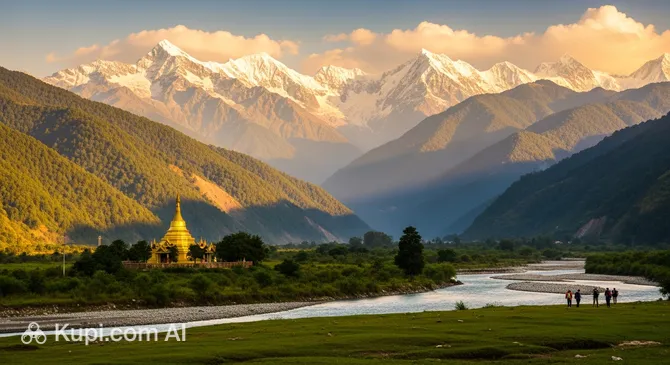
Putao. Source: Kupi.Binoculars

The region is rich in cultural diversity, home to ethnic groups such as the Rawang and Lisu people, who have adapted to life in this highland terrain. Visitors interested in the past can explore the fascinating history of Putao, which includes its significance as a remote outpost formerly known as Fort Hertz during the colonial era. This heritage adds a layer of historical intrigue to the stunning natural landscape.

Putao is best known as the starting point for expeditions to Mt. Hkakabo Razi, the highest peak in Southeast Asia. Beyond high-altitude mountaineering, the area is a sanctuary for biodiversity, famous for its rare Black Orchid and vibrant birdlife. The lush forests and rushing rivers provide a perfect backdrop for trekking, white-water rafting, and immersing oneself in untouched nature.

Whether you are seeking a challenging climb or a peaceful retreat among the clouds, Putao promises an unforgettable journey. We invite you to discover the wild spirit and unparalleled beauty of this Himalayan gem.

Weather Overview

Due to its high elevation and location in the Himalayan foothills, the weather in Putao is distinctively temperate and cooler than the tropical climate found in the rest of Myanmar. The region experiences significant seasonal variations, making it important for travelers to pack accordingly depending on the time of year.

The winter months, spanning from November to February, are generally cool and dry. January is typically the coldest month, with an average temperature of 10.7°C and lows dropping to around 5.4°C. Precipitation is minimal during this period, with December seeing as little as 2mm of rainfall and very few wet days, creating crisp conditions suitable for outdoor exploration.

From June to September, the area transitions into a warmer and much wetter season. Average temperatures rise to approximately 23°C in August, providing a mild climate. However, this warmth is accompanied by frequent rainfall; the summer months can experience precipitation on up to 31 days per month, ensuring a lush, green landscape but requiring rain gear for any activities. Expect mild, constantly wet summers and cool, dry winters.

Interesting Facts

Beyond the main attractions, Putao holds many fascinating secrets that make it a truly unique destination in Southeast Asia. This remote Himalayan outpost is not just about scenic views; it is a land of biological marvels and historical resilience.
  • Home of the Leaf Deer: One of the most remarkable biological discoveries in the region occurred here in 1999 with the identification of the Leaf Deer (Muntiacus putaoensis). This elusive creature is the smallest deer species in the world, standing only about 50 centimeters high. It gets its local nickname from the claim that its small body can be completely wrapped in a single large phrynium leaf.

  • The Unconquered Outpost: During World War II, when the town was known as Fort Hertz, it held a unique status in history. It was the only town in Myanmar that remained unoccupied by opposing forces throughout the entire conflict. Its extreme isolation protected it, allowing it to serve as a crucial sanctuary and emergency airfield for the Allies.

  • A Mountainous Mystery: While Mt. Hkakabo Razi is officially recognized as the country's highest peak, a neighboring mountain, Gamlang Razi, has sparked a modern geographical debate. Recent expeditions and GPS measurements have suggested that Gamlang Razi might actually rival or exceed Hkakabo Razi in height, creating an ongoing mystery that continues to intrigue mountaineers and geographers alike.

How to Get There

Reaching this remote Himalayan outpost is an adventure in itself, with air travel being the most practical and reliable option for visitors. Due to the rugged mountainous terrain and limited road infrastructure in Northern Myanmar, flying is the primary mode of transport. For a comprehensive guide on planning your journey, you can read more about how to get to Putao.

The town is served directly by Putao (PBU), which is conveniently located just 2.5 km from the city center. As a small regional hub with an annual passenger traffic of approximately 25,000, it connects travelers to the rest of the country. A taxi or local transport from the airport to the town center typically takes just a short drive. Flights here are often weather-dependent and typically route through other major cities in the region.

Another key transit point is Myitkyina Airport (MYT), located in the city of Myitkyina, approximately 215 km away. It is a more significant regional airport with a passenger traffic of around 250,000 people per year. While it is the closest major domestic hub, traveling by land from Myitkyina to Putao is a long and arduous journey due to challenging road conditions. The mountainous terrain often extends travel time significantly, making the road trip suitable only for the most adventurous.

For clarity, here is a summary of the main airports in the wider region:

Airport Name City Passenger Traffic Km from City
Dibrugarh AirportDibrugarhLarge237.0
Tengchong Tuofeng AirportTengchongLarge284.7
Diqing Shangri-La AirportShangri-LaMedium230.4
Myitkyina AirportMyitkyinaMedium214.6
PutaoPutaoSmall2.5

Currently, Putao does not have a railway station, and there are no direct train services to this northernmost part of the country. The railway network generally extends only as far north as Myitkyina. Consequently, travelers wishing to visit the area must rely on flights or restricted road travel from Myitkyina.

Main Attractions

For travelers seeking a blend of spiritual heritage and scenic beauty, the Kaungmulon Pagoda is a must-visit landmark. Located on the eastern bank of the Malikha River, roughly 18 kilometers from the town, this historic golden stupa is believed to date back to the time of King Ashoka. It stands as a serene symbol of Buddhism in the region, attracting pilgrims and tourists alike who come to admire its unique architecture and the peaceful atmosphere of the surrounding river valley.

A short drive from the town center leads to the picturesque Mulashidi Suspension Bridge, which spans the crystal-clear waters of the Mula River. This bridge is not only a vital connector for the local Lisu communities but also a favorite spot for photographers and nature lovers. Walking across the structure offers breathtaking views of the rushing river set against a backdrop of snow-capped mountains, making it a perfect location for a relaxing afternoon or a scenic picnic.

Adventure enthusiasts often flock to Mt. Phon Kan Razi, one of the most accessible major peaks in the area. Unlike the extremely difficult climb of Hkakabo Razi, this mountain offers a trekking experience that is challenging yet achievable for fit hikers. The journey takes you through diverse ecosystems, from subtropical rainforests to alpine pine forests, offering a rare chance to walk among blooming rhododendrons and experience the snow in Southeast Asia.

Finally, the region is the gateway to the vast Hkakabo Razi National Park. Even if you do not intend to summit the highest peaks, the park's lower reaches offer incredible opportunities for eco-tourism. It is a biodiversity hotspot, home to rare species such as the Black Orchid, the Red Panda, and the Leaf Deer. Exploring the park allows visitors to witness the raw, untouched wilderness that defines this remote corner of the world.

Local Cuisine

The local cuisine in Putao differs significantly from the food found in central Myanmar, shaped largely by the traditions of the Kachin, Rawang, and Lisu ethnic groups as well as the cool Himalayan climate. The food here is known for its use of fresh, organic ingredients foraged from the surrounding jungles, including aromatic herbs, bamboo shoots, and wild mushrooms. Meals are often hearty and warming, designed to provide energy for life in the mountains.

One of the most authentic dishes to try is Sabwe, a thick, savory porridge made from corn and meat, which is a staple among the Rawang people. It is traditionally slow-cooked to a rich consistency and is considered a comfort food, perfect for the chilly mornings. Another highlight is Kachin-style pounded beef or chicken, prepared with generous amounts of garlic, chili, and local herbs like coriander and prickly ash, giving it a distinctive, zesty kick that pairs perfectly with steamed rice.

When it comes to beverages, the local culture is deeply hospitable. You will often be offered Khaung, a traditional fermented rice wine that plays a central role in social gatherings and celebrations. It is mild, slightly sweet, and brewed in local homes. For a non-alcoholic option, herbal teas made from mountain plants are widely consumed to keep warm and aid digestion.

The food scene in Putao is humble and community-focused. There are few upscale restaurants; instead, the best way to experience the culinary culture is by visiting the bustling morning market. Here, locals gather to sell fresh river fish, exotic fruits like persimmons, and blocks of cane sugar. Small teashops and family-run eateries around the town center offer a chance to sit with residents, enjoy a bowl of noodles, and observe the slow, peaceful pace of daily life in this remote highland town.

Travel Tips

Welcome to the wild and beautiful northern frontier of Myanmar! Visiting Putao is a true adventure that requires a bit more preparation than the typical tourist trail, but these practical tips will help ensure your journey into the Himalayas is as smooth and enjoyable as possible.

  1. Clothing and Gear: Since the weather here is cooler than the rest of the country, packing layers is essential. Bring a warm jacket and thermal wear, especially if you visit between November and February when nights are chilly. Sturdy, broken-in hiking boots are a must for trekking, and leech socks are highly recommended if you plan to venture into the rainforests. For visiting religious sites like the Kaungmulon Pagoda, ensure you have clothing that covers your shoulders and knees to show respect.

  2. Transportation: There is no public transport system like buses or trains within the town. The town center is small enough to explore on foot, which is a delightful way to soak in the atmosphere. For longer distances, the most common mode of transport is the motorbike taxi. Private cars (usually 4WDs) can be hired, but this must typically be arranged in advance through your hotel or tour operator, as ride-hailing apps are not available here.

  3. Finances: Putao is a remote outpost where cash is king. Credit cards are rarely accepted, except perhaps at the most exclusive luxury lodges. ATMs are scarce and often unreliable due to connectivity issues, so it is critical to bring enough local currency (Myanmar Kyat) for your entire stay. If you bring foreign currency (USD), ensure the notes are pristine—crisp, uncreased, and unmarked—or they may not be accepted for exchange.

  4. Health and Safety: Medical facilities in this isolated region are very basic. You should bring a comprehensive personal first-aid kit, including any prescription medications, painkillers, and stomach relief medicine. As the area is surrounded by dense jungle, insect repellent is vital to protect against mosquitoes and other bugs. The town is generally very safe, but always stick to marked trails and listen to your guide regarding safe areas for trekking.

  5. Communication: The primary language is Burmese, though many locals speak their ethnic dialects like Rawang or Lisu. English is not widely spoken outside of hotels and by professional guides, so learning a few basic Burmese phrases like "Mingalabar" (Hello) and "Kyazu tin bar de" (Thank you) will go a long way. Internet and Wi-Fi can be slow or intermittent; it is wise to download offline maps and translation apps before you arrive.

  6. Local Etiquette: The people of Putao are warm and hospitable but conservative. Always ask for permission before taking photos of locals, especially those in traditional ethnic attire, as a sign of respect. When entering a local home or a monastery, you must remove your shoes and socks. It is also polite to receive or give items using your right hand, or with both hands for extra respect.

  7. What to Avoid: Never attempt to trek outside the designated town limits without a local guide and the necessary permits. The region has strict regulations regarding movement for foreigners, and venturing into restricted zones without authorization can lead to legal trouble and safety risks.

  8. Morning Market Hack: To see the town at its most vibrant, wake up early and visit the Putao Morning Market around 6:00 AM. This is when the fog is lifting, and villagers from the surrounding hills arrive to sell fresh produce, exotic herbs, and local handicrafts. It is the best place to observe local life and grab a steaming bowl of noodles for breakfast.

By keeping these tips in mind, you will be well-equipped to navigate the unique challenges and rewards of this remote Himalayan paradise. Embrace the slower pace of life, respect the local customs, and get ready for an unforgettable experience in one of Southeast Asia's most pristine landscapes.

Entertainment & Nightlife

Travelers arriving in Putao should adjust their expectations regarding nightlife; this remote Himalayan town is not a destination for pulsing nightclubs, neon-lit districts, or late-night parties. Instead, the evening entertainment here is defined by tranquility, starry skies, and intimate gatherings. The rhythm of life follows the sun, and as darkness falls over the mountains, the town settles into a peaceful silence that offers a rare escape from the noise of modern urban life.

The social scene for visitors primarily revolves around the hotels and guesthouses, which serve as the main hubs for evening activity. Places like the luxurious Malikha Lodge offer a refined atmosphere where guests can relax by a roaring log fire with a cocktail or a glass of wine, sharing stories of the day's treks. Similarly, the communal areas of the Putao Trekking House often become gathering spots for hikers and adventurers to swap tips and enjoy a cold beer or local tea in a rustic, friendly setting.

For those wishing to experience the local lifestyle, a walk into the small town center in the early evening reveals a different kind of nightlife. There are no dedicated bars, but traditional tea shops remain open until around 8:00 PM or 9:00 PM. Here, you can sit on low stools alongside locals, sipping sweet milky tea and observing the community unwind. The atmosphere is incredibly casual, so hiking gear and warm layers are the standard dress code everywhere.

Practicality is key when planning an evening out in Putao. There is virtually no public transport or taxi service at night, and street lighting is minimal to non-existent. If you plan to walk from your lodge to the town center or between guesthouses, carrying a high-quality flashlight or headlamp is mandatory. The area is generally very safe for walking, but the uneven terrain and pitch-black darkness require caution.

While the nights are quiet, the daytime offers its own form of entertainment, though it lacks conventional amusement parks or theaters. The "museums" here are the living culture of the ethnic villages and the "theaters" are the panoramic views of the Himalayas. Visitors spend their days exploring suspension bridges, visiting local markets, or preparing for expeditions, making the early nights a welcome opportunity to rest before the next day's adventure.

Parks & Museums

As a remote frontier town nestled in the Himalayas, Putao does not follow the typical urban blueprint of manicured city parks and grand museum halls. Instead, the entire region serves as a vast, open-air sanctuary where protected wilderness areas replace city gardens, and vibrant ethnic villages function as living museums of history and tradition.

The most significant natural area is undoubtedly the Hkakabo Razi National Park. Spanning a massive area along the borders of India and China, this park is an ASEAN Heritage Park and a global biodiversity hotspot. It is not a park for a casual Sunday stroll but a destination for serious eco-tourism and exploration. The landscape ranges from subtropical evergreen forests at lower elevations to alpine meadows and glaciers at the peaks. For nature lovers, it offers a rare chance to see unique flora like the "Black Orchid" and endemic wildlife in their undisturbed natural habitat.

Another key protected area is the Hponkan Razi Wildlife Sanctuary. While Hkakabo Razi is famous for its extreme heights, Hponkan Razi is often celebrated for its floral diversity, particularly its stunning rhododendron forests which bloom in vibrant reds, whites, and yellows during the season. This sanctuary is generally more accessible for trekkers than the rugged northern peaks, making it an excellent "park" for visitors who want to experience the cloud forests and observe species like the gibbon and the leaf deer without committing to a technical mountaineering expedition.

In terms of museums, Putao offers a different kind of cultural immersion. There are no large state museums with glass display cases; rather, the Mulashidi Village acts as a captivating "living museum" of the Lisu culture. Located just a short distance from the town center, this settlement allows visitors to observe traditional architecture, daily agricultural practices, and the spiritual life of the community. Walking through the village offers a genuine insight into how the local people have adapted to this highland environment over centuries, preserving customs that have largely vanished elsewhere.

For those interested in the colonial history of the region, the site of Fort Hertz remains a point of historical curiosity. While the original military structures are largely gone, the area itself holds the memory of Putao's strategic importance during World War II as the only outpost in Myanmar never captured by Japanese forces. Local guides can often point out the remnants of this era, effectively turning the landscape into a gallery of military history for those who know where to look.

For a truly authentic experience, look for small, informal Cultural Halls or displays often found within the main community centers of the Rawang and Lisu ethnic groups during festivals. Although not permanent public museums, these centers occasionally showcase intricate hand-woven textiles, traditional hunting tools, and silver jewelry. Asking a local guide about visiting one of these community houses can reveal a treasure trove of local artistry that is far more intimate and personal than a standard museum visit.

Getting Around

Travelers planning a visit to Putao should be aware that the city does not possess a conventional public transport system found in larger urban centers. There are no metros, trams, trolleybuses, or scheduled city buses operating within the town. The transport infrastructure is informal and adapted to the remote, rugged nature of the region, meaning getting around requires a different approach than in a typical metropolis.

The most common form of "public" transport for short distances is the motorbike taxi. These are widely available and serve as the primary way for locals and visitors to navigate the town center and immediate surroundings. You will not find designated taxi stands; instead, riders can often be found waiting near the market, the airport, or major intersections. It is also common for guesthouses to have a list of reliable drivers they can call for you.

For visiting attractions located further afield, such as the suspension bridges or outlying villages, the standard mode of transport is a hired private vehicle. Due to the rough and often unpaved roads, these are almost exclusively four-wheel-drive vehicles or sturdy jeeps. Unlike a standard taxi service where you might flag a car down on the street, these vehicles must be arranged in advance, typically through your hotel or a local tour operator. Shared jeeps or small trucks sometimes run between villages, but they do not follow a strict timetable and are generally used by locals transporting goods.

The payment system in Putao is entirely cash-based. There are no travel cards, electronic passes, or mobile transport apps available. International ride-hailing applications do not operate in this region. Prices for motorbike taxis or private car hires are not metered; they are fixed rates that should be negotiated and agreed upon before the journey begins. It is essential to carry small denominations of the local currency, as drivers rarely have change for large bills.

For tourists, the most practical advice is to rely on your accommodation provider to arrange transport. This ensures a fair price and a reliable driver who knows the terrain. If you are using a motorbike taxi, always ask for a helmet, although safety standards can vary. Transport services generally operate during daylight hours; finding a ride after dark can be extremely difficult as street lighting is minimal and drivers tend to head home early.

Given the compact size of the town center, walking is a viable and pleasant alternative. The air is fresh, and the traffic is light, making it easy to explore the market and nearby teashops on foot. For those who prefer a bit more speed without an engine, some lodges and guesthouses offer bicycle rentals. Cycling is an excellent way to see the valley at your own pace, though you should be prepared for unpaved tracks and occasional inclines.

Accommodation

Accommodation in Putao is quite different from standard tourist destinations in Myanmar, reflecting its status as a remote frontier town. The options are limited and generally fall into two distinct categories: basic, functional guesthouses catering to trekkers, and high-end, exclusive eco-lodges designed for luxury travelers. There is very little in the "middle ground" commonly found in larger cities.

In terms of location, most budget-friendly guesthouses are clustered around the small town center and near the airport. Staying here offers convenience, allowing easy access to the morning market and local tea shops on foot. In contrast, the luxury resorts are typically located on the outskirts of the town, often nestled along the banks of the Malikha River. These locations are chosen to maximize privacy and provide stunning views of the snow-capped mountains directly from your bungalow.

For travelers seeking world-class comfort, the region is home to the famous Malikha Lodge. Designed by a renowned architect, this property offers a unique blend of traditional style and modern luxury, serving as a comfortable base for soft adventure activities. On the more practical side, the Putao Trekking House is a well-known establishment that caters specifically to hikers and mountaineers, offering a communal atmosphere where guests can organize their expeditions and share stories.

Booking Tip: Booking in advance is absolutely essential. You cannot simply arrive in Putao and expect to find a room, as the supply is very low and many places operate seasonally. Furthermore, your accommodation confirmation is often required to obtain the necessary travel permits to enter the region.

The price range is extreme, with local guesthouses being quite affordable and luxury lodges commanding premium international rates that can exceed hundreds of dollars per night. Note that mainstream online booking platforms often have few or no listings for this area. The most reliable method to secure accommodation is through a specialized local tour operator or travel agency, as they can package your stay with the mandatory guide services and permits required for the area.

Nearby Cities

For those looking to explore the surroundings, Putao serves as an excellent base for day trips to several interesting nearby locations:

One of the most popular excursions is to the small administrative town of Machanbaw, located approximately 20 kilometers from Putao. Reached by crossing the Malikha River via a suspension bridge, this charming town retains a colonial-era atmosphere with its tree-lined avenues and old-style buildings. It is famously home to the "Stone Dragon" (Gubye), a natural rock formation that resembles a mythical serpent, which holds significant local legend. A visit here offers a peaceful glimpse into the daily life of the region away from the main trekking routes.

Another fascinating destination for a short visit is the village of Mulashidi, situated just a few kilometers south of the town center. As a prominent Lisu settlement, it provides a deep cultural immersion into the traditions of the hill tribes. The village is the gateway to many trekking paths and features a scenic suspension bridge over the crystal-clear Mula River. Visitors can spend the day exploring the riverbanks, interacting with the friendly locals, and enjoying the stunning backdrop of the snow-capped mountains that frame the settlement.

While the immediate vicinity consists mostly of small villages and wilderness, the capital of Kachin State, Myitkyina, serves as the primary regional hub. Although it is located over 200 kilometers away—a considerable distance in this mountainous terrain—it is the nearest major city and the transit point for almost all travelers entering or leaving Putao. Known for its vibrant markets and the confluence of the Ayeyarwady River, it is worth exploring as part of your broader itinerary in Northern Myanmar.

City Population Distance (km)
Myitkyina 243031 214
Katha 167700 364
Mogok 167149 495
Mogaung 132608 228
Lashio 131000 486

These nearby destinations offer a glimpse into the diverse culture and landscapes of the region.

Shopping & Souvenirs

Shopping in Putao is a unique experience that reflects the town's remote location and rich cultural heritage. Unlike the bustling commercial hubs found in larger cities, the retail scene here is modest, traditional, and deeply connected to the daily lives of the local ethnic communities. Visitors should not expect modern department stores or international luxury brands; instead, the charm lies in discovering locally made handicrafts, organic produce, and essential goods sold in small, family-run shops. It is an opportunity to support the local economy directly and find authentic items that are rarely available elsewhere in Myanmar.

The primary commercial activity is concentrated in the town center, particularly along the main road near the airport. This area serves as the high street of Putao, lined with small convenience stores, tea shops, and vendors selling basic trekking gear and household items. A stroll down this central strip offers a glimpse into the slow-paced rhythm of the town, where shopkeepers are friendly and the atmosphere is relaxed. It is the best place to stock up on snacks, bottled water, and any last-minute necessities before heading out on an expedition.

Travelers looking for large-scale retail therapy will find that shopping malls do not exist in Putao. The infrastructure is designed to support a small population and eco-tourism, rather than mass consumerism. The absence of concrete shopping complexes preserves the town's rustic character, allowing the natural beauty of the Himalayas to remain the focal point of your visit.

The beating heart of the local trade is undoubtedly the Putao Morning Market. This is the most vibrant and interesting place to shop, but it requires an early start. The market is busiest between 6:00 AM and 8:00 AM, when villagers from the surrounding hills descend to sell their wares. Here, you can wander through stalls piled high with fresh vegetables, river fish, and exotic mountain herbs. It is also a social hub where you can observe the colorful traditional attire of the Rawang and Lisu women, making it as much a cultural experience as a shopping trip.

When it comes to souvenirs, Putao offers distinct local specialties that make for meaningful gifts. The region is famous across the country for its grapefruit and citrus fruits, which are sweet, juicy, and often sold in bamboo baskets. Another highly recommended purchase is local honey, foraged from the wild flowers of the forests. For non-perishable items, look for hand-woven textiles, such as colorful shoulder bags and warm woolen hats made by local artisans to combat the Himalayan chill. Traditional cane and bamboo crafts are also popular, showcasing the skilled workmanship of the hill tribes.

Business hours in Putao are dictated by the sun and the habits of an early-rising community. Most shops open around 7:00 AM and close relatively early, often by 6:00 PM or sunset. The morning market packs up before noon, so procrastination is not an option. Regarding payment, cash is the only accepted method virtually everywhere. Credit cards are of no use in the market or local shops, and with ATMs being scarce and sometimes offline, it is crucial to carry a sufficient amount of Myanmar Kyat in smaller denominations for all your purchases.

Tourists should be aware that tax-free shopping or VAT refund schemes are not available in Putao. The trade here is informal and local, operating outside the scope of the tourist refund systems found in international airports or major metropolitan centers.

Reached the end of the page?

That means the route is fully explored