Support

Kullu

About

Nestled in the majestic Himalayas, Kullu is a destination that captivates travelers with its serene beauty and spiritual aura. Often referred to as the "Valley of Gods," this charming town in Himachal Pradesh offers a perfect blend of nature and culture, making it a favorite stop for those seeking tranquility away from the bustling cities.

Situated on the banks of the Beas River, the town is home to a modest population of approximately 18,500 people, giving it a cozy and welcoming atmosphere. It serves as a vital gateway to the northern reaches of India, connecting visitors to famous hill stations and high-altitude landscapes. The climate here is generally pleasant, with cool winters and mild summers that allow for year-round exploration.
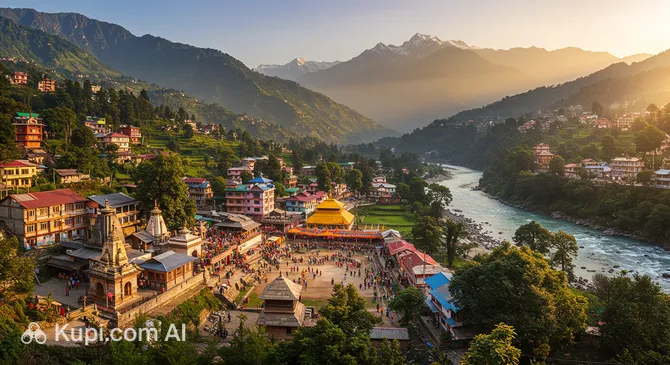
Kullu. Source: Kupi.Binoculars

The region is steeped in mythology and tradition. Visitors interested in the deep roots of this area can explore the history of Kullu, which is closely tied to ancient legends and local deities. The town is particularly famous for its vibrant Dussehra festival, a week-long celebration that transforms the valley into a colorful spectacle of music, dance, and devotion.

Beyond its cultural heritage, Kullu is renowned for its exquisite handlooms, especially the warm and colorful Kullu shawls that make for perfect souvenirs. Adventure enthusiasts will find plenty to do here as well, with the Beas River providing excellent opportunities for white-water rafting. For those seeking spiritual solace, the ancient Raghunath Temple stands as a significant landmark overlooking the valley.

Whether you are looking to immerse yourself in local traditions, seek adventure on the river, or simply relax amidst pine-clad mountains, Kullu promises an unforgettable experience. It is a delightful destination that invites every traveler to pause and appreciate the grandeur of the Himalayas.
Weather Overview

The climate in this Himalayan town is defined by its altitude, resulting in distinct seasonal changes throughout the year. Visitors can generally expect pleasant, mild summers and cold winters, with a marked increase in damp conditions during the monsoon season. To help plan your trip effectively and pack the right gear, it is helpful to review the detailed weather in Kullu.

During the warmest months, particularly June, temperatures are comfortable for sightseeing, with highs reaching approximately 20.6°C. However, as summer progresses into July and August, the region experiences a high frequency of precipitation. Data indicates up to 31 wet days per month during this period, meaning travelers should be prepared for consistent rainfall and cloudy skies.

In contrast, the winter months from December to February are significantly colder. January is typically the chilliest time, with average temperatures dropping to -1.3°C and minimums sometimes plunging to -7.5°C. While the autumn months like October and November are drier with fewer wet days, the air remains crisp and cool, making warm clothing a necessity for anyone visiting outside the peak summer season.

Interesting Facts

Beyond the scenic valleys and river adventures, Kullu holds several fascinating secrets and unique traditions that surprise many visitors.

  • Deep within the Kullu district lies the isolated village of Malana, which is famous for its strict local customs and claim to be one of the world's oldest democracies. The inhabitants believe they are descendants of Alexander the Great's army and follow a unique social system where outsiders are forbidden from touching the villagers or their temple walls.

  • While Dussehra is celebrated across India by burning effigies of Ravana, the festival here follows a completely different tradition. In this valley, the celebration involves the congregation of hundreds of local village deities, who are carried in elaborate palanquins to the Dhalpur Maidan to pay homage to the presiding deity, Lord Raghunath.

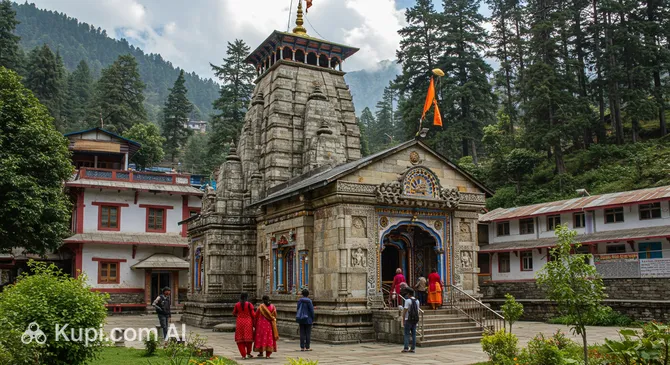
  • The Mahadevi Tirth Vaishno Mata Temple is a spiritual marvel located on the banks of the Beas River. It is often called "Chhota Vaishno Devi" because it features a man-made cave shrine that remarkably replicates the journey and atmosphere of the famous Vaishno Devi temple in Jammu and Kashmir.

  • This region was one of the first places in India to successfully establish Angora rabbit farms to support its handloom industry. This initiative allowed local weavers to blend the incredibly soft Angora wool with sheep wool, creating the distinctively warm and textured fabric that defines the authentic local shawls.

Mahadevi Tirth Vaishno Mata Temple. Source: Kupi.Binoculars

How to Get There

Reaching this Himalayan destination requires some planning, as the terrain is mountainous and direct connectivity can be limited depending on your point of origin. For a comprehensive guide on travel options, including road routes and public transport, you can check all ways to reach the city.

The most convenient way to arrive by air is through Bhuntar Airport (KUU), also known as Kullu-Manali Airport. It is located directly in the valley, approximately 10 km from the main town center. A taxi or bus from here typically takes about 35 minutes. However, flights to this small regional airport can be weather-dependent and less frequent. For better connectivity, many travelers prefer flying into Chandigarh Airport (IXC) in Chandigarh, which is a major hub. While the airport is geographically located about 146 km away, the actual journey by road covers approximately 260 km of winding mountain terrain. Consequently, the drive from Chandigarh to Kullu is quite long, usually taking between 7 to 9 hours by taxi or bus.

For clarity, here is a summary of the main airports:

Airport Name City Passenger Traffic Km from City
Chandigarh Airport Chandigarh Large 145.8
Gaggal Airport Dharamshala Medium 83.1
Bhuntar Airport Kullu Small 10.1
Simla Shimla Small 97.4
Ludhiana (Halwara) Ludhiana Small 194.5

The city of Kullu does not have its own railway station due to its high-altitude location. Travelers opting for trains usually book tickets to major railheads in the plains, such as Chandigarh or Pathankot, and then continue their journey by road. The scenic drive from these railway hubs involves winding mountain roads, so it is advisable to check local transport schedules or hire a private taxi for the final leg of the trip.

Main Attractions

Kullu is a treasure trove of spiritual landmarks and natural wonders, offering visitors a chance to explore the rich cultural tapestry of the "Valley of Gods." From ancient temples perched on hilltops to serene sanctuaries near the river, the town's attractions provide a deep insight into the region's history, mythology, and ecological diversity.

Standing as the primary religious center of the valley is the historic Raghunath Temple. Built in the 17th century by Raja Jagat Singh, it is dedicated to Lord Raghunath, an avatar of Lord Rama. The temple is not only an architectural gem blending Pahari and Pyramidal styles but also the focal point of the famous Kullu Dussehra festival. The compound offers commanding views of the surrounding mountains, making it a must-visit for both spiritual seekers and history enthusiasts.

For those willing to venture a bit further for spectacular vistas, the Bijli Mahadev Temple is an extraordinary destination. Situated at an altitude of about 2,460 meters, this ancient shrine is dedicated to Lord Shiva. It is famous for its 60-foot high staff that periodically attracts lightning, which locals believe is a divine blessing that shatters the Shiva Lingam, only for it to be restored by the priests using butter. The trek to the top rewards travelers with breathtaking panoramic views of the Parvati and Kullu valleys.

Nature lovers should not miss the gateway to the Great Himalayan National Park, a UNESCO World Heritage Site located nearby. This protected area is a haven for biodiversity, home to elusive species like the snow leopard, Himalayan brown bear, and the colorful Western Tragopan. While the core zone requires a permit and trekking effort, the buffer zones and eco-tourism areas offer accessible trails where visitors can witness the pristine alpine flora and fauna that define this majestic region.

Local Cuisine

The cuisine of Kullu is a delightful reflection of the region's rugged geography and agricultural abundance, offering flavors that are simple, hearty, and distinctively "Pahari." Food here is prepared to provide warmth and energy for the mountain lifestyle, often utilizing slow-cooking techniques, yogurt, and aromatic spices like cardamom and cinnamon. For gastronomic travelers, the local food scene is an exploration of texture and earthy tastes that differ significantly from the standard North Indian fare found in the plains.

The absolute star of the local menu is Siddu, a dish that you will find everywhere from humble street stalls to established eateries. This is a large, steamed bun made from fermented wheat flour, typically stuffed with a savory mixture of poppy seeds (opium seeds), walnuts, or sometimes mutton. It is traditionally served piping hot with a generous dollop of homemade ghee (clarified butter) or spicy green chutney, making it the perfect comfort food for the chilly mountain weather.

Another culinary highlight is the fresh Himalayan Trout. Since Kullu is situated along the banks of the Beas River, fresh river fish is a delicacy here. It is usually marinated in light spices and shallow-fried or grilled to preserve its natural sweetness. For a complete traditional meal, visitors should look for Dham. Originally a festive feast prepared by special chefs called botis, it is served on leaf plates and consists of rice accompanied by various lentils, Madra (chickpeas or kidney beans cooked in a yogurt gravy), and a sweet dish to finish.

When it comes to beverages, the abundance of fruit orchards in the valley plays a major role. You will find excellent fresh juices, particularly apple and plum juice, as well as locally produced fruit wines that are popular souvenirs. For a more traditional local experience, there are indigenous fermented drinks like Lugdi (made from rice) and Chang (made from barley), which are mild alcoholic beverages consumed by locals during winters and festivals to stay warm.

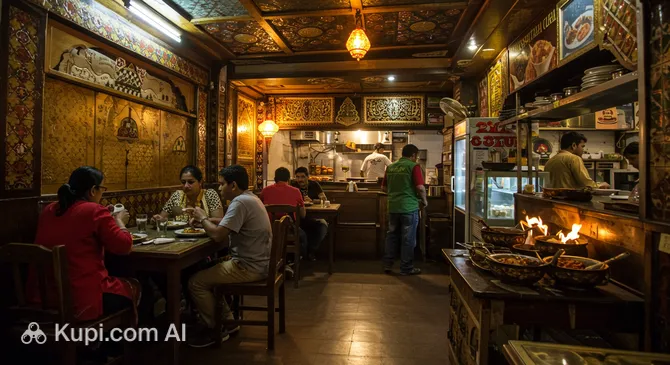
Kebabs and Curries, Akhara Bazar. Source: Kupi.Binoculars

The food culture in Kullu is a mix of traditional roadside dhabas and growing restaurant options. While street markets are the best place to grab a hot Siddu or a cup of sweet masala chai, those looking for a sit-down dinner with a variety of North Indian staples can visit places like Kebabs and Curries, Akhara Bazar. Whether you are snacking on the go or enjoying a riverside meal, the flavors of Kullu are sure to leave a lasting impression.

Travel Tips

Visiting Kullu is a journey into the heart of the Himalayas, where the mountain terrain and distinct local culture require a bit of preparation to fully enjoy. To ensure your trip to the "Valley of Gods" is smooth and memorable, here are some practical tips to help you navigate the region like a seasoned traveler.

  1. Clothing and Gear: The weather in the mountains can be unpredictable, so the golden rule is to dress in layers. Even in summer, evenings can get chilly, so bring a light jacket or sweater. If you are visiting in winter (December to February), heavy woolens, thermals, and gloves are mandatory. Comfortable, sturdy walking shoes are essential for exploring the hilly terrain. When visiting religious sites like the Raghunath Temple, dress modestly (covering shoulders and knees) and be prepared to remove your shoes.

  2. Transportation: The most common way to get around Kullu and to nearby towns like Manali or Manikaran is by local government buses (HRTC) or private Volvo buses. For local sightseeing within the town, auto-rickshaws and taxis are available. Ride-hailing apps like Uber or Ola are generally not operational here; instead, you will find taxi stands where you can negotiate rates or check for fixed-price charts. If you are prone to motion sickness, carry medication, as the winding mountain roads can be challenging.

  3. Finances: The currency used is the Indian Rupee (INR). While hotels and larger restaurants in Kullu accept credit and debit cards, cash is king for small transactions, local transport, and street food. ATMs are readily available in the main town areas like Dhalpur and Sarwari, but they can be scarce as you venture into remote villages. It is wise to carry sufficient cash in smaller denominations.

  4. Health and Safety: Kullu is generally a very safe destination for tourists. However, the Beas River has strong currents and slippery banks; never venture too close to the water line for selfies, as sudden water level rises can occur. Pharmacies are easily found in the main market areas (Akhara Bazar), and the Regional Hospital in Kullu provides medical assistance. Always drink bottled or filtered water to avoid stomach issues.

  5. Communication: Hindi is the primary language of communication, and English is widely understood in hotels, restaurants, and tourist shops. The local dialect is Kulluvi, but you won't need to learn it to get by. Mobile network coverage is generally good in Kullu town (Jio and Airtel are reliable), but signals may drop in higher altitudes or secluded valleys. If you need a local SIM card, buy one in a main city like Delhi or Chandigarh before ascending, as documentation processes in remote areas can sometimes be lengthy.

  6. Local Etiquette: The locals are warm and hospitable. A simple "Namaste" with folded hands is the best way to greet people. Exploring temples is a major part of the Kullu experience; always respect the sanctity of these spaces. In some specific villages in the district, such as Malana, there are strict taboos against touching the locals or their temples, so always observe signage or ask a guide before interacting closely.

  7. What to Avoid: Himachal Pradesh has strict environmental laws. Do not litter or use single-use plastics, as you can be fined, and it damages the fragile ecosystem. Also, avoid loud music or rowdy behavior, especially near religious sites or quiet village areas, as the local culture values peace and tranquility.

  8. Shopping Tip: If you plan to buy the famous Kullu shawls or caps, look for the "Handloom Mark" or buy from established cooperative societies like Bhuttico. This ensures you are purchasing authentic hand-woven wool rather than cheaper, machine-made imitations often sold at roadside stalls.

By keeping these practical points in mind, you can focus on soaking in the breathtaking views and rich heritage of this Himalayan gem. A little respect for the local customs and nature goes a long way in ensuring a warm welcome from the people of Kullu.

Entertainment & Nightlife

Entertainment and Nightlife:

Travelers visiting Kullu should be aware that the nightlife here is distinctly different from the bustling party scenes found in metropolitan cities or the nearby tourist hub of Manali. In this serene Himalayan town, the evenings are defined by tranquility, the sound of the flowing Beas River, and clear, star-studded skies rather than loud music and neon lights. The "nightlife" in Kullu revolves primarily around relaxed dining experiences, evening strolls in the market, and enjoying the peaceful mountain atmosphere.

The main hub for evening activity is Akhara Bazar and the areas around Dhalpur. As the sun sets, these markets remain lively with locals and tourists shopping for woolens and handicrafts or enjoying street snacks. While you will not find high-energy nightclubs or discotheques within Kullu town itself, several hotels and resorts feature in-house bars and lounges where you can enjoy a quiet drink. The atmosphere is casual and family-friendly, with most venues focusing on good food and conversation.

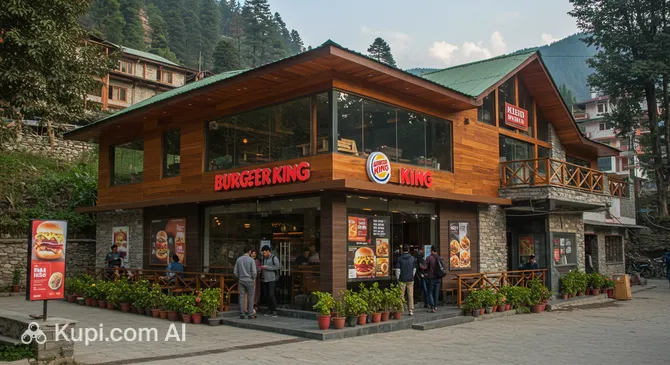
For those looking to enjoy a satisfying evening meal, the town offers a mix of traditional and modern options. If you are craving familiar fast food flavors late in the day, you can visit Burger King, which serves as a popular spot for a quick and casual bite. For a more substantial dinner featuring rich local and North Indian flavors, Kebabs and Curries, Akhara Bazar is a well-regarded establishment. It is an excellent place to unwind after a day of trekking, offering a warm ambiance and hearty dishes.

Burger King. Source: Kupi.Binoculars

Most commercial establishments in Kullu close relatively early compared to big cities. Shops typically shut down by 8:30 PM or 9:00 PM, while restaurants may stay open until 10:30 PM or 11:00 PM. There is no strict dress code for evening venues; casual, warm clothing is the norm, as temperatures drop significantly after dark. It is advisable to head out for dinner around 8:00 PM to ensure you have ample time to eat and return to your accommodation comfortably.

Regarding safety and transport, Kullu is generally very safe for tourists. However, the streets can get dark and deserted quite early. Public transport and auto-rickshaws become scarce after 8:00 PM. If you plan to stay out late, it is crucial to arrange a taxi in advance or keep the contact number of a local driver, as hailing a cab on the street at night is difficult. Stick to the main lit areas of Dhalpur and Akhara Bazar if you are walking, and avoid venturing onto unlit riverside paths alone at night.

While the nights are quiet, the daytime entertainment in Kullu is vibrant and nature-centric. Before the sun goes down, visitors can immerse themselves in the region's culture at local fairs or visit the various temples that dot the valley. Adventure seekers often spend their days white-water rafting on the Beas River or paragliding, transitioning into a restful evening to recharge for the next day's exploration.

Parks & Museums

While Kullu is primarily known for its breathtaking landscapes and spiritual significance, the city and its immediate surroundings also offer delightful green spaces and cultural repositories that reflect the rich heritage of the "Valley of Gods." Visitors can explore serene nature parks that showcase the region's biodiversity and museums that preserve the artistic legacy of the Himalayas.

For those seeking a refreshing escape into nature without trekking far from the town center, Nature Park Mohal is a standout destination. Located just a few kilometers from Kullu, this lush park is situated along the banks of the Beas River and serves as an excellent spot for picnics and leisurely walks. It is particularly famous for its pheasant breeding center, where visitors can spot the colorful Monal, the state bird of Himachal Pradesh. Another significant green space is the Dhalpur Maidan. While it is the bustling venue for the famous Dussehra festival, during the rest of the year, this vast open ground offers a panoramic view of the deodar-covered hills and serves as a central recreational area for locals and tourists alike.

Cultural enthusiasts should make the short journey to the nearby town of Naggar to visit the International Roerich Memorial Trust (IRMT). This complex was the home of the famous Russian artist and philosopher Nicholas Roerich. The estate features an art gallery displaying his mesmerizing paintings of the Himalayas, capturing the spiritual essence of the mountains. Within the same complex, the Urusvati Himalayan Folk Art Museum offers a deep dive into local traditions, showcasing Russian and Indian folk art, traditional costumes, and archaeological artifacts found in the Kullu Valley.

The region's architectural history is best experienced at Naggar Castle, a medieval timber and stone structure that served as the residence of the exhilarating Kullu rajas for centuries. Built in the traditional Kath-Kuni style, which uses alternating layers of wood and stone to withstand earthquakes, it offers commanding views of the valley. Closer to the main town, the Mahadevi Tirth Vaishno Mata Temple is another architectural and spiritual landmark worth visiting. This impressive temple complex is renowned for its intricate design and the peaceful atmosphere it offers to pilgrims and tourists.

For a truly authentic experience, look beyond the formal museums and visit a local Shawl Factory. These weaving centers act as living museums where you can watch artisans operate traditional handlooms to create the intricate geometric patterns that define Kullu's textile heritage. It is a fascinating way to understand the local craftsmanship and see art being created in real-time.

Getting Around

Navigating Kullu is a straightforward experience, as the public transport system is entirely road-based and designed to suit the mountainous terrain. The city does not have a metro, tram, or train network. Instead, the backbone of local mobility is the bus service, supplemented by auto-rickshaws and taxis. For most travelers, getting around involves a mix of these options depending on the distance and comfort required.

The most common and economical way to travel is by bus. The state-run Himachal Road Transport Corporation (HRTC) and various private operators run frequent services connecting key areas like Dhalpur, Sarwari, and Akhara Bazar, as well as nearby towns like Bhuntar and Manali. These buses are robust and built to handle the winding valley roads. You can board them at the main bus stands or flag them down at designated stops along the National Highway that runs through the town.

For shorter distances within the town limits, auto-rickshaws are the most convenient option. These three-wheeled vehicles are agile and can navigate the narrower streets that buses might avoid. They are readily available at major intersections and market areas. While some may have meters, it is standard practice to agree on the fare before starting your journey or to ask to see the rate card fixed by the local union.

The payment system in Kullu is almost exclusively cash-based. There are no smart travel cards, tap-to-pay systems, or mobile ticketing apps for local city transport. When taking a bus, you simply hop on and pay the conductor, who will issue a paper ticket; it is highly advisable to carry small denomination notes and coins, as conductors often run short of change. Auto-rickshaw drivers also expect cash payments upon reaching your destination.

Tourists looking for more independence often opt for alternatives like taxis or vehicle rentals. Taxis operate from designated stands and usually follow fixed rates for specific sightseeing points, which prevents the need for intense bargaining. Additionally, renting a motorcycle or scooter is an extremely popular choice in this region. Many travelers hire sturdy bikes to explore the valley at their own pace, enjoying the scenic riverside roads that make the journey as memorable as the destination.

Public transport operates primarily during daylight hours. Buses and auto-rickshaws are plentiful from early morning until around 8:00 PM. After this time, the frequency drops significantly, and finding a ride can become difficult. If you plan to dine out late or have an early morning departure, it is wise to pre-arrange a taxi, as you cannot rely on flagging down public transport on the street at night.

Accommodation

Accommodation in Kullu caters to a wide spectrum of travelers, ranging from backpackers seeking simple lodgings to families looking for comfortable retreats. The town offers a diverse mix of options, including budget-friendly guesthouses, cozy homestays run by local families, and mid-range hotels that provide modern amenities. For those seeking a touch of luxury, there are several resorts situated along the riverbanks, offering scenic views and a tranquil atmosphere away from the main road traffic.

When choosing where to stay, location plays a key role in the experience. The area around Dhalpur is the heart of the town and is particularly convenient for tourists who want easy access to the bus stand, main markets, and the famous Raghunath Temple. Staying here keeps you connected to local transport and dining options. Alternatively, travelers looking for peace and nature often prefer the establishments located along the banks of the Beas River or on the outskirts near Bhuntar (close to the airport), where the setting is more picturesque and serene.

For a hassle-free trip, it is highly recommended to book your accommodation in advance, especially if you plan to visit during the peak summer months of May and June or during the vibrant Dussehra festival in October. During these times, the influx of tourists is high, and finding a room on arrival can be challenging. Many properties fill up weeks ahead of the festival, so early planning ensures you get the best choice of location and rates.

The price range for stays in Kullu is generally reasonable and often slightly lower than in the neighboring tourist hub of Manali. Budget travelers can find economical rooms and hostels, while mid-range hotels offer good value with standard facilities like Wi-Fi and hot water. Booking can be easily done through major online travel platforms, which allow you to compare prices and read reviews. However, for smaller guesthouses and homestays, contacting the property directly by phone can sometimes secure a better deal or a more personalized experience.

Nearby Cities

For those looking to explore the surroundings, Kullu serves as an excellent base for day trips to several interesting nearby locations:

City Population Distance (km)
Shimla 206575 95
Bir 146709 38
Sundarnagar 102401 52
Una 58528 96
Dharamshala 53000 80

One of the most exciting destinations close to the valley is Bir. Known globally as a premier destination for paragliding, it attracts adventure seekers from all over the world. Beyond the adrenaline rush, the town is also home to several serene monasteries and offers a peaceful environment that contrasts beautifully with the excitement of the skies.

For travelers interested in culture and spirituality, Dharamshala is a must-visit. Nestled against the backdrop of the Dhauladhar range, it is renowned as the residence of the Dalai Lama. The town offers a unique blend of Tibetan heritage and colonial charm, with vibrant markets and the scenic cricket stadium being major highlights.

If you prefer a classic hill station experience, the state capital, Shimla, is within reach. Famous for its colonial architecture, the bustling Mall Road, and the historic Ridge, it provides a nostalgic glimpse into the British era while offering modern amenities and stunning mountain views.

These nearby destinations offer a glimpse into the diverse culture and landscapes of the region.

Shopping & Souvenirs

Shopping in Kullu is a delightful experience that centers heavily on the region's rich heritage of handloom and handicrafts. Unlike the high-end fashion streets of metropolitan cities, the shopping scene here is grounded in tradition, offering authentic local products that reflect the culture of the Himalayas. The town is world-renowned for its exquisite woolens, particularly the famous Kullu shawls and colorful caps, making it a paradise for those looking to buy high-quality winter wear and unique artisanal items.

The primary shopping district in the town is Akhara Bazar. This bustling market area is the commercial heart of Kullu, lined with numerous shops selling everything from traditional clothing to daily necessities. Walking through these streets gives visitors a glimpse into the local lifestyle. Another significant area is Dhalpur, which serves as a hub for government emporiums and handicraft centers. Here, tourists can find a concentrated selection of authentic goods without having to navigate through crowded narrow lanes.

While Kullu does not boast large, modern shopping malls with international brands, it offers something far more unique: specialized weaver cooperatives. The most notable among these is the Bhuttico complex (Bhuttico Weavers Cooperative Society). Established to support local artisans, this multi-level showroom functions like a department store for handlooms. It is the most trusted place to purchase certified authentic wool products, ensuring that the money spent goes directly to the community of weavers.

For a more eclectic shopping experience, visitors should explore the Tibetan Market. Often located in temporary stalls or designated areas near the main town, this market is vibrant and colorful. It is an excellent spot to browse for imported winter jackets, quirky accessories, silver jewelry, and Tibetan rugs. The atmosphere here is lively, and unlike the fixed-price government showrooms, friendly bargaining is often part of the transaction process.

When it comes to souvenirs, the must-buy item is undoubtedly the Kullu Shawl, known for its geometric patterns and warm texture. Visitors should also look for the iconic Kullu Cap, a round woolen hat with a colorful band that is a symbol of local identity. Other popular purchases include Pulla (traditional grass slippers aimed at keeping feet warm), woolen socks, and mufflers. Food items also make great gifts; the region is famous for its fruit orchards, so locally produced apple jams, apricot oils, and fruit wines are highly recommended.

Most shops in Kullu open around 10:00 AM and close by 8:00 PM or 9:00 PM. While the larger showrooms and emporiums like Bhuttico accept credit and debit cards, cash remains the preferred mode of payment in smaller shops, local stalls, and the Tibetan market. Tourists are advised to carry sufficient cash in smaller denominations to make transactions smoother. Tax-free shopping or VAT refunds are generally not available for international tourists in this region, as the system is not widely implemented in India's smaller towns.

Reached the end of the page?

That means the route is fully explored