Support

Jammu

About

Jammu, often affectionately called the "City of Temples," serves as the winter capital of the union territory of Jammu and Kashmir. Nestled against the backdrop of the snow-capped Pir Panjal Mountains, this bustling city offers a distinct contrast to the cooler valleys found further north. As a significant cultural and economic hub in northern India, Jammu welcomes visitors with a blend of spiritual serenity and vibrant urban life.

Geographically, the city is situated on the banks of the Tawi River in the foothills of the Himalayas. The climate here is sub-tropical, featuring hot summers and pleasant, cool winters, making it an accessible destination year-round. With a population of over 500,000 residents, it serves as a lively center of trade and a gateway for travelers exploring the region.
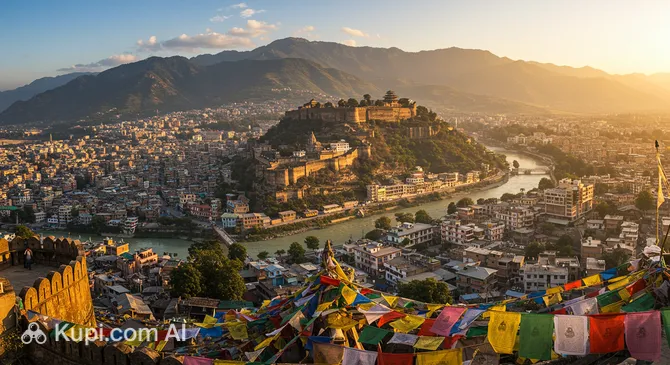
Jammu. Source: Kupi.Binoculars

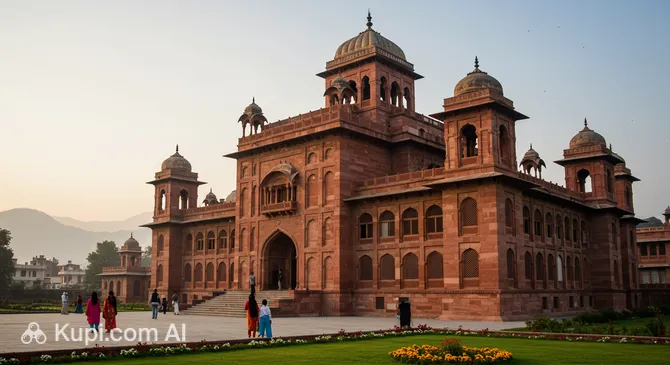
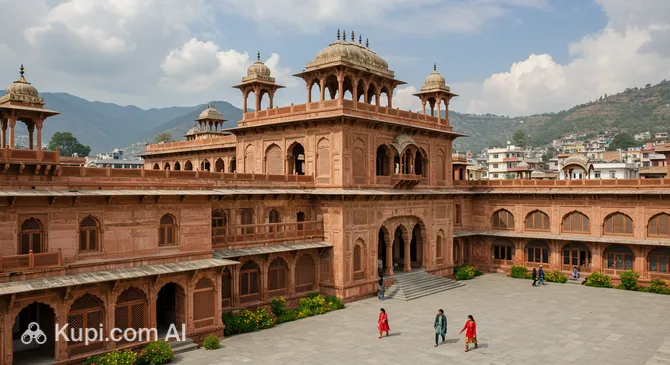
The history of Jammu is deeply rooted in legend and royal heritage. It is said to have been founded by Raja Jambu Lochan in the 14th century BC, and its legacy is preserved today through its majestic architecture and ancient shrines. The city's skyline is punctuated by the towering shikhara of numerous temples, reflecting its long-standing spiritual importance.

Travelers are often drawn to the magnificent Raghunath Temple, one of the largest temple complexes in the region, dedicated to Lord Rama and renowned for its intricate interior work. Another must-visit is the historic Bahu Fort, which houses a revered temple and offers panoramic views of the city from its terraced Bagh-e-Bahu gardens. For art and history enthusiasts, the Amar Mahal Palace Museum, built in the style of a French chateau, displays a fascinating collection of paintings and royal artifacts.

Whether you are a pilgrim heading to the famous Vaishno Devi shrine or a traveler exploring the Himalayan foothills, Jammu provides a warm welcome and a fascinating glimpse into the rich culture of the area.
Weather Overview

The climate in Jammu is characterized by distinct seasons, offering a wide range of temperatures throughout the year. Summers can be quite intense, particularly in May and June, when average maximum temperatures often climb between 35°C and 37°C. In contrast, the winter months provide a much cooler atmosphere; January is typically the coldest time, with average temperatures dropping to around 11°C and minimums reaching nearly 5°C.

Rainfall patterns also vary significantly, with the summer monsoon bringing the most frequent precipitation. July and August are the wettest months in terms of frequency, often recording over 25 wet days each. Conversely, the autumn and winter periods are relatively dry, with months like November and December seeing only a few days of rain. For a more detailed forecast to help you pack appropriately, you can consult the guide to weather in Jammu. Generally, the transitional months of October and March offer a pleasant balance, with moderate temperatures and fewer rainy days.

Interesting Facts

Beyond the main attractions, Jammu holds many fascinating secrets and historical curiosities that add depth to its character. Here are some unique aspects of the city that often surprise visitors:
  • The Legend of Coexistence: Local folklore suggests the city was founded after Raja Jambu Lochan witnessed a tiger and a goat drinking water side by side at the Tawi River. Inspired by this unusual sight of predator and prey in harmony, he established the city as a sanctuary where the strong and weak could live together in peace.

  • A Golden Throne in a French Palace: The stunning Amar Mahal Museum and Library is not only remarkable for its French-colonial architecture, which resembles a chateau, but also for its interior treasures. It houses a magnificent sofa-cum-throne made of 120 kilograms of pure gold, used by the Dogra rulers.

  • India's Largest Underground Aquarium: The city boasts the Bagh-e-Bahu Aquarium, which is widely recognized as the largest underground aquarium in the country. Designed in the shape of a giant fish, it features 24 distinct caves displaying a vibrant variety of marine and freshwater species.

  • An Ancient Sentinel: While the city has modernized, the Bahu Fort remains a testament to its ancient roots. Believed to be approximately 3,000 years old, this fortification is considered the oldest standing edifice in Jammu, predating much of the surrounding settlement.

Amar Mahal Museum and Library. Source: Kupi.Binoculars

How to Get There

Reaching this northern destination is relatively straightforward, with options to suit different travel preferences. Whether you prefer flying directly into the region or taking a scenic drive from a nearby hub, you can find all ways to reach the city and plan your journey accordingly.

The most convenient entry point is Satwari Airport (IXJ), which is located directly in Jammu, just about 4.5 km from the city center. As a primary domestic hub, it handles a significant number of visitors annually. The short commute from the airport to the heart of the city typically takes around 30 minutes by taxi, making it an excellent choice for those looking to minimize travel time.

Alternatively, international travelers or those connecting from other regions might consider Sri Guru Ram Dass Jee International Airport (ATQ) in the city of Amritsar. Although it is situated approximately 113 km away, it serves as a major international gateway. The journey from Amritsar to Jammu by taxi or bus is quite scenic and generally takes about 3 hours and 10 minutes.

For clarity, a summary of the main airports in the wider region is provided below. However, it is crucial to note that while airports in Lahore and Sialkot appear geographically close, they are located across the international border in Pakistan. Consequently, they are not viable entry points for travelers visiting Jammu. Visitors are strongly advised to plan their arrival via Indian airports to ensure a smooth journey.

Airport Name City Passenger Traffic Km from City
Allama Iqbal International Airport Lahore Large 140.3
Srinagar International Airport Srinagar Large 140.0
Sri Guru Ram Dass Jee International Airport Amritsar Large 112.9
Satwari Airport Jammu Medium 4.5
Sialkot Airport Sialkot Small 50.9

Regarding rail travel, while the Rawalpindi Railway Station appears in regional geographic data at a distance of approximately 195 km, it is also located across the international border. Therefore, it is not an accessible option for visitors traveling to Jammu. The primary and most practical rail hub is Jammu Tawi, which is well-connected to major cities across India, although it is not listed in the proximity table below.

Below is the data for the geographically closest station listed:

Station City Passenger Traffic Km to Center
Rawalpindi Railway Station Rawalpindi Large 194.6

Main Attractions

Jammu is a treasure trove of historical and spiritual landmarks, offering visitors a deep dive into the region's royal past and religious traditions. From ancient fortifications to opulent palaces, the city's attractions provide a fascinating narrative of its cultural evolution.

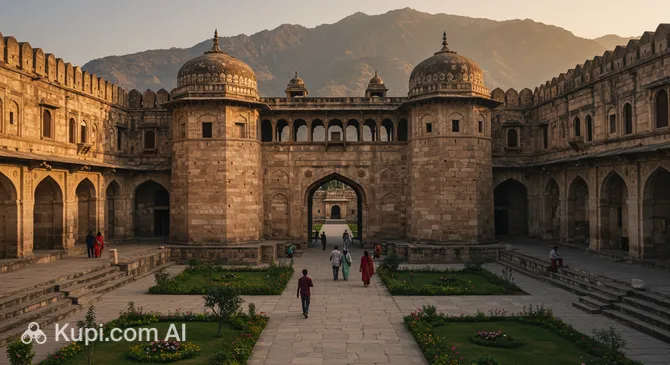
One of the most significant architectural gems is the Mubarak Mandi Palace, which served as the royal residence of the Dogra rulers for nearly 200 years. This sprawling complex is a visual delight, showcasing a unique fusion of Rajasthani, Mughal, and European architectural styles. Tourists are particularly drawn to the intricate carvings and the Pink Hall, which now houses the Dogra Art Museum. Here, you can admire a rich collection of miniature paintings, royal weaponry, and rare manuscripts that offer a glimpse into the opulent lifestyle of the maharajas.

Mubarak Mandi Palace. Source: Kupi.Binoculars

For those interested in the city's spiritual heritage, the Ranbireshwar Temple is an essential stop. Dedicated to Lord Shiva, this 19th-century temple is renowned for its massive dimensions and the twelve crystal Shiva lingams enshrined within. The central lingam stands at an impressive height of over seven feet, surrounded by thousands of smaller saligrams embedded in concrete slabs. The temple's serene atmosphere and grand architecture make it a peaceful retreat for reflection and admiration of traditional craftsmanship.

Perched majestically on a rock face overlooking the Tawi River, the Bahu Fort is believed to be the oldest standing structure in the city. While the fortifications themselves tell stories of ancient defense, the site is most famous for housing the revered Bawe Wali Mata temple dedicated to Goddess Kali. After exploring the historic ramparts, visitors can enjoy the beautifully landscaped terraced gardens that surround the fort, offering spectacular panoramic views of the city and the river valley below.

Bahu Fort. Source: Kupi.Binoculars

Another spot that combines history with scenic beauty is the Mahamaya Temple. Situated on the bypass road behind the Bahu Fort, this shrine honors a legendary local heroine of the Dogra community known for her bravery. Beyond its religious significance, the temple is a favorite among travelers for its location, which commands breathtaking views of the Tawi River and the distant mountain ranges, making it an ideal location for photography and enjoying nature.

Local Cuisine

The culinary landscape of Jammu is a delightful exploration of Dogra cuisine, which is distinct from the famous Wazwan of the Kashmir Valley to the north. Characterized by the use of dried pomegranate seeds, tamarind, and aromatic spices, the local food is robust, flavorful, and deeply satisfying. A trip to this city is incomplete without tasting its most iconic staple, Rajma Chawal. The red kidney beans here are slow-cooked in a rich, spicy gravy and served with steamed rice, often accompanied by a dollop of desi ghee (clarified butter) and tangy anardana chutney.

Street food enthusiasts will find a unique treasure in Kaladi Kulcha. Kaladi is a traditional ripened cheese indigenous to the region, with a texture somewhat similar to mozzarella but with a denser crust. Street vendors sauté this cheese until it is golden and crisp on the outside and soft on the inside, then sandwich it between buns (kulchas) alongside spicy chutneys. It is a savory treat that perfectly captures the rustic flavors of the Jammu region.

For those who enjoy meat dishes, Khatta Meat is a gastronomic highlight. This mutton curry is famous for its distinctive sour taste, achieved by using generous amounts of dry mango powder (amchur) or pomegranate seeds, cooked until the meat is tender and infused with smoky flavors. Vegetarians are not left behind, with dishes like Ambal, a sweet and sour preparation made from pumpkin and tamarind, often served during traditional community feasts known as Dham.

The city's dining scene offers a mix of traditional roadside eateries, known as dhabas, and modern establishments. The bustling markets are the best places to find authentic local snacks and sweets like Patisa and Sund Panjeeri. For travelers looking for a contemporary dining atmosphere, Eden Botanic Kitchen & Bubbly offers a vibrant setting to enjoy a variety of cuisines. Meanwhile, those wishing to unwind after a day of sightseeing can visit Ministry of Bars or the lively Nox Cafe & Bar, which reflect the city's evolving modern social scene.

Eden Botanic Kitchen & Bubbly. Source: Kupi.Binoculars

Travel Tips

Welcome to Jammu! To ensure your visit to the "City of Temples" is as seamless and enjoyable as possible, we have compiled a set of practical guidelines. These tips will help you navigate the local customs, logistics, and environment with the confidence of a seasoned traveler.

  1. Clothing and Gear: Pack according to the season; summers require light, breathable cottons to handle the heat, while winters call for heavy woolens and jackets. Since Jammu is a major pilgrimage center, modesty is key. When visiting temples, ensure your shoulders and knees are covered. It is also wise to wear slip-on shoes or sandals, as you will frequently need to remove your footwear at religious sites.

  2. Transportation: The most popular local mode of transport is the mini-bus, locally known as a Matador. They are affordable and cover most routes but can get crowded. Auto-rickshaws are widely available for shorter distances; however, they often do not run by the meter, so it is essential to negotiate and fix the fare before hopping in. Ride-hailing apps are less reliable here than in major metros, so keeping a local taxi number handy is recommended.

  3. Finances: The currency is the Indian Rupee (INR). While hotels and larger restaurants in areas like Gandhi Nagar accept cards, cash is king for local markets, auto-rickshaws, and street food vendors. ATMs are plentiful in the city center, particularly around Raghunath Bazaar. It is advisable to carry small denominations for tips and minor purchases.

  4. Health and Safety: Jammu is generally safe for tourists, but standard precautions apply. Stick to bottled or filtered water to avoid stomach issues. Pharmacies are easily found near major hospitals like the Government Medical College (GMC), with some operating 24/7. In case of emergency, dial 100 for police or 102 for an ambulance.

  5. Communication: A crucial detail for travelers to Jammu and Kashmir is that prepaid SIM cards issued in other Indian states do not work here due to security regulations. Only postpaid connections from outside the region or locally purchased SIM cards (which require photo ID and documents) will function. English is understood in hotels and tourist areas, but knowing a few words of Hindi or Dogri can be helpful.

  6. Local Etiquette: Greetings often involve a polite "Namaste." When visiting temples, always remove your shoes and leather items (like belts or wallets) if required. It is customary to use your right hand when giving or receiving money and eating. Public displays of affection are generally frowned upon and should be avoided to respect local conservative norms.

  7. What to Avoid: Do not take photographs of military installations, bridges, or checkpoints. Jammu has a significant security presence, and unauthorized photography in sensitive zones is strictly prohibited. Also, avoid wearing revealing clothing in public places, especially near religious precincts, to prevent causing offense.

  8. Shopping Insight: If you plan to shop for the famous local dry fruits or walnuts, visit the wholesale markets in the Old City area for the best quality and prices. Shops here typically open around 10:00 AM and stay open late, but be aware that many smaller businesses may take a break during the intense heat of summer afternoons.

Armed with these practical tips, you are all set to explore the vibrant streets and serene shrines of Jammu without a hitch. Embrace the local culture, respect the traditions, and enjoy the warm hospitality that this historic city has to offer!

Entertainment & Nightlife

While Jammu is revered for its spiritual aura and historical depth, the city also offers a variety of entertainment options that cater to modern travelers and locals alike. From bustling shopping complexes to an emerging nightlife scene, visitors can find plenty of ways to unwind after a day of sightseeing or pilgrimage.

For those looking to indulge in some retail therapy, Wave Mall stands out as the premier lifestyle destination. Located in the Channi Himmat area, this expansive complex features a wide array of international and domestic brands, a multiplex cinema, and a vibrant food court, making it a favorite hangout spot for families and the younger generation. In contrast to the modern mall culture, the city's traditional markets, such as Raghunath Bazaar, offer a more rustic experience where one can hunt for local handicrafts, dry fruits, and traditional Dogra artifacts.

Wave Mall. Source: Kupi.Binoculars

The city's social scene has seen a significant transformation in recent years, with several upscale lounges and cafes opening their doors to evening crowds. Ministry of Bars is a popular choice for those seeking a lively atmosphere, stylish interiors, and a diverse menu of beverages. Similarly, Nox Cafe & Bar offers a chic setting for evening relaxation, often hosting music and social events. Another notable spot is The Grandstand, which is known for its vibrant ambiance and serves as a great place to socialize with friends over good food and drinks.

Ministry of Bars. Source: Kupi.Binoculars

Families traveling with children will find the Bagh-e-Bahu Aquarium to be a delightful attraction. As one of the largest underground aquariums in the country, it showcases a colorful variety of marine and freshwater species, providing an educational yet entertaining experience. The surrounding gardens also offer a peaceful environment for a leisurely evening stroll, blending natural beauty with recreational fun.

Parks & Museums

Beyond its reputation as a spiritual center, Jammu offers a refreshing array of green spaces and cultural institutions that preserve the region's royal legacy. The city's parks provide serene escapes for nature lovers, while its museums serve as custodians of the rich Dogra heritage, art, and history.

One of the most popular recreational spots is the sprawling Bagh-e-Bahu garden. Laid out in a series of terraces, this landscaped haven features lush lawns, decorative fountains, and bright flower beds, making it a favorite for family picnics and evening strolls. A major highlight within this green belt is the Bagh-e-Bahu Aquarium. As the largest underground aquarium in the country, it offers a fascinating journey through marine life, with its entrance designed to look like the mouth of a giant fish. The surrounding area also commands commanding views of the Tawi River, providing a perfect backdrop for photography.

Bagh-e-Bahu Aquarium. Source: Kupi.Binoculars

For wildlife enthusiasts, the Manda Zoo Park is another significant green lung located near the Hari Niwas Palace. It serves as a sanctuary for diverse flora and fauna, including leopards, barn owls, and deer. This nature reserve is an ideal spot for a morning walk or a quick escape from the city's hustle, offering a glimpse of the biodiversity that thrives in the Shivalik foothills.

The city's cultural narrative is best experienced through its museums. The Amar Mahal Museum and Library is a standout institution housed in a stunning red sandstone palace. While the building itself is an architectural marvel, the museum inside is a treasure trove for art aficionados. It features an impressive collection of Pahari miniature paintings, particularly those depicting the Nala-Damayanti folklore. Additionally, the library boasts a collection of around 25,000 antique books, making it a significant resource for scholars and history buffs.

Another crucial cultural venue is the Dogra Art Museum, located within the historic Mubarak Mandi Palace complex. This museum is renowned for its extensive display of Basohli paintings, ancient manuscripts, and royal weaponry. Walking through its galleries offers visitors a deep understanding of the martial and artistic traditions of the Dogra rulers who once governed this region.

For a unique slice of history, tourists can visit the Old Jammu Railway Station. Built in the late 19th century, this site stands as a historical remnant of the pre-partition railway network that once connected Jammu to Sialkot. Although no longer in active service for trains, it remains an intriguing landmark for those interested in the colonial-era infrastructure and the changing geopolitical landscape of the subcontinent.

Insider Tip: If you are visiting the Bagh-e-Bahu gardens, try to time your visit for the evening. Not only is the heat more manageable, but the musical fountain show—often held after sunset—adds a magical charm to the experience, blending water, light, and music against the night sky.

Getting Around

Navigating Jammu is a relatively straightforward experience, as the public transport system is almost entirely road-based. The most iconic and ubiquitous mode of transport for locals is the Matador. These colorful mini-buses serve as the lifeline of the city, connecting virtually every neighborhood, market, and major attraction. They follow specific routes, which are usually painted on the side of the vehicle or displayed on the windshield. While they are an authentic and incredibly affordable way to travel, they can get quite crowded during peak hours.

For a more private and direct journey, auto-rickshaws are widely available throughout the city. They are ideal for short to medium distances and can navigate the narrower streets of the Old City with ease. In recent years, eco-friendly e-rickshaws have also become popular for short hops, particularly around market areas and transport hubs like the railway station. Unlike the fixed-route Matadors, these offer point-to-point service, making them convenient for tourists carrying luggage.

When it comes to paying for your ride, cash is king. The city's public transport system does not currently use smart cards, travel passes, or mobile tapping systems. For Matadors, you pay the conductor inside the bus; fares are fixed and very low, usually ranging from 10 to 20 rupees depending on the distance. For auto-rickshaws, while some may have meters, it is standard practice to negotiate and agree on a fare before starting the trip. It is highly recommended to carry small denominations of currency, as drivers often struggle to provide change for large notes.

Tourists should be aware that public transport in the city typically operates from early morning, around 6:00 AM, until approximately 9:00 PM or 10:00 PM. Services become infrequent late at night. If you are taking a Matador, you can often flag one down anywhere along its route, though using designated stops is safer. A local cultural norm in these mini-buses is that the front seats next to the driver are often reserved for women, ensuring a more comfortable journey for female travelers.

For those seeking alternatives to public transit, taxis are a reliable option. Pre-paid taxi counters are available at the airport and railway station, offering fixed rates that save you the hassle of bargaining. While ride-hailing apps like Ola and Uber have a presence, their availability can sometimes be inconsistent compared to larger metropolitan areas. Consequently, renting a car with a driver for the day is a popular choice for tourists who want to visit multiple attractions like the Bahu Fort and Akhnoor at their own pace.

A unique addition to the city's transport network is the Jammu Ropeway. While primarily a tourist attraction, it serves as a functional and scenic link across the Tawi River. This cable car system connects the Peerkho area (near the Old City) to the Mahamaya Temple and further to the Bahu Fort. Riding the ropeway not only cuts down travel time between these hilltop landmarks but also offers breathtaking aerial views of the city, the river, and the distant mountains, making it a must-try experience.

Accommodation

Finding the right place to stay in Jammu is relatively easy, as the city offers a diverse range of accommodation options tailored to its dual role as a busy commercial hub and a major pilgrimage gateway. Visitors can choose from economical lodges and "Dharamshalas" (pilgrim rest houses) that cater to budget-conscious travelers, to mid-range business hotels and a few luxury resorts that provide modern amenities and comfort.

For those prioritizing convenience and proximity to transport, the areas surrounding the General Bus Stand and Residency Road are popular choices. These neighborhoods are bustling with activity and offer easy access to local markets and the Old City. On the other hand, travelers seeking a quieter environment with more upscale facilities often prefer staying in Gandhi Nagar or Trikuta Nagar. These areas are slightly removed from the chaotic city center and feature wider roads, better infrastructure, and a selection of premium hotels and restaurants.

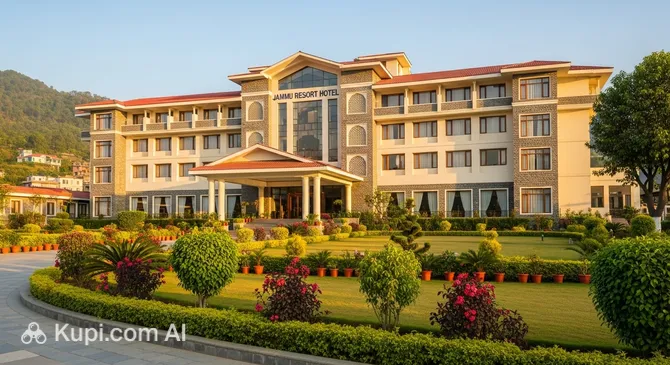
If you are looking for specific examples of where to stay, the city has several well-regarded establishments. You might consider the Jammu Resort Hotel, which is known for offering a comfortable retreat with good service. Alternatively, for travelers who prefer a more intimate and personalized atmosphere, the Heritage Homestay provides a welcoming environment that feels distinct from a standard hotel experience.

Jammu Resort Hotel. Source: Kupi.Binoculars

Booking Tip: Since Jammu serves as the base camp for the Vaishno Devi pilgrimage and a transit point for travelers heading to Kashmir, the city sees a high influx of visitors year-round. During peak seasons, particularly during the Navratri festivals and summer holidays, rooms can be in short supply. It is strongly recommended to book your accommodation well in advance to secure your preferred choice.

In terms of pricing, the city accommodates all budgets. Basic guesthouses and budget hotels are quite affordable, often charging modest rates, while mid-range and luxury properties command higher prices comparable to other Tier-2 Indian cities. While walk-in bookings are common for smaller lodges near the bus stand, most mid-range and luxury hotels are listed on major online travel platforms, allowing for convenient digital reservations.

Nearby Cities

For those looking to explore the surroundings, Jammu serves as an excellent base for day trips to several interesting nearby locations:

One of the most popular short excursions is to Udhampur, located just about 34 km north of the city. This town is not only a significant transit point but also a hub of historical importance. It is most famous for the ancient Krimchi Temples, a group of intricate stone temples believed to date back to the 11th or 12th century. Often linked to the legends of the Mahabharata, these architectural marvels are set against a lush green backdrop, making them a perfect spot for history buffs and photographers.

Heading south-east towards the border with Punjab, you will find Kathua, often referred to as the "City of Sufis" due to its numerous Sufi shrines. Situated approximately 73 km away, it offers a blend of spirituality and heritage. Visitors here can explore the ruins of the historic Jasrota Fort, which sits on the banks of the Ujh River and offers a glimpse into the region's feudal past. The town is also known for its distinct basohli paintings, a traditional art form native to the area.

For those willing to travel a bit further into the scenic hills, Rajouri lies about 88 km away. This town is known for its pleasant climate and historical sites, including the impressive Rajouri Fort and the Dhanidhar Fort, which commands panoramic views of the surrounding valley. It serves as a gateway to several beautiful lakes in the higher reaches, offering a refreshing escape into nature.

City Population Distance (km)
Pathankot 155,909 90
Kathua 59,866 73
Sujanpur 50,000 84
Rajouri 50,000 88
Udhampur 35,507 34

These nearby destinations offer a glimpse into the diverse culture and landscapes of the region, ranging from ancient archaeological sites to serene natural retreats.

Shopping & Souvenirs

Shopping:

Shopping in Jammu is a vibrant experience that offers a perfect blend of traditional charm and modern convenience. The city serves as a major trading hub in the region, making it an excellent place to purchase high-quality local produce, textiles, and handicrafts. From bustling bazaars filled with the aroma of spices to contemporary shopping complexes, visitors can find a wide variety of goods that reflect the rich cultural heritage of the Dogra land.

The heartbeat of the city's shopping scene is undoubtedly Raghunath Bazaar. Named after the famous temple it surrounds, this market is a paradise for tourists. Here, you can stroll through narrow lanes lined with shops selling everything from dry fruits to electronics. Just adjacent to it is Hari Market, another lively district known for its wholesale prices and wide range of goods. For a more upscale street shopping experience, Residency Road offers a mix of branded showrooms and established local businesses.

For those who prefer a modern retail environment, the city boasts several complexes, with Wave Mall being the most prominent. Located in the Channi Himmat area, it provides a one-stop destination for international brands, dining, and entertainment. It is an ideal spot to escape the afternoon heat while browsing through the latest fashion collections or picking up travel essentials in a comfortable, air-conditioned setting.

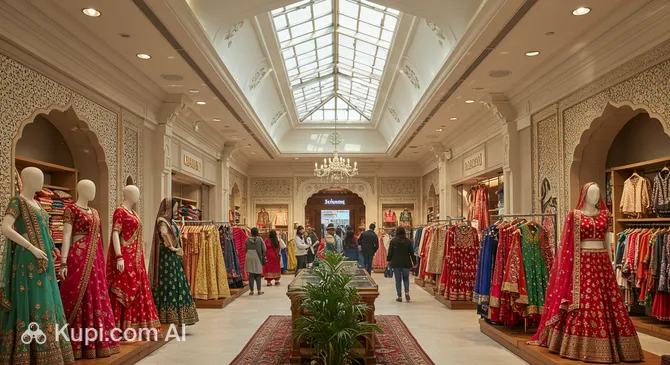
Jammu is also a fantastic place to explore traditional Indian attire. The region's weddings are colorful affairs, and the local markets are stocked with elaborate fabrics and ethnic wear. Visitors looking for authentic festive clothing can explore specialized stores, such as the Gown, Saree, Suit and Bridal Lehenga Shop, which showcases the vibrant textiles and intricate embroidery styles popular in Northern India.

Gown, Saree, Suit and Bridal Lehenga Shop. Source: Kupi.Binoculars

When it comes to souvenirs, there are a few must-buy items. The city is famous for its high-quality dry fruits, particularly walnuts (Kagzi Akhrot) and almonds, which are often sold at competitive prices in the old markets. Another local specialty is Rajma (kidney beans) from the Bhaderwah region, prized for their distinct flavor. For handicraft lovers, traditional Dogra jewelry, Pashmina shawls, and wooden carvings make for exquisite gifts. Don't forget to pick up some Sund Panjeeri, a traditional sweet that is both delicious and nutritious.

Most shops in the main market areas open around 10:00 AM and close by 9:00 PM. While the larger malls and showrooms on Residency Road accept credit and debit cards, cash is still the preferred mode of payment in the smaller bazaars and street stalls like Raghunath Bazaar. ATMs are widely available, so keeping some cash handy for small purchases and bargaining is widely recommended.

Reached the end of the page?

That means the route is fully explored