Support

Srinagar

About

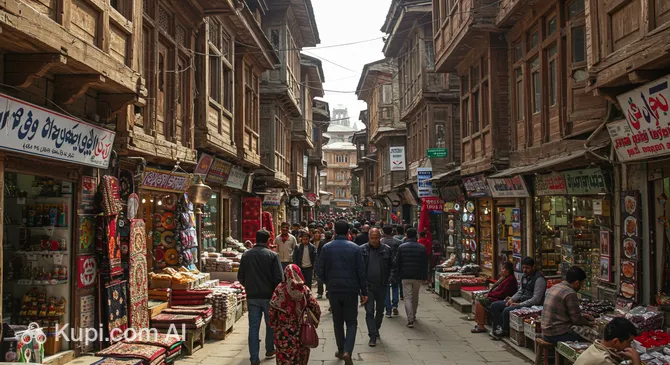
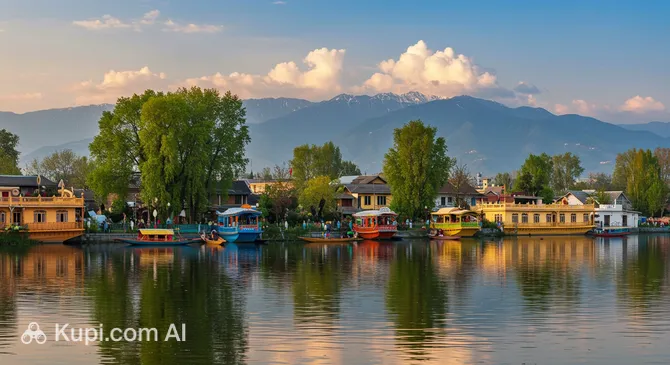
Srinagar, often referred to as the "Venice of the East," is a mesmerizing destination that captivates travelers with its serene lakes, winding waterways, and stunning mountain backdrop. As the summer capital of the Union Territory of Jammu and Kashmir, the city offers a unique blend of natural beauty and cultural richness, making it a peaceful retreat for those seeking tranquility amidst the Himalayas.

Located in the heart of the Kashmir Valley on the banks of the Jhelum River, the city is home to approximately 1.18 million residents. Its geographical setting provides a temperate climate, with pleasant summers and snowy winters that transform the landscape into a winter wonderland. A visit to this enchanting part of India promises unforgettable vistas and a refreshing escape from the heat of the plains.
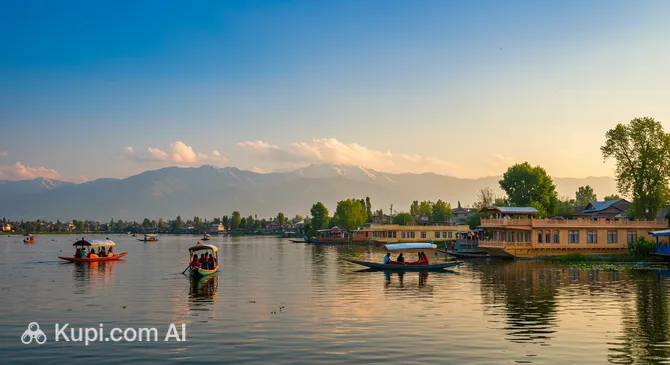
Srinagar. Source: Kupi.Binoculars

The history of Srinagar is deeply woven into its architecture and traditions, dating back to ancient times. The city is renowned for its exquisite Mughal Gardens, such as Shalimar Bagh and Nishat Bagh, which showcase the grandeur of a bygone era with their terraced lawns and cascading fountains. These historical landmarks perfectly complement the natural splendor of the region.

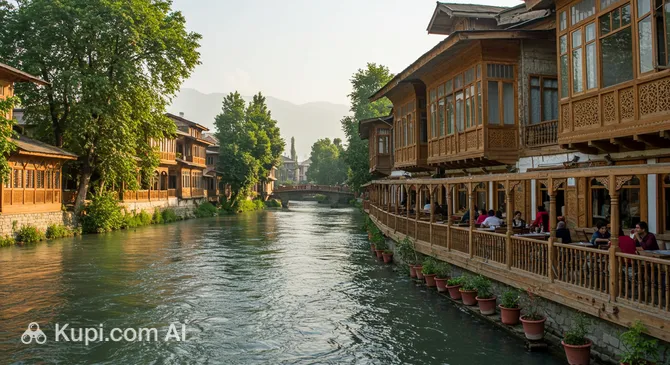
One of the most iconic experiences in Srinagar is exploring Dal Lake and Nigeen Lake. Visitors can stay in intricately carved wooden houseboats or take a ride on a "shikara," a traditional gondola-type boat, to witness the vibrant floating markets and local life on the water. Whether you are admiring the saffron fields or shopping for authentic Pashmina shawls, Srinagar offers a magical journey that beckons tourists to return time and again.
Weather Overview

Srinagar experiences a diverse climate with distinct seasonal changes, offering a range of atmospheric conditions for travelers throughout the year. The weather in Srinagar is generally temperate, transitioning from freezing winters to pleasantly warm summers, making it a dynamic destination for outdoor activities.

During the peak of summer, particularly in July, the city enjoys its warmest temperatures, with averages around 20.2°C and daily highs reaching approximately 24.7°C. However, this season also brings the highest frequency of precipitation, with July recording up to 24 wet days. In contrast, the winter months of December and January are significantly colder, with average temperatures dropping to -1.5°C and minimums falling as low as -6.1°C, creating a crisp, frosty environment.

Spring and autumn provide moderate and comfortable transition periods. For instance, May sees average temperatures rising to 13.4°C, while October offers cooler air averaging 11.7°C with relatively fewer wet days compared to summer. Overall, visitors should expect warm summers with frequent wet days and cold, dry winters.

Interesting Facts

Beyond the main attractions, Srinagar holds many fascinating secrets that reveal the depth of its cultural and historical tapestry. Here are some intriguing facts that showcase the unique character of this Himalayan city:
  • Srinagar is home to India's only floating post office. Anchored on the western edge of Dal Lake, this functioning post office operates out of a beautifully carved houseboat and even features a small philately museum for visitors.

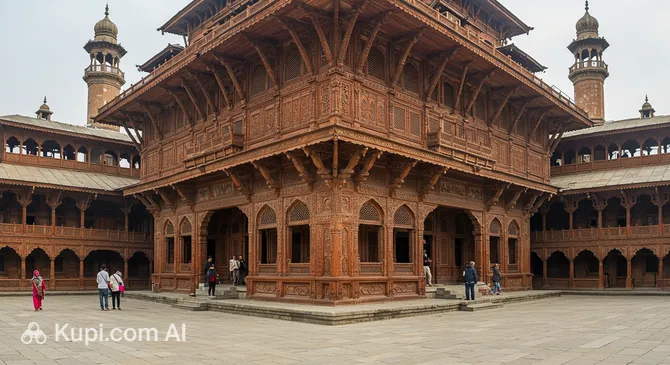
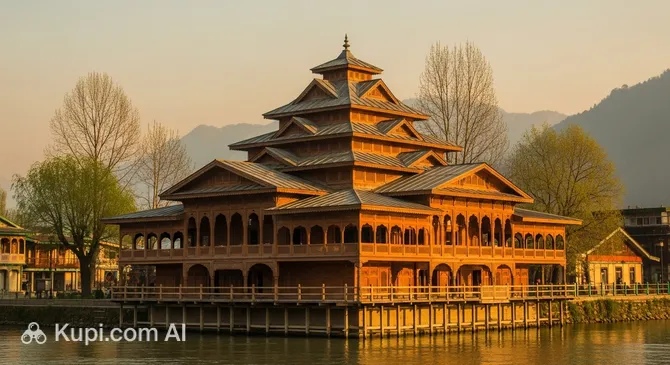
  • The architectural grandeur of Jamia Masjid Srinagar is truly distinctive; unlike traditional domed mosques, it is designed in a pagoda style and is supported by 378 immense wooden pillars, each carved from a single deodar tree trunk.

  • Perched atop a hill overlooking the city, the Shankaracharya Temple is believed to be the oldest shrine in the Kashmir Valley, with its foundations dating back to 200 BC. Reaching the main sanctum requires climbing a flight of approximately 240 steps.

  • The city hosts a rare floating vegetable market where local farmers gather in their canoes at dawn to trade fresh produce. This centuries-old practice takes place in the interiors of the lake and usually wraps up before the sun fully rises.

  • The hill of Hari Parbat stands as a powerful symbol of religious harmony, hosting a Hindu temple, a Muslim shrine, and a Sikh Gurdwara on its slopes, reflecting the diverse spiritual heritage of the region.

Jamia Masjid Srinagar. Source: Kupi.Binoculars

How to Get There

Reaching the summer capital of Jammu and Kashmir is an experience in itself, offering travelers a chance to witness the breathtaking landscapes of the Himalayas. Whether you prefer a quick flight or a scenic road trip, there are several options available. For a comprehensive guide on all travel methods, you can read more about how to get to Srinagar to plan your journey effectively.

The most direct and convenient way to arrive is via Srinagar International Airport (SXR), also known as Sheikh Ul-Alam International Airport. Located directly in the city, it is approximately 11 km from the center. A taxi or bus ride from the airport to the heart of the city typically takes around 35 to 40 minutes. This airport handles a large volume of passengers annually and connects the valley to major cities.

Another option for travelers is to fly into Satwari Airport in the city of Jammu. Although it is situated about 155 km from Srinagar, it serves as a vital gateway for those planning to travel by road through the mountains. The journey from Jammu to Srinagar is scenic but long; a taxi or bus ride can take approximately 7 to 10 hours depending on traffic and road conditions on the highway.

For clarity, here is a summary of the main airports in the region:

Airport Name City Passenger Traffic Km from City
Srinagar International Airport Srinagar Large 10.9
Satwari Airport Jammu Medium 154.7

Regarding train travel, Srinagar is in the process of being connected to the national railway network, but direct connectivity is currently limited. Most tourists arrive by train at Jammu Tawi station (in Jammu) and then proceed by road. This station is well-connected to various parts of the country, making it a popular choice for those who prefer rail journeys before embarking on the scenic drive to the valley.

Main Attractions

Srinagar is a treasure trove of historical architecture, spiritual sanctuaries, and breathtaking gardens that reflect the region's rich cultural heritage. Beyond the famous lakes, the city invites visitors to explore its ancient shrines and vibrant parks, each offering a unique glimpse into the artistic and natural beauty of the Kashmir Valley.

One of the most architecturally significant landmarks is the Khanqah-e-Moula. Situated on the banks of the Jhelum River, this shrine is dedicated to the Sufi saint Mir Sayyid Ali Hamadani. It is a masterpiece of wooden architecture, celebrated for its intricate wood carvings, papier-mâché reliefs, and colorful interiors. Tourists are drawn to its peaceful atmosphere and the stunning craftsmanship that adorns every corner of the structure, making it a perfect spot for photography and spiritual reflection.

Khanqah-e-Moula. Source: Kupi.Binoculars

For nature lovers, Badamwari Park offers a delightful escape, especially during the spring season. Located at the foothills of the Koh-e-Maran, this historic almond garden bursts into a sea of white and pink blossoms, creating a mesmerizing spectacle. It is an ideal location for a leisurely stroll, picnics, and enjoying the serene ambiance away from the city's bustle, with well-manicured pathways and vibrant flower beds enhancing its charm.

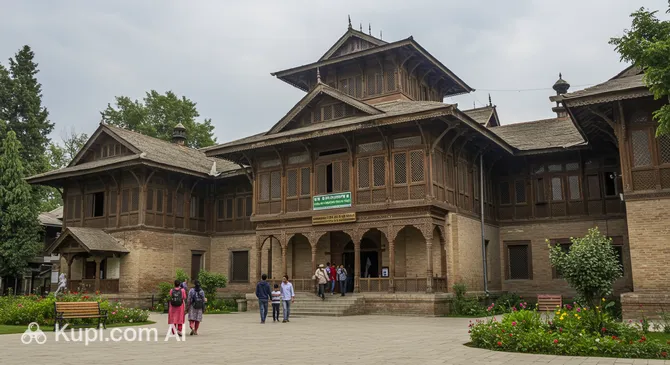
History enthusiasts should not miss the SPS Museum (Sri Pratap Singh Museum). Established in the late 19th century, this institution houses a vast collection of artifacts that chronicle the region's past. Visitors can admire ancient archaeological finds, exquisite terracotta items, traditional costumes, and rare manuscripts. The museum provides deep insights into the local heritage and is a fascinating educational stop for anyone interested in the cultural evolution of the area.

SPS Museum. Source: Kupi.Binoculars

Another distinctive site is the Pathar Masjid, a Mughal-era mosque built by Empress Noor Jahan. Unlike the traditional wooden mosques of the region, this structure is constructed entirely of grey limestone, showcasing a robust and unique architectural style. Its massive arches and sturdy design make it a standout monument, offering a glimpse into the diverse architectural influences that have shaped the city's skyline over centuries.

Local Cuisine

The local cuisine of Srinagar is a gastronomic delight that reflects the rich cultural heritage of the Kashmir Valley. Known for its exquisite use of spices like saffron, cardamom, cloves, and cinnamon, the food here is mild yet incredibly aromatic. The pinnacle of Kashmiri dining is the traditional multi-course meal known as "Wazwan," which is a ceremonial feast comprising mostly meat-based dishes and is considered an art form in itself.

For those eager to try signature dishes, Rogan Josh is an absolute must. This aromatic lamb curry, cooked with dried ginger and fennel, is a staple of the region. Another delicacy is Yakhni, a yogurt-based mutton gravy that offers a subtle and creamy flavor profile. Vegetarians need not worry, as the region offers unique treats like Dum Aloo (potatoes cooked in a thick gravy) and dishes made from Nadru (lotus stem), which is harvested directly from the local lakes and often prepared as crispy fritters or in spicy curries.

Stream Restaurant. Source: Kupi.Binoculars

No culinary journey in Srinagar is complete without experiencing its unique tea culture. The day often begins with Noon Chai, a pink-colored salty tea brewed with baking soda and milk, typically enjoyed with local breads like Bakarkhani or Sheermal fresh from a traditional bakery, or "Kandur." For a lighter option, try Kahwa, a fragrant green tea infused with saffron, spices, and almond slivers, often served as a welcoming gesture to guests.

When it comes to dining out, visitors have a variety of choices ranging from traditional eateries to modern establishments. You can visit the Stream Restaurant, which is well-regarded for its ambiance and diverse menu, offering a comfortable setting to enjoy local flavors. For those preferring vegetarian options in this meat-loving city, the Kake Di Hatti Vegetarian Restaurant is a popular spot. To soak up the local atmosphere, a stroll through areas like Makkah Market can provide a glimpse into the bustling daily life and local trade, often accompanied by the scent of street food and fresh produce.

Travel Tips

Visiting Srinagar is a dream for many travelers, and a little preparation goes a long way in making your journey through this Himalayan paradise seamless and comfortable. Here are some essential practical tips to help you navigate the city with ease and confidence.

  1. Clothing and Gear: The weather dictates your wardrobe here; pack light cottons and a light jacket for summers, but bring heavy woolens and thermals for the freezing winters. When visiting religious sites like mosques or temples, modest dress is required—women should cover their heads with a scarf, and everyone must remove their shoes before entering.
  2. Transportation: There is no metro system in Srinagar, so getting around relies heavily on auto-rickshaws and taxis. It is highly recommended to hire a taxi for the day or rent a car with a local driver for convenience, especially for sightseeing. If you use auto-rickshaws, be sure to negotiate and agree on the fare before starting your journey.
  3. Finances: The local currency is the Indian Rupee (INR). While major hotels and upscale shops accept credit cards, cash is absolute king in local markets, for shikara rides, and in smaller eateries. ATMs are widely available in the city center, but it is wise to carry sufficient cash when venturing to outskirts; tipping around 10% is appreciated for good service.
  4. Health and Safety: Pharmacies are plentiful, particularly near major hospitals like SMHS, and many stay open late. Srinagar is generally safe for tourists, but it is advisable to stay updated on local news and avoid any large street gatherings or demonstrations; always carry a copy of your identification documents with you.
  5. Communication: English is widely understood in the tourism sector, though Urdu and Kashmiri are the local languages. A critical tip for international and domestic travelers is that prepaid SIM cards from other parts of India do not work in Jammu and Kashmir due to roaming restrictions; you must have a postpaid connection or purchase a local SIM card upon arrival with proper ID.
  6. Local Etiquette: The locals are known for their warmth and hospitality; a polite "Salam" (greeting) goes a long way. When entering a houseboat or a local home, it is customary to take off your shoes. Always ask for permission before taking photographs of local residents, especially women.
  7. What to Avoid: Refrain from taking photographs of military installations, checkpoints, or security personnel, as this is strictly prohibited. Also, avoid public displays of affection, as the local culture is conservative and traditional values are highly cherished.
  8. Shopping Insight: Bargaining is an integral part of the shopping experience in Srinagar, whether you are at the floating markets on the lake or the shops in Lal Chowk. Do not hesitate to negotiate politely for a better price on handicrafts, pashminas, or souvenirs.

By keeping these practical points in mind, you can focus entirely on soaking in the breathtaking beauty and rich culture of Srinagar. A respectful and well-prepared approach ensures that your memories of the valley will be as pleasant as the scenery itself.

Entertainment & Nightlife

Unlike the bustling metropolises of India, the nightlife in Srinagar is not defined by loud nightclubs or pulsating dance floors. Instead, the city offers a serene and atmospheric evening experience that perfectly complements its natural beauty. As the sun sets, the focus shifts to the shimmering waters of the lakes and the illuminated promenades, creating a magical setting for leisurely strolls and quiet reflection. The "nightlife" here is best described as peaceful, cultural, and family-oriented.

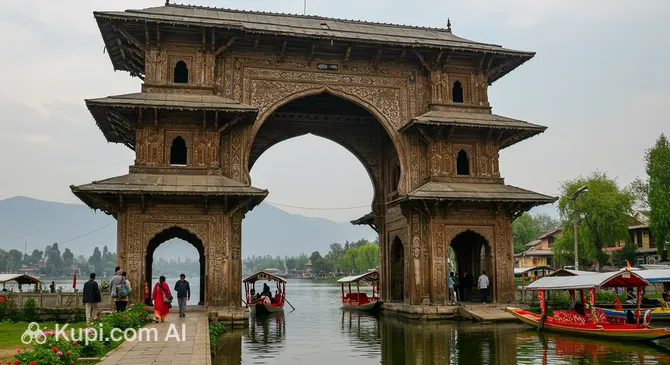
The epicenter of evening activity is undoubtedly the Boulevard Road along the banks of the lake. This stretch comes alive at dusk with locals and tourists enjoying the cool breeze and the mesmerizing view of illuminated houseboats reflecting on the water. The area around Dal Gate is particularly vibrant, serving as a bustling hub where you can find street food vendors selling grilled snacks and local treats. It is the perfect spot to witness the city's transition from day to night while enjoying a hot cup of coffee or tea.

Dal Gate. Source: Kupi.Binoculars

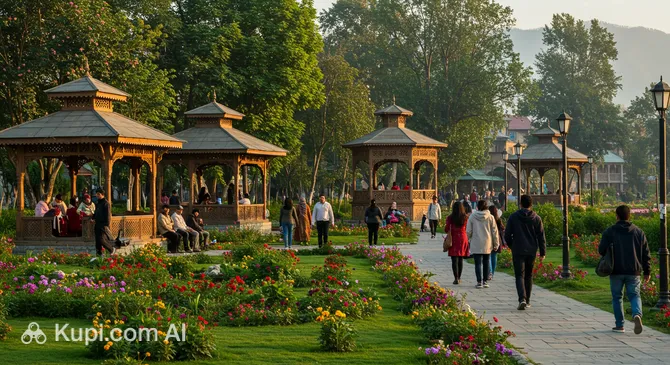
For those looking for a place to relax with family or friends, Zabarwan Park is an excellent choice for an evening outing. Located along the Boulevard, this beautifully landscaped park often hosts cultural performances and musical evenings, especially during the tourist season. The park's aero-balloon ride offers a unique opportunity to see the city's glittering lights from above, adding a touch of adventure to your night.

Zabarwan Park. Source: Kupi.Binoculars

If you prefer a more modern shopping experience, the City Mall in the Lal Chowk area provides a contemporary setting. As a key retail destination in the city, it houses various outlets where visitors can browse for fashion, accessories, and lifestyle products. It serves as a convenient option for those seeking an indoor activity or looking to purchase branded goods in a comfortable environment, distinct from the traditional open-air markets.

Travelers should be aware that Srinagar is a conservative city, and the culture regarding alcohol and late-night partying is quite strict. There are no standalone dance clubs or discos. Alcohol is served only in a few select bars located within high-end hotels or at licensed liquor shops like The Nutrition House, which is strictly a retail outlet rather than a social venue. Most restaurants and shops close relatively early, typically by 9:00 PM or 10:00 PM, so it is advisable to plan your dinner and evening activities accordingly.

Regarding daytime entertainment, the city offers a rich array of cultural experiences before the sun goes down. Visitors can explore local heritage at museums or enjoy the outdoors in the expansive Mughal gardens. For safety at night, it is recommended to stick to well-lit tourist areas like the Boulevard Road and avoid venturing into isolated alleys. Taxis and auto-rickshaws are available but can be harder to find late at night, so arranging a round-trip ride with a trusted driver is a practical tip for a hassle-free evening.

Parks & Museums

Srinagar is rightfully known as the "Garden City" of the region, boasting an array of verdant landscapes that blend Persian horticultural influences with the natural splendor of the Himalayas. The city’s green spaces and cultural institutions offer a profound insight into the artistic and historical legacy of Kashmir, inviting visitors to explore everything from terraced lawns to ancient fortifications.

The city is globally renowned for its Mughal Gardens, which are masterpieces of landscape architecture designed to harmonize with the surrounding mountains and water bodies. Shalimar Bagh, often called the "Abode of Love," is the largest of these imperial gardens. Built by Emperor Jahangir, it features four terraced levels, polished stone pathways, and a central water channel lined with fountains that once entertained royalty. Equally captivating is Nishat Bagh, or the "Garden of Joy," which rises from the eastern banks of the lake. With the Zabarwan Mountains as a dramatic backdrop, its twelve terraces represent the twelve signs of the zodiac, offering commanding views of the water and the valley beyond, framed by majestic Chinar trees that turn fiery red in autumn.

For a purely natural immersion, Dal Lake itself serves as a vast, open-air sanctuary. While famous for its houseboats, the lake is also an ecological haven. The quieter sections, particularly around the floating gardens, allow visitors to observe diverse bird species and the unique aquatic vegetation, including the famous lotus flowers. It functions as the city's central "park," where life unfolds on the water.

Dal Lake. Source: Kupi.Binoculars

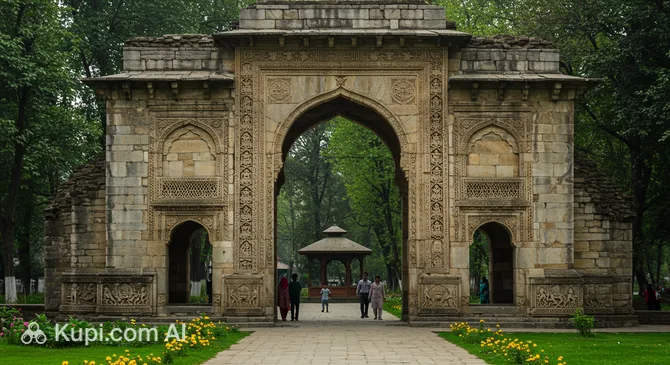
The city's historical narrative is further etched into its architectural monuments. The Sangeen Darwaza is a significant structure, serving as one of the majestic gates to the Hari Parbat fort. Built during the Mughal era, this arched gateway is constructed from stone and exemplifies the robust architectural style of the period. It stands as a silent sentinel to the city's fortified past, offering a stark contrast to the delicate wooden architecture found elsewhere in Srinagar.

Sangeen Darwaza. Source: Kupi.Binoculars

Another architectural marvel is the Dastgeer Sahib Mosque. This 200-year-old shrine is distinct for its vibrant green exterior and ornate interior. Inside, the walls and ceilings are adorned with elaborate crystal chandeliers and intricate paper-mâché work, creating a dazzling display of local craftsmanship. It is a place of deep spiritual significance and artistic beauty.

For a more immersive cultural experience, travelers can embark on the Kashmir Heritage Walk. This route takes you through the winding alleys of the old city, known as Shehr-e-Khaas. It is an excellent way to discover hidden architectural gems, observe traditional craftsmen at work, and experience the authentic rhythm of local life away from the main tourist hubs. Walking these historic lanes reveals a side of Srinagar that vehicles cannot reach, showcasing the intricate brick and wood architecture that defines the city's heritage.

Getting Around

Navigating Srinagar offers a distinct experience compared to many other major cities, as the city does not currently have an operational metro or tram system. Instead, the public transport network relies heavily on road-based options and unique water transport. The most ubiquitous form of local transit is the private minibus, locally known as the "Matador." These vibrant vehicles traverse specific routes throughout the city and are the lifeline of daily commuters. They are incredibly affordable and can be hailed from almost anywhere along their route, making them a flexible, albeit sometimes crowded, option for getting around.

In recent years, the city has modernized its fleet with the introduction of Smart City electric buses. These red and white buses offer a more comfortable and eco-friendly alternative to the traditional Matadors. They are equipped with air conditioning and CCTV cameras, and they stop at designated bus shelters. These buses cover key routes connecting the city center to major tourist spots, the airport, and the outskirts, providing a reliable mode of travel for visitors who prefer a more structured journey.

A truly special feature of Srinagar's transport system is the "Shikara." While often viewed as a recreational activity for tourists, these traditional wooden boats also function as water taxis for locals living around and on Dal Lake and Nigeen Lake. Using a Shikara is not just a practical way to cross the water to reach houseboats or lakeside restaurants; it is an enchanting experience that offers a different perspective of the city's stunning landscape.

For shorter distances on land, auto-rickshaws are widely available and convenient. They can navigate the narrower streets of the old city where larger buses cannot go. However, they rarely run on meters. It is standard practice and highly advisable to negotiate and agree on the fare with the driver before stepping inside. For a more comfortable and private experience, tourists often opt for local taxis or rent a car with a driver for the day, which can be arranged through hotels or at designated taxi stands.

Regarding payment, cash is the absolute standard for public transport in Srinagar. There are no universal travel cards or tap-and-go systems for the Matadors or auto-rickshaws. You simply pay the conductor inside the bus or the driver directly. While the new electric buses may have provisions for digital ticketing, it is practical advice for tourists to always carry small denominations of the local currency. Fares are generally very low, making public transport an economical way to explore, but having exact change will save you time and hassle.

Accommodation

Finding the perfect place to stay in Srinagar is an integral part of the travel experience, as the city offers accommodation styles that are quite unlike anywhere else in the world. The options range from the iconic houseboats moored on the tranquil lakes to traditional land-based hotels and modern resorts. Whether you are a backpacker looking for a budget-friendly guest house or a luxury traveler seeking opulent comfort, the city caters to a wide spectrum of preferences and budgets.

The most distinctive feature of Srinagar's hospitality landscape is undoubtedly the houseboat. Anchored primarily on Dal Lake and the quieter Nigeen Lake, these floating "palaces" feature intricate cedar wood carvings and offer a romantic, old-world charm. For those who prefer staying on solid ground, the areas around Boulevard Road and Rajbagh are popular choices. These neighborhoods are centrally located, providing easy access to major tourist attractions, restaurants, and transport hubs, making them convenient bases for exploration.

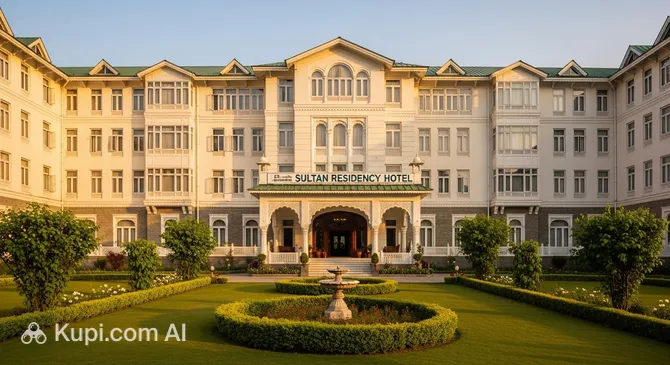
For travelers seeking conventional hotel amenities, the city boasts a variety of establishments that blend local hospitality with modern conveniences. You can find comfortable stays such as the Hotel Stepping Stone M&M, which caters to visitors looking for a reliable base in the city. Another option is the Sultan Residency Hotel, which offers facilities designed to ensure a restful stay after a day of sightseeing.

Sultan Residency Hotel. Source: Kupi.Binoculars

When planning your accommodation, timing is everything. During the peak summer season (May to August) and the famous Tulip Festival in spring, the city sees a massive influx of tourists. It is highly advisable to book your rooms or houseboats well in advance to secure the best spots and rates. Conversely, if you are visiting in winter, it is critical to confirm that your chosen accommodation provides adequate heating facilities, such as electric blankets or central heating, as nights can be extremely cold.

Prices in Srinagar vary significantly depending on the season and the level of luxury. Budget travelers can find affordable guest houses and smaller hotels, while mid-range and luxury options command higher prices, particularly for premium houseboats and top-tier resorts. Booking can be done easily through major online travel platforms, but for houseboats, many travelers prefer to contact owners directly or book through specialized agencies to ensure they get the exact location and category of boat they desire.

Nearby Cities

For those looking to explore the surroundings, Srinagar serves as an excellent base for day trips to several interesting nearby locations. The region is dotted with historic towns and scenic spots that provide a deeper understanding of the Kashmir Valley's geography and lifestyle.

One of the most prominent nearby destinations is Sopore, often referred to as the "Apple Town of Kashmir." Located just a short drive from the capital, it is famous for hosting one of the largest fruit markets in Asia. The town sits near the banks of Wular Lake, one of the largest freshwater lakes on the continent, making it a fantastic spot for those interested in agriculture and expansive water views. A visit here offers a glimpse into the heart of the region's famous horticultural industry.

Another fascinating city to visit is Baramulla, situated on the banks of the Jhelum River. Historically known as the "Gateway to the Kashmir Valley," it is an ancient city with a rich heritage. Travelers can visit the popular Eco Park, which is located on an island within the river, offering beautifully landscaped gardens and a backdrop of majestic mountains. It is a perfect setting for a relaxing picnic and enjoying the natural serenity of the river valley.

Bandipora is also worth a mention for nature enthusiasts. Known for its proximity to Wular Lake and its stunning natural surroundings, it serves as a starting point for exploring the more rugged and pristine landscapes of the district. The area is renowned for its forest training school and the scenic beauty that characterizes the northern edge of the valley.

City Population Distance (km)
Handwara 269,311 59
Baramulla 167,986 43
Sopore 118,608 38
Kalaruch 34,280 70
Bandipora 27,482 48

These nearby destinations offer a glimpse into the diverse culture and landscapes of the region, allowing travelers to experience the authentic charm of the valley beyond the main tourist hubs.

Shopping & Souvenirs

Shopping in Srinagar is a delightful experience that goes far beyond mere retail therapy; it is an immersion into the rich artistic heritage of Kashmir. The city is world-renowned for its exquisite handicrafts, where centuries-old techniques are passed down through generations. Visitors will find a treasure trove of unique items, ranging from delicate textiles to intricate woodwork, making it the perfect place to find authentic souvenirs that carry the essence of the valley.

The commercial heart of the city beats in Lal Chowk. This bustling square and its surrounding streets are lined with a mix of traditional shops, modern outlets, and vendors selling everything from dry fruits to woolen garments. Just a stone's throw away is Residency Road, another prime shopping district known for its government emporiums and established handicraft stores. Here, tourists can browse through high-quality goods with the assurance of authenticity and often fixed prices, which can be a relief for those who prefer not to bargain.

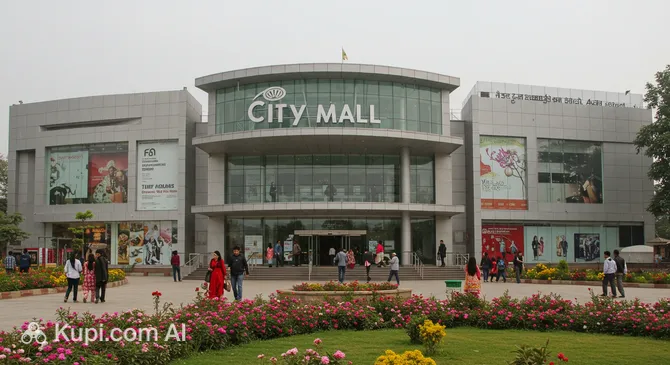
For those seeking a more contemporary shopping environment, the city offers modern complexes like the City Mall. Located centrally, this mall provides a comfortable indoor setting where visitors can find branded clothing, accessories, and lifestyle products. It serves as a convenient stop for travelers looking for familiar brands or everyday essentials amidst their cultural explorations.

City Mall. Source: Kupi.Binoculars

However, the true charm of shopping here lies in its vibrant local markets. Makkah Market, situated in the city center, is a labyrinth of small stalls and shops that is particularly popular for affordable clothing, bags, and accessories. It is a lively spot where locals shop for their daily needs, offering tourists a glimpse into the everyday commerce of the city. Additionally, the unique experience of buying from floating shops on Dal Lake—where vendors on shikaras row up to your boat to sell jewelry, flowers, and handicrafts—is a memory you will cherish forever.

Makkah Market. Source: Kupi.Binoculars

When it comes to souvenirs, Srinagar offers several signature items that are highly prized. Pashmina shawls are perhaps the most famous, known for their incredible softness and warmth. Walnut wood carvings are another specialty, with artisans creating everything from small jewelry boxes to elaborate furniture. Visitors should also look for Papier-mâché items, which are hand-painted with intricate floral designs. For culinary souvenirs, authentic Kashmiri Saffron (Kesar), one of the most expensive spices in the world, and local spices like cardamom and cinnamon are excellent choices to take home.

Most shops in Srinagar typically open around 10:00 AM and close by 8:00 PM or 9:00 PM. While larger stores, hotels, and government emporiums accept credit and debit cards, cash is essential for smaller shops, local markets, and shikara vendors. ATMs are widely available in the main city areas. Regarding taxes, tourists should note that there is generally no tax-free shopping or VAT refund scheme available for international visitors in India; the price you pay usually includes all applicable taxes.

Reached the end of the page?

That means the route is fully explored