Support

Skardu

About

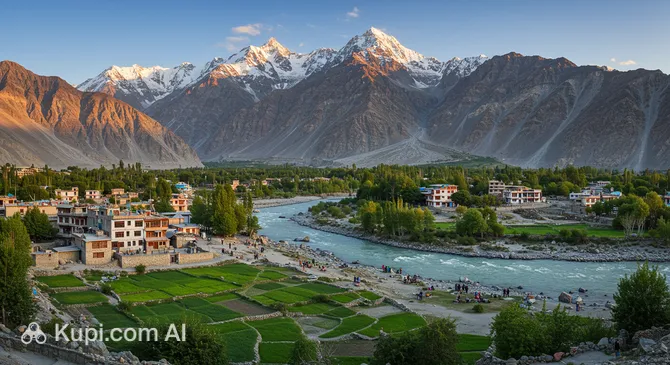
Nestled in the spectacular Gilgit-Baltistan region, Skardu is a breathtaking destination that serves as the gateway to some of the world's highest peaks, including the legendary K2. As a central hub for mountaineering expeditions and trekking adventures in Pakistan, this city offers a unique blend of rugged wilderness and serene beauty. Situated at the confluence of the Indus and Shigar Rivers at an elevation of nearly 2,500 meters, it provides a dramatic landscape where towering mountains meet vast sandy plains.

The atmosphere in Skardu is both peaceful and invigorating, attracting nature lovers and thrill-seekers alike. While it is a bustling base for modern adventurers, the history of Skardu is deeply rooted in the past, evident in its ancient forts and Buddhist rock carvings that date back centuries. The climate is characterized by cold, snowy winters and pleasant, mild summers, which is when the valley truly comes alive with tourism.

Skardu. Source: Kupi.Binoculars

Visitors are often mesmerized by the diversity of natural attractions here. One of the most surreal sights is the Katpana Desert, also known as the Cold Desert, where high-altitude sand dunes are framed by snow-capped summits. The turquoise waters of Upper Kachura Lake offer a tranquil escape, while the historic Kharpocho Fort stands guard over the town, providing panoramic views that are simply unforgettable.

Whether you are planning a challenging trek into the Karakoram range or simply wish to relax by a pristine alpine lake, Skardu promises a journey filled with awe and wonder. It is a place where the grandeur of nature is on full display, inviting travelers to experience the raw beauty of the mountains.

Weather Overview

The climate in this high-altitude region is distinctively cold, heavily influenced by its position among towering mountain peaks. Travelers should be prepared for low temperatures throughout the year, as the weather in Skardu rarely becomes truly hot, even during the peak of summer. The winter months are particularly severe, with January seeing average temperatures plunge to approximately -17.8°C, making heavy winter gear essential for any visit during this season.

Summer offers milder conditions, though the air remains crisp rather than warm. August is typically the warmest month, yet average temperatures hover around 11.0°C, with daily highs reaching just over 16°C. While the total volume of precipitation is remarkably low, often staying around 3mm to 4mm per month, the region records a high number of wet days, especially in July and August. Expect cool summers with frequent but light precipitation and intensely cold winters with consistent low temperatures.

Interesting Facts

Beyond its reputation as a mountaineering hub and the gateway to K2, Skardu holds a collection of fascinating secrets that often escape the casual eye. From geological oddities to echoes of ancient history, the valley offers more than just scenic views for the curious traveler.

  • Snow-Covered Sand Dunes: Skardu is home to the Katpana Desert, also known as the "Cold Desert," which is one of the highest deserts in the world. It presents a rare and surreal geological phenomenon where vast sand dunes are often blanketed in snow during the winter, creating a stark and mesmerizing contrast against the backdrop of the Karakoram mountains.

  • A Cafe Inside a Plane: At the famous Shangrila Resort, visitors can dine inside the fuselage of a repurposed DC-3 aircraft. This unique attraction, permanently grounded amidst the resort's gardens, has been converted into a quirky cafe and suite, offering a distinct blend of aviation history and lakeside dining.

  • Ancient Buddhist Heritage: Long before the arrival of Islam in the 14th century, the region was a stronghold of Buddhism. This history is preserved at the Manthal Buddha Rock, a massive granite boulder featuring intricate carvings of Buddha and Bodhisattvas that date back to the 8th century, hidden just a few kilometers from the main town.

  • The Land of Giants: Skardu serves as the primary launchpad for the Deosai Plains, the second-highest plateau on Earth. Known locally as the "Land of Giants," this high-altitude ecosystem is buried under deep snow for much of the year but transforms into a lush, flower-filled habitat for the rare Himalayan brown bear during the brief summer.

How to Get There

Reaching this remote mountainous region is an adventure in itself, offering spectacular views of the Karakoram range. The most convenient way to travel is by air, although flights are often subject to weather conditions due to the complex terrain. For those planning their journey, you can find more information about all ways to reach the city and choose the best option for your itinerary.

The most direct entry point is Skardu Airport (IATA: KDU), which is conveniently located just 1.8 km from the city center. This domestic airport serves as a vital lifeline for the region. A trip from the airport to the town center by taxi is very quick, usually taking just a few minutes. Another viable option is to fly into Gilgit Airport (IATA: GIL) in the neighboring city of Gilgit. Situated approximately 128.5 km from Skardu, this route requires a subsequent scenic drive through the mountains to reach your final destination.

For clarity, here is a summary of the main airports serving the region:

Airport Name City Passenger Traffic Km from City
Skardu AirportSkarduSmall1.8
Gilgit AirportGilgitSmall128.5

The city of Skardu does not have a railway station, and train travel requires a significant overland journey to reach the mountains. The closest major rail hub is Rawalpindi Railway Station (IATA: RWP), located in the city of Rawalpindi, approximately 298.8 km away in a straight line. Travelers arriving by train will need to arrange road transport for the final leg of the trip. It is important to note that the drive from Rawalpindi to Skardu via the Karakoram Highway is a long-haul journey, typically taking 12 hours or more depending on road conditions.

Below is the information for the nearest railway station:

Station City Passenger Traffic Km to Center
Rawalpindi Railway StationRawalpindiLarge298.8

Main Attractions

Skardu is a treasure trove of natural wonders and historical landmarks, offering visitors a chance to explore landscapes that seem almost otherworldly. The city and its surroundings are packed with sites that showcase the raw beauty of the Karakoram range, making it difficult to choose just a few. However, there are certain places that define the tourism experience in this valley.

One of the most spectacular natural wonders nearby is Deosai National Park. Often referred to as the "Land of Giants," this vast high-altitude plateau sits at an elevation of over 4,000 meters. For most of the year, it is buried under snow, but in summer, it transforms into a lush green carpet dotted with millions of wildflowers. It is also famous for being the habitat of the endangered Himalayan brown bear. The sheer scale of the plains, combined with the deep blue waters of Sheasar Lake located within the park, offers a sense of solitude and grandeur that is unmatched.

Just a short drive from the city center lies the mesmerizing Satpara Lake. This stunning body of water is vital to the region, supplying fresh water to the town, but for tourists, it is a place of serenity and scenic beauty. The lake is encircled by high, rugged mountains that reflect perfectly in its turquoise waters. It is an excellent spot for boating and trout fishing, or simply for enjoying a peaceful picnic by the shore while admiring the dramatic landscape.

For history enthusiasts, a hike up to Kharpocho Fort is an essential activity. Perched precariously on a rocky ridge overlooking the town, this ancient structure dates back to the 16th century. The name translates to "The King of Forts," and the climb is rewarded with a breathtaking panoramic view of the Skardu Valley and the winding Indus River below. Walking through its crumbling walls gives visitors a glimpse into the strategic importance of this region in centuries past.

Another iconic destination is Shangrila Resort, located on the banks of Lower Kachura Lake. Often called "Heaven on Earth" by locals, the resort is famous for its red-roofed cottages and the unique restaurant housed inside the fuselage of a crashed airplane. The heart-shaped lake is surrounded by fruit-laden orchards and flower gardens, providing a picture-perfect setting that has become one of the most recognizable images of tourism in the region.

Local Cuisine

The culinary landscape of Skardu is as distinct as its geography, offering a fascinating blend of Central Asian, Tibetan, and local Balti flavors. Unlike the fiery and spice-heavy cuisine found in the southern parts of Pakistan, the food here is generally milder, hearty, and designed to provide warmth and energy for the cold mountain climate. Exploring the local gastronomy is an essential part of the travel experience, allowing visitors to taste the rich heritage of Gilgit-Baltistan.

One dish that every traveler must try is Mamtu. These are delicate steamed dumplings filled with minced beef, lamb, or yak meat, seasoned with onions and mild spices. They are similar to dumplings found in Central Asia but have a unique local touch. Another staple is Balay, a thick, comforting noodle soup often made with goat meat and local herbs, which serves as the perfect remedy after a long day of trekking in the crisp air. For seafood lovers, the region is famous for its fresh Trout, particularly caught from the icy waters of Satpara and Kachura lakes, usually served grilled or fried with minimal seasoning to highlight its natural flavor.

The region is also renowned for its fruit, particularly apricots, which are often referred to as the "gold of the north." Locals utilize every part of the fruit; you will find dried apricots, apricot oil used in cooking, and delicious desserts. A unique traditional dish is Prapoo, consisting of handmade noodles covered in a rich sauce made from ground apricot kernels, offering a nutty and earthy taste that is completely unique to this valley.

When it comes to beverages, the local culture is dominated by tea. A must-try is the traditional Balti Tea (known locally as Payu Cha), a pinkish, salted butter tea that might be an acquired taste for some but is beloved by locals for its warming properties. For something refreshing, especially in the summer, fresh Apricot Juice is widely available and incredibly sweet. It is important to note that Skardu is a strictly dry region regarding alcohol; you will not find bars or liquor stores, and the social drinking culture revolves entirely around tea, juices, and water.

Dining in Skardu ranges from humble street-side eateries to comfortable hotel restaurants. For an authentic experience, head to the Skardu Bazaar, where small stalls serve fresh naan, chapshuro (meat-filled bread), and hot soups. Many traditional eateries offer floor seating on raised platforms known as dastarkhwans, where you can enjoy your meal in a communal and relaxed atmosphere. Whether you are dining at a high-end resort overlooking a lake or snacking in the bustling market, the hospitality of the Balti people makes every meal memorable.

Travel Tips

Preparing for a trip to Skardu requires a bit more foresight than your average vacation, given its remote location and high-altitude environment. To help you navigate the unique logistics of the Gilgit-Baltistan region and fully enjoy the majestic beauty of the Karakoram, here are some essential practical tips to keep in mind.

  1. Clothing and Gear: Since weather conditions can change rapidly in the mountains, the key is layering. Even in summer, evenings can get chilly, so bring a warm fleece or light jacket. For winter visits, heavy thermal gear, down jackets, and gloves are mandatory. Culturally, Skardu is conservative; both men and women should dress modestly, covering shoulders and legs (avoid shorts and tank tops). Sturdy, broken-in hiking boots are essential if you plan to trek or visit Deosai Plains.

  2. Transportation: There is no public metro or bus system within the city. For getting around town, local taxis are available, but you should negotiate the fare before hopping in. To visit attractions like Deosai, Basho Valley, or remote lakes, you will need to hire a 4x4 Jeep with an experienced driver, as the terrain is rough and often inaccessible to standard cars. Car rentals are generally "with driver" only, which is safer on these mountain roads.

  3. Finances: Cash is absolute king in Skardu. While there are ATMs in the main city, they can be unreliable, out of cash, or may not accept all international cards. It is highly recommended to withdraw sufficient Pakistani Rupees (PKR) in Islamabad or major cities before arriving. Credit cards are rarely accepted outside of high-end resorts like Shangrila or Serena. Tipping guides and drivers is customary and appreciated.

  4. Health and Safety: Skardu is situated at an altitude of nearly 2,500 meters, and excursions go much higher. Take it easy on your first day to acclimatize and drink plenty of water to prevent altitude sickness. Pharmacies are available in the main Skardu Bazaar, but they may not stock specific international brands, so bring a personal medical kit. The region is generally very safe and hospitable for tourists, but always exercise standard precautions and avoid trekking alone in unfamiliar wilderness.

  5. Communication: This is a critical point for travelers: standard Pakistani mobile networks (like Jazz, Telenor, or Zong) often do not work in Gilgit-Baltistan. The region relies on a specific provider called SCOM. You can purchase a special SCOM SIM card upon arrival at the airport or in the city with your passport. Wi-Fi is available in most hotels but can be slow or intermittent, so plan for digital detox periods.

  6. Local Etiquette: The people of Baltistan are incredibly warm and welcoming. The standard greeting is "As-salamu alaykum" (Peace be upon you). When interacting with locals, maintain a polite and respectful demeanor. It is important to ask for permission before taking photographs of people, especially women, as privacy is highly valued in local culture.

  7. What to Avoid: Public displays of affection are frowned upon and should be avoided. Also, strictly refrain from photographing military installations, bridges, or airports, as this is a sensitive border region. Alcohol is prohibited in the region, so do not expect to find bars or carry it openly.

  8. Power Supply: Electricity shortages and load shedding can occur, particularly in winter or during bad weather. It is a smart "life hack" to carry a high-capacity power bank and a small flashlight or headlamp to ensure your devices stay charged and you can navigate safely if the lights go out at night.

By packing the right gear and respecting local customs, you will find that Skardu is not just a destination, but a deeply moving experience. The hospitality of the locals is legendary, and with these practicalities sorted, you are free to immerse yourself in the stunning serenity of the "Land of Giants."

Entertainment & Nightlife

Nightlife in Skardu is defined by tranquility and cultural immersion rather than the bustling club scene found in major metropolitan cities. Travelers should be aware that Skardu is located in a conservative region where alcohol is prohibited, and there are no western-style bars, nightclubs, or discos. Instead, the evening entertainment revolves around social dining, enjoying the crisp mountain air, and experiencing the warmth of local hospitality under a canopy of stars.

The main hub of activity after dark is the Skardu Bazaar. As the sun sets, this district remains lively with locals and tourists alike. The atmosphere is bustling yet relaxed, with shops selling trekking gear, dry fruits, and handicrafts remaining open late. It is the perfect place to take a night walk, soak in the local culture, and enjoy a hot cup of traditional Balti tea or green tea at a roadside stall. The crowd is predominantly male in the open streets, but families often dine together in the enclosed sections of restaurants.

For a memorable evening meal, Shangrila Resort offers a unique dining experience. Located on the banks of Lower Kachura Lake, the resort's restaurant provides a serene setting where you can enjoy dinner while admiring the reflection of the lights on the water. Another popular spot for evening gatherings is the Dewanekhas Restaurant, known for its extensive menu of local and Pakistani dishes. These venues typically close around 10:00 PM or 11:00 PM, so it is best to head out for dinner early.

One of the most magical nighttime activities in Skardu is simply gazing at the sky. Due to the lack of light pollution, resorts and hotels often organize bonfires where guests can sit back and admire the Milky Way. The Shigar Fort (Serena Shigar Palace), located a short drive away, also offers a historic and atmospheric setting for a quiet, high-end dinner, allowing you to experience the grandeur of a 400-year-old palace by night.

From a practical standpoint, the best time to enjoy the evenings is during the summer months (June to September), as winters can be intensely cold. Prices for dining are generally very affordable compared to international standards. Getting around at night is best done via private hotel cars or pre-arranged taxis, as hailing a cab on the street late at night can be difficult. Skardu is considered very safe for tourists, but it is advisable to stick to well-lit areas in the main town and avoid walking alone in remote outskirts after dark.

While the nights are quiet, daytime entertainment in Skardu offers plenty of excitement. Visitors can explore the rich history of the region at the K2 Museum, located in the PTDC Motel grounds, which showcases photos and maps of mountaineering expeditions. For outdoor enthusiasts, boating on Kachura Lake or hiking up to the ancient Kharpocho Fort provides a mix of adventure and breathtaking sightseeing opportunities before the sun goes down.

Parks & Museums

While Skardu is world-renowned for its rugged peaks and mountaineering legacy, the city and its surroundings also offer serene green spaces and a deep well of cultural heritage. Beyond the adrenaline of trekking, visitors can explore protected national parks teeming with wildlife and museums that preserve the region's ancient history and mountaineering triumphs.

During the summer months, Deosai National Park transforms into a vibrant canvas of wildflowers and lush green grass, crossed by crystal-clear streams. Unlike the rocky terrain found elsewhere in the region, this protected area offers a unique safari-like experience where the sheer vastness of the landscape provides a profound sense of isolation and peace. It acts as a blooming sanctuary, inviting travelers to witness nature's softer side amidst the mountains.

For a different kind of greenery, Basho Valley offers a striking contrast to the rocky, barren mountains that characterize much of Skardu. Located a short drive from the main town, this valley is home to dense pine forests and alpine meadows surrounded by jagged peaks. It is a favorite spot for camping and nature walks, offering a cool, shaded retreat. The area is particularly popular for its eco-friendly environment, where streams flow through the forest floor, creating a perfect setting for picnics and relaxation away from the dusty trails.

Reflecting the area's significance in the world of climbing, the K2 Museum is a must-visit for anyone interested in mountaineering history. Located within the grounds of the PTDC Motel, this modest but fascinating museum pays tribute to the brave souls who have attempted to conquer the "Savage Mountain." It houses a collection of historical photographs, maps, and equipment, with a special focus on the 1954 Italian expedition that first summited K2. It serves as an educational hub where tourists can appreciate the human cost and triumph behind the region's most famous landmark.

To understand the ancient roots of the valley, a visit to the Manthal Buddha Rock is essential. While not a museum in the traditional indoor sense, this open-air historical site acts as a gallery of the region's pre-Islamic past. The massive granite boulder features intricate carvings of Buddha and Bodhisattvas dating back to the 8th century. It stands as a testament to the time when Skardu was a significant center of Buddhism on the Silk Road, offering a quiet place for reflection and historical appreciation.

Dominating the cityscape is the Kharpocho Fort, an architectural marvel that blends military strategy with stunning vistas. Built in the 16th century, the fort is perched on a ridge and offers a window into the era of the local Maqpon dynasty. Walking through its stone corridors and observing the ancient mosque within its walls gives visitors a tangible sense of the defensive history of Baltistan. The structure itself is a museum of medieval engineering, designed to withstand sieges while monitoring the river valley below.

For a truly authentic experience, take the time to hike to the Nansoq Organic Village. Accessible via a trek behind the Kharpocho Fort, this hidden gem is Pakistan's first organic village. Here, life moves at a slower pace, and the locals maintain traditional farming practices without modern chemicals. It is a living exhibit of sustainable living, offering a rare chance to see the Balti rural lifestyle in its purest form.
Getting Around

The public transport system in Skardu is significantly different from that of major metropolitan areas. Travelers should not expect to find a metro, tram network, or scheduled large city buses. Instead, the city relies on an informal yet functional network of road-based transport suited to the mountainous terrain. For visitors, getting around typically involves a mix of private taxis, hired jeeps, and local minivans, as the infrastructure is designed more for utility than for mass tourism transit.

For getting around the city center and reaching nearby villages, the most common form of "public" transport is the Suzuki van. These small minivans ply fixed routes along the main roads and serve as the local bus system. They are inexpensive and offer an authentic way to travel alongside residents, but they can be crowded and do not have designated stops or published timetables. You simply flag one down from the roadside and pay a small fare in cash upon exiting. While useful for short hops within the town, they are not ideal for travelers carrying heavy luggage.

The primary mode of transport for tourists is the private taxi or a hired vehicle. Standard car taxis are available for trips within the paved areas of the city and to the airport. However, because many of the region's attractions—such as the Deosai Plains or remote valleys—are located on rough, unpaved tracks, hiring a 4x4 Jeep is often a necessity rather than a luxury. These can be arranged through hotels or at the main bazaar. Unlike standard taxis, jeeps are usually hired for the entire day or for a specific round-trip excursion.

When it comes to payment, cash is the only accepted method. There are no travel cards, electronic ticketing systems, or tap-to-pay terminals in vehicles. Travelers must carry local currency (Pakistani Rupees) in small denominations to pay drivers directly. Ride-hailing apps like Uber or Careem do not operate in this region, so you cannot book a ride via your smartphone. Fares for local Suzuki vans are generally fixed and very low, while taxi fares must be negotiated before you start your journey to avoid misunderstandings.

Car rentals are available but operate differently than in the West; they almost exclusively come with a local driver. This is highly recommended, as the mountain roads can be treacherous, narrow, and subject to landslides, requiring experience to navigate safely. For those staying near the main bazaar, the town is compact enough to be explored on foot, which is often the best way to browse the local shops and soak in the atmosphere without the hassle of finding transport.

Accommodation

Where to Stay:

Accommodation in Skardu caters to a wide spectrum of travelers, ranging from mountaineers preparing for expeditions to families seeking a relaxing lakeside retreat. The city offers a variety of options, including budget-friendly guesthouses, functional mid-range motels, and a few high-end luxury resorts. While the infrastructure is developing, visitors can generally find clean and comfortable places to rest after a day of exploring the rugged terrain.

For those prioritizing convenience and logistics, the City Center near Skardu Bazaar is the most practical area to stay. Hotels here are within walking distance of local eateries, shops, and transport stands where you can hire jeeps for excursions. However, travelers looking for scenic beauty and tranquility often prefer the area around Kachura Lakes (Upper and Lower). Located about 20 to 30 minutes from the town, this zone offers resorts with stunning water views, although it requires a taxi to reach the main city markets.

The region is home to some unique properties that are attractions in their own right. The most famous is undoubtedly the Shangrila Resort, located on the banks of Lower Kachura Lake. It is iconic for its red-roofed cottages and a restaurant housed inside a grounded DC-3 aircraft, offering a distinctive stay amidst orchards. Another remarkable option is the Serena Shigar Fort, located a short drive away in the Shigar Valley. This restored 17th-century palace allows guests to experience the heritage of the local Rajas while enjoying modern luxury.

Booking Tip: Skardu is a highly seasonal destination. During the peak summer months (June to August), the best hotels and resorts are often fully booked weeks in advance. It is strongly advised to secure your reservation as early as possible. Conversely, if you plan to visit in winter, check beforehand, as some tourist-focused establishments may close due to the extreme cold.

Prices fluctuate significantly depending on the season and the level of luxury. Budget guesthouses and hostels are generally very affordable, while top-tier resorts charge premium rates comparable to international standards. While the major resorts can be booked via popular online travel platforms, many mid-range and budget hotels in Skardu still rely on direct bookings through phone calls or WhatsApp. Be prepared that smaller establishments often prefer or strictly require cash payments.

Nearby Cities

For those looking to explore the surroundings, Skardu serves as an excellent base for day trips to several interesting nearby locations:

Located just a short drive from the city, the Shigar Valley is a must-visit destination that serves as the gateway to K2. The valley is home to the majestic Shigar Fort (Fong-Khar), a 17th-century heritage site that has been beautifully restored into a museum and luxury hotel. The journey takes travelers through the scenic cold desert and offers a peaceful atmosphere with lush orchards and traditional Balti architecture, making it an ideal spot for a relaxing day out.

Another captivating option is the historic town of Khaplu, situated in the Ghanche District to the east. Famous for the stunning Khaplu Palace and the ancient Chaqchan Mosque, which is one of the oldest in the region, this town is rich in history and culture. The drive along the Shyok River is spectacular, and the town itself offers a warmer, greener environment compared to Skardu, perfect for exploring the heritage of the local Yabgo dynasty.

City Population Distance (km)
Rawalpindi2098231304
Saidu Sharif1860310298
Islamabad1014825293
Mingaora279914297
Chilas214000133

These nearby destinations offer a glimpse into the diverse culture and landscapes of the region.

Shopping & Souvenirs

Shopping in Skardu is a delightful immersion into the local culture rather than a high-end retail experience. You will not find sprawling luxury shopping centers or international fashion chains here. Instead, the city offers a rustic and authentic atmosphere where trade revolves around traditional handicrafts, regional produce, and essential trekking gear. It is an excellent place to find unique items that reflect the heritage of Gilgit-Baltistan, making the shopping experience as much about exploration as it is about purchasing.

The commercial heart of the city is the Skardu Bazaar. Stretching along the main road, this bustling district is where life in the valley converges. It is divided roughly into the "New Bazaar" and the "Old Bazaar" (Purana Bazaar). Here, tourists can wander through narrow lanes lined with small shops selling everything from mountaineering equipment and warm clothing to local spices and hardware. It is a lively, dusty, and vibrant strip that offers a genuine glimpse into the daily lives of the Balti people.

Travelers looking for modern shopping malls should adjust their expectations. Skardu does not have large, multi-story shopping complexes or department stores found in major metropolitan cities like Islamabad or Karachi. Retail takes place in small independent shops or small plazas. The experience is traditional, and the charm lies in interacting with shopkeepers rather than browsing glass storefronts.

The markets in Skardu are particularly famous for their organic produce. The Dry Fruit Market sections within the main bazaar are a highlight. Vendors display sacks overflowing with the region's agricultural treasures. You can sample and buy fresh seasonal fruits in summer, but the dried varieties are available year-round and make for excellent gifts. The aroma of dried apricots and walnuts fills the air, drawing visitors to these stalls.

When it comes to souvenirs, Skardu offers several distinct specialties. The region is geologically rich, making it a prime spot for buying gemstones. You can find beautiful raw and cut specimens of aquamarine, topaz, tourmaline, and quartz at reasonable prices, though it is wise to have some knowledge of stones or ask for certification for expensive pieces. Another "must-buy" is the local dry fruit, particularly dried apricots, almonds, and walnuts, which are renowned for their quality. Additionally, look for traditional Balti handicrafts, such as woolen shawls, "pattu" (woven wool cloth), and the distinctive round woolen caps worn by locals.

Regarding opening hours, most shops in the bazaar open around 9:00 AM or 10:00 AM and remain open until late in the evening, typically closing around 8:00 PM or 9:00 PM. However, on Fridays, many businesses may close for a few hours in the afternoon for Jummah prayers. Payment is almost exclusively in cash. Credit cards are rarely accepted in local shops or the bazaar, so it is crucial to carry a sufficient amount of Pakistani Rupees (PKR). Bargaining is a common practice in the markets, especially for gemstones and handicrafts, so do not hesitate to negotiate the price politely.

Reached the end of the page?

That means the route is fully explored