Support

Dharamshala

About

Nestled in the picturesque Kangra Valley against the backdrop of the majestic Dhauladhar mountain range, Dharamshala is a serene hill station that offers a perfect blend of natural beauty and spiritual tranquility. Located in the state of Himachal Pradesh in India, this city is surrounded by dense cedar forests and fresh mountain air, making it a refreshing escape from the hustle and bustle of plains.

Dharamshala. Source: Kupi.Binoculars

The city is unique in its layout, divided into two distinct parts: Lower Dharamshala, which serves as the vibrant commercial center, and Upper Dharamshala, widely known as McLeod Ganj. This upper region is famous for its strong Tibetan influence and vibrant culture, earning it the nickname "Little Lhasa." For those interested in the events that shaped this cultural haven, a deep dive into the history of Dharamshala reveals a fascinating narrative of heritage and transformation.

Travelers are drawn to the city's remarkable attractions, such as the Tsuglagkhang Complex, which is a major spiritual center, and the stunning Dharamshala Cricket Stadium, celebrated as one of the highest sports grounds in the world. With a population of approximately 53,000, the city maintains a cozy yet lively atmosphere, inviting visitors to explore its scenic trails, vibrant monasteries, and local markets.

Whether you are seeking spiritual rejuvenation, outdoor adventure, or simply a quiet retreat in the mountains, Dharamshala promises an unforgettable experience for every traveler.

Weather Overview

The climate in Dharamshala varies significantly throughout the year, offering distinct experiences ranging from chilly winters to pleasant summers. To help plan your packing and itinerary, consulting the detailed guide to the weather in Dharamshala is highly recommended. Generally, the city experiences mild to warm temperatures during the middle of the year, while the winter months require warm clothing.

During the warmest months of June and July, average temperatures hover around 22°C, with daytime maximums occasionally reaching 26.5°C. However, travelers should be prepared for frequent precipitation during this period; July and August are characterized by a high number of wet days, recording 31 and 30 days of rain respectively. In contrast, the winter season from December to February is quite cold, with January seeing average temperatures drop to 5.1°C and minimums nearing 0.6°C.

The transitional months, such as April and October, offer moderate conditions with fewer rainy days compared to the summer monsoon season. Overall, expect warm summers with frequent rain and cold, drier winters.

Interesting Facts

Beyond the main attractions, Dharamshala holds many fascinating secrets that reveal its rich history and unique geography. Here are a few intriguing details that add depth to the charm of this Himalayan city.
Church of St. John in the Wilderness. Source: Kupi.Binoculars
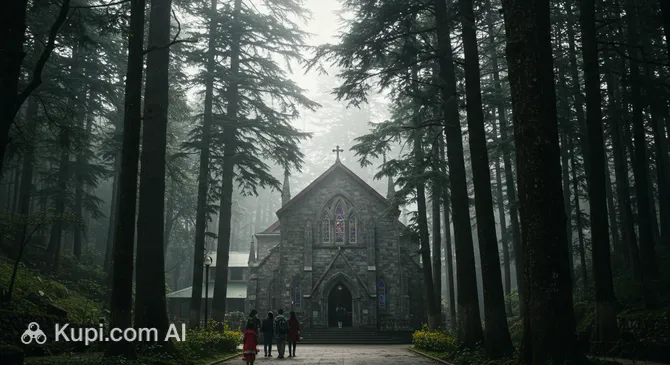
  • The Church of St. John in the Wilderness is not just an architectural marvel; it is one of the few structures that survived the devastating Kangra earthquake of 1905. The churchyard also serves as the final resting place of Lord Elgin, a British Viceroy who was so captivated by the town's beauty that he wished to be buried here.

  • Local folklore surrounds the Bhagsunag Temple, linking it to a mythical battle between the demon King Bhagsu and the Snake God Nag. Legend has it that the freshwater spring flowing through the temple tanks possesses healing properties, a gift resulting from the forgiveness sought by the demon king.

  • Dharamshala holds the distinct administrative title of being the "Second Capital" of Himachal Pradesh. Officially declared in 2017, the city hosts the winter session of the state assembly, highlighting its political significance alongside the primary capital, Shimla.

  • The city is widely considered the wettest place in the state of Himachal Pradesh. Its unique location at the immediate foot of the Dhauladhar range acts as a barrier that traps rain-bearing clouds, resulting in lush green landscapes and rainfall levels that exceed those of its neighbors.

How to Get There

Reaching this Himalayan destination is an adventure in itself, with air travel being the fastest option for most visitors. For a comprehensive overview of all transport modes, you can read more about how to get to Dharamshala in our detailed guide.

The most convenient entry point is Gaggal Airport (IATA: DHM), which is the primary air hub serving the area. Located just 8.3 km from the city center, it offers the quickest access to the mountains. A taxi ride from the terminal to the main town typically takes around 35 minutes. While it handles a moderate volume of regional traffic, its proximity makes it the top choice for travelers wishing to minimize travel time.

Alternatively, international travelers often choose Sri Guru Ram Dass Jee International Airport (IATA: ATQ) in the city of Amritsar. This major transport hub handles a large volume of passengers and offers better connectivity. It is located approximately 155 km from Dharamshala. The journey from Amritsar by road is scenic but takes significantly longer, usually requiring about 4 to 5 hours by taxi or bus.

For clarity, here is a summary of the main airports:

Airport Name City Passenger Traffic Km from City
Sri Guru Ram Dass Jee International Airport Amritsar High 154.9
Satwari Airport Jammu High 149.1
Gaggal Airport Dharamshala Medium 8.3
Bhuntar Airport Kullu Low 87.2
Simla Shimla Low 144.5

Main Attractions

Dharamshala is a treasure trove of spiritual, cultural, and natural wonders, offering something unique for every type of traveler. From serene monasteries to breathtaking mountain peaks, the city's landmarks define its character and charm.

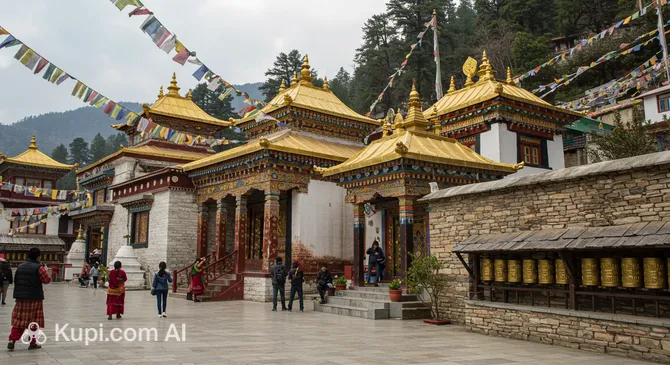
One of the most significant sites is the Tsuglagkhang Complex (Dalai Lama Temple). As the official residence of the 14th Dalai Lama, this sprawling sanctuary is the spiritual heart of McLeod Ganj. Tourists are drawn here not only for the peaceful atmosphere but also to witness the monks engaging in lively debates and to walk the kora (ritual circuit) around the complex. It is a place of profound tranquility that welcomes visitors from all walks of life.

Tsuglagkhang Complex (Dalai Lama Temple). Source: Kupi.Binoculars

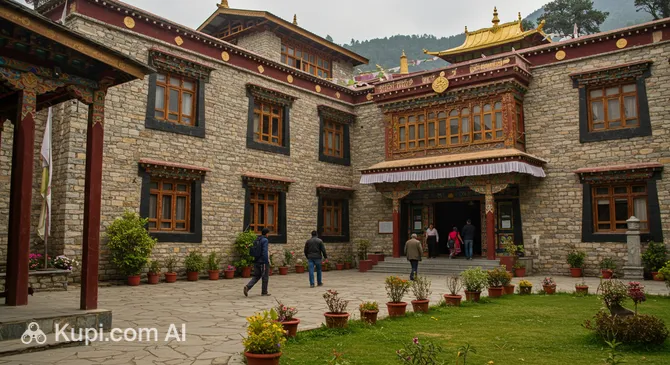
For those eager to understand the region's rich cultural heritage, The Tibet Museum is an essential stop. Located near the main temple, this institution is dedicated to preserving and presenting the history and culture of the Tibetan people. Through powerful photo exhibitions and documentaries, it offers visitors a moving and educational insight into the resilience and traditions of the community living in exile.

The Tibet Museum. Source: Kupi.Binoculars

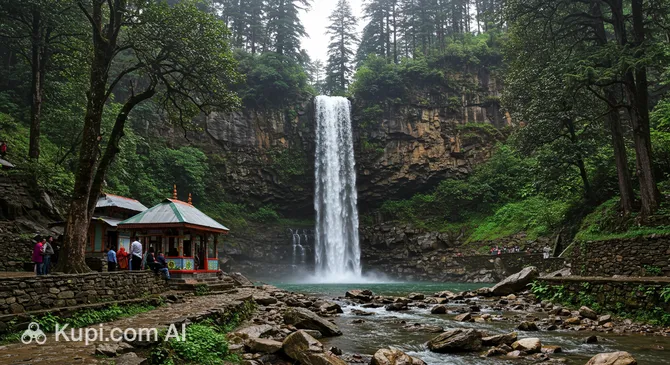
Nature enthusiasts will find a refreshing escape at the Bhagsu Nag Waterfall. Situated a short hike away from the famous Bhagsunag Temple, this cascading waterfall plunges into a rocky pool that is perfect for a cool dip during the summer months. The surrounding slate cliffs and greenery create a picturesque setting, making it a popular spot for photography and picnics.

Bhagsu Nag Waterfall. Source: Kupi.Binoculars

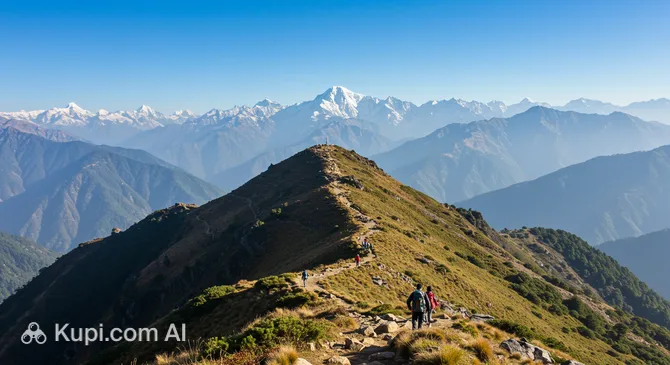
If you are looking for adventure and panoramic vistas, a trek to Triund Top is highly recommended. Often referred to as the crown jewel of Dharamshala, this ridge offers spectacular views of the snow-capped Dhauladhar range on one side and the expansive Kangra Valley on the other. The trek is accessible for beginners and rewards hikers with one of the most stunning sunsets in the Himalayas.

Triund Top. Source: Kupi.Binoculars

Another fantastic vantage point is Naddi View Point. Located in Naddi Village, this spot is famous for its unobstructed views of the mountains and the valley below. It is an ideal location for a quiet evening walk, allowing tourists to soak in the majesty of the Himalayas without the need for a strenuous hike.

Local Cuisine

The culinary landscape of Dharamshala is a delightful reflection of its cultural diversity, offering a unique fusion of authentic Tibetan flavors and traditional Himachali cuisine. Food lovers will find themselves in a gastronomic haven where the aroma of steamed dough and spicy broths fills the crisp mountain air. The influence of the Tibetan community is palpable, making this one of the best places in India to savor Himalayan soul food.

A trip to Dharamshala is incomplete without indulging in Momos, the ubiquitous steamed or fried dumplings filled with vegetables or meat, often served with a fiery red chili sauce. Another staple is Thukpa, a hearty noodle soup that provides perfect warmth during chilly evenings. For those eager to taste the local Pahari traditions, Dham is a must-try experience. This traditional festive meal consists of rice, lentils, and unique dishes like Madra (chickpeas cooked in yogurt gravy), typically served on leaf plates.

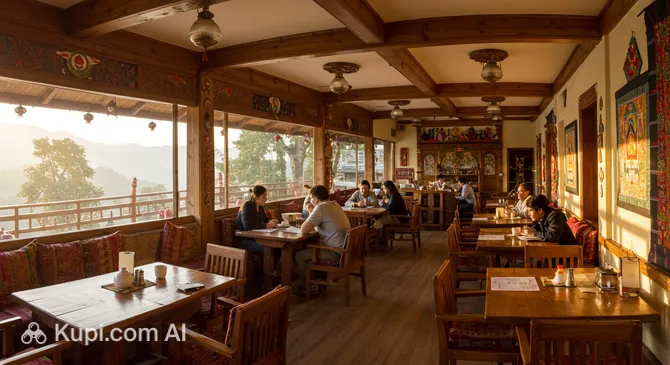
Kalimpong Restaurant. Source: Kupi.Binoculars

To accompany your meal, try the distinctive Tibetan Butter Tea, also known as Po Cha, which has a salty, savory flavor profile quite different from standard sweet teas. If you prefer something sweeter, the region is famous for its aromatic Kangra Tea, grown in the nearby valleys. Local juices made from rhododendron flowers are also a refreshing non-alcoholic option found in many cafes.

The dining scene ranges from vibrant street stalls in McLeod Ganj to cozy restaurants with panoramic views of the Dhauladhar range. Visitors can enjoy authentic dishes at popular spots like Kalimpong Restaurant, known for its small but delicious menu. For those looking for a casual dining atmosphere with a variety of options, Gobblers Dharamshala is a well-known stop for tourists and locals alike to grab a quick and satisfying bite.

Travel Tips

Visiting Dharamshala is a journey into a unique blend of Himachali and Tibetan cultures, set against the stunning backdrop of the Dhauladhar mountains. To ensure your trip to this spiritual haven in India is as smooth and enjoyable as possible, here are some practical tips to keep in mind.

  1. Clothing and Gear: The weather here can be unpredictable. Even in summer, evenings can get chilly, so carrying a light jacket or woolen sweater is essential. Since Dharamshala is known for heavy rainfall, especially from July to September, always pack a sturdy umbrella or raincoat. Comfortable, non-slip walking shoes are a must for navigating the steep, sloping streets. When visiting monasteries, dress modestly by covering your shoulders and knees.
  2. Transportation: The city is divided into Lower Dharamshala and Upper Dharamshala (McLeod Ganj). While taxis and auto-rickshaws are readily available, the narrow roads can get congested during peak seasons. The Dharamshala Skyway (ropeway) is a fantastic way to travel between the two parts of the city, saving time and offering great views. Within McLeod Ganj and Bhagsu, walking is often the fastest and most enjoyable way to get around.
  3. Finances: The currency used is the Indian Rupee (INR). While many hotels and larger restaurants in McLeod Ganj accept credit cards, cash is king in local markets, small cafes, and for taxi fares. ATMs are available in the main squares, but they can occasionally run out of cash or have long queues, so it is wise to keep a sufficient amount of cash handy.
  4. Health and Safety: Dharamshala is generally very safe for tourists. However, be cautious of the local monkey population; they can be aggressive if they see food or shiny objects. Keep snacks hidden inside your bag and avoid making direct eye contact with them. Pharmacies are widely available in the main market areas, but if you are prone to motion sickness, carry medication for the winding mountain roads.
  5. Communication: English is widely understood and spoken, especially in tourist hubs like McLeod Ganj. Hindi is the primary local language, but due to the large Tibetan community, learning a phrase like "Tashi Delek" (hello/good luck) is a wonderful way to greet locals. Local SIM cards are easy to find, but purchasing one requires a passport and passport-sized photos.
  6. Local Etiquette: Respect is paramount in this spiritual center. Always remove your shoes before entering temples or monasteries. If you see prayer wheels or stupas, remember to walk around them or spin them in a clockwise direction, which is the customary way to show reverence. A polite "Namaste" with folded hands is the standard greeting.
  7. What to Avoid: Himachal Pradesh has a strict ban on non-biodegradable plastic bags to protect the environment. Do not carry or ask for plastic bags; use cloth or jute bags instead. Additionally, avoid taking photographs inside the main prayer halls of monasteries unless explicitly permitted, as it disturbs the monks' meditation.
  8. Additional Tip: Experience the local "slow life" by visiting the weekly markets or the local vegetable bazaar in Lower Dharamshala. It is a great place to buy fresh local produce and interact with the resident Gaddi tribe, offering a glimpse of the region's culture beyond the tourist trail.

By keeping these practicalities in mind, you can focus on soaking in the tranquility and vibrant culture of Dharamshala without any hassles. A little preparation goes a long way in making your Himalayan adventure truly memorable and respectful of the local way of life.

Entertainment & Nightlife

Unlike the bustling metropolises of India, the nightlife in Dharamshala is characterized by a serene and laid-back atmosphere rather than loud nightclubs or raucous parties. The evening scene here is centered primarily around McLeod Ganj, where the vibe is bohemian and artistic. As the sun sets behind the Dhauladhar range, the narrow streets of Temple Road and Jogiwara Road come alive with the sound of acoustic guitars drifting from open-air cafes. Travelers gather to enjoy live music sessions, poetry readings, and impromptu jams, creating a warm community spirit that defines the town's after-dark charm.

For those seeking a more modern entertainment experience, Lower Dharamshala offers a different pace. Here, you can visit the Maximus Mall, a popular hub for locals and tourists alike. It is the perfect spot to catch a late-evening movie at the cinema or enjoy a casual dinner at the food court. The mall provides a contemporary contrast to the rustic charm of the upper town, making it a good option for families or those looking for a standard city evening out.

Maximus Mall. Source: Kupi.Binoculars

If you prefer a more sophisticated setting for a quiet drink or an elegant dinner, many of the higher-end hotels offer excellent lounges with panoramic views. The Lemon Tree Hotel Mcleodganj is a notable venue where guests can unwind in a refined atmosphere. Places like this are ideal for sipping a beverage while gazing at the glittering lights of the valley below, offering a peaceful retreat from the backpacker crowds.

Practicality is key when planning a night out in this hill station. Most venues in McLeod Ganj shut down relatively early, typically by 10:00 PM or 11:00 PM. The dress code is almost exclusively casual; comfortable layers are recommended as temperatures drop significantly at night. In terms of safety, the main tourist areas are generally safe for evening walks, but the streets can be dimly lit. It is advisable to stick to populated areas and carry a flashlight. Taxis can be scarce late at night, so if you are staying far from the center, pre-arranging a ride or keeping a local taxi number handy is essential.

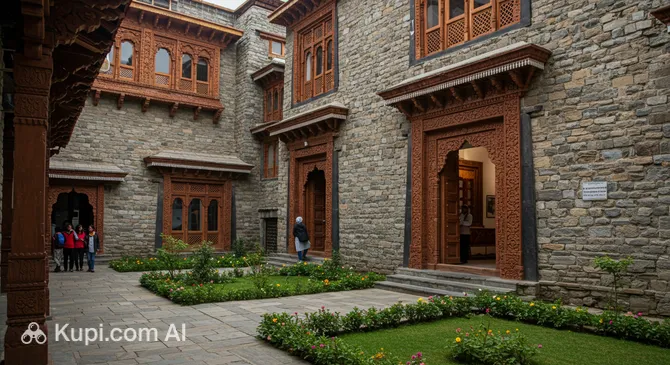
Before the evening sets in, the city offers plenty of cultural enrichment during the day. History buffs and art lovers should explore the Kangra Art Museum, which houses an impressive collection of miniature paintings and artifacts from the Kangra Valley. Another significant stop is the War Memorial, a poignant tribute located in the pine forests at the entry of the town, honoring the brave soldiers of Himachal Pradesh. These daytime excursions provide a deep cultural context that enriches the reflective and peaceful nature of your evenings in Dharamshala.

Kangra Art Museum. Source: Kupi.Binoculars

Parks & Museums

Dharamshala is defined not only by its towering mountains but also by its serene green sanctuaries and institutions that guard the region's rich heritage. Visitors looking for a slower pace will find delight in the city's lush gardens and cultural galleries, which offer a quiet respite and a deeper connection to the local history.

One of the most scenic natural spots is the expansive Dharamshala Tea Gardens. Located on the road to Kunal Pathri, these verdant slopes are carpeted with neatly manicured tea bushes that contrast beautifully with the rugged Dhauladhar range in the background. It is an ideal place for a leisurely walk, where the air is filled with the fresh aroma of tea leaves and the environment is incredibly soothing compared to the busy market streets.

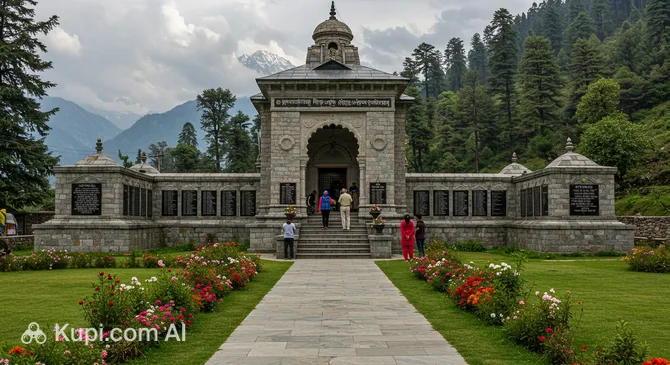
For those who appreciate nature blended with history, the State War Memorial offers a unique experience. While it serves as a tribute to the brave soldiers of Himachal Pradesh, the memorial is set within a magnificent pine forest that functions as a tranquil park. The winding pathways through the tall trees provide a shaded and peaceful environment, making it a favorite spot for both respectful reflection and quiet nature walks.

State War Memorial. Source: Kupi.Binoculars

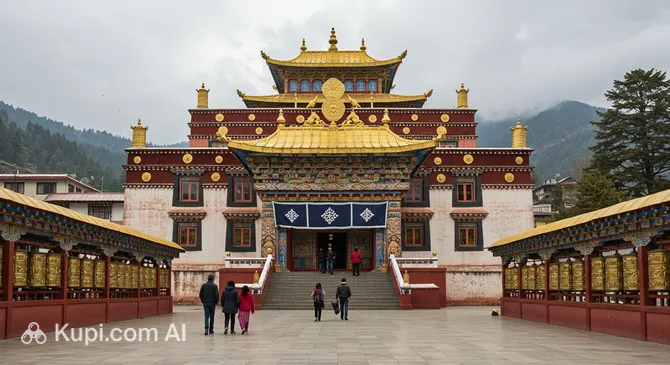
The cultural landscape of the city is equally captivating, with the Gyuto Monastery standing out as a key highlight. Distinguished by its imposing architecture and bright yellow roof, this monastery is a living museum of the Tantric tradition. Visitors can admire intricate butter sculptures and witness the monks practicing their unique throat singing, offering a rare and immersive insight into Tibetan spiritual arts.

Gyuto Monastery. Source: Kupi.Binoculars

Another significant center of culture is the Namgyal Monastery, situated within the main temple complex. As the personal monastery of the 14th Dalai Lama, it is dedicated to assisting him in religious rituals. The interior is adorned with breathtaking murals and thangkas (scroll paintings) that depict Buddhist deities and philosophy, serving as an artistic treasure trove for anyone interested in Himalayan iconography.

For art lovers, the Naam Art Gallery in nearby Sidhbari is a must-see destination. This permanent exhibition features the works of Elsbeth Buschmann and Alfred W. Hallett, showcasing stunning watercolours and acrylics that capture the landscapes and people of Himachal Pradesh with great sensitivity.

Insider Tip: A visit to the tea gardens is best timed for the late afternoon during the "golden hour." The sunlight filtering through the trees creates a magical glow for photography, and you can often find small stalls nearby selling fresh, locally brewed tea to complete the experience.

Getting Around

Navigating Dharamshala requires understanding its unique geography, as the city is split into two main sections: the commercial center of Lower Dharamshala and the tourist hub of Upper Dharamshala, commonly known as McLeod Ganj. While there is no metro or tram system in this hilly terrain, the local transport network is well-adapted to the steep winding roads, offering visitors a mix of scenic and practical options to move between these two distinct zones and the surrounding villages.

The most common and budget-friendly mode of public transport is the bus service. Both state-run HRTC buses and private mini-buses operate frequently on the loop between the main bus stand in Lower Dharamshala and the central square in McLeod Ganj. These buses are a colorful part of local life, often crowded but incredibly cheap. Tickets are purchased directly from the conductor on board using cash. Buses typically run from early morning until around 8:00 PM, though frequency drops significantly after sunset.

For a more comfortable and flexible journey, taxis are the preferred choice for most tourists. You will find designated taxi stands at key locations like the bus station, Gaggal Airport, and the main square in McLeod Ganj. The local Taxi Union generally sets fixed rates for popular routes, such as the trip up to McLeod Ganj or excursions to Naddi and Bhagsunag, which saves you the hassle of haggling. However, it is always wise to confirm the fare before starting your journey. Auto-rickshaws are also available but are primarily used for shorter, flatter distances within Lower Dharamshala, as they often struggle with the steep climb to the upper town.

A special feature of the city's transport system is the Dharamshala Skyway, a modern ropeway connecting the bus stand in Lower Dharamshala to McLeod Ganj. This aerial cable car is a game-changer for tourists, cutting the travel time from a potential 45-minute drive in heavy traffic to a smooth 9-minute ride. Beyond its efficiency, the Skyway offers breathtaking aerial views of the town and the mountains. Tickets for the ropeway can be bought at the counters at either terminal, and digital payment options are usually available there.

For those who prefer independence, renting a scooter or motorcycle is a popular alternative. distinct rental shops in McLeod Ganj and Bhagsu offer bikes on a daily basis, allowing you to explore nearby attractions like the tea gardens or the cricket stadium at your own pace. Ensure you have a valid driving license and are comfortable riding on steep, curving mountain roads before renting.

When it comes to payment, cash is king in Dharamshala. While the ropeway and some private taxi operators might accept digital transfers, bus conductors and auto-rickshaw drivers deal almost exclusively in cash. It is advisable to keep small denomination notes handy for bus fares. Finally, be prepared for traffic jams on the main road connecting Lower and Upper Dharamshala during peak tourist seasons and weekends; in these times, the ropeway or even walking along the steep shortcuts can be faster than driving.
Accommodation

Accommodation in Dharamshala is as diverse as its landscape, catering to every type of traveler, from backpackers on a shoestring budget to luxury seekers looking for mountain indulgence. The city offers a wide spectrum of lodging options, including cozy homestays, vibrant youth hostels, mid-range guesthouses, and high-end resorts. Whether you prefer the buzz of the market or the silence of the pine forests, you will find a place that suits your style and wallet.

The choice of location largely depends on the kind of experience you are seeking. McLeod Ganj is the most popular area for first-time visitors, placing you right in the heart of the Tibetan cultural center, close to the main temple and numerous cafes. For a quieter, more bohemian vibe, travelers often head further up to Dharamkot or Bhagsu, which are famous for their yoga retreats and long-term rentals. Conversely, Lower Dharamshala is better suited for business travelers or those who prefer easier access to the bus station and airport.

For those looking for modern amenities and a touch of comfort amidst the hills, the city boasts several reputable properties. The Lemon Tree Hotel Mcleodganj is a fantastic option for guests who appreciate contemporary facilities combined with stunning views of the Kangra Valley. It serves as a comfortable base for exploring the upper town without compromising on luxury.

Lemon Tree Hotel Mcleodganj. Source: Kupi.Binoculars

Another excellent choice for a serene getaway is the Dhauladhar Heights Resort. Situated to offer panoramic vistas of the snow-capped peaks, this resort is ideal for families and couples wanting to wake up to the majesty of the Himalayas. Such properties often provide in-house dining and spa services, ensuring a relaxing end to a day of trekking or sightseeing.

Booking Tip: Dharamshala is a year-round destination, but it gets incredibly busy during the peak summer months (May and June) and around the Dalai Lama's teaching schedules. It is highly recommended to book your accommodation at least a month in advance during these times to secure your preferred spot. Prices can spike significantly during weekends and holidays.

In terms of cost, the range is broad. You can find basic dormitory beds for very low rates, while boutique hotels and luxury resorts command premium prices. Most accommodations are listed on major online booking platforms, which is the most convenient way to compare prices and read reviews. However, for smaller homestays in villages like Dharamkot, walking in or contacting the owners directly can sometimes yield better deals.

Nearby Cities

For those looking to explore the surroundings, Dharamshala serves as an excellent base for day trips to several interesting nearby locations.

One of the most popular short excursions is to Palampur, located just a short drive away. Often referred to as the "Tea Capital of Northwest India," this town is celebrated for its lush tea gardens, colonial-era architecture, and fragrant pine forests. It offers a serene environment perfect for nature walks and photography, providing a gentler landscape compared to the steep slopes of Dharamshala.

For adventure enthusiasts and spiritual seekers, Bir is a must-visit destination. Famous globally as a paragliding hub, particularly at the Billing take-off site, it attracts thrill-seekers from around the world. Beyond the adrenaline, the town is home to several beautiful Tibetan monasteries and a growing community of eco-travelers, offering a unique blend of excitement and tranquility.

Another accessible city is Pathankot, which serves as a major gateway to the region. While often viewed as a transit hub, it possesses its own historical charm with ancient forts and temples. It offers a bustling contrast to the quiet hill stations and provides a glimpse into the life of the plains at the foothills of the Himalayas.

City Population Distance (km)
Pathankot 155,909 64
Bir 146,709 42
Lilh 47,973 32
Pirthipur 42,883 55
Palampur 40,385 23

These nearby destinations offer a glimpse into the diverse culture and landscapes of the region.

Shopping & Souvenirs

Shopping:

Shopping in Dharamshala is a delightful exploration of culture, offering everything from spiritual artifacts to vibrant local textiles. The experience is largely centered around the colorful streets of McLeod Ganj, where the influence of Tibetan heritage is most visible. Strolling through these markets is not just about purchasing goods; it is an immersive dive into the region's artistic traditions.

Visitors are often drawn to the exquisite range of Tibetan handicrafts available here. Items such as hand-painted Thangkas (religious scroll paintings), intricate bronze statues, and mesmerizing singing bowls make for meaningful souvenirs. For those looking for authentic artifacts, Divine Buddha Handicrafts is a notable stop. This shop offers a curated selection of statues and ritual objects, allowing tourists to take a piece of Himalayan spirituality home with them.

Beyond spiritual items, the region is famous for its warm clothing and textiles. The chill of the mountains makes the locally woven shawls, woolen socks, and colorful sweaters both practical and stylish purchases. You will also find beautifully crafted jewelry featuring turquoise and coral, which are distinct to Tibetan designs. Additionally, do not forget to pick up some aromatic Kangra tea, a local specialty grown in the lush gardens surrounding the city.

For a more conventional shopping experience, Maximus Mall in Lower Dharamshala provides a modern contrast to the street bazaars. It houses various branded stores and outlets, catering to those who might need standard travel essentials or fashion. Meanwhile, the bustling Kotwali Bazaar remains the go-to place for everyday items and traditional Himachali caps, offering a glimpse into the daily life of the local residents.

When shopping in the street markets, bargaining is a common practice and can be quite a friendly interaction with the shopkeepers. However, in established stores and cooperative societies, prices are generally fixed. Whether you are hunting for a unique gift or simply window shopping, the markets of Dharamshala promise a colorful and rewarding experience.

Reached the end of the page?

That means the route is fully explored