Support

Amritsar

About

Amritsar is a city of profound spiritual significance and vibrant energy, widely revered as the soul of the Punjab region. Known primarily as the spiritual center of the Sikh religion, it offers a unique atmosphere where deep devotion and bustling daily life blend seamlessly. The city's name, which translates to "Pool of Nectar," reflects the sense of peace and purity that visitors often find here, even amidst the lively activity of its streets.
Amritsar. Source: Kupi.Binoculars

Located in the northwestern part of India, Amritsar sits approximately 28 kilometers from the border with Pakistan. The city experiences a semi-arid climate with hot summers and chilly winters, which influences the best times for travel. With a population of over 1.1 million residents, it serves as a major commercial and cultural hub while retaining a strong sense of traditional community and warmth.

The city was founded in 1577 by Guru Ram Das, the fourth Sikh Guru. Diving into the history of Amritsar reveals a fascinating narrative of resilience and faith, from its origins as a sacred settlement to its pivotal role in the region's past. This deep heritage is evident in its narrow lanes, bustling old bazaars, and carefully preserved monuments that tell stories of bygone eras.

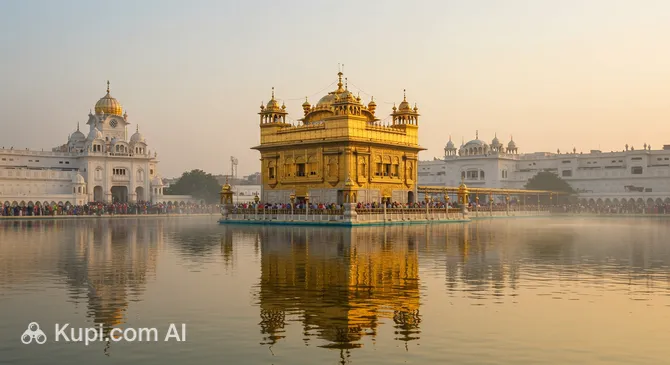
The most iconic attraction is undoubtedly the Golden Temple (Sri Harmandir Sahib), a stunning architectural marvel plated in gold and surrounded by a sacred tank that attracts millions of pilgrims annually. Another unique experience is the Wagah Border ceremony, a daily military ritual known for its elaborate drill and spirited display of patriotism. Additionally, the city is a haven for food enthusiasts, famous for its rich culinary delights like the buttery Amritsari Kulcha and sweet Lassi.

A visit to Amritsar is more than just a sightseeing trip; it is an immersion into a culture of exceptional hospitality. Whether you are seeking spiritual solace, historical insight, or simply some of the best street food in the region, this captivating city welcomes every traveler with open arms.
Weather Overview

The climate in Amritsar is characterized by extreme variations, offering travelers distinct experiences depending on when they visit. Summers are typically intense, with June being the hottest month, featuring average temperatures around 32.5°C and highs often reaching 38.6°C. In contrast, the winter season brings a sharp drop in temperature; January is usually the coldest month, with averages hovering around 11.7°C and nighttime lows dipping to 6.4°C.

Rainfall patterns are heavily concentrated in the mid-year months, marking a significant shift from the otherwise dry conditions. July and August are the wettest periods in terms of frequency, with July recording up to 24 wet days. For a detailed forecast and monthly breakdown, you can consult the guide to weather in Amritsar before packing. Overall, you should expect scorching heat in late spring, frequent rainy days during the monsoon, and pleasant, cold conditions during the winter.

Interesting Facts

Beyond the main attractions, Amritsar holds many fascinating secrets that peel back layers of its rich history and culture. These lesser-known details offer a deeper appreciation of the city's enduring spirit and unique heritage.
Golden Temple. Source: Kupi.Binoculars
  • The Golden Temple is home to the world's largest free community kitchen, known as the Langar. It operates 24 hours a day and serves simple vegetarian meals to roughly 100,000 people daily, regardless of their religion or social status, entirely run by volunteers.

  • Amritsar houses the Partition Museum, which is the first and only museum in the world dedicated to the stories and trauma of the 1947 Partition of India and Pakistan. Located in the historic Town Hall, it preserves a crucial part of the region's memory.

  • The historic Gobindgarh Fort once held one of the most famous gems in history. Before it was taken by the British, the legendary Koh-i-Noor diamond was kept within the fort's treasury under the rule of Maharaja Ranjit Singh.

  • Traces of history are literally etched into the walls at Jallianwala Bagh. Visitors can still see the original bullet marks on the brick walls and the preservation of the "Martyrs' Well," serving as poignant physical reminders of the 1919 massacre.

How to Get There

Reaching this spiritual and cultural hub is quite convenient, with excellent air connectivity being the primary mode of arrival for international and domestic travelers alike. Whether you are coming from within the country or from abroad, you have viable options to choose from. For a comprehensive guide on all transport methods and routes, you can read more about how to get to Amritsar on our detailed information page.

The most direct way to arrive is via the Sri Guru Ram Dass Jee International Airport (ATQ), which is conveniently located in Amritsar itself. Situated approximately 11 km from the city center, it serves as a major gateway with significant passenger traffic. A taxi or bus ride from here to the heart of the city is quick, typically taking around 35 to 40 minutes. This airport handles a large volume of travelers annually, making it the most practical choice for visitors.

Alternatively, travelers can consider Satwari Airport (IXJ), located in the city of Jammu. It is about 117 km away from Amritsar, and the journey by road usually takes around 3 hours. The region is also served by Allama Iqbal International Airport (LHE) in Lahore. While it is geographically close at roughly 46 km, it is important to note that it is located across the border, which involves different travel logistics compared to domestic arrivals.

For clarity, here is a summary of the main airports:

Airport Name City Passenger Traffic Km from City
Allama Iqbal International AirportLahoreLarge46.2
Sri Guru Ram Dass Jee International AirportAmritsarLarge11.0
Satwari AirportJammuMedium117.0
Sialkot AirportSialkotMedium110.9
Ludhiana (Halwara)Ludhiana-122.0

Regarding rail transport, the available data highlights the Rawalpindi Railway Station (RWP). Please be aware that this station is not in Amritsar but in the city of Rawalpindi, approximately 277 km away. Given the distance and location, reaching Amritsar from there would require a significant journey, often taking several hours by road transport.

Below is the information for the listed railway station:

Station City Passenger Traffic Km to Center
Rawalpindi Railway StationRawalpindiLarge277.4

Main Attractions

Amritsar is a treasure trove of history, spirituality, and culture, offering visitors a profound glimpse into the heart of Punjab. The city's landmarks range from sacred shrines that radiate peace to vibrant cultural centers that celebrate the region's rich heritage. Exploring these sites allows travelers to connect with the deep-rooted traditions and the resilient spirit of the local community.

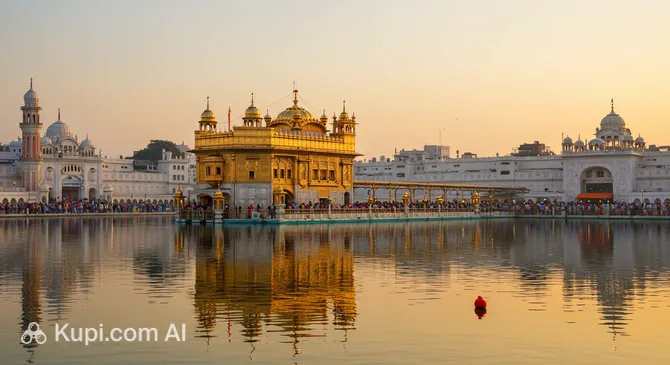
The spiritual focal point of the city is the magnificent Golden Temple (Sri Harmandir Sahib). This architectural marvel, with its upper storeys covered in gold leaf, appears to float on the serene waters of the Amrit Sarovar (Pool of Nectar). It is the holiest shrine in Sikhism and welcomes people of all faiths to experience its tranquility. Visitors can listen to the continuous recitation of hymns, admire the blend of Islamic and Hindu architectural styles, or volunteer at the community kitchen that feeds thousands daily.

Golden Temple. Source: Kupi.Binoculars

Just a short walk from the Golden Temple lies Jallianwala Bagh, a poignant public garden that serves as a national memorial. This site is dedicated to the memory of the peaceful celebrants who lost their lives during the tragic massacre of 1919. The garden has been preserved to tell the story of that fateful day, with the bullet marks on the walls and the "Martyrs' Well" standing as silent witnesses to history. It is a place for quiet reflection and paying respects to the past.

Jallianwala Bagh. Source: Kupi.Binoculars

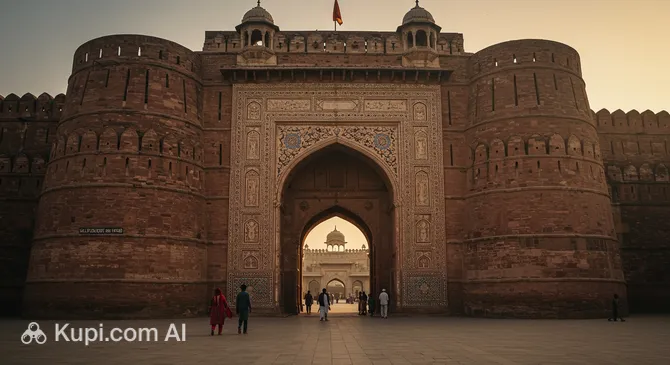
For a dive into the royal history of the region, the Gobindgarh Fort is a must-visit destination. Once a military stronghold under Maharaja Ranjit Singh, the fort has been transformed into a vibrant cultural hub. It houses museums showcasing Sikh martial history, traditional attire, and coinage. Tourists are often captivated by the 7D shows and light and sound performances that bring the fort's storied past to life in an engaging way for all ages.

Gobindgarh Fort. Source: Kupi.Binoculars

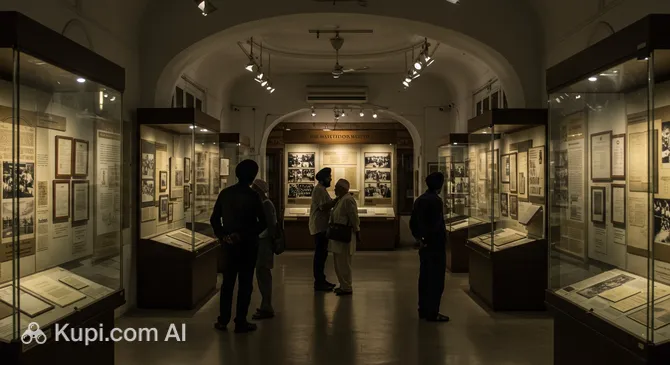
Those interested in modern history should not miss The Partition Museum, located in the historic Town Hall building. As the world's first museum dedicated to the 1947 Partition of India, it houses a collection of oral histories, personal artifacts, and official documents. The exhibits provide a deeply moving narrative of the migration and resilience of millions of people, making it an educational and emotional experience for visitors seeking to understand the region's complex background.

The Partition Museum. Source: Kupi.Binoculars

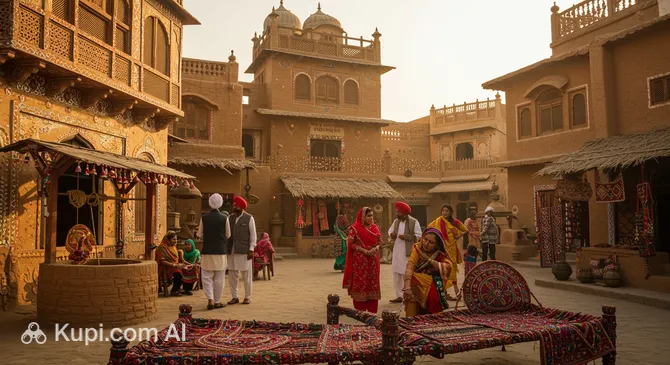
To experience the vibrant lifestyle of the Punjab countryside without leaving the city, travelers can visit Sadda Pind. This open-air museum and cultural village recreates the atmosphere of a traditional Punjabi settlement. Guests can enjoy authentic local cuisine, watch folk dance performances like Bhangra, and see artisans at work creating pottery and handicrafts. It offers a lively and interactive way to immerse yourself in the colors and flavors of Punjabi culture.

Sadda Pind. Source: Kupi.Binoculars

Local Cuisine

Local Cuisine:

Amritsar is widely regarded as the culinary capital of Punjab, offering a gastronomic experience that is as rich and vibrant as its culture. The city's food scene is legendary, characterized by generous use of butter, ghee, and robust spices that create deeply satisfying flavors. For any traveler, exploring the local eateries is not just about sustenance; it is an essential part of understanding the warm hospitality and zest for life that defines this region.

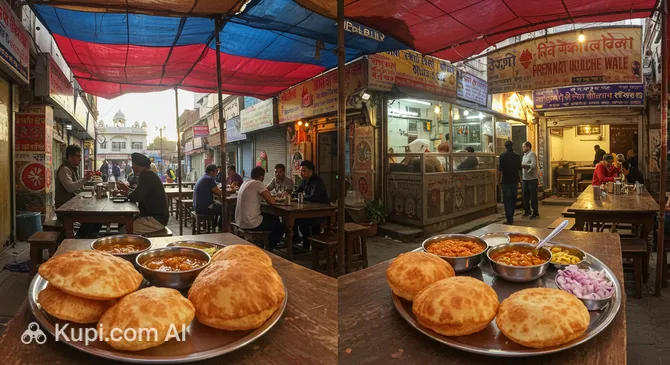
The undisputed star of the local menu is the Amritsari Kulcha. This crisp, golden flatbread is baked in a traditional tandoor and stuffed with a spiced mixture of potatoes, cauliflower, or paneer. It is typically served with a side of spicy chickpea curry (chole) and a tangy tamarind chutney. For an authentic taste of this signature dish, many locals and visitors head to Prem Nath Kulche Wale, a spot renowned for serving some of the crispest and most flavorful kulchas in the city.

Prem Nath Kulche Wale. Source: Kupi.Binoculars

Another delicacy that seafood lovers must try is the famous Amritsari Fish. This dish consists of river fish, usually Singhara or Sol, which is coated in a gram flour batter infused with carom seeds and deep-fried to perfection. For those who prefer poultry, the city offers succulent varieties of tandoori and butter chicken. Establishments like Mahajan Chicken House are popular stops for those looking to indulge in these savory, protein-rich treats.

No meal in Amritsar is complete without a glass of Lassi. This traditional yogurt-based drink is served in massive glasses and is famous for its thick, creamy texture, often topped with a generous dollop of clotted cream known as 'malai'. While the sweet version is the most popular, a salted variation is also available for those who prefer a savory kick. It is a heavy, refreshing drink that perfectly complements the spicy local fare.

The dining culture here ranges from bustling street-side stalls, known as dhabas, to more themed restaurant experiences. The street food scene is incredibly active, with vendors selling fresh snacks at every corner. For a dining experience that combines traditional food with a village-style ambiance, Haveli is a fantastic choice. It offers a glimpse into the rustic charm of Punjab while serving a wide array of authentic dishes in a setting that celebrates the region's heritage.

Travel Tips

Visiting Amritsar is a soul-stirring experience, but the city's vibrant intensity can sometimes be overwhelming for first-time travelers. These practical tips are designed to help you navigate the bustling streets and sacred spaces with confidence, ensuring a smooth and respectful journey.

  1. Clothing and Gear: Modesty is the golden rule here. Wear clothes that cover your shoulders and knees, as this is required for entering religious sites. A head covering is mandatory inside the Golden Temple complex; bring a scarf or buy a bandana from vendors outside. Since you will frequently remove your shoes at temples, wear comfortable slip-on footwear. For the weather, pack light cottons for the scorching summers and warm jackets for the surprisingly chilly winters.
  2. Transportation: The best way to navigate the city, especially the narrow lanes of the old town, is by using auto-rickshaws or eco-friendly e-rickshaws. Ride-hailing apps like Uber and Ola are active in Amritsar and offer a hassle-free way to negotiate prices. Walking is the most practical option around the Golden Temple area, which is largely a vehicle-free zone. Car rentals for self-driving are generally not recommended due to chaotic traffic.
  3. Finances: The local currency is the Indian Rupee (INR). While major hotels and upscale restaurants accept credit cards, cash is king in the local markets and famous street food stalls (dhabas). ATMs are widely available throughout the city. Tipping is appreciated; leaving about 10% at restaurants or rounding up the fare for rickshaw drivers is a common gesture.
  4. Health and Safety: Always drink bottled or filtered water to avoid stomach issues. Pharmacies are plentiful and easily identifiable; many near the Golden Temple remain open late. The city is generally safe for tourists, but like any busy destination, it is wise to keep your valuables secure in crowded bazaars. In summer, carry hydration salts and sunscreen to combat the intense heat.
  5. Communication: Punjabi is the primary language, but Hindi and English are widely understood, especially in the hospitality sector. To stay connected, you can purchase a local SIM card (Airtel or Jio are reliable) at the airport or authorized shops using your passport and visa. Google Maps works well here, which is helpful for navigating the winding streets.
  6. Local Etiquette: The traditional greeting is "Sat Sri Akal" or "Namaste." When entering the Golden Temple or any Gurudwara, you must remove your shoes and wash your feet in the shallow foot-baths provided at the entrance. Inside the temple complex, always walk in a clockwise direction (parikrama) around the holy pool.
  7. What to Avoid: It is strictly prohibited to carry or consume tobacco, alcohol, or drugs within the vicinity of the Golden Temple; doing so is considered deeply offensive. Also, avoid pointing your feet towards holy books or shrines when sitting on the floor, as this is seen as a sign of disrespect.
  8. Additional Tip: Experience the Golden Temple at two different times: once during the day to witness the bustling community kitchen (Langar), and again late at night or early morning (around 4:00 AM) for the Palki Sahib ceremony, when the holy book is carried in a golden palanquin amidst chanting.

By keeping these suggestions in mind, you will be well-prepared to embrace the unique rhythm of this historic city. Whether you are there for the spiritual serenity or the legendary food, Amritsar promises to welcome you with open arms and unforgettable memories.

Entertainment & Nightlife

Entertainment and Nightlife:

While Amritsar is globally renowned for its spiritual serenity and historical depth, the city undergoes a transformation as the sun sets, revealing a lively and modern side. The nightlife scene here is burgeoning, distinct from the quiet reverence of the Old City. The primary hub for evening entertainment is Ranjit Avenue, a posh district filled with upscale bars, lounges, and restaurants. This area stands in stark contrast to the narrow, crowded lanes near the Golden Temple, offering wide roads and a cosmopolitan atmosphere where the city's youth and tourists gather to unwind.

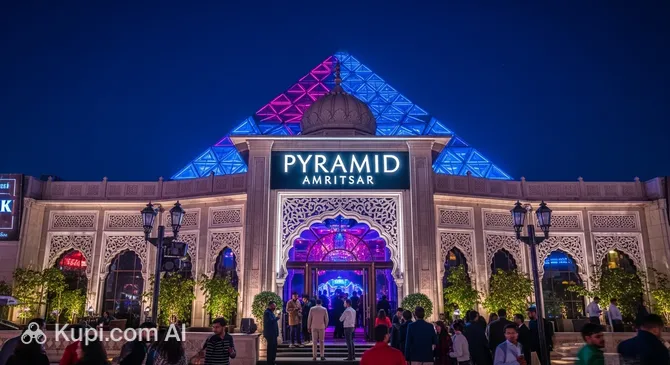
For those looking to experience the local clubbing scene, Pyramid Amritsar is a standout venue located in the heart of the lifestyle district. Known for its unique Egyptian-themed interiors and vibrant ambiance, it functions as a lounge during the evening and transitions into a high-energy club at night. It is a popular spot for enjoying music, cocktails, and a lively crowd, making it a staple of Amritsar's modern social life.

Pyramid Amritsar. Source: Kupi.Binoculars

Another energetic destination for night owls is Dream Town Nightclub. This venue caters to those who want to dance the night away, often featuring DJ performances and a pulsating atmosphere. If you prefer a mix of entertainment and dining, you might enjoy Zoreko - Original Gamers, which offers a combination of gaming, food, and drinks, providing a more casual and interactive evening experience.

The atmosphere in these venues is generally "smart casual." While you don't need to be in formal wear, showing up in beachwear or overly sloppy attire might result in being turned away, especially on weekends. The crowds are typically a mix of local university students, young professionals, and international travelers. Most bars and clubs remain open until around midnight or 1:00 AM, with peak hours occurring between 9:00 PM and 11:00 PM on Fridays and Saturdays.

Regarding safety and logistics, the Ranjit Avenue and Mall Road areas are well-lit and generally safe for evening strolls. However, it is advisable to avoid walking alone in secluded alleys or unlit areas late at night. For transportation, ride-hailing apps like Uber and Ola are the most reliable and safe options for getting back to your hotel. Taxis are readily available, but booking through an app ensures a tracked ride and a fixed price, avoiding the need to haggle late at night.

Beyond the nightlife, Amritsar offers plenty of daytime entertainment options for families and leisure travelers. The Nexus Mall Amritsar is the city's premier shopping and entertainment complex, housing a multiplex cinema, food courts, and international brands. For those traveling with children or seeking outdoor fun, Funland and the Trampoline Park, Mukut House offer energetic activities and amusement rides that provide a perfect break from sightseeing.

Nexus Mall Amritsar. Source: Kupi.Binoculars

Parks & Museums

Beyond its bustling streets and spiritual centers, Amritsar offers serene green spaces and dedicated institutions that preserve the region's illustrious past. These locations provide a quiet retreat for nature lovers and a treasure trove of knowledge for history enthusiasts, allowing for a deeper understanding of the Sikh heritage and the legacy of the Maharajas.

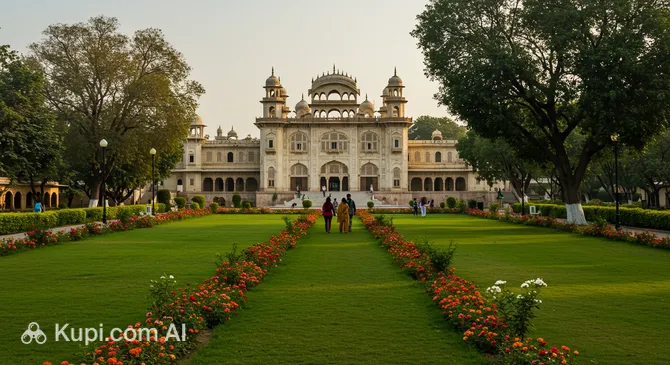
One of the most significant green lungs of the city is Ram Bagh. Historically known as the Company Bagh, this sprawling garden was originally built by Maharaja Ranjit Singh, the founder of the Sikh Empire, as his summer retreat. The garden is modeled after the Shalimar Gardens in Lahore and features a collection of rare plants, trees, and water channels. It serves not only as a recreational park for morning walkers and families but also houses the Maharaja’s summer palace, which has been converted into a museum displaying weapons, antique coins, and portraits from the royal era.

Ram Bagh. Source: Kupi.Binoculars

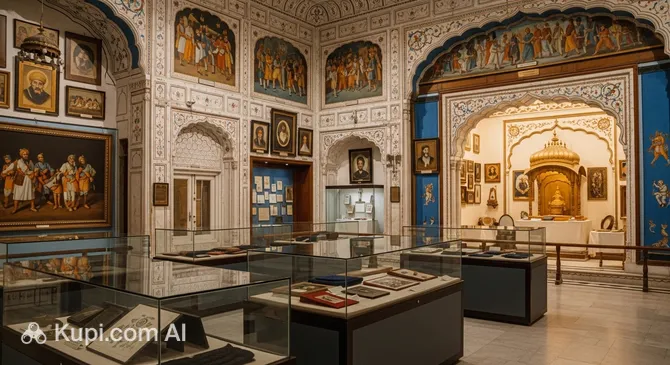
For those wishing to delve into the artistic and martial history of the Sikh community, the Central Sikh Museum is an essential stop. Located within the Golden Temple complex, this museum was established in 1958 and houses an extensive collection of paintings of Sikh Gurus, saints, warriors, and prominent leaders. Visitors can view rare pencil sketches, old manuscripts, and musical instruments that tell the story of the Sikh struggle and resilience. The gallery also displays ancient weaponry, providing a vivid glimpse into the martial traditions of the Khalsa.

Central Sikh Museum. Source: Kupi.Binoculars

Another poignant historical site is the Jallianwala Bagh Museum. While the garden itself is a memorial, the dedicated museum gallery offers a more detailed narrative of the 1919 massacre. It preserves photographs, newspaper clippings from the time, and personal artifacts of the martyrs. The exhibits help contextualize the tragic events that took place just outside its walls, ensuring that the memory of the freedom struggle remains alive for future generations.

Getting Around

Navigating Amritsar is a unique experience that blends modern infrastructure with traditional modes of travel. The city does not have a rail-based underground metro system; instead, it relies on the Amritsar MetroBus (BRTS - Bus Rapid Transit System). This is the most efficient way to travel between major landmarks, the railway station, and the outer suburbs. These air-conditioned buses run on elevated and dedicated corridors, bypassing the city's chaotic traffic, making them a reliable choice for covering longer distances quickly and comfortably.

For short distances and navigating the narrow, winding lanes of the Old City, Auto-rickshaws and E-rickshaws are the lifelines of local transport. E-rickshaws are particularly popular near the Golden Temple and other heritage zones where noise and pollution restrictions apply. They are eco-friendly, quiet, and perfect for "last-mile" connectivity. Traditional cycle rickshaws are also available and offer a slower, more nostalgic way to see the streets, though they are less common for long trips.

A special feature designed specifically for visitors is the Hop-on Hop-off Double Decker Bus. This service connects the city's major tourist attractions, including the Golden Temple, Gobindgarh Fort, and the Wagah Border. It is an excellent option for sightseeing as it allows you to explore at your own pace without the hassle of negotiating with multiple drivers. The upper deck offers a great vantage point for photography as you move through the city.

Regarding payments, cash is king in Amritsar. While the MetroBus stations have ticket counters where you can buy paper QR-code tickets or recharge smart cards, small vendors and rickshaw drivers almost exclusively accept cash. It is highly recommended to carry small denominations (₹10, ₹20, ₹50, and ₹100 notes) for paying rickshaw fares and buying small items. There is no universal travel pass that covers both buses and private rickshaws, so pay-as-you-go is the standard method.

For tourists, the most practical advice is to use the MetroBus for cross-town journeys and switch to e-rickshaws for exploring the inner city. MetroBus tickets can be purchased directly at the station counters before boarding; you simply scan the QR code at the turnstile to enter. The buses generally operate from 6:00 AM to 10:00 PM. If you are taking an auto-rickshaw that does not use a meter (which is common), be sure to negotiate and agree on the fare before getting in to avoid misunderstandings later.

If you prefer a more private and comfortable alternative, ride-hailing apps like Uber and Ola are widely available and very popular. They offer the convenience of booking a car or an auto-rickshaw with a fixed, upfront price, eliminating the need to haggle. Taxis are also available at major transport hubs like the airport and railway station. Self-driving car rentals are generally not recommended for tourists due to the intense and often unpredictable traffic conditions; hiring a car with a local driver is a much safer and stress-free option.

Accommodation

Accommodation:

Finding the perfect place to stay in Amritsar is relatively easy, as the city offers a wide spectrum of options catering to every budget and preference. From humble guesthouses and pilgrim dormitories to upscale international chains and heritage properties, the accommodation landscape is diverse. Generally, tourists choose their location based on their itinerary: those focused on spirituality often prefer the bustling narrow lanes surrounding the Golden Temple, while travelers seeking luxury and quiet tend to opt for the modern districts like Ranjit Avenue and Mall Road.

The area immediately around the Golden Temple is packed with budget hotels and "sarai" (pilgrim inns) that offer basic amenities at very low costs. Staying here puts you within walking distance of the main shrine and the vibrant old bazaars. In contrast, the Civil Lines and Ranjit Avenue areas offer a more relaxed atmosphere with wider roads, shopping malls, and premium hotels. These neighborhoods are better suited for families or business travelers looking for modern comforts and easier access to the airport and highway.

For visitors looking for a resort-style experience within the city, Festyn Palais is a notable option. It provides a blend of comfort and hospitality, making it suitable for leisure travelers who want to relax after a day of sightseeing. Another available choice for those seeking a pleasant stay is the 5 States Resort & Hotel, which caters to guests looking for modern amenities and decent service.

Festyn Palais. Source: Kupi.Binoculars

When planning your trip, it is highly advisable to book your accommodation in advance, especially if you are visiting during weekends or major Sikh festivals like Guru Nanak Gurpurab or Baisakhi, when the city sees a massive influx of devotees. Prices can vary significantly; budget rooms near the temple can be found for as little as ₹800–₹1500 per night, while mid-range and luxury properties can range from ₹3000 to over ₹10,000. Most hotels are listed on major online booking platforms, but calling smaller guesthouses directly can sometimes secure you a better rate.

Nearby Cities

For those looking to explore the surroundings, Amritsar serves as an excellent base for day trips to several interesting nearby locations. The region of Punjab is dotted with historic towns and spiritual centers that offer a deeper understanding of the local culture beyond the main city.

One of the most significant nearby destinations is Tarn Taran Sahib. Located just a short drive from Amritsar, this city is deeply revered in Sikh history. It was founded by the fifth Sikh Guru, Guru Arjan Dev, and is home to a magnificent Gurdwara that boasts the largest sacred water tank (sarovar) in the world. Pilgrims often visit to experience its serene atmosphere, which complements the spiritual journey begun at the Golden Temple.

Another historically rich town is Batala. It holds great importance as the place where Guru Nanak Dev, the founder of Sikhism, was married. Beyond its religious significance, Batala features interesting architectural heritage, including the tomb of Shamsher Khan and the Jal Mahal (Water Palace), which reflect the area's Mughal past. It provides a fascinating mix of industrial energy and historical narratives.

For those interested in ancient fortifications and local legends, Patti is worth a visit. It is an ancient town that houses the remains of a historic Mughal fort and has a legacy that dates back hundreds of years. Exploring these smaller towns allows travelers to witness the authentic, slower-paced lifestyle of the Punjab countryside.

City Population Distance (km)
Batala183,31438
Tarn Taran Sahib73,63821
Patti40,97640
Ajnala24,53725
Fatehgarh Churian21,00727

These nearby destinations offer a glimpse into the diverse culture and landscapes of the region, making them perfect for short excursions to complement your stay in Amritsar.

Shopping & Souvenirs

Shopping:

Shopping in Amritsar is a vibrant and colorful experience that offers a perfect blend of traditional charm and modern convenience. The city is renowned as a hub for wholesale textiles and handicrafts, making it a paradise for those looking to take home a piece of Punjabi culture. From the chaotic energy of centuries-old bazaars to the air-conditioned comfort of contemporary complexes, the retail scene here caters to every type of traveler. The streets are lined with shops displaying bright fabrics, intricate jewelry, and aromatic spices, inviting visitors to explore the rich artistic heritage of the region.

The most iconic shopping destination in the city is undoubtedly Hall Bazar. Located near the Town Hall, this bustling market is the gateway to Amritsar's shopping world. It is famous for its wide variety of goods, ranging from electronics and books to handicrafts and readymade garments. Another essential stop is Katra Jaimal Singh, located near the Old City. This area is celebrated for its textile shops and is considered the best place to buy high-quality fabrics and traditional clothing at competitive prices. For a more upscale street shopping experience, Lawrence Road offers a mix of branded showrooms, boutiques, and stylish eateries.

For those who prefer a modern retail environment with international brands and entertainment options under one roof, Nexus Mall Amritsar is the premier destination. As the city's most popular shopping center, it houses a vast array of fashion outlets, a multiplex cinema, and a diverse food court. It serves as a comfortable retreat from the heat and offers a standardized shopping experience with fixed prices and global labels.

Beyond the main streets and malls, the specialized markets of Amritsar are where the real treasures lie. Guru Bazar is the go-to location for traditional Indian jewelry, offering an astonishing variety of gold and silver ornaments. If you are looking for authentic footwear, the market near Lahori Gate is famous for its endless rows of shops selling handcrafted leather shoes. For food souvenirs, the lanes around the Golden Temple and the Papad-Warian Bazaars are filled with the aroma of local spices and dried goods.

When it comes to souvenirs, there are a few items that are quintessential to Amritsar. The Phulkari embroidery, available on shawls, dupattas, and headscarves, is a must-buy; these colorful, flower-patterned textiles are a symbol of Punjabi heritage. Punjabi Juttis, the traditional leather flats often embroidered with gold or silver threads, make for both practical and beautiful gifts. Additionally, culinary travelers should pick up packets of Amritsari Papad (spiced lentil wafers) and Warian (dried lentil dumplings), which are local specialties known for their unique spicy flavor.

Most shops in the local bazaars open around 10:00 AM or 11:00 AM and remain busy until 9:00 PM or 10:00 PM. While shopping malls and larger showrooms accept credit and debit cards, cash is essential for shopping in the traditional markets and street stalls. Bargaining is a common practice in the bazaars; feel free to negotiate politely to get a better price. Regarding taxes, the Goods and Services Tax (GST) is typically included in the marked price or added at the bill in fixed-price stores. There is generally no VAT refund scheme available for international tourists for standard retail purchases in India.

Reached the end of the page?

That means the route is fully explored