Support

Chandigarh

About

Welcome to Chandigarh, a city that stands out as a masterpiece of urban planning and modern architecture. Often referred to as "The City Beautiful," it offers a refreshing contrast to the chaotic energy found in many other parts of the region. With its wide, tree-lined boulevards, organized sectors, and abundant greenery, this Union Territory serves as a shared capital for the neighboring states of Punjab and Haryana, boasting a unique and orderly atmosphere.

Located in the northern part of India, near the foothills of the Sivalik range of the Himalayas, the city enjoys a strategic geographical position. It is home to a population of approximately 1 million people, balancing the vibrancy of a bustling metropolis with the serenity of nature. The city was famously designed by the Swiss-French architect Le Corbusier, and exploring the history of Chandigarh reveals how it became the first planned city in the country after independence, symbolizing a bold step towards modernization.
Chandigarh. Source: Kupi.Binoculars

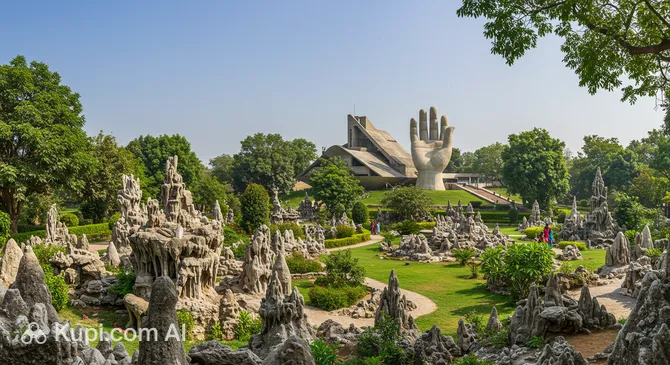
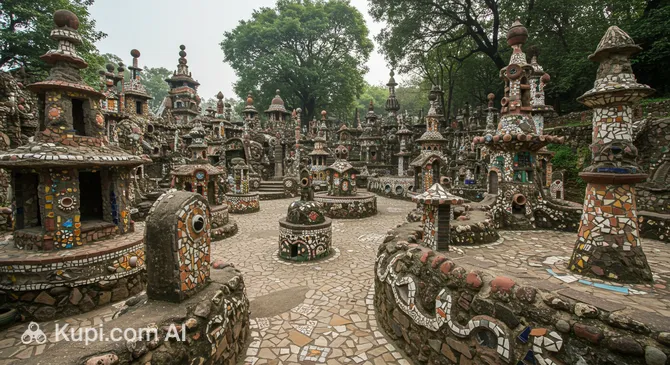
Travelers are drawn here not just for the distinctive architecture but for unique attractions like the famous Rock Garden, a surreal fantasy world created entirely from industrial and home waste by Nek Chand. Another highlight is the tranquil Sukhna Lake, a perfect spot for boating or a sunset walk, alongside the immense Zakir Hussain Rose Garden, which is one of the largest of its kind in Asia. Whether you are an architecture enthusiast or simply seeking a relaxing getaway, Chandigarh invites you to experience its blend of urban design and natural beauty.
Weather Overview

The climate in this region is characterized by distinct seasonal shifts, ranging from intense summer heat to cool, crisp winters. To plan your activities and packing list effectively, it is recommended to check the current weather in Chandigarh. Generally, the city experiences a subtropical pattern where temperatures and humidity levels vary significantly throughout the year.

The hottest months are typically May and June, where average temperatures climb to around 30°C, with maximum highs reaching nearly 36.4°C. This period is followed by the monsoon season in July and August, which brings frequent rainfall, characterized by up to 26 wet days per month. In contrast, the winter months of December and January offer a dry and chilly respite, with average temperatures dropping to between 12°C and 14°C and minimums occasionally falling to 6.9°C.

Interesting Facts

Beyond its celebrated architecture and orderly avenues, Chandigarh holds several intriguing details that add depth to its character. From superstitious design choices to secret artistic endeavors, the city offers fascinating stories for those who look closer.
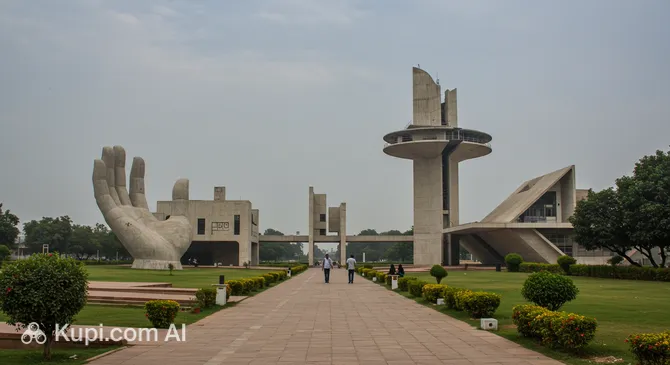
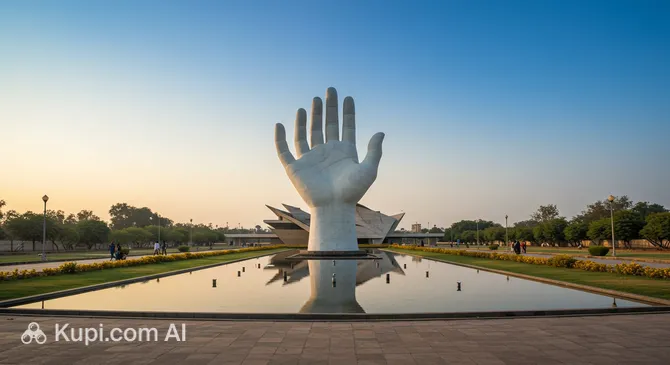
Open Hand Monument. Source: Kupi.Binoculars
  • One of the city's most peculiar features is the complete absence of a Sector 13. The city's master planner, Le Corbusier, considered the number thirteen to be unlucky, following European superstitions. As a result, the sector numbering system skips directly from 12 to 14, a quirk that locals and visitors often find amusing.

  • The official emblem of the city, the Open Hand Monument, is more than just a static sculpture. Standing 26 meters tall, this massive metal structure is actually designed to rotate with the wind. It symbolizes the city's guiding philosophy: "open to give, open to receive."

  • The world-famous Nek Chand's Rock Garden began as a completely secret project. Its creator, Nek Chand, spent nearly 18 years collecting waste materials and building this artistic wonderland illegally in a forest buffer zone. It was only discovered by authorities in 1975, after which it was preserved and turned into a public treasure.

  • Chandigarh holds the distinction of being the first city in India to be declared "smoke-free" in 2007. This pioneering initiative prohibits smoking in public places, contributing significantly to the clean air and well-maintained environment that earns the city its nickname, "The City Beautiful."

How to Get There

Reaching this planned city is convenient due to its well-developed transport infrastructure, which connects it seamlessly to the rest of the country. For a detailed overview of all travel options, you can read more about how to get to Chandigarh. The most direct and popular method for international and domestic travelers is arriving by air.

The city is served by Chandigarh Airport (IXC), which is the primary gateway for visitors. Located just 6.7 km from the city center, it is an international airport handling a large volume of passenger traffic. The commute into town is quick and easy, typically taking about 30 minutes by taxi or bus. This hub offers excellent connectivity with major cities across India and select international destinations.

If you are traveling from nearby hill stations or looking for alternative routes, you might consider Simla airport (SLV), located in the city of Shimla. It is approximately 47.5 km away from Chandigarh. A drive from this airport usually takes around 1 hour and 30 minutes. Another option for travelers in the region is Dehradun Airport (DED) in Dehradun. Although it is a significant airport, it is situated about 147 km away, meaning the transfer by road would take approximately 4 hours.

For clarity, here is a summary of the main airports in the vicinity:

Airport Name City Passenger Traffic Km from City
Chandigarh Airport Chandigarh High 6.7
Dehradun Airport Dehradun Medium 147.4
Bhuntar Airport Kullu Small 131.7
Simla Shimla Small 47.5
Ludhiana (Halwara) Ludhiana No data 110.0

In addition to air travel, Chandigarh boasts excellent railway connectivity. The Chandigarh Junction railway station is a major hub in Northern India, linking the city efficiently to New Delhi and other metropolises. Frequent services, including high-speed trains like the Shatabdi Express, make train travel a comfortable and popular choice for many tourists.

Main Attractions

Chandigarh offers a refreshing travel experience with its unique blend of modernist architecture, expansive green belts, and vibrant cultural hubs. Unlike many other Indian cities, the attractions here are spaced out among organized sectors, making sightseeing a pleasant and orderly affair. From surreal artistic creations to serene water bodies, the city provides a variety of spots that cater to nature lovers, history buffs, and leisure travelers alike.

Nek Chand's Rock Garden. Source: Kupi.Binoculars

Undoubtedly the most iconic site in the city is Nek Chand's Rock Garden. This massive open-air exhibition is a testament to artistic ingenuity, created entirely from industrial and urban waste. Visitors can wander through a maze of narrow passages, waterfalls, and amphitheaters, all adorned with sculptures made from broken bangles, ceramic tiles, and electrical fittings. It is a surreal fantasy world that transforms discarded materials into a stunning landscape, attracting tourists from all over the globe.

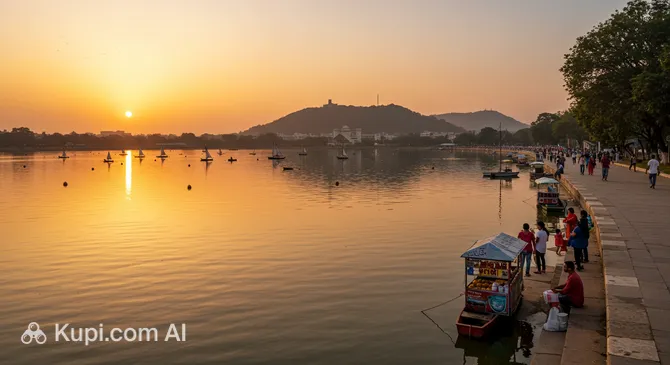
For those seeking tranquility and scenic views, Sukhna Lake is the perfect escape. Situated at the foothills of the Himalayas, this man-made reservoir is the soul of the city. It is a favorite spot for both locals and tourists to enjoy boating, jogging, or simply walking along the promenade while watching the sunset. The lake creates a peaceful atmosphere where you can disconnect from the urban bustle and enjoy the cool breeze coming from the nearby hills.

Sukhna Lake. Source: Kupi.Binoculars

Nature enthusiasts will find themselves at home in the Zakir Hussain Rose Garden, which is celebrated as one of the largest of its kind in Asia. Spanning over 30 acres, the garden is home to thousands of rose bushes representing roughly 1,600 different species. It is not just about flowers; the park serves as a spacious green lung for the city, offering a colorful and fragrant setting for picnics and leisurely strolls, especially during the annual Rose Festival.

To dive deeper into the region's cultural and architectural heritage, a visit to the Government Museum and Art Gallery is essential. Designed by the legendary architect Le Corbusier, the building itself is a marvel of modern design. Inside, it houses an impressive collection of Gandharan sculptures, Pahari miniature paintings, and contemporary Indian art, providing a rich historical context to the modern city that surrounds it.

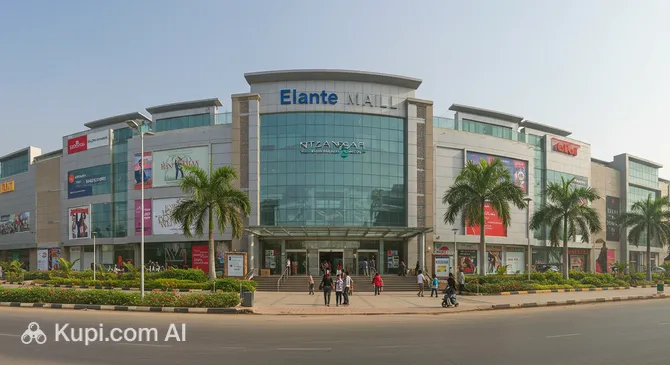
If you are looking for a change of pace and a taste of modern lifestyle, Elante Mall offers a premier shopping and dining experience. As one of the largest malls in Northern India, it features a vast array of international and domestic brands, a multiplex, and a lively food court. It is a bustling hub where tourists can shop for souvenirs, enjoy a good meal, or simply relax in air-conditioned comfort after a day of sightseeing.

Local Cuisine

The culinary landscape of Chandigarh is a vibrant reflection of its location as the shared capital of Punjab and Haryana. The city is a paradise for food lovers, heavily influenced by the rich and hearty traditions of Punjabi cuisine. Food here is prepared with generous amounts of butter and ghee (clarified butter), resulting in robust flavors that are both comforting and indulgent. Whether you are dining at a roadside eatery or a fine-dining restaurant, the emphasis is always on fresh ingredients and bold spices.

No visit to the city is complete without trying the iconic Chole Bhature, a dish consisting of spicy chickpea curry served with fluffy, deep-fried bread. Another staple is the famous Butter Chicken, known locally as Murgh Makhani, which features tender pieces of chicken simmered in a creamy tomato sauce. Vegetarians will delight in Dal Makhani, a slow-cooked lentil dish that is a favorite in nearly every household and restaurant across the region. For a quick and satisfying meal, stuffed Parathas served with curd and pickles are a breakfast essential.

Oven Fresh. Source: Kupi.Binoculars

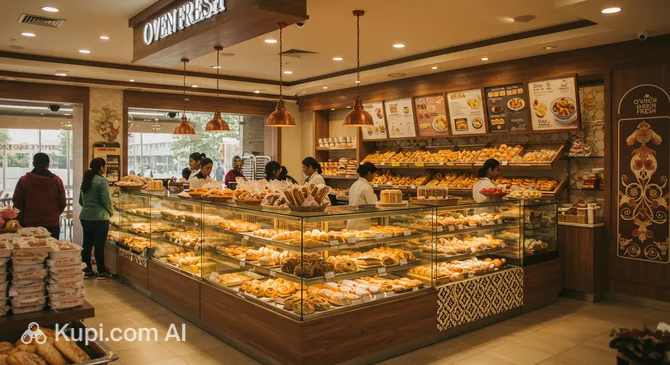
To accompany these rich meals, the local beverage of choice is undoubtedly Lassi. This traditional yogurt-based drink can be enjoyed sweet, often topped with a thick layer of cream, or salted with spices. It is served in large, tall glasses and is often a meal in itself. For those with a sweet tooth, the city offers an array of traditional desserts like Gajar ka Halwa (carrot pudding) and Jalebi. Contemporary tastes are also well catered to; for instance, Oven Fresh is a popular spot known for its bakery items and casual dining atmosphere, perfect for a lighter bite.

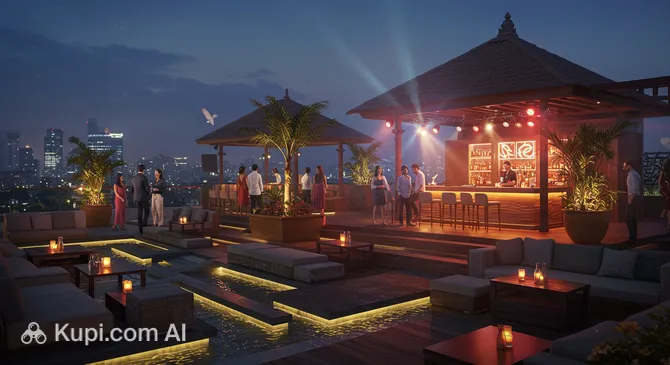
The food culture in Chandigarh is divided into distinct zones, with different sectors known for specific types of dining. Sector 17 and Sector 35 are particularly famous for their high concentration of restaurants and street food vendors. The "Gedi Route" in the northern sectors is not just for driving but also for hopping between trendy cafes and eateries. In recent years, the city has developed a sophisticated nightlife scene, blending great food with vibrant ambiance. Places like Bali's Rooftop Lounge offer tourists a chance to enjoy modern cuisine and drinks while taking in views of the city skyline.

Bali's Rooftop Lounge. Source: Kupi.Binoculars

From the rustic charm of traditional dhabas (roadside stalls) serving authentic tandoori dishes to upscale lounges offering international menus, Chandigarh provides a diverse gastronomic journey. The locals take their food seriously, and the hospitality is warm and welcoming, ensuring that every meal is a memorable experience for visitors.

Travel Tips

Visiting Chandigarh is a unique experience thanks to its orderly design and lush greenery, but knowing a few local nuances ensures a completely hassle-free trip. These practical tips will help you prepare for the climate, culture, and daily rhythm of this vibrant planned city.

  1. Clothing and Gear: The weather dictates your wardrobe here. Summers (April to June) are scorching, requiring light, breathable cottons and sun protection, while winters (December to January) can be surprisingly cold, necessitating heavy woolens and jackets. Since you will likely do a lot of walking at the Rock Garden or Sukhna Lake, bring comfortable walking shoes. If you plan to visit religious sites, pack modest clothing that covers your shoulders and knees.

  2. Transportation: Getting around is easy due to the city's organized grid layout. **Ride-hailing apps** like Uber and Ola are very reliable and convenient. For shorter distances, auto-rickshaws are ubiquitous; however, if the driver refuses to use the meter, be sure to negotiate and agree on the fare before hopping in. While car rentals are available, traffic rules are strictly enforced by cameras, so many tourists prefer the stress-free option of cabs or the efficient CTU buses.

  3. Finances: The local currency is the **Indian Rupee (INR)**. Credit and debit cards are widely accepted in hotels, malls like Elante, and restaurants in Sector 17. However, cash is king for street food, auto-rickshaws, and shopping in traditional markets like Sector 22. ATMs are plentiful across all sectors. Tipping around 10% at restaurants is customary if a service charge hasn't already been added.

  4. Health and Safety: Chandigarh is considered one of the safest cities in India. Pharmacies, often marked as "Chemists," are located in the designated market area of every sector, and medical facilities like PGIMER are world-class. Tap water is generally not recommended for drinking; stick to bottled or filtered water to stay healthy.

  5. Communication: **English** is widely spoken and understood, particularly in service industries and tourist hubs. The primary local languages are Punjabi and Hindi. Learning a warm "Sat Sri Akal" (a Sikh greeting) or "Namaste" will be appreciated by locals. You can easily purchase a local SIM card at the airport or mobile shops with your passport and visa copies.

  6. Local Etiquette: The culture is hospitable but respectful. Always remove your shoes before entering religious places like Gurdwaras or temples, and cover your head with a scarf (usually provided at the entrance). Public displays of affection are generally discouraged. When greeting elders, a polite nod or folded hands is a sign of respect.

  7. What to Avoid: Strictly avoid **smoking in public places**. Chandigarh was the first city in the country to declare itself smoke-free, and this rule is enforced with fines. Also, do not litter; the residents take immense pride in their "City Beautiful," and dropping trash on the streets or in parks is considered very offensive.

  8. Shopping Insight: The city is divided into sectors, each with its own market. For high-end brands and a leisurely stroll, head to the **Sector 17 Plaza**, which is the city's pedestrian heart. If you are looking for bargains on clothes and accessories, **Sector 22** (Shastri Market) is the go-to spot for budget shopping.

With these tips in hand, you are ready to enjoy the structured beauty and warm hospitality of Chandigarh with confidence. Whether you are marveling at the architecture or enjoying a quiet sunset by the lake, being prepared will let you focus on making great memories in this charming city.

Entertainment & Nightlife

While Chandigarh is known for its serene gardens and orderly days, the city comes alive with a vibrant energy once the sun sets. The nightlife scene here has evolved significantly, shifting from quiet evenings to bustling nights filled with music, dining, and entertainment. The primary hubs for nocturnal activities are Sector 26 and Sector 7, located along the Madhya Marg. These districts are densely packed with an array of upscale bars, lounges, and clubs, making them the go-to destinations for party-goers and socialites.

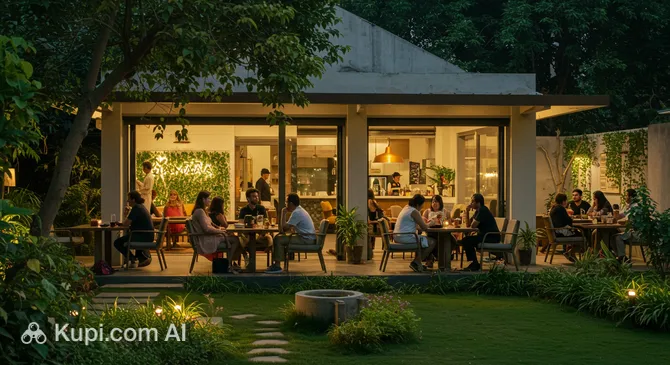
For those looking to experience the pulse of the city's party culture, Kamaa Café in Sector 7 is a popular choice. It offers a lively blend of delicious food, cocktails, and foot-tapping music, attracting a trendy crowd. The atmosphere here is typically high-energy, especially on weekends when local DJs spin tracks ranging from Bollywood hits to international charts. It is an excellent spot to mingle with locals and enjoy the modern side of Punjabi hospitality.

Kamaa Café. Source: Kupi.Binoculars

If you prefer a more sophisticated ambiance, Seville Bar & Lounge in Sector 17 provides a chic setting inspired by Spanish aesthetics. It is perfect for a relaxed evening with premium beverages and a curated menu. For a completely different kind of night out, you can visit Zoreko - Original Gamers in Industrial Area Phase 1. This venue combines a bar setting with interactive gaming and bowling, making it a fantastic option for groups of friends who want entertainment beyond just dancing and dining.

Practical Advice for Night Outs: The nightlife in Chandigarh usually kicks off around 9:00 PM and can go on until the early hours of the morning, particularly on Fridays and Saturdays. The dress code is generally smart casual; while not overly strict, residents tend to dress up for the evening. Average prices for a night out can range from 1,500 to 3,000 INR per person, depending on your choice of drinks and venue. Getting around at night is safe and convenient. It is highly recommended to use ride-hailing apps like Uber or Ola rather than hailing cabs off the street late at night, ensuring a secure and tracked journey back to your accommodation.

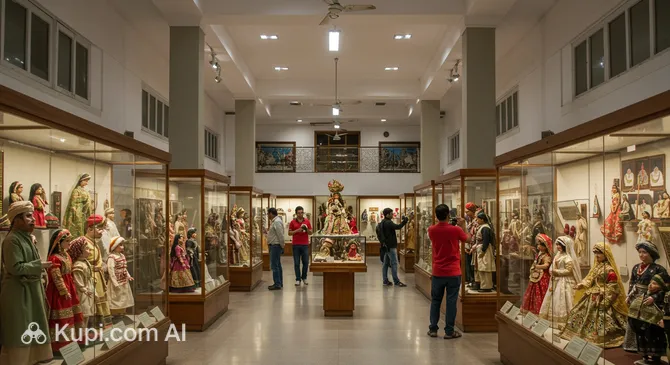
Beyond the nightlife, the city offers enriching daytime entertainment options for culture and history enthusiasts. The International Dolls Museum is a fascinating stop, showcasing a vast collection of dolls from over 25 countries, offering a colorful glimpse into global cultures. Aviation buffs should not miss the Indian Air Force Heritage Museum, which displays vintage aircraft, simulators, and memorabilia, celebrating the nation's aviation history. Whether you are exploring museums by day or dancing the night away, Chandigarh ensures a well-rounded travel experience.

International Dolls Museum. Source: Kupi.Binoculars

Parks & Museums

Chandigarh is rightfully known as the "City of Gardens," a title it earns through a meticulously planned network of green belts and thematic parks that serve as the city's lungs. Beyond the famous Rose Garden and Sukhna Lake, the city hides a variety of serene sanctuaries and educational museums that offer a deeper dive into nature and local heritage. Exploring these spaces allows visitors to experience the calming and intellectual side of this modern metropolis.

For a sensory experience unlike any other, the Garden of Fragrance in Sector 36 is a must-visit. As the name suggests, this park is dedicated to aromatic plants and flowers, including varieties like Raat Ki Rani, Champa, and Jasmine. It is a favorite among locals for evening walks when the scents are most potent, offering a fragrant escape from the urban environment. Not far from the city center, nature lovers can also explore the Butterfly Park Chandigarh in Sector 26. This specialized park is landscaped with host plants to attract diverse butterfly species, making it a delightful spot for photography and learning about local ecology.

Garden of Silence. Source: Kupi.Binoculars

Those seeking absolute tranquility should head to the Garden of Silence. Located at the far end of Sukhna Lake, this meditative space features a large statue of a seated Buddha surrounded by concentric circular stairs. It is designed specifically for silence and meditation, offering a stunning view of the Shivalik Range in the backdrop without the crowds found at the main lake promenade.

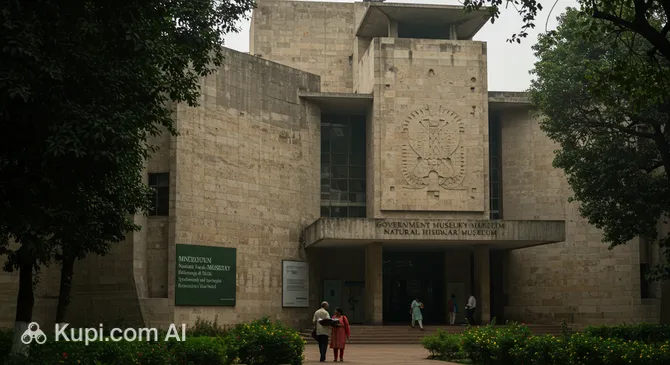
Chandigarh's cultural landscape is equally impressive, with museums that cater to diverse interests. The Natural History Museum in Sector 10 is a fascinating destination, particularly for those interested in evolution and geology. It houses thematic galleries depicting the evolution of life on Earth, including dinosaur models and fossils excavated from the nearby Shivalik hills, providing a scientific perspective on the region's ancient past.

Natural History Museum. Source: Kupi.Binoculars

To experience the living heritage and artistic traditions of the region, a visit to Kalagram on the Chandigarh-Kalka road is highly recommended. Functioning as a cultural village, it showcases traditional crafts, sculptures, and rural architecture. It often hosts art workshops and cultural festivals, making it a vibrant hub where tourists can interact with artisans and witness the preservation of Indian folk art firsthand.

Insider Tip: If you are an early riser, visit the Chandigarh Botanical Garden, Sarangpur. It is one of the largest in the region and connects several thematic sections via nature trails. It is less commercialized than the central parks, offering a raw and expansive natural experience that feels miles away from the city.

Getting Around

The public transport network in Chandigarh is widely regarded as one of the most organized and efficient in the region. The backbone of the city's transit system is the Chandigarh Transport Undertaking (CTU), which operates a comprehensive fleet of buses connecting the city with its satellite towns of Panchkula and Mohali. These buses ply on a grid-based network, making it relatively straightforward to navigate between the numbered sectors. Unlike some other major metropolitan areas, there is currently no operational metro system in the city, so commuters rely primarily on road-based transport.

The bus fleet is divided into standard non-air-conditioned buses and modern air-conditioned (AC) low-floor buses, often distinguished by their red or green livery. For tourists, the AC buses provide a comfortable respite from the heat during the summer months. In addition to the standard routes, the city operates a special Hop-On Hop-Off (Ho-Ho) double-decker bus service specifically designed for sightseeing. This service circles the major tourist attractions, such as Sukhna Lake and the Rock Garden, allowing visitors to explore the city at their own pace with a single ticket.

For last-mile connectivity and shorter distances, auto-rickshaws (three-wheeled motorized vehicles) and battery-operated e-rickshaws are ubiquitous. They can be hailed from almost any street corner or designated stands found in market areas. While auto-rickshaws are supposed to run by meter, it is common practice to negotiate the fare before starting the journey if the driver does not turn the meter on. Shared auto-rickshaws are also available on specific routes, offering a very economical way to travel if you do not mind sharing space with other passengers.

Regarding payment, the system is predominantly cash-based. When boarding a CTU bus, you purchase your ticket directly from the conductor inside the vehicle. It is advisable to carry small change, as fares are quite low, typically ranging from 10 to 25 INR depending on the distance and bus type. For tourists planning to travel extensively by bus, a Daily Pass is a convenient and cost-effective option. These passes allow unlimited travel on CTU buses for the day and can be purchased directly from the bus conductor.

For those who prefer active travel, Chandigarh is extremely bicycle-friendly, featuring dedicated cycle tracks along most major roads. The city has implemented a Public Bike Sharing system known as SmartBike. Tourists can rent bicycles from docking stations located throughout the sectors using a dedicated mobile app. This requires a small security deposit and a nominal usage fee, making it an eco-friendly and enjoyable way to explore the tree-lined avenues.

Ride-hailing apps are a popular and reliable alternative to public transit. Services like Uber and Ola are fully operational, offering the convenience of booking air-conditioned cars or auto-rickshaws with transparent, upfront pricing. This is often the preferred choice for tourists who want to avoid the hassle of navigating bus routes or bargaining with street-side drivers. Public transport generally operates from early morning, around 6:00 AM, until late evening, around 10:00 PM, though frequency drops significantly after peak hours.

Accommodation

Where to Stay:

Accommodation in Chandigarh is as organized as the city itself, offering a wide spectrum of choices that cater to backpackers, business travelers, and luxury seekers alike. The city boasts a well-developed hospitality sector, ranging from economical guesthouses and budget hotels to opulent five-star properties. Because the city is divided into sectors, most hotels are clustered in specific commercial zones, making it easy to find a place that suits your itinerary and budget.

For tourists who want to be in the center of the action, Sector 17 and Sector 22 are prime locations. Sector 17 is the city's commercial heart, offering easy access to high-end shopping and dining, while Sector 22 is famous for its bustling markets and affordable stay options. Sector 35 is another popular hub, known for its vibrant food scene and a high concentration of mid-range hotels. If you prefer a quieter environment, look for properties in the northern sectors near Sukhna Lake or the Rock Garden, which offer a more serene, green atmosphere.

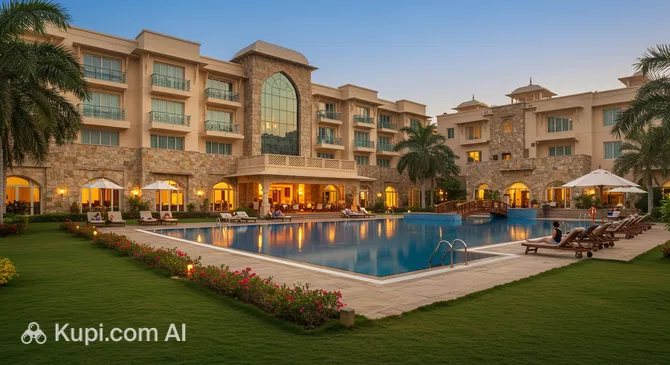
Travelers looking for reliable amenities often choose established properties. For instance, the Chandigarh City Hotel provides a comfortable base for exploring the city's attractions. It is well-situated for those who wish to navigate the grid-like streets with ease. Another interesting option is the Shairana Hotel & Rooftop Cafe, which offers the added advantage of on-site dining with a view, perfect for relaxing after a day of sightseeing.

Chandigarh City Hotel. Source: Kupi.Binoculars

Booking Tips and Prices: The cost of accommodation varies significantly by season and category. Budget travelers can find rooms ranging from 1,500 to 2,500 INR per night, while mid-range hotels typically charge between 3,000 and 6,000 INR. Luxury resorts and boutique hotels can go upwards of 7,000 INR. It is highly recommended to book your stay in advance, especially if you are visiting during the peak winter months (November to February) or during major events like the Rose Festival. Most properties are listed on major online booking platforms, which often offer better rates than walk-in inquiries.

Nearby Cities

Chandigarh's strategic location at the foothills of the Shivalik range makes it an excellent base for exploring the surrounding regions of Punjab and Haryana. The city is part of a larger urban area often referred to as the "Tricity," which includes its immediate neighbors. Beyond the city limits, several towns and satellite cities are easily accessible by road, offering visitors a chance to experience the broader local culture and bustling suburban life.

One of the closest and most significant neighbors is Panchkula. Located just 9 km away, it is a planned city in Haryana that mirrors Chandigarh's organized structure. Together with Chandigarh and Mohali, it forms the core of the Tricity area. Another rapidly developing town in the vicinity is Zirakpur, situated about 11 km from the city center. Known for its shopping centers and residential complexes, it serves as a major gateway to the city for travelers coming from Delhi.

For those interested in history, Rupnagar (formerly known as Ropar) is a notable destination approximately 36 km away. It sits on the banks of the Sutlej River and is famous for its archaeological museum and excavations related to the Indus Valley Civilization. Closer to home, Kharar acts as a bustling suburb, while Rajpura, an industrial town in Punjab, is reachable within an hour's drive.

Here is a summary of the nearby cities, their distances from Chandigarh, and their estimated populations:

City Distance (km) Population
Panchkula 9 211,355
Zirakpur 11 95,553
Kharar 13 55,821
Rajpura 34 112,193
Rupnagar 36 56,000

These neighboring locations are well-connected by a network of highways and local buses, making day trips or short excursions convenient for visitors staying in Chandigarh.

Shopping & Souvenirs

Shopping in Chandigarh is a delightful experience that perfectly mirrors the city's organized character. The retail landscape is a mix of traditional open-air markets designated by sectors and modern, sprawling shopping complexes. Whether you are looking for high-end international brands, traditional handicrafts, or budget-friendly street fashion, the city offers distinct zones for every type of shopper. It is particularly renowned for its authentic Punjabi clothing and accessories, making it a great place to update your wardrobe with some ethnic flair.

The crown jewel of the city's shopping scene is the Sector 17 Plaza. Often referred to as the heart of Chandigarh, this pedestrian-friendly commercial hub is lined with fountains, sculptures, and trees. It functions as an open-air mall where you can find showrooms of major international brands, government emporiums selling handicrafts, and classic bookshops. It is not just a place to buy goods but a social space where locals come to stroll and enjoy the lively atmosphere in the evenings.

For a modern, air-conditioned retail experience, Elante Mall in the Industrial Area is the premier destination. As one of the largest shopping malls in Northern India, it houses a vast collection of luxury and premium labels, a massive food court, and entertainment zones. It is the go-to spot for fashion enthusiasts looking for the latest trends and families seeking a comfortable day out with diverse dining and cinema options under one roof.

Elante Mall. Source: Kupi.Binoculars

If you prefer the charm of bustling street markets and bargaining, Sector 22, specifically Shastri Market, is the place to be. This market is famous for affordable clothing, artificial jewelry, and footwear. It is a favorite among students and budget travelers. Similarly, Sector 19 (Palika Bazar) and Sector 15 offer excellent bargains on ethnic wear and accessories. These markets are vibrant, crowded, and offer a true taste of the local commercial pulse.

When it comes to souvenirs, Chandigarh is the perfect place to purchase authentic Phulkari items. Phulkari is a traditional embroidery technique from Punjab, characterized by vibrant floral patterns, and you can find exquisite dupattas (scarves), shawls, and suits featuring this art. Another must-buy item is the Punjabi Jutti, a type of traditional leather footwear that is both colorful and comfortable. You can find these in specialized shops in Sector 17 or at more competitive prices in the sector markets.

Most shops and malls in the city open around 10:00 AM or 11:00 AM and remain operational until 9:00 PM or 10:00 PM. While malls and established stores in Sector 17 accept credit and debit cards as well as digital payments like UPI, cash is still the preferred mode of payment in smaller street markets like Sector 22. Tourists should be aware that India generally does not have a comprehensive tax-refund (VAT refund) system for international visitors on standard retail purchases, so the price you see is typically the final price inclusive of taxes.

Reached the end of the page?

That means the route is fully explored