Support

Gwadar

About

Gwadar is a rapidly emerging port city that sits like a jewel on the southwestern coast of Balochistan. Known for its stunning natural harbor and deep blue waters, this city is transforming into a major hub while retaining the raw beauty of its desert-meets-sea landscape. For travelers venturing into Pakistan, Gwadar offers a unique atmosphere where modern development rises against a backdrop of ancient rock formations and pristine sandy beaches.
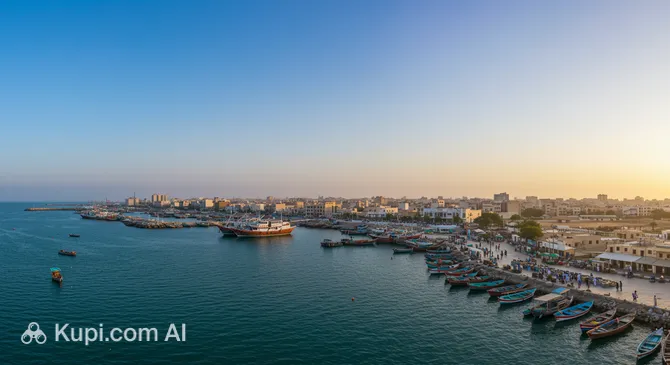
Gwadar. Source: Kupi.Binoculars

Geographically, the city is situated on a natural hammerhead-shaped peninsula jutting out into the Arabian Sea, providing it with distinct bays on either side. With a population of approximately 90,000 residents, it maintains a relatively calm demeanor compared to the country's bustling metropolises. The climate here is generally warm and arid, making it a sunny destination for most of the year, though the sea breeze often tempers the desert heat, creating pleasant evenings for seaside walks.

While the city is looking towards a futuristic horizon, the history of Gwadar reveals a fascinating past of trade and cultural exchange that has shaped its identity over centuries. Visitors are often captivated by the unique geological features nearby, such as the famous Princess of Hope, a natural rock formation sculpted by wind and time, and the Sphinx of Balochistan. Within the city, the Gwadar Cricket Stadium has gained international fame for its breathtaking scenic backdrop, surrounded by jagged cliffs.

Whether you are interested in witnessing the spectacular sunsets from the Koh-e-Batil cliffs or exploring the vibrant local fish markets, Gwadar promises an unforgettable experience. It is a destination that invites you to witness the harmonious blend of rugged nature and ambitious progress.

Weather Overview

Travelers visiting this coastal city can expect a warm, arid climate characterized by abundant sunshine and very little rainfall throughout the year. The detailed weather in Gwadar reveals a consistent pattern of hot summers and mild, comfortable winters, making it an accessible destination year-round.

The heat peaks between May and June, where the average temperature climbs to approximately 30.9°C, with daily highs often reaching 34°C. Conversely, the winter months of December and January offer a pleasant respite, with average temperatures cooling to around 19.7°C and rarely dropping below 16°C at night. Precipitation is exceptionally scarce, with most months recording between 0mm and 1mm of rain, ensuring dry conditions for outdoor activities.

Interesting Facts

Beyond the scenic cliffs and developing skyline, Gwadar holds fascinating secrets that delve deep into history and geology. From its unique political past to the mysterious shifting lands off its coast, there is much more to this city than meets the eye.

  • A Former Omani Enclave: For nearly 200 years, Gwadar was actually an overseas possession of the Sultanate of Oman. It was gifted to a refuge-seeking Omani prince in 1783 and remained under Omani rule until 1958, when it was purchased by Pakistan for 3 million pounds.

  • The Vanishing Island: The waters near Gwadar are geologically active and once gave birth to a temporary island named Zalzala Koh. Following a massive earthquake in 2013, a mud volcano pushed this landmass above the sea surface, fascinating the world before it eventually eroded back into the ocean.

  • Cold Mud Volcanoes: The region is one of the few places in the world where you can find active mud volcanoes. Unlike typical volcanoes that spew hot lava, these vents bubble with cold mud and methane gas, creating a surreal, extraterrestrial landscape in the surrounding desert.

  • Island of the Seven Hills: Nearby lies Astola Island, the largest offshore island in the country, known locally as Haft Talar. It is completely uninhabited by humans and serves as an untouched sanctuary for endangered green turtles and vibrant coral reefs.

How to Get There

Reaching this coastal city is an adventure in itself, offering routes that showcase the rugged beauty of the region. For a comprehensive guide on logistics and route planning, you can read more about how to get to Gwadar on our detailed transport page.

The most direct way to arrive is by air. The city is served by Gwadar Airport (GWD), which is conveniently located just 11.3 km from the city center. This facility handles domestic traffic, connecting the port city with major hubs like Karachi. A taxi ride from the terminal to the main hotel and business districts typically takes around 35 to 40 minutes. It is a small but vital transport node for the region.

Another regional option is Chah-Bahar Airport (ZBR), situated in the city of Konarak. Travelers should be aware that this airport is approximately 199 km away from Gwadar. Due to the significant distance, a transfer by car from Konarak would take roughly 5 hours and 20 minutes. While it serves a larger volume of passengers, the local Gwadar airport remains the practical choice for most tourists visiting the city directly.

For clarity, here is a summary of the main airports:

Airport Name City Passenger Traffic Km from City
Chah-Bahar Airport Konarak Medium 198.7
Gwadar Airport Gwadar Small 11.3

Currently, there is no active passenger railway station within Gwadar that connects to the national rail network. Visitors choosing to travel by land typically use the spectacular Makran Coastal Highway, which links the city to Karachi and other parts of the province. This road trip is famous for its breathtaking views of the Arabian Sea and unique rock formations, though it requires a significant travel time by bus or private car.

Main Attractions

Gwadar is a destination where the rugged desert landscape meets the pristine waters of the Arabian Sea, creating a unique setting for exploration. While the city is famous for its strategic port, it offers a variety of scenic and cultural spots that allow visitors to experience the raw beauty and local life of this emerging coastal hub.

One of the most defining features of the city is Koh-e-Batil, a massive hammerhead-shaped peninsula that naturally shelters the deep-water port. Adventurous travelers can climb the steps to the top of this cliff to reach a viewpoint often referred to as Ziarat. From this elevation, you are treated to a spectacular panoramic view of the city's isthmus, the bustling bays on either side, and the endless horizon of the sea, making it the premier spot for sunset photography.

For a relaxing experience by the water, Marine Drive is a must-visit. This long, paved promenade stretches along the coastline and serves as the social heart of the city in the evenings. It is an excellent place for a leisurely walk or a scenic drive, where you can enjoy the cool sea breeze and watch the waves crash against the shore. The contrast between the developing skyline and the golden sands offers a glimpse into the city's rapid transformation.

Sports fans and nature lovers alike will be impressed by the Gwadar Cricket Stadium. Gaining global attention for its breathtaking location, the stadium is nestled between jagged, sandy cliffs and the lush green field, creating a visual spectacle that is rare in the world of sports. Even if there is no match scheduled, the site itself is worth a visit to admire the dramatic scenery that surrounds the pitch.

To understand the traditional soul of the city, a visit to the Gwadar Fish Harbour is essential. Long before the modern port was built, fishing was the lifeblood of the region. Here, you can watch local fishermen bring in their daily catch and see the craftsmanship involved in building and repairing traditional wooden boats. It offers a vibrant and authentic atmosphere that contrasts with the modern developments nearby.

Local Cuisine

The local cuisine of Gwadar is a delightful fusion of traditional Balochi flavors and coastal freshness, heavily influenced by its proximity to the Arabian Sea and its historical ties to Oman. Seafood is the undisputed star here, with the daily catch determining the menu in many households and eateries. The food is generally rich, aromatic, and cooked with a generous hand of spices, yet it retains the simplicity of the region's desert roots.

When it comes to main dishes, you simply cannot visit without trying the fresh seafood. Surma fish fry is a local favorite, often marinated in spicy masala and fried to perfection. For a true feast, look for grilled prawns and lobsters, which are available at a fraction of the price found in major cities. Meat lovers should try Balochi Sajji, a dish consisting of whole chicken or lamb skewered and slow-roasted over an open fire, seasoned only with salt and sometimes a touch of papaya paste to tenderize it.

No culinary tour is complete without tasting the city's most famous sweet treat, Gwadar Halwa. This gelatinous, translucent dessert—often bright green or yellow—is made from cornflour, sugar, ghee, and topped with nuts. It is so iconic that visitors often buy kilograms of it from the historic Shahi Bazaar to take home as gifts.

As for drinks, the city follows the traditions of Pakistan, meaning alcohol is generally not part of the local dining culture. Instead, meals are often accompanied by Lassi, a yogurt-based drink that can be sweet or salty. The social beverage of choice, however, is tea. Whether it is the milky, strong Doodh Pati or the fragrant Green Tea (Kahwa) served with cardamom and sometimes saffron, tea drinking is an essential part of hospitality here.

The dining scene in Gwadar ranges from humble roadside dhabas to developing modern restaurants. For an authentic experience, head to Marine Drive, where you can enjoy fresh fish while listening to the waves crashing nearby. The atmosphere is laid-back and communal, with many traditional places offering floor seating where you can enjoy your meal in the true Balochi style.

Travel Tips

Welcome to Gwadar, a city where the rugged desert meets the deep blue Arabian Sea, offering a unique adventure for the prepared traveler. To ensure your journey through this developing coastal hub is smooth and enjoyable, here are some essential practical tips to keep in mind.

  1. Clothing and Gear: Given the conservative local culture and the warm climate, modest clothing is essential. Men should wear long trousers, and women are advised to wear loose-fitting clothes that cover arms and legs, along with a scarf for head covering when necessary. Bring breathable cotton fabrics to handle the heat, sunglasses, and sturdy sandals or shoes suitable for walking on rocky cliffs and sandy beaches.

  2. Transportation: Public transport options like buses are limited within the city and are mostly used by locals for inter-city travel. The most convenient way to explore is by hiring a private car with a local driver or using local taxis and auto-rickshaws for short distances. Ride-hailing apps are not widely established here yet, so arranging transport through your hotel is often the most reliable choice.

  3. Finances: The official currency is the Pakistani Rupee (PKR). While some high-end hotels may accept credit cards, Gwadar is predominantly a cash-based economy. It is crucial to carry sufficient cash for daily expenses, dining, and shopping in local markets. ATMs are available in the main city area, but they can occasionally be out of service, so having a backup reserve of cash is wise.

  4. Health and Safety: Always drink bottled water and avoid tap water to prevent stomach issues. Pharmacies are available in the city center, but it is recommended to bring your own supply of essential prescription medications. For international tourists, it is vital to check current entry requirements beforehand, as a No Objection Certificate (NOC) is often required for foreigners to visit certain parts of Balochistan.

  5. Communication: The primary local language is Balochi, while Urdu is widely understood as the national language. English is spoken by hotel staff and some business owners, but it is less common in local bazaars. Purchasing a local SIM card (such as Zong or Jazz) upon arrival in Pakistan is highly recommended for reliable internet access, as Wi-Fi can be intermittent outside of major hotels.

  6. Local Etiquette: The people of Gwadar are known for their hospitality, but social norms are conservative. Greetings often involve placing a hand over the heart as a sign of respect. Men should avoid initiating handshakes with local women unless they offer their hand first. Always ask for permission before taking photographs of locals, especially women and elderly residents.

  7. What to Avoid: strictly avoid taking photographs of military installations, the port area, or security checkpoints, as this is prohibited and can lead to questioning by authorities. Additionally, public displays of affection are culturally inappropriate and should be avoided to respect local sensibilities.

  8. Golden Hour Tip: For the best experience of the Gwadar Fish Harbour, visit early in the morning just after sunrise. This is when the boats return with their fresh catch, the market is most vibrant, and the light is perfect for photography without the harsh midday glare.

By keeping these practical points in mind, you can navigate Gwadar with confidence and respect for its traditions. Embrace the slower pace of life, enjoy the stunning coastal vistas, and soak in the warm hospitality that defines this emerging destination.

Entertainment & Nightlife

Entertainment and nightlife in Gwadar differ significantly from the high-energy club scenes found in many Western or cosmopolitan Asian cities. Instead of loud nightclubs, discos, or bars—which are virtually non-existent due to local cultural and legal norms—the evening atmosphere here is defined by relaxed social gatherings, seaside strolls, and culinary experiences. The "nightlife" is centered around enjoying the cooling sea breeze after a hot day, with families and friends gathering at open-air spots to dine and converse under the stars.

The beating heart of the city's evening activity is undoubtedly Marine Drive. As the sun sets, this scenic coastal road comes alive with locals and tourists alike. It serves as the primary district for socializing, where you can enjoy a long, peaceful walk along the illuminated promenade. The atmosphere is casual and family-friendly, with vendors selling roasted corn, fresh juices, and local snacks. It is the perfect place to witness the local community unwinding, with the sound of the Arabian Sea providing a soothing background soundtrack.

For those seeking a more upscale and structured evening experience, the Zaver Pearl Continental Hotel (commonly known as PC Gwadar) is the premier venue. Perched on a cliff with commanding views of the port and the ocean, it is the social hub for international travelers and business visitors. Its restaurants, such as the Tai Pan and the Nadia Coffee Shop, offer a refined setting for a late dinner or evening coffee. While it is not a nightclub, the hotel’s lobby and terraces often host the city's most vibrant conversations and gatherings late into the night.

Another authentic way to experience the local night culture is by visiting the traditional chai dhabas (tea stalls) scattered near the old town and along the main roads. These spots remain open late and are popular with local men discussing daily life over cups of strong, milky tea or green tea (kahwa). If you are looking for a place to eat late at night, the open-air barbecue restaurants near the Fish Harbour area serve fresh grilled fish and sajji well into the evening, offering a rustic and flavorful dining experience.

During the daylight hours, entertainment is largely outdoor-oriented. Visitors can explore the coastline or take boat trips from the harbor to see the city from the water. While there are no large amusement parks or theaters in the traditional sense, the natural landscape itself serves as a playground. The Gwadar Cricket Stadium, previously mentioned for its beauty, is also a site where locals gather to watch or play matches, creating a lively atmosphere during the day.

From a practical standpoint, the best time to venture out is after 8:00 PM when the temperature drops. The dress code is conservative; modest clothing is essential for both men and women to blend in and show respect. Public consumption of alcohol is prohibited. In terms of safety, Marine Drive and the area around the PC Hotel are well-lit and secure for evening walks. However, it is advisable to avoid unlit alleys in the older parts of the city late at night. Taxis and auto-rickshaws are available, but for night travel, it is safer and more convenient to arrange a private car through your hotel.

Parks & Museums

While Gwadar is primarily defined by its coastal desert landscape and maritime activities, the city is gradually developing spaces that celebrate its heritage and offer respite from the arid environment. For tourists, the cultural scene is concentrated in specific venues that highlight the region's unique history as an Omani enclave, while its green spaces are often integrated with the spectacular natural geography of the coastline.

The most prominent cultural institution in the city is the Gwadar Museum. Located near the main business district, this small but fascinating museum is a treasure trove for history enthusiasts. It houses a curated collection of artifacts that tell the story of the region, including ancient pottery, jewelry, and weapons from the Omani period. Visitors can see old coins and navigational instruments that highlight the city's long-standing relationship with the sea and trade. It provides excellent context to the unique geopolitical history of Pakistan's southwestern coast.

In terms of green spaces, the city's arid climate means lush gardens are rare, but the GDA Central Park stands out as a man-made oasis. Maintained by the local development authority, this park offers well-kept lawns, walking tracks, and play areas for children. It serves as a popular gathering spot for local families in the evenings and provides a stark, refreshing contrast to the surrounding sandy terrain. It is an ideal place for a quiet stroll or a picnic away from the bustling port areas.

Another significant area is Sunset Park, situated on the elevated Koh-e-Batil promontory. Unlike a traditional garden, this is a natural recreation area that takes advantage of the city's dramatic topography. It features paved walkways and viewing decks that offer unrivaled vistas of the Arabian Sea and the city isthmus below. It is arguably the best vantage point in the city, combining the raw beauty of the cliffs with accessible facilities for tourists.

For those interested in historical architecture, the remains of the Old Omani Fort are a must-see. Although much of the original structure has weathered over time, the site stands as a silent witness to the nearly two centuries when Gwadar was part of the Sultanate of Oman. Exploring the perimeter gives visitors a sense of the strategic military importance this town held long before the modern port was conceived.

An authentic way to experience the city's living history is to take a walk through the Shahi Bazaar in the old town. While not a museum, the narrow alleys and older buildings reflect the traditional Balochi architectural style. Keep an eye out for the intricately carved wooden doors on some of the older homes, a subtle yet beautiful detail that hints at the craftsmanship of a bygone era.

Getting Around

The public transport system in Gwadar is still in its developmental stages, reflecting the city's transition from a traditional fishing town to a strategic port hub. Visitors should not expect the complex transit infrastructure found in massive metropolises; there are no metro systems, trams, or extensive municipal bus networks currently in operation. Instead, getting around is a more informal and localized experience, relying heavily on smaller vehicles that navigate the city's expanding road network.

For daily commuting and short distances, the auto-rickshaw is the most ubiquitous mode of transport. These three-wheeled vehicles are agile and can be found buzzing through the narrow streets of the old town as well as cruising along the wide Marine Drive. They are the primary choice for locals and offer an authentic, breezy way to travel. Standard taxis are also available, though they are less common than rickshaws and are typically found at designated stands near the airport, hotels, or major markets rather than cruising for passengers.

The payment system for all forms of local transport is strictly cash-based. There are no electronic travel cards, passes, or mobile ticketing apps available for public transit here. Fares are not metered, so the standard practice is to negotiate the price with the driver before you enter the vehicle. Prices are generally very reasonable, but it is advisable to ask your hotel concierge for an estimate of the prevailing rates to ensure you agree on a fair price. Always carry small denominations of currency, as drivers often do not have change for large bills.

For tourists, the most practical and comfortable alternative to public transport is hiring a private car with a driver. This can usually be arranged through your hotel or a local travel agency. Given that ride-sharing apps are not yet widely established or reliable in the city, having a dedicated vehicle provides the flexibility to explore distant attractions like the coastal cliffs or the cricket stadium without the hassle of finding a return ride. Additionally, a private car offers air conditioning, which is a significant comfort during the warm afternoon hours.

While there are no historic trains or cable cars, the city's connection to the sea offers a unique, informal transport experience. In the harbor area, it is often possible to hire a traditional wooden fishing boat for a short journey along the coast. While this serves more as a scenic activity than a commuter service, it allows visitors to travel across the bays and view the city's dramatic skyline and hammerhead peninsula from the water, providing a perspective that road transport cannot match.

Accommodation

Where to Stay:

Accommodation in Gwadar is evolving rapidly to match its status as an emerging port city. While the options are not yet as extensive as in Pakistan's established metropolises, the city offers a distinct range of choices catering to business travelers, investors, and increasingly, tourists. The hospitality landscape is a mix of high-end luxury, functional mid-range hotels, and basic budget guesthouses, with new developments frequently appearing along the coastline.

The most desirable area for tourists to stay is undoubtedly along Marine Drive and the vicinity of the Koh-e-Batil promontory. Staying here places you right next to the sea, offering stunning views of the sunrise and sunset over the Arabian Sea. This area is also the social hub of the city, making it convenient for evening walks and dining. Alternatively, business travelers often prefer hotels located near Airport Road or the main port entrance for easier logistical access, though these areas are less scenic than the waterfront.

For those seeking luxury and world-class amenities, the Zaver Pearl Continental Hotel (often referred to as PC Gwadar) is the undisputed landmark of the city. Perched atop a cliff overlooking the bay, it offers five-star facilities, including fine dining and secure surroundings, making it the primary choice for international visitors and dignitaries. Beyond this flagship property, the city has several mid-range hotels that provide comfortable, air-conditioned rooms and essential amenities, often situated close to the beach or the main business district.

Booking Tip: As the number of high-quality hotels is currently limited, it is highly recommended to book your accommodation well in advance, especially if you plan to visit during the cooler winter months or when business conferences are taking place. For mid-range and budget options, online booking platforms may not always be up-to-date; calling the hotel directly is often the most reliable way to secure a reservation and confirm current rates.

In terms of pricing, accommodation in Gwadar covers a broad spectrum. The luxury resort experience comes with a premium price tag comparable to major international cities. In contrast, mid-range and budget hotels are generally quite affordable. Travelers should note that many smaller establishments operate on a cash-only basis, so it is wise to carry sufficient currency. Regardless of where you stay, ensure your chosen hotel provides reliable backup power generation, as electricity supply can occasionally be intermittent in the region.

Nearby Cities

Gwadar is located in the vast and sparsely populated province of Balochistan, positioned on the far southwestern coast of the country. Due to its remote geographic setting, the city is relatively isolated from Pakistan's major metropolitan centers. Traveling to neighboring cities often involves long journeys across rugged desert landscapes or along the scenic coastal highways.

While the immediate surroundings are defined by small fishing towns and natural formations, there are several significant urban hubs within a reachable distance for those looking to extend their trip. The nearest regional center is Panjgur, while the massive metropolis of Karachi lies further to the east. Below is a list of cities that are relatively close to Gwadar, along with their distances and population data.

City Population Distance (km)
Panjgur 316,770 270
Karachi 15,738,000 473
Shah Latif Town 335,823 500
Hyderabad 1,732,693 608
Nawabshah 263,102 621

Shopping & Souvenirs

Shopping in Gwadar offers a distinct experience that contrasts sharply with the glossy commercial centers of major metropolises. Here, the retail scene is deeply rooted in traditional culture, offering visitors a chance to explore authentic local life rather than international chain stores. While the city is rapidly modernizing, the most rewarding shopping experiences are found in the bustling, narrow lanes of its historic bazaars, where trade has flourished for centuries.

The primary destination for any shopper is the Shahi Bazaar, located in the heart of the old town. This historic market street is the commercial soul of the city, lined with small shops selling everything from gold jewelry and textiles to electronics and daily household goods. Walking through this district allows you to interact with friendly local shopkeepers and witness the vibrant daily routine of the residents. It is a chaotic but charming environment where bargaining is a common practice.

As a developing port city, Gwadar is in a transition phase regarding modern retail infrastructure. While there are ambitious plans for massive shopping complexes and duty-free zones in the future, currently, there are no large-scale, Western-style shopping malls operating for tourists. Instead, you will find smaller shopping plazas and arcades, particularly along Airport Road and near the main business districts, which cater to modern needs but lack the scale of malls found in Karachi or Lahore.

For those interested in local produce, the city's markets are a sensory delight. Beyond the general goods in Shahi Bazaar, the local Fish Market is worth visiting to see the freshness of the catch that drives the local economy, even if you are not buying. In the main town markets, you can also find stalls selling fresh produce brought in from the interior of the province, offering a taste of the region's agricultural output.

When it comes to souvenirs, Gwadar has several unique items that reflect the heritage of Balochistan. The most prized purchase is Balochi embroidery (known as Dochan), which is famous for its intricate geometric patterns, vibrant colors, and tiny mirror work. You can buy these as unstitched fabric, shawls, or ready-made dresses. Another popular edible souvenir is Gwadar Halwa, the city’s iconic sweet treat, which is widely available in local sweet shops. Additionally, dates from the nearby Panjgur region are often sold here and make for excellent gifts.

Store hours in the city tend to follow a traditional rhythm. Most shops in the bazaars open later in the morning, around 11:00 AM, and stay open well into the night, often until 10:00 PM or later. On Fridays, many businesses may close for the afternoon prayers or remain closed for the entire day. It is important to note that Gwadar is predominantly a cash-based economy. Credit cards are rarely accepted outside of high-end hotels, so tourists should always carry sufficient Pakistani Rupees (PKR) when heading out to shop.

Regarding taxes, there is currently no tax-free shopping or VAT refund scheme available for international tourists in Gwadar. The prices you see are generally final, though they are often negotiable in traditional markets. The cost of goods is typically lower than in the country's larger cities, making it an affordable place to pick up unique local handicrafts.

Nearby cities

Reached the end of the page?

That means the route is fully explored