Support

Turbat

About

Turbat. Source: Kupi.Binoculars

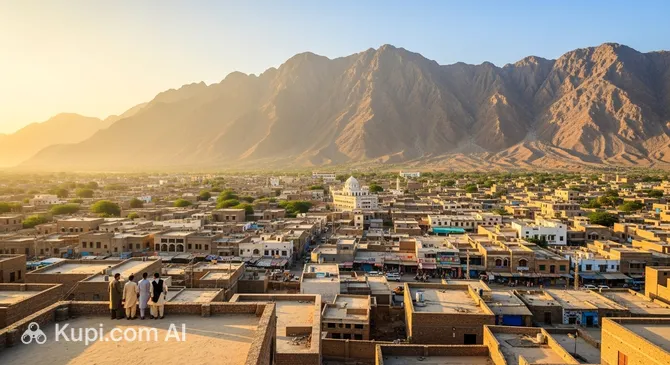
Welcome to Turbat, a city that serves as the administrative center of the Kech District and stands as the second-largest city in the Balochistan province of Pakistan. Known for its deep-rooted cultural traditions and starkly beautiful landscapes, Turbat offers a unique glimpse into the heart of the region. The city is situated on the left bank of the Kech River, providing a lifeline of greenery amidst the rugged terrain of the Makran range.

The climate here is characterized by hot summers, which create the perfect conditions for agriculture, particularly the cultivation of dates. Turbat is famous for producing some of the highest quality dates in the region, and the sight of extensive lush palm groves is a refreshing contrast to the surrounding arid hills. With a population of approximately 147,000 residents, the city is a bustling hub of trade and local life in southern Balochistan.

Travelers interested in the past will find the history of Turbat fascinating, as it is steeped in ancient folklore and romance. The city is legendary for being the home of Punnu, the tragic hero from the famous love story of Sassi Punnu. Visitors can explore the ruins of the Punnu Fort (also known as Miri Kalat), an archaeological site that dates back thousands of years and offers panoramic views of the valley. Another significant landmark is Koh-e-Murad, a shrine that attracts many pilgrims and visitors, adding a spiritual dimension to the city's atmosphere.

Whether you are drawn by the allure of ancient legends, the scenic beauty of the Kech River, or the hospitality of the local people, Turbat provides an authentic and memorable travel experience. It is a destination that invites you to explore the hidden gems of Balochistan and discover a side of the country that is both historic and captivating.

Weather Overview

Turbat experiences an arid climate defined by distinct seasonal shifts, ranging from mild winters to intensely hot summers. The hottest period typically occurs in May and June, where the average temperature rises to nearly 34°C, and daily highs frequently soar above 40°C. Travelers visiting during these months should be prepared for scorching heat and strong sunshine.

In contrast, the winter season offers much more comfortable conditions for exploration. January and December are the coolest months, with average temperatures hovering between 16.5°C and 18.4°C, and nighttime lows dipping to around 10°C. This makes the winter period the most pleasant time for outdoor activities and sightseeing.

Rainfall is extremely scarce throughout the year, keeping the region dry and dusty. Precipitation levels are negligible, often recorded at 0mm or just 1mm per month, with only a few wet days even during the slightly more active months like January and July. To help you choose the best time for your trip based on specific forecasts, you can check the detailed report on the weather in Turbat.

Interesting Facts

Beyond its palm-lined horizons and romantic folklore, Turbat holds a collection of fascinating stories that surprise many travelers. From its place in ancient military campaigns to its record-breaking climate, the city is full of unexpected distinctions.

  • A Global Heat Record: Turbat is officially one of the hottest inhabited places on the planet. On May 28, 2017, the city recorded a temperature of 53.7°C (128.7°F), which stands as the highest temperature ever reliably measured in Pakistan and one of the highest recorded temperatures in the world.

  • Alexander the Great's Route: Historical accounts suggest that the Kech valley surrounding Turbat was part of the route taken by Alexander the Great in 325 BC. His army’s march through the Gedrosian Desert (modern-day Makran) is considered one of the most grueling episodes of his campaigns, making the local river a critical lifeline in ancient history.

  • A Literary Capital: The city is celebrated as a heartland of Balochi literature and is the birthplace of Atta Shad, a legendary poet who revolutionized Balochi poetry. His influence is so profound that Turbat is often regarded as a cultural sanctuary for lovers of the language and its artistic expression.

  • The Gathering at Koh-e-Murad: While the shrine is a known landmark, the scale of its spiritual significance is unique. It serves as the primary pilgrimage site for the Zikri community, who gather here by the thousands on the 27th night of Ramadan for special prayers, creating a distinct cultural atmosphere found nowhere else in the region.

How to Get There

Reaching Turbat requires a bit of planning due to its location in the rugged terrain of Balochistan. While the journey offers scenic views of the Makran range, travelers often combine air and road travel to arrive at this historic destination. For a comprehensive guide on routes and transportation methods, you can read more about how to get to Turbat.

Travelers looking for flight options often utilize airports in neighboring cities to access the region. One of the primary gateways is Gwadar Airport (GWD), located in the coastal city of Gwadar. Since this airport is situated approximately 112 km from Turbat, it serves as a viable entry point. After landing, the journey to Turbat typically involves a drive of about 3 hours by taxi or bus, allowing you to experience the changing landscapes from the coast to the interior.

Another option, though significantly further and located across the border, is Chah-Bahar Airport (ZBR). This airport is situated in Konarak, roughly 274 km away from Turbat. Because this route involves a longer travel time of approximately 7 hours and potential border crossings, it is less commonly used for direct access but remains a significant regional hub. Visitors should check visa requirements and border status before considering this route.

For clarity, here is a summary of the nearby airports:

Airport Name City Passenger Traffic Km from City
Chah-Bahar AirportKonarakMedium273.8
Gwadar AirportGwadarSmall111.6

For those preferring ground transportation, Turbat is connected to other parts of the country via a network of roads, including the M-8 motorway. Buses and private taxis are the most common means of reaching the city from major hubs like Karachi or Quetta. The drive can be long and traverses remote areas, so it is advisable to check the condition of the roads and arrange reliable transport in advance.

Main Attractions

Turbat is a city where history whispers through ancient ruins and nature thrives amidst the arid landscape. While it serves as a bustling administrative center, its true charm lies in the legendary sites and natural oases that surround it. Visitors here can explore a mix of archaeological wonders and scenic spots that define the cultural heart of the Makran region.

One of the most iconic landmarks is the Punnu Fort, also known locally as Miri Kalat. Perched atop a high mound, this ancient fortification offers a commanding view of the surrounding valley. It is deeply ingrained in local folklore as the home of Punnu, the protagonist of the famous tragic romance Sassi Punnu. Although time has worn down much of the structure, the mud-brick ruins still stand as a testament to the area's rich past, allowing tourists to walk through history while enjoying panoramic sunsets over the city.

For those seeking spiritual tranquility, Koh-e-Murad is a significant destination. Translating to "Mountain of Desire," this site is a major shrine that holds deep religious importance for the local community. The atmosphere here is one of peace and reflection, often visited by pilgrims who travel great distances. Even for non-religious visitors, the site offers a unique insight into the cultural and spiritual fabric of Balochistan, set against a backdrop of rugged hills.

Nature lovers will appreciate the serene banks of the Kech River. As the lifeline of the region, the river creates a lush contrast to the desert surroundings, nurturing the vast date palm groves for which Turbat is famous. It is a popular spot for locals and tourists alike to enjoy picnics or quiet walks. The sight of the green palm fronds swaying against the stark mountains creates a beautiful oasis-like setting, perfect for photography and relaxation.

Local Cuisine

The local cuisine of Turbat is a delightful reflection of Balochi tradition, characterized by a focus on slow-cooking techniques that preserve the natural flavors of the ingredients. Meat plays a central role in the diet here, often cooked over open flames. A culinary journey in Turbat is incomplete without trying Sajji, the region's most iconic dish. It typically consists of whole lamb or chicken, marinated simply with salt and skewered to roast around a fire, resulting in meat that is smoky, tender, and crisp on the outside.

To accompany the savory meat dishes, locals serve a unique type of bread known as Kaak (or Kurn). This dough is traditionally wrapped around a heated stone and baked, creating a hard, biscuit-like exterior with a soft interior, perfect for soaking up gravies. Additionally, since Turbat is famous for its palm groves, visitors must sample the local dates. The region produces dozens of high-quality varieties, and they are served fresh, dried, or as sweet snacks, serving as a staple dessert for the locals.

When it comes to beverages, tea culture is the heartbeat of social interaction. Alcohol is not part of the local diet; instead, you will find locals gathering over steaming cups of Dudh Patti, a rich, creamy milk tea boiled with strong tea leaves and sugar. For a lighter option, Kahwa (green tea) is often served after heavy meals to aid digestion, sometimes flavored with cardamom or lemon. These drinks are a gesture of hospitality and are offered freely to guests.

The food scene in Turbat is authentic and unpretentious, centered around roadside dhabas and bustling market eateries rather than formal restaurants. Here, the dining style is often communal, with people sitting on charpoys (traditional woven beds) or floor mats to share large platters of rice and meat. This setting offers tourists a chance to experience the genuine warmth of Balochi hospitality while enjoying fresh, hearty meals prepared right before their eyes.

Travel Tips

Planning a trip to Turbat requires a blend of cultural awareness and practical preparation to ensure a smooth journey through this historic part of Balochistan. These tips are designed to help you navigate the local customs and climate, allowing you to focus on the region's unique hospitality and landscapes.

  1. Clothing and Gear: Given the intense heat, especially in summer, lightweight and breathable fabrics like cotton or linen are essential. The culture is conservative, so modesty is key; both men and women should wear loose-fitting clothes that cover arms and legs. A Shalwar Kameez is the most comfortable local option. Don't forget high-SPF sunscreen, a wide-brimmed hat, and sturdy sandals or walking shoes for exploring rocky terrains.
  2. Transportation: Public transport options like metros do not exist here. The most common way to get around the city is by auto-rickshaw (locally called Qingqi) for short distances. For a more comfortable experience, especially given the climate, hiring a private car with a local driver is highly recommended. Ride-hailing apps may not be operational or reliable, so arranging transport through your hotel or host is the safest bet.
  3. Finances: The currency is the Pakistani Rupee (PKR). Turbat is largely a cash-based economy, and credit cards are rarely accepted outside of high-end establishments or major hotels. While there are ATMs in the city center, they can occasionally be out of service, so it is wise to carry sufficient cash. Tipping is not mandatory but is a warm gesture; leaving small change for waiters or drivers is appreciated.
  4. Health and Safety: Due to the extreme temperatures, the risk of dehydration and heatstroke is real; always carry bottled water and avoid direct sun at midday. Pharmacies are available in the main market areas, but they may not operate 24/7, so bring a personal medical kit. As a general precaution, stick to well-populated areas and always keep your identification documents handy, as tourists may need to show them at checkpoints.
  5. Communication: The primary language is Balochi, and Urdu is widely understood as the national language. English is spoken by officials and educated locals but may not be common in markets. Learning a few basic phrases like "Assalam-o-Alaikum" (Peace be upon you) goes a long way. For connectivity, Zong and Jazz are the most reliable mobile networks; you can purchase a SIM card at official franchises with your passport.
  6. Local Etiquette: Greetings are important and usually involve a handshake (between the same gender) and placing a hand over the heart. When visiting homes, remove your shoes at the entrance. Gender segregation is practiced in many social settings; male tourists should avoid initiating handshakes with local women unless they offer their hand first. Always use your right hand for eating and passing money.
  7. What to Avoid: strict privacy norms exist regarding photography. Never take photos of local women or private homes without explicit permission, as this is considered highly offensive. Additionally, avoid public displays of affection and the consumption of alcohol, which is prohibited by law and cultural norms.
  8. Local Insight: If you visit during the summer harvest season, do not miss the chance to buy fresh dates directly from the market. Turbat is famous for its date varieties, and locals are often eager to explain the different types. Asking a shopkeeper about their "best dates" is a great conversation starter and often leads to a friendly tasting session.

By respecting these local customs and preparing for the desert environment, you will find the people of Turbat to be incredibly welcoming and eager to share their heritage. A little preparation goes a long way in transforming your visit from a simple trip into a genuine cultural exchange.

Entertainment & Nightlife

Entertainment and nightlife in Turbat differ significantly from what travelers might expect in Western or cosmopolitan cities. Due to the conservative culture of Balochistan and strict local laws, you will not find nightclubs, bars, or discos here. Alcohol is prohibited throughout the region. Instead, the "nightlife" is centered around vibrant social interactions, bustling night markets, and the culinary tradition of late-night dining. The atmosphere is relaxed and communal, offering a genuine glimpse into the local way of life once the scorching heat of the day subsides.

The heart of the evening activity beats in the Turbat Main Bazaar. As the sun sets, this central market district transforms into a lively hub where locals gather to shop, eat, and socialize. The shops often stay open late into the night, selling everything from traditional fabrics to fresh produce. The streets here are filled with the aroma of grilling meat and the chatter of residents. It is the best place to witness the city's energy, though visitors should be aware that the crowd is predominantly male in the later hours.

For a truly authentic experience, visitors should spend an evening at a traditional Chai Dhaba. These open-air tea houses serve as the local equivalent of a pub or social club. Men gather here to discuss politics, poetry, and daily life over endless cups of Dudh Patti (milk tea) or Kahwa (green tea). The vibe is welcoming, but it is important to respect the local etiquette; these venues are typically casual, and the dress code remains modest—long trousers and shirts (Shalwar Kameez) are the norm.

Dining out is the primary form of entertainment for families and groups. Many eateries in the city center specialize in Balochi Sajji and Karahi, serving food well past midnight. The cool evening breeze also draws people to the banks of the Kech River, where families often enjoy picnics or quiet walks under the stars. This natural setting offers a peaceful escape from the dusty city streets and is a popular spot for a relaxing end to the day.

When planning a night out, safety and logistics are important. The best time to venture out is after 8:00 PM when the temperature becomes comfortable. Public transport is scarce at night, so it is essential to arrange a private taxi or have a vehicle with a local driver at your disposal. While the main market areas are generally safe, it is advisable to avoid unlit or remote streets and to return to your accommodation by late evening. Always carry identification and stay within areas frequented by locals.

During the daytime, entertainment options focus on cultural and historical exploration. Visitors can explore the fascinating Turbat Museum (officially the Kech Museum), which houses artifacts showcasing the region's archaeological history and Balochi heritage. For those willing to brave the daytime heat, a visit to the surrounding date palm orchards or the nearby historical ruins offers a look into the agricultural and ancient roots of the Makran valley.

Parks & Museums

While Turbat is primarily defined by its arid surroundings and historical significance, the city offers a surprising amount of greenery and cultural depth for those who take the time to look. The juxtaposition of the rugged Makran hills with the lush date palm groves creates a unique natural setting, while the local heritage is preserved in sites that speak of ancient romances and distinct Balochi traditions.

Kech River Banks serve as the city's most prominent natural recreational area. Since Turbat does not have many manicured urban parks in the western sense, the riverbanks function as a communal green space where locals gather to escape the heat. The area is lined with vegetation and offers a cooling breeze, making it an ideal spot for evening walks or picnics. It is particularly lively during the cooler months when families come to enjoy the outdoors against the backdrop of the flowing water.

The vast Date Palm Orchards that surround the city act as Turbat's "green lungs." Walking through these dense groves offers a serene experience comparable to visiting a botanical garden. The canopy of palm fronds provides ample shade, creating a microclimate that is significantly cooler than the open city streets. These orchards are not just agricultural land; they are an integral part of the local landscape where visitors can witness traditional farming methods and enjoy the tranquility of nature.

For those interested in the region's heritage, the Kech Museum is a must-visit institution. It houses a curated collection that reflects the rich history and culture of the Makran region. Inside, visitors can find archaeological artifacts found in the surrounding valley, including ancient pottery, coins, and traditional Balochi weaponry. The museum also features displays on local geology and fossils, offering a comprehensive overview of the area's natural and human history.

Miri Kalat, often referred to as Punnu Fort, stands as the most significant historical and architectural landmark in the area. Located on the outskirts of the city, this ancient mud-brick fortification sits atop a natural mound, dominating the landscape. While much of it is in ruins, the remaining walls and structures offer a fascinating glimpse into ancient defensive architecture. It is famously associated with the tragic romance of Sassi and Punnu, making it a site of both architectural and literary importance.

Another key cultural site is Koh-e-Murad, a shrine that showcases a different aspect of local architecture and spiritual life. It is a place of great reverence and is maintained with care, featuring simple yet poignant structures that blend into the rocky terrain. The site is less about grandeur and more about the atmosphere of devotion and community, offering visitors a chance to observe the peaceful religious practices of the Zikri community.

For a truly authentic experience, try to visit the old bazaars near the river just before sunset. Unlike a formal museum, these markets are living galleries of Balochi culture, where you can see traditional craftsmanship in leather and embroidery being practiced daily. It is a lesser-known way to engage with the city's artistic heritage without a ticket or a guide.

Getting Around

Public transport in Turbat is quite different from the structured systems found in major metropolitan areas. There are no metros, trams, or large municipal bus networks operating within the city limits. Instead, the local transportation system relies heavily on informal and flexible modes of travel that are better detailed to the scale and infrastructure of the region. The most common sight on the streets is the auto-rickshaw, locally known as the Qingqi (pronounced "chin-chi"). These three-wheeled vehicles serve as the backbone of daily commuting, offering a convenient and breezy way to navigate the city's relatively short distances.

In addition to rickshaws, shared mobility often comes in the form of modified pickup trucks or minibuses. These vehicles typically ply specific routes along the main roads, connecting the city center with outlying neighborhoods and nearby villages. While they are an affordable option used by residents, they can be crowded and may not have fixed schedules. For a tourist, they offer an authentic local experience, but they require a bit of patience and a willingness to travel without the comfort of air conditioning.

The payment system across all forms of transport in Turbat is exclusively cash-based. There are no travel passes, smart cards, or mobile ticketing apps available. Fares are generally very low compared to international standards, but they are rarely fixed. It is essential to carry small denominations of the local currency, as drivers often do not have change for large bills. When using a shared van, the price is usually a set standard fee, but for rickshaws and private taxis, the fare is open to negotiation.

For tourists, the most important piece of advice is to negotiate the fare before getting into the vehicle. Since there are no meters, agreeing on a price upfront prevents misunderstandings at the end of the journey. To hail a rickshaw, simply stand by the side of the road and wave your hand; they are plentiful and easy to find during daylight hours. However, public transport options dwindle significantly after sunset. If you plan to be out late, it is crucial to arrange a ride back in advance or rely on a private driver.

Alternatives to public transport are limited but available. Private taxis exist, though they may not look like traditional yellow cabs; they are often regular cars that operate for hire. Ride-sharing apps are not active in the city, so you cannot book a car via a smartphone. The most recommended alternative for visitors is renting a car with a driver. This can usually be arranged through your hotel or a local contact and provides the safest and most comfortable way to explore the area, especially given the hot climate. Cycling is not a common mode of transport for tourists due to the heat and dusty road conditions.

While there are no historic cable cars or funiculars, the Qingqi rickshaw itself is a unique feature of the local transit culture. These vehicles are often brightly decorated with colorful art, stickers, and tassels, reflecting the regional truck art tradition on a smaller scale. Riding in one provides an unfiltered connection to the sights and sounds of the city, making the journey itself a memorable part of the visit.

Accommodation

Accommodation in Turbat is primarily functional and caters largely to local traders, government officials, and visiting professionals rather than international leisure tourists. Visitors should manage their expectations, as the city does not currently host international luxury hotel chains or high-end resorts. Instead, the hospitality landscape is defined by modest, locally run establishments that offer basic amenities and a roof over your head.

The most common types of lodging available are budget hotels and guest houses. These establishments typically provide simple rooms with essential furniture, air conditioning (crucial given the climate), and attached bathrooms. In addition to commercial hotels, there are government-run rest houses and circuit houses, which are often the best-maintained properties in town. However, staying in these usually requires prior booking and official permission from the local administration, making them less accessible to the casual traveler.

In terms of location, the most convenient area to stay is near the Main Bazaar or along the major arteries connecting to the Airport Road. Staying in the city center places you within walking distance of local eateries, tea shops, and transport hubs, which is highly practical given the limited public transport options at night. These central locations allow for easy access to the market's evening activity while keeping you close to the main routes for daytime excursions.

Booking Tip: Unlike destinations in larger cities, hotels in Turbat rarely have a presence on major international booking platforms. You will likely not find them on standard travel apps. The most effective way to secure accommodation is through direct phone calls or, ideally, by having a local contact or host arrange it for you before arrival. If you are traveling without a local guide, it is advisable to arrive early in the day to inspect rooms personally before checking in.

Price Range and Payment: The cost of accommodation in Turbat is generally very affordable, falling squarely into the budget category. Prices are significantly lower than in Karachi or Islamabad. Travelers should be aware that credit card facilities are virtually non-existent in local hotels. You must be prepared to pay for your entire stay in cash (PKR), and it is often wise to ask about the availability of a backup generator, as power outages can occur.

Nearby Cities

For those looking to explore the surroundings, Turbat serves as an excellent base for day trips to several interesting nearby locations:

One of the most accessible destinations for a day trip is Panjgur, located approximately 149 kilometers away. Much like Turbat, this town is celebrated for its extensive date palm groves and rich agricultural heritage, often referred to as the land of dates and grapes. The journey to Panjgur takes travelers through the rugged and scenic landscapes of the Makran range, offering a deeper insight into the rural lifestyle and ancient irrigation systems (karez) that sustain life in this arid region.

The coastal city of Gwadar is another popular excursion, situated roughly 112 kilometers south of Turbat. A trip to the coast allows visitors to trade the rocky hills for the pristine beaches of the Arabian Sea. The drive itself is spectacular, showcasing the raw beauty of the Makran landscape as it transitions from desert mountains to the coast. It is an ideal spot for those wishing to experience the dramatic contrast between the dry interior and the deep blue ocean within a single day.

City Population Distance (km)
Karachi 15,738,000 418
Hyderabad 1,732,693 538
Shah Latif Town 335,823 445
Panjgur 316,770 149
Nawabshah 263,102 536

These nearby destinations offer a glimpse into the diverse culture and landscapes of the region.

Shopping & Souvenirs

Shopping in Turbat offers a distinctly traditional experience that stands in stark contrast to the modern retail culture of large metropolises. The city is not defined by glitzy department stores or international brand outlets; instead, it invites travelers to explore a world of authentic craftsmanship and agricultural bounty. The shopping scene here is intimate and local, centered around bustling bazaars where the connection between the maker, the seller, and the buyer is still very much alive. It is the perfect place to find goods that are deeply rooted in Balochi culture.

The heartbeat of the city's commercial activity is the Main Bazaar. This sprawling market area forms the central nervous system of Turbat, lined with hundreds of small shops selling everything from fabrics and footwear to household goods. Walking through these streets provides a sensory overload of colors and sounds, where motorcycles weave through pedestrians and shopkeepers display their wares on the sidewalks. It is here that you will find the widest variety of goods and the most vibrant atmosphere, particularly in the cooler evening hours.

Travelers looking for large, air-conditioned shopping malls will not find them in Turbat. The retail infrastructure is composed almost entirely of street-side shops and small, multi-story shopping plazas that function more like covered markets than western-style malls. These plazas usually specialize in specific items, such as cloth or electronics, but they lack the food courts and entertainment zones found in bigger cities. The charm here lies in the chaotic energy of the open market rather than the polished experience of a mall.

The most significant and interesting market for any visitor is undoubtedly the Date Market. Given that Turbat is a major hub for date production in the region, this market is a dedicated space where farmers bring their harvest. During the season, you can find dozens of varieties of fresh and dried dates stacked in mounds. It is not just a place to buy food; it is a cultural spectacle where you can witness the trade that sustains the local economy. Bargaining is common here, and tasting the produce before buying is often encouraged.

When it comes to souvenirs, the top choice is, without a doubt, the local dates. Varieties like Begum Jangi and Mozati are highly prized and make for excellent gifts. Beyond food, Turbat is famous for its exquisite Balochi embroidery (known as doch). The intricate needlework found on shawls and dresses is world-renowned for its geometric patterns and vibrant colors. Another authentic keepsake is the Chawat, a traditional Balochi leather sandal. These are durable, handmade, and represent a specific style unique to the province.

Opening hours in Turbat generally follow a split schedule to accommodate the weather. Shops typically open around 10:00 AM, close for a long break during the hottest part of the afternoon (from about 2:00 PM to 5:00 PM), and then reopen until late at night, often staying busy until 10:00 PM or later. As for payment, cash is king. Credit cards are almost never accepted in bazaars or small shops. Visitors should ensure they carry enough Pakistani Rupees in smaller denominations to handle transactions smoothly.

Tax-free shopping and VAT refunds are not available in Turbat. The tax systems that cater to international tourists in major global capitals do not exist here. Prices are generally inclusive of any local taxes, and the cost of goods is substantially lower than in international markets, meaning the sticker price (or the bargained price) is the final amount you pay.

Nearby cities

Reached the end of the page?

That means the route is fully explored