Support

Karachi

About

Welcome to Karachi, the bustling heartbeat of the nation and the largest city in Pakistan. Often referred to as the "City of Lights," this sprawling metropolis offers a vibrant mix of cultures, cuisines, and commerce that never seems to sleep. As the capital of the Sindh province, it serves as the country's main seaport and financial hub, creating an atmosphere that is both chaotic and electrifyingly energetic.

Geographically situated on the coast of the Arabian Sea, the city enjoys a coastal climate with sea breezes that often temper the heat, although humidity can be high. With a staggering population of over 15 million people, it is one of the most populous urban areas in the world. This demographic density contributes to its status as a melting pot of diverse ethnic and linguistic groups, making it a truly cosmopolitan destination.
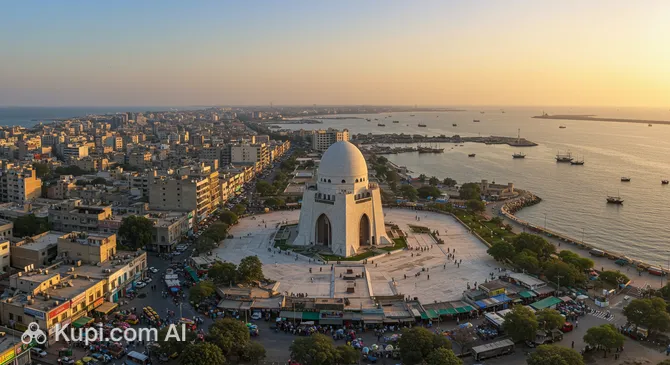
Karachi. Source: Kupi.Binoculars

The city has undergone a remarkable transformation over the centuries. Originally a small fishing village known as Kolachi, it has grown into a massive urban center. Visitors interested in how this settlement evolved into a global megacity can explore the fascinating history of Karachi, which details its colonial past and rapid modernization. Today, remnants of this heritage can still be seen in the colonial-era architecture scattered throughout the older districts.

Travelers will find plenty of unique attractions to explore. The iconic Mazar-e-Quaid, the mausoleum of the country's founder, is a stunning piece of white marble architecture and a symbol of the city. For a taste of the sea, Clifton Beach offers a popular retreat where locals and tourists alike enjoy camel rides and the ocean breeze. Additionally, the Mohatta Palace stands as a beautiful example of Indo-Saracenic architecture, now serving as a museum that showcases the region's artistic heritage.

Whether you are drawn by the promise of spicy street food, the allure of historical landmarks, or the dynamic pace of life, Karachi offers an unforgettable experience. It is a city that challenges and rewards its visitors, inviting everyone to discover its unique charm and resilience.
Weather Overview

The local climate is defined by its coastal location, offering hot summers and mild, pleasant winters. January is usually the coolest time of year, with average temperatures sitting at 18.5°C, while May and June see the heat rise significantly, with average highs reaching up to 34.8°C.

Rainfall is minimal for most of the year, but the city does experience a brief wet season. July and August are the dampest months, bringing about 10 to 11 wet days, though actual precipitation amounts remain low. To help pack appropriately, it is wise to consult the latest guide on the weather in Karachi. Generally, visitors can expect warm summers with occasional rain and mild, dry winters.

Interesting Facts

Beyond the main attractions, Karachi holds many fascinating secrets that reveal the depth of its character. This vibrant metropolis is not just a commercial hub but a city of unique ecological wonders and architectural marvels.
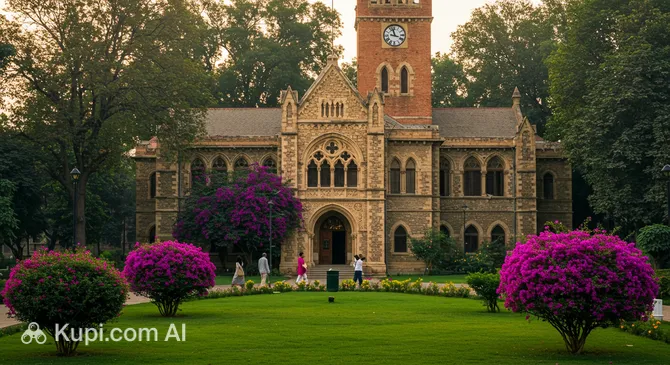
Frere Hall. Source: Kupi.Binoculars
  • The city's coastline is ecologically significant, particularly at Sandspit Beach and Hawke's Bay Beach. These shores serve as rare nesting grounds for endangered Green and Olive Ridley sea turtles, which come ashore during the winter months to lay their eggs.

  • Karachi is home to the Tooba Mosque, often cited as the largest single-dome mosque in the world. Constructed with pure white marble, the dome stands without any central pillars, and its design creates a whispering gallery effect where a sound made at one end travels clearly to the other.

  • The city is the birthplace and headquarters of the Edhi Foundation, which operates the world's largest volunteer ambulance organization. Founded by the humanitarian Abdul Sattar Edhi, this network is a testament to the immense philanthropic spirit that thrives within the local community.

  • Art lovers visiting Frere Hall will find a stunning masterpiece on its ceiling. The mural, titled Arz-o-Samawat (Earth and Heavens), was painted by the renowned Pakistani artist Sadequain and remains one of the most celebrated works of art in the country.

How to Get There

Reaching this vibrant metropolis is the first step of your adventure. As the country's largest city and commercial hub, it is well-connected to the rest of the world. For a detailed overview of all travel options, including road and rail connections, you can read more about how to get to Karachi on our dedicated page.

The primary gateway for most travelers is Jinnah International Airport (KHI). Located within Karachi itself, approximately 17 km from the city center, this is the busiest international airport in the nation, handling a large volume of passengers annually. It serves as a major hub for both domestic and international flights. A taxi ride from the airport to the downtown area typically takes about 45 minutes, though this can vary depending on traffic conditions.

For clarity, here is a summary of the main airports:

Airport Name City Passenger Traffic Km from City
Jinnah International Airport Karachi High 16.9

Main Attractions

While the city is famous for its bustling energy and coastal charm, it also boasts a variety of specialized museums and recreational areas that offer deep insights into the nation's history and culture. Beyond the well-known landmarks, visitors will find fascinating sites dedicated to the armed forces, ancient heritage, and the local love for seaside dining.

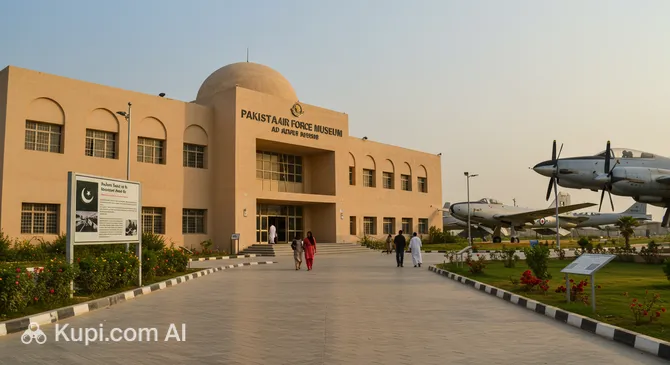
One of the most impressive sites is the Pakistan Air Force Museum. Located near the Karsaz Flyover, this expansive park and museum is a tribute to the country's aviation history. It features a vast collection of aircraft, radars, and weaponry displayed in lush green gardens. Tourists are often drawn to the archives gallery and the majestic aircraft parked outdoors, making it a perfect spot for families and aviation enthusiasts to spend an afternoon learning about the guardians of the sky.

Pakistan Air Force Museum. Source: Kupi.Binoculars

For those interested in naval history, the Pakistan Maritime Museum is another must-visit destination. Situated inside a naval park, the main building houses galleries that showcase maritime heritage, ancient navigation tools, and marine life. The highlight for many is the Daphne-class submarine, PNS Hangor, which is displayed on the grounds. The museum also features a scenic lake and an auditorium, offering a blend of education and leisure in a serene environment.

To delve deeper into the region's rich past, a trip to the National Museum of Pakistan is essential. Located in Burns Garden, this institution holds an extensive collection of artifacts ranging from the prehistoric Indus Valley Civilization to the colonial era. Visitors can admire ancient sculptures, coins, and rare manuscripts that narrate the diverse cultural journey of the region. It serves as a quiet sanctuary for history buffs amidst the city's chaotic pace.

Finally, no visit to this metropolis is complete without experiencing the culinary delight of Do Darya. Known as the "River of the Sea," this strip along the coastline is famous for its cluster of restaurants built on terraces right at the water's edge. It is incredibly popular for its vibrant nightlife and fresh seafood. Dining here offers a unique atmosphere where you can enjoy a cool sea breeze and the sound of waves crashing against the rocks while savoring traditional local cuisine.

Local Cuisine

Karachi is often hailed as the culinary capital of Pakistan, offering a gastronomic journey that is as chaotic and vibrant as the city itself. The local cuisine is a melting pot of flavors, heavily influenced by the diverse communities that call this metropolis home. From the spicy aromatic rice dishes of the Muhajirs to the hearty meats of the Pashtuns, the food scene here is legendary for its richness and variety.

No visit to the city is complete without trying Biryani, which locals will passionately argue is the best in the world. This spicy rice dish, often cooked with chicken or beef and distinctively including potatoes, is the heartbeat of the local food culture. Another must-try delicacy is Nihari, a slow-cooked stew of beef or lamb shank, traditionally enjoyed as a heavy breakfast or a late-night feast. For those who love grilled meats, the sizzling Seekh Kebabs and Chicken Karahi, cooked in a wok-like utensil with fresh tomatoes and green chilies, are absolute essentials.

Avari Towers Restaurant. Source: Kupi.Binoculars

Street food is an integral part of daily life here. You will find vendors on nearly every corner selling Bun Kebabs, the local version of a burger featuring a spicy lentil or meat patty, chutney, and onions served in a soft bun. It is a cheap, flavorful, and ubiquitous snack. The dining culture ranges from roadside stalls in bustling food streets like Burns Road to upscale establishments. For a taste of authentic local barbecue in a lively setting, visitors can head to Zameer Ansari Gulshan, which is renowned for its succulent meats and vibrant atmosphere.

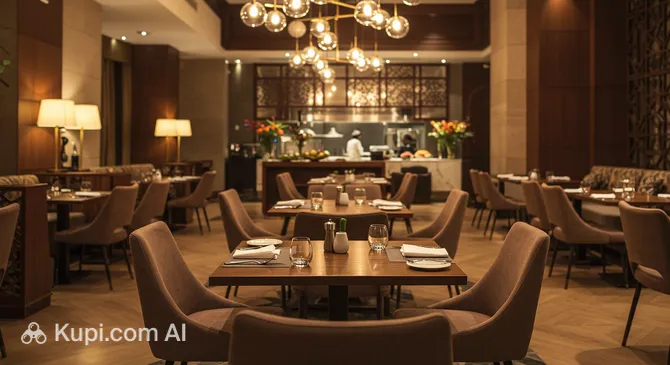
When it comes to beverages, Chai (tea) is the fuel that runs the city. You will see people sipping Doodh Patti (milk tea) at roadside dhabas until the early hours of the morning. Fresh fruit juices, particularly Sugarcane Juice (Ganne ka ras) and Lassi (a yogurt-based drink), are popular ways to beat the coastal heat. Regarding alcoholic drinks, they are not widely available in public due to local laws; however, international tourists can find them in licensed bars and lounges located within high-end hotels, such as the Avari Towers Restaurant, which offers fine dining alongside a selection of beverages for its guests.

The city's food scene is a 24/7 affair, with many eateries staying open late into the night. Whether you are dining at a high-end restaurant or sitting on a plastic chair by the roadside, the hospitality and bold flavors of Karachi are sure to leave a lasting impression on your palate.

Travel Tips

Visiting a metropolis as vast and energetic as Karachi can be a thrilling adventure, but it also requires a bit of preparation to navigate smoothly. To help you embrace the chaotic charm of the "City of Lights" with confidence, here are some practical tips to keep in mind.

  1. Clothing and Gear: Given the warm and humid coastal climate, lightweight and breathable fabrics like cotton or linen are your best bet. Pakistan is a conservative country, so it is respectful to dress modestly; both men and women should avoid shorts and sleeveless tops. Women should carry a dupatta or scarf, which is handy for covering the head when visiting religious sites. Comfortable, closed-toe walking shoes are essential for exploring the dusty streets.
  2. Transportation: While there are public buses and the new Green Line BRT, they can be crowded and confusing for first-time visitors. The most convenient and safe option for tourists is to use ride-hailing apps like Careem, Uber, or InDrive. They offer trackable rides and fixed prices. Auto-rickshaws are available for short distances and offer a fun local experience, but be prepared to haggle the fare before hopping in. Avoid renting a car to drive yourself due to the chaotic traffic.
  3. Finances: The local currency is the Pakistani Rupee (PKR). While credit cards are accepted in major shopping malls, high-end restaurants, and hotels, cash is king in local markets, bazaars, and for street food. ATMs are widely available, but it is safer to use those located within banks or shopping centers. Tipping is customary; leaving a small amount (around 5-10%) for waiters, porters, and drivers is appreciated.
  4. Health and Safety: Strictly avoid drinking tap water; always rely on sealed bottled water for drinking and brushing your teeth. Pharmacies are plentiful, and major hospitals like the Aga Khan University Hospital offer excellent care. Regarding safety, it is wise to stay vigilant, keep valuables hidden, and avoid using expensive smartphones openly on the street to prevent snatching. Stick to well-populated areas like Clifton and DHA, especially after dark.
  5. Communication: Urdu is the national language, but English is widely understood and spoken, especially in business and tourism circles. Learning a few basic Urdu phrases like "As-salamu alaykum" (Peace be upon you) for greetings and "Shukriya" (Thank you) goes a long way. You can easily purchase a SIM card from providers like Zong, Jazz, or Telenor at the airport or franchise centers; you will need your passport for registration.
  6. Local Etiquette: Pakistanis are incredibly hospitable. When greeting, a handshake is common among men, but wait for a woman to extend her hand first; otherwise, a polite nod is appropriate. Always use your right hand for eating, giving, or receiving items, as the left hand is considered unclean. If invited to a local home, remember to remove your shoes before entering.
  7. What to Avoid: Public displays of affection (PDA) are frowned upon and should be avoided. Distinct caution is needed regarding photography; do not take photos of military installations, government buildings, or airports, and always ask for permission before photographing locals, especially women.
  8. Ramadan Awareness: If you visit during the holy month of Ramadan, avoid eating, drinking, or smoking in public places during daylight hours out of respect for those fasting. Most restaurants will be closed during the day but come alive with festive "Sehri" and "Iftar" meals late at night and early morning.

By keeping these practicalities in mind, you will be well-equipped to dive into the vibrant life of Karachi. The city's warmth lies not just in its weather but in its people, so embrace the hustle, savor the flavors, and enjoy your journey through this dynamic port city.

Entertainment & Nightlife

Karachi transforms as the sun sets, shedding its chaotic business persona to reveal a vibrant and energetic nightlife that is uniquely its own. Unlike the clubbing culture found in many Western cities, evening entertainment here revolves around social dining, late-night drives, and bustling recreational areas. The city truly never sleeps, with markets, eateries, and lounges often staying open well past midnight, creating a lively atmosphere that welcomes families and groups of friends alike.

The heartbeat of the city's nightlife is concentrated in affluent neighborhoods like Clifton and DHA (Defence Housing Authority). Here, you will find a high density of upscale cafes, chic lounges, and sea-facing promenades. The cool evening breeze from the Arabian Sea makes these areas perfect for night walks. For a lively atmosphere, the strip along Boat Basin and the upscale "E-Street" in Clifton are popular for spotting luxury cars and well-dressed locals enjoying the night.

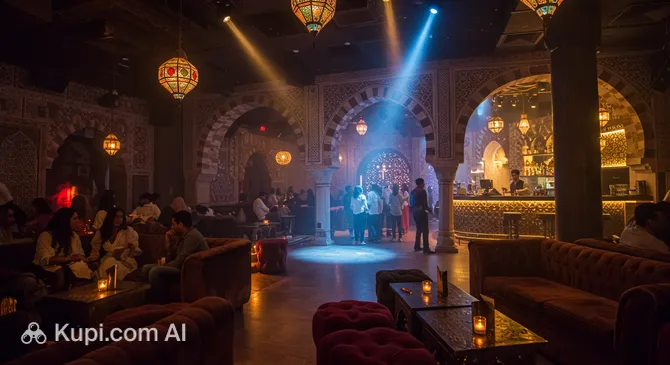
For those looking to experience the local lounge culture, Damascus Restaurant offers a vibrant setting. Often categorized among lively evening spots, it is a great place to soak in the bustling energy of the city while enjoying good food and company. Another popular hangout is the One Degree Centigrade Bar (Gulshan-e-Iqbal). Despite the name, venues like this in the city are typically trendy cafes or dessert lounges where the younger crowd gathers to socialize over mocktails, coffee, and sweet treats in a modern, stylish environment.

Damascus Restaurant. Source: Kupi.Binoculars

If you prefer active entertainment over dining, the city offers several amusement parks that come alive at night. Chunky Monkey Amusement Park in Clifton is a favorite for evening thrills. With its brightly lit rides and festive atmosphere, it sits right by the sea, allowing visitors to enjoy the cool ocean air while having fun. It is a fantastic spot for families or anyone looking to unleash their inner child after dark.

Practical Tips for Nightlife: The best time to head out is late; the city really wakes up around 10:00 PM. Dress codes are generally casual, though "smart casual" is better suited for high-end lounges in DHA. Prices vary, but you can expect to pay between 2,000 to 5,000 PKR per person at upscale venues. For safety, it is highly recommended to stick to well-lit, busy areas like Clifton and to use ride-hailing apps like Uber or Careem rather than hailing street taxis at night.

While the nights are electric, daytime in the metropolis offers its own set of diversions. Before the evening rush begins, tourists can explore family-friendly attractions such as Sindbad's Wonderland, a classic amusement park that has entertained generations. For a more relaxed afternoon, Hill Park provides panoramic views of the sprawling city, offering a peaceful retreat before you dive back into the energetic nightlife.

Parks & Museums

While Karachi is often defined by its fast-paced urban rhythm, the city is also home to surprising pockets of greenery and institutions that guard its rich cultural and intellectual heritage. For travelers looking to escape the concrete jungle or delve into the local history, there are several serene parks and specialized museums worth exploring.

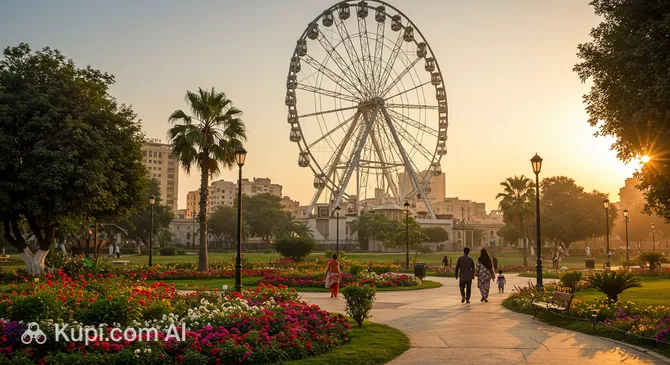
One of the most extensive green spaces in the city is Bagh Ibn-e-Qasim Park. Spanning over 130 acres near the coastline, this massive park is a testament to urban renewal, featuring beautiful stone benches, lighting towers, and hundreds of trees. It is a favorite spot for families to enjoy evening strolls while taking in the fresh sea breeze, offering a spacious retreat away from the city's congestion.

Bagh Ibn-e-Qasim Park. Source: Kupi.Binoculars

For a more intimate and meticulously maintained garden experience, Hilal Park in the Defence Housing Authority neighborhood is a hidden gem. Known for its lush flower beds and manicured walkways, it provides a tranquil environment perfect for reading or a quiet walk. Unlike the larger, busier public spaces, this park offers a sense of calm and order that is rare in such a bustling metropolis.

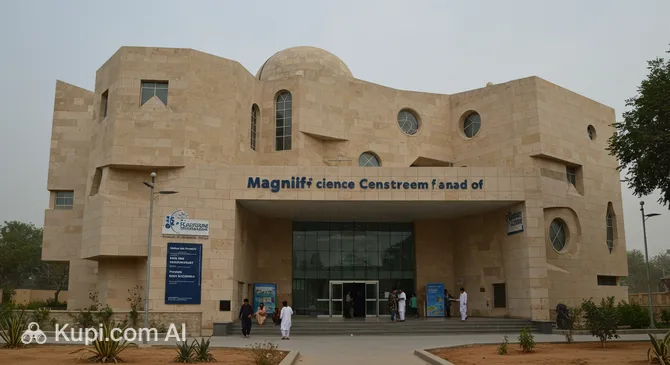
On the cultural front, the city boasts modern educational venues like the Magnifi Science Centre. This state-of-the-art facility is a fantastic destination for curious minds, featuring interactive exhibits that cover themes ranging from the human body to physics and the natural world. It represents the progressive side of the city, offering a hands-on learning experience that appeals to both children and adults.

Magnifi Science Centre. Source: Kupi.Binoculars

History and art enthusiasts should not miss the State Bank Museum & Art Gallery. Housed in a majestic colonial-era building, this museum offers a fascinating journey through the monetary history of the region, displaying ancient coins, stamps, and currency notes. Additionally, it houses an impressive art gallery featuring works by world-renowned Pakistani artists, including a magnificent mural by Sadequain.

As you navigate the city, you will likely encounter the iconic Three Swords Monument (Teen Talwar). Standing tall in the middle of a busy roundabout in Clifton, this white marble structure is inscribed with the motto of the nation's founder—Unity, Faith, and Discipline—and serves as a significant landmark and point of reference for locals.

For a truly authentic experience, try visiting these outdoor spaces just before sunset. This is when the heat subsides, and the parks fill with locals enjoying tea and conversation, giving you a genuine glimpse into the social fabric of Karachi life.

Getting Around

Navigating the sprawling metropolis of Karachi is an adventure in itself, offering a mix of modern transit solutions and chaotic, traditional modes of travel. The public transport landscape has improved significantly in recent years with the introduction of rapid transit systems, though the streets remain dominated by a variety of road-based options. For tourists, understanding the distinction between the new, regulated buses and the informal, colorful transport culture is key to getting around efficiently.

The most tourist-friendly option is the Green Line BRT (Bus Rapid Transit). Often functioning like a surface metro, this system features dedicated lanes, modern air-conditioned buses, and proper stations with elevators and escalators. It connects the northern parts of the city to the downtown area near the chaotic business district. Complementing this is the Peoples Bus Service, a fleet of red buses that covers a wider network of routes. These are safe, reliable, and comfortable, making them a preferred choice for visitors who want to avoid the heat and dust of the open road.

For a truly iconic local experience, you might encounter the privately owned minibuses and coaches, famous for their vibrant "Truck Art" decorations. These rolling canvases are adorned with intricate floral patterns, poetry, and bells. While they are a fascinating cultural spectacle and the cheapest way to travel, they are often overcrowded, lack air conditioning, and drive somewhat aggressively. They accept cash only, and fares are collected by a conductor who hangs out the door calling out destinations.

The payment system varies by mode of transport. For the Green Line BRT and the Peoples Bus Service, you can purchase a rechargeable smart card known as the Zu Card from ticket vending machines or counters at the stations. Single-ride tickets are also available. The Zu Card is convenient as it allows for tap-and-go travel without the hassle of carrying loose change. For all other forms of transport, including rickshaws and minibuses, cash is the only accepted method. Fares are generally very low, usually ranging from 50 to 100 PKR for bus rides.

Auto-rickshaws (three-wheelers) are ubiquitous and offer a flexible way to travel short to medium distances. They zip through traffic gaps that cars cannot manage. However, they do not have meters, so you must negotiate and agree on a fare with the driver before hopping in. It is helpful to ask a local or hotel staff for an approximate price for your destination beforehand to avoid being overcharged.

For those seeking comfort and safety without the hassle of bargaining, ride-hailing apps are the best alternative. Services like Careem, Uber, and InDrive are widely used and reliable. They offer air-conditioned cars and transparent pricing. A unique local feature in the ride-hailing market is Bykea, a motorbike taxi service. It is an incredibly popular, fast, and affordable way for solo travelers to beat the city's notorious traffic jams, provided you are comfortable riding on the back of a motorcycle.

Public transport generally operates from early morning, around 6:00 AM, until late at night, approximately 11:00 PM or midnight, though frequency drops significantly after dark. When using buses, look for the designated ladies' compartment at the front, which is reserved exclusively for women and children—a cultural norm that ensures a more comfortable journey for female travelers. While the historic tramway system is long gone, the vibrant energy of the city's streets remains a unique feature in its own right.

Accommodation

Where to Stay:

Accommodation in Karachi is as diverse as the city itself, catering to all budgets and preferences. Travelers can find everything from high-end luxury hotels and secure guest houses to budget-friendly inns and unique seaside rentals. Whether you are visiting for business or leisure, finding the right place to stay depends largely on the neighborhood that suits your itinerary.

For most international tourists, the neighborhoods of Clifton and DHA (Defence Housing Authority) are the most recommended areas. These districts are considered the safest and most upscale, offering easy access to major shopping malls, trendy restaurants, and the seafront. Staying here places you in the heart of the city's modern social scene. Conversely, the historic downtown area of Saddar offers cheaper accommodation and proximity to colonial-era landmarks and museums, though it is significantly more chaotic and crowded.

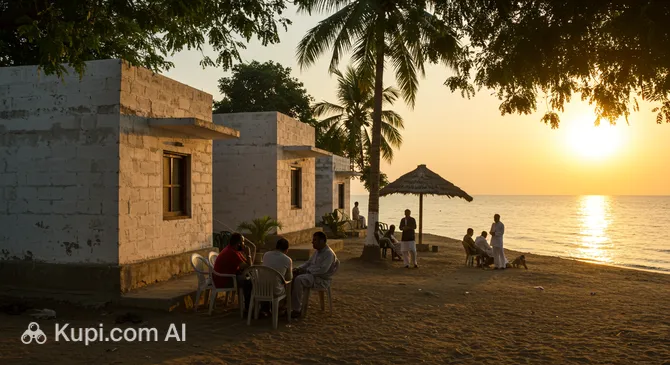
A unique aspect of the local accommodation culture is the popularity of beach huts and coastal resorts. Unlike typical beach destinations with rows of high-rise hotels, the coastline here is dotted with private rental huts and low-rise resorts. For a relaxing stay by the Arabian Sea, the Hawksbay Beach Resort is a notable option, offering visitors a chance to wake up to the sound of waves away from the city's noise.

Hawksbay Beach Resort. Source: Kupi.Binoculars

Another distinctive experience is renting a private facility along the coast, such as the Turtle Beach Hut TB-2. These rentals are perfect for groups or families looking for a private day-trip base or an overnight seaside picnic, which is a favorite pastime for locals.

Booking Tips and Prices:
Standard hotel prices range from budget (3,000–6,000 PKR) to luxury (25,000+ PKR) per night. While city hotels can be booked easily via major online platforms, beach huts often require direct booking through local agents or social media pages. A crucial tip for beach stays is to book weeks or even months in advance, especially for weekends and holidays, as the demand for these seaside retreats is incredibly high.

Nearby Cities

For those looking to explore the surroundings, Karachi serves as an excellent base for day trips to several interesting nearby locations:

One of the most culturally rich destinations within reach is Hyderabad. Located roughly 150 kilometers away, this historic city was once the capital of Sindh and offers a glimpse into the region's past through landmarks like the Pacco Qillo fort and the tombs of the Talpur Mirs. It is also a haven for food lovers, famous for its traditional Rabri (a sweet condensed milk dessert) and the legendary cakes from Bombay Bakery, which are a must-try for any visitor.

Just across the Indus River from Hyderabad lies Kotri, a significant industrial town. While less tourist-centric than its neighbor, it is renowned for the Kotri Barrage. This massive irrigation structure is a marvel of engineering and provides a scenic vantage point to witness the grandeur of the Indus River, particularly during the high-tide season.

City Population Distance (km)
Hyderabad 1,732,693 149
Larkana 490,508 322
Shah Latif Town 335,823 27
Nawabshah 263,102 208
Kotri 259,358 139

These nearby destinations offer a glimpse into the diverse culture and landscapes of the region.

Shopping & Souvenirs

Shopping:

Karachi is undeniably the commercial capital of Pakistan, offering a shopping experience that is as diverse and energetic as the city itself. From gleaming, modern mega-malls to chaotic, centuries-old bazaars, the city caters to every taste and budget. It is a place where high-end international brands coexist with vibrant street markets, making it a paradise for those who love to browse, bargain, and buy. Whether you are looking for traditional handicrafts, latest fashion trends, or electronic goods, this metropolis has it all.

For a modern retail experience, the city boasts some of the largest shopping complexes in the region. Dolmen Mall Clifton is a premier destination located right along the coastline. It is popular not just for its extensive range of local and international brands but also for its safe, upscale environment and food court that offers views of the Arabian Sea. Another giant on the retail scene is the LuckyOne Mall, which is among the largest malls in South Asia. It features an indoor theme park, a hypermarket, and hundreds of stores, effectively serving as a city within a city.

Dolmen Mall Clifton. Source: Kupi.Binoculars

However, the true soul of local shopping lies in its traditional markets and bustling streets. Tariq Road is perhaps the most famous shopping street, renowned for its endless rows of boutiques selling bridal wear, shoes, and jewelry. It is the go-to place for Eastern fashion. Another essential stop is Zainab Market in the Saddar area. This labyrinth of small shops is legendary among locals and tourists alike for finding export-quality leather jackets, denim, and handicrafts at a fraction of the price found elsewhere, provided you are willing to haggle.

For a glimpse into the city's colonial past and daily life, a visit to Empress Market is a must. Housed in a majestic British-era building, this market is the hub for spices, dry fruits, tea, and fresh produce. The aroma of freshly ground spices and the vibrant colors of the stalls create a sensory experience that is hard to forget. It is an excellent place to buy authentic local ingredients to take home.

When it comes to souvenirs, visitors are spoilt for choice. The most iconic items to buy are the Ajrak (a traditional block-printed shawl) and the Sindhi Topi (an embroidered cap), which represent the cultural heritage of the Sindh province. Leather goods, including bags and wallets, are also of high quality and great value. Additionally, look out for onyx handicrafts and "Hala" blue pottery, which make for beautiful and fragile keepsakes.

Store hours in Karachi typically start late. Most markets and standalone shops do not open fully until 11:00 AM or 12:00 PM, but they stay open late into the night, often until 10:00 PM or 11:00 PM. Malls usually operate from 11:00 AM to 11:00 PM. On Fridays, many smaller shops may close for a break between 1:00 PM and 3:00 PM for prayers.

Regarding payments, cash is king in street markets and bazaars; vendors generally do not accept cards, so carry plenty of small denominations. In contrast, shopping malls, supermarkets, and high-end boutiques widely accept credit and debit cards. Tax-free shopping refunds are not a standard facility for tourists in Pakistan, so the price you see (or the price you negotiate) is generally the final amount you pay.

Reached the end of the page?

That means the route is fully explored