Support

Chabahar

About

Chabahar is a captivating port city situated in the far southeast of Iran. As the country's only oceanic port, it serves as a vital gateway to the Indian Ocean and offers a unique blend of strategic significance and breathtaking natural beauty. Located in the Sistan and Baluchestan Province, this destination is celebrated for its distinctive atmosphere, where the vast desert landscape meets the sea in dramatic fashion.
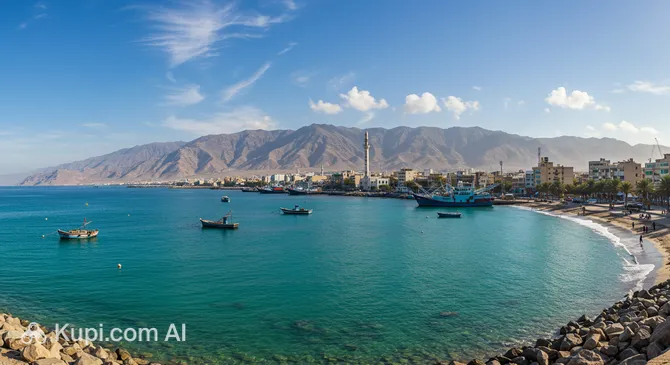
Chabahar. Source: Kupi.Binoculars

The city's name is widely believed to be derived from the Persian words "Chahar" and "Bahar," translating to "Four Springs." This moniker perfectly describes the region's remarkably mild and pleasant climate, which feels like spring all year round. With a population of approximately 283,000 residents, the city maintains a welcoming and lively vibe. Visitors are often struck by the stunning contrast between the rugged inland terrain and the pristine coastline of the Gulf of Oman.

Nature enthusiasts will find plenty to admire in this region. The surreal Martian Mountains (also known as the Miniature Mountains) offer an otherworldly landscape that resembles scenes from a science fiction movie, while the Lipar Pink Wetland fascinates guests with its unusual strawberry-hued waters. For those wishing to understand the deeper cultural roots of the area, exploring the history of Chabahar reveals a rich tapestry of maritime heritage and local traditions that have shaped the city over centuries.

If you are seeking an off-the-beaten-path destination with unique geological formations and "eternal spring" weather, Chabahar is an excellent choice. It promises an unforgettable adventure for travelers looking to experience a truly unique side of the region.
Weather Overview

True to its reputation as the land of "Four Springs," the city enjoys a relatively moderate climate compared to many other parts of the region, though visitors should still be prepared for distinct seasonal variations. To help plan your activities and packing list, it is helpful to review the current weather in Chabahar before your trip. Generally, the area experiences hot summers and mild, pleasant winters with very little rainfall throughout the year.

During the cooler months of December and January, average temperatures sit comfortably around 20°C to 22°C, with lows rarely dropping below 15°C, offering ideal conditions for outdoor exploration. In contrast, the summer season from May to September sees temperatures climb significantly, with averages exceeding 30°C and daily highs reaching up to 38°C. Precipitation is incredibly scarce; most months record nearly 0mm of rain, ensuring that sunny, clear skies are the norm for the vast majority of the year.

Interesting Facts

Beyond the renowned Martian Mountains and the pink waters of Lipar, Chabahar holds many fascinating secrets waiting to be discovered. This coastal gem is home to rare geological phenomena and unique wildlife that set it apart from the rest of the country.

  • Cold Mud Volcanoes: One of the region's most bizarre natural wonders is the "Gel-Afshan" phenomenon. Located nearby, these geological formations are mud volcanoes that erupt cold, grey mud instead of hot lava. The bubbling mud builds up into small hills, creating a lunar-like landscape that fascinates geologists and tourists alike.

  • Where Desert Meets Sea: A short drive from the city lies Darak Village, a rare location where vast, golden desert sand dunes flow directly into the deep blue ocean. It is one of the few places in the world where you can stand with one foot in the desert and the other in the sea, offering a surreal visual contrast.

  • Sanctuary for Crocodiles: The region is the exclusive habitat in the country for the Mugger Crocodile, locally known as the "Gando." These short-snouted reptiles are considered sacred by many locals, who believe their presence ensures water in the arid climate, and they can be observed in the protected Bahu Kalat area.

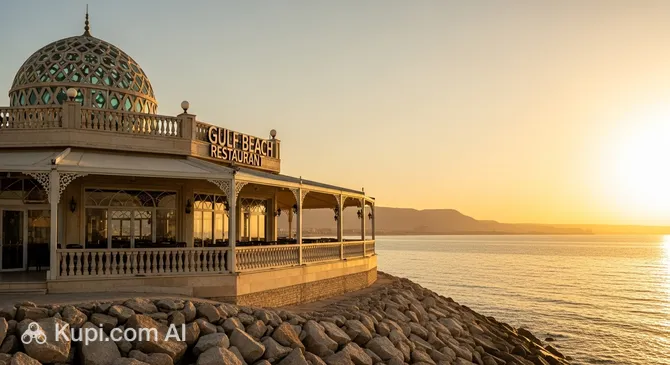
  • Spicy Coastal Cuisine: Unlike the mild herbal profiles of typical Persian food, Chabahar's cuisine is heavily influenced by Indian and Pakistani flavors. The dishes are famously spicy and aromatic, with fresh seafood taking center stage at local favorites like the Gulf Beach Restaurant.

Gulf Beach Restaurant. Source: Kupi.Binoculars

How to Get There

Reaching this strategic port city is part of the adventure, with air travel being the most convenient method for the majority of visitors. While the region is remote, it is well-connected to major Iranian hubs. For a complete overview of all transport options and detailed routes, you can read more about how to get to Chabahar on our dedicated page.

The city of Chabahar does not have its own airport directly within the city limits; instead, it is served by Chah-Bahar Airport (ZBR), which is located in the neighboring city of Konarak. This facility acts as the main gateway for the region, situated approximately 31.7 km from Chabahar. The journey from the airport to the city center typically takes about 70 minutes by taxi or shuttle. With an annual passenger traffic of over 200,000 people, it is a regionally significant hub connecting the area to Tehran and other major cities.

Another airport geographically relatively close is Gwadar Airport (GWD), located in the city of Gwadar. It is situated about 169.3 km from Chabahar. The travel time from this location by road would be approximately 4 hours and 30 minutes. However, travelers should be aware that this airport is located across the border, which may involve additional travel logistics compared to domestic flights.

For clarity, here is a summary of the main airports:

Airport Name City Passenger Traffic Km from City
Chah-Bahar Airport Konarak Medium 31.7
Gwadar Airport Gwadar Small 169.3

Currently, there is no direct railway station serving Chabahar, as the rail network connecting the port to the rest of the country is still under development. Visitors preferring ground transport typically rely on long-distance buses or private cars from major cities like Zahedan or Bandar Abbas. The road trips offer scenic views of the unique southeastern landscapes, though travel times can be significant due to the vast distances involved.

Main Attractions

Chabahar is a destination defined by its surreal landscapes and coastal charm, offering travelers a chance to explore sights that feel almost otherworldly. From geological wonders to historical remnants, the city and its surroundings provide a diverse itinerary for nature lovers and history enthusiasts alike.

Martian Mountains (Miniature Mountains) are arguably the most famous attraction in the region. Located along the coast, these badlands feature jagged, undulating peaks carved by centuries of wind and rain erosion. The landscape is devoid of vegetation and painted in shades of grey and white, creating a striking resemblance to the surface of Mars. It is a photographer's paradise and a must-visit spot for anyone traveling through the province.

Another natural marvel is the Lipar Pink Wetland, situated in a valley near the village of Ramin. The water here takes on a distinct strawberry-pink hue due to the presence of specific plankton and tidal activities. This seasonal phenomenon is set against a backdrop of green vegetation and nearby mountains, offering a vibrant splash of color that contrasts beautifully with the arid surroundings.

For those interested in the region's past, the Tis Fortress (also known as the Portuguese Castle) sits atop a hill overlooking the sea. This historical site dates back to the era of Portuguese colonial influence in the Persian Gulf and the Gulf of Oman. Although much of it is in ruins today, the fortress provides panoramic views of the coastline and offers a glimpse into the strategic maritime history of Chabahar.

After a day of exploring the rugged terrain, visitors can enjoy the local culinary scene. The Gulf Beach Restaurant is a popular choice, known for its relaxing atmosphere and excellent seafood. It serves as a great spot to unwind and sample the spicy, aromatic flavors that characterize the cuisine of southern Iran while enjoying views of the coast.

Local Cuisine

The culinary landscape of Chabahar is a delightful departure from the standard Persian fare found elsewhere in Iran. Influenced heavily by its proximity to Pakistan and India, as well as its maritime geography, the local food is known for its rich spices, heat, and abundance of fresh seafood. This region offers a unique "Baluchi" gastronomy where fiery curries and aromatic rice dishes take center stage, often replacing the milder herbal stews typical of the north.

Seafood lovers will be in paradise here, as the daily catch from the Indian Ocean guarantees the freshest ingredients. A must-try dish is Karahi Meigu (Shrimp Karahi), a spicy stew cooked with onions, tomatoes, and a special masala blend, often served in the metal wok-like dish it was cooked in. Another local specialty is Tabahag, a traditional dish made from salted, dried meat that is fried and served with rice, offering a distinct savory flavor that has sustained locals through the desert heat for generations.

When it comes to beverages, the culture here is defined by tea. Chai is consumed throughout the day, but the local favorite is Dudpati, a rich, milky tea similar to the chai found in the Indian subcontinent. Given the tropical climate, you will also find an array of fresh fruit juices, with mango and banana being particularly popular. It is important to remember that alcohol is strictly prohibited in Iran, so you will not find alcoholic drinks in restaurants or shops; instead, meals are accompanied by water, yogurt drinks (Doogh), or tea.

The dining experience in Chabahar ranges from bustling street food stalls selling Pakura (spicy fritters) to relaxed coastal eateries. For a sit-down meal with a view, many tourists and locals head to the Gulf Beach Restaurant. It is a fantastic place to immerse yourself in the local food culture, offering a menu that highlights the region's famous spicy seafood while allowing you to enjoy the soothing sounds of the waves.

Travel Tips

Visiting Chabahar offers a unique glimpse into the coastal beauty of Baluchestan, but it requires some specific preparation compared to other global destinations. To help you navigate the local customs and logistics smoothly, here are some essential practical tips for your journey.

  1. Clothing and Gear: Since the weather is mild and spring-like year-round, pack lightweight, breathable fabrics like cotton or linen. However, you must adhere to the local dress code: women are required to wear a headscarf and loose-fitting clothes that cover the body, while men should wear long trousers rather than shorts. Comfortable hiking shoes are a must if you plan to explore the rocky terrain of the Martian Mountains.

  2. Transportation: There is no metro system in the city, and public buses can be infrequent for tourists. The most convenient way to get around is by using yellow taxis or hiring a private car with a driver, especially for day trips to outlying attractions like the pink lake. Arranging transport through your hotel is often the most reliable method to ensure fair pricing and safety.

  3. Finances: The local currency is the Iranian Rial (IRR). It is critical to remember that international credit and debit cards (such as Visa or Mastercard) do not work here due to banking disconnections. You must bring sufficient cash (USD or EUR) for your entire trip and exchange it at official exchange offices (known as Sarafi). Cash is the primary mode of payment for almost everything.

  4. Health and Safety: Pharmacies are available in the city center for basic needs, but carrying a personal supply of specific prescription medication is wise. While tap water is treated, tourists are strongly advised to drink bottled water to avoid any digestive issues. The city is generally safe, but it is best to avoid isolated areas after dark and always keep your identification documents with you.

  5. Communication: The official language is Persian (Farsi), though the local Baluchi dialect is widely spoken. English proficiency is limited outside of major hotels, so learning a few basic Persian phrases or having an offline translation app is very helpful. Purchasing a local SIM card (such as Irancell or MCI) upon arrival is highly recommended for reliable internet access and navigation.

  6. Local Etiquette: The people of Sistan and Baluchestan are known for their incredible hospitality. When greeting someone of the opposite gender, wait to see if they extend their hand; usually, a polite nod with a hand over the heart is the standard respectful greeting. If invited into a local home or a mosque, always remember to remove your shoes before entering.

  7. What to Avoid: Public displays of affection, such as kissing or hugging, are culturally frowned upon and should be avoided to respect local norms. Additionally, refrain from taking photographs of people, especially local women, without asking for their explicit permission first, as privacy is highly valued.

  8. Shopping Insight: While the Free Trade Zone area has modern malls, the real cultural treasures are found in the traditional bazaars. Look for Suzan-doozi (needlework), a famous and colorful local handicraft created by Baluchi women, which makes for a beautiful and authentic souvenir.

By keeping these practical points in mind, you can focus on the stunning landscapes and warm hospitality that define this coastal city. A little preparation goes a long way in ensuring your adventure in Chabahar is both respectful and completely stress-free.

Entertainment & Nightlife

Nightlife in Chabahar offers a distinct and culturally immersive experience that differs significantly from the typical Western concept of partying. Due to national regulations in Iran, you will not find nightclubs, dance bars, or establishments serving alcohol. Instead, the city's evening energy is channeled into social dining, vibrant tea culture, and late-night gatherings in public spaces. The atmosphere is relaxed and family-oriented, with locals staying out late to enjoy the cooler air after the heat of the day subsides.

One of the most popular districts for evening activities is the Chabahar Free Trade Zone. This modern area is home to several shopping malls and commercial complexes that remain bustling well into the night. It is a hub for shoppers and foodies alike, where you can browse for goods or sit in a cafe. For a more traditional vibe, the Old Bazaar offers a lively sensory experience with its narrow lanes, aromatic spices, and colorful handicrafts, making it a perfect spot for an evening stroll.

Dining is the cornerstone of entertainment here. The Gulf Beach Restaurant is a prime example of the local nightlife style, where guests gather to enjoy fresh seafood and the sound of the ocean waves in a laid-back setting. Another key venue for night owls is Darya Bozorg Park (Big Sea Park). This coastal promenade is a favorite meeting point where families and friends set up picnics, enjoy grilled corn from street vendors, and watch the waves crash against the rocky cliffs under the moonlight.

Practically speaking, the city comes alive after 8:00 PM, and many shops and eateries stay open until midnight or later. The dress code remains conservative at night, consistent with daytime norms. While the main tourist areas and coastal boulevards are generally safe for walking, it is advisable to use taxis for travel between districts, especially late at night. Taxis are affordable and can be easily flagged down or arranged by your hotel.

While the focus is heavily on evening relaxation, daytime entertainment in the city is more limited to nature and sightseeing. Visitors can explore local museums or enjoy water activities near the coast before the sun goes down. However, it is the charm of the "Four Springs" nights—sipping hot tea by the sea and mingling with the hospitable locals—that truly defines the entertainment landscape of Chabahar.

Parks & Museums

While Chabahar is primarily renowned for its dramatic geological formations and pristine coastline, the city also offers serene green spaces and cultural venues that provide a deeper understanding of the region's heritage. Visitors can explore coastal parks that highlight the power of the ocean or visit historical sites that narrate the story of this ancient trade hub.

Darya Bozorg Park (Big Sea Park) is the city's most prominent coastal recreational area. Unlike the sandy beaches found elsewhere, this park features a rugged, rocky shoreline where the waves of the Gulf of Oman crash with spectacular force, sometimes reaching heights of several meters. It is an excellent location for a scenic walk, offering paved paths and viewing platforms that allow tourists to safely admire the raw power of the ocean while enjoying the fresh sea breeze.

For those interested in flora, the Chabahar Botanical Garden serves as a sanctuary for tropical plants that thrive in the region's unique climate. This research garden showcases a variety of exotic trees and fruits that are rare in other parts of the country, such as chikoo, papaya, and guava. It provides a lush, green contrast to the surrounding desert landscapes and offers a quiet retreat for nature lovers.

To delve into the local history and culture, the Chabahar Local Museum is a must-visit. Housed in a historic building that dates back to the Qajar era—formerly used as the telegraph office—the museum focuses on the anthropology of the Sistan and Baluchestan province. The exhibits display traditional Baluchi clothing, pottery, agricultural tools, and scenes depicting the daily life of the local people, offering valuable insight into the region's distinct identity.

The nearby village of Tis, often considered part of the greater Chabahar tourism circuit, is rich in historical architecture. The Great Mosque of Tis (Masjed-e Jameh) is one of the oldest mosques in the country, distinguished by its unique architecture that reflects heavy influences from India and Pakistan rather than typical Persian styles. Additionally, the Banmasity Caves, a set of triple caves carved into the mountain, offer a glimpse into ancient rituals and shelters used by early inhabitants.

For a truly authentic experience, take the time to explore the historic architecture of the old telegraph building itself while visiting the museum. Its stone structure and colonial-style features stand as a testament to Chabahar's long-standing importance as a communication and trade link between East and West.

Getting Around

Navigating Chabahar requires a slightly different approach compared to major metropolitan hubs, as the public transport infrastructure is relatively simple. The city does not have a metro, tram, or train system within its urban limits. While there is a network of public buses, they are primarily designed for local residents, often lacking English signage or clear route maps. Consequently, for most international visitors, the bus system can be challenging to navigate and is generally not the most efficient way to explore the city.

The most popular and practical mode of transport for tourists is the taxi system. Taxis in the city generally fall into two categories: shared and private. Shared taxis, often referred to locally as "Savari," drive along fixed routes and pick up multiple passengers. They are an extremely affordable way to get around the city center, though you may need to wait for the car to fill up. Private taxis, or "Darbast" (literally meaning "closed door"), are dedicated to you and will take you directly to your destination. These are more comfortable and faster but come at a higher price point.

Regarding payment, the system operates almost exclusively on cash. There are no electronic travel passes or tap-on cards for tourists to use on public transport here. You must pay the driver directly in Iranian Rials (IRR). It is crucial to carry small denominations of cash, as drivers may not always have change for large bills. Since international credit and debit cards do not work in the local banking system, ensuring you have enough local currency on hand before starting your journey is the most important travel tip for getting around.

Ride-hailing apps have become increasingly popular across the country, and services like Snapp (the local equivalent of Uber) are widely used. You can download the app to book rides, see the estimated fare in advance, and avoid the need to negotiate prices. However, availability can sometimes vary depending on the specific location and time of day. If you cannot find a ride through an app, traditional yellow taxis are readily available, and your hotel reception can easily call one for you.

For visiting the major attractions located outside the city limits, such as the Martian Mountains or the Pink Lake, standard city transport is not suitable. In these cases, the best alternative is to hire a private car with a driver for the day. This is a common practice for tourists in the region; drivers often act as informal guides and allow you to explore the scattered geological wonders at your own pace, providing a level of convenience that public transport cannot match.

Accommodation

Accommodation in Chabahar caters to a mix of business travelers and tourists, offering a range of options from simple guesthouses to modern hotels. While you will not find ultra-luxury international hotel chains here, the city provides comfortable 3-star and 4-star establishments, as well as eco-lodges for those seeking a more traditional experience. The overall standard is decent, focusing on hospitality and basic amenities rather than opulence.

When choosing a location, most visitors prefer staying in the Chabahar Free Trade Zone. This modern district is well-organized and houses the city's higher-end hotels, shopping malls, and recreational facilities, making it a convenient base for travelers. Alternatively, staying in the city center offers closer proximity to the traditional bazaars and the daily life of the locals, though the accommodation options there tend to be older and more basic.

For those planning a trip, especially during the peak travel season in winter or during local festivals like the "Monsoon" season, it is highly recommended to book your accommodation well in advance. Hotels can fill up quickly due to the limited number of high-quality rooms. Since major international booking platforms often do not list Iranian properties, reservations are typically made through local travel agencies or by contacting the hotels directly.

Price ranges in Chabahar are generally affordable for international tourists. Budget travelers can find economical guesthouses, while the top-tier hotels in the Free Trade Zone fall into a mid-range price category by global standards. It is important to remember that payment is almost exclusively in cash (Iranian Rials), so ensure you have exchanged enough money upon arrival to cover your stay.

Nearby Cities

For those looking to explore the surroundings, Chabahar serves as an excellent base for day trips to several interesting nearby locations. While the distances in the vast Sistan and Baluchestan Province can be substantial, the unique historical and cultural sites in the vicinity are well worth the journey for a short visit or an extended road trip.

Iranshahr is one of the most accessible destinations from the coast, located inland. It is historically significant and home to the impressive Naseri Fort, a Qajar-era fortress that stands as a testament to the region's architectural heritage. Visitors can also explore the traditional pottery workshops in the nearby village of Kalporagan, which is often associated with the cultural sphere of Iranshahr and offers a unique insight into ancient craftsmanship that has remained unchanged for thousands of years.

Further afield lies the city of Bam, a destination that needs little introduction for history enthusiasts. Although it requires a longer travel time, it is famous for the Arg-e Bam, the largest adobe structure in the world and a UNESCO World Heritage site. This ancient citadel offers a breathtaking glimpse into pre-Islamic Persian architecture and is a must-see for anyone traveling through southeastern Iran.

Another notable stop is the provincial capital, Zahedan. Known for its distinct cultural blend and the magnificent Makki Grand Mosque, which features stunning Sunni-style architecture with soaring minarets, the city provides a lively contrast to the quiet coastal atmosphere of Chabahar.

City Population Distance (km)
Zahedan 587,730 466
Jiroft 130,429 473
Bam 127,396 479
Iranshahr 113,750 212
Saravan 60,114 285

These nearby destinations offer a glimpse into the diverse culture and landscapes of the region, ranging from desert fortresses to bustling cultural capitals.

Shopping & Souvenirs

Shopping in Chabahar offers a fascinating mix of modern commercial opportunities and traditional cultural experiences. As a strategic Free Trade Zone, the city attracts visitors looking for imported goods at competitive prices, while its historic markets provide a colorful glimpse into the artistic heritage of the Baluchi people. Whether you are searching for the latest electronics or authentic local handicrafts, the city caters to a wide range of interests.

For those interested in modern retail, the Chabahar Free Trade Zone (CFZ) is the primary destination. This area is home to several large shopping malls, such as the Pardis, Sadaf, and Salehiyar complexes. These multi-story centers are popular for selling a variety of international products, including home appliances, cosmetics, clothing, and electronics. Due to the special customs regulations in this zone, many items are available at more affordable rates compared to other parts of Iran, making it a hotspot for domestic travelers stocking up on household goods.

In stark contrast to the modern malls, the Old Bazaar (Bazaar-e Senati) offers a truly authentic atmosphere. Located in the heart of the city, this traditional market is a sensory delight, filled with the aroma of exotic spices and the vibrant colors of fabrics. It is the best place to mingle with locals and observe the daily rhythm of life in the province. Here, you can find everything from fresh produce and dates to traditional clothing and gold jewelry, all sold in a bustling, lively environment.

When it comes to souvenirs, the region is famous for its exquisite handicrafts. The most renowned item to buy is Suzan-doozi (needlework), a highly detailed form of embroidery created by local Baluchi women. These colorful, geometric patterns adorn dresses, cuffs, and accessories, serving as a beautiful representation of the local culture. Additionally, due to the city's proximity to Pakistan and India, visitors can find high-quality spices, particularly special blends for seafood and curries, which make for excellent culinary gifts.

Practical considerations for shoppers include payment methods and bargaining. While the modern malls in the Free Trade Zone generally have fixed prices, bargaining is expected and welcomed in the traditional bazaars. It is important to carry sufficient cash (Iranian Rials), as international credit cards are not accepted, and smaller vendors in the market may not always have card readers for local banks. Most shops open around 9:00 AM, close for a midday break during the hottest hours, and reopen in the evening, staying busy until late at night.

Nearby cities

Reached the end of the page?

That means the route is fully explored