Support

Zahedan

About

Discover the unique charm of Zahedan, the vibrant capital of the Sistan and Baluchestan Province. Situated in the southeastern part of the country, this city serves as a significant cultural and economic hub, bridging the gap between South Asia and the Middle East. With a population of over 580,000 residents, Zahedan offers a distinct atmosphere that differs from many other Iranian cities, characterized by its diverse ethnic tapestry and warm hospitality.

Geographically, the city is located near the borders of Pakistan and Afghanistan, which has influenced its local culture and trade. When you visit Iran, you will find that Zahedan features a hot desert climate, with very hot summers and cool winters, making the cooler months the ideal time for exploration. The city sits at an elevation of roughly 1,350 meters above sea level, surrounded by rugged landscapes and mountains.
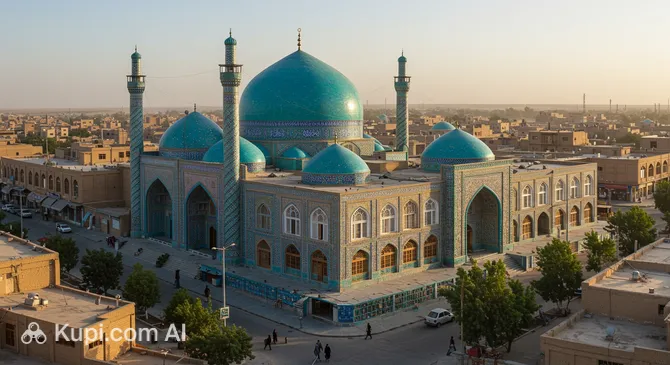
Zahedan. Source: Kupi.Binoculars

Although it is a relatively modern metropolis compared to some of the country's ancient settlements, the history of Zahedan is deeply rooted in its strategic position on major trade routes. Today, it stands as a testament to the region's development during the 20th century. One of the city's most iconic landmarks is the Great Makki Mosque, renowned for its stunning architecture and status as the largest Sunni mosque in the country. Its magnificent white domes and towering minarets are a sight to behold for any architecture enthusiast.

Travelers are also drawn to the bustling Rasouli Bazaar, where the air is filled with the aroma of exotic spices and the vibrant colors of traditional fabrics. It is the perfect place to shop for local handicrafts, Balochi embroidery, and souvenirs. For those interested in local heritage, the Museum of Anthropology provides fascinating insights into the lifestyle and traditions of the people in this region. Whether you are passing through or planning a dedicated stop, Zahedan invites you to experience a side of the country that is both authentic and unforgettable.

Weather Overview

The climate in this region is characterized by significant seasonal contrasts, featuring hot, arid summers and cool winters. During the peak summer months, particularly in July, the average temperature rises to approximately 29.9°C, with daytime highs frequently reaching 36.3°C. This period is exceptionally dry, as months like June, July, and August typically record zero days of precipitation.

In contrast, the winter season brings much cooler conditions. January is generally the coldest month, with an average temperature of 7.7°C and nighttime lows dipping to around 1.6°C. Rainfall is minimal year-round, with even the "wetter" months like January and April seeing only about 4 wet days. Travelers should check the detailed weather in Zahedan to pack appropriately, as you can expect sweltering heat in the summer and crisp, dry air during the winter.

Interesting Facts

Beyond the main attractions, Zahedan holds many fascinating secrets that reveal its role as a true cultural crossroads. The city's unique position near the eastern borders has cultivated a history and character quite distinct from other parts of Iran.
  • A Curious Name Origin: Before the 1920s, the city was known as "Dozdab," which literally translates to "Water Thieves." Local lore suggests this name came from the sandy soil's tendency to rapidly absorb or "steal" any surface water and rain. It was later renamed Zahedan, meaning "City of the Pious," to project a more dignified image.

  • A Rare Railway Junction: For engineering enthusiasts, this city marks a significant global transit point. It is one of the few places where the Iranian standard gauge railway network meets the broad gauge tracks used in the Indian subcontinent. This "break of gauge" highlights the city's physical role as a bridge between the Middle East and South Asia.

  • Unexpected Religious Diversity: Reflecting its deep trade connections with the east, Zahedan is home to a historic Sikh community. The city houses a functioning Gurdwara, which serves as a spiritual center for the local Sikh population, a feature not commonly found in most other Iranian cities.

  • The Energy Snack "Lando": The region offers a unique culinary treat known as Lando. This traditional sweet is made by combining pitted dates with roasted wheat and sesame seeds. It is a staple of local hospitality in the Sistan and Baluchestan province, often served to guests as a warm welcome.

How to Get There

Reaching the capital of the Sistan and Baluchestan Province is an adventure that connects you to the southeastern edge of the country. While the journey can be long depending on your starting point, the city is well-integrated into the national transport network. You can find detailed information on all ways to reach the city on our dedicated page, but for most travelers, air travel remains the most time-efficient option.

The primary gateway for visitors is Zahedan Airport (ZAH). This international airport serves as a vital link for the region, handling flights from major cities such as Tehran and Mashhad. It is conveniently located within Zahedan itself, situated just 4.4 km from the city center. Due to this close proximity, the transfer to your accommodation is quick; a journey by taxi or car typically takes about 10 to 15 minutes. The airport sees a moderate volume of passengers annually, reflecting its status as a key regional hub.

For clarity, here is a summary of the main airport:

Airport Name City Passenger Traffic Km from City
Zahedan AirportZahedanMedium4.4

Beyond air travel, the city is a significant node for overland transport. Zahedan is famous for being the terminus of the railway line from Tehran and the connecting point for the line extending into Pakistan, making it a unique destination for railway enthusiasts. Regular bus services also operate from various provinces, offering a more economical way to traverse the vast desert landscapes leading to the city.

Main Attractions

While Zahedan is often viewed as a transit hub, the city holds several captivating landmarks that reflect its unique position at the crossroads of cultures. Visitors will find a fascinating blend of religious architecture, bustling traditional markets, and museums that offer a deep dive into the heritage of Sistan and Baluchestan. The attractions here are distinct from the rest of the country, heavily influenced by the neighboring regions and the local Baluchi traditions.

The most iconic symbol of the city is undoubtedly the Great Makki Mosque. This magnificent structure is renowned for its dazzling white exterior and Ottoman-inspired architecture, which bears a striking resemblance to Turkey's Blue Mosque. As the largest Sunni mosque in Iran, it boasts towering minarets and over 50 domes that dominate the skyline. The interior is equally impressive, offering a serene atmosphere for worship and reflection. It stands as a masterpiece of modern Islamic architecture and is a must-see for anyone appreciating grand design.

For a taste of local life, a visit to the Rasouli Bazaar is essential. This vibrant market is the beating heart of the city's commerce, filled with the scents of exotic spices and the bright colors of imported fabrics. Due to the city's proximity to the borders of Pakistan and Afghanistan, you can find a variety of unique goods here, from traditional Baluchi needlework to Indian spices and electronics. It is an excellent place to wander through narrow lanes, bargain for souvenirs, and experience the energetic pulse of the city.

History enthusiasts should explore the Zahedan Museum of Anthropology (also known as the Grand Museum of Zahedan). Housed in a large, modern building, this museum provides a comprehensive look at the region's rich history and diverse culture. The exhibits range from archaeological findings excavated in the province to displays of local clothing, crafts, and taxidermy of regional wildlife. It offers valuable context about the people who have lived in this desert landscape for millennia.

Another architectural gem is the Zahedan Post and Communications Museum. Located in the city's old post office building, this structure dates back to the early 20th century and is a fine example of desert adaptation, constructed with adobe and brick. Inside, visitors can trace the history of communication in the region, viewing antique telephones, stamps, and statues of old postmen. The building itself, with its traditional design, offers a charming glimpse into the city's past infrastructure.

Local Cuisine

The culinary landscape of Zahedan is a delightful reflection of its geographical location, blending traditional Persian cooking methods with the spicy, aromatic influences of neighboring Pakistan and Afghanistan. Unlike the milder flavors found in central Iran, the local cuisine here is known for its bold use of spices, particularly chili peppers and curry blends, making it a unique gastronomic destination for adventurous eaters.

One of the most famous dishes you must try is Tanurcheh. This savory delicacy consists of lamb or goat meat that is marinated and slowly cooked in a traditional clay oven, or tanour. The meat becomes incredibly tender and flavorful, often served with fresh bread or rice. Another signature dish of the Baluchi people is Tabahg. Historically used to preserve meat in the desert heat, it involves salting and drying the meat before boiling and frying it in its own oil. It offers a distinct, rich taste that connects you directly to the region's nomadic heritage.

For those looking for a lighter option or a unique breakfast, Kashk-e Zard is a local staple. It is a nutritious thick soup made from a dried mixture of fermented yogurt, turmeric, and spices, which is then rehydrated and cooked. Street food lovers will find themselves at home in places like the Rasouli Bazaar, where vendors sell hot, spicy snacks such as Pakoras and Samosas. These deep-fried treats, filled with vegetables or meat, highlight the strong South Asian influence on the city's palate.

When it comes to beverages, tea is the centerpiece of social life. You will often be served hot black tea, sometimes brewed with cardamom or cinnamon, accompanied by dates or the local sweet treat known as Lando. It is important to remember that alcohol is strictly prohibited throughout the country, so you will not find bars or alcoholic drinks. Instead, locals enjoy refreshing non-alcoholic options like Dugh, a savory yogurt-based drink often flavored with mint or rose petals, which perfectly complements the rich and spicy local meals.

Travel Tips

Visiting Zahedan offers a distinct experience compared to other parts of the country, and a little preparation goes a long way in ensuring a smooth journey. These practical tips are designed to help you navigate the local culture, climate, and logistics, allowing you to focus on the rich heritage and warm hospitality of this southeastern city.

  1. Clothing and Gear: Given the hot desert climate, lightweight, breathable fabrics like cotton or linen are essential for summer visits. However, Zahedan is a conservative city, so modesty is key. Women must wear a headscarf and loose-fitting clothes that cover the arms and legs, while men should avoid shorts and sleeveless shirts entirely. Comfortable walking sandals are great for the heat, but bring a light jacket if you are visiting in winter, as desert nights can get surprisingly cold.

  2. Transportation: The most convenient way to get around is by using private taxis, known locally as darbast. While there is a public bus system, it can be confusing for non-locals. Ride-hailing apps like Snapp or Maxim are often operational and provide a reliable way to overcome language barriers when setting destinations. If you plan to visit surrounding areas, hiring a driver with a car is safer and more efficient than renting a vehicle yourself.

  3. Finances: International credit and debit cards (Visa, Mastercard) do not work in Iran due to banking restrictions. You must bring enough cash (USD or Euros) for your entire trip and exchange it at authorized exchange offices, known as Sarafi, rather than street dealers. It is helpful to carry smaller denominations of the local currency, the Rial (often discussed in "Tomans"), for taxi fares and bazaar purchases.

  4. Health and Safety: Pharmacies are widely available in the city center and are marked with a green cross. Dehydration is a major risk in this arid region, so always carry bottled water and avoid drinking tap water. While the city is generally welcoming, it is located near sensitive border regions; therefore, it is advisable to stick to main tourist areas and avoid traveling to the city outskirts or desert roads at night without a local guide.

  5. Communication: The official language is Persian (Farsi), but Baluchi is widely spoken by the locals. English is not as commonly spoken here as in Tehran or Isfahan, so having a translation app or a phrasebook is highly recommended. Buying a local SIM card (Irancell or MCI) upon arrival is crucial for staying connected, as Wi-Fi in hotels can sometimes be slow or unreliable.

  6. Local Etiquette: The people of Sistan and Baluchestan are famous for their hospitality, but social norms are conservative. When greeting someone of the opposite gender, wait to see if they extend their hand; usually, a nod and a hand over the heart is the polite, non-physical greeting. If you are invited to a local home, remove your shoes before entering, and always accept tea if it is offered, as refusing can be seen as impolite.

  7. What to Avoid: Strictly avoid taking photographs of government buildings, military installations, or police stations, as this is prohibited and can lead to serious trouble. Additionally, refrain from public displays of affection, such as holding hands or kissing, as this is culturally frowned upon in public spaces.

  8. Shopping Insight: Be aware of the "siesta" culture. Many shops, especially in the Rasouli Bazaar, may close in the early afternoon (around 1:00 PM to 4:00 PM) to escape the peak heat of the day. Plan your shopping excursions for the morning or the cooler evening hours when the markets come alive again.

By keeping these simple guidelines in mind, you will be well-equipped to enjoy the unique sights and sounds of Zahedan. Respecting the local customs will not only ensure a hassle-free trip but will also open doors to genuine interactions with the friendly locals who call this desert city home.

Entertainment & Nightlife

Nightlife in Zahedan is defined by the local culture and the desert climate. Since the days can be intensely hot, the city truly comes alive after sunset when the temperatures drop. It is important to note that, consistent with national laws, there are no Western-style nightclubs, bars, or discos, and the consumption of alcohol is strictly prohibited. Instead, evening entertainment revolves around social dining, bustling night markets, and gathering in parks or traditional teahouses, offering a warm and family-oriented atmosphere.

One of the liveliest areas to explore at night is Daneshgah Boulevard (University Boulevard). This district is popular among the local youth and students, lined with modern cafes, fast-food joints, and juice bars. It is a great place to observe the local lifestyle, enjoy a non-alcoholic mojito or a saffron ice cream, and soak in the energetic vibe. The dress code remains conservative even at night; men should wear long trousers, and women must maintain their hijab and loose-fitting clothing.

For a more traditional experience, a visit to the Rasouli Bazaar in the evening is a must. While it is a commercial hub during the day, the market takes on a different character at night with illuminated stalls and cool desert breezes. It is the perfect spot to shop for spices or fabrics while enjoying street snacks. Another key venue for evening relaxation is Mellat Park. Locals flock here after dark for picnics, badminton, and socializing. It is a safe and welcoming environment where you can mingle with residents enjoying their leisure time.

Dining out is the primary form of night entertainment. Restaurants typically stay open late, often until 11:00 PM or midnight. You can visit traditional kebab houses or local eateries, known for their authentic Baluchi dishes. The atmosphere in these establishments is casual but respectful. Prices are generally affordable, with a hearty meal costing significantly less than in Western countries. For transportation, it is best to use telephone taxis or ride-hailing apps to get back to your hotel safely, especially if you are out late.

While the nights are for socializing, daytime entertainment in Zahedan offers a mix of culture and history. Before the sun sets, you can explore the city's rich heritage at the Museum of Anthropology or admire the architecture of the Great Makki Mosque. Although the city does not have large amusement parks comparable to capital cities, the unique blend of markets, museums, and evening social spaces ensures that visitors have plenty to explore around the clock.

Parks & Museums

While Zahedan is predominantly known for its arid desert landscapes and bustling trade routes, the city and its surroundings offer surprising pockets of greenery and rich cultural institutions. For travelers, exploring these spaces provides a welcome respite from the heat and a deeper understanding of the complex history and traditions of the Sistan and Baluchestan province.

Mellat Park stands out as the city's most popular green space. Located centrally, this park serves as a communal living room for the locals, especially during the cooler evening hours. Families gather here for picnics, children play in the designated areas, and it offers a rare patch of lush vegetation in the middle of the urban environment. It is an excellent spot for tourists to observe local social life in a relaxed, friendly atmosphere.

For those willing to venture slightly outside the city limits for a spectacular natural experience, Mount Taftan is a must-see. This semi-active volcano is the highest peak in southeastern Iran and dominates the region's skyline. The mountain is famous for the plumes of sulfur gas emitting from its summit, creating a dramatic and photogenic scene. It is a favorite destination for hikers and nature enthusiasts looking to experience the raw, rugged beauty of the Baluchestan landscape.

In terms of cultural heritage, the Grand Museum of Zahedan (Regional Museum of South East Iran) is a treasure trove of information. As one of the largest museums in the country, it covers a vast area and showcases the history, archaeology, and anthropology of the region. Visitors can admire ancient pottery, traditional Baluchi costumes, and exhibits detailing the diverse flora and fauna of the province. It effectively narrates the story of civilization in this part of the world, from the Bronze Age to the present day.

Another significant cultural venue is the Post and Communications Museum. Housed in an early 20th-century adobe building that once served as the city's post office, the museum itself is an architectural artifact. The exhibits include vintage communication equipment, old stamps, and historical documents that trace the development of postal services in this remote region. The blend of traditional desert architecture and industrial history makes it a unique stop for history buffs.

For a truly authentic experience, try to visit the parks or public squares after sunset. In the desert culture of Zahedan, the city sleeps during the hot afternoons and wakes up at night. You will find the parks illuminated and full of life, with vendors selling tea and grilled corn, offering a glimpse into the genuine nocturnal rhythm of the city.

Getting Around

Navigating Zahedan is relatively straightforward, although the public transport options are more limited compared to larger metropolises. The city does not have a metro, tram, or trolleybus system. Instead, the local transportation network relies heavily on a system of public buses and a vast fleet of taxis, which serve as the primary means of mobility for residents and visitors alike.

The municipal bus network covers most of the main streets and connects major districts with the city center. Buses are the most economical way to travel, costing very little. However, they can be slow and often crowded, especially during peak hours. Tourists should be aware of the social custom regarding seating arrangements on public buses: typically, the front section is reserved for men, while the rear section is designated for women. It is important to respect this segregation to ensure a comfortable journey for everyone.

For most travelers, taxis are the most convenient and efficient alternative. There are two main types: shared taxis, known locally as savari, and private taxis, known as darbast. Shared taxis follow set routes along major boulevards and pick up multiple passengers until the car is full. This is a very affordable option if you are traveling along a main road. If you prefer a direct route to your destination without stops, you should hail a taxi and clearly say "Darbast," which means you want to hire the entire car for a private trip.

In recent years, ride-hailing apps have become increasingly popular and are a great tool for tourists who may not speak the local language. Apps like Snapp or Maxim operate in the city, allowing you to book a ride from your smartphone. This eliminates the need to negotiate fares on the street, as the price is fixed and shown upfront. These services are generally reliable and offer a higher level of comfort compared to regular street taxis.

Regarding payment, cash is the standard method for almost all forms of transport in the city. While some larger cities in the region have introduced electronic travel cards for buses, it is advisable for visitors here to carry small denominations of the local currency. Taxi drivers, especially in shared taxis, often do not have change for large bills. When using ride-hailing apps, you can usually choose to pay in cash to the driver if you do not have a local bank card linked to the app.

Public transport typically operates from early morning, around 6:00 AM, until the evening, with buses becoming less frequent after 8:00 PM or 9:00 PM. Taxis are available 24/7, though finding one on the street late at night might be harder outside of the city center. For late-night travel or trips to the airport, it is highly recommended to book a taxi through your hotel or use a ride-hailing app to ensure safety and availability.

Accommodation

Where to Stay:

Accommodation options in Zahedan are practical and functional, designed primarily to serve business travelers, traders, and those passing through the region. Unlike the major tourist hubs of Iran such as Isfahan or Shiraz, you will not find luxury international hotel chains or extensive resort complexes here. Instead, the city offers a modest selection of mid-range hotels, budget guesthouses, and traditional inns that provide comfortable and safe lodging for visitors.

The most convenient area to stay is the city center, particularly around Imam Khomeini Street and near the grand Rasouli Bazaar. Staying in this vicinity places you within walking distance of the main markets, banks, and transport links. For those arriving by air, there are also a few lodging options located closer to the airport and the university district, which tend to be slightly quieter than the bustling downtown core.

For budget-conscious travelers, Mosaferkhanehs (traditional guesthouses) are a common sight. These establishments offer basic amenities at very affordable rates and are a great way to meet locals and other travelers. Mid-range hotels in the city typically provide standard facilities such as private bathrooms, air conditioning (essential in the summer), and breakfast service. While they may not offer five-star luxury, they are generally clean and staffed by hospitable locals who are eager to assist guests.

Booking and Payment Tips:

  • Book in Advance: While the city is rarely overrun with tourists, the best hotels can fill up quickly due to business conferences or government visits. It is advisable to secure your room a few days ahead of arrival.
  • Offline Booking: Most hotels in Zahedan are not listed on major international booking platforms. You may need to find their contact numbers online and call them directly, or use local Iranian travel agencies to make a reservation.
  • Cash is King: International credit cards (Visa, Mastercard) are not accepted. You must pay for your accommodation in cash, using the local currency (Rials). Ensure you have exchanged enough money before checking out.

Overall, prices for accommodation in Zahedan are very reasonable by international standards. Whether you choose a simple guesthouse or a top-tier local hotel, you will find that hospitality is a priority, ensuring a restful stay before you continue your journey through southeastern Iran.

Nearby Cities

As the capital of the Sistan and Baluchestan Province, Zahedan acts as the primary hub for travelers venturing into the southeastern corner of the country. Given the vastness of this province—the largest in Iran—distances between settlements can be considerable. However, the city is well-connected by road to several other key historical and cultural centers, making it a logical base for regional exploration.

Travelers planning day trips or onward journeys should be prepared for desert driving conditions. The nearest major city is Zabol, located to the north near the Afghan border, historically significant for its ancient heritage. To the southwest lies the historic city of Bam, world-famous for its ancient citadel, which remains a top destination for history enthusiasts.

Below is a list of cities accessible from Zahedan, sorted by their proximity:

City Distance (km) Population
Zabol 181 134,950
Bam 248 127,396
Iranshahr 254 113,750
Saravan 276 60,114
Jiroft 317 130,429

When traveling to these destinations, particularly Iranshahr and Saravan, it is advisable to check road conditions and travel during daylight hours. The routes offer starkly beautiful desert vistas, characteristic of this remote part of the world.

Shopping & Souvenirs

Shopping:

Shopping in Zahedan is a vibrant adventure that reflects the city's role as a commercial bridge between the Middle East and South Asia. Unlike the modern shopping malls found in Tehran, the retail experience here is centered around bustling bazaars and traditional markets. Thanks to the city's proximity to the borders of Pakistan and Afghanistan, visitors can find a unique assortment of goods, from colorful textiles to exotic spices, often at very competitive prices.

The most famous shopping destination is the Rasouli Bazaar (Chaharrah-e Rasouli). This legendary market draws people from all over Iran due to its incredible variety of imported products. It is the best place to find high-quality fabrics, including silk and cotton with intricate designs that are hard to find elsewhere. The bazaar is also a hub for electronics, camping gear, and second-hand branded clothing (known locally as tanakura), making it a treasure trove for bargain hunters.

For those seeking authentic cultural souvenirs, Baluchi Needlework (Suzandouzi) is the city's crowning jewel. This traditional handicraft involves embroidering complex geometric patterns onto fabrics, often used for women's clothing, cuffs, and tablecloths. These pieces are not just souvenirs but works of art that represent the heritage of the Baluch people. You can also find beautiful kilims and handwoven rugs that feature distinct regional designs.

Food lovers will want to explore the spice markets, where the air is thick with the aroma of curry powder, turmeric, and chili, reflecting the strong influence of Indian and Pakistani cuisine. A popular edible souvenir is Lando, a nutritious local sweet made from pitted dates, roasted wheat, and sesame seeds. Additionally, the markets are often stocked with tropical fruits like mangoes and papayas, as well as unique local pickles (torchi) made with mango or lime.

Shopping Tips:

  • Bargaining: Negotiating prices is expected in the bazaars. Do not hesitate to ask for a discount, but always keep the interaction polite and friendly.
  • Cash is Essential: While some larger stores may accept local debit cards, many smaller stalls operate on a cash-only basis. Ensure you have enough Iranian Rials with you.
  • Opening Hours: Be mindful of the local custom of a mid-day break. Many shops close around 1:00 PM and reopen after 4:00 PM to avoid the peak heat of the day.

Reached the end of the page?

That means the route is fully explored