Support

Quetta

About

Quetta, the provincial capital of Balochistan, is a city defined by its stunning natural backdrop and vibrant cultural heritage. Often referred to as the "Fruit Garden of Pakistan" due to the abundance of orchards in its vicinity, the city offers a unique atmosphere that blends rugged mountain beauty with the liveliness of a bustling trade hub.

Geographically, the city is situated at a high altitude, surrounded by imposing hills such as Chiltan, Takatu, and Murdar. This elevation gifts the area with a distinct climate featuring cold, snowy winters and pleasant summers, making it a refreshing escape from the heat found in other parts of Pakistan. With a population of over one million, it serves as a vital economic and administrative center for the region.
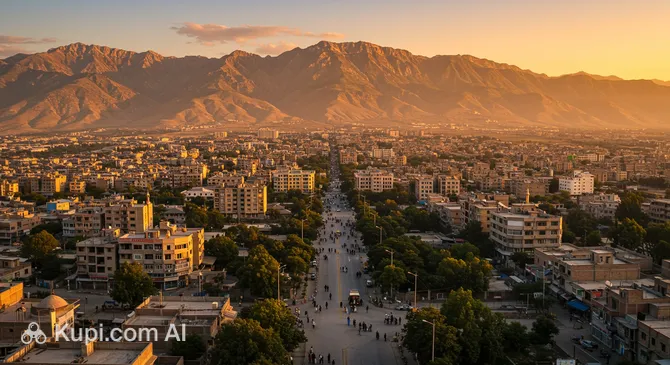
Quetta. Source: Kupi.Binoculars

The city's past is deeply intertwined with its location near the famous Bolan Pass, a historic gateway to South Asia. Those interested in the history of Quetta will discover a narrative of resilience, particularly how the city rebuilt itself into a modern urban center following the devastating earthquake of 1935. Today, it stands as a testament to the enduring spirit of its people.

Travelers are drawn to several key attractions, including the serene Hanna Lake, which is perfect for picnicking and boating against a backdrop of mountains. Nature enthusiasts should not miss the Hazarganji Chiltan National Park, a sanctuary for the rare Chiltan ibex. Additionally, the local bazaars are famous for their exquisite hand-knotted rugs, copperware, and delicious dried fruits, offering a true taste of local craftsmanship.

Whether you are looking to explore rugged landscapes or immerse yourself in a rich cultural tapestry, Quetta welcomes visitors with open arms. It is a destination that promises memorable views and warm hospitality.
Weather Overview

Due to its high altitude, the city experiences a semi-arid climate with distinct seasonal changes. The weather in Quetta varies significantly throughout the year, offering crisp winters and warm summers.

Winters, spanning from December to February, are cold, with January seeing average temperatures of just 4.6°C and minimums dropping to -0.6°C. March brings a transition with milder temperatures but also the highest frequency of rainfall, recording about 9 wet days.

Summers are pleasant compared to the scorching heat of the lowlands. June and July are the warmest months, with average temperatures reaching around 26.6°C and daily highs peaking near 33°C. The autumn months, particularly September and October, are notably dry with very few rainy days. Expect warm summers with occasional rain and cold, dry winters.

Interesting Facts

Beyond the main attractions and bustling bazaars, Quetta holds fascinating secrets and historical footnotes that add depth to its character. From ancient engineering marvels to whimsical mountain shapes, the city offers plenty of surprises for the curious traveler.

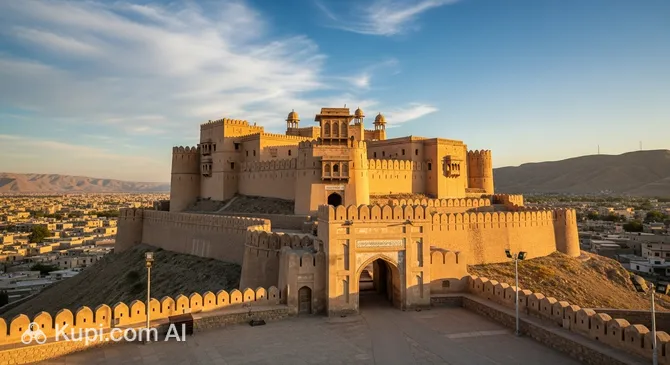
Miri Fort. Source: Kupi.Binoculars
  • The city is home to the historic Miri Fort, which sits atop a massive mound. Legends and archaeological findings suggest this mound is actually composed of layers of debris and pottery from civilizations dating back thousands of years, making it a literal hill of history.

  • Before the catastrophic earthquake of 1935 reshaped its architecture, Quetta was widely known as "Little London." The British administration had developed the city with such distinct European aesthetics and meticulous planning that it reminded them of the English capital.

  • Nature has carved a whimsical figure into the local landscape known as the "Sleeping Beauty." When viewed from specific vantage points in the city, the silhouette of the rugged mountain range remarkably resembles a woman resting in a peaceful slumber.

  • The region sustains its famous orchards through an ancient and ingenious water management system called "Kareez." These underground tunnels tap into groundwater sources near the mountains and transport water for miles without evaporation, a sustainable practice used for centuries.

How to Get There

Reaching the provincial capital of Balochistan is an adventure that often begins with a scenic journey. While the city is tucked away in a valley of high mountains, it remains well-connected to the rest of the country. For travelers planning their itinerary, you can read more about how to get to Quetta and the various transport options available. Whether you choose to fly or travel overland, the approach to the city offers unique views of the rugged landscape.

The most convenient gateway for most visitors is Quetta Airport (UET). It is a significant regional hub located directly in the city, making arrival seamless. The airport is situated just 9.5 km from the city center, ensuring a quick transfer to your accommodation. A taxi or bus ride from the terminal to the downtown area typically takes around 35 minutes.

In the broader region, you may also find Kandahar Airport (KDH) listed as a nearby major transport facility. However, it is essential to note that this airport is located in the city of Kandahar, across the border, approximately 183 km away from Quetta. Due to the distance and location, an overland transfer from there would take roughly 5 hours.

For clarity, here is a summary of the main airports:

Airport Name City Passenger Traffic Km from City
Quetta Airport Quetta Medium 9.5
Kandahar Airport Kandahar Medium 183.3

Beyond air travel, Quetta is linked to the rest of Pakistan by a network of highways and a historic railway system. The journey by road or train, particularly through the famous Bolan Pass, is renowned for its dramatic scenery and engineering marvels. Buses and trains frequently connect the city to major centers like Karachi and Lahore, offering a memorable alternative for those who prefer ground transport.

Main Attractions

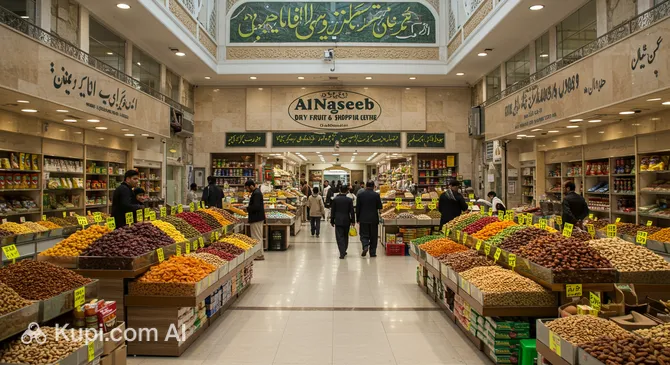
Quetta is often celebrated as the "Fruit Garden of Pakistan," and a visit to Al Naseeb Dry Fruit & Shopping Centre offers the perfect opportunity to see why. This bustling market is renowned for its high-quality produce, featuring stalls stacked with almonds, pistachios, walnuts, and saffron. It is an excellent spot for tourists to purchase healthy snacks and authentic souvenirs that capture the flavor of the region's fertile orchards.

Al Naseeb Dry Fruit & Shopping Centre. Source: Kupi.Binoculars

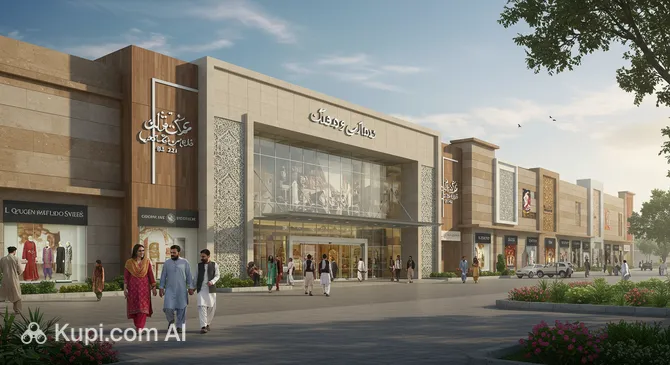
For those seeking a more contemporary retail experience, Millennium Mall stands out as a modern commercial hub. It offers a diverse selection of clothing, accessories, and international brands, providing a stark contrast to the city's traditional bazaars. The mall is a popular gathering place for locals and visitors alike, offering a comfortable environment for an evening of shopping and leisure.

Millennium Mall. Source: Kupi.Binoculars

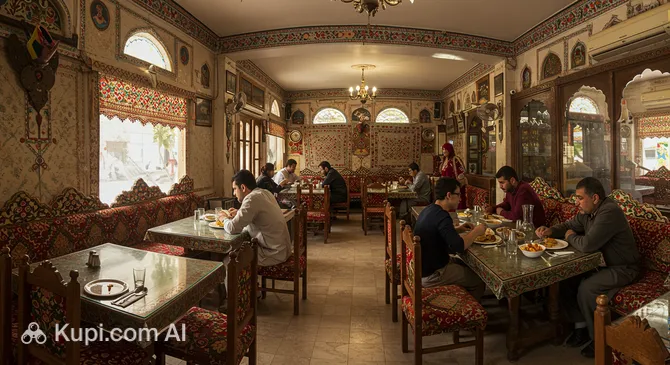
To dive deep into the authentic flavors of the province, a meal at Shah Wali Restaurant is highly recommended. This establishment has earned a stellar reputation for serving traditional dishes prepared with age-old recipes, particularly its savory meat specialties. The lively atmosphere and rich aromas provide a genuine culinary adventure, making it a favorite stop for food lovers wanting to taste the true essence of local hospitality.

Shah Wali Restaurant. Source: Kupi.Binoculars

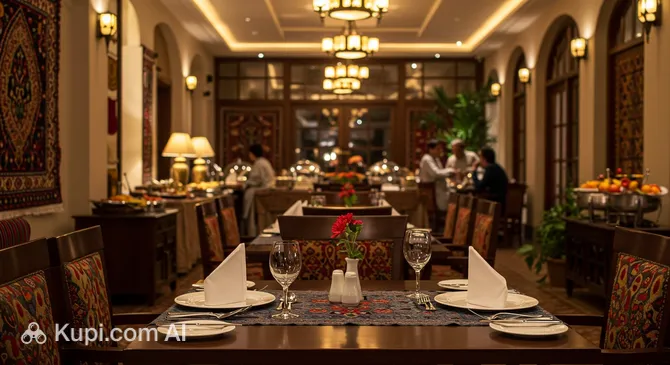
Travelers looking for a refined dining atmosphere should consider the Quetta Serena Restaurant. Located within the prestigious Serena Hotel, this venue combines luxury with cultural heritage, showcasing beautiful traditional architecture. It is the ideal place to enjoy the famous Balochi Sajji and other regional delicacies while relaxing in an elegant setting with impeccable service.

Local Cuisine

The culinary landscape of Quetta is a paradise for meat lovers, offering a distinct departure from the spicy, curry-heavy cuisine found in other parts of the country. Influenced heavily by Pashtun and Balochi traditions, the food here relies on the natural flavors of high-quality ingredients, particularly lamb and mutton, rather than complex spice blends. The crisp mountain air complements these hearty, protein-rich meals, making dining here a comforting experience.

The undisputed king of the local table is Sajji. This signature dish consists of a whole lamb or chicken, marinated simply with salt and skewered around a roaring wood fire to roast slowly for hours. The result is meat that is crisp on the outside and incredibly tender on the inside, typically served with a special stone-baked bread called "Kaak." Another must-try is Rosh, a savory mutton stew cooked in its own fat with minimal seasoning, celebrated for its melt-in-the-mouth texture and rich broth.

Given the city's status as a major fruit producer, local diets also incorporate plenty of nuts and dried fruits. These ingredients are often used in savory dishes or eaten as snacks. Visitors can see the abundance of these staples at places like the Al Naseeb Dry Fruit & Shopping Centre, where the connection between the region's orchards and its kitchen tables is most visible.

Beverages in the city are dominated by a strong tea culture. Alcohol is generally not part of the dining scene due to local laws and customs. Instead, meals are almost always concluded with a cup of Kawah (green tea). This golden brew is often flavored with saffron, cardamom, or cinnamon and is traditionally sweetened with local candies or jaggery. It serves as both a digestive aid and a warm gesture of hospitality.

The food culture in Quetta is communal and rustic. While there are modern eateries, the most authentic experiences are found in the traditional food streets, such as those along Prince Road. Here, it is common to see locals seated on raised platforms (takhts) or on the floor, sharing large platters of rice and meat. This shared dining style reflects the deep-rooted values of brotherhood and generosity that define the province.

Travel Tips

Visiting Quetta offers a fascinating glimpse into the rugged beauty and rich traditions of Balochistan, but like any destination with a distinct cultural identity, a little preparation goes a long way. To help you navigate the city with ease and respect for local customs, here are some practical tips to ensure your journey is smooth and enjoyable.

  1. Clothing and Gear: Since Quetta is situated at a high altitude, the weather can be surprisingly chilly, especially in the evenings and during winter. Pack warm layers, a sturdy jacket, and comfortable walking shoes. Culturally, the city is conservative; men should wear long trousers and shirts, while the traditional Shalwar Kameez is highly appreciated. Women are advised to wear loose-fitting clothes that cover the arms and legs, and carrying a scarf (dupatta) to cover the head is essential when in public spaces.

  2. Transportation: For short distances within the city, auto-rickshaws are the most convenient and abundant mode of transport, though you should negotiate the fare before hopping in. Ride-hailing apps are available but may have limited coverage compared to other major cities in Pakistan. For a hassle-free experience, especially for day trips to places like Hanna Lake, hiring a private car with a local driver is widely recommended.

  3. Finances: The local currency is the Pakistani Rupee (PKR). While high-end establishments like the Serena Hotel may accept credit cards, Quetta is predominantly a cash-based economy. Ensure you carry enough cash for bazaars, restaurants, and transport. ATMs are available in the city center, but it is wise to withdraw money during the day in busy areas. Tipping is not mandatory but is a kind gesture; rounding up the fare or leaving small change is appreciated.

  4. Health and Safety: Stick to bottled water for drinking and avoid consuming raw vegetables or cut fruits from street vendors to prevent stomach issues. Pharmacies are generally well-stocked in the city center, but it is best to bring your own prescription medications. As a tourist, always keep your identification documents and passport handy, as there are frequent checkpoints. It is advisable to stay in well-lit, populated areas and consult your hotel regarding safe zones for evening strolls.

  5. Communication: Urdu is the national language and is widely understood, while Pashto and Balochi are the primary regional tongues. English is spoken by hotel staff and educated locals, but it is not universally understood in the bazaars. Learning a few basic phrases like "As-salamu alaykum" (Peace be upon you) for greetings and "Shukriya" (Thank you) can help break the ice. For connectivity, purchase a local SIM card (Zong or Jazz are reliable) at an official franchise with your passport.

  6. Local Etiquette: Balochistan is known for its incredible hospitality, but it is also deeply traditional. Always greet people politely; a hand over the heart is a respectful gesture. Interaction between genders is formal; men should not offer to shake hands with women unless the woman initiates it. If you are invited to a local's home, remove your shoes before entering the main living area.

  7. What to Avoid: strict privacy norms mean you should never take photographs of women without explicit permission, and generally, it is polite to ask men as well. Additionally, avoid photographing military installations, government buildings, or security checkpoints, as this is strictly prohibited and can lead to unnecessary questioning.

  8. Shopping Insight: When buying dry fruits or handicrafts in the bazaars, bargaining is a standard part of the transaction. Shopkeepers expect it and often quote a higher initial price. Approach it with a smile and a friendly attitude, and you will likely walk away with a good deal and a pleasant interaction.

By keeping these practical points in mind, you can focus on what really matters: soaking in the stunning mountain views and enjoying the legendary hospitality of Quetta. With the right preparation, your visit to this unique highland city will be a memorable adventure filled with warm encounters and cultural discoveries.

Entertainment & Nightlife

Entertainment in Quetta is defined by a relaxed and communal atmosphere, distinct from the high-energy nightlife found in larger metropolises. For locals and visitors alike, leisure time is often spent enjoying the outdoors or gathering in social hubs that blend modern amenities with traditional hospitality.

For a contemporary experience, the Millennium Mall is a primary destination. Apart from being a key shopping spot, it serves as a central hub for leisure, offering a modern and comfortable environment where families and friends can spend quality time together. It is a popular venue for evening outings, providing a lively yet safe setting for visitors to enjoy the city's modern side.

Those seeking a more tranquil setting often head to the city's parks. Askari Park is a favorite among residents for its well-maintained walking tracks and green spaces, providing a refreshing escape from the urban bustle. It is an excellent spot for a leisurely evening walk or a family picnic under the open sky.

For a touch of luxury and cultural immersion, the Quetta Serena Restaurant and its surrounding hotel grounds offer a sophisticated retreat. The venue frequently hosts cultural nights and musical performances that showcase the rich heritage of Balochistan. Guests can relax in the serene gardens, enjoying a peaceful ambiance that feels worlds away from the busy city streets.

Quetta Serena Restaurant. Source: Kupi.Binoculars

As night falls, the city's social life shifts to its tea houses and roadside cafes. The tradition of late-night tea is a form of entertainment in itself, where groups of friends gather to sip "Kawah" and converse for hours. This vibrant street culture offers a genuine connection to the local way of life, making it a must-do activity for any visitor looking to experience the true spirit of the city.

Parks & Museums

Quetta offers a refreshing mix of natural beauty and historical depth, serving as a gateway to both the rugged landscapes of Balochistan and the rich heritage of the region. While the city is famous for its bustling trade, its serene valleys, national parks, and cultural institutions provide a peaceful retreat for nature lovers and history enthusiasts alike.

One of the most spectacular natural attractions is Hanna Lake, located just a short drive from the city center. Framed by contrasting brown mountains, the turquoise waters of the lake create a stunning visual impact. It is a favorite spot for locals to enjoy boating or simply relax by the water's edge. In winter, the frozen lake and snow-dusted hills offer a magical, almost alpine atmosphere, while summer brings families for picnics under the pine trees planted on the lakeside terraces.

For wildlife enthusiasts, Hazarganji Chiltan National Park is an essential stop. The name translates to "Of One Thousand Treasures," a reference to the many legends buried in its rocky folds. This protected area is the last habitat of the endangered Chiltan Ibex and offers hiking trails that wind through juniper forests and rugged terrain. It provides a rare opportunity to observe the diverse flora and fauna of the province in their natural habitat.

Those interested in the region's past should visit the Archaeological Museum of Quetta. The museum houses an impressive collection of artifacts that trace the history of Balochistan from the Stone Age to the British colonial era. Visitors can explore galleries filled with ancient pottery, coins, and weaponry, including relics from the Mehergarh civilization, one of the earliest known farming settlements in South Asia.

Another significant cultural venue is the Geological Museum, maintained by the Geological Survey of Pakistan. Given the province's mineral wealth, this museum offers a fascinating look at the earth's treasures, showcasing a vast variety of rocks, minerals, and fossils found in the region. It is an educational experience that highlights the geological significance of the area.

Dominating the landscape with its historical presence is the Miri Fort. Although access to the interior can sometimes be restricted due to its use by security forces, the structure itself is a marvel to behold from the outside. Standing on a massive ancient mound, it represents the strategic military importance of Quetta throughout the centuries and serves as a silent sentinel over the city.

For a truly authentic experience, take a drive to the Urak Valley near the city. Known as the "Fruit Garden," this area is lined with lush orchards of apples, peaches, and apricots. A walk here during the blossoming season offers a sensory delight of fragrances and colors that few tourists get to experience fully.

Getting Around

The public transport system in Quetta is predominantly road-based and operates informally compared to the structured networks found in larger global metropolises. There is no metro or tram system in the city. Instead, the daily commute relies heavily on a mix of buses, minibuses, and auto-rickshaws that navigate the busy streets. For a visitor, the system can seem chaotic at first, but it is an integral part of the local rhythm and offers a highly authentic experience of daily life in the province.

The most common form of mass transit is the local bus network. These buses are often vibrant spectacles, decorated with intricate "truck art" featuring colorful motifs, poetry, and jingling bells. They cover major routes across the city and are extremely affordable. In recent years, the city has introduced the Green Bus Service, a modern fleet of buses that provides a more comfortable and regulated commuting option on select key routes, such as the corridor from the airport to the university. These modern buses are air-conditioned and offer a stark contrast to the older, traditional fleets.

For flexible, door-to-door transport, auto-rickshaws are the most popular choice. These three-wheeled vehicles can weave through narrow lanes and traffic jams where larger vehicles might get stuck. They are abundant and can be hailed from almost any street corner. While they lack the comfort of a private car, they are the quickest way to travel short to medium distances within the city center.

The payment system across all modes of public transport is exclusively cash-based. There are no travel cards, digital passes, or mobile tap-to-pay systems for the general bus network or rickshaws. Passengers pay the conductor inside the bus or the driver directly upon reaching their destination. Fares are generally very low. It is essential to carry small denominations of the local currency, as drivers often struggle to provide change for large banknotes.

Ride-hailing apps have a presence in the region, but their reliability and availability can fluctuate compared to other major cities. While you might find services like Uber or local equivalents, they are not always dependable for immediate pickups. Traditional yellow taxis exist but are less common than rickshaws. For tourists who value comfort and security, the best alternative is to rent a car with a local driver for the day. This option is widely available through hotels and travel agencies and eliminates the stress of navigation and bargaining.

When using public transport, tourists should be aware of local social norms. Buses typically have a designated section for women, usually at the front, while men sit in the back; it is important to respect this segregation. Operating hours for public transport generally span from early morning until late evening, but services thin out significantly after sunset. For safety and convenience, it is advisable to complete your travel before nightfall or rely on a private hotel transfer for evening outings.

Accommodation

Accommodation in Quetta caters to a variety of needs, ranging from modest guesthouses to a few high-end establishments. While the city does not have the extensive hospitality infrastructure found in Pakistan's larger metropolises like Karachi or Lahore, visitors will find sufficient options to ensure a comfortable stay. The available lodgings primarily focus on functionality and traditional hospitality, with a limited number of luxury providers offering modern amenities.

For travelers prioritizing convenience and immersion in local life, the City Center is the most popular area to stay. Hotels located near Jinnah Road and Liaquat Bazaar place you right in the heart of the action, within walking distance of major markets, food streets, and transport links. However, this area can be quite noisy and crowded. Those seeking a quieter, greener, and more secure environment often prefer the Cantonment area or Zarghoon Road. This part of the city is home to better-maintained roads, government buildings, and the city's premier hotels, offering a peaceful retreat after a day of exploring.

The accommodation spectrum is quite distinct. At the top end, you have the city's landmark luxury hotel, the Quetta Serena, which stands in a league of its own regarding security, architecture, and service standards. Below this, there is a selection of mid-range hotels that offer decent cleanliness, attached bathrooms, and television, often used by business travelers. For budget-conscious tourists and backpackers, numerous small hotels and "sarais" (traditional inns) in the downtown area provide very basic sleeping quarters at extremely affordable rates.

When planning your trip, consider the seasonal weather. Since Quetta experiences harsh winters with temperatures dropping below freezing, it is crucial to confirm that your chosen accommodation provides heating and reliable hot water. In lower-end hotels, these amenities may not be standard or might cost extra. Conversely, during the pleasant summer months, air conditioning is less critical here than in the rest of the country, though still desirable.

Booking and Prices:

  • Price Range: The cost of accommodation is generally lower than the national average. Budget options can be found for very low rates, while mid-range hotels are quite affordable. The few luxury options command prices comparable to international standards.
  • Booking Methods: While the top-tier hotels can be booked via major online travel platforms, many mid-range and budget establishments in Quetta do not have a strong online presence. It is often more effective to book directly by phone or simply walk in, especially for budget stays.
  • Payment: Cash is the primary mode of payment for most hotels. Credit cards are typically accepted only at high-end establishments, so it is advisable to keep sufficient cash on hand when checking out.

Booking Tip: If you plan to visit during the peak summer season (when domestic tourists flock to the nearby hill station of Ziarat) or require high-security accommodation, it is highly recommended to book your room several weeks in advance, as the best options fill up quickly.

Nearby Cities

For those looking to explore the surroundings, Quetta serves as an excellent base for day trips to several interesting nearby locations:

City Population Distance (km)
Sukkur 499,900 325
Larkana 490,508 314
Dera Ghazi Khan 399,064 352
Jacobabad 200,815 253
Sibi 200,000 110

One of the most prominent destinations for a day trip is Sibi. Located approximately 110 kilometers away at the foot of the mountains near the Bolan Pass, this historic city offers a starkly different climate and atmosphere compared to the highlands. Sibi is renowned for its annual cultural festival, the Sibi Mela, which showcases the region's livestock, handicrafts, and folk traditions, making it a fascinating stop for those interested in local heritage.

Although not listed in the table, the town of Ziarat is widely considered the premier summer retreat in the region. Famous for its ancient juniper forests, which are among the oldest in the world, Ziarat offers a refreshing escape with its cool mountain air and scenic walking trails. It is also home to the iconic Quaid-e-Azam Residency, a beautiful wooden landmark where the founder of Pakistan spent his final days.

For travelers willing to undertake a longer journey or a short overnight visit, Sukkur presents a gateway to the rich history of the Indus Valley. Situated on the banks of the Indus River, the city is known for the impressive Lansdowne Bridge and the unique Sadhu Bela temple complex located on a river island. While it is further afield, it provides a deep dive into the architectural and diverse cultural tapestry of the wider area.

These nearby destinations offer a glimpse into the diverse culture and landscapes of the region.

Shopping & Souvenirs

Shopping in Quetta offers a vibrant journey through the region's rich cultural and commercial heritage. As a historic trading hub located near the borders of Iran and Afghanistan, the city presents a unique blend of goods that ranges from traditional Baloch craftsmanship to imported merchandise. The shopping scene is dominated by bustling, colorful bazaars rather than high-end luxury avenues, providing an authentic and lively experience for visitors.

The heartbeat of the city's retail sector is found in its sprawling traditional markets. Liaquat Bazaar and Suraj Ganj Bazaar are the main commercial arteries where tourists can find almost anything, from local handicrafts to everyday essentials. These streets are always teeming with life, offering a sensory overload of sights and sounds. Kandahari Bazaar is another significant area, particularly famous for its traditional items and the distinct cultural vibe that reflects the diversity of the province.

For travelers seeking a modern retail environment, the Millennium Mall is the city's premier destination. It provides a stark contrast to the open-air markets, offering air-conditioned comfort, branded clothing stores, and a food court. It is a popular spot for families and those looking for a more organized shopping experience away from the dust and noise of the street markets.

Local markets are also renowned for specific types of goods. The Russian Market is a favorite among locals and visitors alike for bargain hunting. Here, you can find a wide array of imported electronics, kitchenware, and household goods at competitive prices. It is an excellent place to browse for unique items that have made their way across the border, often sold at rates much lower than in other parts of the country.

When it comes to souvenirs, Quetta is famous for its exceptional handicrafts and produce. The region produces some of the finest hand-knotted rugs and carpets in Pakistan, featuring intricate geometric designs that tell stories of local tribes. Traditional Balochi embroidery, characterized by elaborate mirror work on dresses and shawls, makes for a beautiful and lightweight gift. Additionally, the city is known for its copperware and the sturdy traditional leather sandals known as Chawat.

However, the most popular purchase for any tourist is undoubtedly dry fruit. Known as the "Fruit Garden," the city offers premium quality almonds, pistachios, walnuts, and dried apricots. The Al Naseeb Dry Fruit & Shopping Centre is a top location to buy these edible treasures, often beautifully packaged for travel. Saffron and wild mountain herbs are also highly sought-after commodities available in these specialty shops.

Regarding practicalities, shopping hours in the city typically start later in the morning, with most shops opening around 11:00 AM and staying open until late at night. On Fridays, many businesses may close for a break in the afternoon for Jummah prayers or remain closed for the day. It is important to note that the local economy is predominantly cash-based. While the Millennium Mall and some larger stores may accept credit cards, cash is essential for all transactions in the bazaars and smaller shops. Bargaining is expected and is considered part of the shopping culture in the traditional markets.

Nearby cities

Reached the end of the page?

That means the route is fully explored