Kandahar is a city deeply woven into the cultural and historical tapestry of the region. As the second-largest city in Afghanistan, it serves as a major trading hub and a significant center for local culture. Situated in the southern part of the country near the Arghandab River, the city is known for its strategic location at the crossroads of ancient trade routes connecting Central Asia, the Middle East, and the Indian subcontinent.
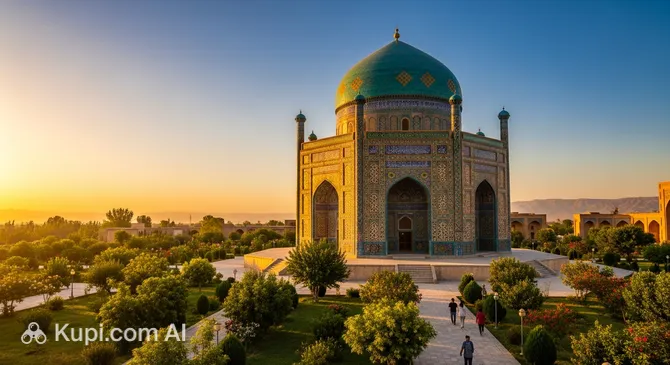
The city boasts a population of over 600,000 inhabitants and enjoys a semi-arid climate that is particularly favorable for agriculture. Kandahar is famously celebrated for its lush orchards and produces some of the finest pomegranates, grapes, and apricots in the region. This abundance of fruit has earned it a reputation as a vital agricultural basket, adding a vibrant and sweet dimension to the local economy and daily life.
Visitors intrigued by the past will find the history of Kandahar truly fascinating. It is believed to have been founded by Alexander the Great in the 4th century BC under the name Alexandria Arachosia. Over the centuries, it has served as a capital for various empires and remains a place where ancient heritage is palpable in the streets and landmarks.
Among the city's most notable sites is the Shrine of the Cloak (Kirka Sharif), a highly revered religious complex known for its stunning architecture and spiritual significance. Another key attraction is Chil Zena, or the "Forty Steps," a rock-cut architectural marvel that offers panoramic views of the city and features inscriptions dating back to the Mughal Emperor Babur. Exploring the bustling bazaars also offers a unique glimpse into the local lifestyle, where traditional craftsmanship and commerce thrive.
For travelers seeking a destination that combines profound historical depth with traditional hospitality, Kandahar offers a distinct and memorable experience. It is a place where every corner tells a story, inviting visitors to appreciate the enduring spirit and rich heritage of this ancient metropolis.